Top 14 Gorges in Naturpark Bayerische Rhön
Best canyons in Naturpark Bayerische Rhön are characterized by the region's volcanic past, which has created impressive geological formations and steep, dramatic rock faces. The landscape features rugged rocks and slopes, offering gorge-like experiences and narrow passages. This area is part of the UNESCO Biosphere Reserve Rhön, preserving its natural environment. These formations provide a sense of awe similar to more traditional canyons.
Best canyons in Naturpark Bayerische Rhön
- The most popular canyons is Elsbach Gorge Trail, a gorge…
Last updated: October 22, 2026
Schwarzbach Gorge and the Teufelsmühle (Devil’s Mill) Waterfall
Highlight (Segment) • Gorge
Translated by Google •
Tip by

Eisgraben Nature Reserve
Highlight • Forest
Translated by Google •
Tip by

Sign up now to discover places like this
Get recommendations on the best single tracks, peaks, & plenty of other exciting outdoor places.
Kaskadental
Highlight • Gorge
Translated by Google •
Tip by

Elsbach Gorge Trail
Highlight (Segment) • Gorge
Translated by Google •
Tip by
Dörflinger Ruh and Röthbach Stream
Highlight • Gorge
Translated by Google •
Tip by

Sign up for free to discover even more gorges in Naturpark Bayerische Rhön.
Already have an account?
Start today with a free account
Your next adventure awaits.
Popular around Naturpark Bayerische Rhön
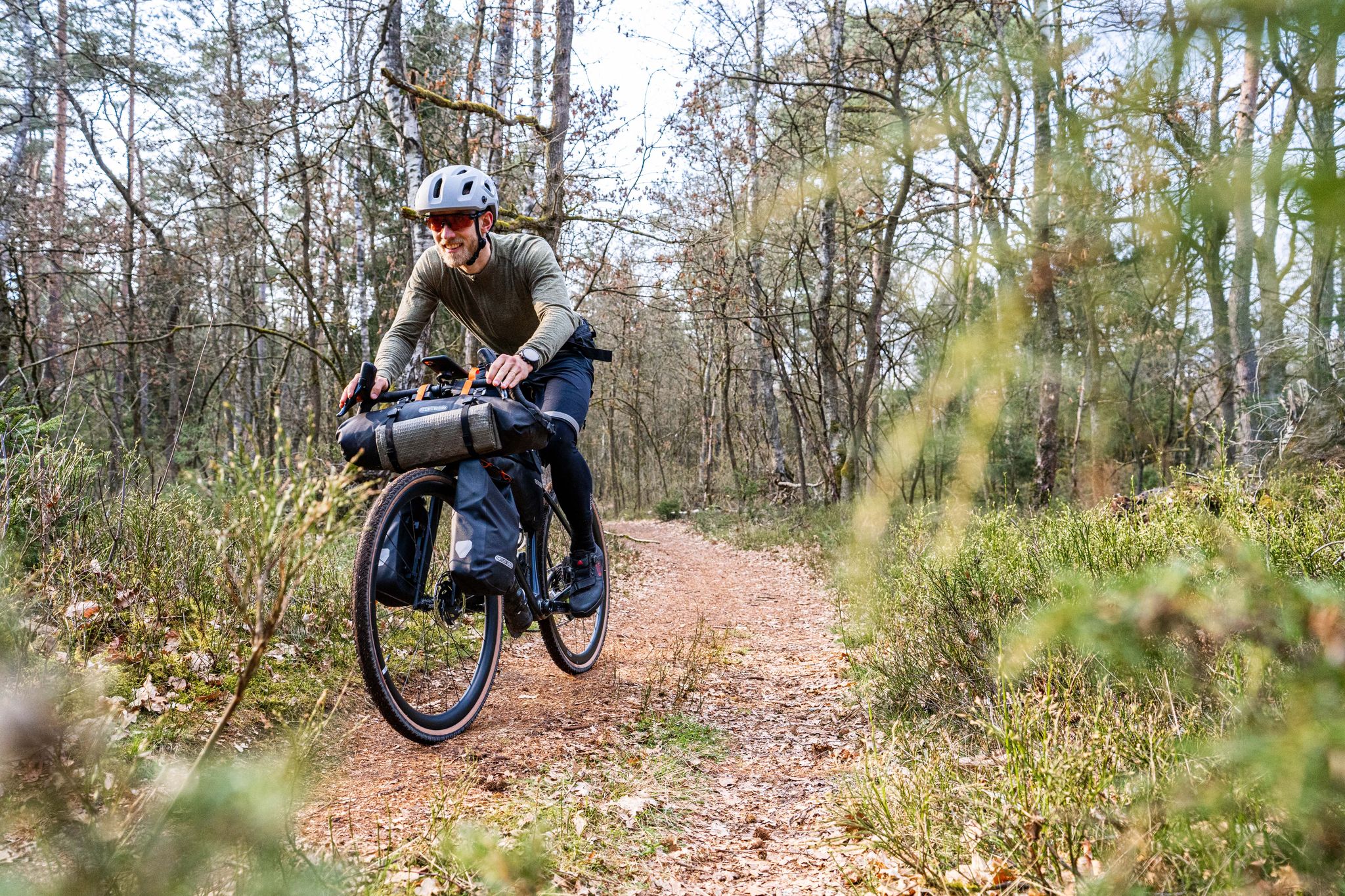
Gravel bikepacking from Hamburg to Munich
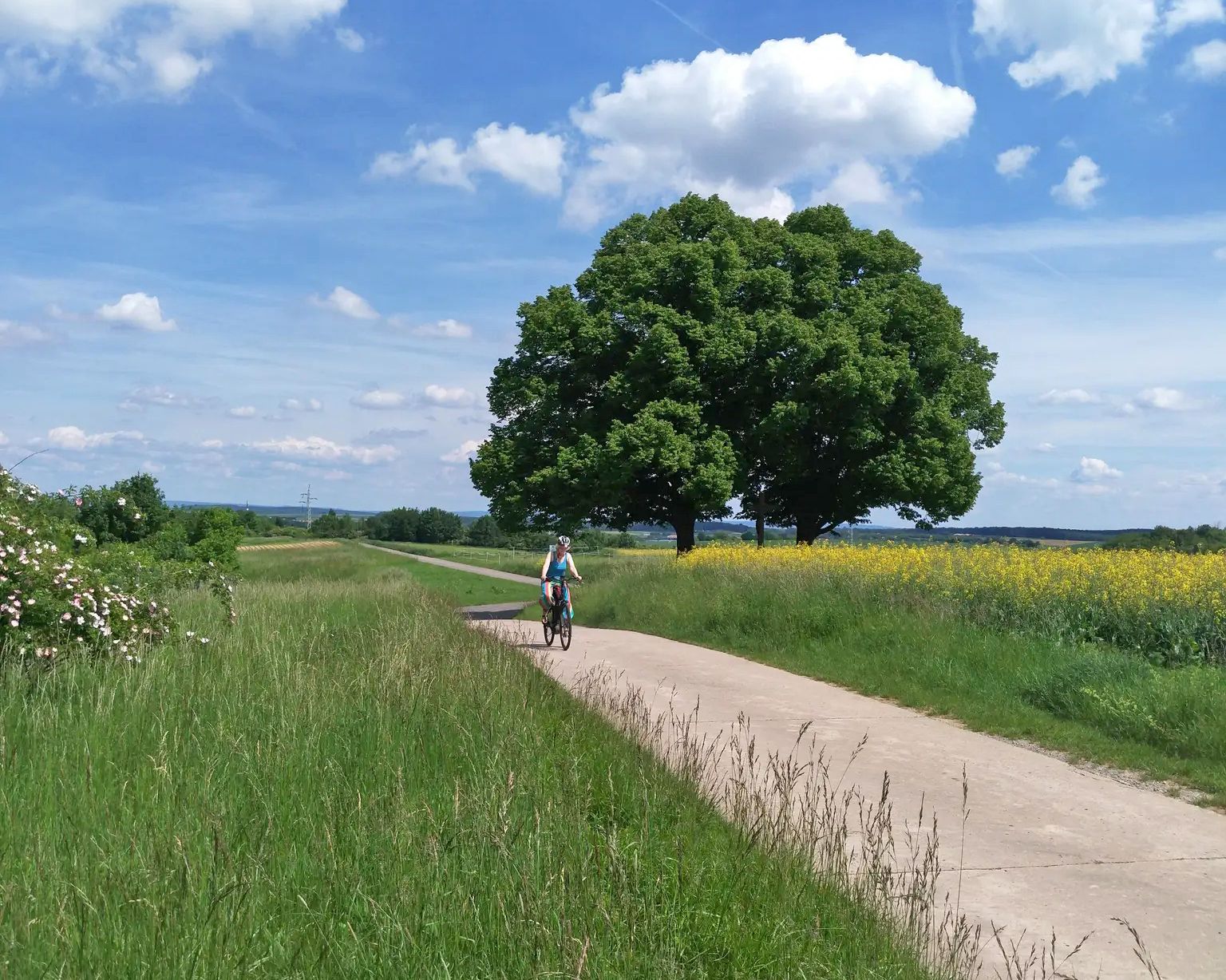
Main-Werra cycle path – From river to river
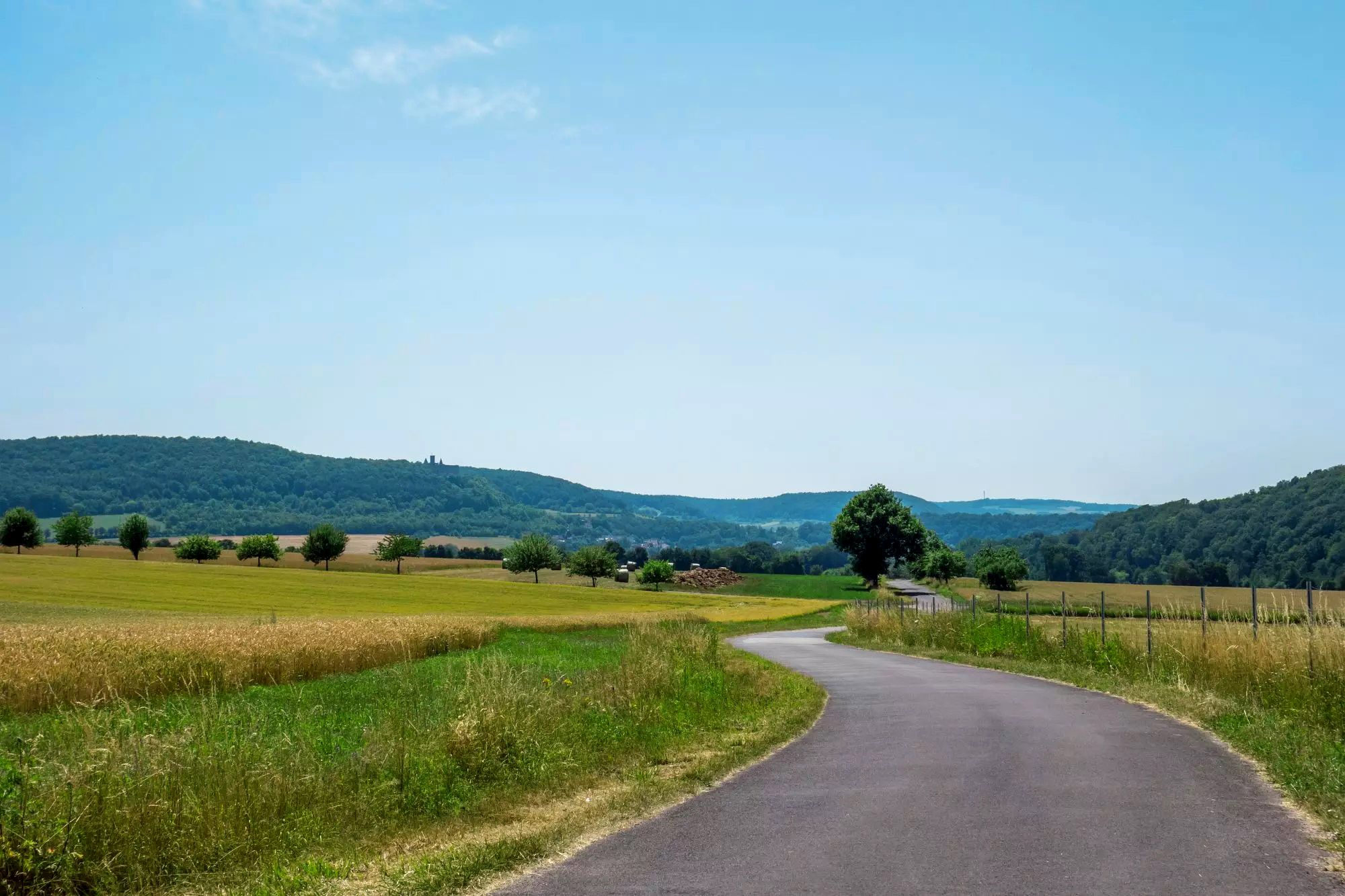
Rhön Cycleway in Germany – Cycling in the Land of Open Distances
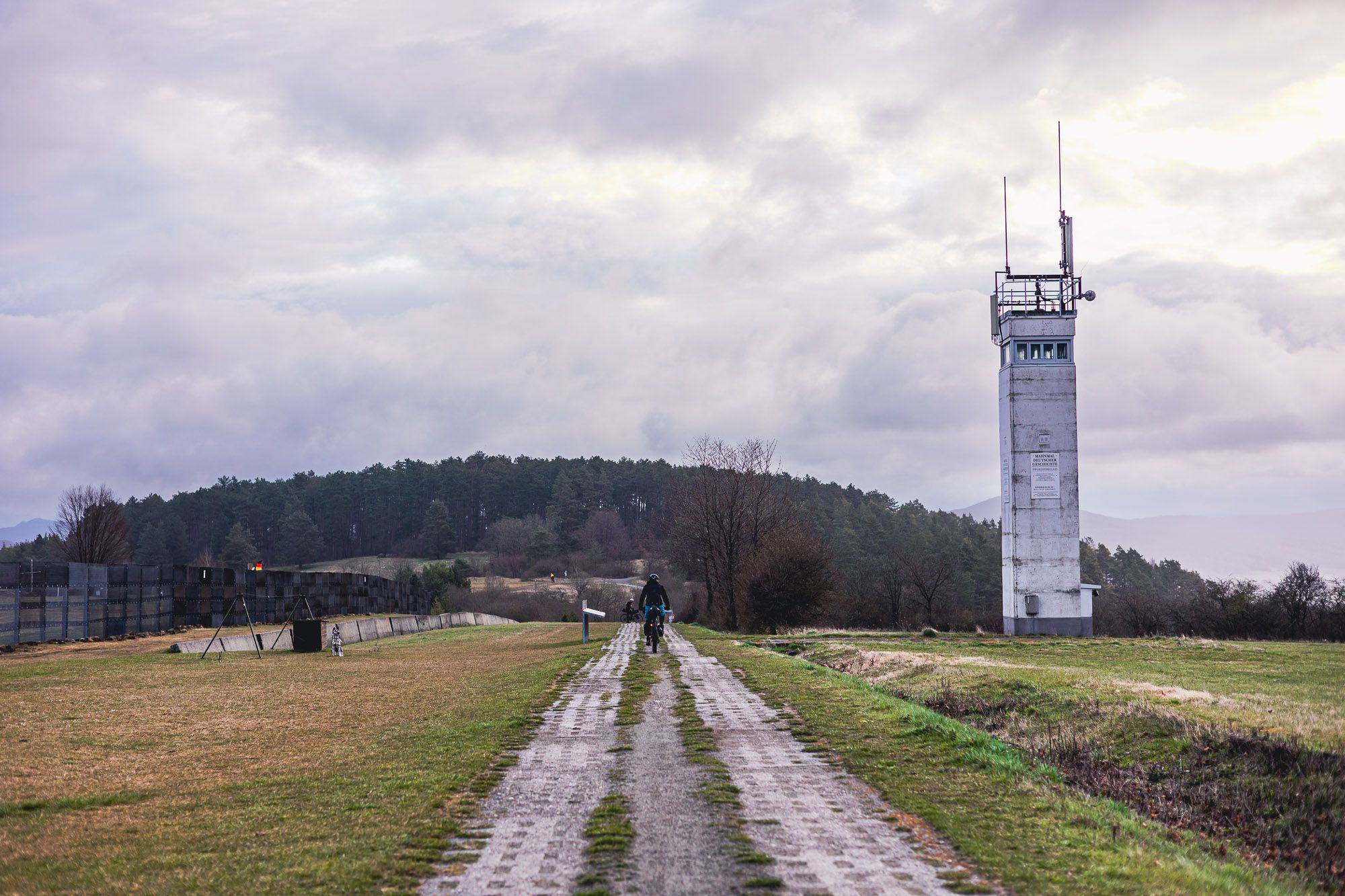
The Baltic Sea to Vogtland – 8 days along Germany's green former border
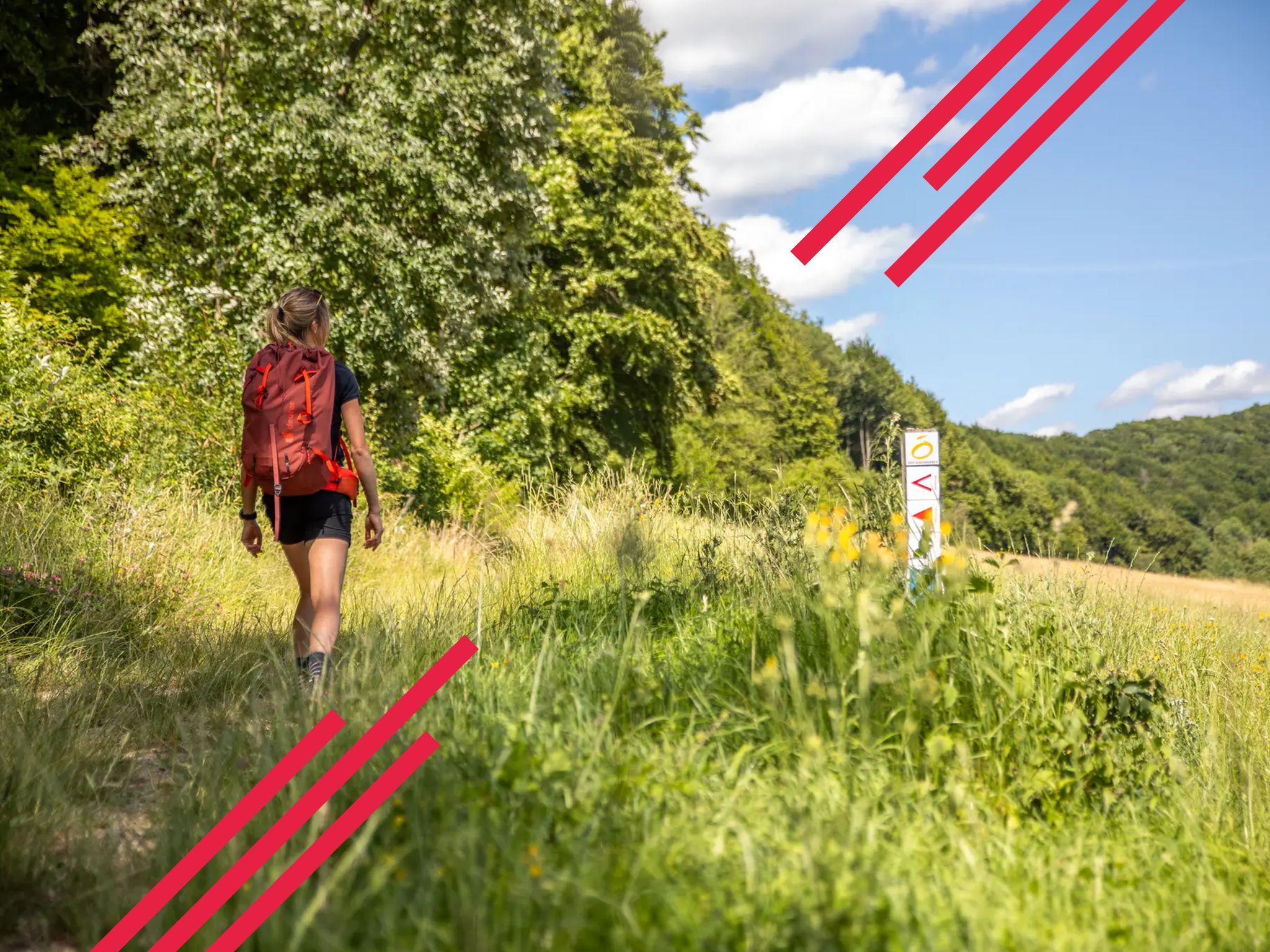
Stages of the HOCHRHÖNER Premium Hiking Trail
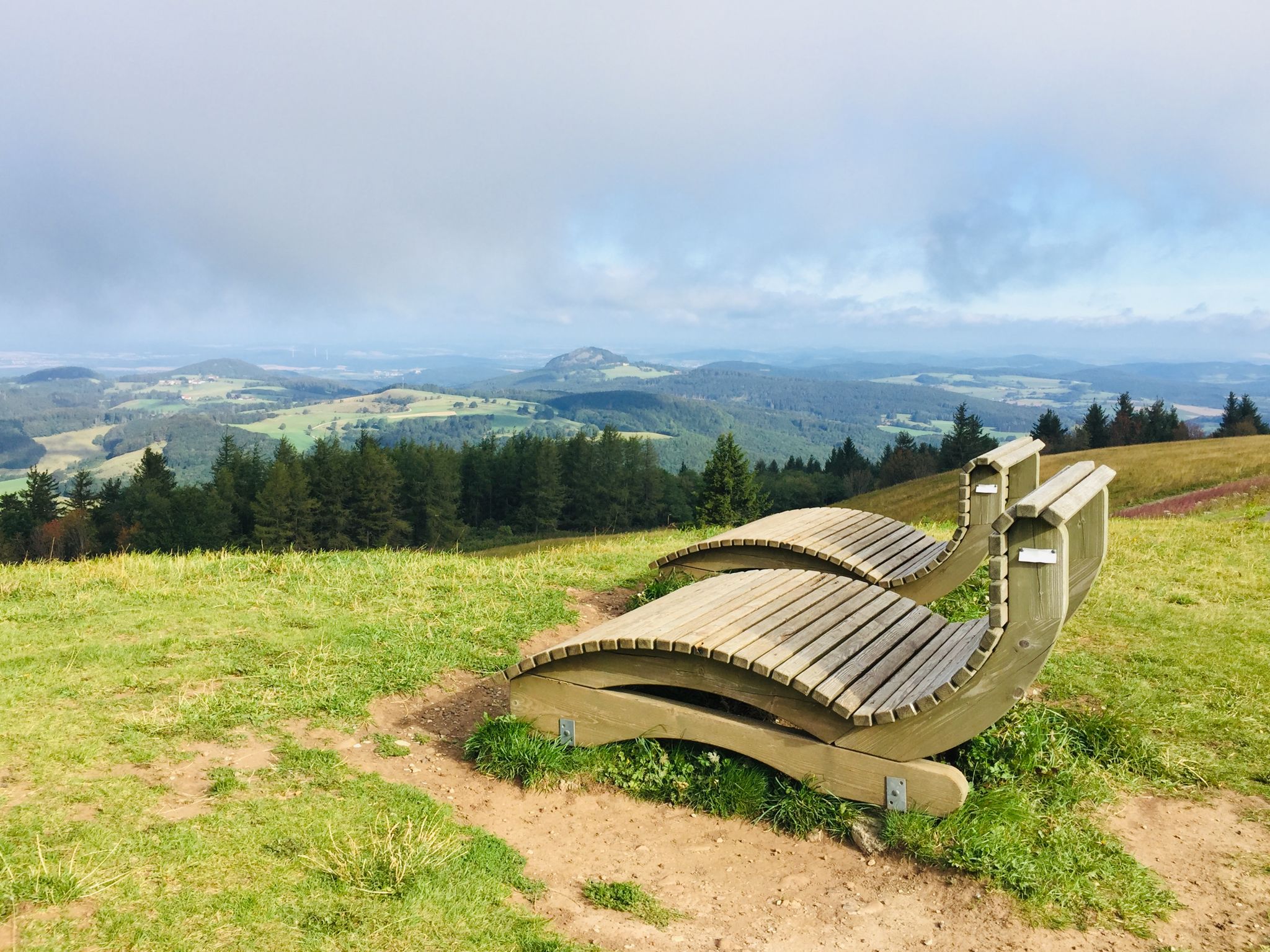
The National Natural Landscapes in Hessen
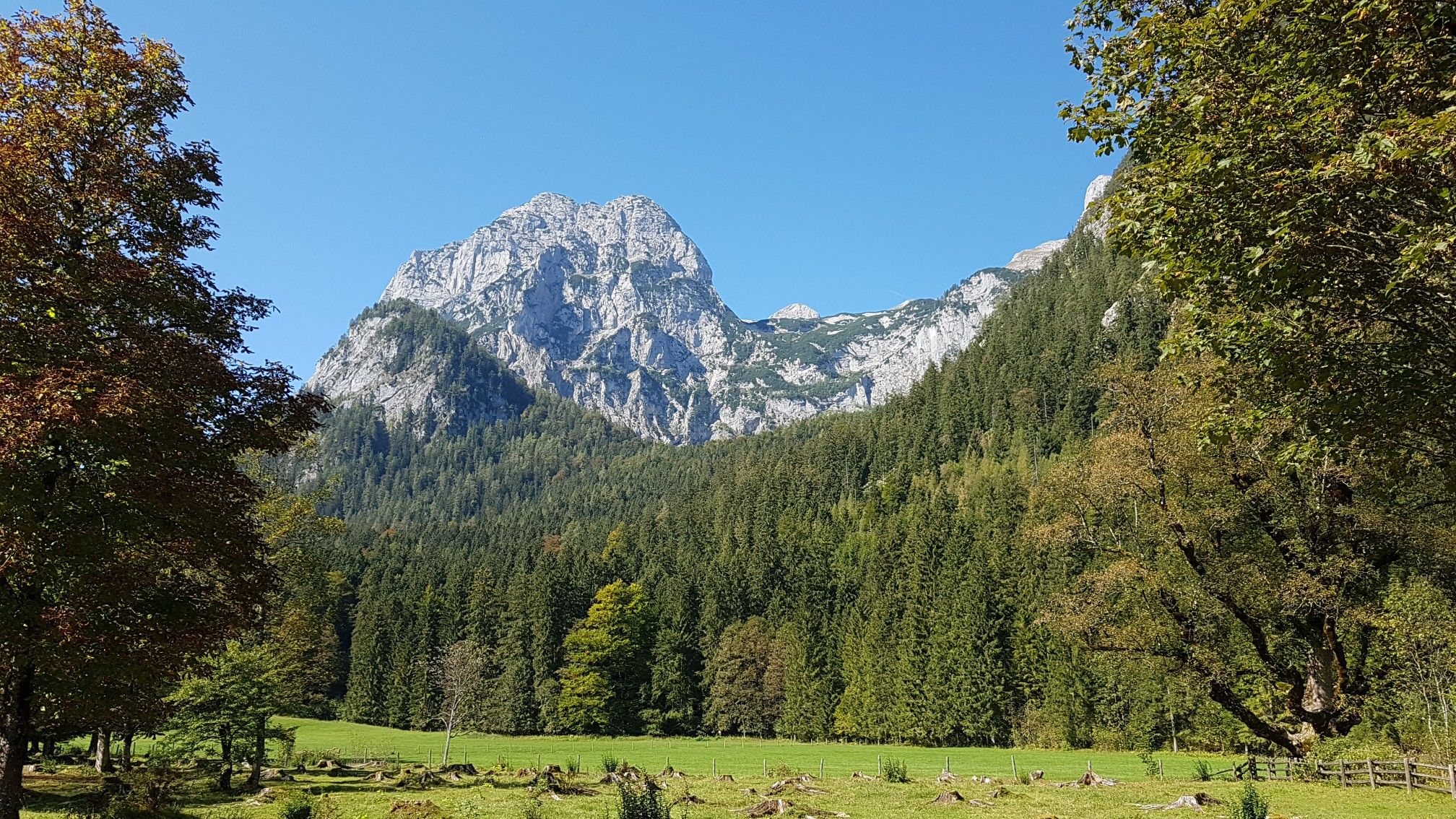
The National Natural Landscapes in Bavaria
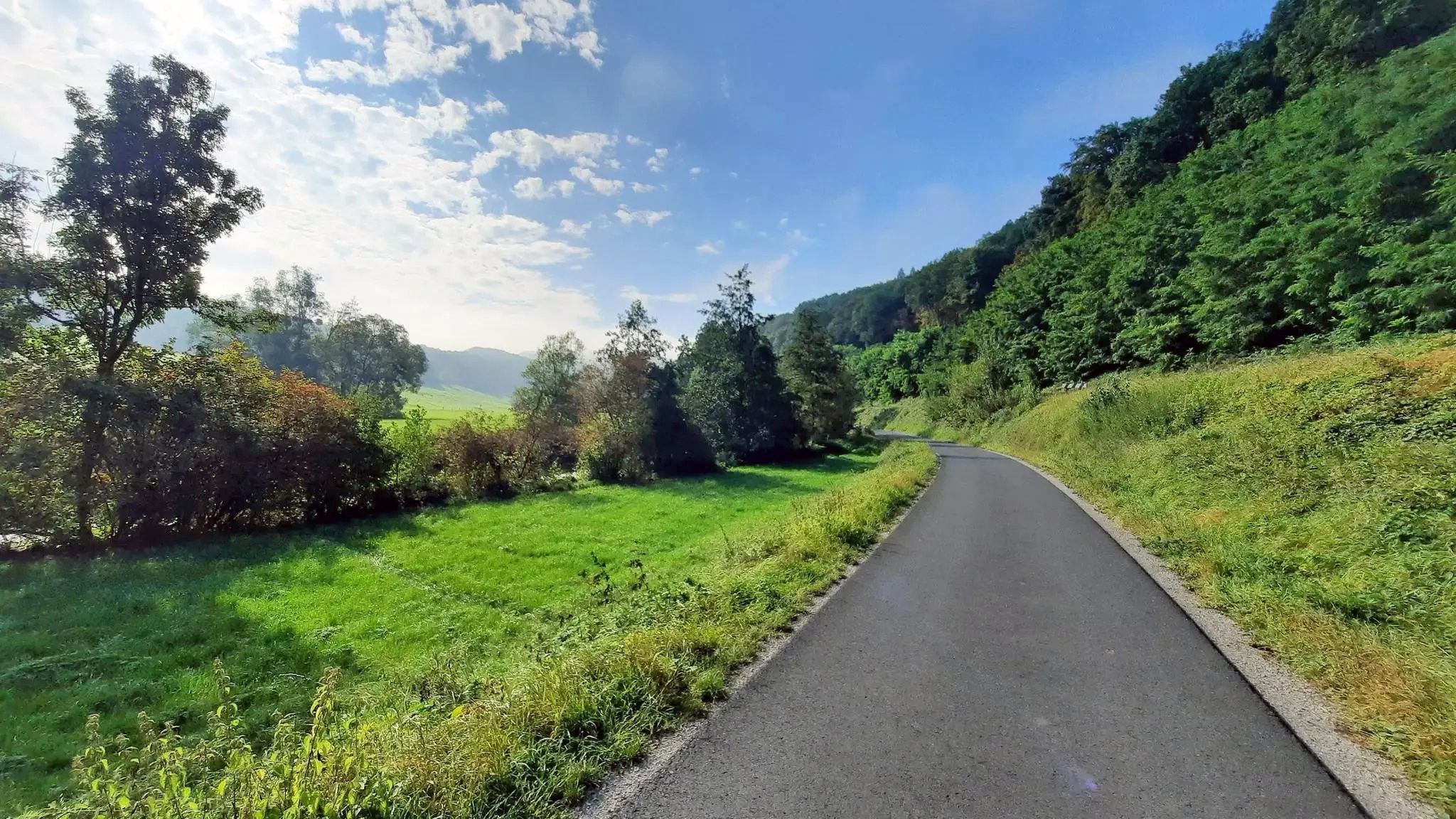
Ride from Grabfeld to the Main in Germany – Franconian Saale Cycle Route
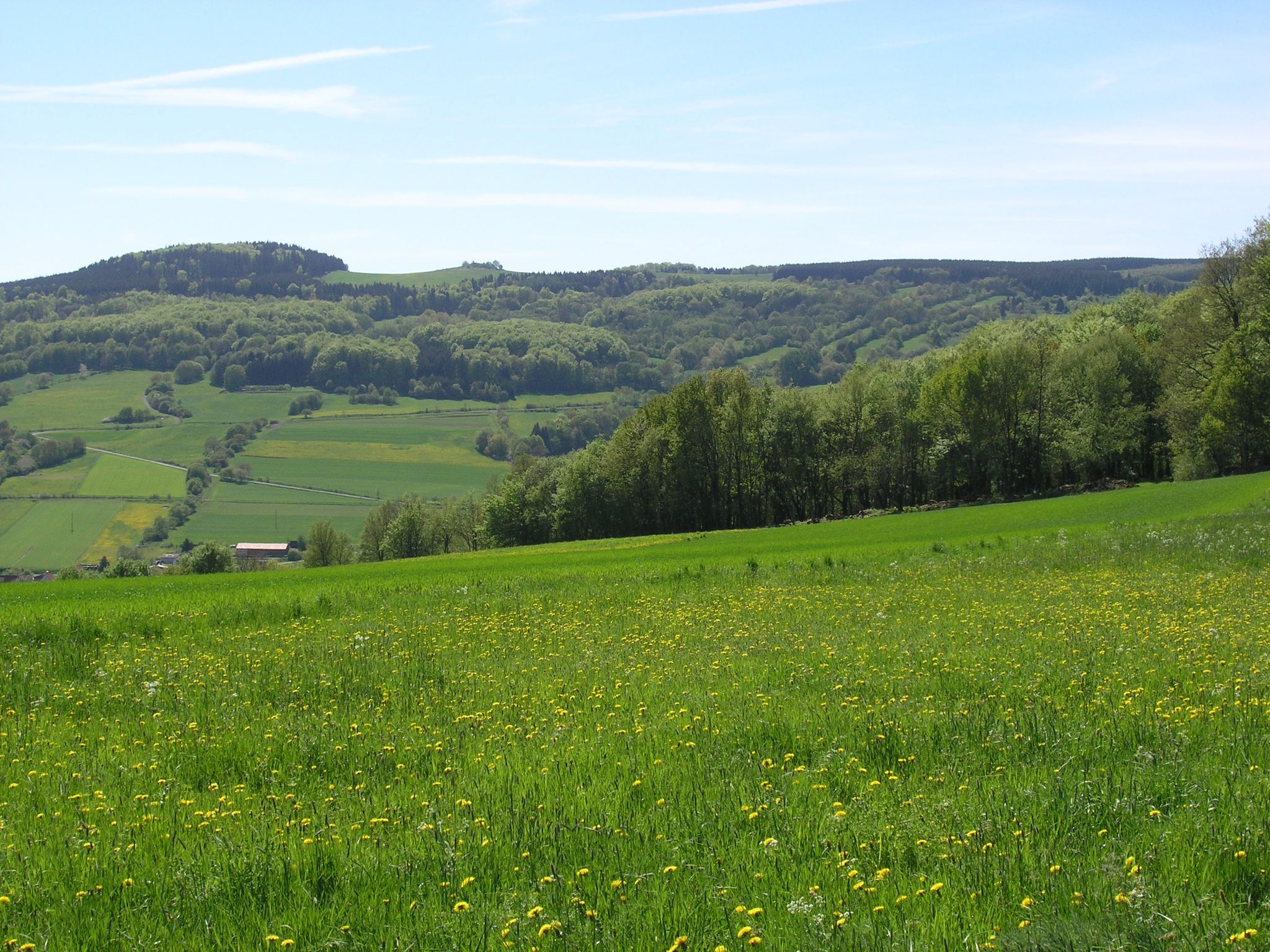
Extra tours South - Excellent premium hiking trails of the Rhön
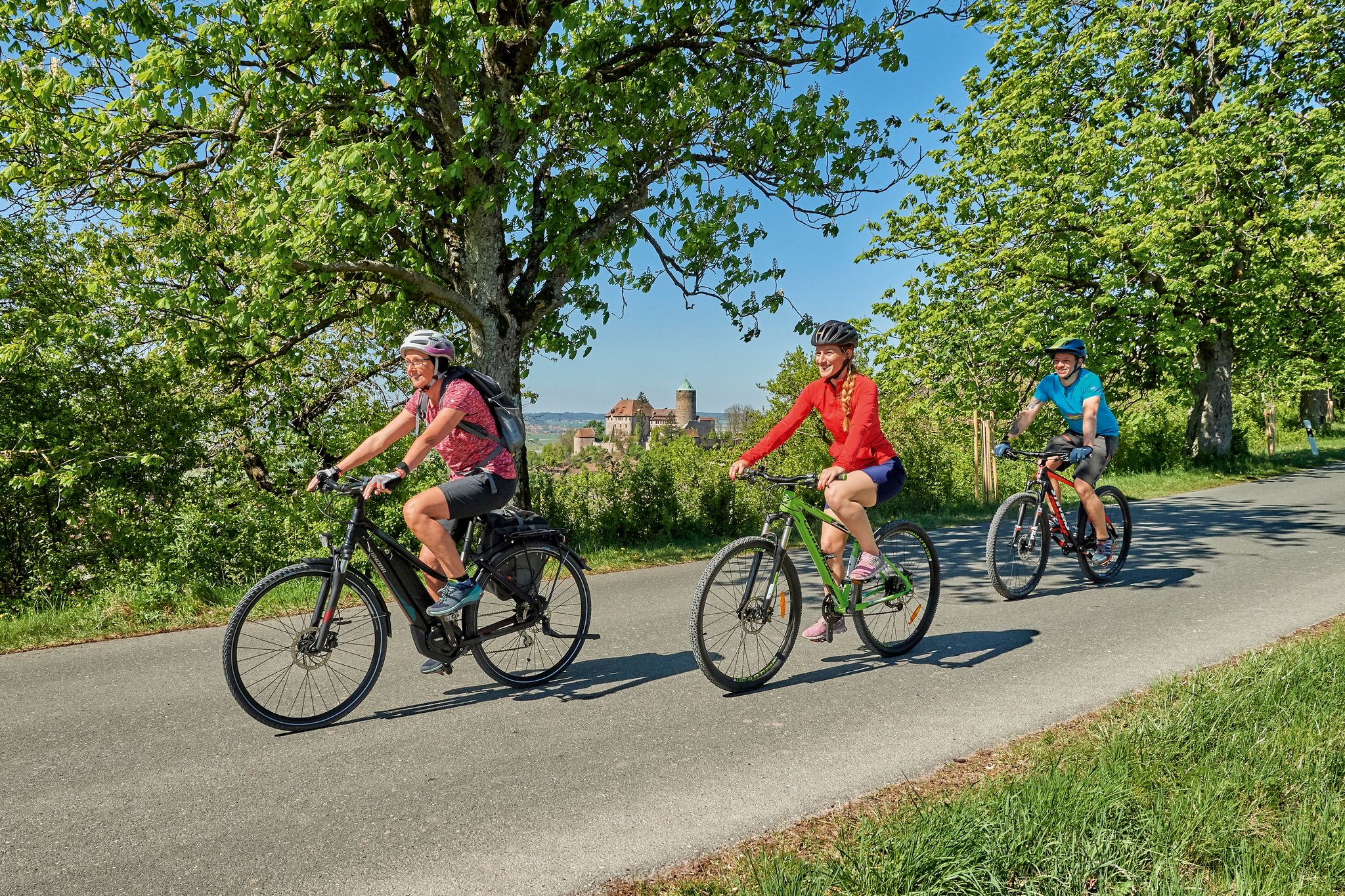
Magnificent cycling holidays — e-bike Tours through Franconia
Other adventures in Naturpark Bayerische Rhön


Tips from the Community

A beautiful piece of nature. Highly recommended.
1
0

www.biosphaere-rhoen.de Information from panel no. 2 Eisgraben - cold wind, natural forests The water of the Aschelbach, which flows over and between the basalt blocks of the Eisgraben, comes from the Black Moor on top of the Hohe Rhön - one of the last intact raised bogs in Germany. Cold air also flows from there down the valley channel. The Eisgraben owes its name to this, because it ensures that the frost lasts here well into spring. Large areas of the Eisgraben are designated as a natural forest reserve and enjoy special protection as a core zone of the UNESCO Rhön Biosphere Reserve. Leaving the moor, the Aschelbach initially meanders quietly through the landscape and finally plunges down a 4-meter-high waterfall. When it enters the forest, the stream is then called Eisgraben. It meanders between the trees and in places drops steeply by up to 10 meters on the side. Every spring, the floods of melting snow transform the narrow summer stream into a raging torrent that cuts ever deeper into the ground. An extreme storm on July 26, 1834 gave the Eisgraben its current appearance. Torrential rain caused a massive landslide that buried the town of Hausen. The catastrophe washed out brown coal in some places, which was then mined. A considerable system of tunnels was created. However, the brown coal was still quite young and therefore of poor quality, so mining was soon stopped. The women's cave is located in the lower part of the Eisgraben. At this point, the water has dug a 50-meter-long and 20-meter-deep cave into the rock. According to legend, this cave was a refuge for the women from the hamlet of Hillenberg in times of trouble. Today, the cave is no longer accessible. Also nearby are a hunter's hut and the ruins of Hildenburg.
1
0

Impressive natural spectacle of water, very worth seeing and interesting, great location
6
0

Please note that due to the Hammelburger Berg construction site you cannot continue on the hiking trail.
3
0

The mountain hiking trail on the Elsbach is a hidden gem, a symphony of rushing water, old trees and the scent of wild nature. Here, in the silence of the Rhön Biosphere Reserve, the wild romance of a path that winds along a lively stream is revealed. The murmur of the Elsbach is a constant companion on this path. With every step, up and through the wooded Kerbtal, the worries of everyday life become quieter and the beauty of nature louder. It is a place where you feel the world with all its colors and sounds more intensely. In summer, the path offers a refreshing coolness, a green roof of leaves protects from the heat and lets the light fall in soft rays on the ground. The Elsbach Bridge can be seen in the distance, from where the idyllic path is best explored. When the snow begins to melt, the Elsbach turns into a rushing spectacle. The water dances and jumps over rocks, winding through the gorge the river has carved over the centuries. Even as one hikes uphill and the trail becomes more challenging, the depths of the gorge reveal themselves to the left, a sight that inspires both awe and wonder. The view of the bubbling water that is constantly finding its way is an unforgettable experience. The Elsbach shows its charming face in every season: framed by delicate green in spring, cool and shady in summer, bathed in a sea of gold and red in autumn and a quiet, frosty wonderland in winter. The mountain hiking trail on Elsbach is a hiking highlight for those who want to feel the rhythm of nature and hike in a landscape that invites you to pause and enjoy. Here in the heart of the Rhön Biosphere Reserve you are reminded of how valuable and worthy of protection the quiet splendor of our natural world is.
0
0

The Aschelbach, which comes from the Rhön high plateau, has created the deep valley of the Eisgraben here. There is a reason for the name Eisgraben: the cool stream water and the accompanying cold air currents ensure that the temperature along the stream is a few degrees lower than in the surrounding area.
4
0

A well-developed hiking trail always leads along the Elsbach.
0
0

Great landscape that you should definitely enjoy. Beautifully shady and pleasantly cool in summer.
1
0
Frequently Asked Questions
What kind of geological formations can I expect to see in the Naturpark Bayerische Rhön?
The Naturpark Bayerische Rhön is known for its unique geological formations, primarily due to its volcanic past. You'll encounter impressive basalt structures, such as the striking Basalt-Prismenwand on the Gangolfsberg, which features up to 10-meter-high basalt columns. These formations create dramatic rock faces and narrow passages, offering a canyon-like experience. Many areas also feature rugged rocks and steep slopes, characteristic of the region's volcanic origins.
Are there any specific gorges or canyon-like trails recommended for visitors?
Yes, several areas offer gorge-like experiences. We recommend exploring the Elsbach Gorge Trail, known for its wildly romantic and natural path along a creek. Another notable spot is the Eisgraben Nature Reserve, which features a small gorge with basalt rock and a wild brook. The Kaskadental also offers a scenic route through a valley with multiple attractions.
What is the Basalt-Prismenwand on the Gangolfsberg and why is it significant?
The Basalt-Prismenwand (Basalt Prism Wall) on the Gangolfsberg near Oberelsbach is a highly significant geological formation. It showcases well-preserved basalt columns, typically five to six-sided and up to 10 meters high, formed from solidified and tilted basalt. It's a prime example of the powerful volcanic forces that shaped the Rhön millions of years ago. Below it, you can also find the 'Teufelskeller' (Devil's Cellar), a cave formed by collapsed basalt boulders.
Are there family-friendly options for exploring the canyons in Naturpark Bayerische Rhön?
Yes, some areas are suitable for families. For instance, the Schwarzbach Gorge and the Teufelsmühle (Devil’s Mill) Waterfall is categorized as family-friendly and offers a wonderful basalt stone gorge with a small waterfall. While some trails can be steep or have stony sections, many offer an enjoyable experience for various ages.
What is the best time of year to visit the canyons and gorges in Naturpark Bayerische Rhön?
The gorges and canyon-like areas in Naturpark Bayerische Rhön are particularly visually attractive during snowmelt, when the creeks are full and flowing vigorously. Spring and autumn generally offer pleasant temperatures for hiking and vibrant natural scenery. Summer is also a good option, with the forest providing shade, but always be prepared for varying weather conditions.
What kind of hiking experiences can I expect on these trails?
You can expect varied hiking experiences, from geological educational trails to routes along wild brooks. Trails often wind through forest landscapes and can feature rugged rocks, steep slopes, and stony terrain. Some sections, like those in the Kaskadental, may have raised roots, requiring sure-footedness. The area is part of the UNESCO Biosphere Reserve Rhön, offering immersive nature experiences.
What do visitors enjoy most about the canyon-like areas in Naturpark Bayerische Rhön?
Visitors frequently praise the wild, romantic, and natural beauty of these areas. They appreciate the impressive natural spectacle of water, especially the sound of splashing water in places like the Eisgraben Nature Reserve. The unique basalt formations and the immersive forest environments are also highly valued, providing a sense of awe and a great escape into nature.
Are there other outdoor activities I can do near the canyons in Naturpark Bayerische Rhön?
Absolutely. The Naturpark Bayerische Rhön offers a wide range of outdoor activities. You can find numerous mountain hikes, such as the 'Marienbrünnlein – Kreuzberg Summit loop from Unterweißenbrunn', or explore various running trails. For those interested in water features, there are also dedicated waterfall hikes, like the 'Rhön Circular Trail 1 Schwarzes Moor'. You can find more details on these activities in the Mountain Hikes, Running Trails, and Waterfall Hikes guides for the region.
What should I pack for a visit to the canyon trails?
Given the varied terrain, including stony sections and potentially wet areas, sturdy hiking shoes with good grip are essential. Depending on the weather, waterproof clothing might be advisable. Always carry enough water and snacks, and consider a map or GPS device, as some trails can be wild and natural. If visiting during snowmelt, be prepared for potentially muddy conditions.
Are dogs allowed on the canyon trails in Naturpark Bayerische Rhön?
Generally, dogs are welcome on hiking trails in the Naturpark Bayerische Rhön. However, it's always recommended to keep them on a leash, especially in nature reserves and areas with wildlife, as the region is part of a UNESCO Biosphere Reserve. Be mindful of other hikers and ensure your dog is comfortable with potentially uneven or rocky terrain.
How difficult are the canyon-like trails in the region?
The difficulty varies. Many trails are considered intermediate, meaning they may involve some ascents, descents, and uneven surfaces. For example, the Kaskadental, while scenic, features raised roots and stony sections. Trails like the Elsbach Gorge Trail are described as natural and can be challenging in parts, especially during certain weather conditions. Always check specific route details for difficulty ratings.
Most popular routes in Naturpark Bayerische Rhön
Most popular attractions in Naturpark Bayerische Rhön

Get inspired with the komoot mobile app


Explore more
Already discovered everything in this region? See additional gorges in Naturpark Bayerische Rhön for your next adventure:
