Attractions and Places To See around Marienfließ - Top 20
Best attractions and places to see around Marienfließ include a blend of historical sites, natural landscapes, and cultural points of interest. The region features the oldest Cistercian monastery in Prignitz, founded in 1231, alongside extensive nature heritage areas. Visitors can explore open landscapes with sandy grasslands and heathlands, as well as historically significant buildings reflecting the area's past as a spa town. The area offers diverse opportunities for exploration.
Best attractions and places to see around Marienfließ
- The most popular…
Last updated: October 23, 2026
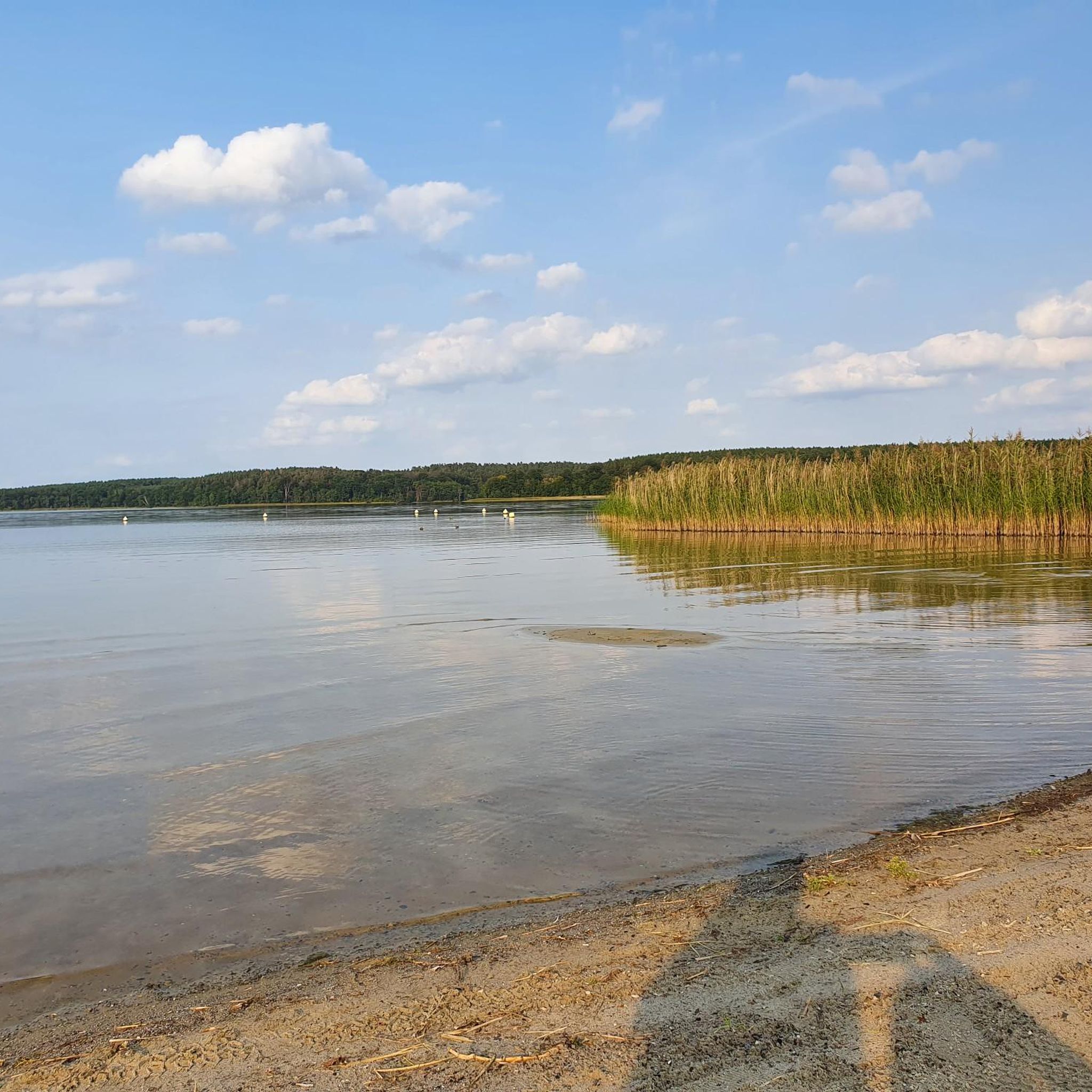
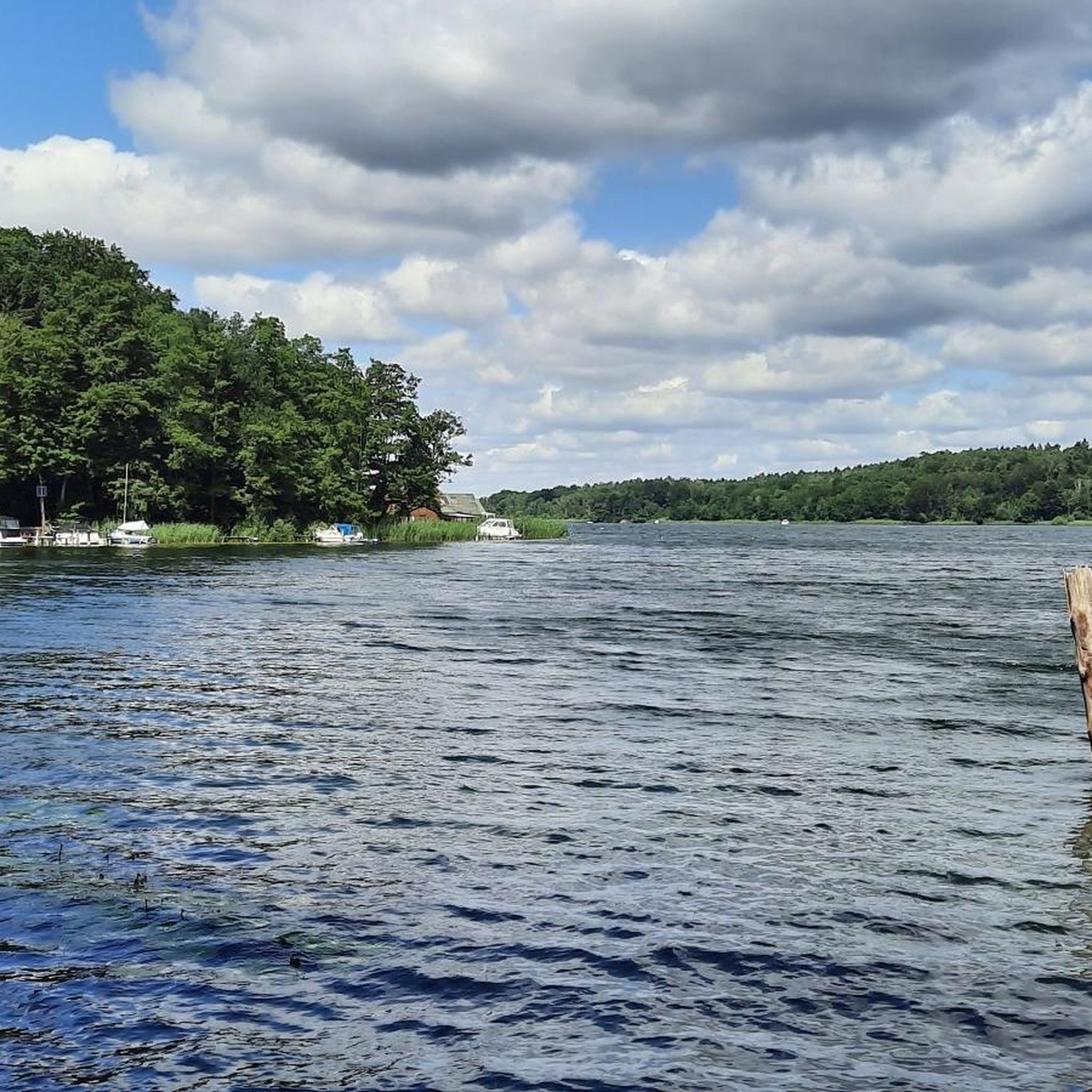
View over Lake Plauer
Highlight • Viewpoint
Translated by Google •
Tip by

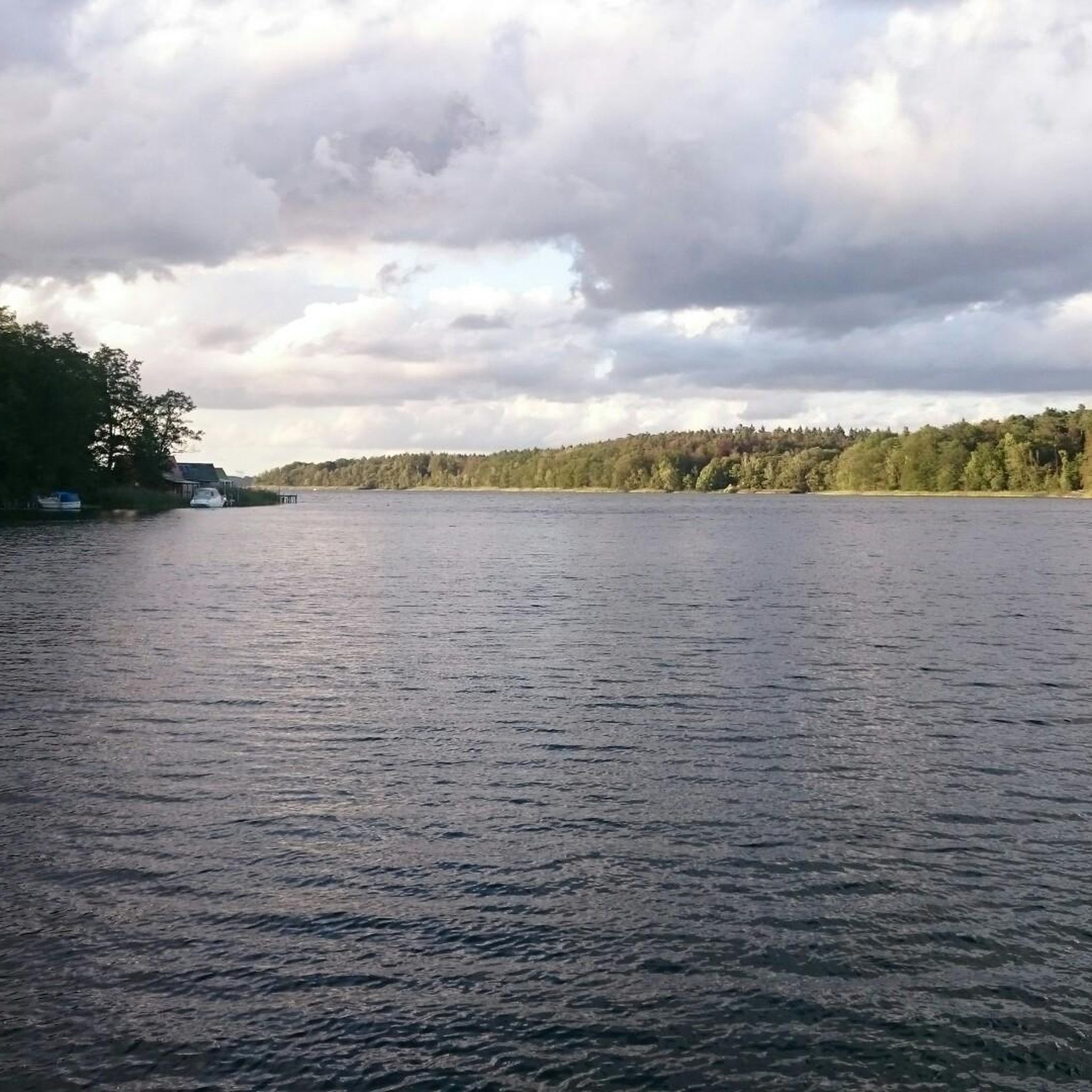
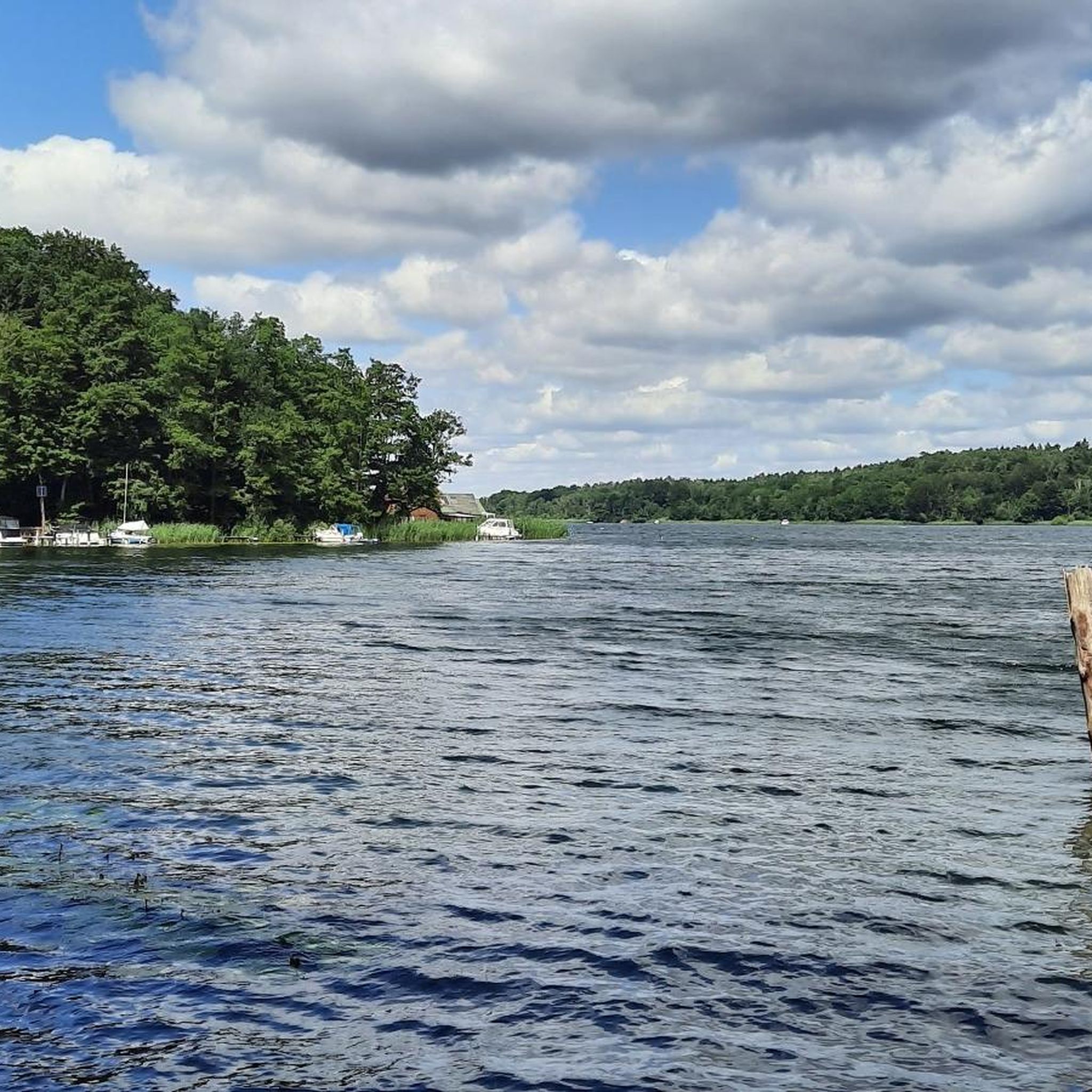
Bad Stuer on Lake Plau
Highlight • Historical Site
Translated by Google •
Tip by

Sign up now to discover places like this
Get recommendations on the best single tracks, peaks, & plenty of other exciting outdoor places.
Müritz Bear Sanctuary
Highlight • Structure
Translated by Google •
Tip by

Kingfisher Valley (Tal der Eisvögel)
Highlight (Segment) • Natural Monument
Translated by Google •
Tip by

Villa Bardey
Highlight • Historical Site
Translated by Google •
Tip by

Sign up for free to discover even more attractions around Marienfließ.
Already have an account?
Start today with a free account
Your next adventure awaits.
Tips from the Community

It's wonderful to see that historical buildings are still being preserved and not replaced by glass and concrete structures. Thank you.
0
0
One should simply pause in this day and age
0
0

In the immediate vicinity there are other beach villas from that period.
1
0

Villa Bardey in Bad Stuer is a significant historical building on the southeastern shore of Lake Plau. It was built in 1896 by Dr. Hans Bardey, the son of Gustav Bardey, a key promoter of spa treatments in the region. The villa, originally called "Villa Berghaus," served as the Bardey family residence and stands to this day as a testament to Bad Stuer's heyday as a spa town. As early as 1862, Gustav Bardey had taken over the management of the local hydrotherapy establishment, which operated according to the principles of the then-popular natural healing methods. Under his leadership, Bad Stuer developed into a recognized spa resort. He had paths laid out, parts of the surrounding landscape reforested, and made the village attractive to spa guests from all over Germany. His work shaped the town's image and significance for decades. The villa itself is situated on a hillside overlooking Lake Plau and, with its modern architecture and stylish furnishings, was a symbol of prosperity and progress at the time. Today the building is a listed monument and a reminder of the time when Bad Stuer was a popular destination for those seeking relaxation and for followers of naturopathy.
3
0
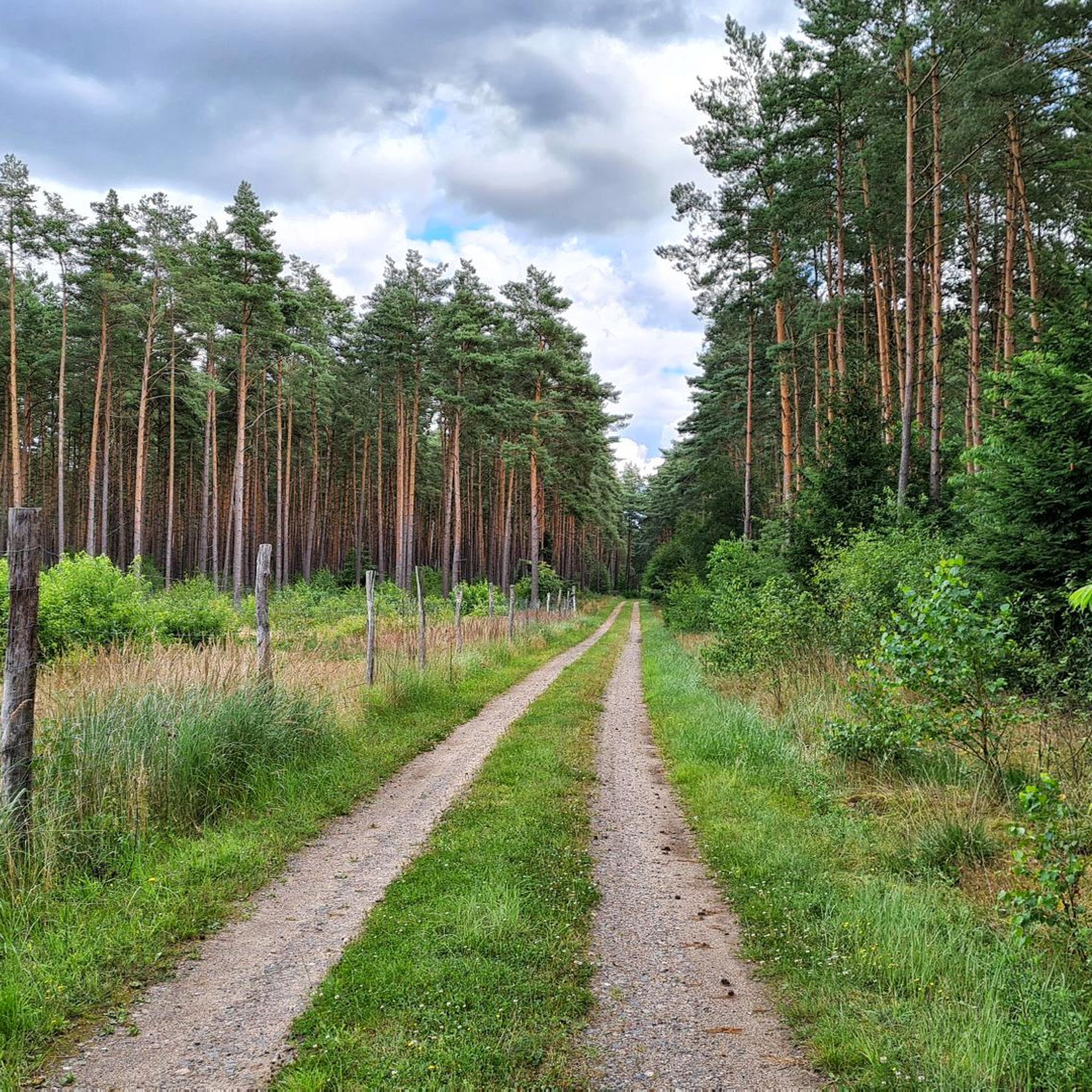
A beautiful stretch of trail, easily doable by bike. The path leads through a tranquil forest landscape to the green, shady Kingfisher Valley—ideal for relaxing or birdwatching.
1
0
The Kingfisher Valley near Bad Stuer is an idyllic, unspoiled stream valley in the Mecklenburg Lake District, crossed by the Stuer Stream. The steep slopes and tranquil waterways provide ideal breeding conditions for kingfishers, which can regularly be observed here. The area is particularly popular with nature lovers and cyclists. Several well-maintained trails lead through the valley. Access is possible from the Müritz Bear Sanctuary or directly from the Bad Stuer campsite. The valley combines nature observation, tranquility, and scenic beauty in a small space and is a true highlight for anyone who enjoys native wildlife and tranquil nature.
5
0
Bad Stuer is an idyllically situated village on the southern shore of Lake Plau. First documented in 1289, it was long owned by the noble von Flotow family, who had Stuer Castle built in the Middle Ages, the ruins of which can still be visited today. From 1845 onwards, Bad Stuer developed into a recognized spa resort thanks to the establishment of a hydrotherapy clinic by the naturopath J.H. Rausse. Later, Gustav Bardey took over management and had several villas and spa facilities built, including the Villa Bardey, which still exists today. The town attracted numerous guests at that time, including well-known personalities such as the writer Fritz Reuter. However, with the First World War, spa operations came to a halt, and the inventory was auctioned off in 1923. Today, Bad Stuer is a quiet resort with a historic flair and a starting point for nature experiences around Lake Plau and the nearby bison enclosure. A bike tour is particularly recommended from Plau am See. The route leads through parts of the Nossentiner-Schwinzer Heide Nature Park and offers many opportunities for breaks in the countryside. In Bad Stuer itself, it's worth stopping to visit the old villas, relax on the lakeshore, or take a short detour to the castle ruins.
3
0

from here begins a rather adventurous bike path to Plau
2
0
Frequently Asked Questions
What historical and cultural sites can I explore around Marienfließ?
Marienfließ is rich in history. You can visit the Evangelisches Klosterstift Marienfließ, the oldest Cistercian monastery in the Prignitz region, founded in 1231. Another significant historical site is Bad Stuer on Lake Plau, which once housed a hydrotherapy facility and retains old villas hinting at its past as a spa town. Additionally, the historically significant Villa Bardey in Bad Stuer, built in 1896, reflects the region's spa heritage.
Are there any natural attractions or heritage areas to visit in Marienfließ?
Yes, the region boasts several natural highlights. The DBU-Naturerbefläche Marienfließ is a 474-hectare nature heritage area with sandy grasslands, heathlands, and pine stands, transforming into a purple sea of blossoms in summer and autumn. You can also explore the Kingfisher Valley (Tal der Eisvögel), known for its kingfishers and idyllic stream valley. The Klostergarten Marienfließ offers a park-like area along the Stepenitz river with traditional orchards and benches for relaxation.
What kind of outdoor activities can I do near Marienfließ attractions?
The area around Marienfließ is excellent for various outdoor activities. You can find numerous hiking trails, including routes around the Marienfließ Monastery. For cyclists, there are many road cycling routes that take you through scenic landscapes. Additionally, running trails are available for those looking for a jog.
Are there any family-friendly attractions around Marienfließ?
Absolutely! The Müritz Bear Sanctuary is a fantastic family-friendly destination where rescued bears live in a species-appropriate natural forest environment. The Kingfisher Valley is also suitable for families, offering easy trails and opportunities for nature observation. Many of the hiking and walking routes in the area are also suitable for families.
Where can I find the best viewpoints in the Marienfließ area?
For stunning vistas, head to the View over Lake Plauer. This popular spot offers extensive views of Lake Plau and the surrounding area, making it a favorite among cyclists despite a challenging incline.
What is the best time of year to visit Marienfließ?
The best time to visit Marienfließ largely depends on your interests. For enjoying the vibrant Calluna heath in full bloom, late summer and autumn are ideal as the landscape transforms into a purple sea of blossoms. Spring and summer are excellent for hiking, cycling, and general outdoor activities, with milder weather. The Müritz Bear Sanctuary is open year-round, though bears hibernate in winter.
Are there any animal welfare projects or sanctuaries nearby?
Yes, the Müritz Bear Sanctuary is a notable animal welfare project run by "Four Paws." It provides a species-appropriate life for bears rescued from poor conditions across Europe, allowing them to rediscover natural behaviors in a 16-hectare natural forest.
What do visitors enjoy most about the attractions around Marienfließ?
Visitors particularly appreciate the blend of historical significance and natural beauty. The serene atmosphere of the monastery grounds, the scenic views over Lake Plau, and the opportunity to observe wildlife in areas like the Kingfisher Valley are frequently highlighted. The preservation of historical buildings like Villa Bardey and the commitment to animal welfare at the Müritz Bear Sanctuary also receive positive feedback.
Can I bring my dog to attractions in Marienfließ?
Yes, dogs are generally welcome in many outdoor areas. Specifically, the Müritz Bear Sanctuary allows leashed dogs for an entrance fee, making it a great option for visitors with pets. Always check specific rules for individual sites or nature reserves.
Are there any specific hiking trails around the Marienfließ Monastery?
Yes, there are dedicated hiking trails that explore the area around the historic monastery. For example, you can find a moderate 9.3 km loop trail starting from Stepenitz that includes the Marienfließ Monastery Church, or an easier 4.8 km loop directly from Marienfließ.
What is the Klostergarten Marienfließ, and what can I do there?
The Klostergarten Marienfließ is a 3.5-hectare park-like area situated along the Stepenitz river. It features beautiful tree stands and a traditional orchard. It's an ideal spot for peaceful walks and relaxation, with benches provided. A hidden bridge behind the monastery church allows visitors to cross the river and enjoy the protected flora and fauna of this water protection area.
Most popular attractions around Marienfließ

Get inspired with the komoot mobile app


Explore more
Still not found the Highlight you’re looking for? See guides of the top attractions in other regions:
