The best road cycling routes in Nationalpark Hainich
4.5
(619)
4,361
riders
218
rides
Road cycling in Nationalpark Hainich features a landscape dominated by extensive, unbroken deciduous forests, primarily ancient beech woodlands. The terrain includes a network of well-maintained cycle paths, with some routes incorporating moderately steep to steep sections. The region's natural features provide a diverse backdrop for road cycling, ranging from gentle forest paths to more challenging gradients.
Best road cycling routes in Nationalpark Hainich
- The most popular road cycling route is National Park Center Thiemsburg – Reichenbach to Bad Langensalza loop…
Last updated: July 8, 2026
16
riders
Moderate road ride. Good fitness required. Some segments of this route may be unpaved and difficult to ride.
8
riders
49.6km
02:15
340m
340m
Moderate road ride. Good fitness required. Some segments of this route may be unpaved and difficult to ride.

Sign up for free
4.3
(4)
26
riders
Easy road ride. Great for any fitness level. Mostly well-paved surfaces and easy to ride.
4.0
(2)
19
riders
29.4km
01:25
180m
180m
Moderate road ride. Great for any fitness level. Some segments of this route may be unpaved and difficult to ride.
14
riders
Easy road ride. Great for any fitness level. Mostly well-paved surfaces and easy to ride.
Get access to more routes and recommendations from other explorers.
Sign up for free
Already have an account?
Our route recommendations are based on thousands of hikes, rides, and runs completed by other people on komoot.
Start today with a free account
Your next adventure awaits.
Login or Signup
Popular around Nationalpark Hainich
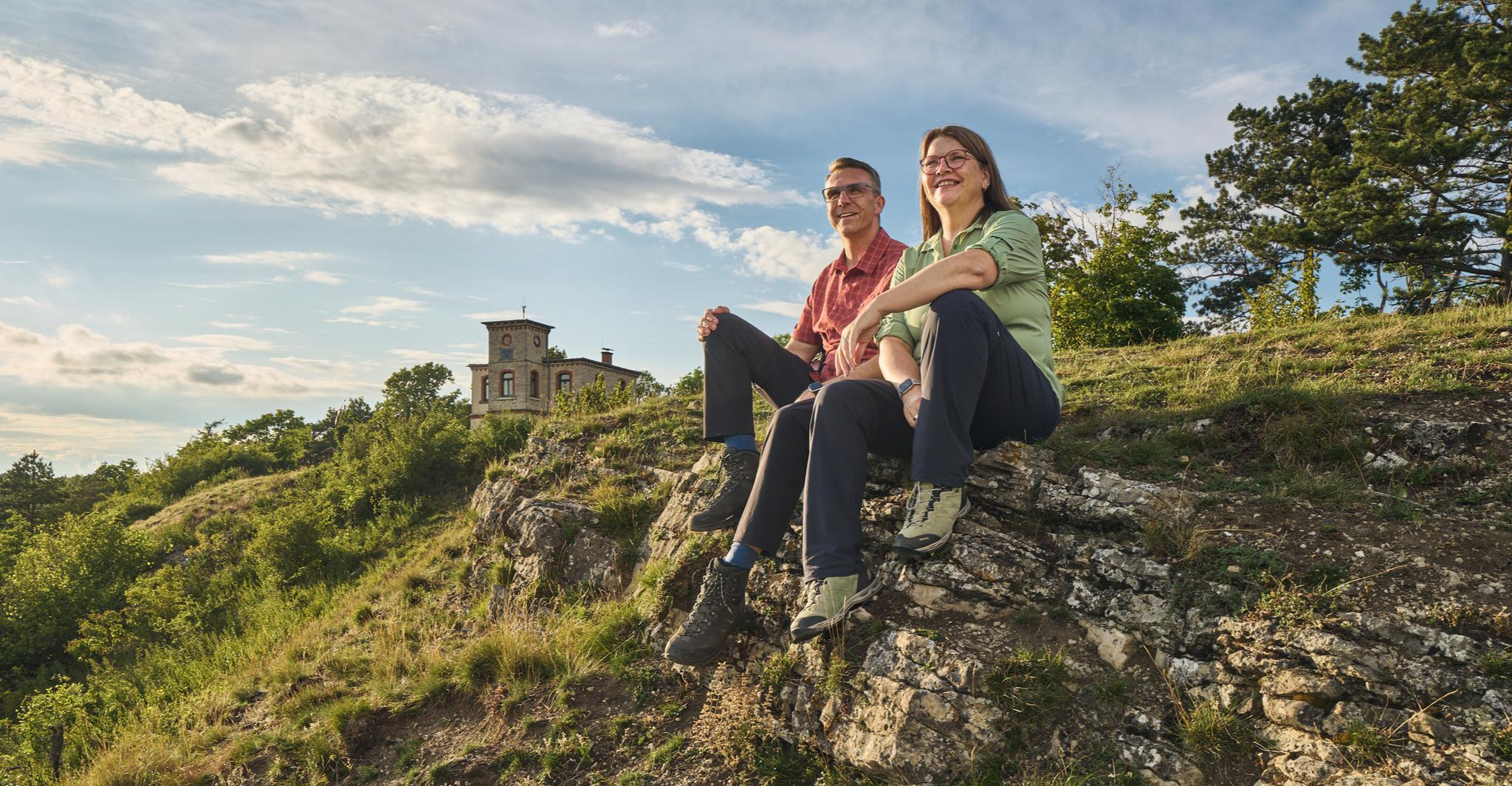
Autumn Hiking with a view – 7 WOW Tours between Wartburg and Hainich
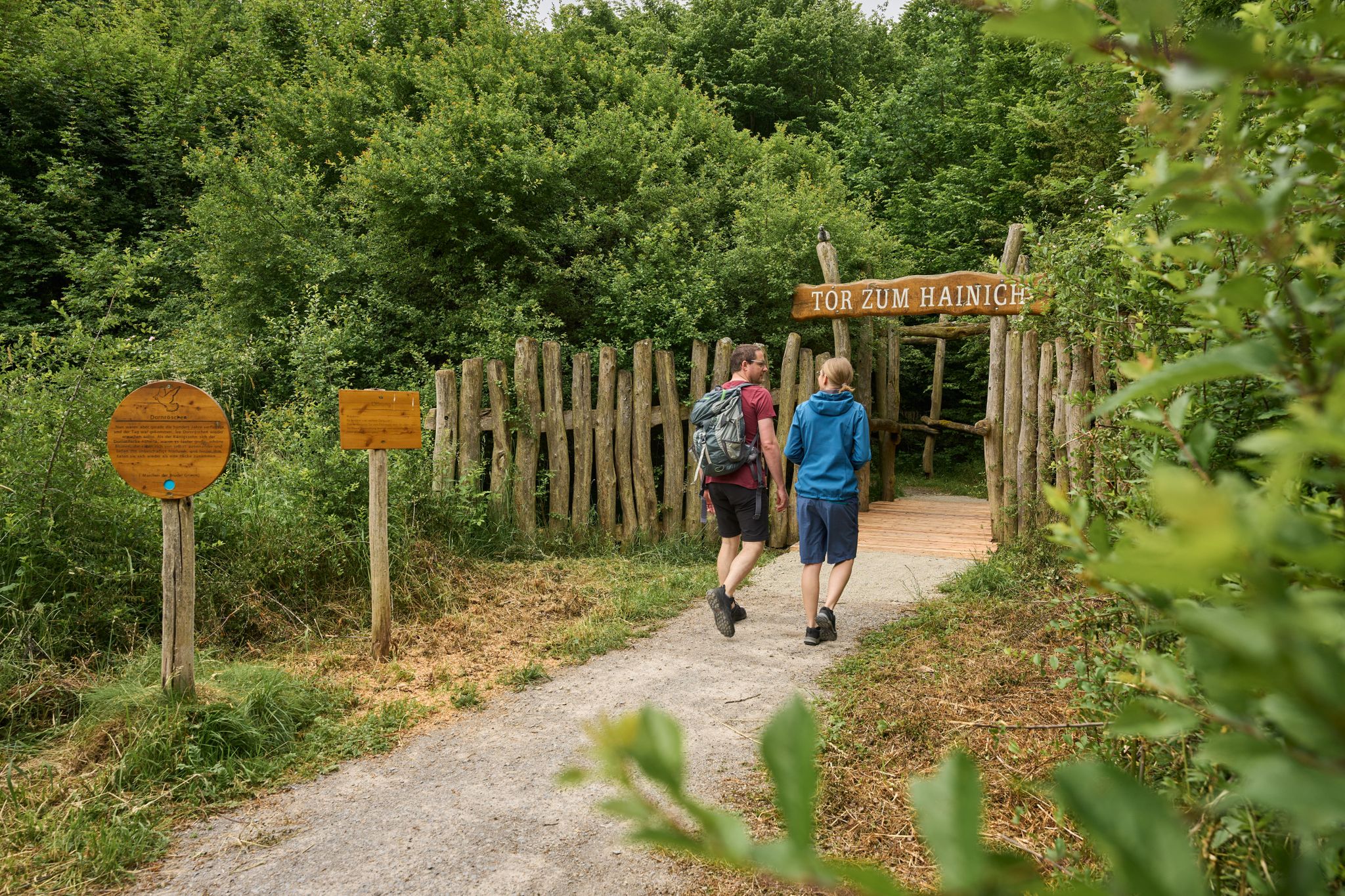
Varied hiking on the Hainichlandweg
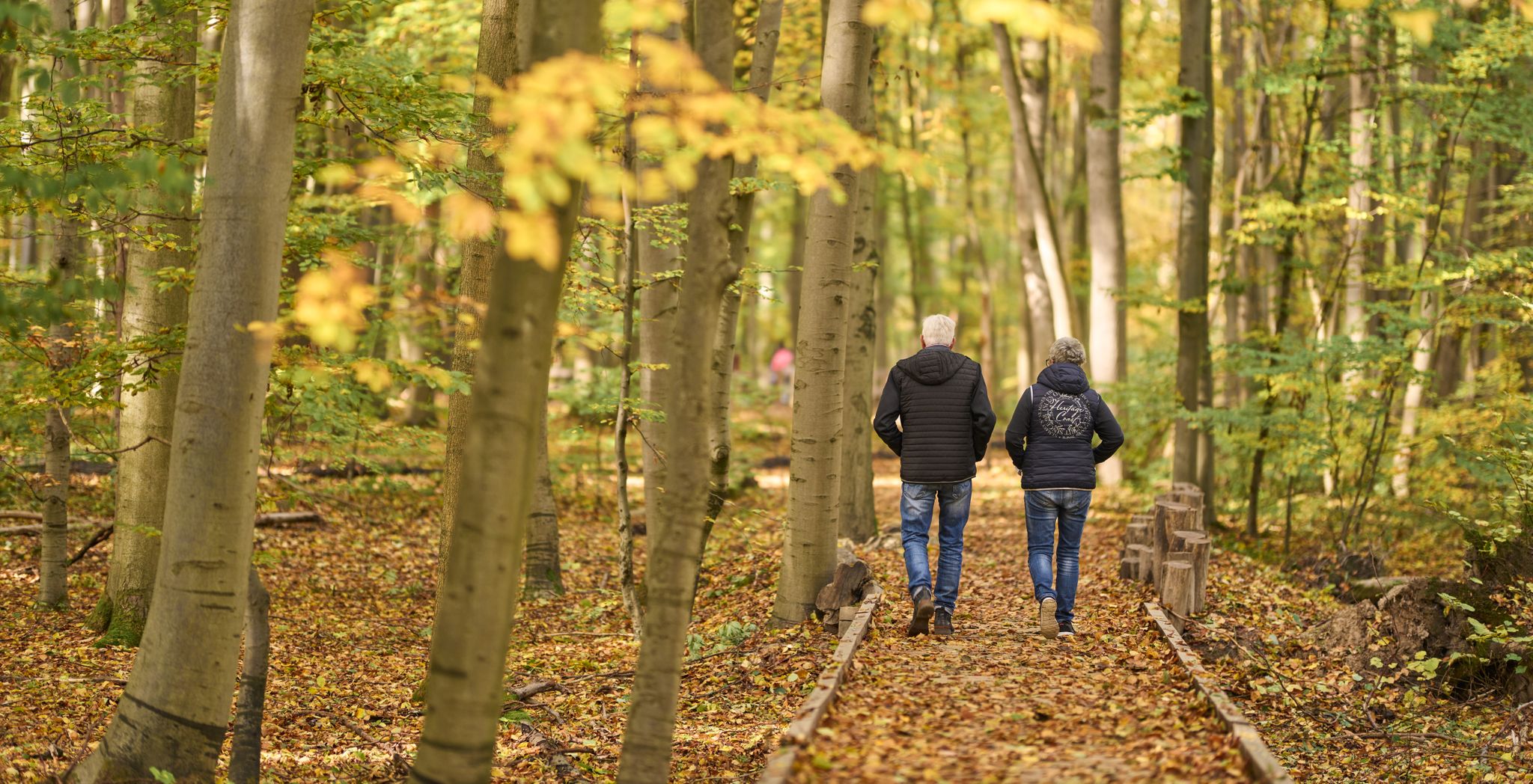
The Waagebalkenweg - in two days through the Hainich
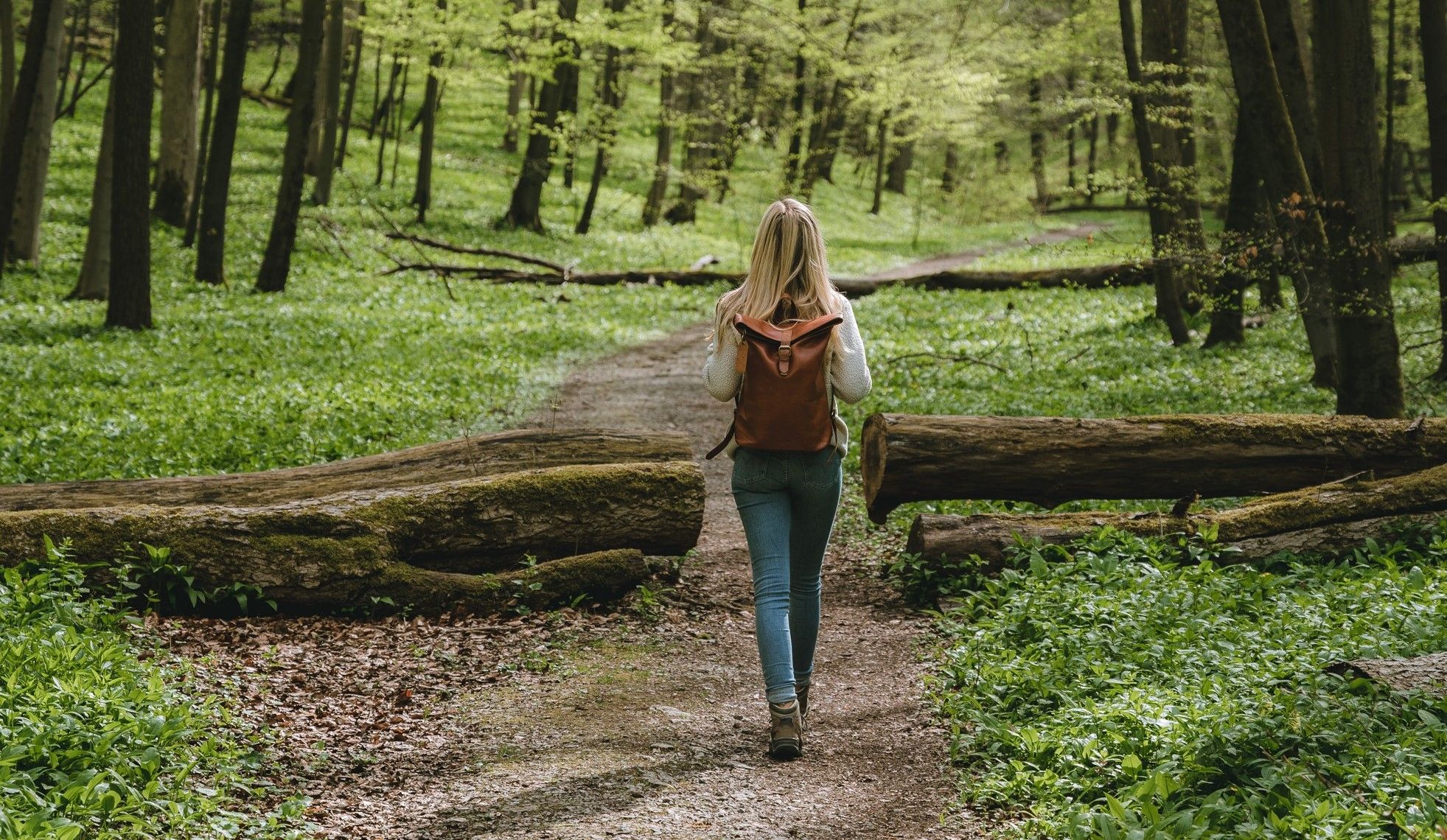
The Rennstieg - the Hainich for hiking enthusiasts
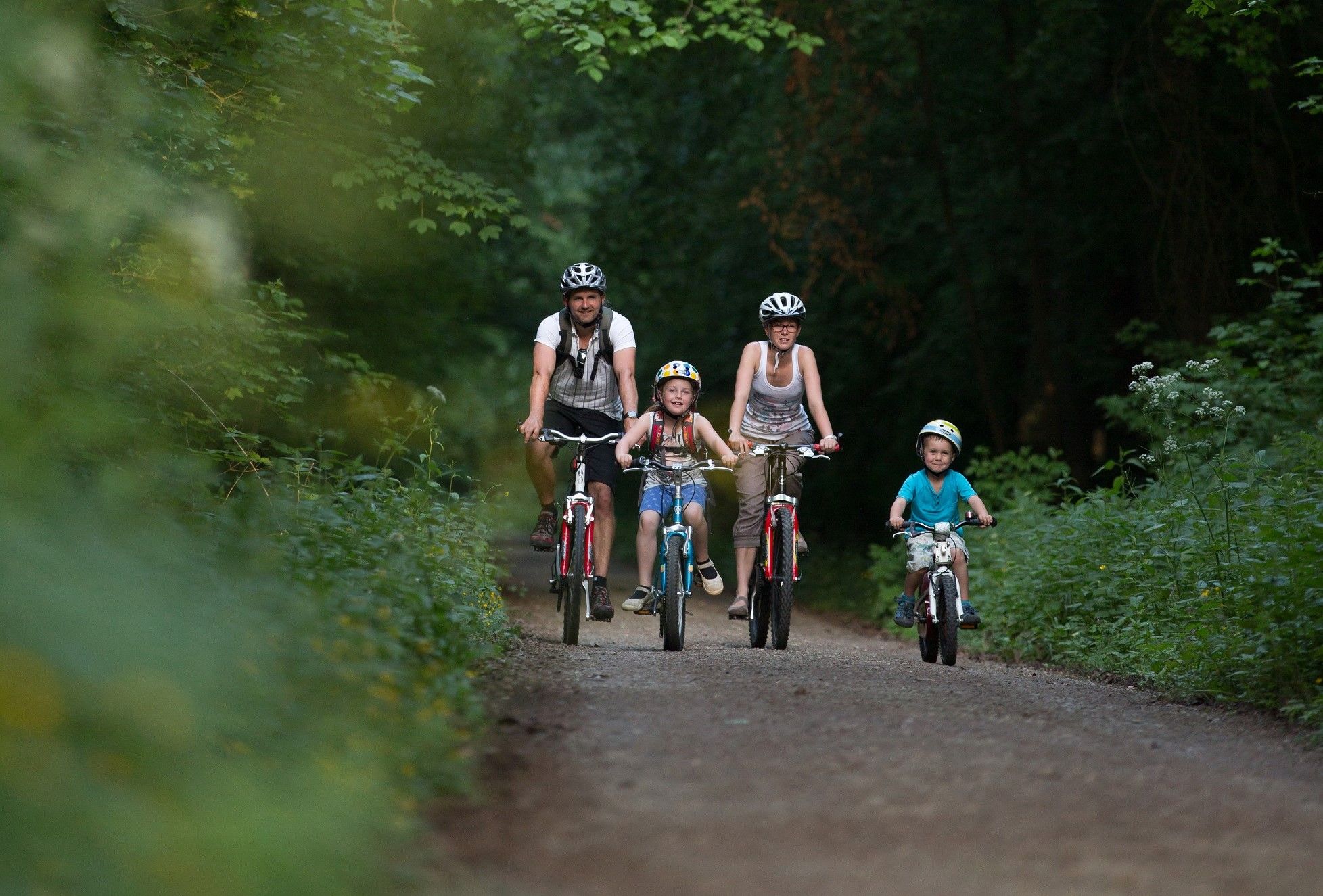
Cycling through Hainich National Park
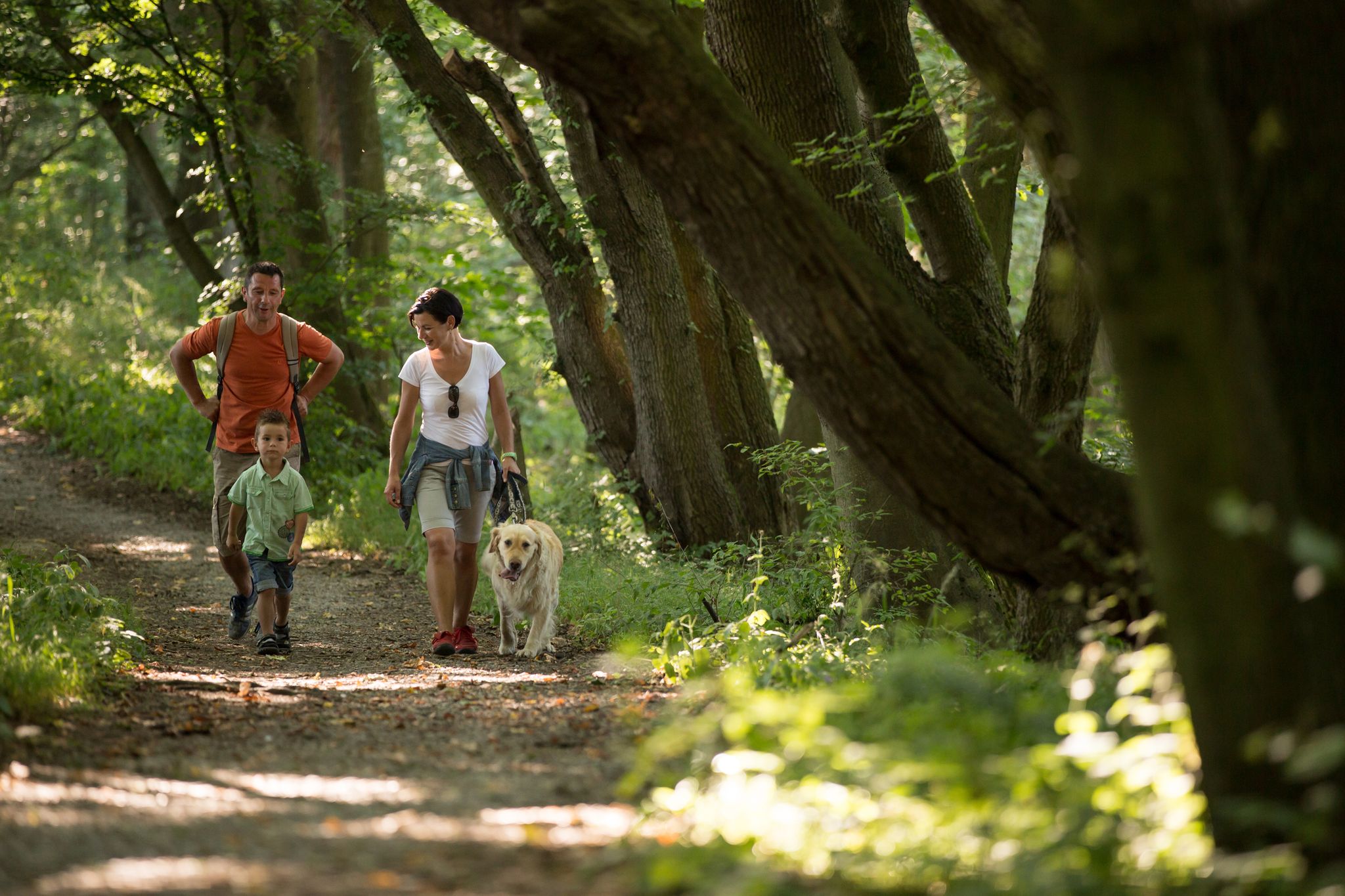
Hiking tips for Hainich National Park
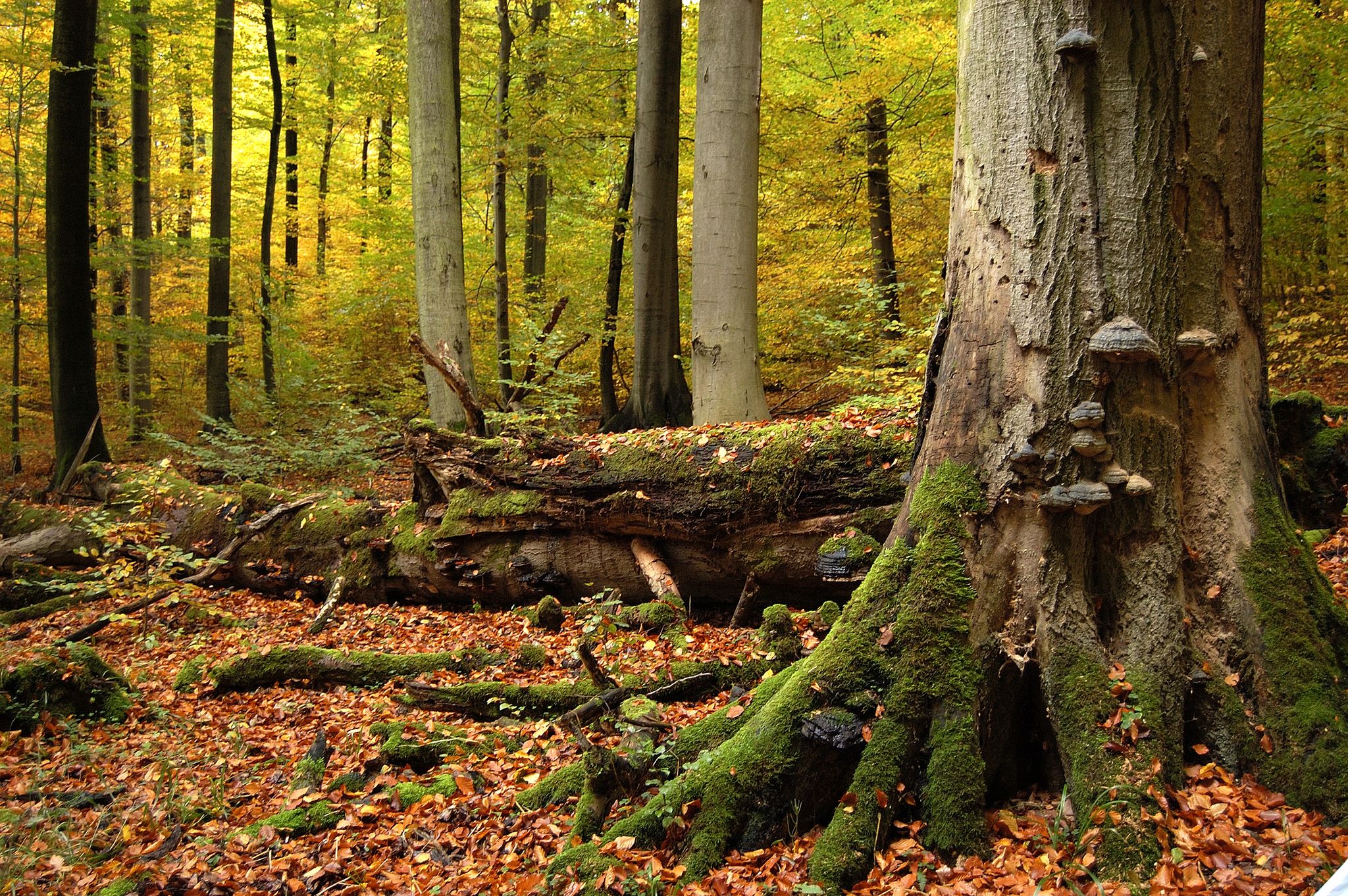
Thuringia's Primeval Forests of Tomorrow
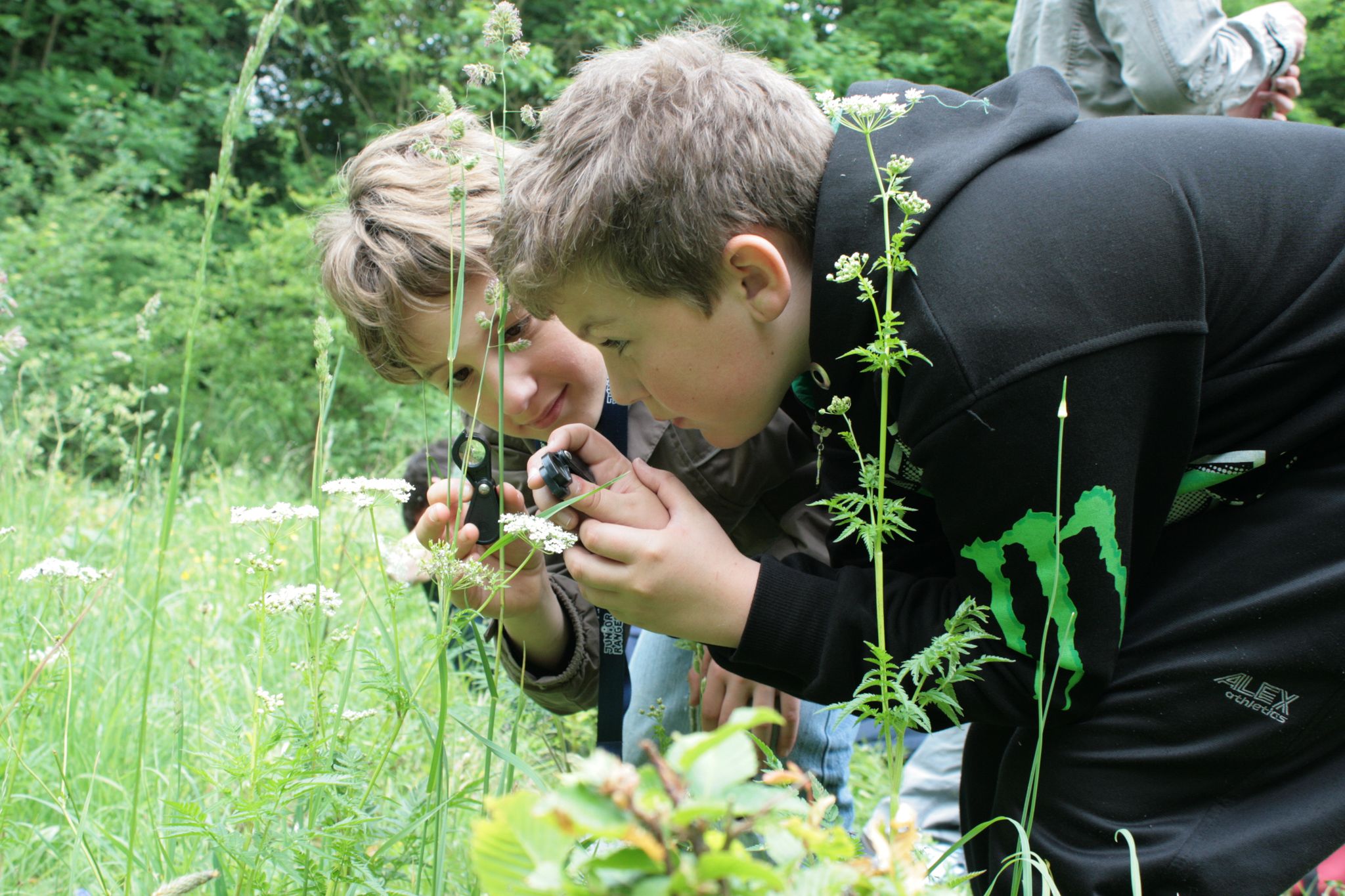
Events in Hainich National Park
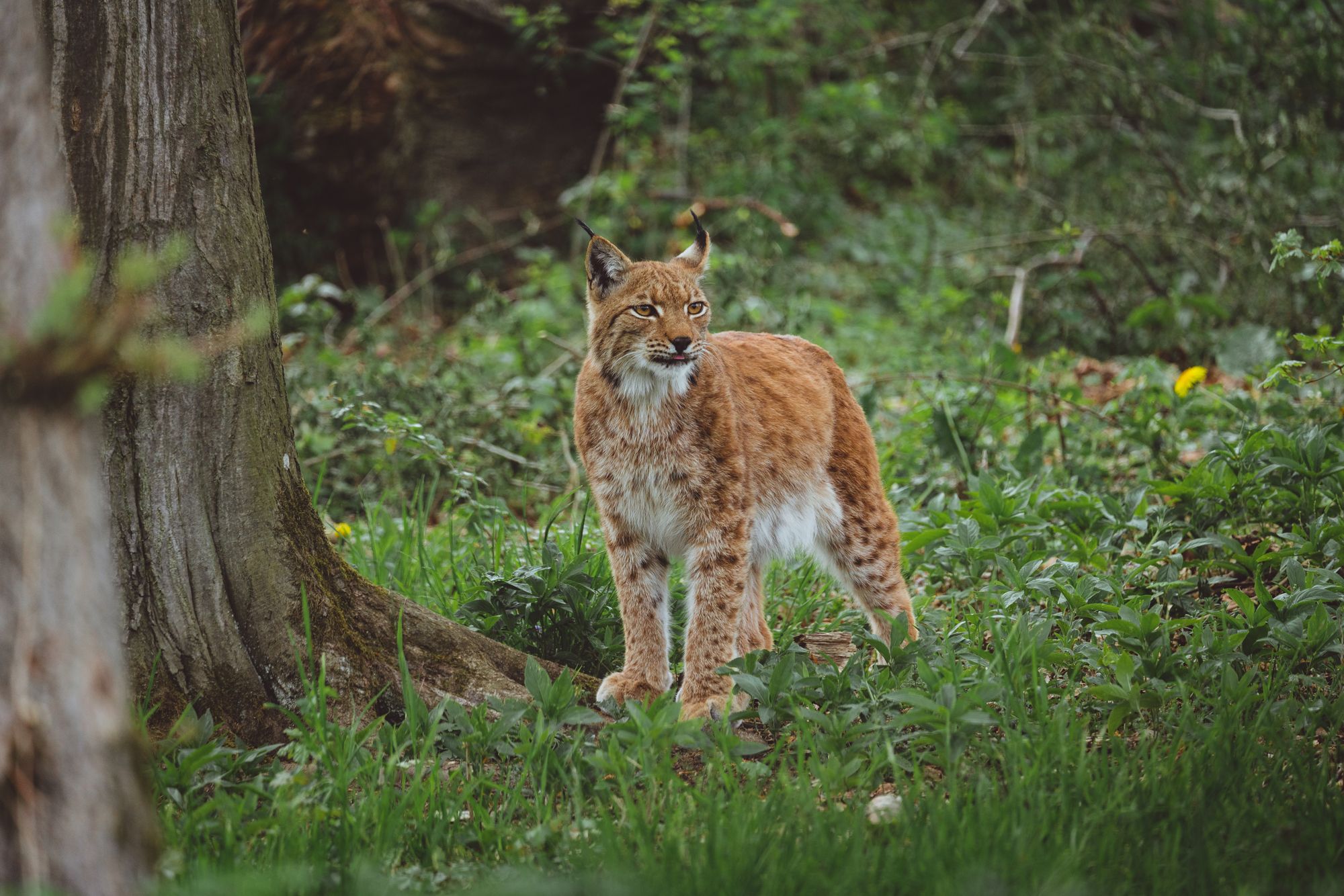
Wildlife in the middle of Germany
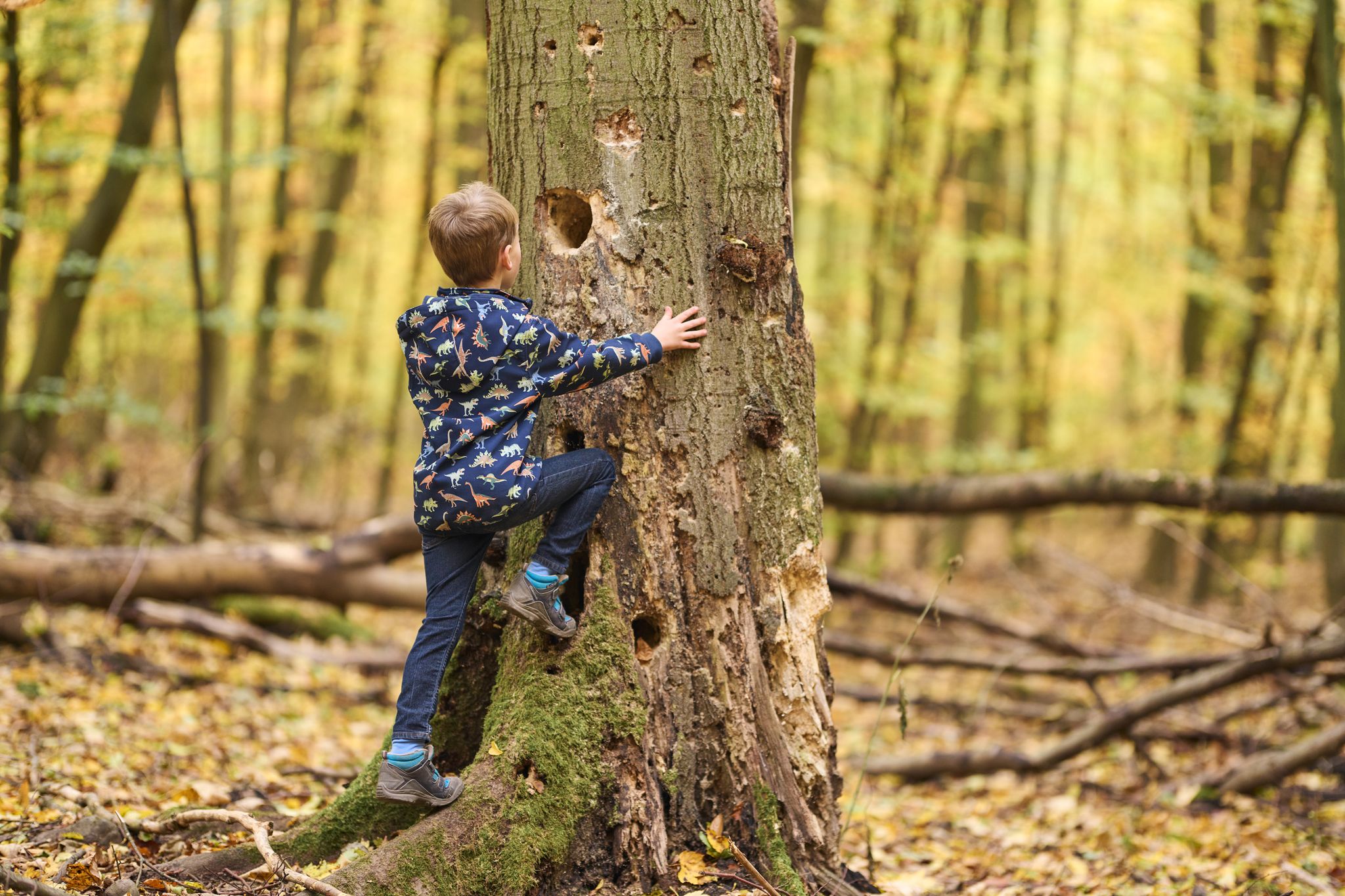
The most beautiful family hikes through the jungle
Other adventures in Nationalpark Hainich


Tips from the Community

The church is the parish church of the Mühlhausen old town and was gifted to the Teutonic Order in 1227. The current building was constructed between 1270 and 1300 as an early Gothic hall church, influenced by French cathedral architecture. It possesses significant art-historical elements such as a rose window, medieval stained glass, a late Gothic carved altar, and tomb slabs of important personalities. After the Reformation, religious expressions changed, and much of the original furnishings were lost. The west towers still date from the predecessor building and house historical bells. The church also developed into an important center for Protestant church music, with a peak in the work of Johann Sebastian Bach in the early 18th century.
1
0
From the Hohen Graben, visitors enjoy a beautiful view of the imposing double-towered St. James' Church. Construction of the present-day St. James' Church began around 1280. An inscription, now lost, attributes the imperial figure in the arch of the north portal to Henry VII. Another inscription names 1363 as the year of completion of the church. The motif of the unequal couple is taken up in the impressive tower group completed in 1418. After the Reformation, the church seems to have been used only sporadically. It lost almost all its furnishings in the last century. St. James' Church was extensively renovated from 1992 to 2004 with financial support from the state of Thuringia, the federal-state program "Urban Monument Protection," and the German Foundation for Monument Protection. Since April 2004, St. James' Church has housed the city library with a children's library and a sound library. Interesting for visitors: so-called "Archaeological Windows" provide insights into the church's construction history. Source: https://www.thueringen.info/kultur/muehlhausen-stadtbibliothek-jakobikirche/
1
0
The chapel was first mentioned in a document in 1314, in connection with a dispute between the Mühlhausen council and the Teutonic Order, which eventually gained control of the chapel. The originally planned basilica was realized as a hall church, but remained unfinished for a long time and was only partially completed and extensively renovated at the end of the 19th century. Some significant works of art have been preserved from the medieval furnishings, including figures and a triumphal cross. A figure of Saint Nicholas from around 1500 is particularly noteworthy. The church played an important role during the Reformation: Between 1523 and 1525, it turned to the Reformation early on. After an interim return to Catholicism, the Reformation was finally established in 1565.
1
0
The Mühlhausen city wall is one of the best-preserved medieval fortifications in Germany. It encloses the old town for about 2.7 kilometers and was primarily built in the 12th and 13th centuries when Mühlhausen was an important imperial city. The complex consisted of an inner and outer wall with a moat in between, which strengthened the defense. Numerous towers and gates secured access to the city and allowed for the control of trade traffic. It is particularly noteworthy that large parts of the wall have survived to this day. Massive stone walls, ramparts, and embrasures offer an insight into medieval construction methods. Today, the city wall is an important landmark and invites visitors to experience the history of Mühlhausen up close.
1
0
Since April 2004, the Mühlhausen city library has been located in the renovated and converted Jakobikirche. Here, the main library, children's library, and phonotheque have been brought together under one roof. As a cultural and educational institution, working with children, particularly promoting reading, is a focus of the library team's activities. The Jakobikirche is also a popular venue for lectures, author readings, and concerts. Since 2021, the city library has also offered a scientific and local history reference library in the Jakobikirche. The user workstations of the Mühlhausen City Archives are also located there. Source: https://www.muehlhausen.de/rathaus-erkunden/stadtverwaltung/stadtarchiv-stadtbibliothek/stadtbibliothek-jakobikirche/
1
0
The Church of St. Peter was built on the city's plague cemetery to replace a chapel that had already fallen into disrepair in 1295. Construction began around 1352. A few years later, in 1356, the existing church is mentioned. It was incorporated into the parish of St. Mary of the Teutonic Order in the Neustadt. Agreements regarding liturgical care were notarized in 1371. St. Peter only became an independent parish in modern times. The late Gothic structure with a 5/8 choir has undergone multiple changes. A flat ceiling was initially inserted to replace the vault that collapsed in the city fire of 1422. Demolition material from the abandoned Chapel of St. John at Blobach was used in 1577 for a new vestibule. Between 1893 and 1895, St. Peter was given its present form through a re-vaulting of the church interior and the extension of the nave to the west with a new facade. Source: https://www.muehlhausen.de/tourismus/sehenswuerdigkeiten/kirchen/petrikirche/
1
0

A mystical natural pond.
1
0

A very beautiful hiking trail that continually inspires reflection and encourages self-care.
2
0
Frequently Asked Questions
How many road cycling routes are available in Nationalpark Hainich?
Nationalpark Hainich offers a wide variety of road cycling routes, with over 220 options available. These routes cater to different skill levels, including nearly 30 easy routes, over 150 moderate routes, and more than 30 challenging routes.
What kind of terrain and elevation changes can I expect when road cycling in Nationalpark Hainich?
The terrain in Nationalpark Hainich is characterized by extensive, ancient beech forests and well-maintained cycle paths. While many routes offer leisurely rides, you can expect varied elevation changes, including moderately steep to quite steep sections, particularly on routes like the Gelbe Route when cycling from Creuzburg. This provides a diverse experience, from gentle forest paths to more demanding climbs.
Are there any easy or beginner-friendly road cycling routes in Nationalpark Hainich?
Yes, Nationalpark Hainich has nearly 30 easy road cycling routes perfect for beginners or those seeking a more relaxed ride. An example is the Hiking parking lot Creuzburg – Werra Bridge, Creuzburg loop from Berka vor dem Hainich, which is 17.2 miles (27.6 km) and takes about 1 hour 16 minutes to complete.
What are some challenging road cycling routes in Nationalpark Hainich?
For experienced cyclists looking for a challenge, Nationalpark Hainich offers over 30 difficult routes. These often feature steeper gradients and longer distances. The Red Route, for instance, connecting Mühlhausen with the national park, can be moderately to highly difficult depending on the direction of travel, especially when cycling uphill from Mühlhausen.
Can I find circular road cycling routes in Nationalpark Hainich?
Yes, many road cycling routes in Nationalpark Hainich are circular, allowing you to start and end at the same point. A notable option is the 25 km Nationalpark-Rundweg, which lets you explore the UNESCO World Heritage beech forests. Another popular circular route is the National Park Center Thiemsburg – Reichenbach to Bad Langensalza loop from Weberstedt, a 22.4 miles (36.1 km) moderate trail.
What natural features and landmarks can I see along the road cycling routes?
Road cycling routes in Nationalpark Hainich offer access to unique natural features and historical landmarks. You can explore the ancient beech forests, which are a UNESCO World Heritage site. Notable attractions include the Bette Oak, a historic oak tree around 1,000 years old, and the Fairy Trail. You might also encounter serene spots like the Hünenteich pond.
What do other road cyclists enjoy most about road cycling in Nationalpark Hainich?
The komoot community highly rates road cycling in Nationalpark Hainich, with an average score of 4.5 stars from over 500 reviews. Cyclists often praise the unique experience of riding through the ancient, protected beech forests, the well-maintained cycle paths, and the varied scenery that includes both challenging gradients and peaceful stretches.
Are there any specific routes that follow former rail trails?
Yes, some routes in Nationalpark Hainich incorporate sections along former rail trails, offering a unique cycling experience. An example is the Beautiful cycle path – Rail Trail Near Kirchheiligen loop from Weberstedt, a moderate 30.8 miles (49.5 km) path that provides varied scenery.
What is the best time of year to go road cycling in Nationalpark Hainich?
The best time for road cycling in Nationalpark Hainich is generally from spring to autumn. In spring, the forest floor comes alive with colorful early bloomers like wild garlic and corydalis, offering a beautiful backdrop. Summer provides lush greenery, while autumn brings vibrant foliage. Always check local weather conditions before your ride.
Are there options for parking when visiting Nationalpark Hainich for road cycling?
Yes, there are several designated parking areas available for visitors to Nationalpark Hainich. For instance, the 'Thiemsburg' ramblers' car park is a common starting point and provides access to various trails and attractions like the Canopy Walk.
Can I access road cycling routes in Nationalpark Hainich using public transport?
While specific public transport connections directly to all trailheads might vary, routes like the Red Route connect Mühlhausen with Hainich National Park, and Mühlhausen is generally accessible by public transport. This allows for potential round trips or one-way rides with public transport links.
Are there any places to eat or stay near the road cycling routes in Nationalpark Hainich?
Yes, you can find cafes, pubs, and accommodation options in towns and villages surrounding Nationalpark Hainich, such as Bad Langensalza, Mühlhausen, and Creuzburg. These places offer convenient stops for refreshments or overnight stays for cyclists exploring the region.
Are there any viewpoints along the road cycling routes in Nationalpark Hainich?
Yes, several viewpoints and observation points can be found along or near the road cycling routes. The Canopy Walk, located near the Thiemsburg car park, offers panoramic views of the national park's woodlands from above. You might also find other scenic spots like the Silbersee Observation Tower.
Most popular routes in Nationalpark Hainich
Most popular attractions in Nationalpark Hainich

Get inspired with the komoot mobile app


Explore more
Browse the best Road cycling routes in other regions.
