The best cycling routes in Gulpvallei Met Omgeving
4.4
(2647)
26,593
riders
410
rides
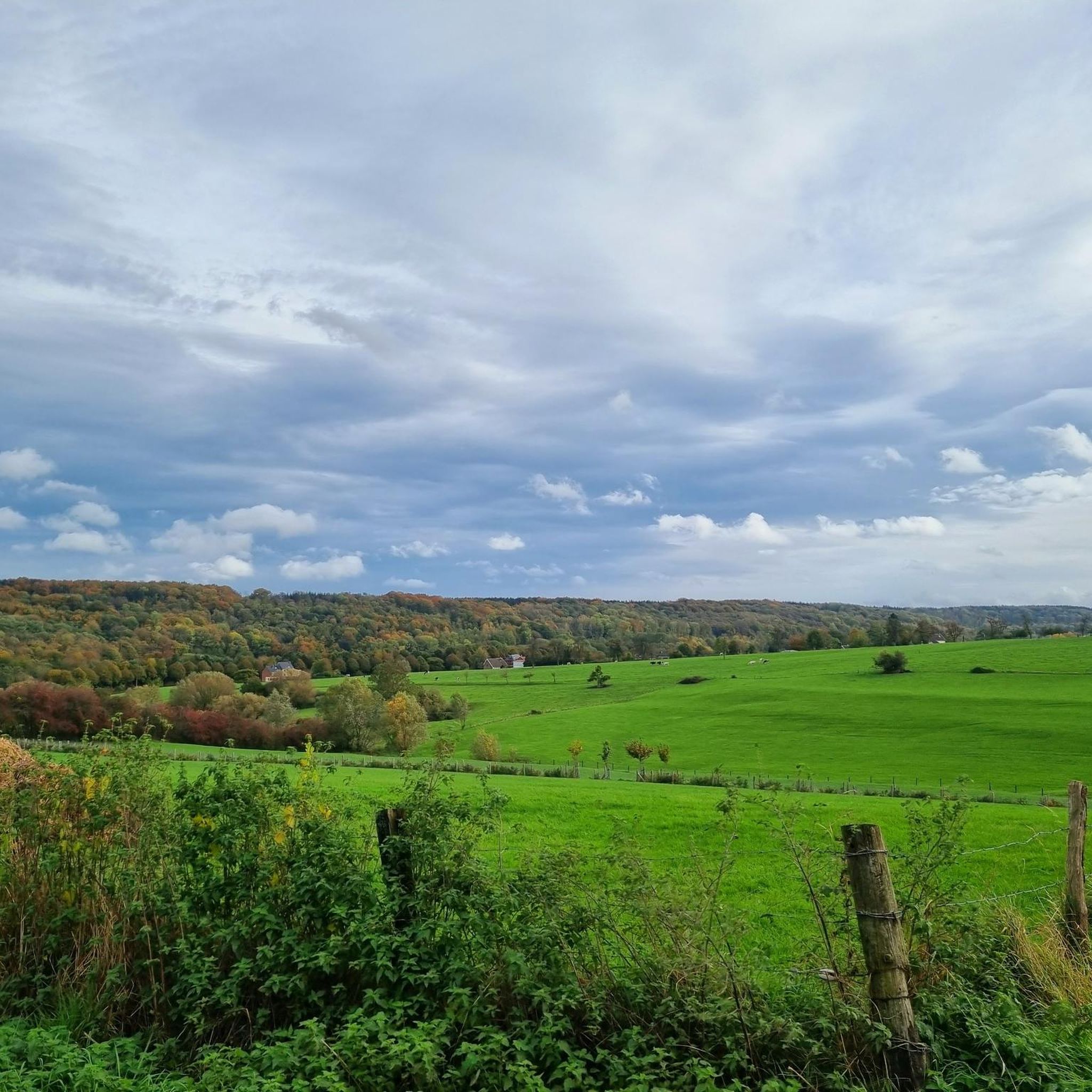
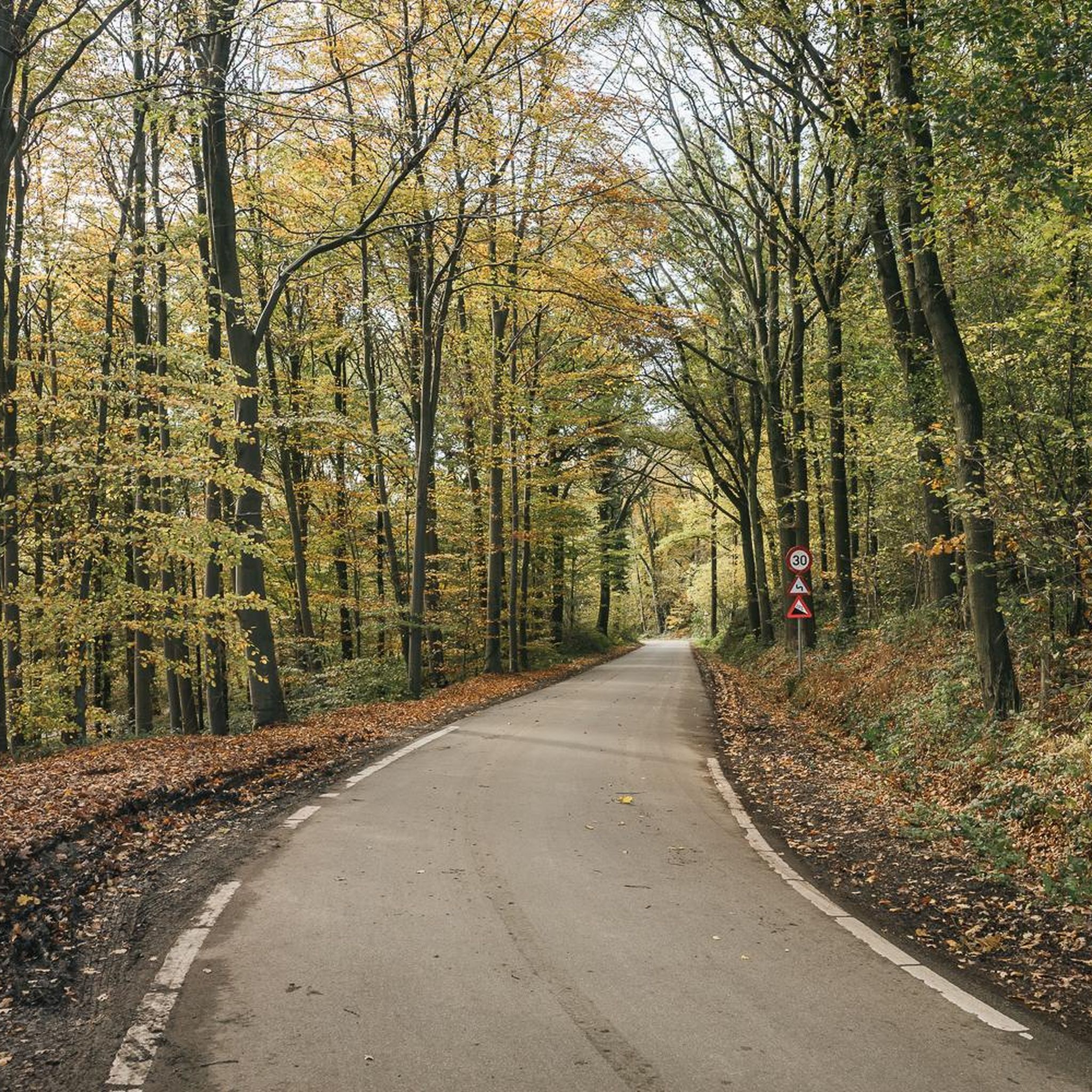
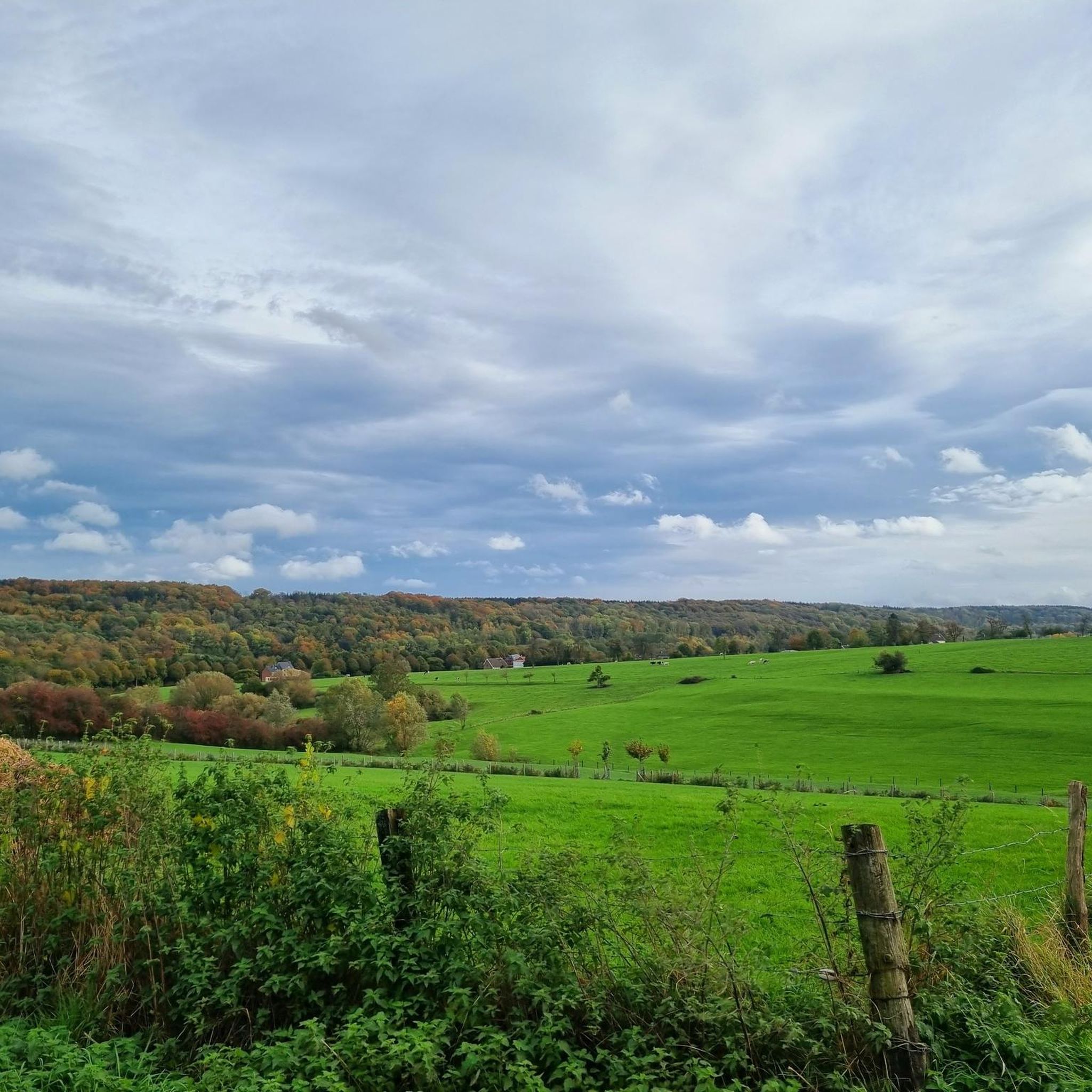
Touring cycling in Gulpvallei Met Omgeving features an undulating landscape characterized by rolling hills, often referred to as the "Tuscany of the Netherlands." The region includes deciduous forests, historic sunken roads, and the meandering Gulp River. This diverse terrain provides varied routes for touring cyclists, ranging from gentle paths along riverbanks to challenging climbs through the hills.
Best touring cycling routes in Gulpvallei Met Omgeving
- The most popular touring cycling route is Saint Servatius Bridge – Maastricht City Hall loop from Teuven, a 30.5 miles (49.0 km) trail that takes 3 hours 0 minutes to complete. This moderate route connects charming villages and offers scenic views of the surrounding countryside.
- Another top favourite among local touring cyclists is View of Aubel – Val-Dieu Abbey loop from Slenaken, a difficult 19.2 miles (30.9 km) path. This route features significant elevation changes through rolling hills and picturesque valleys.
- Local touring cyclists also love the Path to Sint-Pieters-Voeren – Dutch-Belgian Border Marker loop from Teuven, a 14.5 miles (23.4 km) trail leading through the border region with varied terrain, often completed in about 1 hour 56 minutes.
- Touring cycling in Gulpvallei Met Omgeving is defined by undulating terrain, deciduous forests, and the Gulp River. The network offers options for easy, moderate, and difficult routes, catering to various ability levels.
- The routes in Gulpvallei Met Omgeving are highly rated by the komoot community with an average score of 4.4 stars from over 2,400 reviews. More than 26,000 touring cyclists have used komoot to explore Gulpvallei Met Omgeving's varied terrain.
Last updated: July 5, 2026
4.6
(27)
104
riders
49.0km
03:01
370m
370m
Moderate bike ride. Good fitness required. Mostly paved surfaces. Suitable for all skill levels.
3.8
(6)
29
riders
30.0km
02:00
460m
460m
Hard bike ride. Very good fitness required. Mostly paved surfaces. Suitable for all skill levels.

Sign up for free
54
riders
Hard bike ride. Good fitness required. You may need to push your bike for some segments of this route.
4.6
(33)
162
riders
42.9km
02:41
430m
430m
Moderate bike ride. Good fitness required. Mostly paved surfaces. Suitable for all skill levels.
4.8
(29)
175
riders
41.3km
02:37
480m
480m
Hard bike ride. Very good fitness required. Mostly paved surfaces. Suitable for all skill levels.
Get access to more routes and recommendations from other explorers.
Sign up for free
Already have an account?
Our route recommendations are based on thousands of hikes, rides, and runs completed by other people on komoot.
Start today with a free account
Your next adventure awaits.
Login or Signup
Tips from the Community


The small church overlooks the Commandery.
2
0

Place Antoine Ernst is a charming and historic square in the center of Aubel, a municipality in the Belgian province of Liège. Along with other central squares such as Place Nicolaï and Place Albert Ier, the square forms the geometric and social heart of the village, which is located in the Pays de Herve and is a short distance from the famous Val-Dieu Abbey. The square was named in 1898 in honor of Antoine Ernst (1796-1841), a prominent civil and political figure who was born in Aubel and later played an important role in the Belgian academic and political world. Antoine Ernst was a jurist, law professor, rector at the University of Liège, member of the Belgian Chamber of Representatives, and even Minister of Justice in the 1830s. In 1871, he was made a baron in recognition of his social contribution. Place Antoine Ernst was originally the Marché au Beurre, the village butter market square, a central location where merchants and farmers from the region sold their products. Later, the square served as a center for local festivities and market days. The buildings around Place Antoine Ernst bear witness to Aubel's rich history as a trading and meeting place. Several buildings around the square are listed as part of the Belgian Intangible Heritage Inventory, and together they offer a warm impression of local architecture from the 17th to the 19th centuries. Maison À l’Empereur (no. 29) – This building on the square is particularly historic, the birthplace of Antoine Ernst himself, and was built in the late 18th century in an architectural style reminiscent of the influential Louis XIV style. The name À l’Empereur refers to the old façade stone with the bust relief of an emperor (most likely Joseph II of the Holy Roman Empire) and symbolizes the region's connection with the Habsburg era. Maison Moreau (no. 9) – Another important building on the square is this stately bourgeois residence from around 1700, also in the Louis XIV style. The building has a brick and limestone façade, a bluestone plinth, and a marble sill and is officially listed as a heritage site. Hôtel du Nord (no. 16) – This former inn, built around 1775, is also a classical Louis XIV-style building with a beautiful symmetrical façade and decorative windows and doors. Later, the building served as an inn on the square under this name. Maison Hupperts (no. 32) – Slightly younger but architecturally interesting, this neoclassical house from 1885 was originally built as one of the first supermarkets outside larger towns, a sign of the economic dynamism of Aubel's town center. The square also features a memorial to the fallen of the First World War (Monument aux Morts), unveiled in 1921. It depicts a soldier with a bugle and commemorates the Aubelois soldiers who fought in that war. Place Antoine Ernst is not only a historical site but remains a lively meeting place in Aubel today. The square still hosts local festivities, such as the annual blessing of the animals during the Feast of Saint Hubert in early November, a tradition that brings together farmers, visitors, and families from the region.
0
0
The Saint-Hubert Church of Aubel, together with the surrounding cemetery, forms an important historical and spiritual anchor in the village. The church is dedicated to Saint Hubert, the patron saint of hunters and nature, and a saint deeply connected to this rural region. Even from a distance, the church building is recognizable in the village landscape and serves as a natural landmark as you walk into Aubel. The current church has a long history and has been modified and expanded several times over the centuries. The architectural style reflects this layering: robust and simple, with classical elements befitting a village church that has been the center of community life for generations. Inside, the church exudes tranquility, a place where time seems to slow down, far removed from the bustle of the market and the surrounding streets.
0
0

Château de Beusdael is a medieval moated castle in Sippenaeken (Belgium), situated in a picturesque valley near the Dutch border. The estate is private and not open to the public. The name "Château Beusdael vineyard" sometimes appears on tourist routes, but there is no known, active commercial vineyard producing wine under that name.
4
0

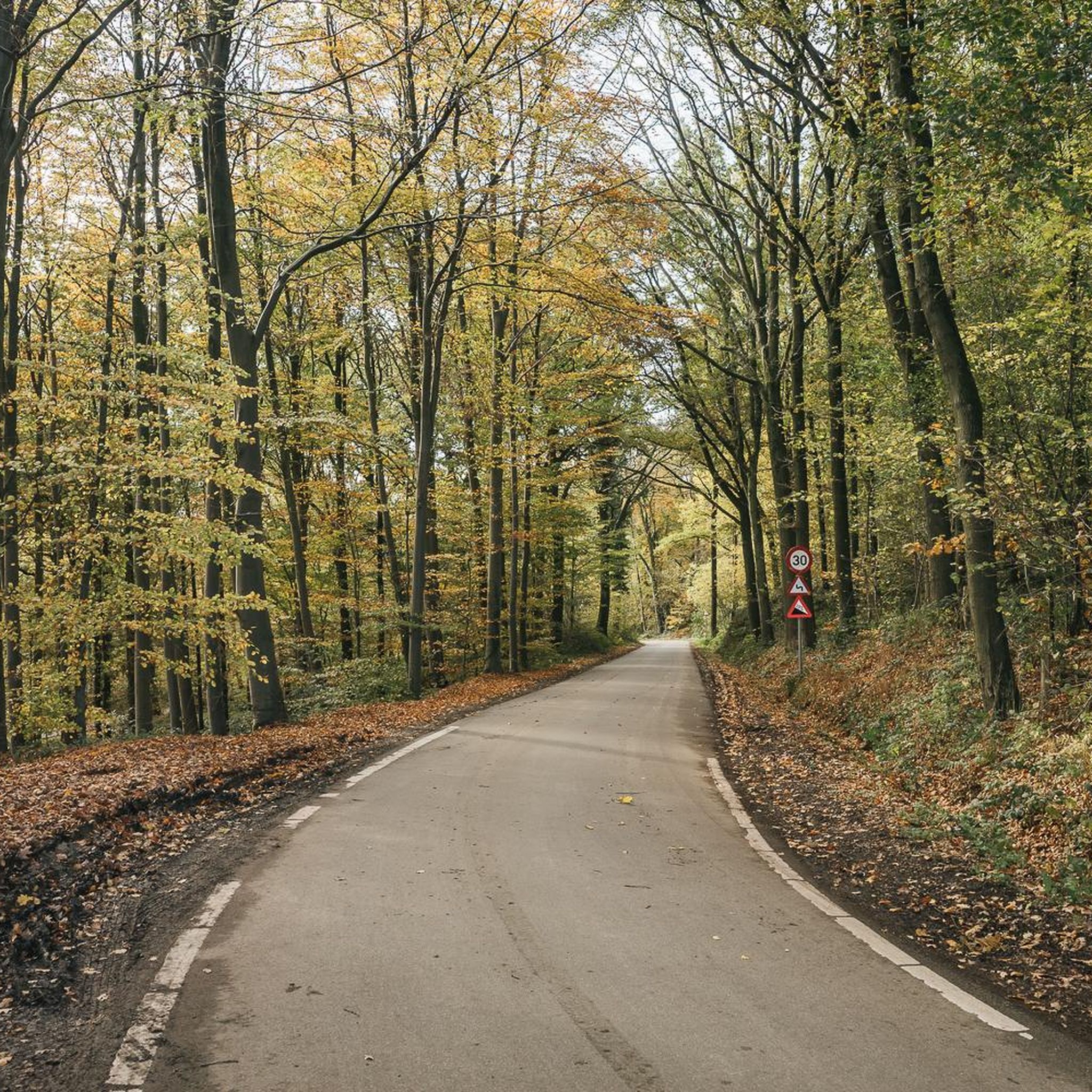
When there is wind it can be quite tough there.
1
0
Frequently Asked Questions
How many touring cycling routes are available in Gulpvallei Met Omgeving?
Gulpvallei Met Omgeving offers a wide selection of over 400 touring cycling routes. These routes vary in difficulty, with approximately 70 easy, nearly 200 moderate, and over 130 difficult options, ensuring there's a suitable path for every cyclist.
What kind of terrain can I expect when touring cycling in Gulpvallei Met Omgeving?
The Gulpvallei Met Omgeving is known for its undulating terrain, often called the 'Tuscany of the Netherlands.' You'll encounter rolling hills, deciduous forests, historic sunken roads, and paths along the meandering Gulp River. This diverse landscape provides both challenging climbs and scenic, gentler stretches.
Are there any family-friendly touring cycling routes in Gulpvallei Met Omgeving?
While the region is known for its rolling hills, there are routes suitable for families. Look for routes categorized as 'easy' or 'moderate' which often follow riverbanks or flatter sections. These paths allow for a more relaxed pace, letting families enjoy the picturesque meadows and charming villages.
What natural features and landmarks can I see along the touring cycling routes?
The Gulp Valley is rich in natural beauty and historical landmarks. You can explore the Teuvenderberg Nature Reserve, discover unique calcareous springs, and cycle past the meandering Gulp River. Historic sunken roads add a unique character to the landscape. For specific points of interest, consider routes that pass by the Border Marker No. 15 (Netherlands–Belgium) or offer views of the Limestone slope.
Are there any circular touring cycling routes in the Gulpvallei Met Omgeving?
Yes, many touring cycling routes in the Gulpvallei Met Omgeving are designed as loops, allowing you to start and end at the same point. An example is the Saint Servatius Bridge – Maastricht City Hall loop from Teuven, which offers a moderate 30.5-mile journey through charming villages and scenic views.
What is the best time of year for touring cycling in Gulpvallei Met Omgeving?
The Gulpvallei Met Omgeving is beautiful year-round, but spring and autumn offer particularly pleasant conditions for touring cycling. In spring, the landscape bursts with greenery and blossoms, while autumn brings vibrant foliage. Summers are also popular, though can be warmer, and winters, while scenic, may present colder temperatures and occasional snow on higher elevations.
Are there routes that cross into Belgium, offering cross-border cycling experiences?
Absolutely. The Gulpvallei Met Omgeving borders Belgium, providing excellent opportunities for cross-border cycling adventures. Routes like the Path to Sint-Pieters-Voeren – Dutch-Belgian Border Marker loop from Teuven take you through the border region, allowing you to experience the varied terrain and charming villages of both countries.
What do other touring cyclists enjoy most about cycling in Gulpvallei Met Omgeving?
The area is highly rated by the komoot community, with an average score of 4.4 stars from over 2,400 reviews. Cyclists often praise the region's diverse and undulating terrain, the picturesque views, and the well-maintained paths that wind through forests, meadows, and charming villages. The challenging climbs and serene river sections are frequently highlighted.
Are there any challenging routes for experienced touring cyclists?
Yes, the rolling hills of Gulpvallei Met Omgeving provide excellent challenges for experienced touring cyclists. Routes like the View of Aubel – Val-Dieu Abbey loop from Slenaken feature significant elevation changes and are rated as difficult. Some routes even incorporate sections known from the Amstel Gold Race, offering a demanding workout.
Can I find routes that are less strenuous for a more relaxed touring cycling experience?
Certainly. While the region has challenging climbs, there are also numerous routes designed for a more relaxed pace. Look for 'easy' or 'moderate' difficulty routes, which often follow the Gulp River or pass through flatter valley sections. These paths allow you to enjoy the scenery without excessive effort.
Are there specific routes that highlight the Gulp River?
Yes, the Gulp River is a central feature of the valley, and many routes are designed to showcase its beauty. These paths often wind along both banks of the river, offering cool, shaded sections and views of the meandering trout stream. You'll pass through lush greenery and charming riverside landscapes.
Where can I find parking near touring cycling routes in Gulpvallei Met Omgeving?
Many villages and starting points for routes in Gulpvallei Met Omgeving offer parking facilities. Popular villages like Slenaken and Gulpen, as well as trailheads for specific routes, typically have designated parking areas. It's advisable to check the specific route details on komoot for parking information at the starting point of your chosen tour.
Are there opportunities to stop for refreshments or local cuisine along the routes?
The Gulp Valley is dotted with charming villages such as Slenaken and Gulpen, which are perfect for breaks. You'll find numerous cafes, restaurants, and traditional Limburg pubs where you can enjoy local cuisine, Limburg beer, and refreshments. These stops are an integral part of the touring cycling experience in the region.
Most popular routes in Gulpvallei Met Omgeving
Most popular attractions in Gulpvallei Met Omgeving

Get inspired with the komoot mobile app


Explore more
Browse the best Cycling routes in other regions.
