The best cycling routes in Bemelerberg & Schiepersberg
4.4
(5394)
56,410
riders
749
rides
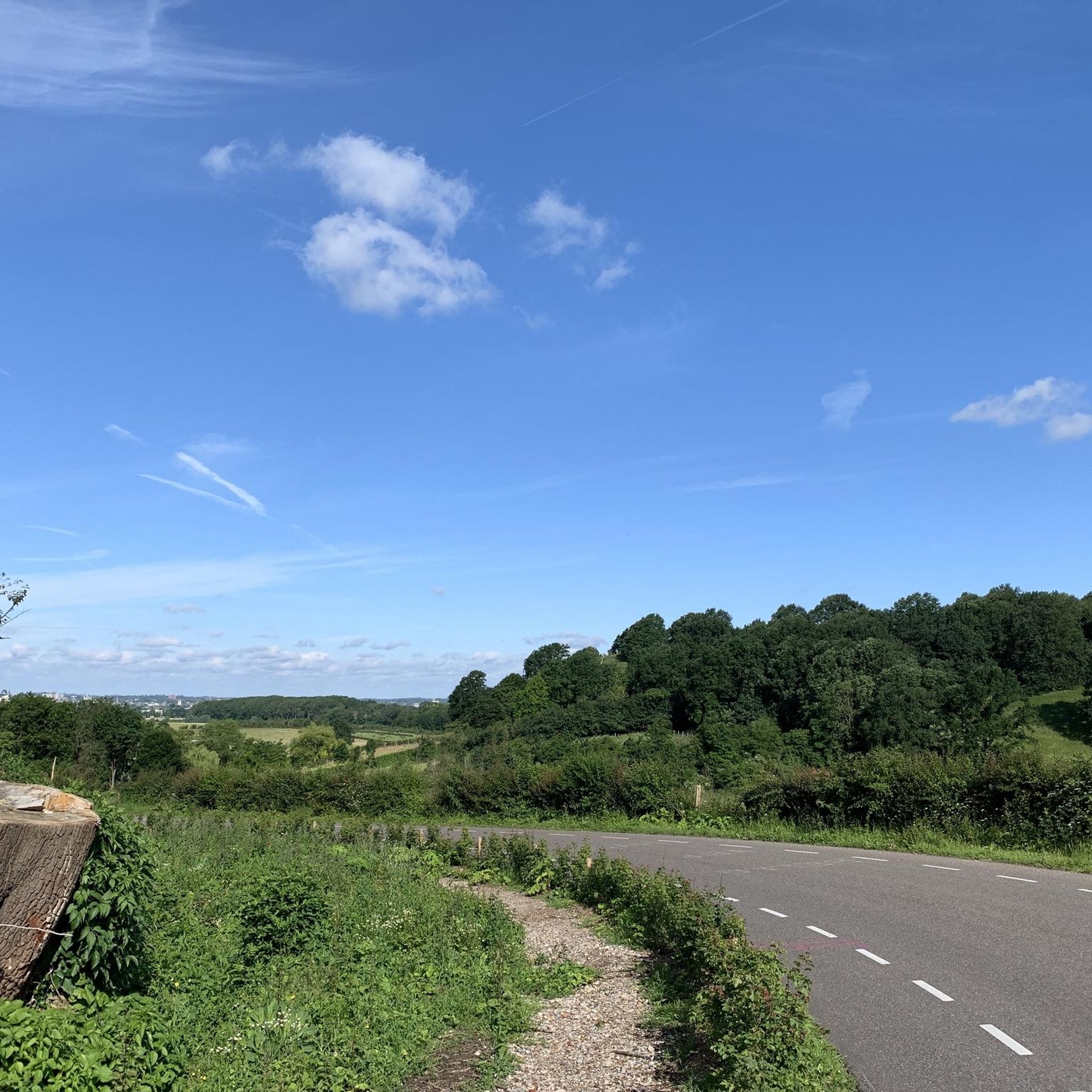
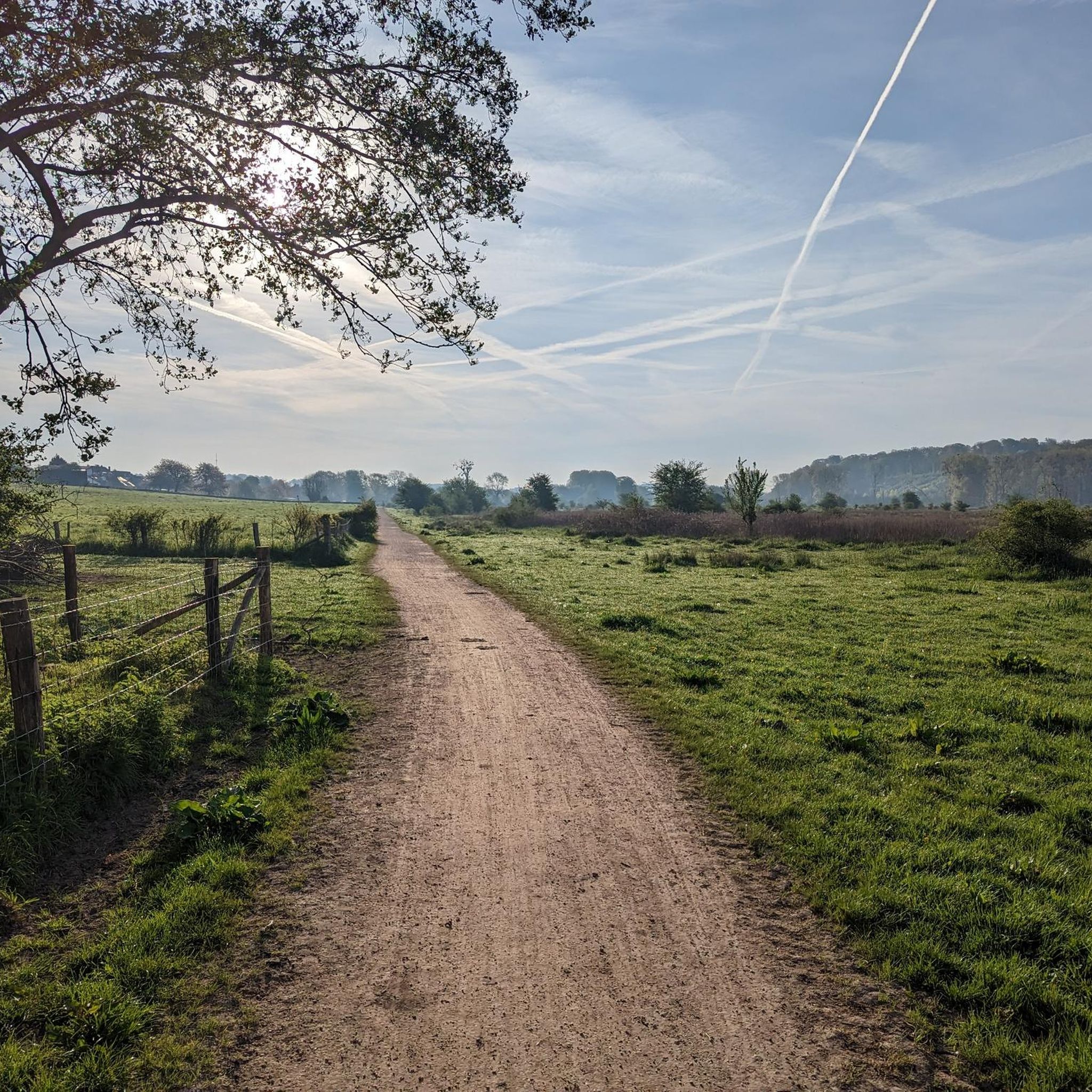
Touring cycling in Bemelerberg & Schiepersberg offers routes through a distinctive hilly landscape in South Limburg, Netherlands. The terrain features picturesque views over flowering grasslands, impressive marl walls, and sunken roads. This region is known for its excellent tarmac and enjoyable curves, providing a satisfying cycling experience. Climbs are generally not overly steep or long, making them accessible for various fitness levels.
Best touring cycling routes in Bemelerberg & Schiepersberg
- The most popular touring cycling route is Maastricht Train Station – Geulhem Cave Dwellings loop from Berg en Terblijt, a 13.8 miles (22.2 km) trail that takes 1 hour 22 minutes to complete, offering views of the unique hilly landscape.
- Another top favourite among local touring cyclists is Historic Center of Valkenburg – Sibberhuuske loop from Berg en Terblijt, a moderate 17.1 miles (27.5 km) path. This route features varied terrain with notable elevation changes and scenic surroundings.
- Local touring cyclists also love the Geulhem Cave Dwellings – St. Gerlachus Church, Houthem loop from Bemelerberg & Schiepersberg, a 15.3 miles (24.6 km) trail leading through hilly terrain and past marl walls, often completed in about 1 hour 31 minutes.
- Touring cycling in Bemelerberg & Schiepersberg is defined by its hilly landscape, marl walls, and well-maintained tarmac. The network offers options for different ability levels, from easy rides to more challenging climbs.
- The routes in Bemelerberg & Schiepersberg are highly rated by the komoot community with an average score of 4.4 stars from over 5,000 reviews. More than 58,000 touring cyclists have used komoot to explore Bemelerberg & Schiepersberg's varied terrain.
Last updated: July 5, 2026
4.5
(14)
73
riders
37.1km
02:13
220m
220m
Moderate bike ride. Good fitness required. Mostly paved surfaces. Suitable for all skill levels.
4.2
(22)
183
riders
Moderate bike ride. Good fitness required. Mostly paved surfaces. Suitable for all skill levels.

Sign up for free
74
riders
Moderate bike ride. Good fitness required. Mostly paved surfaces. Suitable for all skill levels.
4.1
(9)
50
riders
Moderate bike ride. Good fitness required. Mostly paved surfaces. Suitable for all skill levels.
4.4
(14)
57
riders
15.6km
01:02
120m
120m
Easy bike ride. Great for any fitness level. Mostly paved surfaces. Suitable for all skill levels.
Get access to more routes and recommendations from other explorers.
Sign up for free
Already have an account?
Our route recommendations are based on thousands of hikes, rides, and runs completed by other people on komoot.
Start today with a free account
Your next adventure awaits.
Login or Signup
Popular around Bemelerberg & Schiepersberg
Tips from the Community

Nice place friendly staff good drinks
0
0

A beautiful route between Maastricht and Cadier en Keer, with plenty of beautiful views over the fields and through the forests.
0
0

St. Catherine's Church. On May 8th, we celebrate the anniversary of the consecration of our church. In 1905, it was solemnly and ceremonially consecrated by Mgr. Drehmans, the then Bishop of Roermond. The church was built in a relatively short time. The foundation stone was laid on May 29, 1904, and the church was ready for use on January 10, 1905. The early history of our parish goes back many centuries. Even before 1400, a chapel in Berchem was mentioned, which had Saint Catherine of Alexandria as its patron saint. The veneration of this saint was brought to our region by the Crusaders from the Holy Land. This chapel was probably located near the current house at Groot Berghem No. 19. This chapel was cared for by the (deanery) parish of Meerssen. It had a bell tower, and according to old charters, a priest was required to say Mass there at least once a year. This undoubtedly happened more often. After the French period, in 1803, the residents of Ulestraten learned that they would soon have their own rector and be allowed to form their own auxiliary parish. Initially dependent on Meerssen, the parish became independent in 1833. Father Thomas Voncken, a native of Waterval, was appointed the first rector of the chapel in Berchem. This Thomas Voncken was of great importance to the development of the new independent parish. Risking his own life, he had already secretly performed pastoral duties during the French occupation, against French regulations, "with such zeal that not a sick person died without the sacraments," as his prayer card states. After his appointment as rector, he immediately devoted himself to the construction of his own church. The centuries-old chapel in Berchem was, after all, Source/info: https://federatie-edithstein.nl/ulestraten/het-kerkgebouw-st-catharina/
1
0

Valkenburg has been one of the Netherlands' most important holiday destinations since around 1840, and tourism is the municipality's main source of income. This has much to do with the medieval town's picturesque location, but the extensive labyrinths of underground quarries also played an important role from the very beginning. However, the original idea of using the caves for air cures never came to fruition.
13
0
The building consists of a flat west tower with a narrowed spire, a three-aisled nave, a transept, and a choir. The church is considered one of the oldest churches in Limburg. It is dedicated to Saint Maurice. The church building is constructed partly of Maastricht limestone and partly of Kunrade limestone.
14
0

The Provinciehuis was built between 1983 and 1985 based on a design by architect Gerard Snelder. The building consists of no fewer than eighteen building blocks, which decrease in height towards the Maas. The building blocks are covered with pent roofs and have a concrete skeleton that is filled with brick. This construction method, typical of Maastricht, refers with a nod to the local architectural style of the Maasland Renaissance. The Treaty of Maastricht (1992) is one of the most important treaties in the history of Europe and European integration. With this treaty, the twelve member states of what was then called the European Community (EC) founded the European Union (EU). This Union made it possible to further deepen, broaden and streamline European cooperation. In the Provinciehuis you will find a permanent exhibition on the Treaty of Maastricht on the 1st floor.
0
0

Special place to cycle past.
0
0

The St. Gerlach Church in Houthem-Sint Gerlach is an 18th-century Baroque church built on the site of a former convent. It is best known for its impressive frescoes by Johann Adam Schöpf and the tomb of Saint Gerlach. The church is a national monument and unique in the Netherlands for its elaborate murals. It is located next to Château St. Gerlach and is part of a historic complex in a peaceful, green setting.
1
0
Frequently Asked Questions
What is the general terrain like for touring cycling in Bemelerberg & Schiepersberg?
The region is characterized by a distinctive hilly landscape, a welcome change from the generally flat Netherlands. You'll encounter picturesque views over flowering grasslands, impressive marl walls, and charming sunken roads. While the climbs, such as the Bemelerberg Climb, provide a satisfying challenge, they are generally not overly steep or long, making them accessible for various fitness levels. The routes boast excellent tarmac and enjoyable curves.
How many touring cycling routes are available in Bemelerberg & Schiepersberg?
There are over 770 touring cycling routes available in Bemelerberg & Schiepersberg on komoot. These routes cater to various skill levels, with approximately 215 easy, 340 moderate, and 215 difficult options to explore.
Are there family-friendly touring cycling routes in the area?
Yes, there are numerous family-friendly options. For instance, the Ingendael Cycle Path – Valkenburg on the Geul loop from Berg en Terblijt is an easy 15.5 km route with minimal elevation, perfect for a relaxed family outing. The region's well-paved surfaces and varied terrain ensure enjoyable rides for all ages.
What kind of natural attractions can I see along the touring cycling routes?
The region is rich in natural beauty. You can explore unique features like old marl quarries, which are now important subterranean spaces, and protected nature reserves. Highlights include the Strooberg Quarry, Blom Quarry, and the Strooberggroeve (Bemelen Caves). The area is also known for rare flora like wild orchids and diverse fauna, including rare butterflies.
What is the best time of year to go touring cycling in Bemelerberg & Schiepersberg?
The region is beautiful year-round, but spring and autumn offer particularly pleasant conditions for touring cycling. During these seasons, the weather is generally mild, and the landscapes are vibrant with flowering grasslands or rich autumn colors. The well-maintained routes are accessible in most conditions.
Are there any circular touring cycling routes available?
Yes, many of the touring cycling routes in Bemelerberg & Schiepersberg are designed as loops, offering convenient circular journeys. An example is the Maastricht Train Station – Geulhem Cave Dwellings loop from Berg en Terblijt, which is a popular 22.2 km route.
What do other touring cyclists say about the routes in Bemelerberg & Schiepersberg?
The touring cycling routes in Bemelerberg & Schiepersberg are highly rated by the komoot community, with an average score of 4.4 stars from over 5,000 reviews. Cyclists often praise the unique hilly landscape, the excellent tarmac, and the satisfying climbs that are challenging yet accessible.
Can I find places to eat or stay near the cycling routes?
Yes, the region offers various amenities for cyclists. You'll find cafes and pubs in nearby towns and villages, perfect for a break. The area is also known for local attractions like "Die Twie," where you can enjoy snacks and scenic views. Accommodation options are available in the surrounding areas to suit different preferences.
Is the region suitable for other types of cycling besides touring, such as mountain biking or gravel biking?
While this guide focuses on touring cycling, the region's diverse terrain also makes it suitable for mountain biking and gravel biking. The hilly landscape and varied surfaces offer different experiences for those looking for off-road adventures.
How can I reach the starting points of the cycling routes, and is parking available?
The region is well-connected. Many routes, like the Maastricht Train Station – Geulhem Cave Dwellings loop from Berg en Terblijt, start near public transport hubs, making them accessible by train. Parking facilities are generally available in the towns and villages near popular starting points, though it's always advisable to check local signage.
Are there any historical landmarks or points of interest along the routes?
Absolutely. The region is steeped in history and culture. You can cycle past significant sites like the Historic Center of Valkenburg and the Sibberhuuske. The area's marl quarries and cave dwellings, such as the Geulhem Cave Dwellings, also offer a glimpse into the past.
Are there any specific challenges or unique features for cyclists to be aware of?
The main characteristic is the hilly terrain, which provides a good workout without being overly strenuous. The region's inclusion in prestigious events like the Amstel Gold Race highlights its quality for cycling. While the climbs are manageable, they do require some effort, and the enjoyable curves allow for a good rhythm. The well-paved surfaces generally ensure a smooth ride.
Most popular routes in Bemelerberg & Schiepersberg
Most popular attractions in Bemelerberg & Schiepersberg

Get inspired with the komoot mobile app


Explore more
Browse the best Cycling routes in other regions.
