The best cycling routes in Vlaams Natuurreservaat Mechelse Heide
4.4
(4209)
34,383
riders
681
rides
Touring cycling routes in Vlaams Natuurreservaat Mechelse Heide traverse diverse landscapes, including expansive heathlands, dense pine forests, and former sand extraction sites. The region features gently sloping routes, with some segments being unpaved. Characteristic artificial hills, known as spoil tips, offer elevated viewpoints across the park. The area's well-developed infrastructure supports cycling, with designated routes and amenities.
Best touring cycling routes in Vlaams Natuurreservaat Mechelse Heide
- The most popular touring cycling route is Mechelse Heide – View of the Kikbeekbron…
Last updated: July 6, 2026
4.5
(36)
187
riders
Easy bike ride. Great for any fitness level. Mostly paved surfaces. Suitable for all skill levels.
4.7
(7)
32
riders
Moderate bike ride. Good fitness required. Mostly paved surfaces. Suitable for all skill levels.

Sign up for free
21
riders
Hard bike ride. Good fitness required. You may need to push your bike for some segments of this route.
2
riders
Moderate bike ride. Good fitness required. Mostly paved surfaces. Suitable for all skill levels.
5
riders
Hard bike ride. Very good fitness required. Mostly paved surfaces. Suitable for all skill levels.
Get access to more routes and recommendations from other explorers.
Sign up for free
Already have an account?
Our route recommendations are based on thousands of hikes, rides, and runs completed by other people on komoot.
Start today with a free account
Your next adventure awaits.
Login or Signup
Popular around Vlaams Natuurreservaat Mechelse Heide
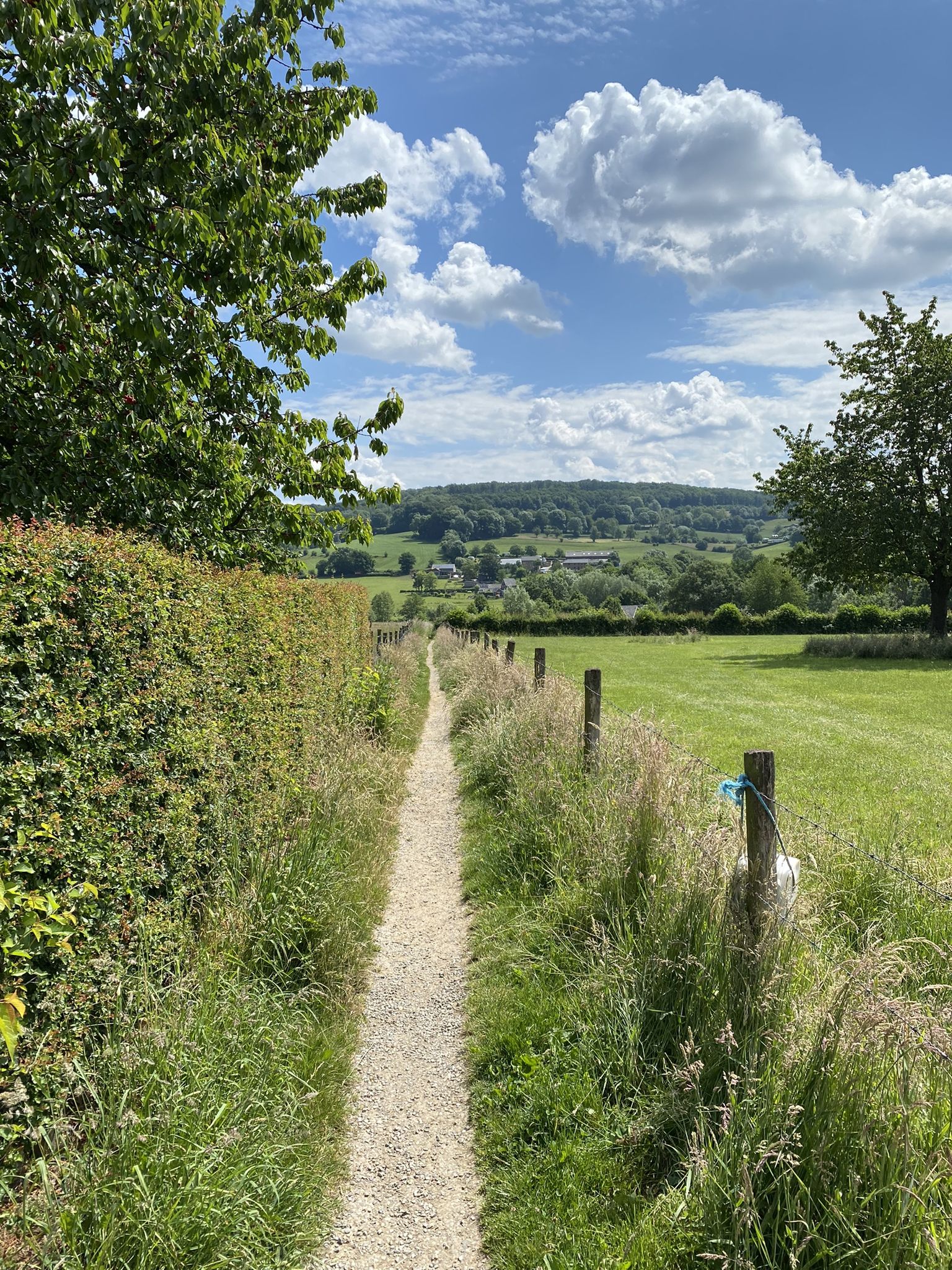
Train your calves in the rolling hills - 10 trailruns in Limburg
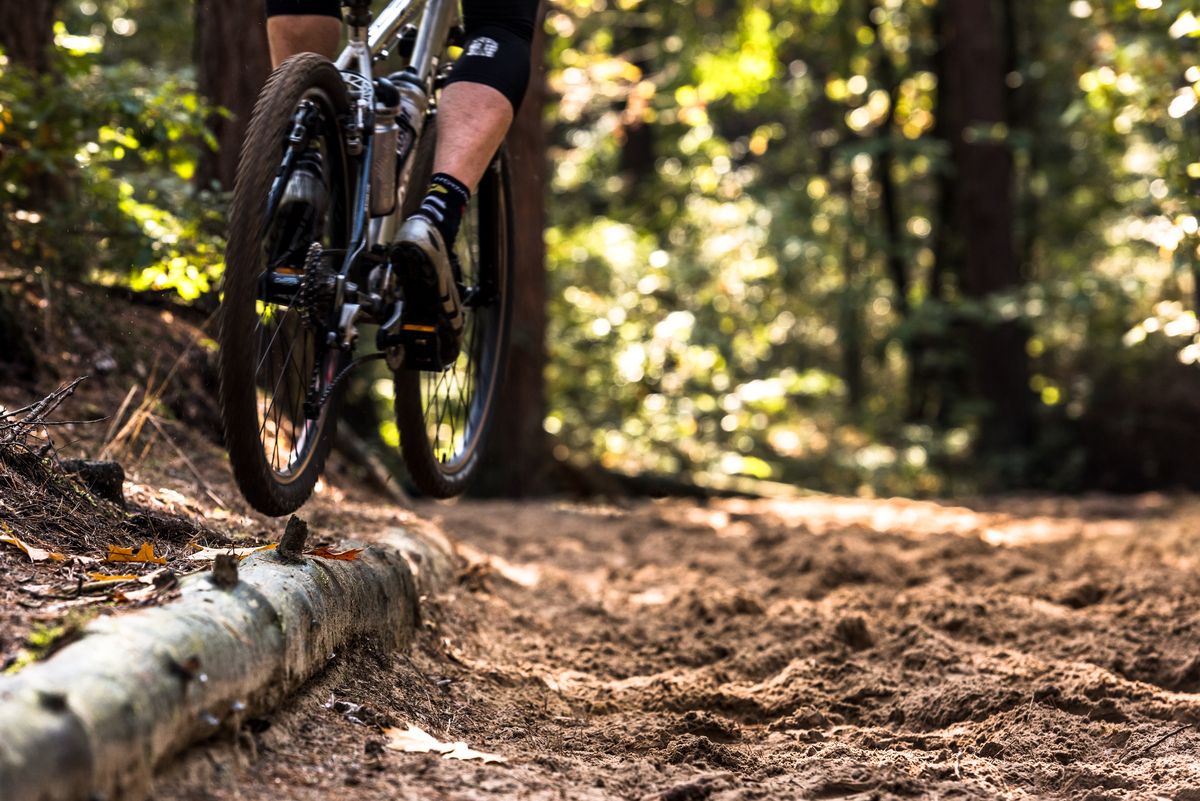
One with nature - Mountain biking network Hoge Kempen
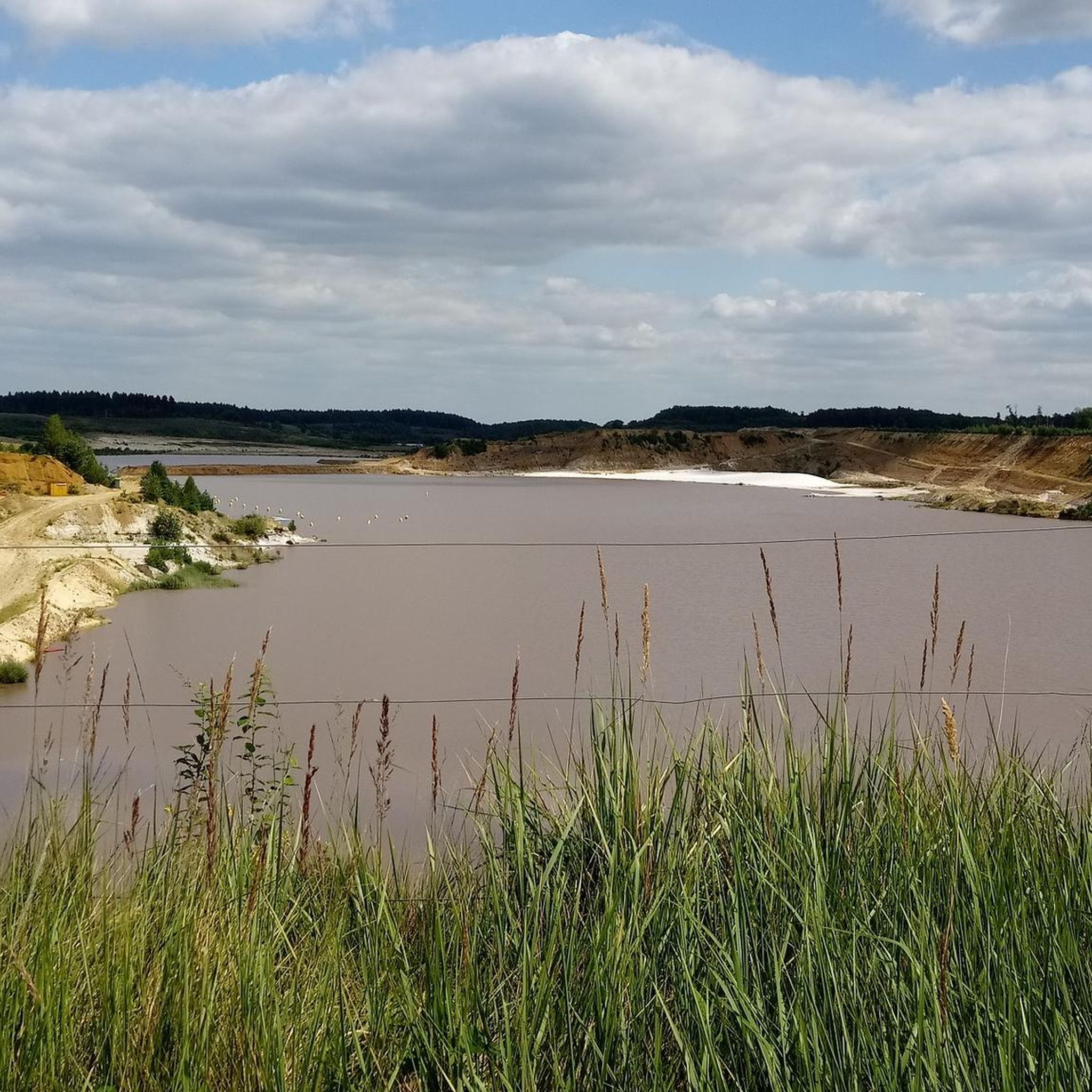
Hiking in Vlaams Natuurreservaat Mechelse Heide
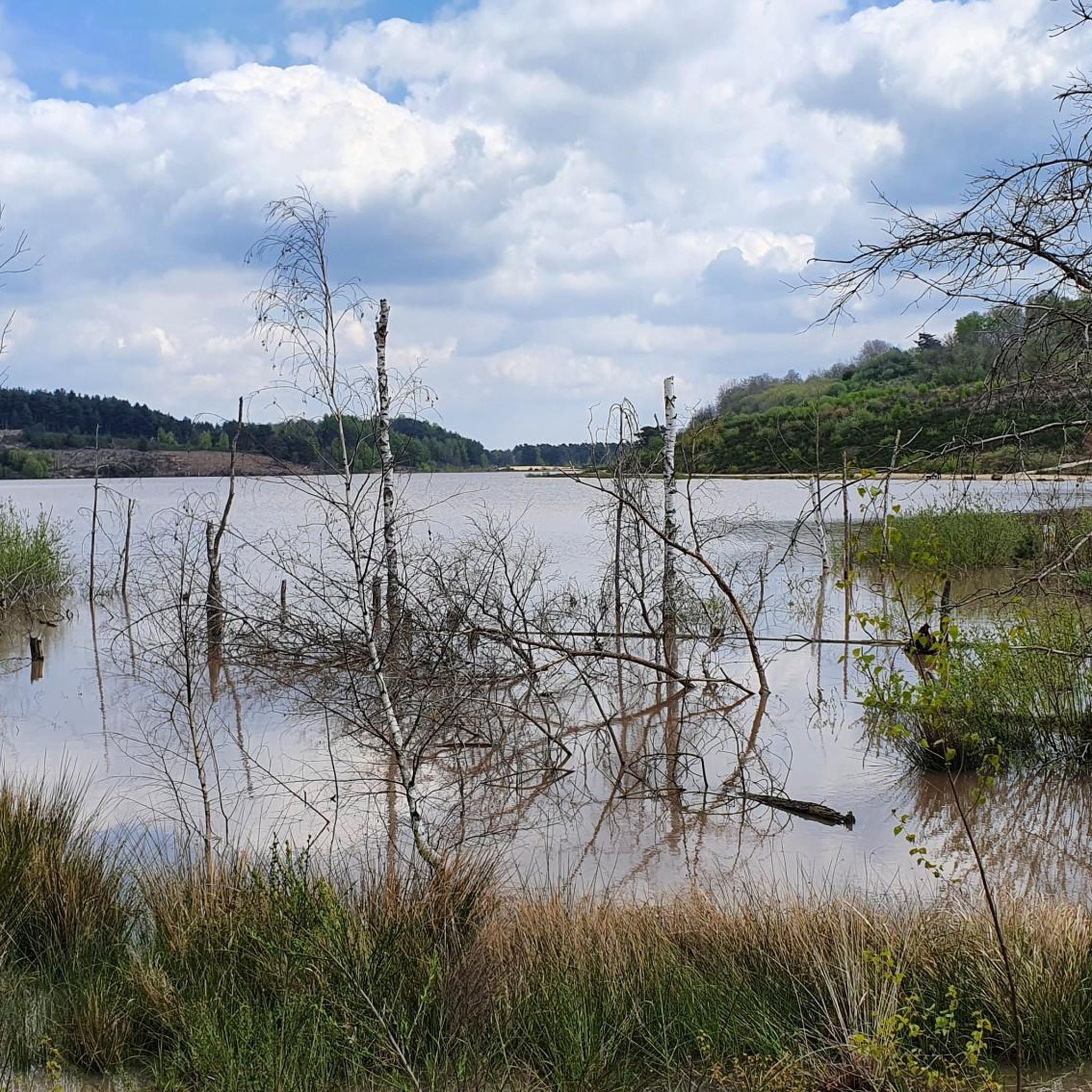
Running Trails in Vlaams Natuurreservaat Mechelse Heide
Road Cycling Routes in Vlaams Natuurreservaat Mechelse Heide
MTB Trails in Vlaams Natuurreservaat Mechelse Heide
Gravel biking in Vlaams Natuurreservaat Mechelse Heide
Other adventures in Vlaams Natuurreservaat Mechelse Heide


Tips from the Community

Cycling between the terraces, also known as cycling over water, is a cycling project that opened to the public in September 2024. It is a pontoon cycle/footpath across the Große Plas (Great Pond) between the waste heaps at resort Terhills. It is a new addition to the series of special cycling projects previously realised in the cycling paradise of Limburg (such as cycling through the water (Domain Bokrijk), cycling through the heathlands (north of Zutendaal), and cycling through the forests (Bosland National Park)).
0
0
Cycling across the heath takes you right through the Hoge Kempen National Park. In this park, vast pine forests alternate with endless heathlands. Thanks to the new connection between cycle nodes 550 and 551, nature is presented to you on a platter. You cycle across the Mechelse Heide, with 700 hectares, one of the largest heathland areas in Flanders. The highlight of this route is undoubtedly the almost 300-meter-long wooden bridge, a recognizable element in the landscape. From the bridge, you have a panoramic view of the natural surroundings.
0
0
Station As is a former railway station on lines 21A (Hasselt-As) and 21B (As-Eisden). The station building now houses a restaurant and the Kolenspoorvereniging (Coal Railway Association) uses it for the operation of the tourist railway line Waterschei-As-Eisden. Station As is also one of the gateways to Hoge Kempen National Park and has an observation tower.
0
0

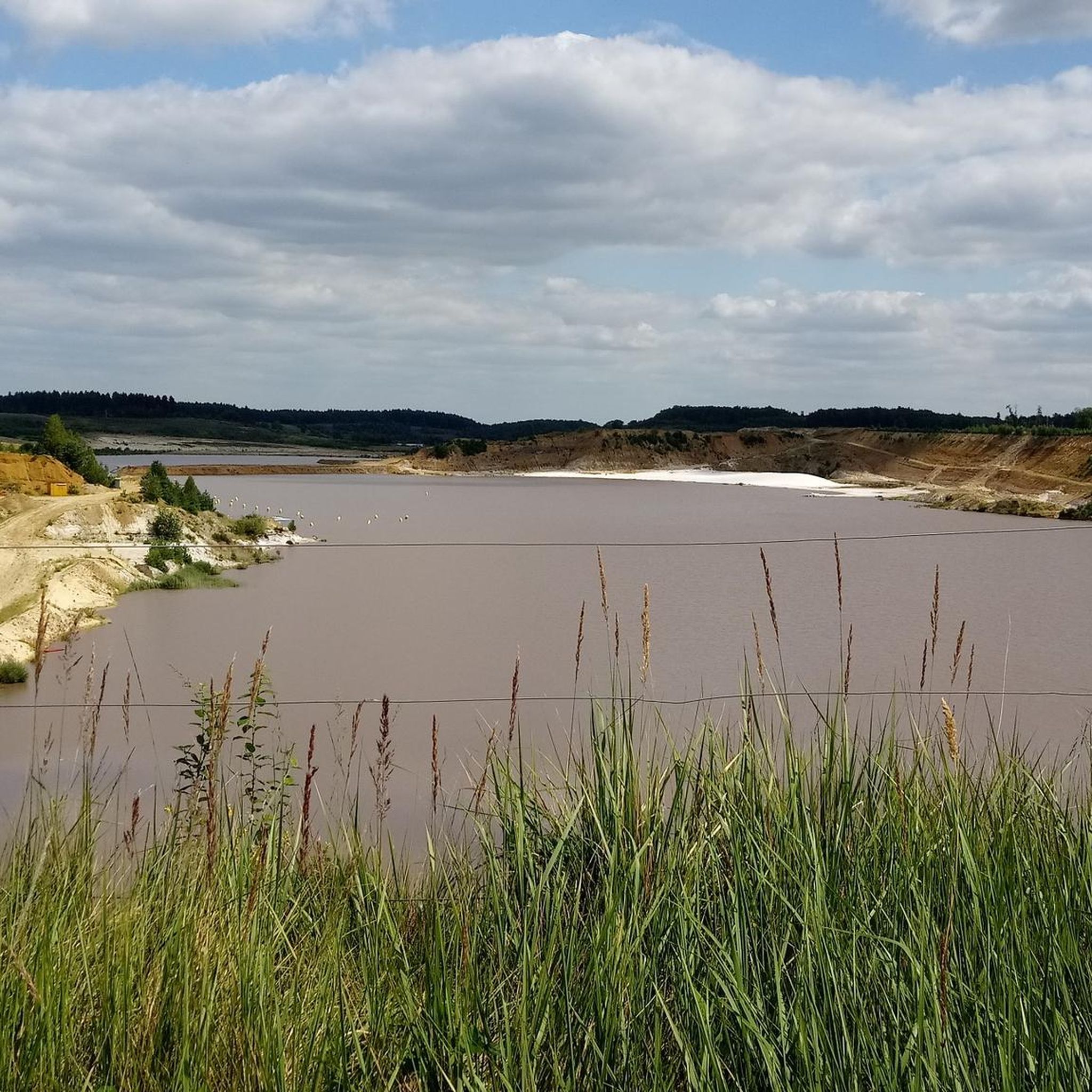
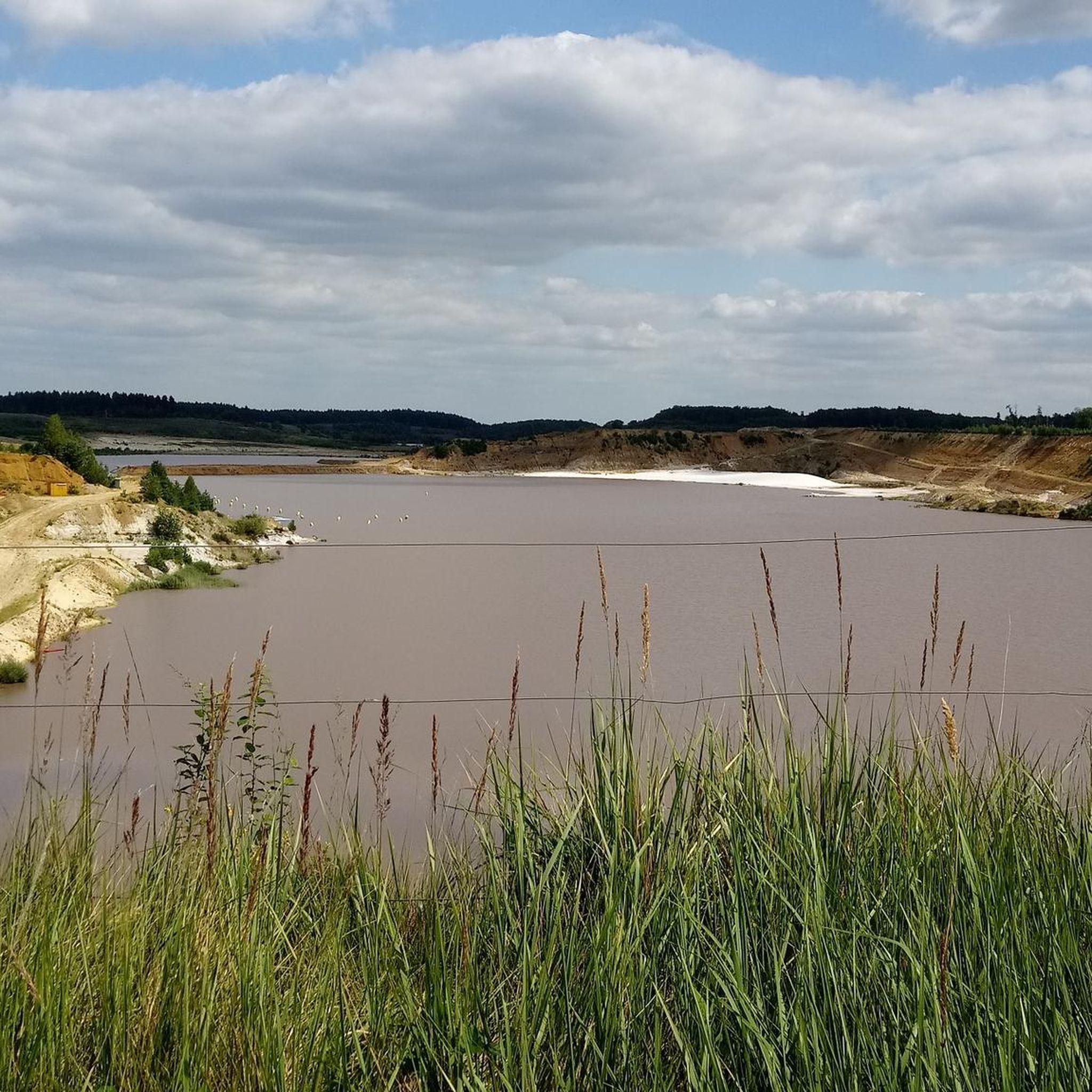
The Kikbeek Source Valley is a unique nature reserve of approximately 120 hectares in the municipality of Maasmechelen. It is part of the Hoge Kempen National Park and situated in and around the former sand and gravel quarry from which the meandering Kikbeek stream originates. This landscape is characterized by alternating open heathlands, forests and marshlands, small ponds, and the source itself, which together form a rich ecological fabric where walking routes lead visitors past water, heathland, reed beds, and forests in an atmosphere of tranquility and natural diversity. The valley is situated on both sides of paths normally included in the network of walks, such as the green and blue loops of the Mechelse Heide, which start from the parking lot at Camping Kikmolen, for example, and loop through the area with views of ponds, heathland, and woodlands. This valley is ecologically valuable, and the combination of a former quarry, seepage zones, and wetlands creates habitats for numerous insects, birds, and plants typical of wet and semi-open nature. The area provides a window into the ancient geology and landscape history of this region, where nature has gradually recovered since the time of human use. However, the situation around the valley and its hiking trails has been in flux for years and is not always accessible as it once was. Due to a landslide in the Kikbeekbron valley, the area is officially closed to recreation, and the blue and green hiking trails that run through it have remained inaccessible to visitors for some time. Research by the Agency for Nature and Forests, in collaboration with geotechnical experts, has revealed that there are risks of further landslides and slope instability, making the valley unsafe to access for the time being, and recreational use has been temporarily suspended. Clear signs on site inform visitors that access is prohibited and that alternative routes outside the valley must be followed. This situation serves as a precautionary measure as long as the stability of the former quarry and surrounding areas is maintained. At the same time, larger nature restoration and water management projects are planned or underway in this area. The Agency for Nature and Forests is carrying out the Blue Deal project at the Kikbeek spring, one of the largest of its kind in Flanders. The goal is to restore the ecosystem of the original valley, strengthen wetlands, and retain more water in the area. This extensive intervention is linked to sustainable water management, biodiversity, and the long-term health of the area. Parts of the valley are temporarily closed to enable methodical implementation. Due to these circumstances, the hiking trails through the former quarry and along the Kikbeek spring are currently not open as you know them from previous hiking maps, and the green and blue loops, which were equally enjoyable for a walk around the pond and through the heathland, are not accessible to recreational users. Yet, for many nature lovers, including myself, the allure of this area is hard to resist. Despite the official closures and clearly indicated restrictions, I have walked past the signs and barriers precisely because the paths are still partially visible and because the sensory experience of the landscape remains very inviting. The story of my walk through the valley, even though it was technically prohibited by the managers, reveals the appeal of this landscape. The tranquil water features, the transition from open heathland to woodland, and the atmosphere of a hidden stream valley invite exploration even when restricted zones indicate it's not officially permitted. This personal touch contrasts the formal, protective management of vulnerable natural areas with the human tendency to seek out the peace and beauty of such places, even if that means straying slightly off the beaten track.
0
0

Valkenburg has been one of the Netherlands' most important holiday destinations since around 1840, and tourism is the municipality's main source of income. This has much to do with the medieval town's picturesque location, but the extensive labyrinths of underground quarries also played an important role from the very beginning. However, the original idea of using the caves for air cures never came to fruition.
13
0

Old coal winding towers near Maasmechelen
0
0

St. Barbara's Church is the parish church of Eisden-Tuinwijk in Eisden and a so-called mining cathedral. The church was built after the Eisden coal mine was constructed and put into production in 1923, leading to the construction of several towns under the name Eisden-Tuinwijk. These were located west of the Zuid-Willemsvaart canal. This led to a sharp population increase, creating the need for a new church. Brussels architect Auguste Vanden Nieuwenborg designed a monumental church in the Brick Expressionist style, incorporating Gothic elements such as pointed arch windows. The stained-glass windows in the choir are inspired by those of Chartres Cathedral. The church, with its plump 53-meter-high tower, was built from 1934 to 1936. It is a three-aisled cruciform church. The church furnishings are almost entirely post-1945, but the organ dates from 1939 and was built by the Delmotte studio in Tournai. The Stations of the Cross are made of black marble in bas-relief, and in 1960, sculptor Mailleux created several statues. The Saint Barbara statue on the facade dates from 1982. The church is surrounded by various related buildings, such as schools, a monastery, and a parish center. Source: Wikipedia
3
0

very nice town to visit
2
1
Frequently Asked Questions
How many touring cycling routes are available in Vlaams Natuurreservaat Mechelse Heide?
There are over 660 touring cycling routes available in Vlaams Natuurreservaat Mechelse Heide. These routes cater to various skill levels, with a significant number being easy to moderate.
What kind of terrain can I expect on the cycling routes?
The routes traverse diverse landscapes, including expansive heathlands, dense pine forests, and former sand extraction sites. While generally gently sloping, some segments might be unpaved. You'll also encounter characteristic artificial hills, known as spoil tips, which offer elevated viewpoints.
What is the best time of year to go touring cycling in Mechelse Heide?
The late summer, typically from August to September, is particularly beautiful for cycling in Mechelse Heide. During this period, the expansive heathlands transform into a breathtaking purple spectacle when in bloom.
Are there any family-friendly or easy routes for beginners?
Yes, Vlaams Natuurreservaat Mechelse Heide offers many routes suitable for families and beginners. There are over 370 easy routes, such as the Wooden bike bridge to As – Mechelse Heide loop from Vlaams Natuurreservaat Ven onder de Berg, which is 5.1 miles (8.2 km) long and features the iconic wooden bicycle bridge.
Where can I park my car when visiting for a cycling tour?
Convenient starting points for cycling tours include a large car park at the Mechelse Heide gateway. Additionally, the As railway station provides parking facilities.
How can I reach Vlaams Natuurreservaat Mechelse Heide by public transport?
The As railway station serves as a good access point for public transport, offering amenities like parking and bike racks, and an information office for visitors.
Can I rent a bicycle in the area?
Yes, bicycle rentals are available at locations such as As and C-Mine, making it easy to explore the reserve even if you don't bring your own bike.
What unique natural features or landmarks can I see along the cycling routes?
You'll encounter vast heathlands, dense pine forests, and picturesque sand dunes. A standout feature is the almost 300-meter-long wooden bicycle bridge, part of the 'Cycling through the Heathland' experience. You can also visit highlights like Mechelse Heide — Lakes and Sand Dunes or enjoy the View of the Quarry and Lake at Mechelse Heide. The spoil tips (artificial hills) also offer spectacular panoramic vistas.
Are there any routes that specifically feature the 'Cycling through the Heathland' experience?
Yes, the 'Cycling through the Heathland' (Fietsen door de Heide) is a popular cycling route that guides cyclists directly through the vast heathlands. The Wooden bike bridge to As – Mechelse Heide loop from Vlaams Natuurreservaat Ven onder de Berg is an excellent option that includes the iconic wooden bicycle bridge, a key part of this experience. More information can be found on Visit Limburg's website.
What do other touring cyclists say about the routes in Vlaams Natuurreservaat Mechelse Heide?
The routes in Vlaams Natuurreservaat Mechelse Heide are highly rated by the komoot community, with an average score of 4.4 stars from over 4100 reviews. Cyclists often praise the varied terrain, from quiet forests to expansive heathlands, and the well-developed infrastructure that supports cycling.
Are there opportunities for wildlife spotting while cycling?
Yes, the varied habitats within the reserve support a wide range of wildlife. The area is known as a 'paradise for bird-lovers' due to the abundance of bird species, offering great opportunities for bird spotting along the trails.
Are most of the cycling routes circular?
Many of the touring cycling routes in Vlaams Natuurreservaat Mechelse Heide are designed as loops, allowing you to start and end your journey at the same point. For example, the Mechelse Heide – View of the Kikbeekbron Valley loop from Vlaams Natuurreservaat Ven onder de Berg is a popular circular option.
Most popular routes in Vlaams Natuurreservaat Mechelse Heide
Most popular attractions in Vlaams Natuurreservaat Mechelse Heide

Get inspired with the komoot mobile app


Explore more
Browse the best Cycling routes in other regions.
