Attractions and Places To See in Vlaams Natuurreservaat Molenheide - Top 15
Best attractions and places to see in Vlaams Natuurreservaat Molenheide offers a diverse landscape of dunes, forests, and heathlands in Belgian Limburg. This nature reserve is characterized by its dynamic environment, featuring fens, ponds, and peat formations that support a variety of wildlife. Visitors can explore a range of natural features and historical sites, reflecting significant nature restoration efforts. The area provides opportunities to observe deer, wild boars, and various bird species within its varied habitats.
Best attractions and places…
Last updated: July 5, 2026
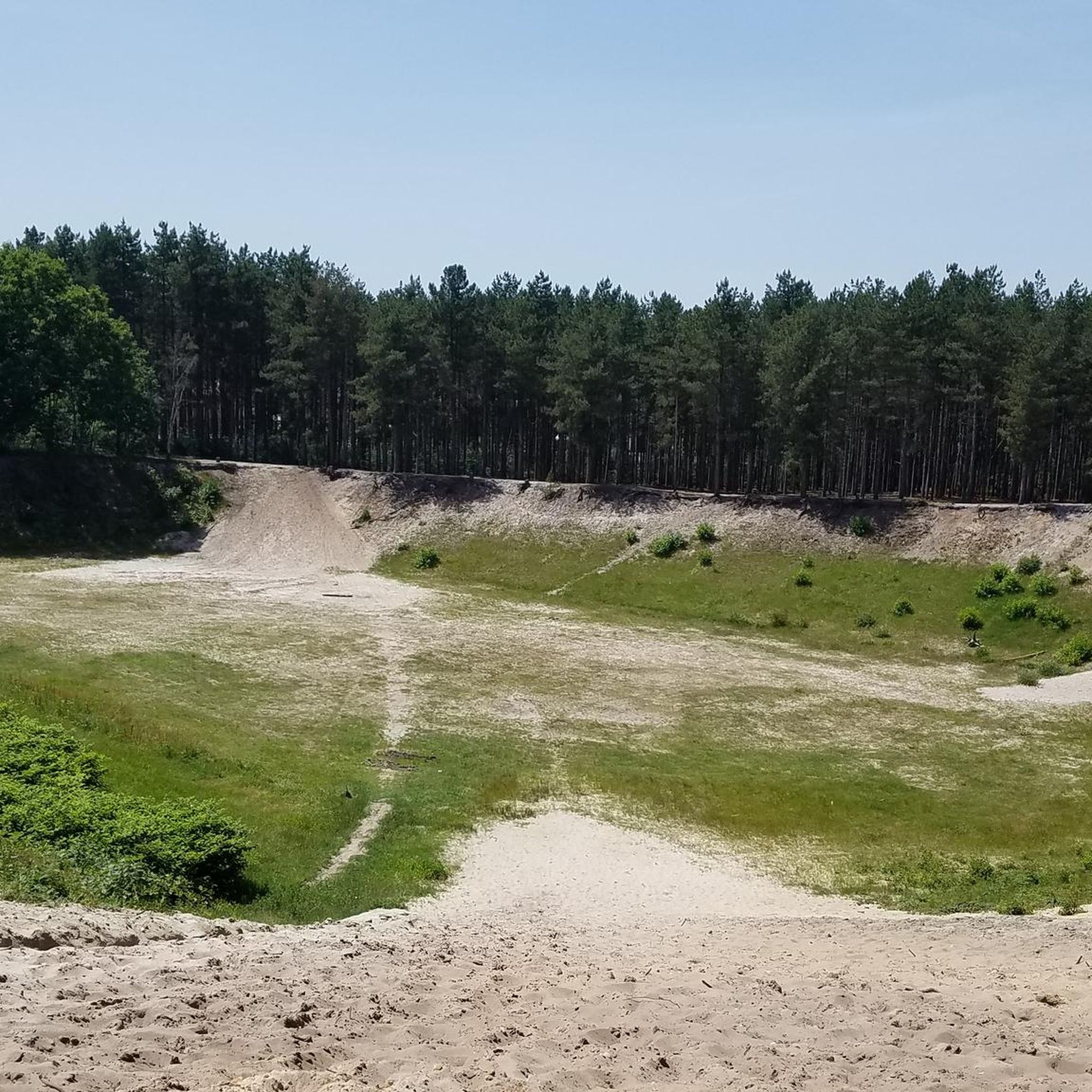
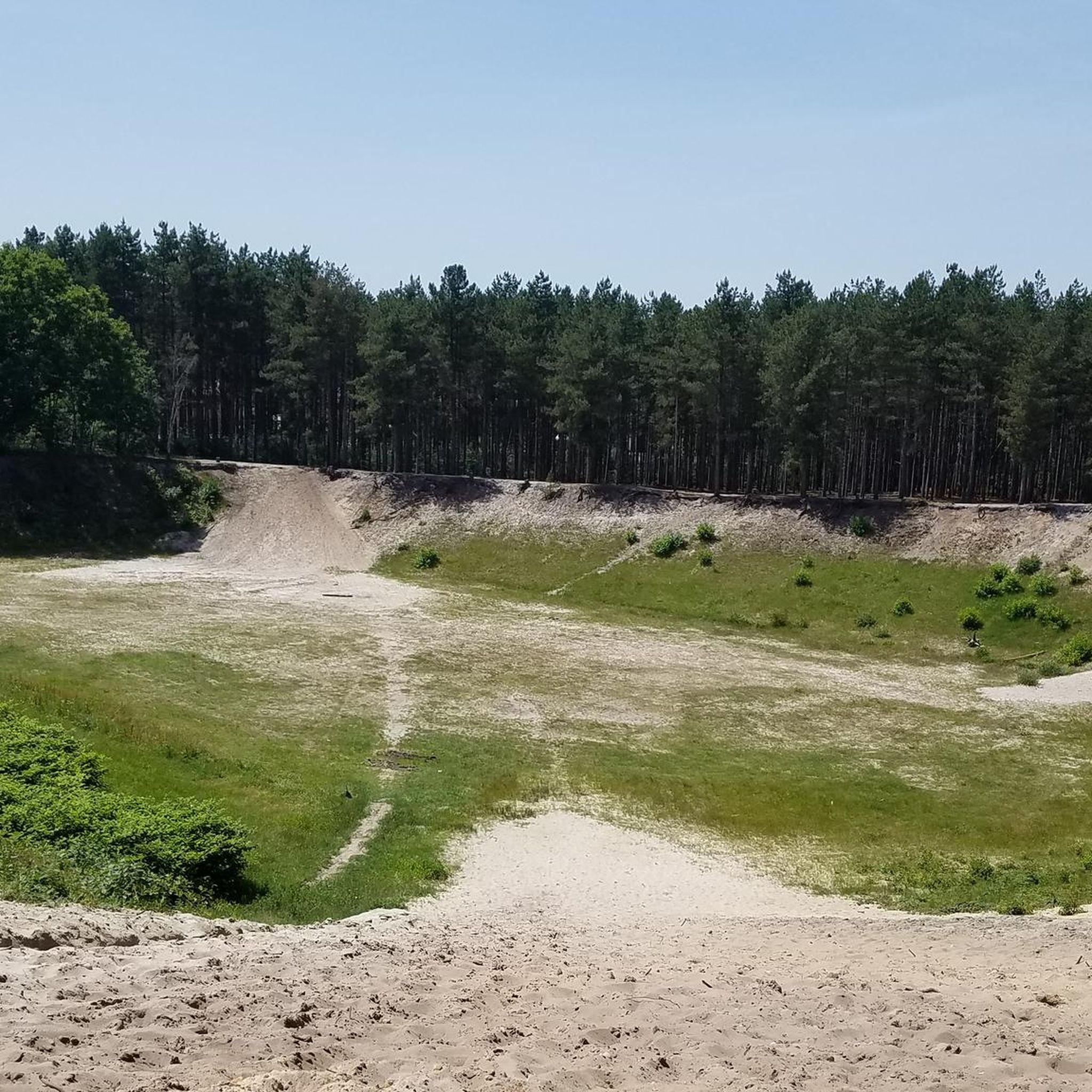
The Pit of Zonhoven
Highlight • Gorge
Translated by Google •
Tip by

The Holsteen
Highlight • Natural Monument
Translated by Google •
Tip by

Sign up now to discover places like this
Get recommendations on the best single tracks, peaks, & plenty of other exciting outdoor places.
Sign up for free
Reindeer Hunters Site
Highlight • Historical Site
Translated by Google •
Tip by

Former Military Domain De Molenheide
Highlight • Forest
Translated by Google •
Tip by

De Kuil (Zonhoven Sand Pit)
Highlight • Gorge
Tip by

Sign up for free to discover even more attractions in Vlaams Natuurreservaat Molenheide.
Sign up for free
Already have an account?
Start today with a free account
Your next adventure awaits.
Login or Signup
Popular around Vlaams Natuurreservaat Molenheide
Tips from the Community

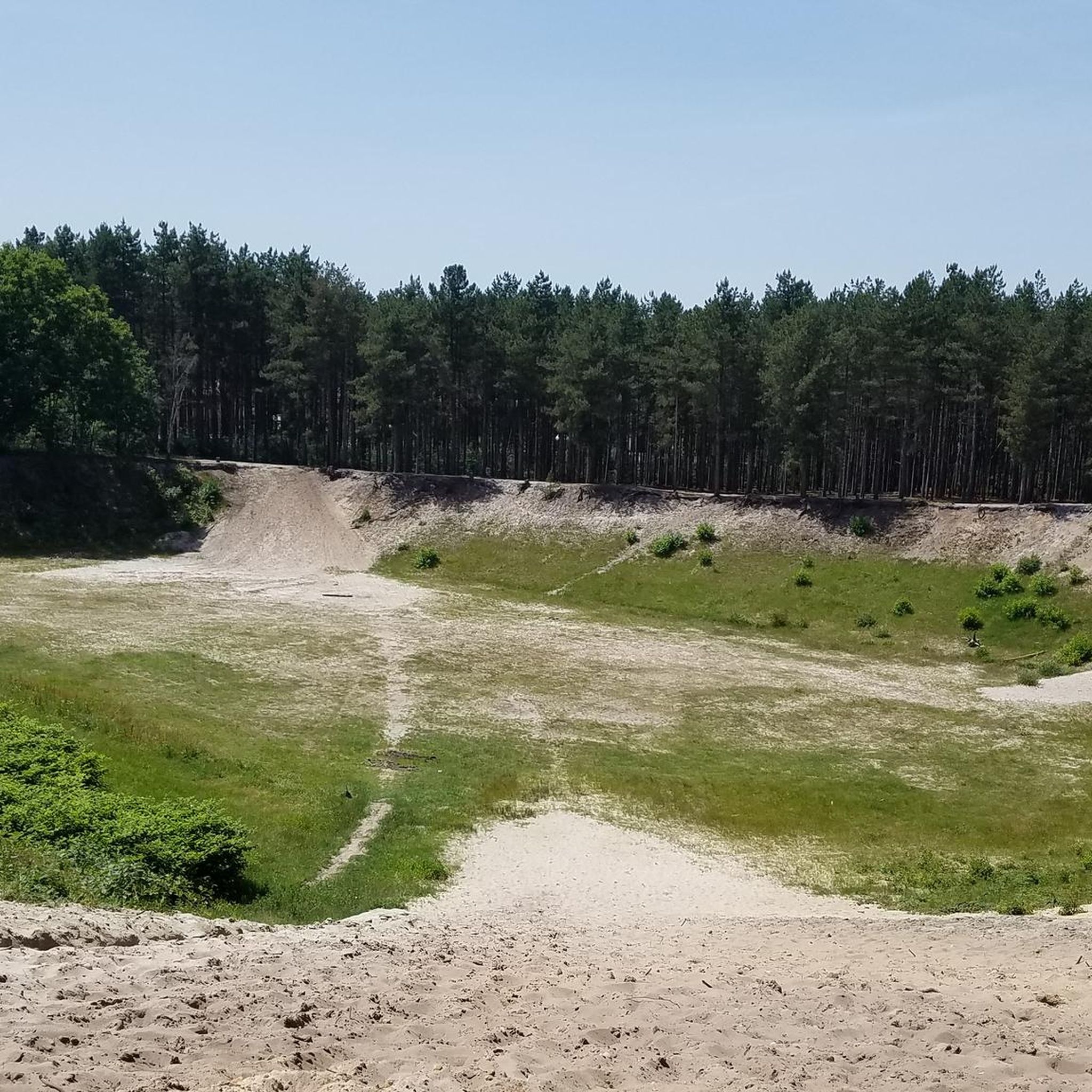
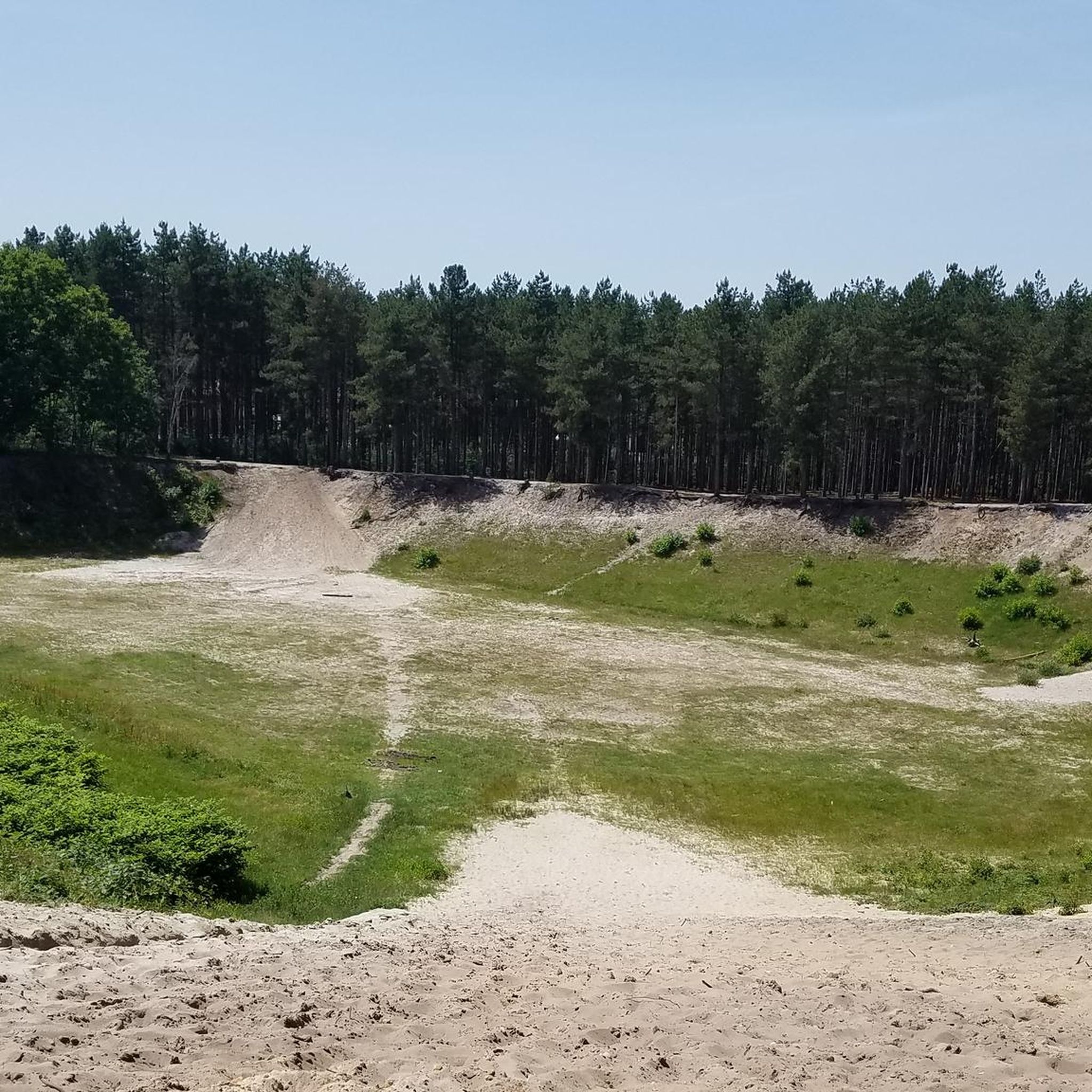
Overall, this place and the surrounding area is a great practice ground for sand riding and has beautiful nature.
0
0

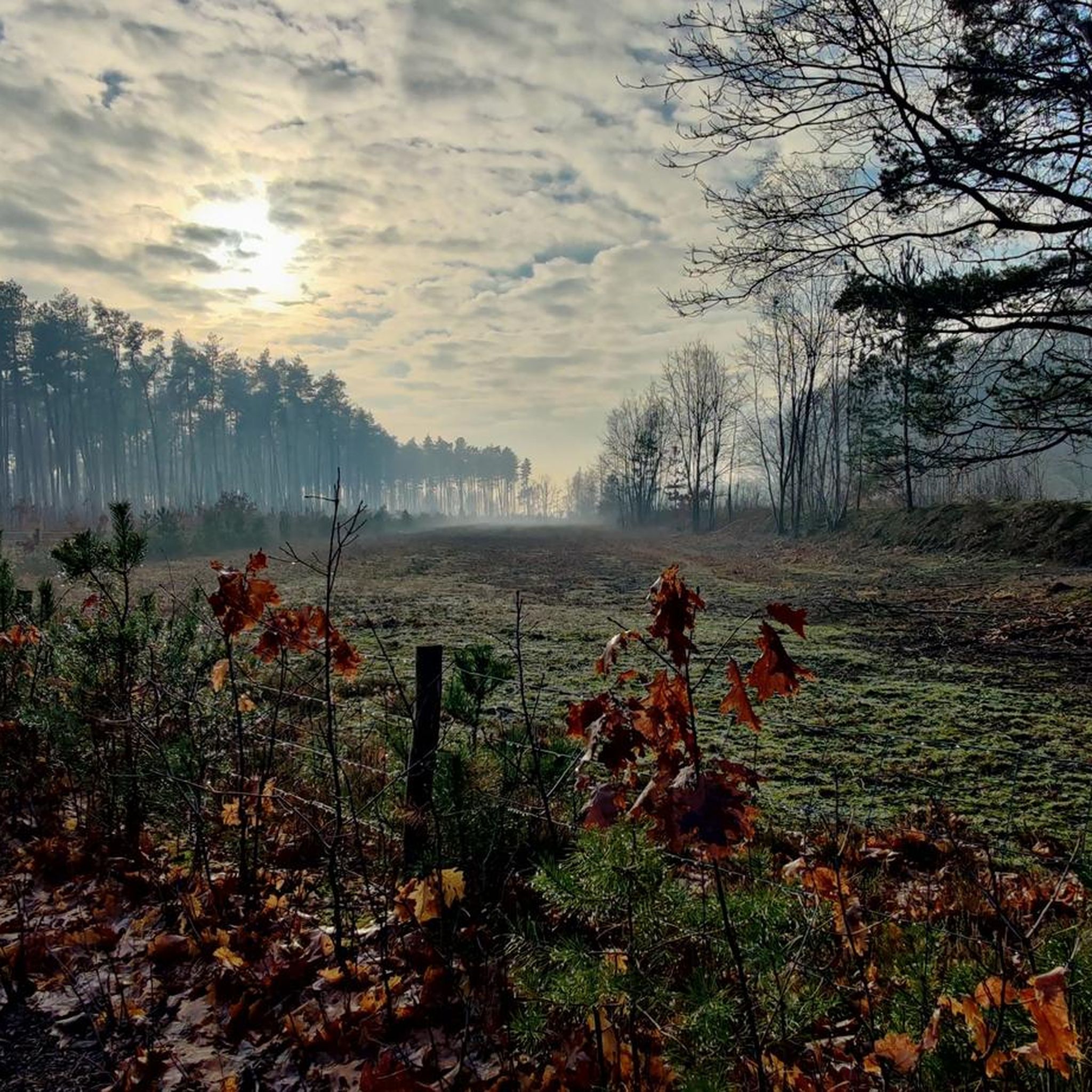
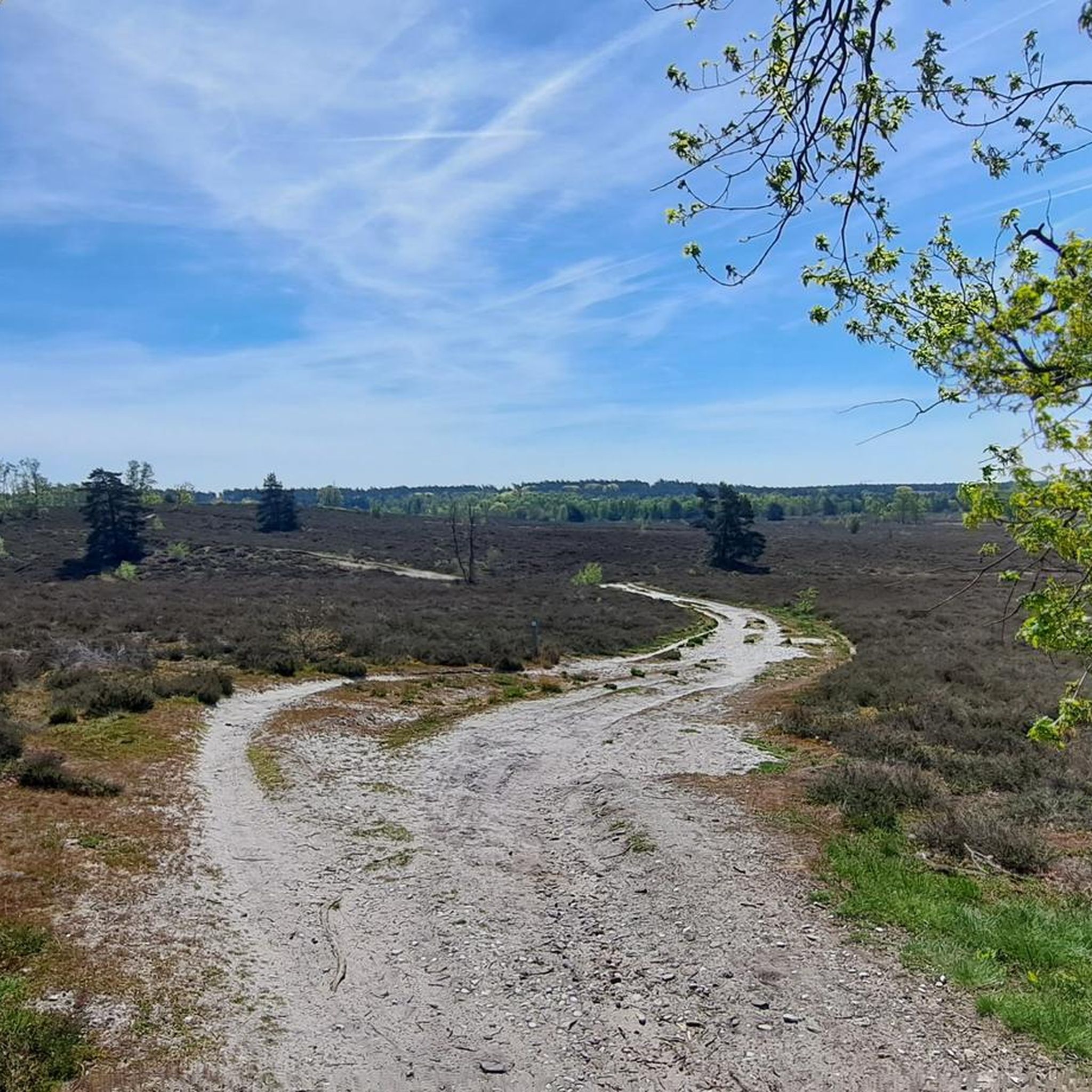
A beautiful stretch of heathland, with stunning views. I've often seen deer and wild boar there, but you have to leave the dog at home, be quiet, and have a bit of luck.
0
0

There is now also a mammoth skeleton in De Kuil. Don't believe it? Read more here: https://www.zonhoven.be/rendierjagerspad De Kuil has indeed been included - and successfully - in the new Reindeer Hunters' Trail. Be sure to walk around there too, new benches, information boards and fun things that refer to prehistoric times. And if you want to see the cross-country skiers at work, you should definitely also check out the grass areas behind the pit where sometimes a runner goes up high via one of the ski jumps.
7
0
The reindeer hunter camp was discovered by chance. During military exercises, soldiers dug in and many stones came to the surface in the holes. A local resident noticed that they were knocked-off flints and that there was therefore a real archaeological treasure instead of just a pile of stones. How do I know that? Because this reindeer hunter camp - of course - is included in the new Reindeer Hunter Trail that was presented in March 2025 and can now be walked by everyone. In addition to new places, the arrival of this trail also has consequences for this spot. Anyone who has already been there will certainly recognize it, but there is now also an information board, a viewer and more beautiful things. On the way to the next track. The old signs and old bench have disappeared. Also take a look through the, er, viewer. And all information on https://www.rendierjagerspad.be
7
0

A somewhat outdated information board at the parking lot of the Holsteenbron campsite provides text and explanation about the past of the Molenheide ammunition depot and its transition to an "exceptional nature reserve" (see photos).
11
0

The stones are created naturally. Until about 16 to 20 million years ago, the Diestiaan Sea reached Central Limburg. The stones were formed in two phases by deposition of sea sand rich in quartz. In a first phase, during the Miocene Burdigalian period, the Bolderberg Formation was formed, then the deposited sea sand was covered with new layers and in a second phase that took place until 10,000 years ago, a thin, hard crust formed around the sandstone. The holes in the stones are remnants of animal passages or roots in the sand before it petrified. These holes were later further scoured by the wind and water. There was habitation in the area around the stones from early on. The northernmost stone was used by Neolithic inhabitants and hunters to sharpen and polish their tools, knives and arrows. This created grooves and a polishing surface in this stone. After the Neolithic, the stones became completely covered in sand. They were discovered again in 1862. In 1922, Professor Joseph Hamal-Nandrin of the University of Liège investigated the site and discovered the polishing stone. He counted a total of 51 grooves and 1 polishing surface on the stone. In 1987, 20 years after its protection as a landscape heritage site, the site was re-examined and, in addition to various prehistoric objects, worked and unworked flint chips were found.
6
0
Zonhoven is the only location in Flanders where traces of these reindeer hunters have been found. The tracks are about 11,000 years old and date from the end of the last ice age. Remains of the same human group have also been found in the caves of Remouchamps and in Geldrop near Eindhoven (Netherlands). These three sites confirm the assumption that the reindeer hunters followed the herds all year round. From the point of view of a traveling hunting group, this location was, as it were, a 4-star campsite: drinkable water in a fen next to the campsite, sufficient food in the immediate vicinity and shelter from the inclement weather. Because nothing remains of the reindeer hunters' tents, we do not know exactly what such constructions looked like. The tent constructions that are now on the site were erected during the 'Young saves the Old' project in 2019. They symbolize an abandoned tent camp from the time of the reindeer hunters.
6
0
Frequently Asked Questions
What kind of natural landscapes and wildlife can I expect to see in Vlaams Natuurreservaat Molenheide?
Vlaams Natuurreservaat Molenheide is known for its diverse natural environment, featuring rolling dunes, dense forests (both coniferous and deciduous), and expansive heathlands. You'll also find unique fens and ponds, which are crucial habitats for moisture-loving plants, dragonflies, amphibians, and various birds. Wildlife spotting opportunities include deer (red deer and roe deer), wild boars, and a variety of bird species like wrens, blackcaps, and birds of prey. Highland cattle are also present, helping with landscape management.
What historical sites can I explore in Vlaams Natuurreservaat Molenheide?
The reserve offers several historical points of interest. You can visit The Holsteen, a natural monument with eight large Miocene sandstones, one of which is recognized as a prehistoric polishing stone. Another significant site is the Reindeer Hunters Site, where 11,000-year-old traces of reindeer hunters have been found, making it the only such location in Flanders. Additionally, the Former Military Domain De Molenheide, once an ammunition depot, has been transformed into a valuable nature reserve with a rich past.
Are there specific hiking trails recommended in Vlaams Natuurreservaat Molenheide?
Yes, the reserve offers well-marked walking trails. For an easy hike, consider routes like the Holsteen Yellow Hexagon Trail or the Start of the Rendierjagerspad – The Pit of Zonhoven loop. You can find more options and details on easy hikes in the area by visiting the Easy hikes in Vlaams Natuurreservaat Molenheide guide.
What are the difficulty levels of hiking trails in Molenheide?
Many trails in Vlaams Natuurreservaat Molenheide are considered easy, making them suitable for a wide range of visitors. For example, the Holsteen Yellow Hexagon Trail is an easy 5.5 km loop. However, some areas, particularly around The Pit of Zonhoven, can present more challenging terrain, especially for mountain biking due to loose sand descents.
Are there opportunities for mountain biking or gravel biking near the attractions?
Absolutely! Vlaams Natuurreservaat Molenheide is popular for cycling. For mountain biking, you can explore trails around The Pit of Zonhoven, known for its challenging loose sand descents. There are also various gravel biking routes, including the Heideroute MTB Loop for a more difficult ride, or easier loops like De Kuil (Zonhoven Sand Pit) – Pond in the Heath. Check out the MTB Trails in Vlaams Natuurreservaat Molenheide guide and the Gravel biking in Vlaams Natuurreservaat Molenheide guide for more details.
Are there family-friendly activities or attractions in Vlaams Natuurreservaat Molenheide?
Yes, several attractions are family-friendly. The Holsteen site is suitable for families, and the Reindeer Hunters Site offers a replica of a camp, which is great for children to imagine ancient life. Ter Duinen Helchteren, located within Duinenpark Molenheide, features an adventure playground and an enclosure to observe wild boars, making it an ideal break spot for families.
Is Vlaams Natuurreservaat Molenheide dog-friendly?
While the region is generally welcoming to outdoor enthusiasts, specific rules regarding dogs can vary within different sections of the nature reserve, especially concerning wildlife protection areas. It's always best to check local signage or the official Visit Limburg website for the most current regulations on dog access and leash requirements before your visit. Many walking trails are generally dog-friendly, provided dogs are kept on a leash.
What is the best time to visit Vlaams Natuurreservaat Molenheide?
The reserve offers unique experiences throughout the year. Spring brings blooming flora and active wildlife, while summer is ideal for longer walks and enjoying the heathlands. Autumn showcases beautiful fall colors, and winter can offer serene, crisp landscapes. The fens and ponds are particularly interesting during warmer months for observing aquatic life. For specific events or conditions, checking local weather forecasts is recommended.
Where can I find parking when visiting Vlaams Natuurreservaat Molenheide?
Parking facilities are typically available at key entry points or near popular attractions within the reserve. For instance, there is often parking near the Holsteenbron campsite, which provides access to various trails and sites like The Holsteen. Specific parking information can often be found on local information boards or official regional tourism websites.
What is the difference between Vlaams Natuurreservaat Molenheide and Duinenpark Molenheide?
Vlaams Natuurreservaat Molenheide is the broader nature reserve, encompassing a dynamic environment with dunes, forests, and heathlands. Duinenpark Molenheide, formerly known as Wild- en Wandelpark, is a specific area within this larger reserve, particularly noted for its varied landscape and attractions like Ter Duinen Helchteren. Essentially, Duinenpark Molenheide is a significant part of the natural beauty found within the wider Vlaams Natuurreservaat Molenheide.
Are there any cafes or accommodation options near Vlaams Natuurreservaat Molenheide?
While the nature reserve itself focuses on natural preservation, you can find amenities nearby. Ter Duinen Helchteren, located at the heart of Duinenpark Molenheide, serves as an ideal break spot. For broader options, the surrounding towns and villages in Belgian Limburg offer various cafes, restaurants, and accommodation choices. It's advisable to check local listings for specific establishments.
What do visitors enjoy most about Vlaams Natuurreservaat Molenheide?
Visitors frequently appreciate the diverse natural beauty, from the challenging descents of The Pit of Zonhoven to the serene forests of the Former Military Domain De Molenheide. The historical significance of sites like The Holsteen and the Reindeer Hunters Site also captivates many. The opportunity to observe wildlife and enjoy relaxing landscapes is a common highlight for those exploring the area.
Most popular routes in Vlaams Natuurreservaat Molenheide
Most popular attractions in Vlaams Natuurreservaat Molenheide

Get inspired with the komoot mobile app


Explore more
Still not found the Highlight you’re looking for? See guides of the top attractions in other regions:
