The best walks and hikes in Dal Kleine Nete
4.3
(5164)
29,539
hikers
881
hikes
Hiking in Dal Kleine Nete offers varied and ecologically rich landscapes defined by the meandering Kleine Nete river and its tributaries, forming picturesque river valleys. The region features a mosaic of habitats, including higher sandy grounds with oak-birch forests and heath relics, as well as flowery meadows and marshy areas in the river valleys. Soil compositions transition from clay to sand, supporting diverse plant life. The area is also part of a large Natura 2000 habitat directive, highlighting its ecological…
Last updated: July 3, 2026
4.5
(107)
409
hikers
14.8km
03:44
20m
20m
Moderate hike. Good fitness required. Easily-accessible paths. Suitable for all skill levels.
4.5
(79)
385
hikers
12.8km
03:13
20m
20m
Moderate hike. Good fitness required. Easily-accessible paths. Suitable for all skill levels.

Sign up for free
4.5
(75)
281
hikers
8.49km
02:08
10m
10m
Moderate hike. Good fitness required. Easily-accessible paths. Suitable for all skill levels.
4.6
(54)
251
hikers
6.43km
01:37
10m
10m
Easy hike. Great for any fitness level. Easily-accessible paths. Suitable for all skill levels.
4.4
(36)
184
hikers
Easy hike. Great for any fitness level. Easily-accessible paths. Suitable for all skill levels.
Get access to more routes and recommendations from other explorers.
Sign up for free
Already have an account?
Our route recommendations are based on thousands of hikes, rides, and runs completed by other people on komoot.
Start today with a free account
Your next adventure awaits.
Login or Signup
Tips from the Community


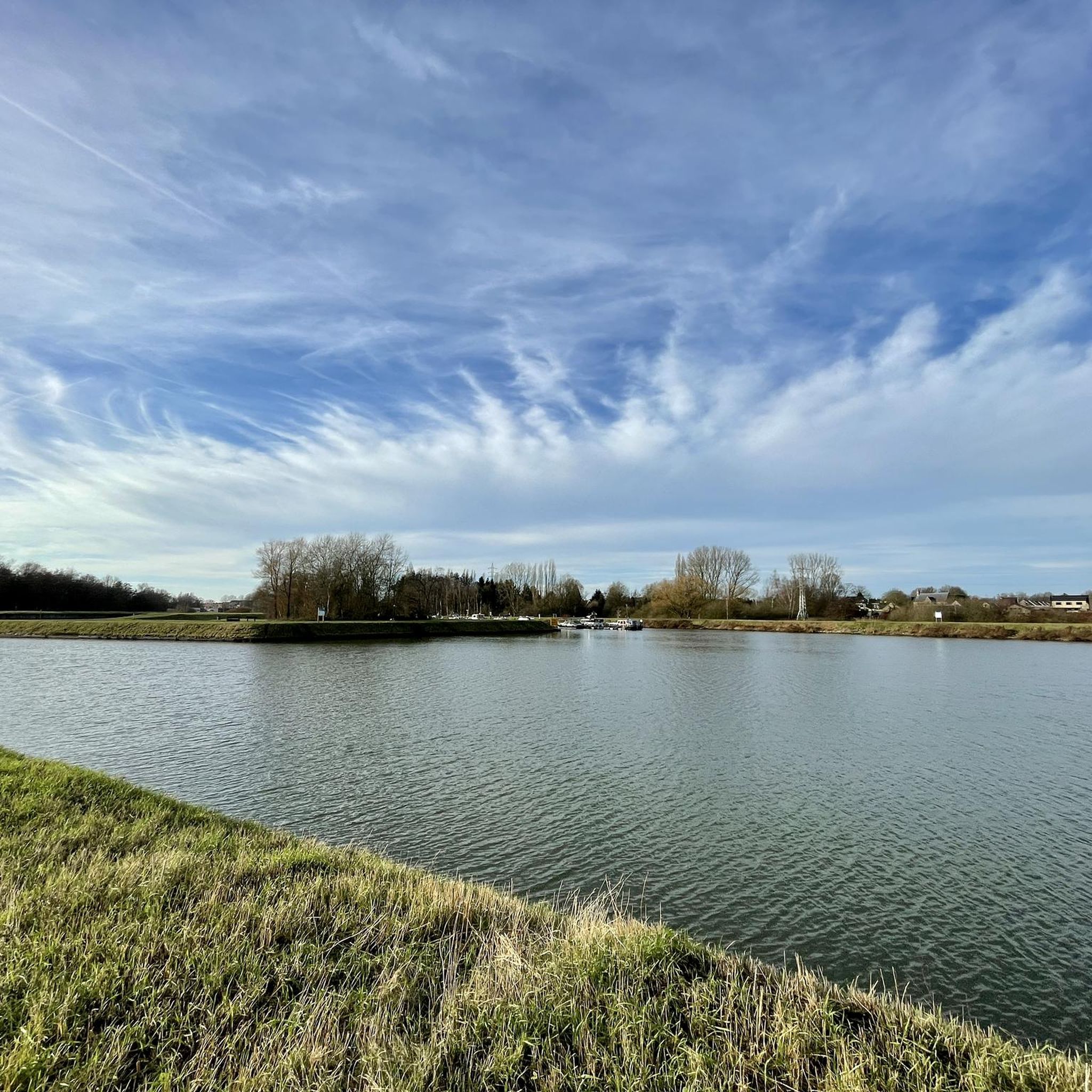
beautiful view over the meadows!
1
0

A rabat, what's that? I bet you've seen rabats during a forest walk? That alternation of ditches and raised areas that become more visible the drier the ditches are? These raised areas or embankments are rabatten. And they were used in the past - and still are - to create dry patches of land in forestry to plant trees. What does that have to do with this area? Well, there's an information board about a rabatten forest here, and the method was used quite extensively. And that's how it happened: Empress Maria Theresa of Austria wanted the heathland to be fully afforested with Scots pine under her rule. So much so that the Kempen farmers who left their heathland unused had to pay higher taxes and potentially lose their land. They would and had to dig ditches, rabatten, and plant - although they often dug and raised trees to avoid fines instead of actually planting pine. Because those farmers weren't keen on doing that anyway: the heathland was productive, for example, through flocks of sheep and honey production. You can read more on this information board and see it on-site, as you would in many other forests in the Kempen region, including Limburg.
7
0

Here you can still see the remains of a straight trench, dug in 1914 at the beginning of the First World War. Advanced sentries were established on the front line between Fort Kessel and Fort Broechem. From there, soldiers could observe enemy advances and patrol the surrounding area. This trench is a remnant of that. Trenches allowed soldiers to move quickly and unseen across the barren heathland. Now, the trench adds some relief to the landscape, giving other plant species a chance to thrive.
5
0
In the 19th and 20th centuries, the Kesselse Heide was a popular location for military exercises. It was used successively by the Belgian army (specifically the Achterbist region), during World War II by German soldiers, and in the post-war period by the Allies. Locals would sometimes "play" with the soldiers as children, participating in exercises such as quickly reassembling a weapon. However, from the early 1950s onward, the fun ended: the start of the Korean War and more frequent exercises led to stricter rules. Perhaps for the best, as the soldiers had access to heavy artillery. The heath contained several gun pits, part of the defense line around Nijlen. The famous "Horseshoe Pit" was one of them. This pit was originally circular and was (possibly) dug during the First World War to wash the soldiers' horses. Later, a small land bridge was added, making the island in the middle accessible. For many locals, it served as a beautiful swimming hole and a place for summer recreation.
4
0
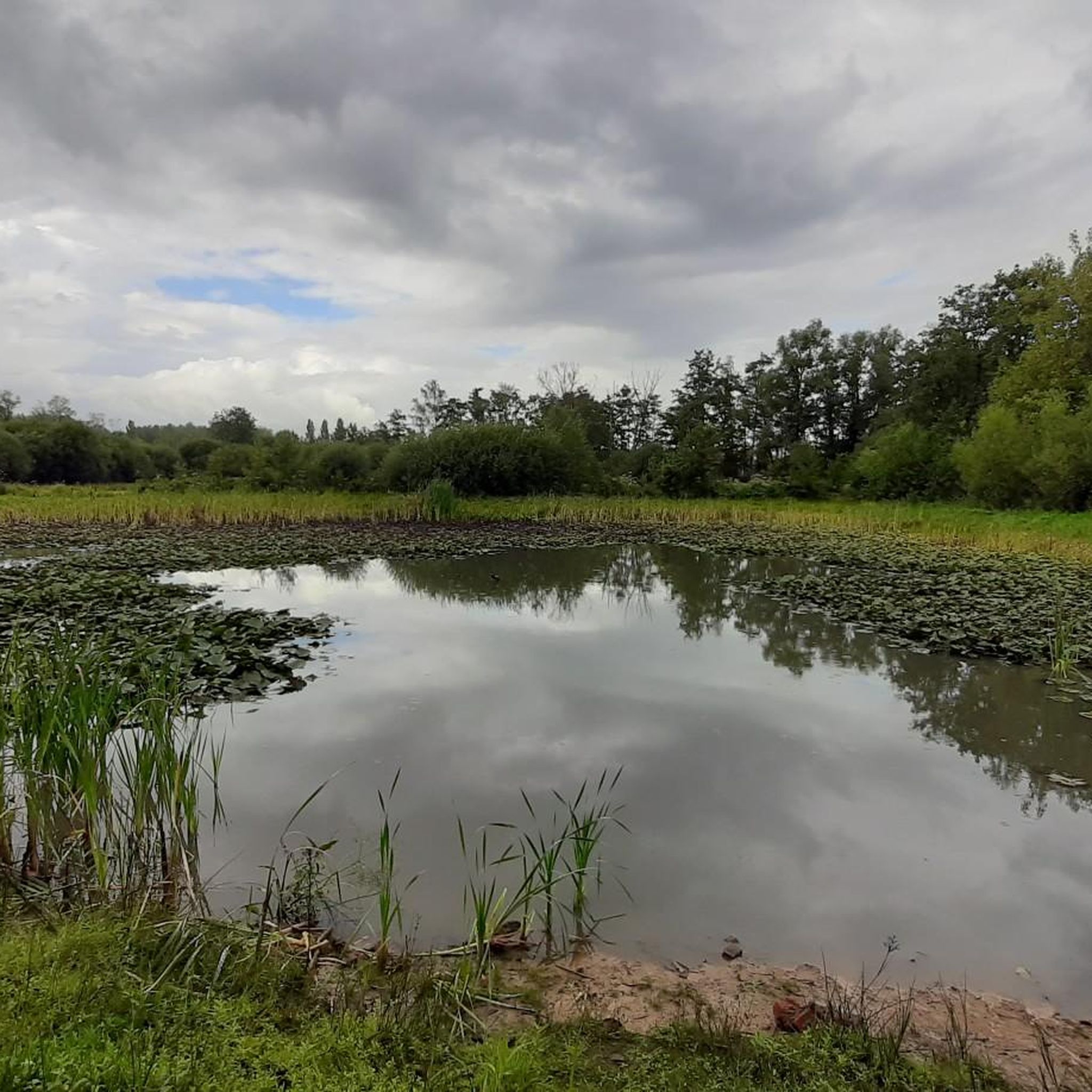
The Kesselse Heide is a provincial green space covering 79 hectares, 61 of which are open to the public. The initial acquisition took place in 1978, and it has been expanded since then. The entrance is located in Nijlen, at Vaerestraat 4. The space is freely accessible daily from sunrise to sunset. There are two ponds in the area. These old wells not only provide a pleasant change of scenery but are also a boon for the many plants and animals. Since 1996, the Kesselse Heide has been a protected landscape. It is one of the few remaining remnants of the once vast Kempen heathlands. The heath is a living community created in our region by humans. Historical agricultural practices created a landscape that has been preserved through human intervention: grazing by sheep, burning the heath, and sod cutting. Sod cutting is the removal of the topsoil and vegetation. A dug-out sod of plants and their roots is a sod. If heathland is left untreated, it will evolve into oak and birch forests, and the typical species associated with a heathland habitat will disappear. In the mid-19th century, the Kesselse Heide—like many other parts of the Kempen region—was afforested with Scots pine, a valuable timber for mining. However, during both World Wars, these sod-covered forests were felled, and from then on, the heathland was able to expand again. Current management consists of removing trees and mechanically cutting sods to give the open heathland every chance to thrive. https://youtu.be/NoPf0HSeFz8
6
0
Some orientation and explanation on an information board with, among others, "Het Goor", "het Hoogbos" and the "Hoge Heide" as parts of the Provincial Green Area Kesselse Heide.
8
0
Frequently Asked Questions
How many hiking trails are available in Dal Kleine Nete?
Dal Kleine Nete offers a wide variety of hiking opportunities, with over 800 routes recorded on komoot. This includes more than 500 easy trails, over 260 moderate routes, and a selection of more challenging options for experienced hikers.
What kind of landscapes can I expect to see while hiking in Dal Kleine Nete?
The region is characterized by its diverse and ecologically rich landscapes. You'll find picturesque river valleys formed by the meandering Kleine Nete river, higher sandy grounds with oak-birch forests and heath relics, and marshy areas with flowery meadows. The varied soil compositions support a wide array of plant life, making for a dynamic natural experience.
Are there any family-friendly hiking trails in Dal Kleine Nete?
Yes, Dal Kleine Nete is well-suited for family outings, with a strong focus on easy hiking trails. Many paths are well-maintained, including numerous boardwalks, making them accessible for various ability levels. An excellent option for families is The Bathhouse since 1897 – De Steenbeemden boardwalk loop from Emblem, an easy 4.0-mile route featuring boardwalks.
Are dogs allowed on the hiking trails in Dal Kleine Nete?
While specific regulations can vary by trail section or protected area, generally, dogs are welcome on many trails in Dal Kleine Nete, often on a leash. It's always recommended to check local signage or specific route details on komoot for any restrictions before heading out with your dog. The varied landscapes offer plenty of opportunities for walks with your canine companion.
What are some interesting places to explore or landmarks to see along the trails?
Along the trails in Dal Kleine Nete, you can discover several points of interest. For example, you might encounter the historic The Bathhouse since 1897 or the Sasmeesterhuis Emblem. The region also features natural highlights like the GR12 Forest Walk in the Kempen and scenic viewpoints such as Oeverloos, offering great spots to pause and enjoy the surroundings.
Are there any circular walks in Dal Kleine Nete?
Yes, many of the hiking routes in Dal Kleine Nete are designed as circular walks, allowing you to start and end at the same point. For instance, the Fort Kessel – Kesselse Heath loop from Kessel is a moderate 9.2-mile circular path that takes you through heathland and past the historic Fort Kessel.
What do other hikers enjoy most about hiking in Dal Kleine Nete?
The area is highly rated by the komoot community, with an average score of 4.3 stars from over 4,500 reviews. Hikers often praise the region's varied and ecologically rich landscapes, the well-maintained paths and boardwalks, and the peaceful atmosphere. The diversity of habitats, from riverine areas to forests and heathlands, is frequently highlighted as a major draw.
What is the best time of year to hike in Dal Kleine Nete?
Dal Kleine Nete offers enjoyable hiking experiences throughout the year due to its varied landscapes. Spring and autumn are particularly pleasant for their mild temperatures and vibrant natural colors. The well-maintained paths and boardwalks also make many areas accessible even after rain, ensuring good conditions for most of the year.
Are there any longer, more challenging hikes in the region?
While Dal Kleine Nete is known for its many easy and moderate trails, there are options for longer hikes. For example, the Fort Kessel – Kesselse Heath loop from Emblem is a moderate 8.0-mile route that provides a good distance for those looking for a longer day out, traversing varied terrain including heathland and forest.
Is public transport available to access hiking trails in Dal Kleine Nete?
Public transport options to reach various starting points for hikes in Dal Kleine Nete exist, though accessibility can vary by specific location. It's advisable to check local bus or train schedules to the nearest towns or villages, such as Kessel or Emblem, and then plan your route accordingly. Many trails are accessible from these points.
Where can I find parking for hiking trails in Dal Kleine Nete?
Parking is generally available near popular trailheads and points of interest throughout Dal Kleine Nete. Many routes start from villages or recreational areas where designated parking facilities can be found. For specific routes, checking the komoot tour details will often provide information on recommended starting points and parking availability.
Are there any specific natural features or wildlife I should look out for?
Dal Kleine Nete is a Natura 2000 area, indicating its ecological importance. You can observe diverse plant life, including daisies, hogweed, and yellow iris along the water's edge. The region's varied habitats, from marshy areas to forests, support wetland birds and potentially rare species like the spotted darter or green-winged orchid. Keep an eye out for the remnants of estuarine nature and historical cut-off meanders.
Most popular routes in Dal Kleine Nete
Most popular attractions in Dal Kleine Nete

Get inspired with the komoot mobile app


Explore more
Browse the best Hikes in other regions.
