Attractions and Places To See in Kasteeldomein Van Boechout En Omgeving - Top 9
Best attractions and places to see in Kasteeldomein Van Boechout En Omgeving include a mix of historic landmarks, natural features, and cultural sites. This region, located in the rural municipalities of Boechout and Hove southeast of Antwerp, is characterized by its historic castle domain, woodlands, and agricultural landscapes. Visitors can explore various points of interest, from protected monuments to unique natural environments. The area offers opportunities to experience both historical heritage and diverse natural settings.
Best attractions and places to…
Last updated: August 29, 2026
Den Steenen Molen (Boechout)
Highlight • Monument
The mill was built in 1782, despite protest, by Jan Frans Dielens where it served as …
Translated by Google •
Tip by

Crossing agricultural landscape
Highlight (Segment) • Trail
Translated by Google •
Tip by
Sign up now to discover places like this
Get recommendations on the best single tracks, peaks, & plenty of other exciting outdoor places.
Sign up for free
Log path and footbridge in Uilenbos
Highlight • Bridge
Translated by Google •
Tip by
Maria Shrine at Boshoek Farm
Highlight • Religious Site
Also here between the fields in the Boshoek.
Maria in her modest chapel has graced the simple farm for decades. …
Translated by Google •
Tip by
Starting Point Grote Boshoek: Uilenbos & Luistersheide Lint
Highlight • Forest
Quietly through the Luistersheide or wisely through the Uilenbos?
Translated by Google •
Tip by
Sign up for free to discover even more attractions in Kasteeldomein Van Boechout En Omgeving.
Sign up for free
Already have an account?
Start today with a free account
Your next adventure awaits.
Login or Signup
Popular around Kasteeldomein Van Boechout En Omgeving
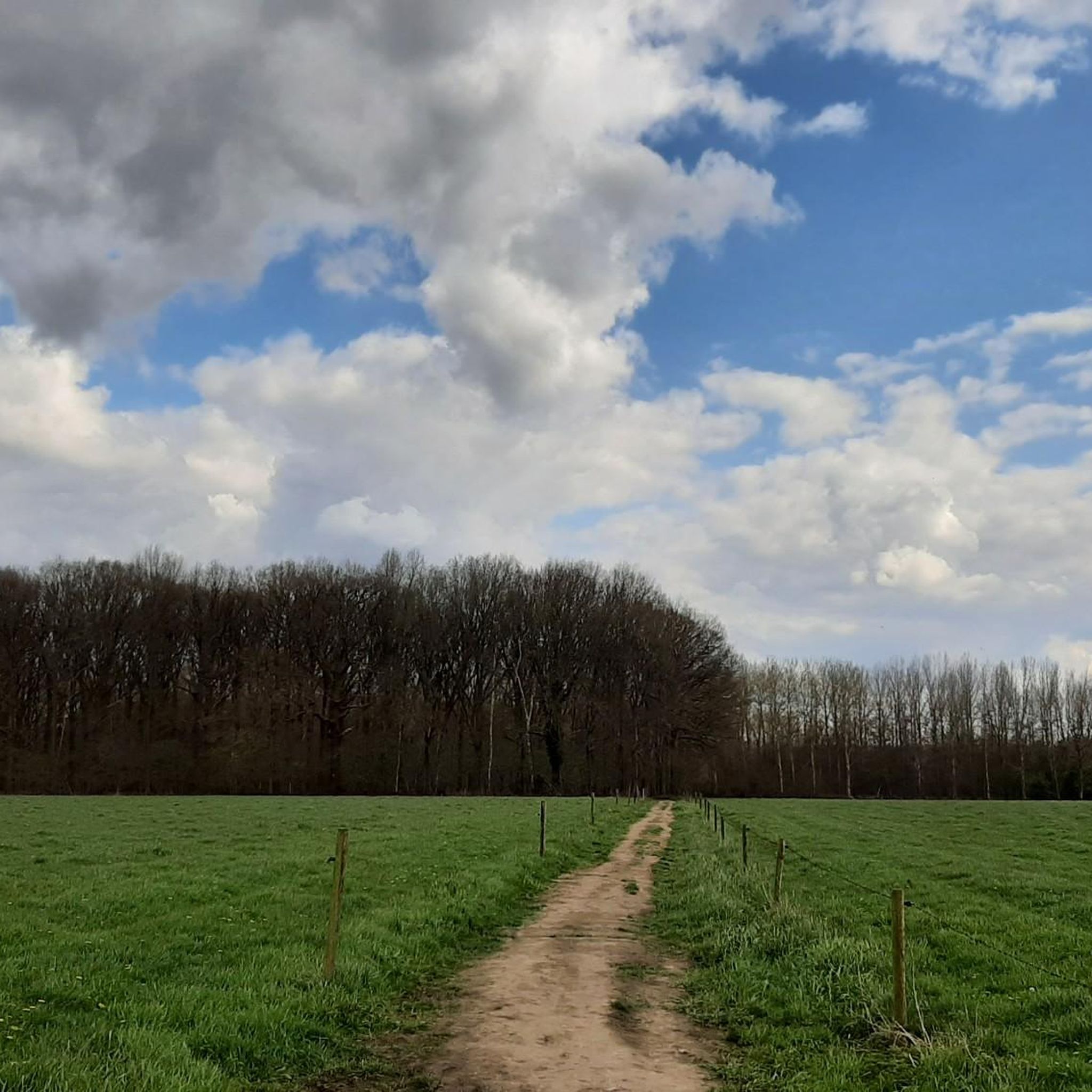
Hiking in Kasteeldomein Van Boechout En Omgeving
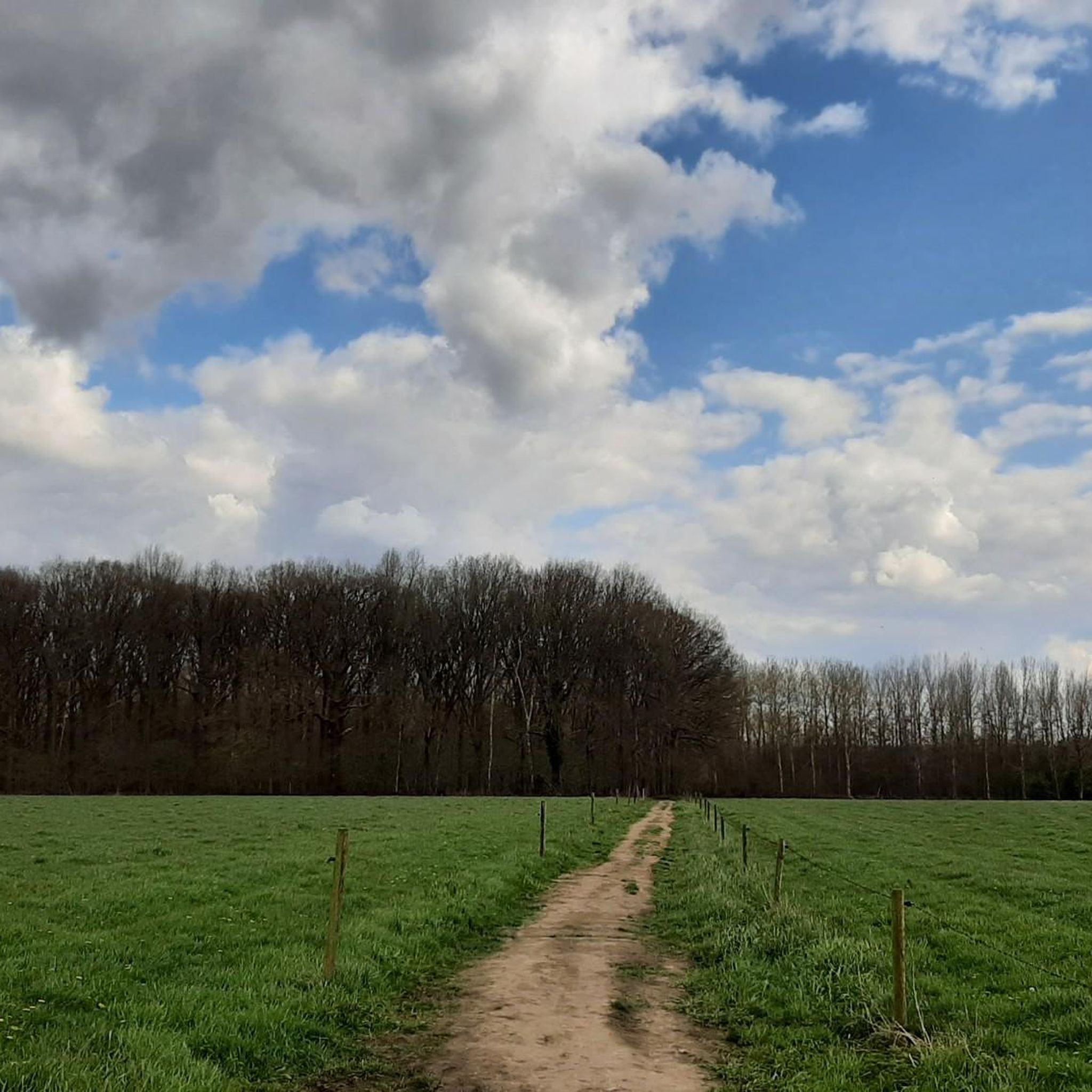
Road Cycling Routes in Kasteeldomein Van Boechout En Omgeving
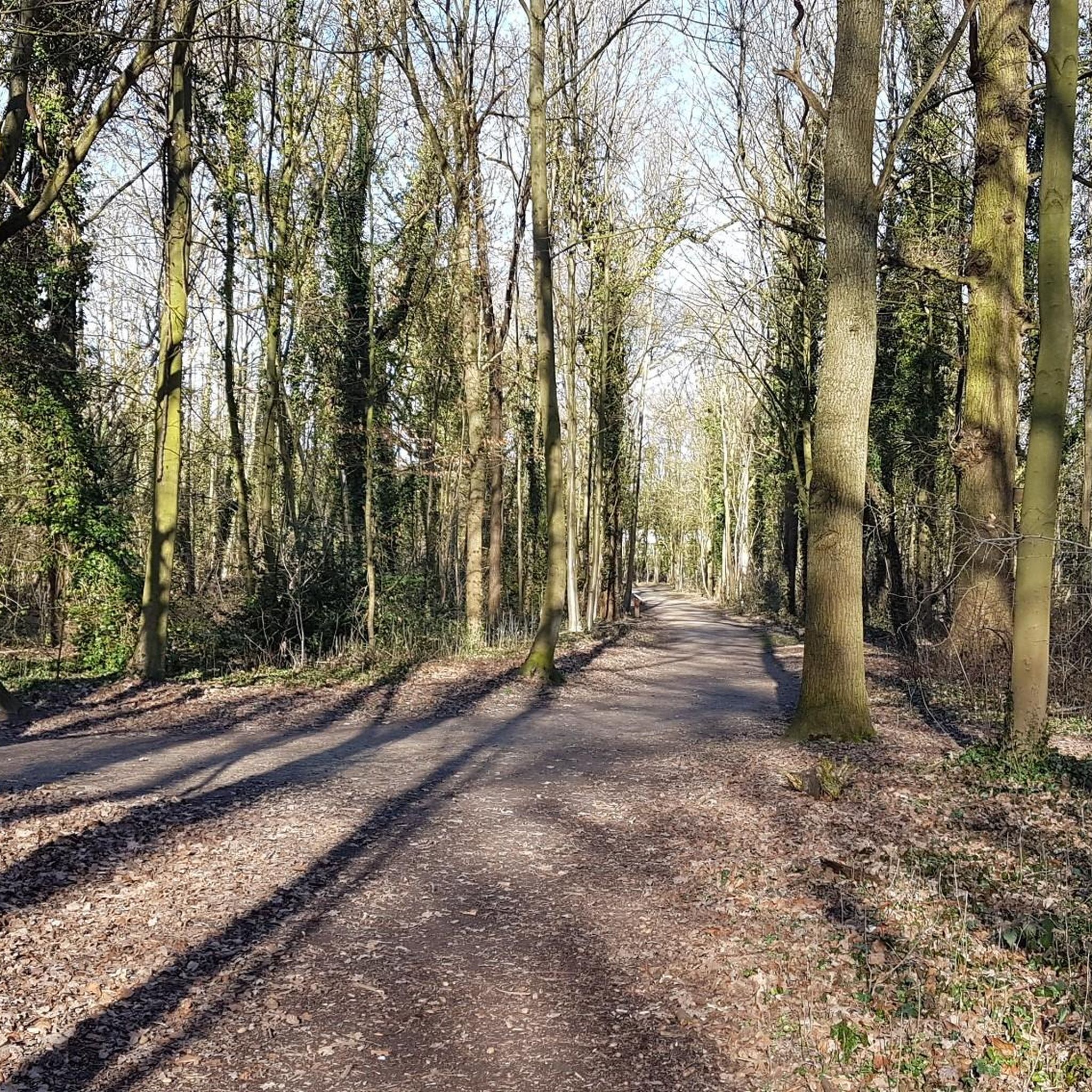
Running Trails in Kasteeldomein Van Boechout En Omgeving
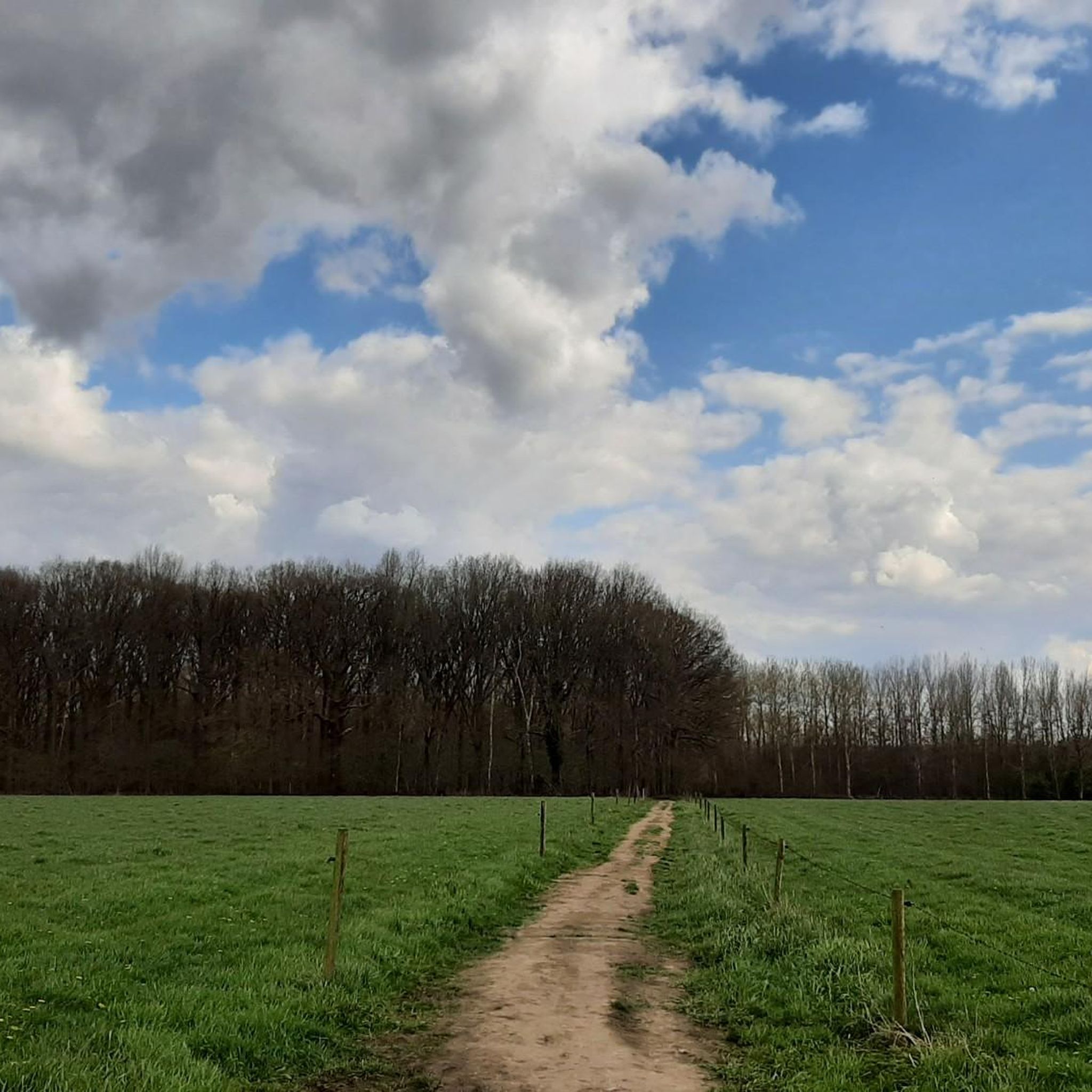
Cycling in Kasteeldomein Van Boechout En Omgeving
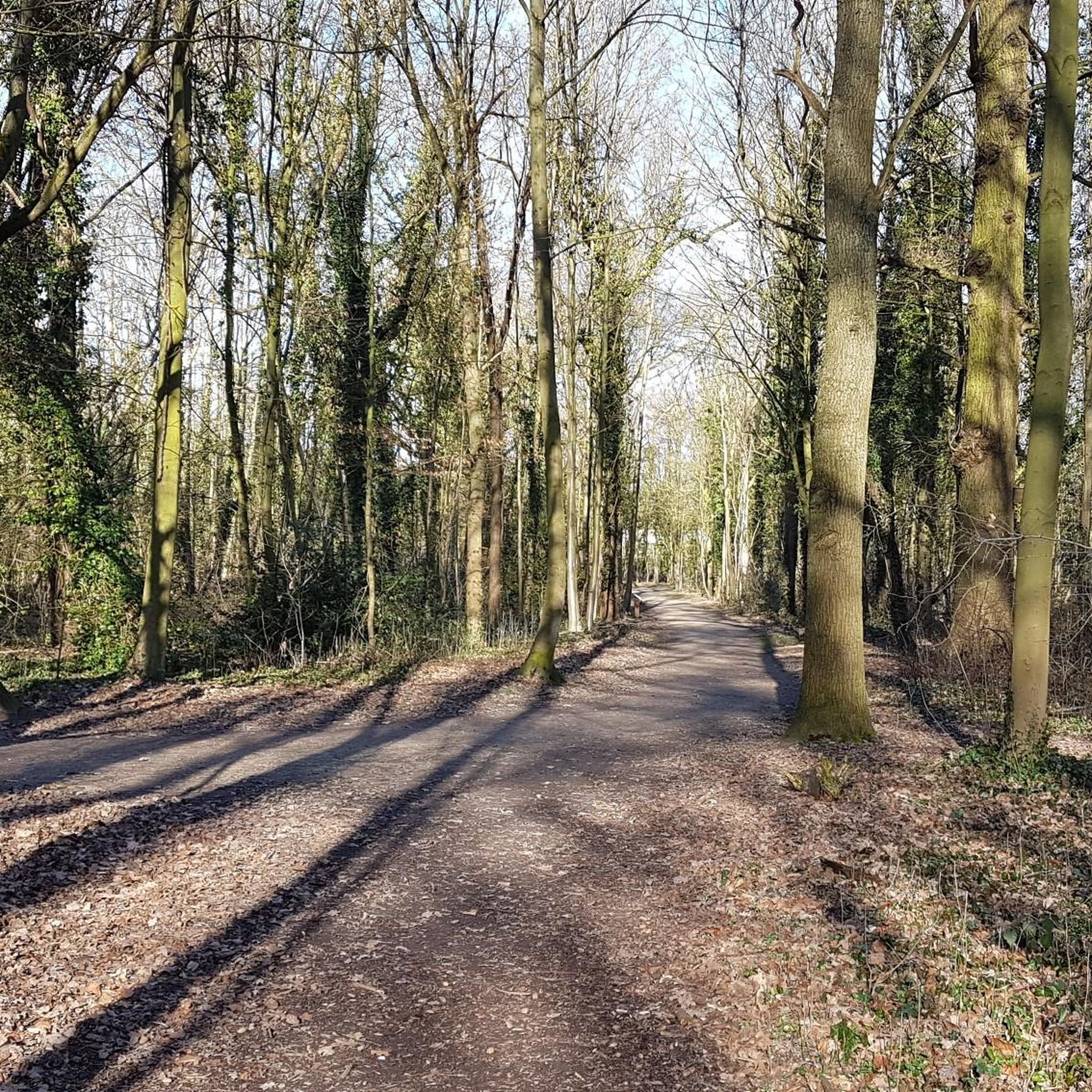
MTB Trails in Kasteeldomein Van Boechout En Omgeving
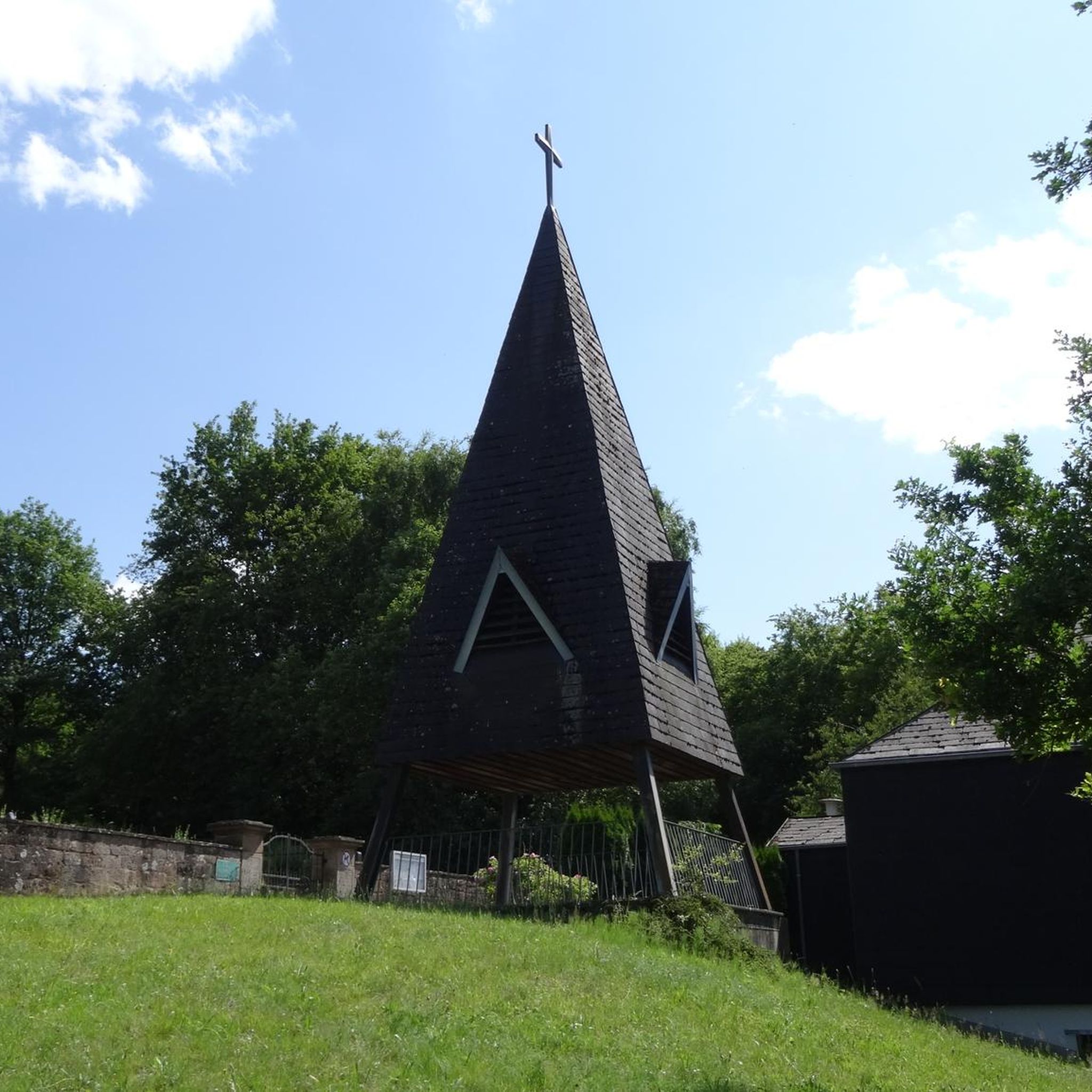
Gravel biking in Kasteeldomein Van Boechout En Omgeving
Tips from the Community

Stroyland: old farm with chapel.
0
0

At this location you can discover the hidden gems of the Grote Boshoek. Quietly through the Luistersheide or wisely through the Uilenbos? The Grote Boshoek landscape park is a relatively unspoiled open space area that extends over the municipalities of Kontich, Hove, Boechout, Lint
6
0
Dogs are not allowed here, which is a shame
2
1

Unfortunately dogs are not allowed
2
1
Unfortunately, dogs are not allowed, not even on a leash.
2
0
Den Steenen Molen, in the Belgian municipality of Boechout, is a working smock mill. The mill was built in 1782, despite protest, by Jan Frans Dielens where it served as an oil and grain mill. The mill served as a private mill and the Palms family was unhappy about that, because their mill (the Berderenmolen) was owned by Sint-Baafskapittel. However, Jan Frans Dielens was a lawyer for the Sovereign Council of Brabant and partly because of this protesting was of no use. The oil mill was demolished in 1896 and a diesel engine was added in 1915. The mill suffered damage during the First World War and during the Second World War the mill was hit by a V1 bomb after which the mill had to be restored. The mill has been registered as a heritage since 1943 and in 1991 the mill was registered as a village view. In 1964, maintenance was carried out on the mill under the supervision of the Caers company. During a storm in 1984, a wing fell off and in 1998 the Van den Brande family had the mill completely restored. Since 2004, the mill has been fully operational again. In 2006, 2007 and 2012, some work was also carried out, including raising the block on which the king (standing axle) rests, resulting in the mill turning more smoothly, the pin in the head was fixed, the braces were placed higher, all the seam slats were replaced after they had been affected by wood rot, the common furniture beetle was exterminated, the mill axle was moved forward again, joints were replaced and the mill was whitewashed again. In 2020, both 18-metre-long whips were replaced as well as all the planks of the gantry. Source: https://nl.wikipedia.org/wiki/Den_Steenen_Molen
9
1

The Boechout mill has been manned since 2003 by a team of volunteer millers. The number of millers has grown to about 10 over the years. The mill is open to the public every Sunday from 1 pm to 5 pm. If there is enough wind, there is also grinding.
7
0
Handy and fun to get through the Uilenbos dry-footed. Know that it can be very muddy here during and for a long time after a rainy period.
5
0
Frequently Asked Questions
What historical landmarks can I explore in Kasteeldomein Van Boechout En Omgeving?
The region is rich in history. You can visit the impressive Den Steenen Molen (Boechout), a working smock mill from 1782 that has been fully operational since 2004. Another notable site is the Maria Shrine at Boshoek Farm, a modest chapel that has graced a simple 1877 farm for decades. The area also features the historic Kasteel van Boechout (Hof van Boechout or Kasteel Vredenberg), a 16th-century castle rebuilt in the 17th and 19th centuries, set within a landscaped park.
Are there any unique natural features to discover in the area?
Yes, the Kasteeldomein Van Boechout En Omgeving boasts several unique natural features. Explore the Log path and footbridge in Uilenbos, which helps you navigate through this wooded area, especially after rain. East of the castle, you'll find "De Melkkuip," a seepage amphitheater known for its distinct relief and rare plant growth due to its specific soil structure. The region also includes the Bos van Moretus, an extensive forest adjoining the castle park, and the Luitersheide amphibian pool.
What kind of outdoor activities can I do near these attractions?
The region is popular for hiking and cycling. You can explore various routes through its natural and cultural heritage. For hiking, consider trails like the Luitersheide amphibian pond – Papendonk Forest boardwalk loop or the Uilenbos loop. For cycling, there are options like the Netekanaal Towpath or the Scenic Path Through the Fields. You can find more details on these activities and routes in the hiking guide, road cycling guide, and gravel biking guide for the area.
Are there family-friendly attractions or activities available?
Many attractions in Kasteeldomein Van Boechout En Omgeving are suitable for families. The Den Steenen Molen (Boechout) is a fascinating historical site for all ages. Walking through the Log path and footbridge in Uilenbos can be an adventurous experience for children. Additionally, the Lintacker Gravel Road, a quiet beech lane, is a pleasant route for family walks or bike rides.
Where can I experience the local rural environment and agricultural landscapes?
You can immerse yourself in the local rural environment by taking the Crossing agricultural landscape trail. This path allows you to pass through agricultural areas, offering a close-up view of the small-scale farming that characterizes the region. You might even encounter livestock, providing a genuine experience of the countryside.
What is the best way to explore the historic castle domain and its surroundings?
The Kasteeldomein Van Boechout, also known as Hof van Boechout, is best explored on foot or by bike. The domain features a largely enclosed landscape structure, enhanced by avenues and tree lines. The Moretusdreef, an impressive avenue primarily composed of beech trees, is part of this domain, with a section near Holleweg publicly accessible for walks. The castle park itself also offers beautiful water features and ancient trees.
Are there any specific trails or paths recommended for walking or cycling?
Beyond the general routes, specific paths offer unique experiences. The Log path and footbridge in Uilenbos is a practical and enjoyable way to traverse the Uilenbos forest. For a quiet journey through nature, the Lintacker Gravel Road, a private road through a beech lane, is open to walkers and cyclists. The region's agricultural landscapes also offer numerous paths for exploration.
What cultural sites, such as historic farms, are worth visiting?
The area is home to several historic farms with significant heritage value. Examples include "Hoeve Lintacker," which dates back to the early 19th century and was first mentioned in 1362, and the "Lauwhoeve," an originally moated, semi-enclosed farm from the 18th century. These sites offer a glimpse into the region's agricultural past and traditional architecture.
What do visitors enjoy most about Kasteeldomein Van Boechout En Omgeving?
Visitors particularly appreciate the blend of historical sites and natural beauty. The fully operational Den Steenen Molen (Boechout) is a community favorite, often manned by volunteer millers. The unique experience of Crossing agricultural landscape and getting close to local wildlife is also highly rated. The practical and fun Log path and footbridge in Uilenbos is also a highlight, especially for navigating muddy conditions.
Is there a good time of year to visit Kasteeldomein Van Boechout En Omgeving?
While the region offers beauty year-round, visiting during drier periods is often recommended, especially if you plan to explore wooded areas like the Uilenbos. The Log path and footbridge in Uilenbos is particularly useful in muddy conditions, but generally, spring and summer offer pleasant weather for hiking and cycling through the agricultural landscapes and castle domain.
Are there any hidden gems or less-known spots in the region?
Beyond the main attractions, the region holds some lesser-known treasures. "De Melkkuip," a seepage amphitheater, is a unique ecological spot with rare plant growth. The Luitersheide amphibian pool also offers a chance to observe local wildlife. Exploring the various historic farms like Hoeve Lintacker and Lauwhoeve can also feel like discovering hidden pieces of history.
Most popular routes in Kasteeldomein Van Boechout En Omgeving

Get inspired with the komoot mobile app


Explore more
Still not found the Highlight you’re looking for? See guides of the top attractions in other regions:
