The best cycling routes in Bos Van Ranst
4.3
(2171)
25,327
riders
708
rides
Touring cycling in Bos Van Ranst offers routes through ancient mixed deciduous forests, some of the oldest in the Antwerp province. The region is a protected Natura 2000 site, characterized by varied soil compositions, from wet to dry and sandy to clay, supporting diverse flora. The generally flat terrain makes it accessible for touring cyclists of various fitness levels, with paths weaving through forests, along meadows, and past historical sites.
Best touring cycling routes in Bos Van Ranst
- The most…
Last updated: June 20, 2026
3.7
(3)
24
riders
49.6km
02:52
60m
60m
Moderate bike ride. Good fitness required. Mostly paved surfaces. Suitable for all skill levels.
37
riders
28.5km
01:46
60m
60m
Easy bike ride. Great for any fitness level. Mostly paved surfaces. Suitable for all skill levels.

Sign up for free
2.5
(2)
14
riders
36.4km
02:06
60m
60m
Moderate bike ride. Good fitness required. Mostly paved surfaces. Suitable for all skill levels.
20
riders
21.6km
01:14
30m
30m
Easy bike ride. Great for any fitness level. Mostly paved surfaces. Suitable for all skill levels.
5.0
(1)
17
riders
Easy bike ride. Great for any fitness level. Mostly paved surfaces. Suitable for all skill levels.
Get access to more routes and recommendations from other explorers.
Sign up for free
Already have an account?
Our route recommendations are based on thousands of hikes, rides, and runs completed by other people on komoot.
Start today with a free account
Your next adventure awaits.
Login or Signup

Tips from the Community

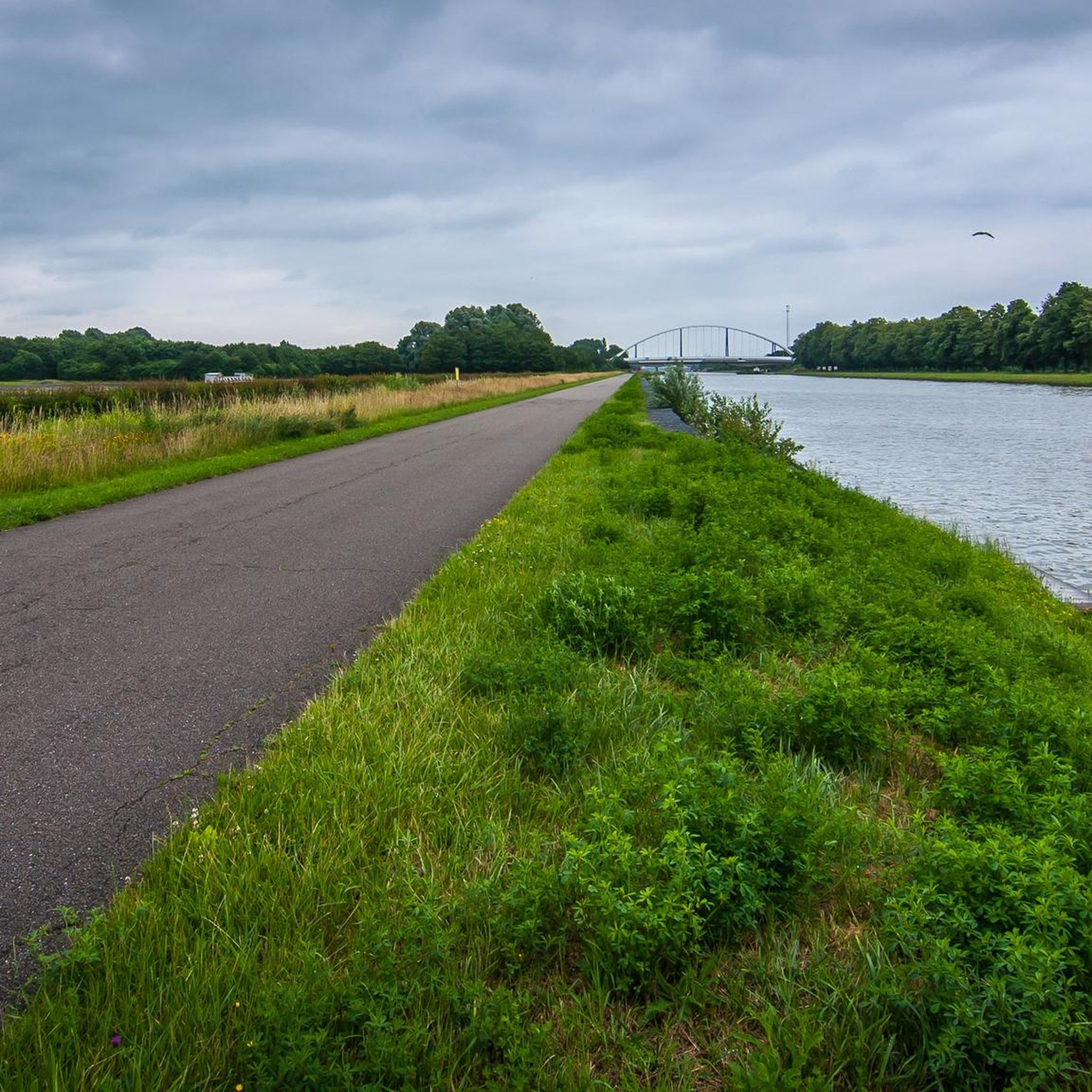
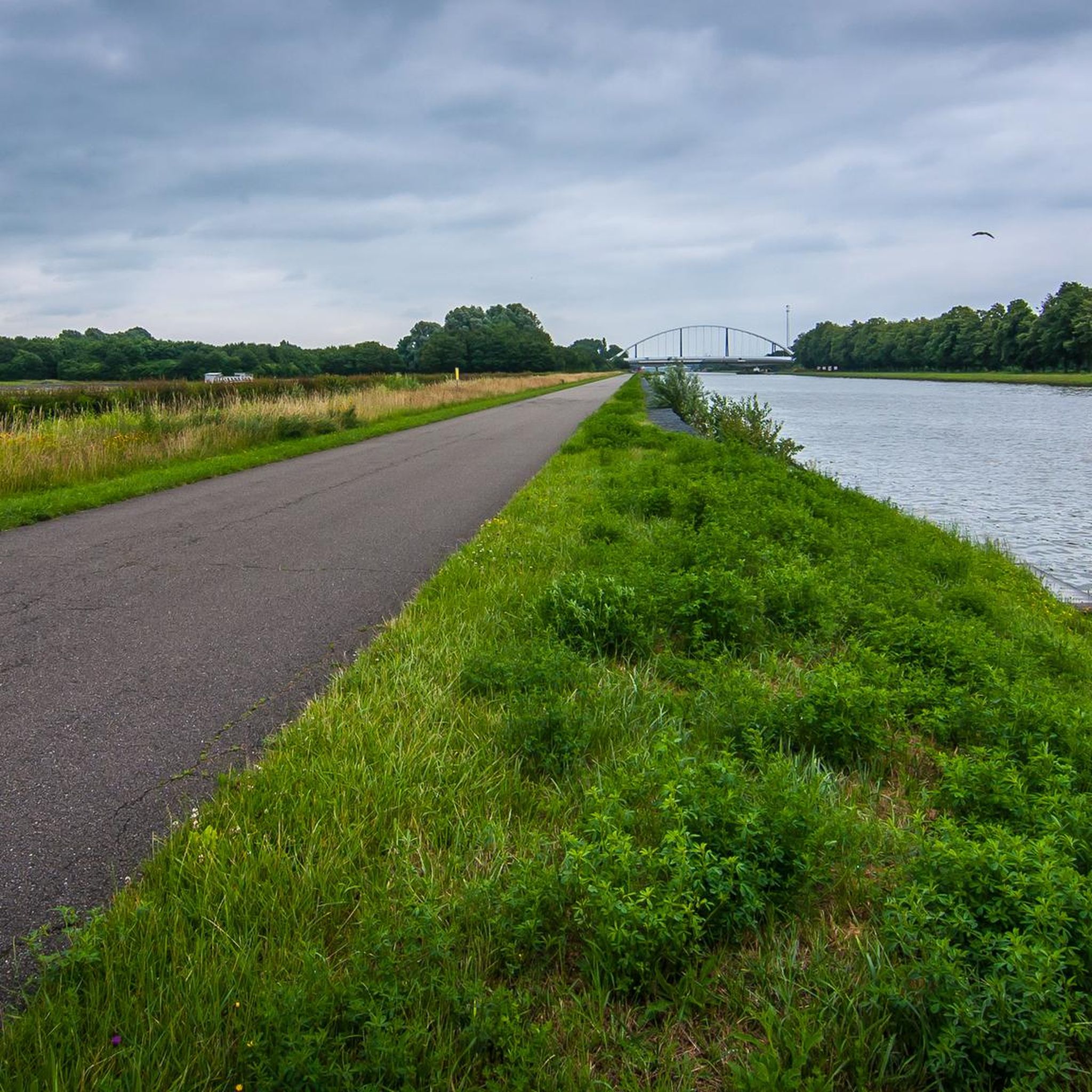
A Bailey bridge is a movable, modular, temporary bridge consisting of standardized, prefabricated steel parts. It is designed to be quickly assembled or dismantled by engineer troops (soldiers), often without heavy equipment such as cranes. The bridge is constructed by bolting together identical steel panels and beams. This allows the length and load-bearing capacity to be easily adjusted. This type of bridge was developed in 1940-1941 by the British civil engineer Donald Bailey and conceived to quickly cross rivers and ravines during World War II after armies had destroyed existing bridges. In Belgium and the Netherlands, there are still several historical examples that were built during WWII and are still in use.
0
0

Lovely meandering river with great walking/cycling path
0
0
Very nice area for walking
0
0

Fascinating 👍
1
0

The Emblem Bridge is a concrete girder bridge over the Kleine Nete River in Emblem, a submunicipality of Ranst in the Belgian province of Antwerp. The bridge has a total length of 30 meters and consists of a single span. Just northwest of the bridge lies the bridge of the same name over the Nete Canal.
2
0

Quietly watching the water traffic...
3
0
The iron bridge also called...
6
0

The Pagoda Gate accentuates the entrance to this street, similar to "Chinatowns" in major cities like London and New York. The Pagoda Gate was built at the request of Antwerp's Chinese community. This gate enhances the vibrant character of the station area. It creates an attractive passage from Konigsberg Astridplein (Central Station) to De Coninckplein.
5
0
Frequently Asked Questions
How many touring cycling routes are there in Bos Van Ranst?
Bos Van Ranst offers a comprehensive network of over 600 touring cycling routes. These routes vary in length and difficulty, ensuring an engaging experience for most touring cyclists.
What is the best time to visit Bos Van Ranst for touring cycling?
The diverse landscapes of Bos Van Ranst, with its ancient woodlands and rich undergrowth, are beautiful year-round. Spring is particularly scenic when wood anemones carpet the Zevenbergenbos. The generally flat terrain makes it accessible in most seasons, but checking local weather conditions before your ride is always recommended.
What is the difficulty level of touring cycling routes in Bos Van Ranst?
The routes in Bos Van Ranst cater to various skill levels. You'll find many easy routes, such as the Antwerp City Hall – Sint-Annatunnel Entrance loop from Ranst, which is 29.0 km long. There are also moderate options like the Sionbrug Footbridge – Another bird paradise loop from Ranst (36.0 km), and a smaller number of more challenging routes for experienced cyclists. The terrain is primarily flat, making it accessible for most.
Are there circular touring cycling routes in Bos Van Ranst?
Yes, many touring cycling routes in Bos Van Ranst are designed as loops, allowing you to start and finish at the same point. Examples include the Rivierenhof Park – Castle of Schoten loop from Ranst, which is 36.6 km, and the shorter Stone Mill of Oelegem – Zevenbergen Forest Trail loop from Ranst at 21.5 km.
What historical sites or landmarks can I see along touring cycling routes in Bos Van Ranst?
Many routes are designed to incorporate cultural points of interest. You can pass by historical attractions such as the Hof Zevenbergen Castle and Grotto, or the Entrance Gate of Kasteelpark Zevenbergen. The region's history is woven into its landscape, offering scenic views along the Albert Canal and through lush natural settings.
What do other touring cyclists enjoy most about Bos Van Ranst?
The touring cycling routes in Bos Van Ranst are highly rated by the komoot community, with an average score of 4.3 stars from over 1800 reviews. Reviewers often praise the serene rides through lush environments, the mix of urban and natural scenery, and the integration of historical landmarks within the routes.
Are there family-friendly touring cycling routes in Bos Van Ranst?
Yes, Bos Van Ranst offers several easy routes suitable for families and cyclists of all ages. The generally flat terrain and well-maintained paths through forests and meadows make it an ideal destination for cycling with kids. A shorter, easy option is the Kempen Blossom Orchards – Notelteirs Pomdamoor Farm Shop loop from Ranst, which is 8.4 km.
Can I bring my dog on touring cycling routes in Bos Van Ranst?
While many natural areas in Belgium are dog-friendly, specific rules can vary. It's generally advisable to keep dogs on a leash, especially in protected Natura 2000 areas like Bos Van Ranst, to protect local wildlife. Always check local signage for any specific restrictions on trails.
How can I access touring cycling routes in Bos Van Ranst using public transport?
Bos Van Ranst is well-connected, making it accessible by public transport. You can typically reach the area via bus services from nearby towns or cities like Antwerp. Check local public transport schedules for the most convenient stops near your desired starting point.
Where can I park my car when visiting Bos Van Ranst for touring cycling?
There are various parking options available around Bos Van Ranst, particularly near popular starting points for cycling routes. Look for designated parking areas close to trailheads or near local amenities in Ranst and surrounding villages. Many routes are designed to be accessible from these points.
Are there cafes or places to eat along the touring cycling routes in Bos Van Ranst?
Yes, you'll find various cafes, pubs, and restaurants in and around the villages bordering Bos Van Ranst, such as Ranst. Many routes pass through or near these areas, offering convenient stops for refreshments or a meal during your ride. It's a good idea to plan your route to include these stops.
Are there any permits required for cycling in Bos Van Ranst?
Generally, no specific permits are required for recreational cycling on public paths and designated cycling routes within Bos Van Ranst. As a Natura 2000 area, it's important to stay on marked trails and respect the natural environment. For specific regulations, always consult local information boards.
What kind of landscapes will I encounter on touring cycling routes in Bos Van Ranst?
You will encounter diverse landscapes, from ancient mixed deciduous forests like the Zevenbergenbos and Muizenbos, to natural floodplains along the Keerbeek and Kleine Merrebeek. The varied terrain, including sandy, loam, and calcareous soils, supports a rich ecological environment and unique flora. You'll also find routes along the Albert Canal, offering scenic views.
Most popular routes in Bos Van Ranst
Most popular attractions in Bos Van Ranst

Get inspired with the komoot mobile app


Explore more
Browse the best Cycling routes in other regions.
