The best walks and hikes in Westerschelde & Saeftinghe
4.4
(1266)
10,903
hikers
71
hikes
Hiking in Westerschelde & Saeftinghe offers diverse experiences across dynamic tidal landscapes and unique ecosystems. The region is characterized by the vast Westerschelde estuary and the Verdronken Land van Saeftinghe, Western Europe's largest brackish water marsh. Extensive mudflats, shallow waters, and salt marshes are common, alongside historic dikes and polders. Nearby areas also feature woods and dunes, providing varied terrain for exploration.
Best hiking trails in Westerschelde & Saeftinghe
- The most popular hiking route is Rammerkenshoek Lake – Fort Rammekens…
Last updated: June 20, 2026
4.5
(86)
384
hikers
5.83km
01:28
10m
10m
Easy hike. Great for any fitness level. Easily-accessible paths. Suitable for all skill levels.
4.7
(41)
265
hikers
Moderate hike. Good fitness required. Easily-accessible paths. Suitable for all skill levels.

Sign up for free
4.7
(29)
198
hikers
Moderate hike. Good fitness required. Easily-accessible paths. Suitable for all skill levels.
4.5
(31)
146
hikers
Easy hike. Great for any fitness level. Easily-accessible paths. Suitable for all skill levels.
4.5
(64)
274
hikers
4.54km
01:09
10m
10m
Easy hike. Great for any fitness level. Easily-accessible paths. Suitable for all skill levels.
Get access to more routes and recommendations from other explorers.
Sign up for free
Already have an account?
Our route recommendations are based on thousands of hikes, rides, and runs completed by other people on komoot.
Start today with a free account
Your next adventure awaits.
Login or Signup
Popular around Westerschelde & Saeftinghe

Other adventures in Westerschelde & Saeftinghe

Tips from the Community

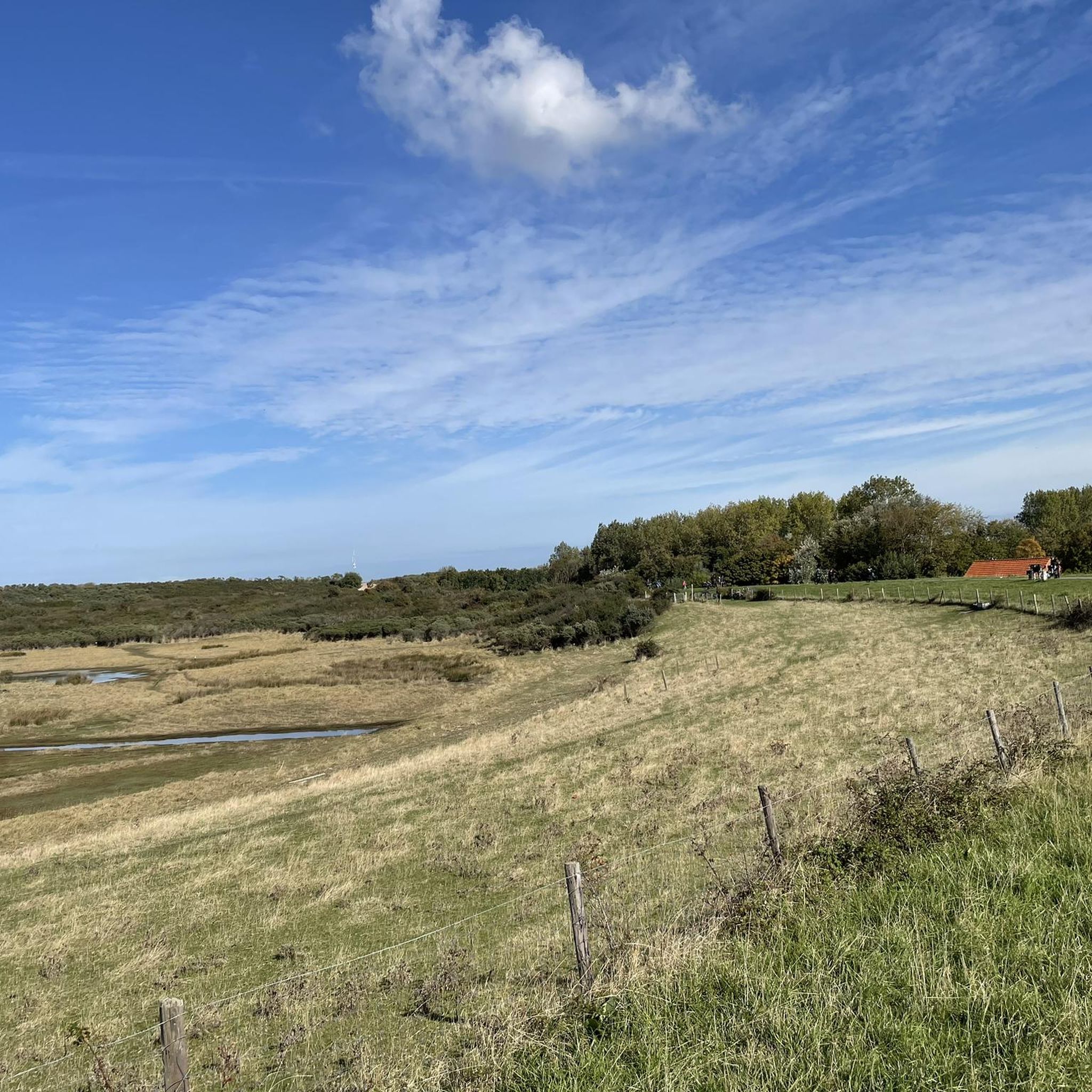
The Verdronken Zwarte Polder is a unique nature reserve full of history, variety, and biodiversity. The area, which owes its name to a polder that flooded in 1802, offers mudflats, salt marshes, dunes, and beaches with a wide variety of plants and animals. The polder is part of the UNESCO Schelde Delta Geopark and is easily accessible via the Zeedijk. Hiking trails of approximately 2.5 km and a riding trail lead you through the landscape. For children, there is a 'Nature Adventure' scavenger hunt with which they can discover the flora and fauna in a playful way. From elderflower, sea buckthorn, and sea holly to redshanks, ringed plovers, and songbirds: the Verdronken Zwarte Polder is a paradise for nature lovers. Through targeted management, such as grazing by Drenthe heath sheep, nature is kept in top condition. A perfect place for walking, discovering, and enjoying the sea, dunes, and salt marshes. (Visit West-Vlaanderen)
10
0
The boardwalks provide an easy crossing of the gully along which the seawater flows inland and connect to the path to the beach.
7
0
There are many hiking trails through the Verdronken Zwarte Polder, also a bridle path. The hiking trail, which is at times very sandy, is beautiful but tiring.
10
0
The Verdronken Zwarte Polder is a so-called slufter - an area behind a breached dune row - and originated in 1802. In fact, this area originated from a dike breach, during which the Zwarte Polder, 120 ha in size and constructed in 1623, was flooded. It was an artificial dike on which a modest dune row spontaneously developed. This dammed off the remaining part of the Zwarte Gat. The area has since only been partially reclaimed. In 1803, an area of 8 ha was re-diked, nowadays known as Zwarte Polder and used as a campsite. In 1829, north of it, another 23 ha were reclaimed, and this is called the Herdijkte Zwarte Polder. (Wikipedia)
11
0
At this point you are on a higher dune with less vegetation so you can see the Westerschelde and the busy shipping traffic towards and back from Antwerp.
10
0
The boardwalk is easy to walk on. The tree stumps next to it require a good sense of balance to get across with dry feet.
7
0
What makes this viewpoint truly special is that a poem by Jacob Cats is incorporated into the decking. Jacob Cats was a 17th-century Dutch poet and politician, known for his moralistic poems. The poem incorporated here adds an extra layer of meaning and beauty to the surroundings. (Groede - Tourist information)
8
0
The viewpoint at the dunes in Groede is a beautiful location that offers a breathtaking view of the surrounding nature. It is a place where you can enjoy the peace and beauty of the dunes, while looking out over the North Sea and the surrounding landscape. The covered viewpoint has a special construction with canvas under which round benches are placed. (Groede - Tourist information)
8
0
Frequently Asked Questions
How many hiking trails are available in Westerschelde & Saeftinghe?
There are over 60 hiking routes available in Westerschelde & Saeftinghe, catering to various preferences. The komoot community has rated these routes highly, with an average score of 4.4 stars from over 450 reviews, and more than 2,800 hikers have explored the area using komoot.
What kind of terrain can I expect when hiking in Westerschelde & Saeftinghe?
The region is characterized by dynamic tidal landscapes. You'll encounter extensive mudflats, shallow waters, and salt marshes, especially in the Verdronken Land van Saeftinghe. Other areas feature historic dikes, polders, and even some woods and dunes, offering a varied hiking experience. Some routes, particularly in Saeftinghe, can be muddy and may require appropriate footwear like rain boots.
Are there easy hiking options suitable for beginners?
Yes, there are plenty of easy options. Out of the 61 available routes, 43 are classified as easy. A great example is the Rammerkenshoek Lake – Fort Rammekens loop from Ritthem, which is 6.2 km long and explores the historic Fort Rammekens and its surrounding nature reserve.
Are the hiking trails in Westerschelde & Saeftinghe suitable for families with children?
Many trails are suitable for families, especially the easier, shorter loops. The Verdronken Land van Saeftinghe offers the 'Plankierpad' (Plank Path), a shorter trail partly consisting of planks, which is particularly fun for children and provides a good impression of the area. The Rammerkenshoek Lake – Fort Rammekens loop from Fort Rammekens is another easy, shorter option at 4.3 km.
Can I bring my dog on the trails in Westerschelde & Saeftinghe?
While many outdoor areas in the Netherlands are dog-friendly, specific rules can vary by nature reserve, especially in sensitive ecological areas like the Verdronken Land van Saeftinghe. It's always best to check local signage or the specific reserve's website for current regulations regarding dogs, particularly if they need to be on a leash or are restricted from certain areas to protect wildlife.
What natural features or wildlife can I expect to see while hiking?
The region is a haven for nature lovers. In the brackish water marshlands of Saeftinghe, you'll find unique plant life like scurvy grass and sea aster. The area is a crucial stop for migratory birds, with over 200 species, earning it the nickname 'bird boulevard'. Seals are also a common sight on the sandbanks of the Westerschelde. The The Drowned Zwarte Polder and Sint Jacobspolder Nature Reserve are excellent places to observe these natural features.
Are there any historical landmarks or points of interest along the routes?
Yes, the region is rich in history. Fort Rammekens, built in 1547, is a significant historical landmark offering magnificent views and a walking trail through the Rammekenshoek nature reserve. You can explore it on the Rammerkenshoek Lake – Fort Rammekens loop from Ritthem. The area also features historic dikes and polders dating back to the 12th century, and you can visit the Flood Memorial.
Are there circular hiking routes available?
Yes, many of the routes in Westerschelde & Saeftinghe are circular, making them convenient for day trips. Examples include the Groese Polders Nature Reserve – The Black Hole loop from Verdronken Zwarte Polder, a moderate 12.9 km path, and the Drowned Black Polder – Drowned Black Polder loop from Verdronken Zwarte Polder, an easy 7.3 km trail.
What is the best time of year to go hiking in Westerschelde & Saeftinghe?
The region offers unique experiences year-round due to its dynamic tidal nature. Spring and autumn are excellent for birdwatching, as the area is a crucial stop for migratory birds. Summer provides warmer weather for exploring, while winter hikes can offer a stark, beautiful landscape, though some areas might be very muddy. Always check local conditions, especially tide times, before heading out.
Is public transport available to reach the hiking areas?
Public transport options exist, but they can be limited in some of the more remote nature reserves. For areas like the Verdronken Land van Saeftinghe, reaching the Visitor Center Verdronken Land van Saeftinghe by public transport might require a combination of bus and a short walk or taxi. For other areas, local bus services connect villages, but having a car often provides more flexibility for accessing trailheads.
Where can I find parking for the hiking trails?
Parking is generally available at popular trailheads and visitor centers. For instance, the Visitor Center Verdronken Land van Saeftinghe in Nieuw-Namen offers parking. Many routes starting from villages or specific attractions like Fort Rammekens also have designated parking areas nearby. It's advisable to check the starting point of your chosen route for specific parking information.
Are there places to eat or drink near the hiking routes?
Yes, you'll find cafes and restaurants in the villages surrounding the hiking areas, particularly in towns like Nieuw-Namen, Ritthem, and Breskens. These establishments offer opportunities to refuel before or after your hike. The Visitor Center Verdronken Land van Saeftinghe also typically has facilities for visitors.
Most popular routes in Westerschelde & Saeftinghe
Most popular attractions in Westerschelde & Saeftinghe

Get inspired with the komoot mobile app


Explore more
Browse the best Hikes in other regions.
