The best cycling routes in De Meetkerkse Moeren
4.5
(3245)
33,795
riders
779
rides
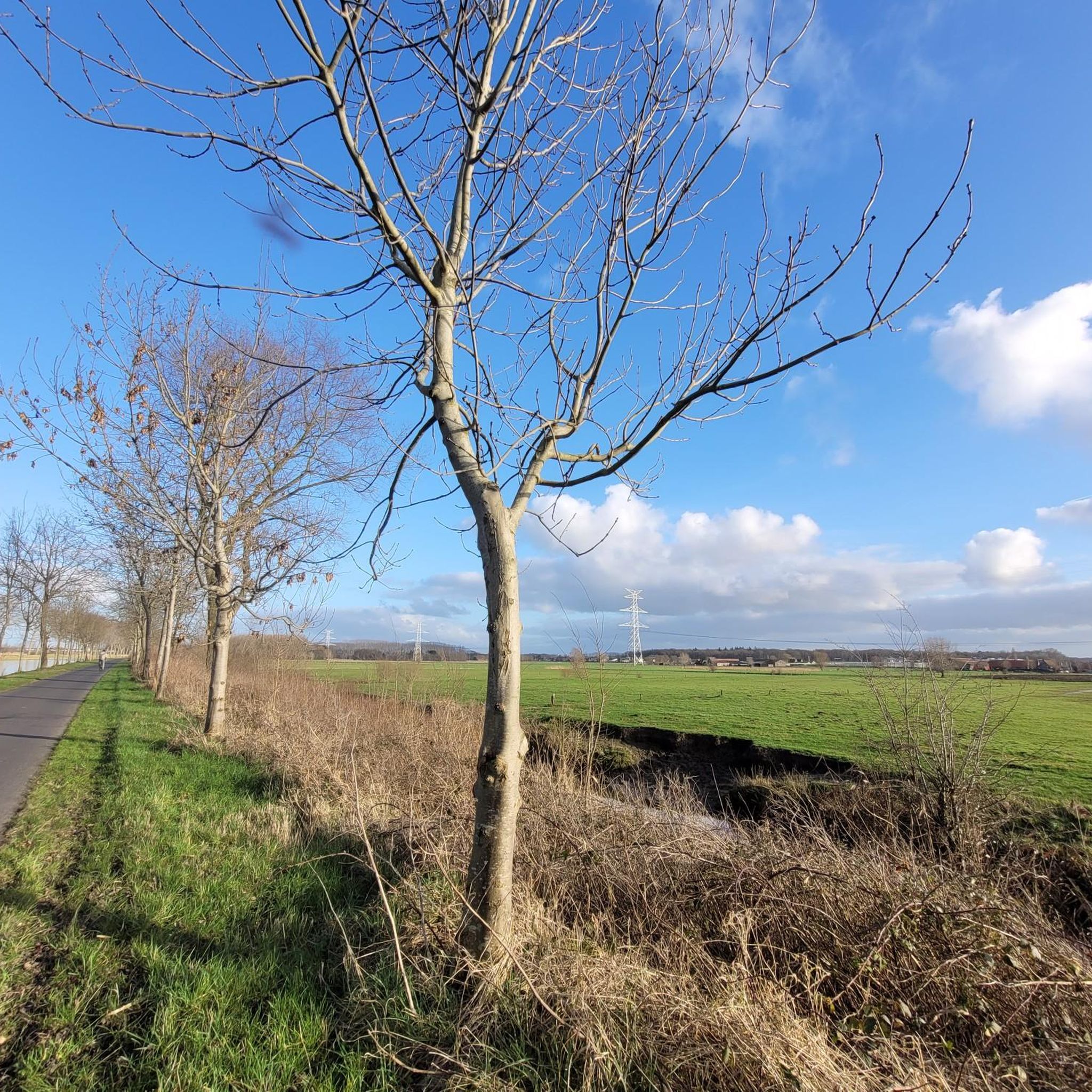
Touring cycling in De Meetkerkse Moeren offers routes through a unique polder landscape, characterized by expansive wet meadows and grasslands. This flat terrain is crisscrossed by a network of ditches and streams, providing minimal elevation changes. The area is known for its rich biodiversity, including over 30 bird species and endangered plants. Historical elements such as the 16th-century Eendenkooi and old windmills add cultural interest to the routes.
Best touring cycling routes in De Meetkerkse Moeren
- The most popular touring…
Last updated: July 4, 2026
8
riders
Easy bike ride. Great for any fitness level. Mostly paved surfaces. Suitable for all skill levels.
4.7
(22)
173
riders
Moderate bike ride. Good fitness required. Mostly paved surfaces. Suitable for all skill levels.

Sign up for free
4.3
(4)
40
riders
Moderate bike ride. Good fitness required. Mostly paved surfaces. Suitable for all skill levels.
4.0
(4)
27
riders
Easy bike ride. Great for any fitness level. Mostly paved surfaces. Suitable for all skill levels.
5.0
(2)
19
riders
34.5km
01:58
30m
30m
Easy bike ride. Great for any fitness level. Mostly paved surfaces. Suitable for all skill levels.
Get access to more routes and recommendations from other explorers.
Sign up for free
Already have an account?
Our route recommendations are based on thousands of hikes, rides, and runs completed by other people on komoot.
Start today with a free account
Your next adventure awaits.
Login or Signup
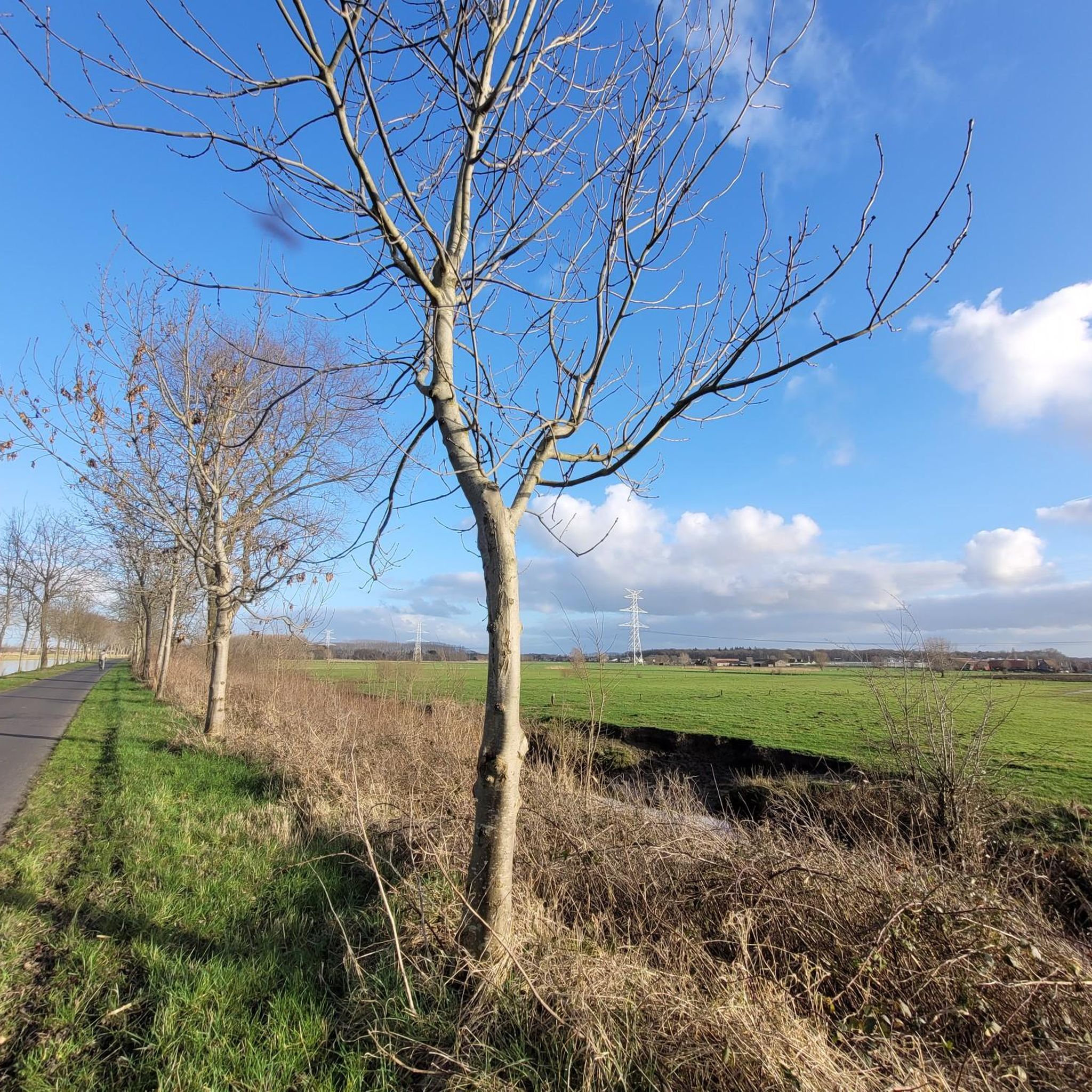
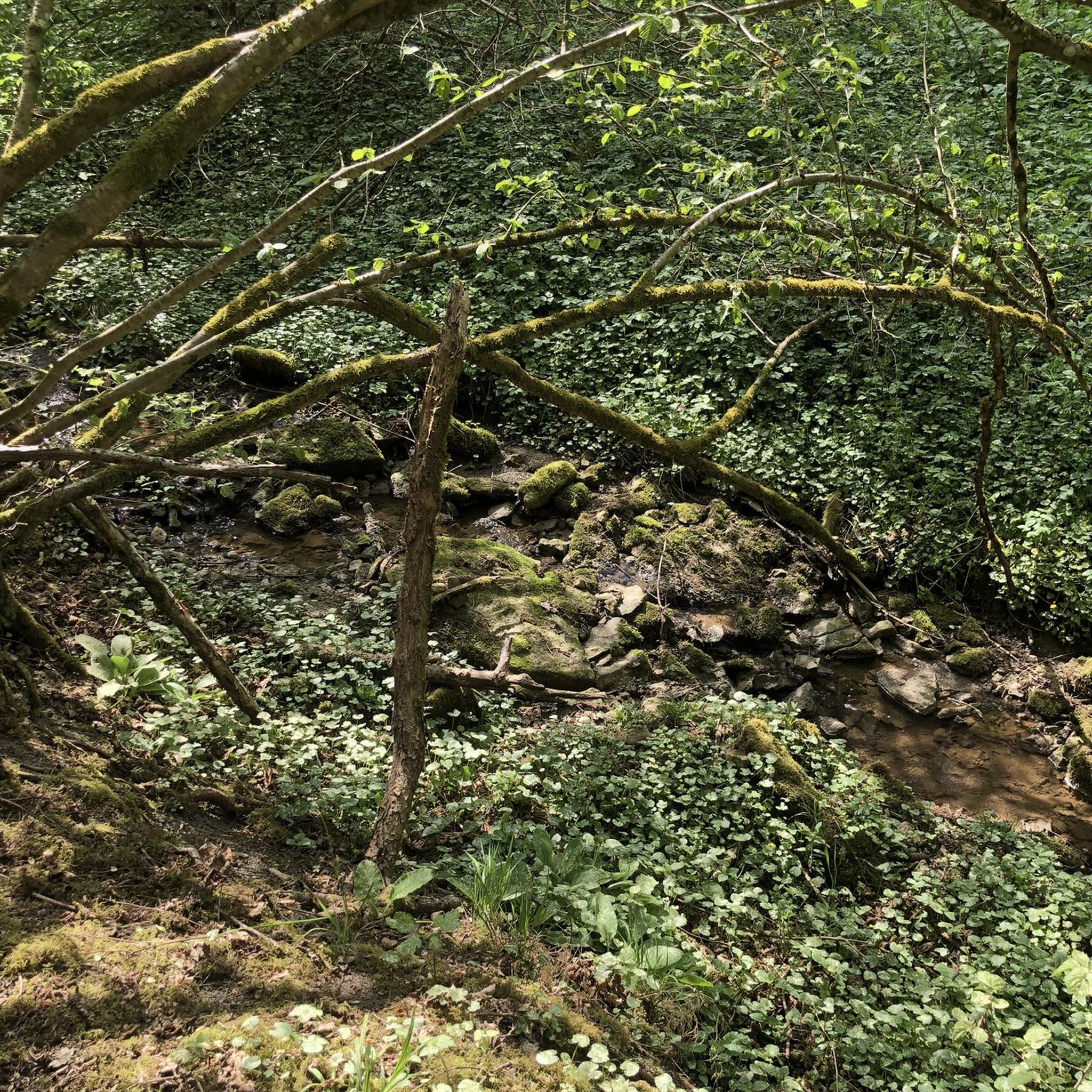
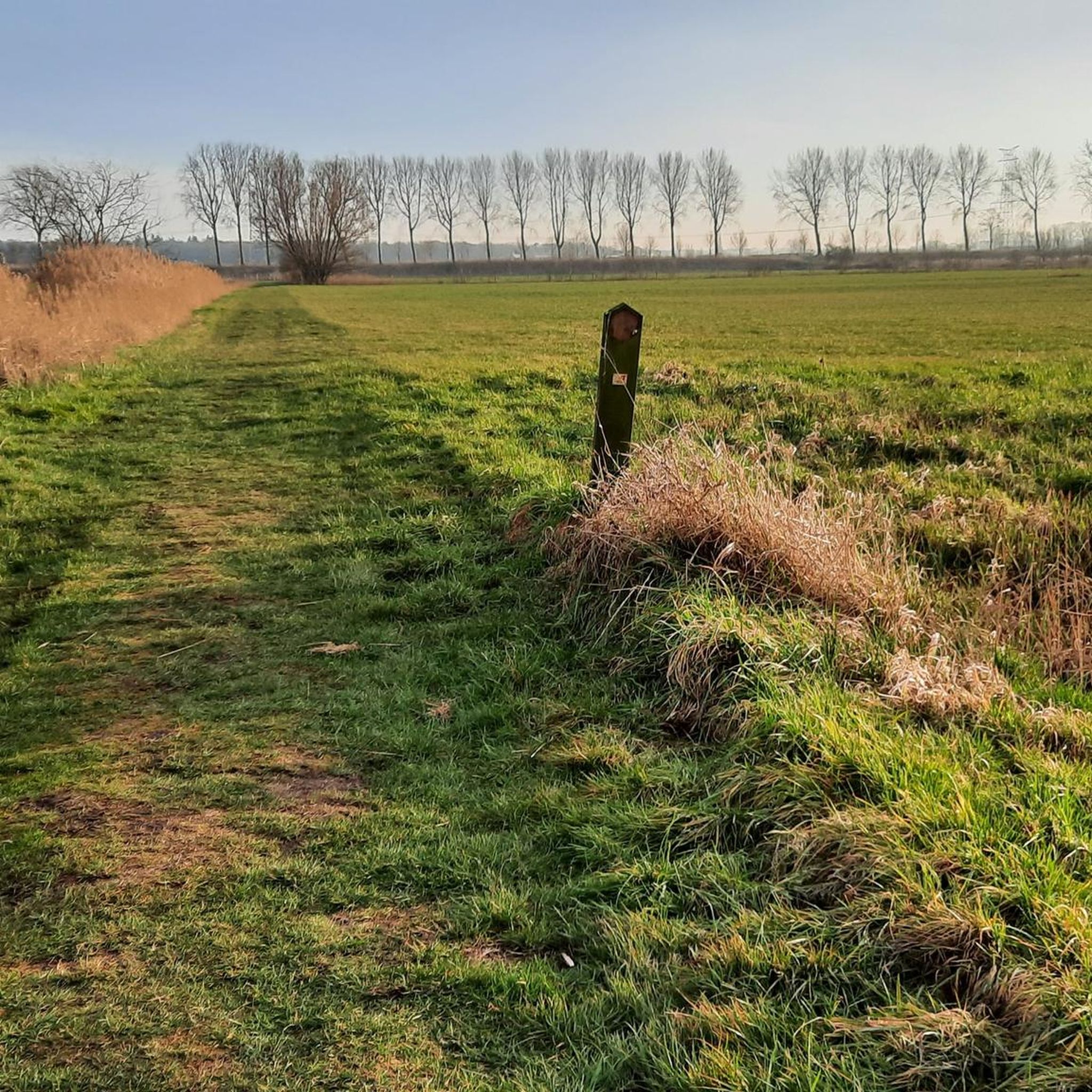
Tips from the Community

A beautiful city center, like something from another era. Many historical buildings worth seeing.
0
0

The gate was built in 1407 after the demolition of an earlier gate dating from 1297 by the Bruges master masons Maarten van Leuven and Jan van Oudenaarde. Want to know more? Click through to the source: Heritage Bruges https://erfgoedbrugge.be/collectie/de-gentpoort-aan-de-gentpoortvest-vanuit-het-zuidwesten-gm-092-045
1
0
Rural and rustic. That's how you can safely describe the area around this bicycle and pedestrian bridge over the Coupure.
1
0

The Ghent Gate is one of Bruges' four preserved medieval city gates. For outsiders, it served as an entrance to the city, and for Bruges' residents, a border with the outside world. The gate was intended to defend the city, but also served as a passage for goods being imported or exported. Note the statue in the niche above the passage: this is Saint Adrian, who was supposed to protect Bruges from the plague. The Ghent Gate is at its most beautiful in the evening, when it is illuminated by the floodlights.
1
1

This old town truly deserves the title of World Heritage Site.
0
0
Bruges' historic city center is a UNESCO World Heritage Site and boasts an exceptionally well-preserved medieval cityscape. The extensive canal system reminded me somewhat of Venice. A particular highlight is the characteristic Brick Gothic architecture. It reflects Bruges' past as an important European trading city and, with historic squares like the Grote Markt and numerous gabled houses, offers a unique visual unity.
0
0

Nice tarmac and full of migrating bords to observe. Keep quiet, don't bother them.
0
0
Frequently Asked Questions
How many touring cycling routes are available in De Meetkerkse Moeren?
De Meetkerkse Moeren offers a wide selection of touring cycling routes, with over 700 options available on komoot. These routes cater to various skill levels, including over 470 easy routes, 150 moderate routes, and 70 more challenging trails.
What is the terrain like for touring cycling in De Meetkerkse Moeren?
The terrain in De Meetkerkse Moeren is predominantly flat, characterized by its unique polder landscape. Much of the area lies below sea level, resulting in minimal elevation changes. You'll cycle through expansive wet meadows and grasslands, often on rustic farm tracks, making it ideal for leisurely touring.
Are there any historical landmarks or natural features to see along the cycling routes?
Yes, touring cyclists can discover several interesting landmarks and natural features. The historic Meetkerke Duck Decoy, a rare 16th-century Flemish invention, is a notable stop. You can also see the restored Poldermolen in Meetkerke, an old windmill crucial for water management. The entire area is a significant biotope, especially for birdwatching, with over 30 species nesting annually in the wetlands and grasslands.
Are there any circular touring cycling routes in De Meetkerkse Moeren?
Many of the touring cycling routes in De Meetkerkse Moeren are designed as loops, allowing you to start and finish at the same point. For example, the easy route "Polder Mill Meetkerke – Chapel on the Vaartwegel loop from Meetkerke" is a 16.9 km circular tour that takes you past the historic Polder Mill.
What do other touring cyclists enjoy most about cycling in De Meetkerkse Moeren?
The komoot community highly rates touring cycling in De Meetkerkse Moeren, with an average score of 4.5 stars from over 3,800 reviews. Cyclists often praise the peaceful environment, the expansive polder views, and the unique natural beauty of the wet meadows and grasslands. The flat, accessible terrain is also frequently highlighted as a positive aspect for leisurely rides.
Is De Meetkerkse Moeren suitable for family-friendly cycling?
Yes, De Meetkerkse Moeren is very suitable for family-friendly cycling. The flat terrain and numerous easy routes, such as the "Bruges–Ostend Canal – Oostende-Brugge Canal Path loop from Meetkerke" (18.8 km), make it an ideal destination for cyclists of all ages and abilities. The quiet farm tracks and scenic natural environment provide a safe and enjoyable experience for families.
Can I bring my dog on the cycling routes in De Meetkerkse Moeren?
While the Meetkerkse Moeren is a nature reserve, specific rules regarding dogs on cycling routes can vary. It's generally advisable to keep dogs on a leash, especially in areas with sensitive wildlife, such as the bird-rich wetlands. Always check local signage for the most current regulations regarding pets in the nature reserve to ensure a pleasant experience for everyone and to protect the local biodiversity.
Where can I park my car when visiting De Meetkerkse Moeren for cycling?
Parking options are available in and around the villages bordering De Meetkerkse Moeren, such as Meetkerke and Varsenare. Many routes, like the "Beisbroek Estate Pathway – Beisbroek Estate loop from Varsenare", often start from locations with accessible parking. Look for designated parking areas in these towns, which typically cater to visitors exploring the region.
Are there cafes or places to eat along the cycling routes in De Meetkerkse Moeren?
While De Meetkerkse Moeren itself is a tranquil nature reserve, you'll find cafes and restaurants in the nearby villages like Meetkerke and Zuienkerke. These establishments offer opportunities to refuel and relax before or after your ride. It's a good idea to plan your route to pass through these villages if you intend to stop for refreshments.
What is the best time of year to go touring cycling in De Meetkerkse Moeren?
The best time for touring cycling in De Meetkerkse Moeren is generally during the spring, summer, and early autumn months. During these periods, the weather is milder, and the polder landscape is vibrant with flora and fauna. Spring offers excellent birdwatching opportunities as many species nest, while summer and autumn provide pleasant conditions for leisurely rides through the open scenery.
Can I access De Meetkerkse Moeren by public transport?
Access to De Meetkerkse Moeren by public transport is possible, primarily via bus services connecting to nearby towns like Bruges and Ostend. From these larger hubs, local buses can take you closer to villages such as Meetkerke, which serve as good starting points for cycling routes. It's recommended to check current bus schedules and routes in advance.
Are there any longer touring cycling routes that connect to other areas?
Yes, some routes extend beyond the immediate Meetkerkse Moeren area, connecting to larger canal paths. For instance, the "Poertoren and Minnewater Bridge – Bruges–Ostend Canal loop from Varsenare" is a 27.7 km route that incorporates sections of the Bruges–Ostend Canal, offering a longer ride with connections to other scenic areas.
Most popular routes in De Meetkerkse Moeren
Most popular attractions in De Meetkerkse Moeren

Get inspired with the komoot mobile app


Explore more
Browse the best Cycling routes in other regions.
