Attractions and Places To See in Cuesta Van Het Waasland Te Waasmunster - Top 18
Best attractions and places to see in Cuesta Van Het Waasland Te Waasmunster include a diverse range of notable landmarks, significant natural features, and cultural sites. This region is characterized by its historical heritage, scenic landscapes, and the geological formation of the cuesta itself, an asymmetrical ridge with a steep escarpment. The area features the Durme River Valley with lush meadows and forested sections, offering varied terrain for exploration. Its history is reflected in numerous castles, abbeys, and medieval agricultural…
Last updated: August 29, 2026
Roosenberg Abbey
Highlight • Religious Site
The interior, just like the building itself, was designed by Hans van der Laan, and is downright unique in …
Translated by Google •
Tip by

Ortegat Castle (Waasmunster)
Highlight • Castle
Translated by Google •
Tip by
Sign up now to discover places like this
Get recommendations on the best single tracks, peaks, & plenty of other exciting outdoor places.
Sign up for free
The Ketel Forests
Highlight • Forest
The forest, now called …
Translated by Google •
Tip by
Baudelodreef
Highlight (Segment) • Trail
Translated by Google •
Tip by
Schietakkers Trail and Our Lady Help of Christians Chapel
Highlight (Segment) • Religious Site
Translated by Google •
Tip by

Sign up for free to discover even more attractions in Cuesta Van Het Waasland Te Waasmunster.
Sign up for free
Already have an account?
Start today with a free account
Your next adventure awaits.
Login or Signup
Popular around Cuesta Van Het Waasland Te Waasmunster
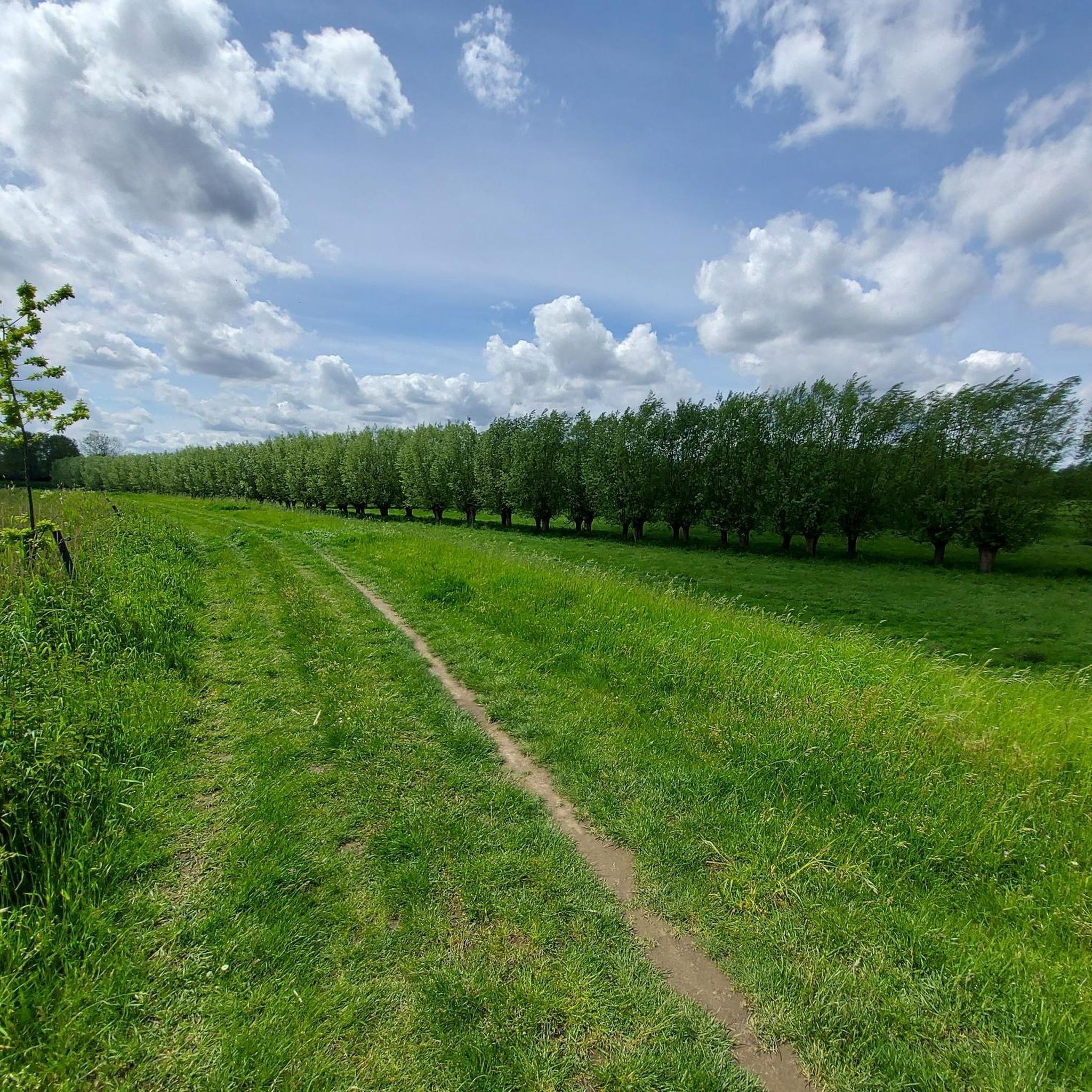
Road Cycling Routes in Cuesta Van Het Waasland Te Waasmunster
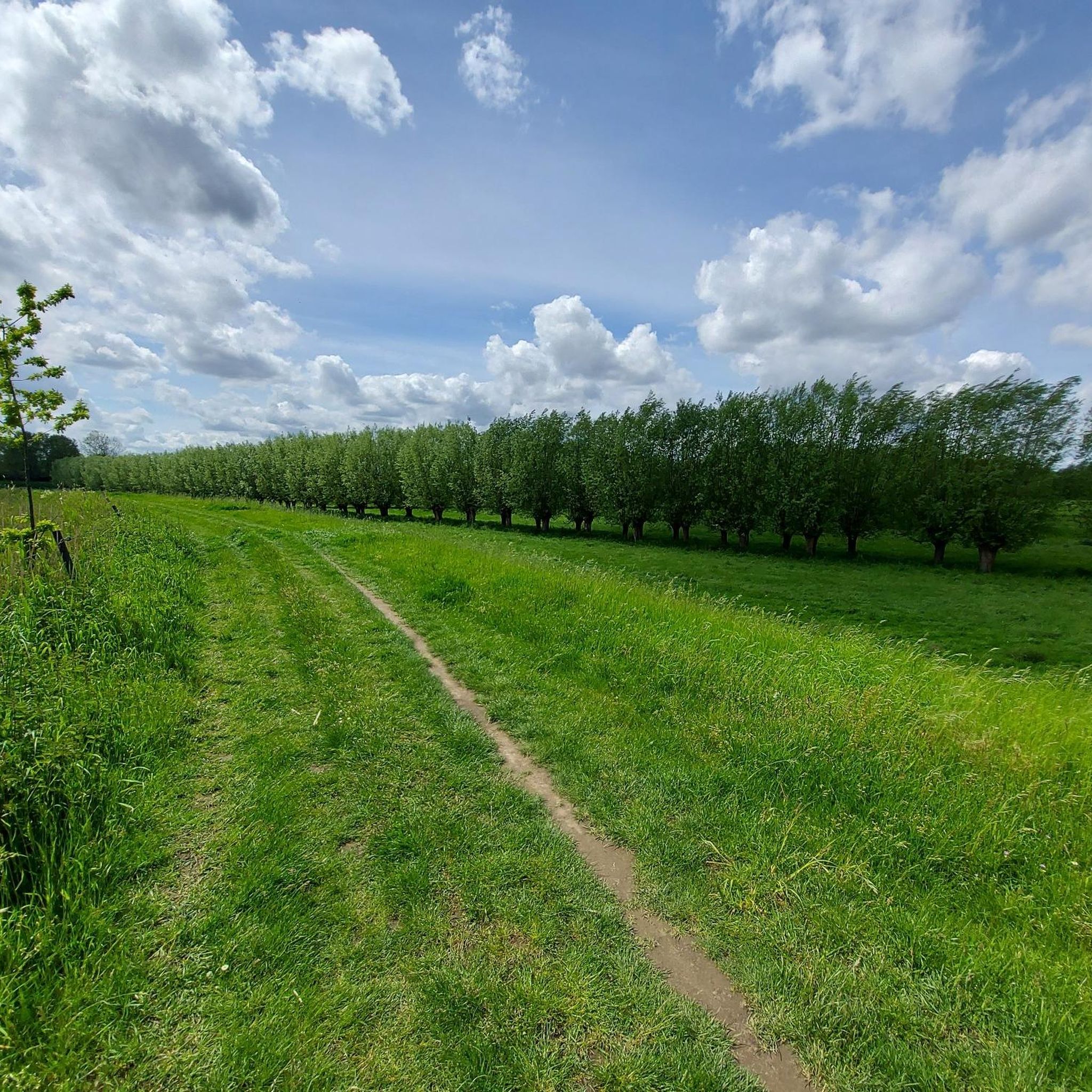
Running Trails in Cuesta Van Het Waasland Te Waasmunster
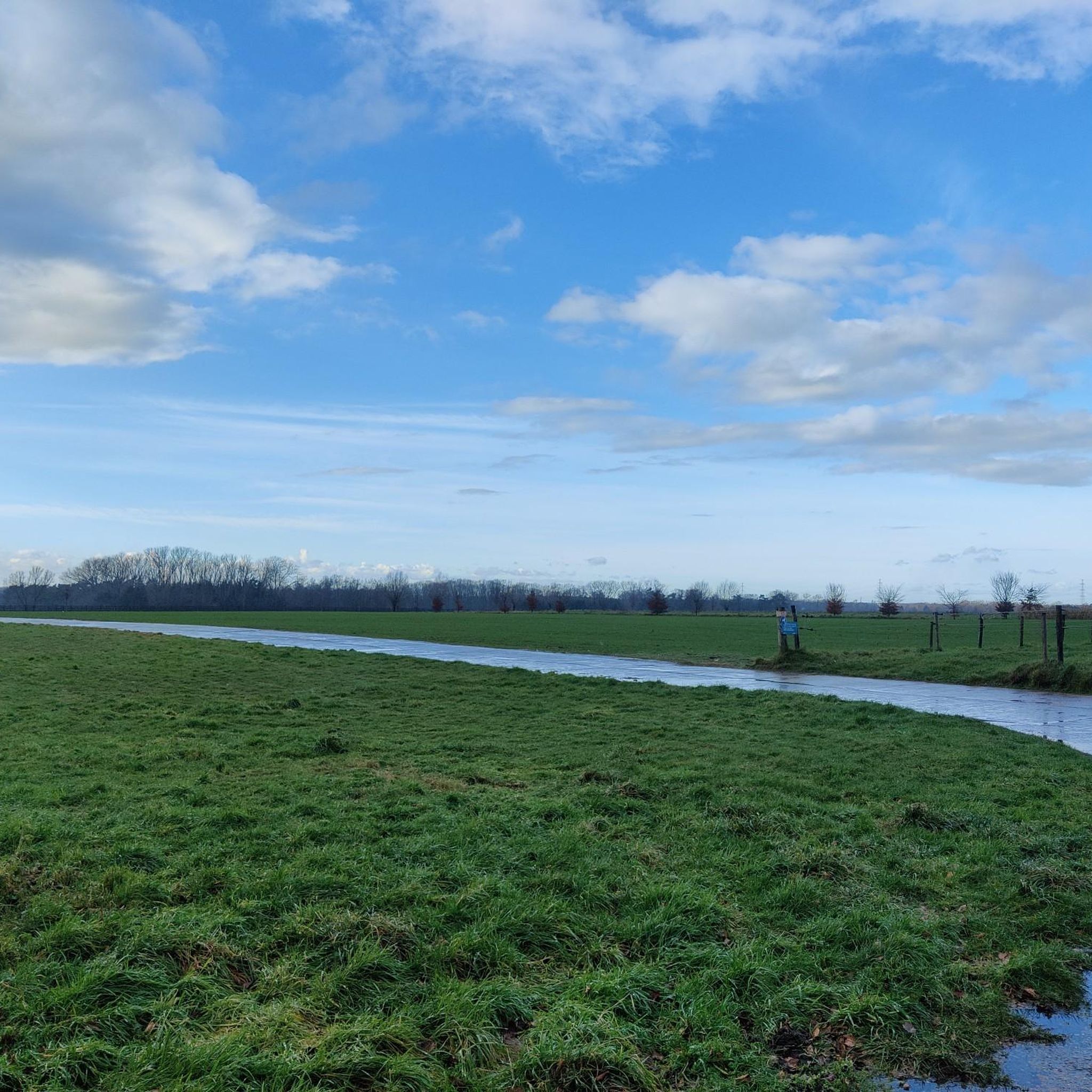
Hiking in Cuesta Van Het Waasland Te Waasmunster
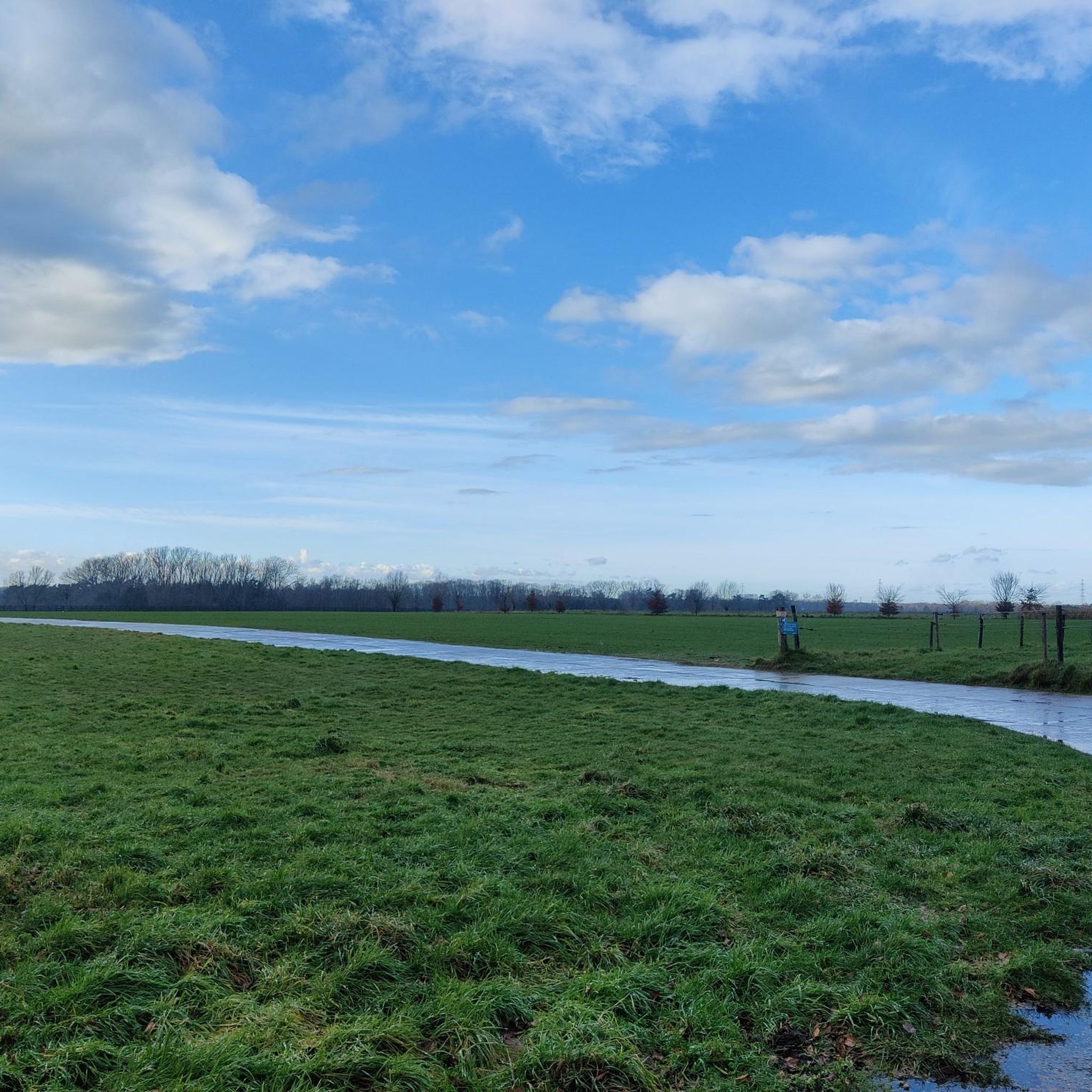
Cycling in Cuesta Van Het Waasland Te Waasmunster
MTB Trails in Cuesta Van Het Waasland Te Waasmunster

Gravel biking in Cuesta Van Het Waasland Te Waasmunster
Tips from the Community

Ortegat Castle, also known as Waasmunster Castle, Vermeulen Castle (after the builder), 'De Bulck' Castle (after its location), "Engelse hof" (popular name referring to the English-style landscape park), "De Wal" (a reference to an aspect of the castle domain). According to a map from 1639 showing the territory around Roosenberg Abbey, the plot opposite the abbey's access drive was known as den bulck. In 1797, Albertus Livinus Vermeulen (1767-1820), the son of a mayor of Lokeren, bought a piece of the grounds of the dissolved abbey. He then commissioned the construction of the castle and in 1813 or earlier this was completed to a design by Jean-Baptiste Dubois. After Albertus' death, his nephew Jean-Baptiste Vermeulen became the new owner and he further expanded the castle domain. From around 1900 the castle was inhabited by the Ortegat family and in 1919 it came into their possession and became known as Ortegat Castle or Waasmunster Castle. Source: Inventory of Immovable Heritage
4
0
The name of the avenue refers to the former Boudelo Abbey, a Cistercian abbey in nearby Klein-Sinaai. The abbey, the most important abbey in Waasland in the late Middle Ages, was a daughter foundation of Cambron Abbey. After the monastic community was expelled from Waasland, the abbey briefly flourished again in Ghent. For those who know Ghent, the name "Baudelo" (with "au") undoubtedly rings a bell, among other things because of the Baudelo chapel (where "Holy Food" was located for a while) and - especially - because of the famous Baudolo park (officially actually "Baudelohof").
4
0
The abbey church is freely accessible. Be sure to step inside! The interior, just like the building itself, was designed by Hans van der Laan, and is downright unique in its sleek and sober design. Also note the mural on the back wall. It is a work by Théodore Stravinsky, son of the (equally deeply religious) Russian composer Igor Stravinsky. Anyone who - like me during my visit - can get past the painting further into the abbey will get an idea of how this modern building (it dates from 1975) is essentially constructed according to the classical abbey structure, with galleries around a square garden. You will also be shown a model of the building.
4
0
The last Sister of Franciscus left the abbey almost ten years ago; the building and garden have since been purchased by Herita, the National Trust of Flanders, which manages and restores valuable historical sites in Flanders. Among others, the Abbey of Herkenrode, the castles of Horst, Laarne and Beauvoorde, the Palace on the Meir, Fort Napoleon and the mill of Hoeke are under their management. see: herita.be
4
0
In 2021, Natuurpunt purchased 16 hectares of the forest area around the Roosenberg Abbey from the Mariazusters van Franciscus (who lived in the abbey until 2016). The forest, now called 'De Ketelbossen', consists mainly of pines, oaks and birches. Squirrels, deer, crested tits, black woodpeckers, pied flycatchers and the barbastelle bat, which is rare in Flanders, live there. The forest is only accessible to hikers. Sources: Natuurpunt & Wikipedia
4
0

Even though Roosenberg Abbey in Waasmunster is no longer inhabited by nuns, the building remains a gem of a contemporary Gesamtkunstwerk. By the hand of the Dutch Benedictine architect Hans van der Laan. Dom Hans van der Laan (1904-1991) occupies a prominent place in the religious architecture of the 20th century. With a limited number of buildings in the Netherlands, Belgium and Sweden, he is one of the exceptional architects who made a fundamental contribution to church building. His masterpiece is undoubtedly the monastery complex near Vaals, where he spent a large part of his life and where he was buried. But Roosenberg Abbey is also still a rare and intact example of a contemporary Gesamtkunstwerk. The expressive architecture is composed on a mathematical basis. Purity of form, simplicity and a rhythmic spatial arrangement allow you to experience a poignant beauty and tranquility. Space and form play with inside and outside, open and closed. (Kerknet Vlaanderen)
11
1

From the start, the abbey was owned by Victorians or Canonesses Regular of Saint Victor who lived according to the rule of Saint Augustine. In the 1970s, because of fewer vocations, they merged with the Marian Sisters of Francis and continued to work under that name. The third and current abbey has been located on Oudeheerweg-Heide since 1975. Source: Wikipedia
9
0

Walk of hiking club Roosenberg Waasmunster
4
2
Frequently Asked Questions
What is the Cuesta Van Het Waasland and what natural features can I explore?
The Cuesta Van Het Waasland is a significant geological feature, an asymmetrical ridge with a steep escarpment on one side and a gentle slope on the other. In Waasmunster, the area is largely forested. You can explore the picturesque Durme River Valley with its lush meadows and dikes, which are popular for cycling. Other natural areas include Speel- en natuurgebied De Vaag and Eeckhoekbos, offering opportunities to experience local flora and fauna. Don't miss the scenic Schelde Bend at Sint-Amands for picturesque river views.
What historical landmarks can I visit in Cuesta Van Het Waasland Te Waasmunster?
The region is rich in historical landmarks. You can visit Kasteel Blauwendael, a prominent 19th-century classical-style castle, or the neoclassical Kasteel Ortegat from 1818. The 15th-century Onze-Lieve-Vrouwkerk is a significant religious landmark. Other historical buildings include 16th and 17th-century old town houses, the 17th-century Heidekapel, and the 18th-century Kasteel van Sombeke.
Are there any unique architectural sites to see?
Yes, Roosenberg Abbey is a key example of modernist religious architecture in Belgium, known for its sleek and sober design. The interior, designed by Hans van der Laan, is unique, featuring a mural by Théodore Stravinsky. It's freely accessible and offers a poignant beauty and tranquility.
What kind of outdoor activities can I do near these attractions?
The area is excellent for outdoor activities, especially cycling and hiking. You can find numerous routes for both. For running, explore trails like the 'Singletrack Oud Vliegveld – Patotterij–Baudelo Trail loop' or 'Old Durme Gravel Path'. Cyclists can enjoy routes such as 'Mira Bridge – Picnic spot at the Oude Durme loop'. For more options, check out the running trails and cycling routes guides.
Are there family-friendly attractions or activities?
Yes, the region offers several family-friendly options. The Baudelodreef is a trail through the forest that is suitable for families. Additionally, Speel- en natuurgebied De Vaag is a designated play and nature area, perfect for children to explore. Many of the easy hiking and cycling routes are also suitable for families.
Where can I find good hiking trails in the Cuesta Van Het Waasland?
The Cuesta Van Het Waasland offers varied terrain for hiking. You can explore trails through forested areas like The Ketel Forests, which are only accessible to hikers. The easy hikes guide features routes like 'The Ketel Forests – Wide views loop' and 'Information board Playing on the Vaag – The Ketel Forests loop'.
What is the significance of the Mira Bridge and Temse Scheldt Bridge?
The Mira Bridge on the Durme river is famous in Flanders as a key location in a classic Flemish novel and film, making it a cultural landmark. The Temse Scheldt Bridge, originally designed by Gustave Eiffel, is notable as the longest bridge over water in Belgium, connecting different areas and offering impressive views.
What unique geological or agricultural history can be observed?
The region's unique cuesta landscape with varied terrain, including dry forests and wetlands, is a geological highlight. You can also observe the medieval 'convex fields,' which are spherical fields created to enable farming on compact marine clay deposits. These fields hold international geological and heritage importance, reflecting the area's agricultural history.
What do visitors enjoy most about Cuesta Van Het Waasland Te Waasmunster?
Visitors particularly enjoy the diverse range of experiences, from exploring historical sites like castles and abbeys to immersing themselves in the scenic natural landscapes. The quiet trails through forests, such as the Schietakkers Trail, and the unique modernist architecture of Roosenberg Abbey are often highlighted. The area's blend of history, nature, and opportunities for cycling and hiking makes it appealing.
Are there any specific forests or nature reserves worth visiting?
Absolutely. The Ketel Forests, consisting mainly of pines, oaks, and birches, is a significant nature area and habitat for various wildlife, accessible only to hikers. The Turfputten van Berlare Broek is another lake area with forests where native species are thriving, offering a peaceful natural escape.
Is the area suitable for dog walking?
While specific dog-friendly routes are not detailed, many natural areas and trails, especially those through forests and along dikes, are generally suitable for dog walking. It's always advisable to keep dogs on a leash and respect local regulations in nature reserves.
What is the best time of year to visit Cuesta Van Het Waasland Te Waasmunster?
The Cuesta Van Het Waasland offers beauty throughout the year. Spring and summer are ideal for cycling and enjoying the lush greenery of the Durme River Valley. Autumn brings vibrant colors to the forested areas, making it a picturesque time for hiking. Even in winter, the quiet trails can offer a serene experience.
Most popular routes in Cuesta Van Het Waasland Te Waasmunster
Most popular attractions in Cuesta Van Het Waasland Te Waasmunster

Get inspired with the komoot mobile app


Explore more
Still not found the Highlight you’re looking for? See guides of the top attractions in other regions:
