Attractions and Places To See in Fockbeker Moor - Top 4
Attractions and places to see in Fockbeker Moor center around its unique high moor landscape, a significant nature reserve located northwest of Rendsburg. This area is known for extensive renaturation efforts, transforming historical peat extraction sites into thriving ecosystems. Visitors can explore diverse flora and fauna, characteristic sand hills, and humid heaths. The moor offers a blend of ecological importance and natural beauty, making it a key destination for nature enthusiasts.
Best attractions and places to see in Fockbeker Moor
…Last updated: July 5, 2026
Observation Platform at Fockbeker Moor
Highlight • Viewpoint
Definitely bring binoculars.
Showing Translation
Tip by

Fockbeker Moor Nature Reserve
Highlight • Natural
which has spread over 2,500 years in a shallow depression. In large parts, the raised bog peat directly covers …
Showing Translation
Tip by

Sign up now to discover places like this
Get recommendations on the best single tracks, peaks, & plenty of other exciting outdoor places.
Sign up for free
Moor Path in Fockbeker Moor
Highlight • Trail
Translated by Google •
Tip by
Fockbeker Moor Trail
Highlight (Segment) • Trail
It has a bird watching hut and the moor is much more "comprehensible" along the trail.
Translated by Google •
Tip by
Fockbeker Moor Parking Area
Highlight • Parking
Translated by Google •
Tip by
Start today with a free account
Your next adventure awaits.
Login or Signup
Tips from the Community

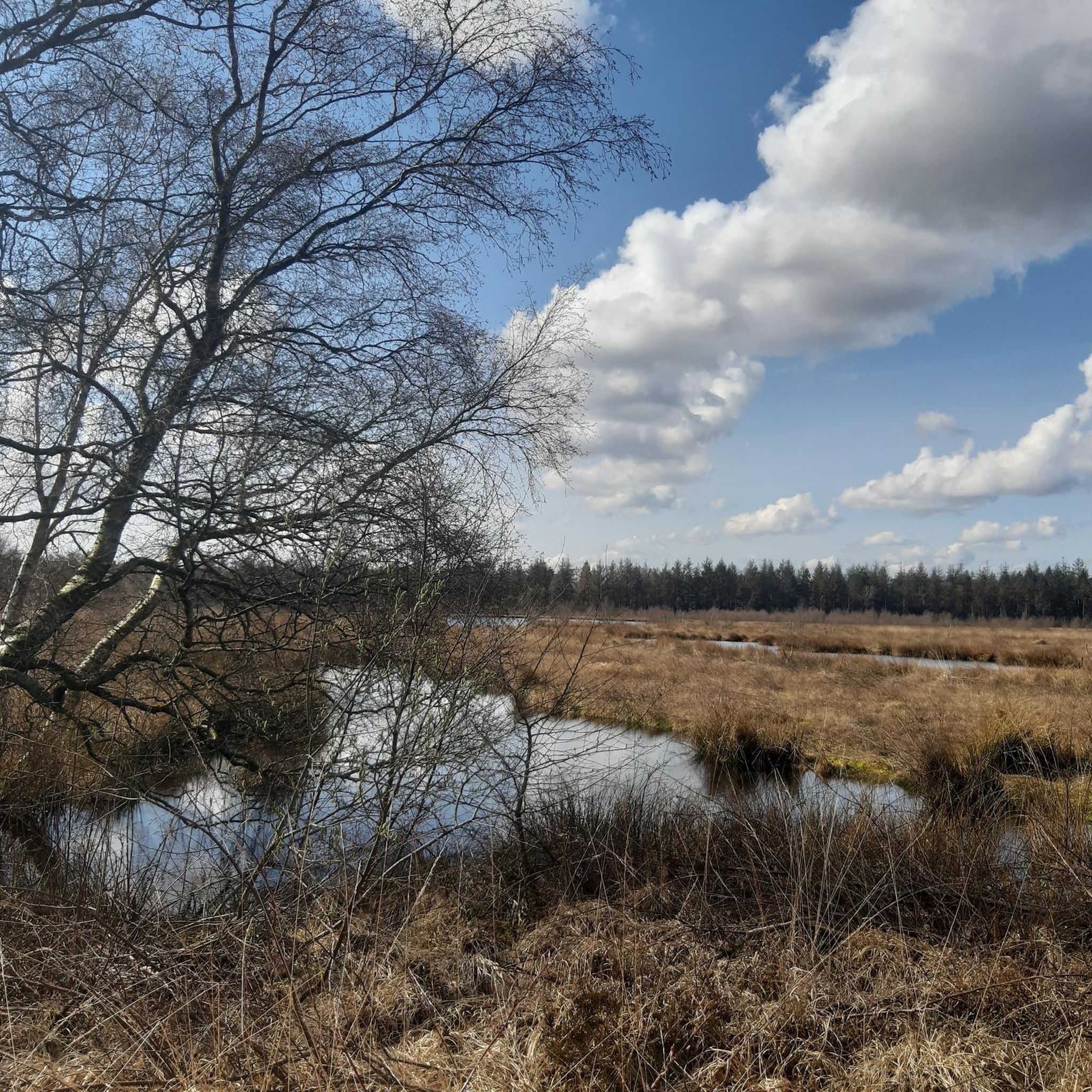
The moor covers an area of approx. 379 hectares. Peat extraction and drainage have significantly altered the moor. However, not only the extraction of peat for fuel caused large parts of the moorland to disappear, but also its conversion into arable land and grassland. Maintenance measures for rewetting have been carried out since 1980. For this purpose, the drainage ditches in the moor were closed.
4
0

Tip: From the east, this trail is clearly visible thanks to the signposts. However, from the west, the access is hidden behind bushes – the yellow nature conservation signs point the way.
3
0
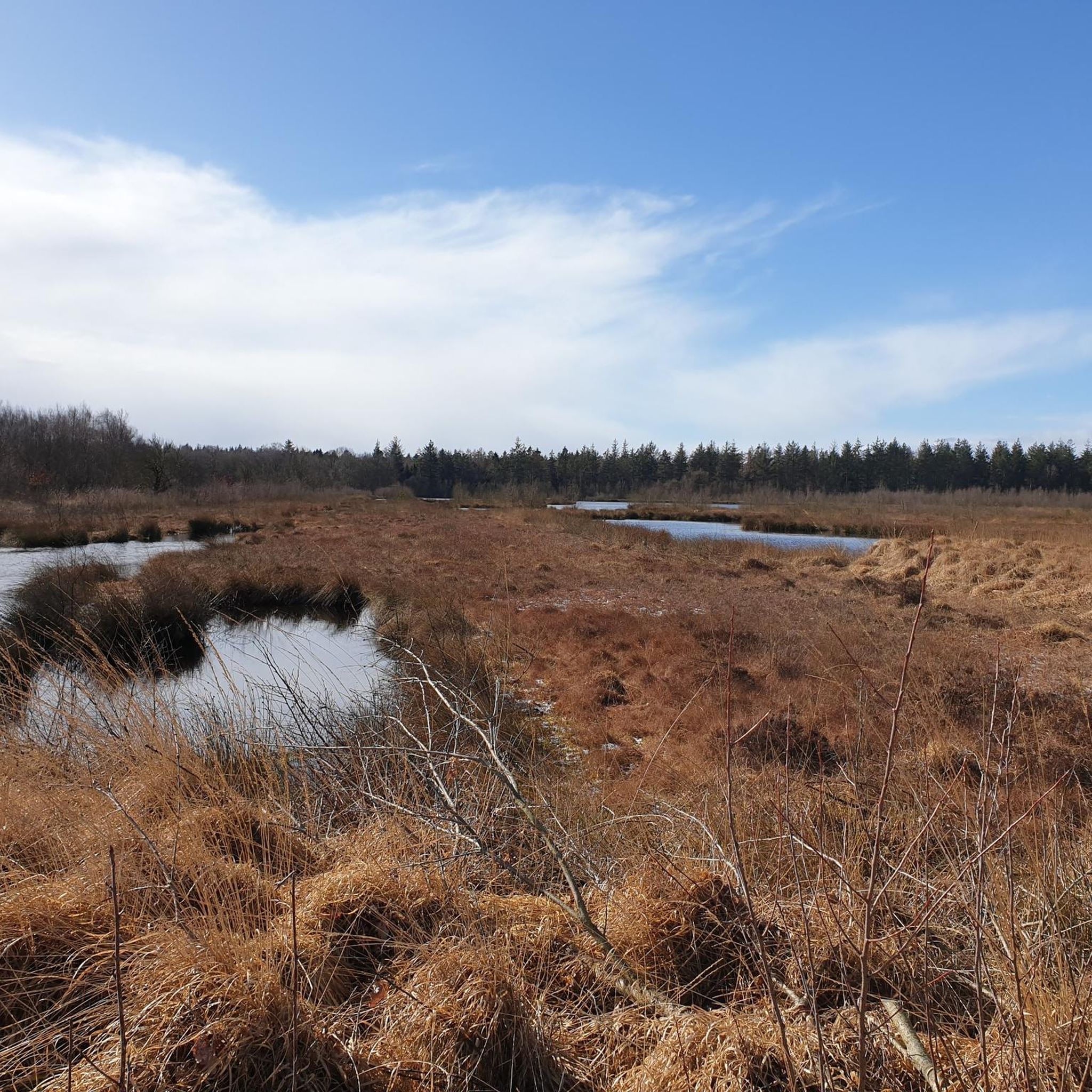
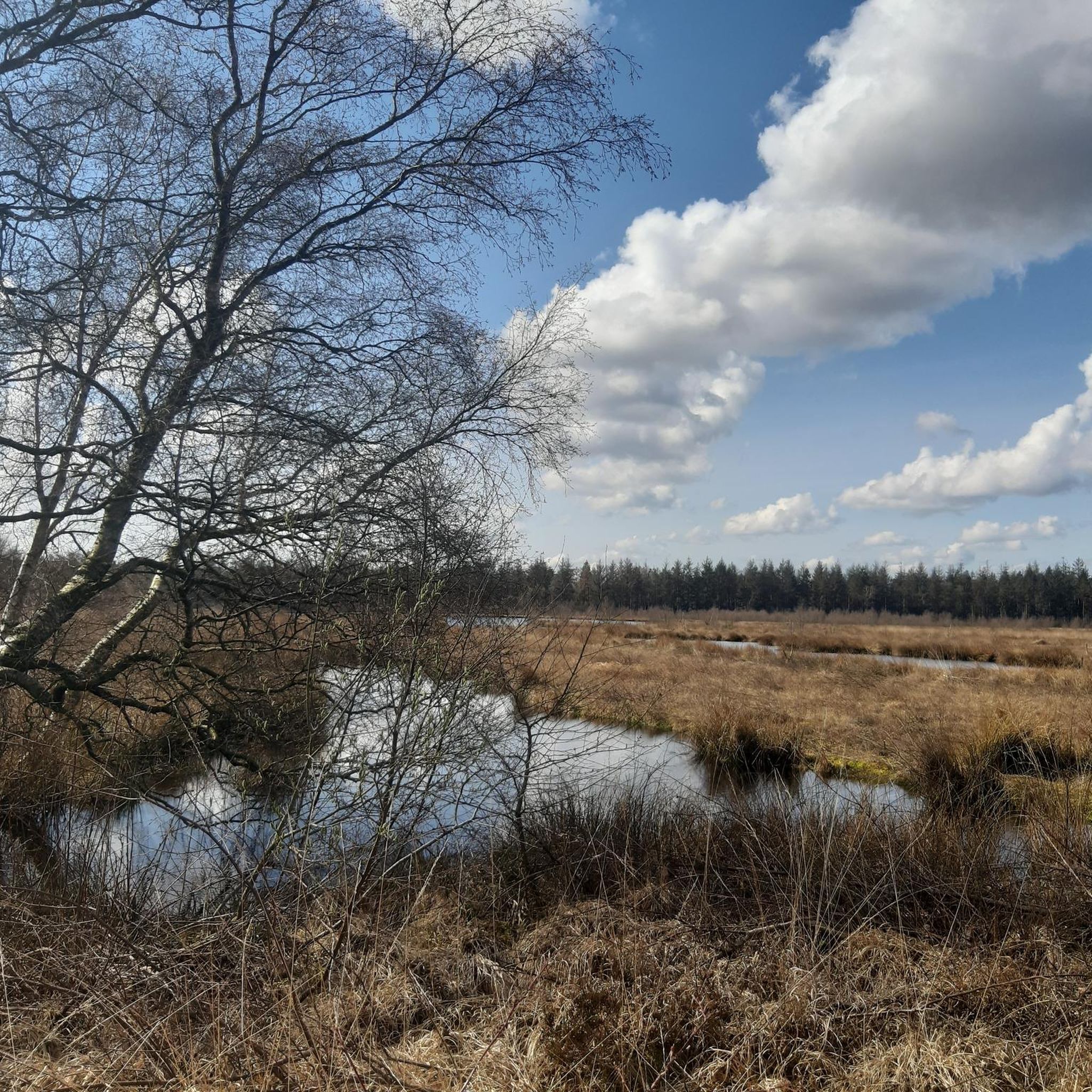
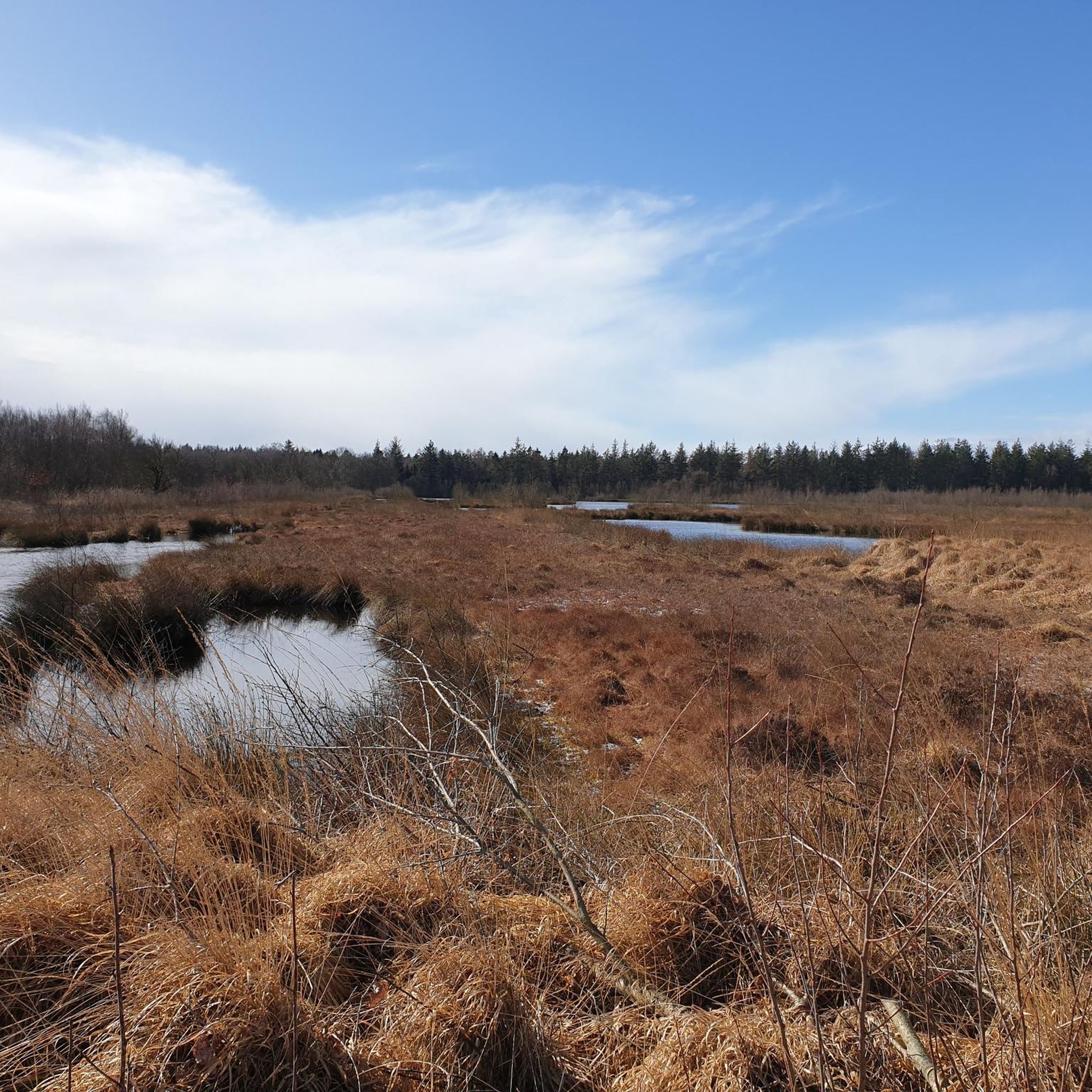
This moorland path, not mapped on Komoot, stretches for a good 1.5 kilometers in a west-east direction through the moor. Only the signposts cautiously indicate that this is a hiking option—and what a hike it is!
3
0

From the slightly elevated viewing platform, the Fockbek Moor and its inhabitants can be discovered.
0
0
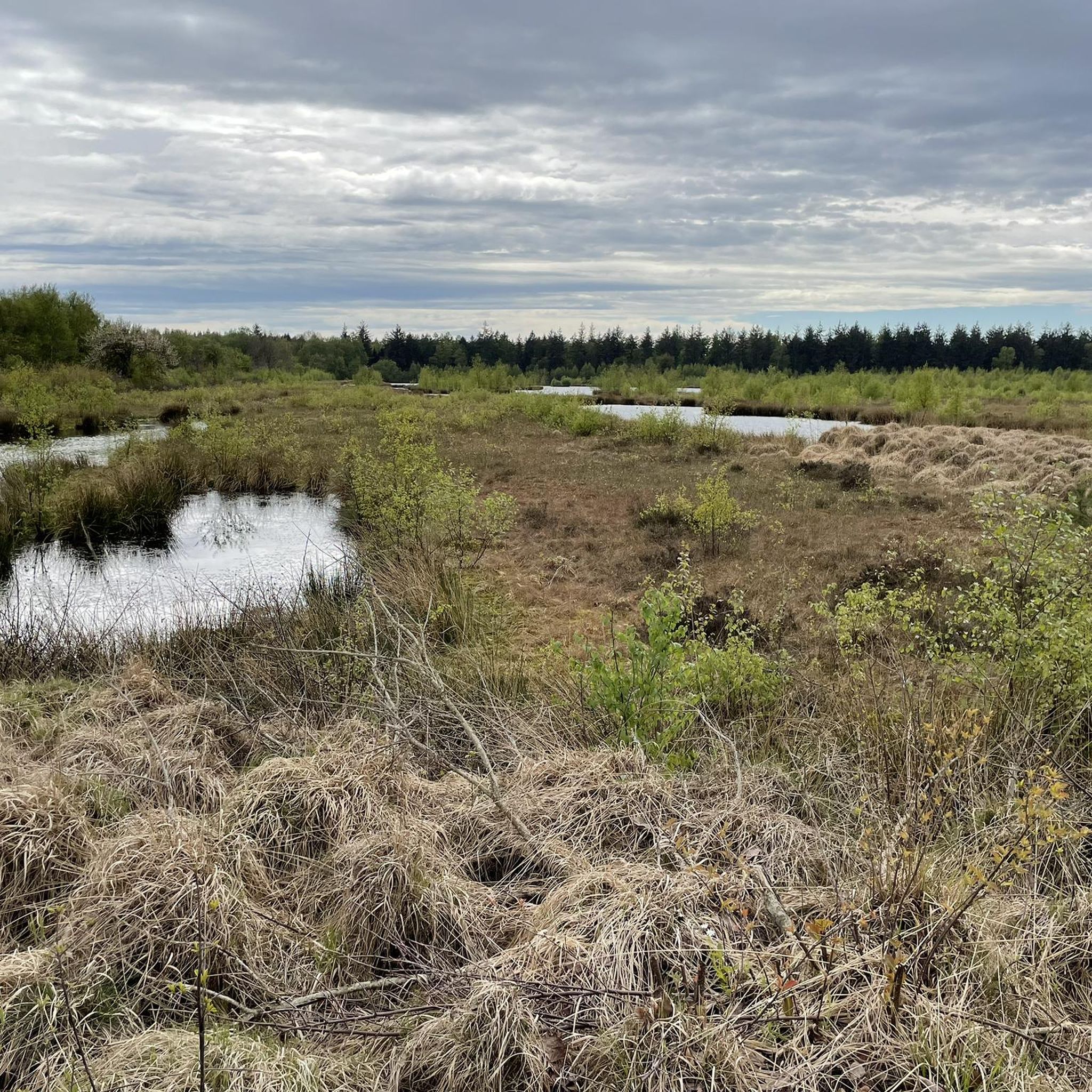
The Fockbeker Moor northwest of Rendsburg is the remnant of a former extensive heath and moor landscape. The moor, which has now been re-wetted and is regenerating, has a flora typical of high moors: Round-leaved sundew, Rosmary-leaved bog-myrtle, White beak-rush, Cranberry and Cotton grass.
5
0
The view from the observation windows onto the Fockbeker Moor is significantly restricted in late summer due to vegetation. Definitely bring binoculars.
5
0
A large, partially shaded 🅿️ is located south of the entrance to the Fockbeker Moor on Loher Straße or Loher Weg.
3
0
The Fockbek Moor Trail is much more interesting than the Duvenstedt Moor Trail to the north. It has a bird watching hut and the moor is much more "comprehensible" along the trail.
5
0
Frequently Asked Questions
What natural features can I see in Fockbeker Moor?
Fockbeker Moor is a significant high moor landscape, characterized by its peat bogs, humid heaths, and distinctive sand hills. You can observe the success of renaturation efforts, with dense floating peat moss cushions and various high moor plant species. The area is part of the Europe-wide protected area network NATURA 2000. For a comprehensive experience, explore the Fockbeker Moor Nature Reserve.
What kind of wildlife can I expect to see?
The moor is a vital habitat for numerous rare animal species. Birdwatchers can spot species like the wood sandpiper, little grebe, coot, Eurasian curlew, common snipe, redshank, and lapwing. The short-eared owl, black-headed gulls, and common gulls also breed here. You might also encounter various amphibians and reptiles, including the moor frog, grass frog, crested newt, common viper, and grass snake.
Are there hiking trails in Fockbeker Moor?
Yes, Fockbeker Moor offers several trails for exploring its unique nature. A popular option is the Moor Path in Fockbeker Moor, which provides an immersive experience. Another well-regarded route is the Fockbeker Moor Trail, known for its birdwatching opportunities and clear views of the moor.
What outdoor activities can I do near these attractions?
The Fockbeker Moor area is excellent for hiking. You can find various routes, from easy to moderate, suitable for different fitness levels. For example, there are city hikes, easy hikes, and family-friendly hikes available, allowing you to explore the natural beauty of the region.
Are there good viewpoints in Fockbeker Moor?
Yes, there is an Observation Platform at Fockbeker Moor. It provides panoramic views over the moor and is an excellent spot for birdwatching. Remember to bring binoculars, as vegetation can sometimes restrict views in late summer.
Are there family-friendly activities or trails?
Many trails in Fockbeker Moor are suitable for families. The Observation Platform is a great spot for all ages to enjoy the views and wildlife. Additionally, there are specific family-friendly hikes designed for easier access and enjoyment.
Is Fockbeker Moor accessible for wheelchairs or strollers?
While the natural moor paths can be challenging, the Fockbeker Moor Parking Area is noted as wheelchair accessible. For specific trail accessibility, it's best to check individual route descriptions, as many paths through the moor are natural and unpaved.
Are dogs allowed in Fockbeker Moor?
Generally, dogs are allowed in Fockbeker Moor, but it is crucial to keep them on a leash to protect the sensitive ecosystem and wildlife. Always follow local signage and regulations within the nature reserve.
When is the best time to visit Fockbeker Moor?
The moor offers different experiences throughout the year. Spring and early summer are excellent for birdwatching and seeing the moor flora in bloom. Autumn brings beautiful colors to the landscape. Late summer might have restricted views from the observation platform due to dense vegetation, so binoculars are recommended.
Where can I park when visiting Fockbeker Moor?
There is a designated Fockbeker Moor Parking Area located south of the entrance to the moor on Loher Straße or Loher Weg. It is a large, partially shaded parking facility.
How can I get to Fockbeker Moor by public transport?
While direct public transport links into the heart of the moor might be limited, you can typically reach the nearby municipality of Fockbek by bus. From there, you might need to walk or cycle to the nature reserve entrance. For detailed bus routes and schedules, it's advisable to check local public transport information for the Rendsburg-Eckernförde district.
Does Fockbeker Moor have any historical significance?
Yes, Fockbeker Moor has a significant history related to human interaction with its landscape. It was historically used for peat extraction, which began in 1827 to fuel the Carlshütte ironworks and continued until the 1950s. These activities shaped the moor's landscape, and ongoing conservation efforts are now focused on renaturation and restoring its natural state.
Most popular routes in Fockbeker Moor

Get inspired with the komoot mobile app


Explore more
Still not found the Highlight you’re looking for? See guides of the top attractions in other regions:
