Attractions and Places To See in Ostroher-Süderholmer Moor - Top 5
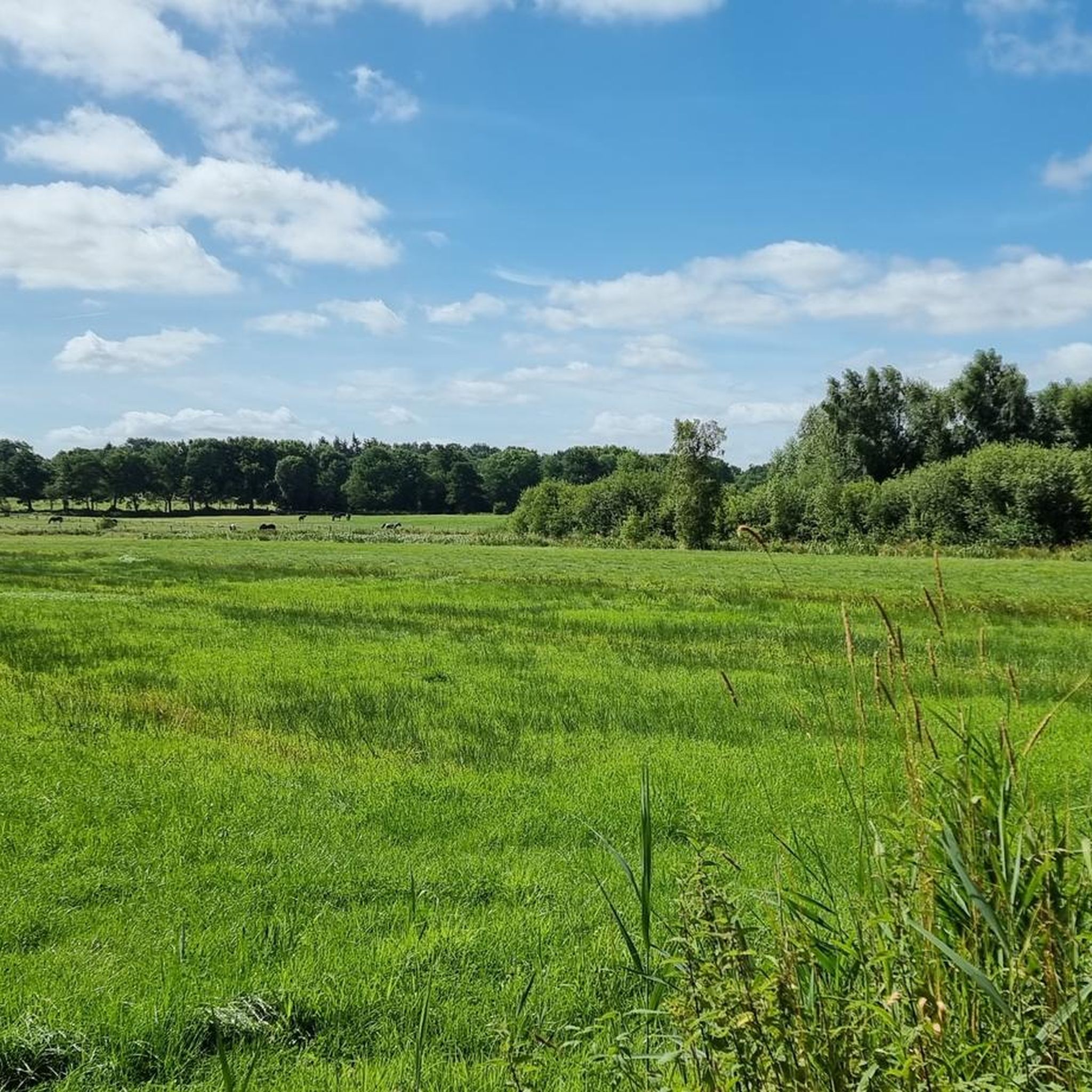
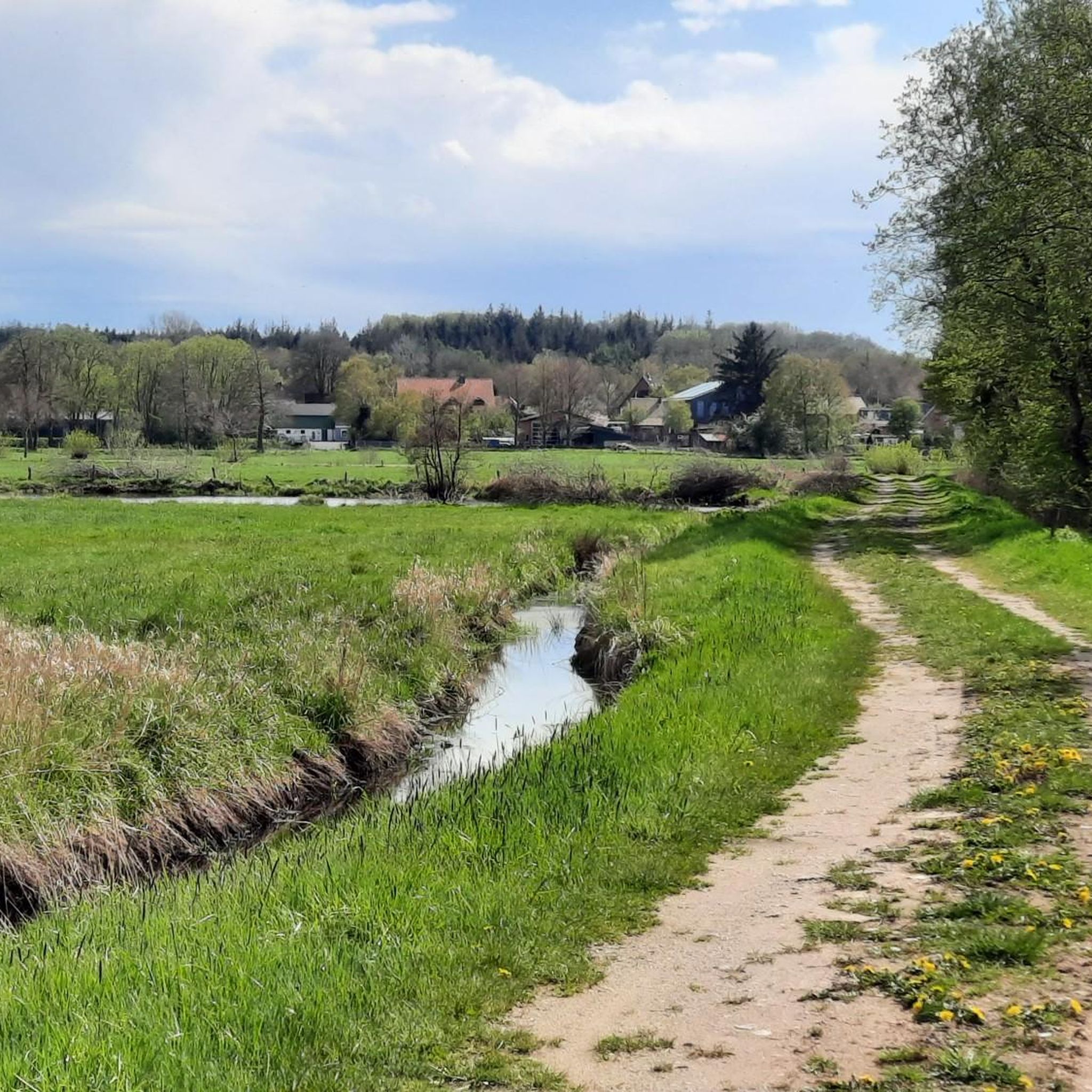
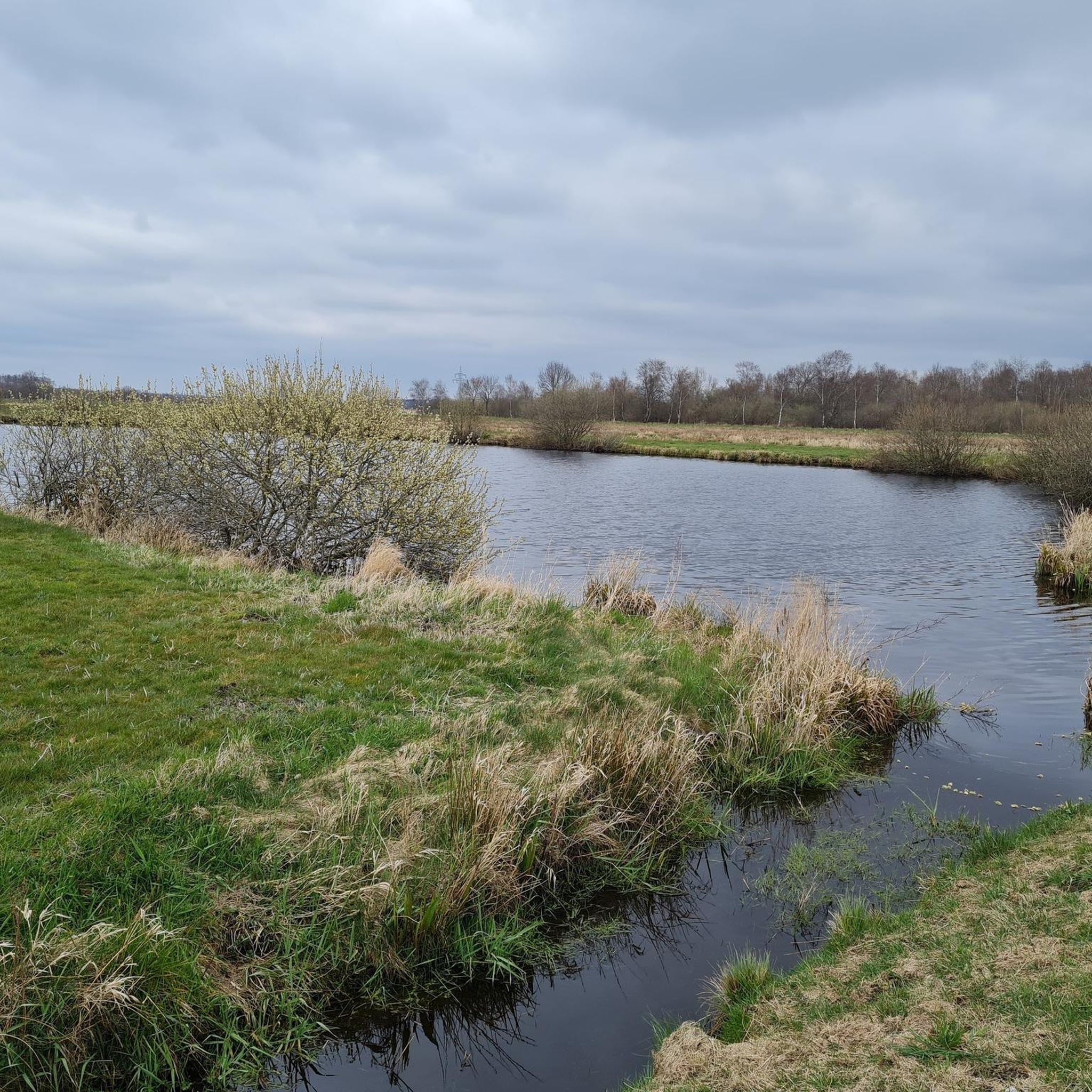
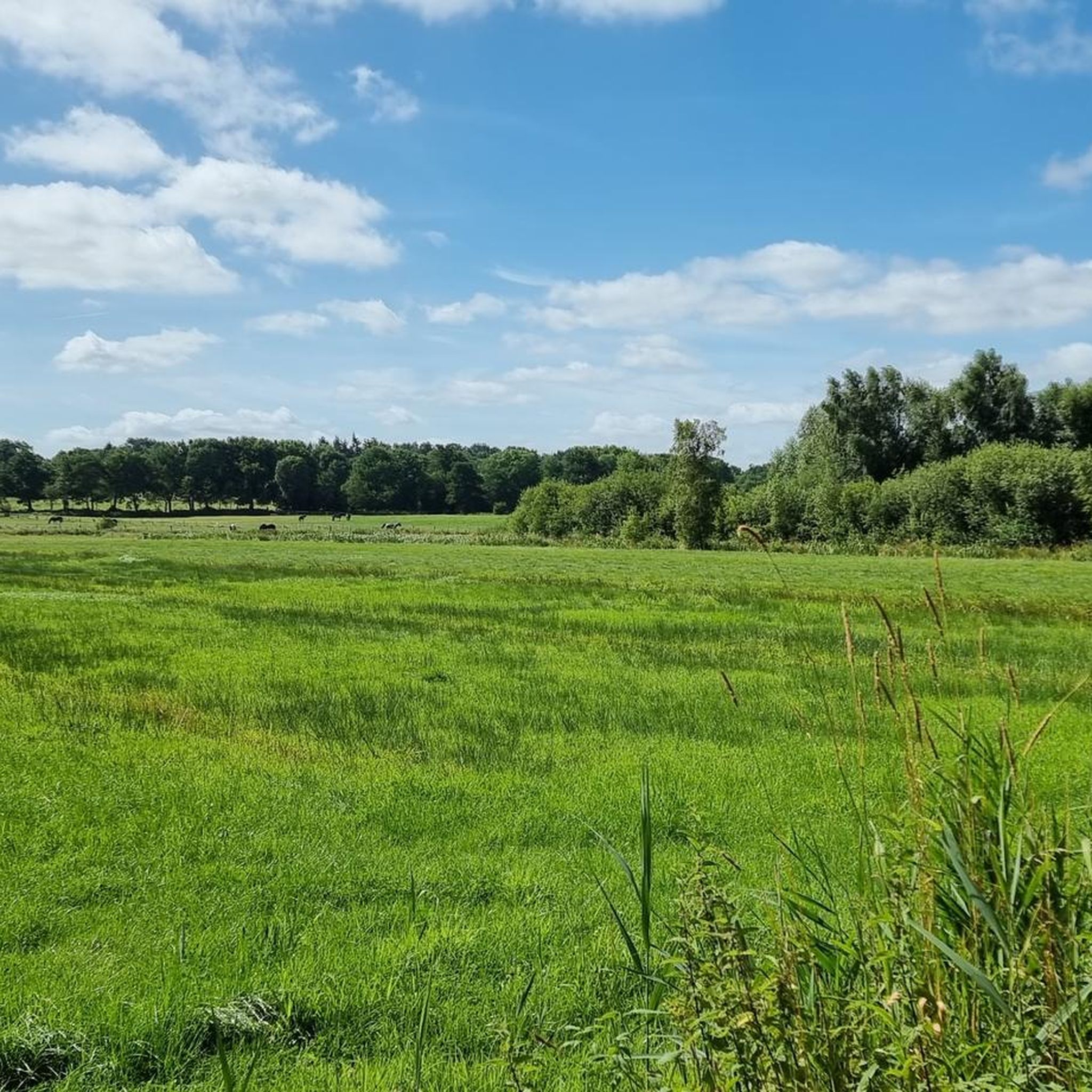
Best attractions and places to see in Ostroher-Süderholmer Moor include a protected landscape area northeast of Heide, Germany. This region features a natural environment shaped by historical peat extraction, resulting in a mosaic of water bodies, reed zones, wetlands, and grasslands. A network of paths allows visitors to explore its diverse habitats and observe characteristic flora and fauna.
Best attractions and places to see in Ostroher-Süderholmer Moor
- The most popular attractions is Moor pools in the Ostroher-Süderholmer Moor, a…
Last updated: July 5, 2026
Moor pools in the Ostroher-Süderholmer Moor
Highlight • Natural
Translated by Google •
Tip by

Pond Landscape in Ostroher-Süderholmer Moor
Highlight • Lake
Translated by Google •
Tip by
Sign up now to discover places like this
Get recommendations on the best single tracks, peaks, & plenty of other exciting outdoor places.
Sign up for free
Fishing pond at Fuchsberg
Highlight • Lake
Translated by Google •
Tip by

Picnic Spot by the Orchard Meadow, Ostroher-Süderholmer Moor
Highlight • Rest Area
Translated by Google •
Tip by
Turf Stacking and Windmill Süderholmer Moor
Highlight • Monument
torfbacken-dithmarschen.info
Translated by Google •
Tip by

Sign up for free to discover even more attractions in Ostroher-Süderholmer Moor.
Sign up for free
Already have an account?
Start today with a free account
Your next adventure awaits.
Login or Signup
Tips from the Community

A small place to rest with a beautiful view over the hollows.
0
0

The Scottish Highlanders are a peaceful breed of cattle. Everything is very slow and they don't fixate on them with their eyes. Then they get very curious. I also really liked the view of the birch forest. It may be that I'm spoiled at the moment. So I have to "earn" a hike's stars. The water areas are visited by anglers, and they drive right up to them in their cars. There are also too many tractors driving too fast on the supply routes.
5
0
In August the apples are ripe and free for everyone.
4
0
After the Second World War, peat was mined here on a large scale to a depth of six metres. This is how the peat pits, which are today's water areas, were created.
4
0
Today, the landscape is characterized by a mosaic of water areas used for sport fishing, between agricultural grassland areas. The area, which is crossed by a network of paths, also includes reed beds and fen-like wet meadows.
5
0
Today, the landscape is characterized by a mosaic of water areas used for sport fishing, between agricultural grassland areas. The area, which is crossed by a network of paths, also includes reed beds and fen-like wet meadows.
5
0
Since 1972, the moor in the valley of the upper Broklandsau northeast of Heide has been designated a protected area covering an area of 283 hectares.
5
0
After the Second World War, peat was mined here on a large scale to a depth of six metres. This is how the peat pits, which are today's water surfaces, were created.
5
0
Frequently Asked Questions
What natural features define the Ostroher-Süderholmer Moor?
The Ostroher-Süderholmer Moor is characterized by a unique landscape shaped by historical peat mining. You'll find a mosaic of water bodies, known as moor pools, extensive reed zones, wetlands, and grasslands. These Moor pools in the Ostroher-Süderholmer Moor are a direct result of past peat extraction and are now home to diverse flora and fauna.
Are there opportunities for hiking in the Ostroher-Süderholmer Moor?
Yes, the moor offers a network of well-maintained paths suitable for hiking and cycling. These trails provide a close-up experience with nature and are generally suitable for all fitness levels, including easy walks. You can find various routes, including easy hikes, in the area. For more details on routes, check out the Hiking in Ostroher-Süderholmer Moor guide.
What kind of wildlife can I expect to see in the moor?
The Ostroher-Süderholmer Moor is a haven for wildlife. You might spot various bird species like kingfishers, grey geese, great bitterns, and black terns. Otters are also present, and the endangered green hawker dragonfly can be found here. Keep an eye out for deer and the docile Scottish Highland cattle that graze in the moor.
Are there any historical or cultural points of interest in the Ostroher-Süderholmer Moor?
While there are no traditional museums, the moor itself holds significant historical value due to its past as one of Schleswig-Holstein's largest peat mining areas. The moor pools are a direct result of this history. You can visit the Turf Stacking and Windmill Süderholmer Moor or the Historic Peat Mill and Wetlands. Periodically, the local 'Förderverein Torfbacken e.V.' demonstrates the historical process of 'Torfbacken' (peat briquetting), bringing this 'living past' to life.
Is the Ostroher-Süderholmer Moor suitable for families?
Yes, the moor is family-friendly. Many paths are easy walks, and attractions like the Picnic Spot by the Orchard Meadow, Ostroher-Süderholmer Moor offer a designated resting area. The opportunity to observe wildlife and learn about the historical peat mining process can be engaging for children.
Can I go fishing in the Ostroher-Süderholmer Moor?
Yes, the numerous water bodies, particularly the former peat pits, are utilized by anglers. The Fishing pond at Fuchsberg is a notable moor pond for this activity. The local angling club, 'Früh auf' from Heide, has been involved in the preservation and care of the landscape since 1972.
What is the best time of year to visit the Ostroher-Süderholmer Moor?
The moor offers different experiences throughout the year. Spring and summer are ideal for observing diverse flora, including water lilies and royal ferns, and for birdwatching. Autumn brings beautiful colors, while winter can offer serene, crisp walks, though some paths might be muddy. Birdwatching is particularly rewarding during migration seasons.
Are there any specific viewpoints or scenic spots in the moor?
The moor pools themselves offer picturesque views, reflecting the surrounding nature. The area around the Fishing pond at Fuchsberg is noted for wildlife observation, providing scenic moments. The general landscape, with its mosaic of water and wetlands, provides many opportunities for tranquil views.
What are the options for cycling in the Ostroher-Süderholmer Moor?
The Ostroher-Süderholmer Moor is popular for cycling, with routes that allow you to explore its natural beauty. You can find various cycling tours, including gravel biking options, that traverse the area. For detailed routes, refer to the Gravel biking in Ostroher-Süderholmer Moor guide.
What plants are characteristic of the Ostroher-Süderholmer Moor?
The moor's diverse ecosystem supports a variety of plants. You can find water lilies, pondweeds, and water soldier in the re-naturalized peat pits. Reed belts and shorelines feature common reed, bulrushes, and bogbean. Notably, the royal fern, a rare plant in Dithmarschen, can also be found here.
Are dogs allowed in the Ostroher-Süderholmer Moor?
The Ostroher-Süderholmer Moor is generally dog-friendly, with many paths suitable for walking your dog. However, as it is a protected landscape area with diverse wildlife and grazing Scottish Highland cattle, it is important to keep dogs on a leash and ensure they do not disturb the natural environment or other visitors.
What do visitors enjoy most about the Ostroher-Süderholmer Moor?
Visitors particularly appreciate the tranquil natural environment and the opportunity for peaceful walks and wildlife observation. The unique landscape, shaped by the historical peat mining, offers a distinct experience. Many enjoy the quiet spots for a break, such as the Picnic Spot by the Orchard Meadow, Ostroher-Süderholmer Moor.
Most popular routes in Ostroher-Süderholmer Moor

Get inspired with the komoot mobile app


Explore more
Still not found the Highlight you’re looking for? See guides of the top attractions in other regions:
