The best cycling routes in Mönchsbruch
4.4
(964)
3,908
riders
295
rides
Touring cycling routes in Mönchsbruch traverse Hessia's second-largest nature reserve, spanning 937 hectares. This region is characterized by a unique wetland ecosystem, featuring lush forests, including ancient alder and oak stands, as well as significant alluvial forests. Cyclists will find extensive wet meadows, swamps, and water ditches, alongside the Mönchbruchweiher pond. The terrain is generally flat, with minimal elevation changes, making it suitable for various touring cycling abilities.
Best touring cycling routes in Mönchsbruch
- The most popular touring cycling route…
Last updated: July 1, 2026
1.0
(1)
3
riders
30.3km
02:23
130m
130m
Moderate bike ride. Good fitness required. Mostly paved surfaces. Suitable for all skill levels.
4
riders
Easy bike ride. Great for any fitness level. Mostly paved surfaces. Suitable for all skill levels.

Sign up for free
2
riders
15.6km
00:56
60m
60m
Easy bike ride. Great for any fitness level. Mostly paved surfaces. Suitable for all skill levels.
3.7
(3)
8
riders
30.7km
01:53
140m
140m
Easy bike ride. Great for any fitness level. Mostly paved surfaces. Suitable for all skill levels.
3
riders
14.6km
01:04
50m
50m
Hard bike ride. Great for any fitness level. You may need to push your bike for some segments of this route.
Get access to more routes and recommendations from other explorers.
Sign up for free
Already have an account?
Our route recommendations are based on thousands of hikes, rides, and runs completed by other people on komoot.
Start today with a free account
Your next adventure awaits.
Login or Signup
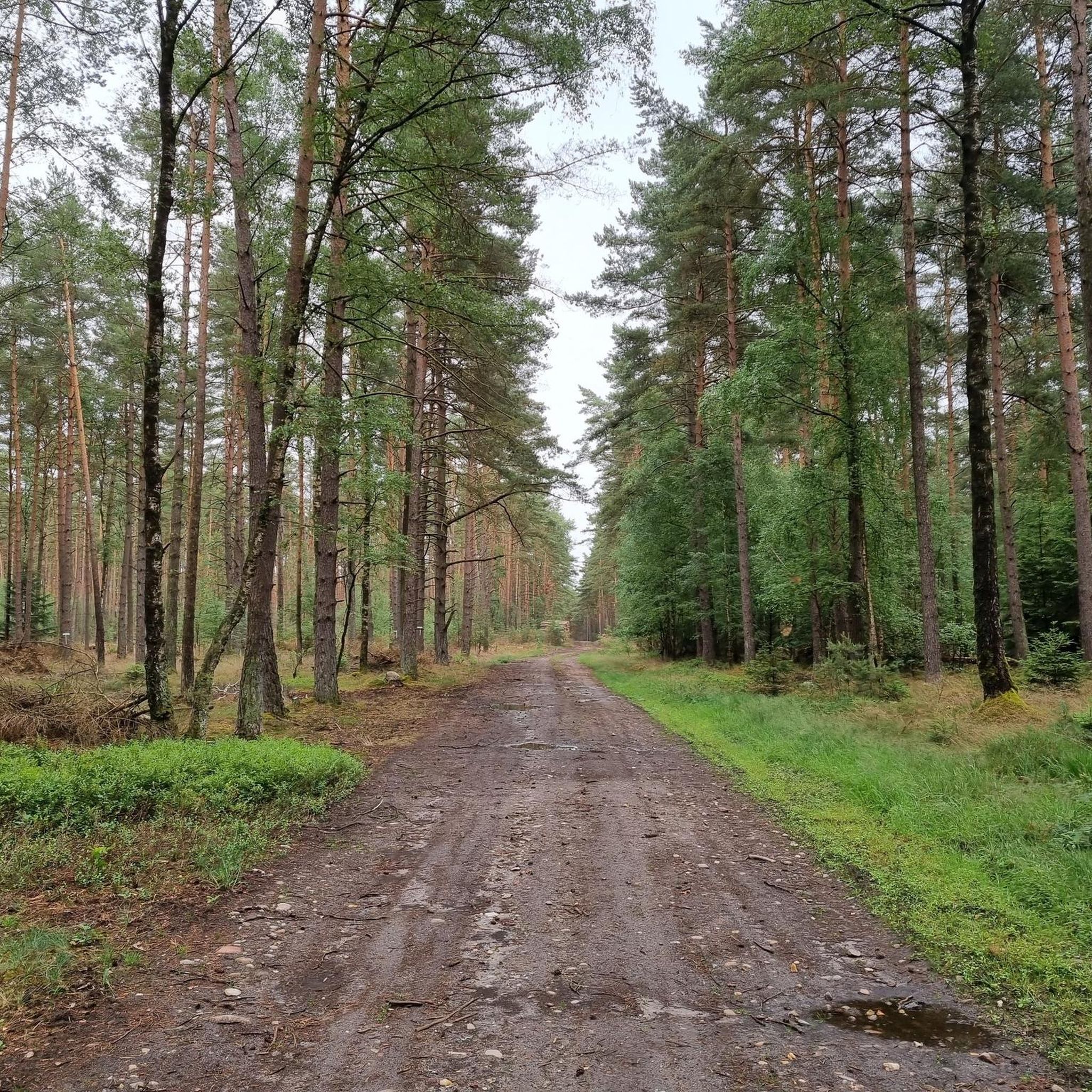
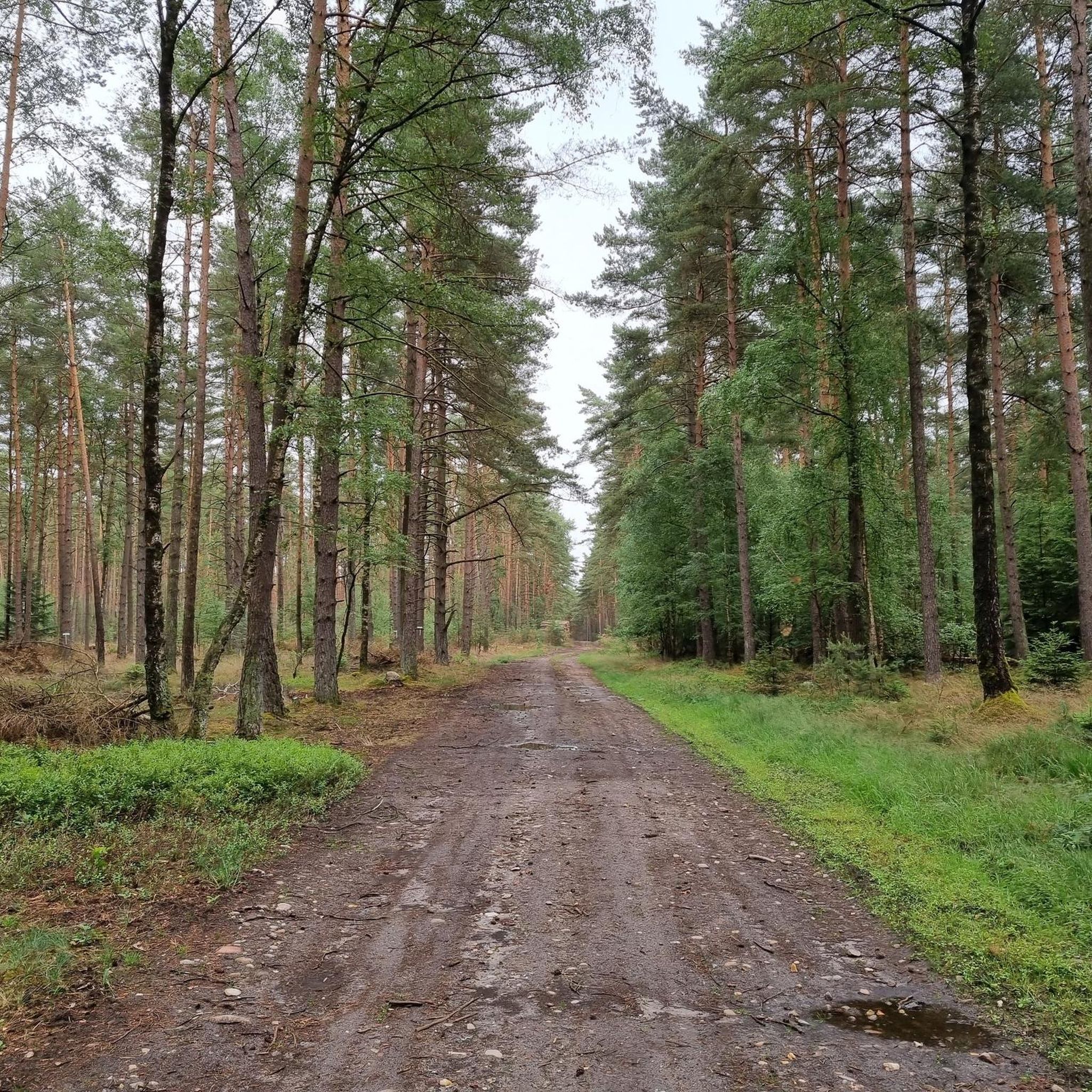
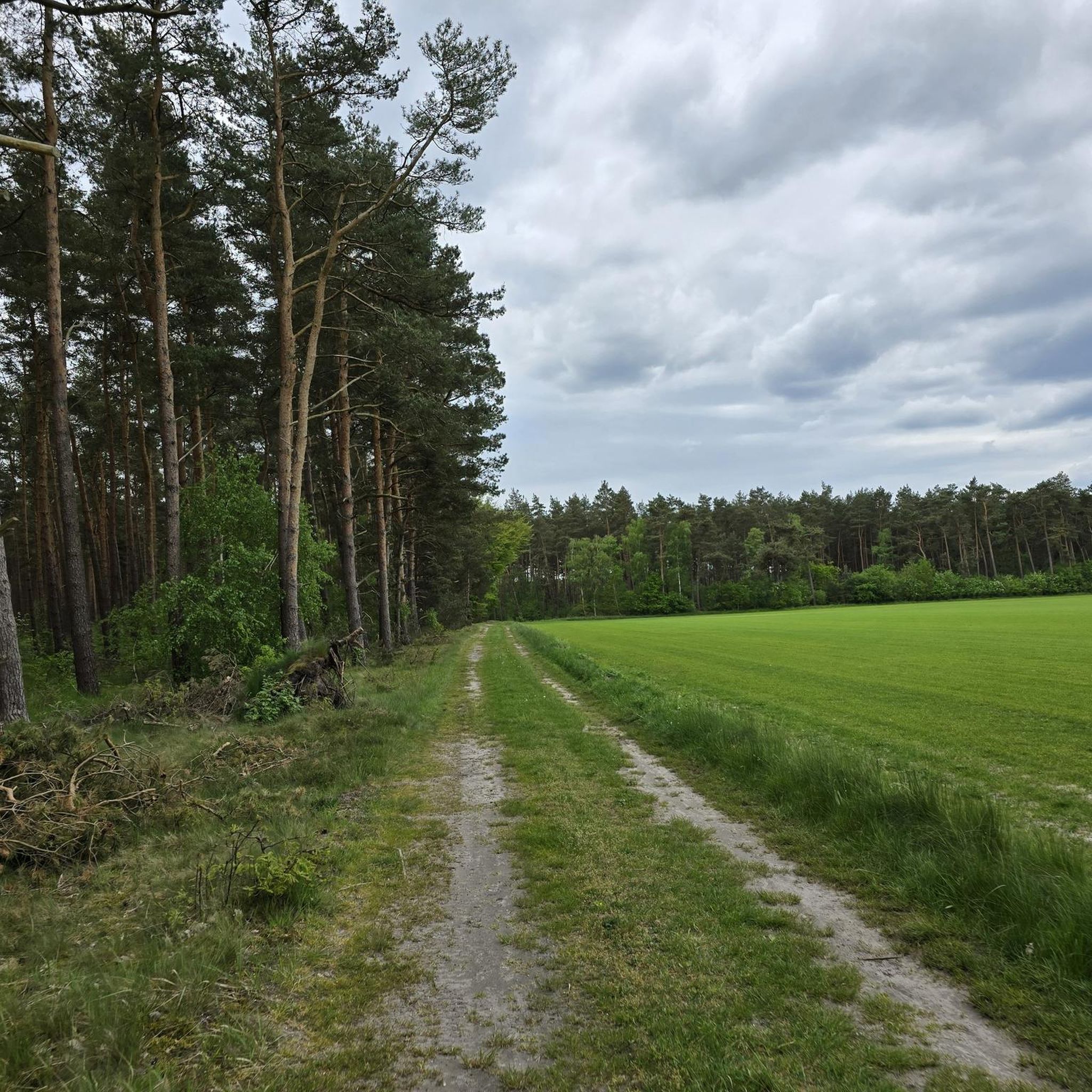
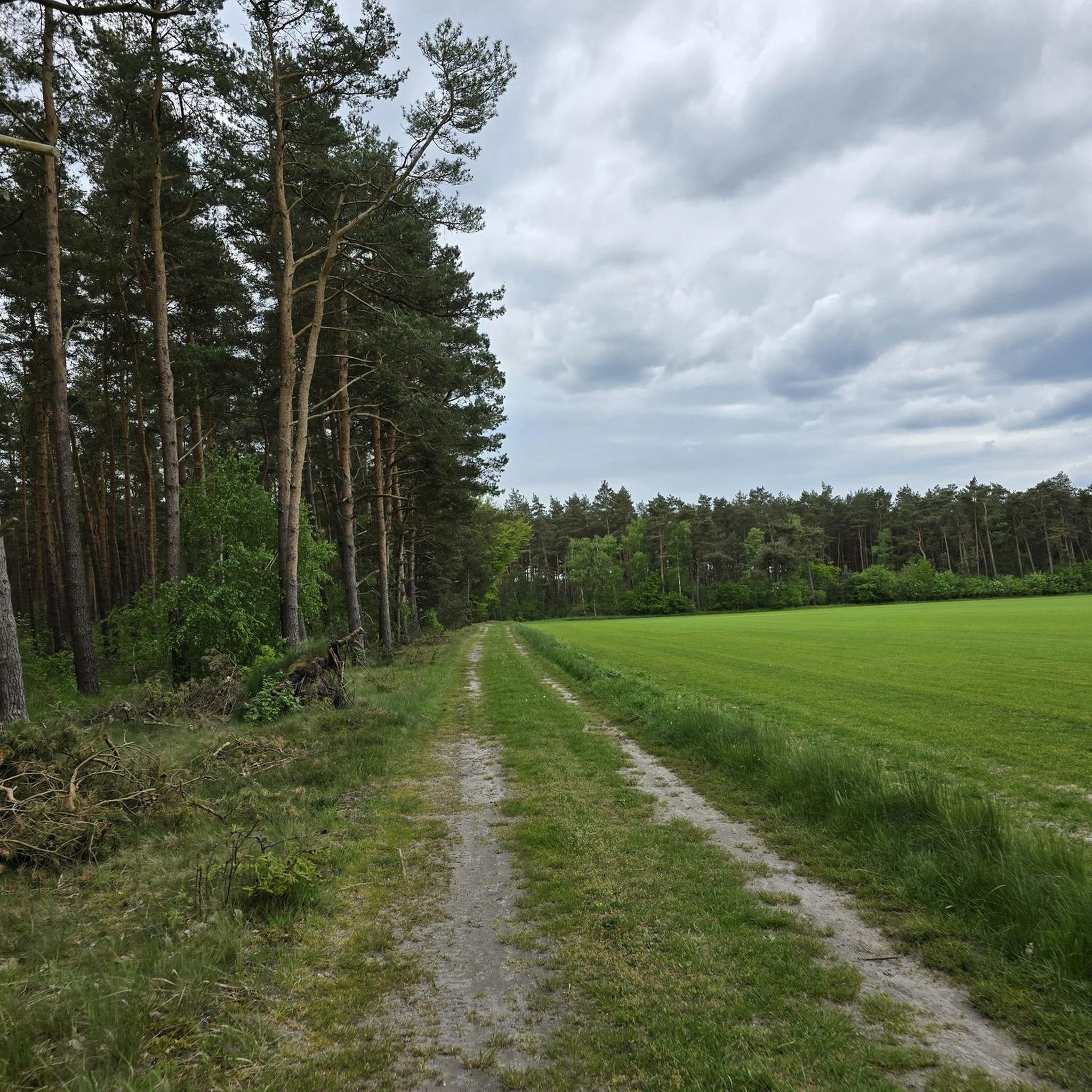

Tips from the Community

Fantastically beautiful landscape. This is how you imagine the Lüneburger Heide.
0
0

The Ilmenau is an 86 km long, or 125 km long including its source stream Stederau, left and southern tributary of the Elbe in northeastern Lower Saxony. It also flows through Uelzen, as seen here.
0
0
Here you can enjoy a beautiful view of the Ilmenau river.
1
0

The romantic heathland village of Bohlsen lies idyllically on the banks of the Gerdau, one of the region's most pristine rivers. The village, with its approximately 600 inhabitants, is characterized by a close-knit community that ensures the preservation of its regionally typical character. For these efforts, Bohlsen was awarded the gold medal in the "Our Village Should Become More Beautiful" competition.
0
0

They grind, process, and sell regional delicacies – muesli, snacks, crispbread, etc. – all organic! There's a playground on the banks of the Gerdau River, a wonderful spot for a little snack break.
0
0

The Mill in Bohlsen: History and Present The Bohlsen Mill, idyllically situated on the edge of the village street, is a striking example of regional craftsmanship. Originally used as a grain mill, the charming, partially restored building has shaped the village landscape for decades and tells stories of early recordings, the sounds of milling, and a long community tradition. Historical Background Year of Construction and Type: The mill dates back to the 19th century and is typically owned by the local watermill families that utilized the surrounding watercourses. Function: Primarily for milling grain for the village community; occasionally supplemented by various agricultural uses. Change: With technological change and changes in agricultural structures, the mill gradually lost its original purpose and was modernized or rebuilt in several phases. Architecture and Layout External Appearance: The building exhibits characteristic features of a historic mill – robust construction, half-timbered or plastered facades, and a narrow tower/chimney, often connected to the milling equipment inside. Surroundings: Surrounded by green spaces, the mill blends harmoniously into the rural fabric of Bohlsen and serves as a magnet for walkers and those interested in local history. Present and Use Cultural and Educational Center: In many villages, the mill is now the site of cultural-historical exhibitions, local tours, or small events. Management: Depending on ownership and funding opportunities, the mill is maintained, sometimes through support associations, municipal support, or private initiatives. Significance for Bohlsen: As a constant reminder of the artisanal heritage, the mill strengthens awareness of regional history and promotes tourism and local identity. Outlook: Bohlsen's Mill remains an important component of the region's historical heritage. Through careful maintenance and possible openings to the public, it could become an even more vibrant place of learning and a magnet for visitors in the future.
0
0

The Ilmenau is an 86-kilometer-long (125-kilometer-long with its source, the Stederau) left and southern tributary of the Elbe in northeastern Lower Saxony. With an average water flow of around 18 cubic meters per second, it is by far the largest river in the Lüneburg Heath. From the northwest edge of the Brausebrücke bridge at the Abtsmühle in Lüneburg to its confluence with the Elbe at km 599, it is a federal waterway,[6] for which the Elbe Waterways and Shipping Authority is responsible. [https://de.wikipedia.org/wiki/Ilmenau_(Fluss)]
0
0

It's a good place to take a break.
0
0
Frequently Asked Questions
How many touring cycling routes are available in Mönchsbruch?
Mönchsbruch offers a wide selection of touring cycling routes, with over 300 options recorded on komoot. These routes cater to various preferences, including easy paths, moderate trails, and some more challenging rides.
What is the best time of year for touring cycling in Mönchsbruch?
The spring and summer months are particularly pleasant for touring cycling in Mönchsbruch. In spring, you can experience the unique scent of wild garlic, and the observation tower offers excellent birdwatching opportunities. The lush forests and wet meadows are vibrant during these seasons.
Are there easy touring cycling routes suitable for beginners or families in Mönchsbruch?
Yes, Mönchsbruch has a good selection of easy touring cycling routes, with over 150 options. These routes are generally flat with minimal elevation changes, making them ideal for beginners or families. An example is the Bohlsen Mill – Bohlsener Mill on the River Gerdau loop from Gerdau, which is an easy 13.4 km path exploring wetlands and forests.
What kind of landscapes can I expect to see while cycling in Mönchsbruch?
Mönchsbruch, as Hessia's second-largest nature reserve, offers diverse landscapes. You'll cycle through a unique wetland ecosystem featuring lush forests, including ancient alder and oak stands, significant alluvial forests, extensive wet meadows, swamps, and water ditches. The Mönchbruchweiher pond is another beautiful natural feature you might encounter.
Are there any moderate touring cycling routes in Mönchsbruch?
Absolutely. For those looking for a bit more challenge, Mönchsbruch features nearly 90 moderate touring cycling routes. A popular choice is the Ellendorf Juniper Heath – Ellerndorf Juniper Heath loop from Gerdau, a 30.3 km route that takes about 2 hours and 22 minutes to complete, winding through diverse natural landscapes.
What attractions or points of interest can I visit along the touring cycling routes?
Beyond the natural beauty, Mönchsbruch offers several points of interest. You can visit the historical Mönchbruch hunting lodge, built around 1730, or stop for refreshment at the Mönchbruchmühle Müllerstube beer garden. An observation tower within the nature reserve also provides excellent opportunities for birdwatching.
Are there any longer touring cycling routes for experienced cyclists?
Yes, Mönchsbruch offers several longer routes for more experienced touring cyclists. For example, the Ilmenau Bridge – Uelzen's Historic Old Town loop from Gerdau is an easy 30.5 km route that takes approximately 1 hour and 52 minutes, allowing for a longer exploration of the area.
What do other touring cyclists say about the routes in Mönchsbruch?
The touring cycling routes in Mönchsbruch are highly regarded by the komoot community, holding an average rating of 4.5 stars from over 960 reviews. More than 3,900 touring cyclists have used komoot to explore the varied terrain, often praising the well-maintained paths and the serene natural environment.
Are there any circular touring cycling routes in Mönchsbruch?
Many of the touring cycling routes in Mönchsbruch are designed as loops, offering convenient circular journeys. An example is the Bridge Over the Gerdau – Bohlsen Mill loop from Gerdau, a 15.6 km trail that leads through rich biodiversity and ancient forests.
Can I find challenging touring cycling routes in Mönchsbruch?
While Mönchsbruch is generally known for its flat terrain, there are still challenging options available. The region offers nearly 60 difficult touring cycling routes for those seeking a more strenuous ride. An example is the Bridge Over the Gerdau – Bohlsen Mill loop from Bargfeld, a 14.8 km route classified as difficult.
Is Mönchsbruch suitable for birdwatching while cycling?
Absolutely. Mönchsbruch is a nature reserve rich in biodiversity, home to various bird species such as storks, herons, and black kites. There's even an observation tower specifically for birdwatching, making it an excellent destination for cyclists who enjoy observing wildlife.
What kind of wildlife might I encounter on a touring bike ride in Mönchsbruch?
Mönchsbruch is a habitat for diverse wildlife. Besides over 540 plant species, you might spot fallow deer, storks, herons, black kites, and various waterfowl like swans and geese, particularly around the Mönchbruchweiher pond.
Most popular routes in Mönchsbruch

Get inspired with the komoot mobile app


Explore more
Browse the best Cycling routes in other regions.
