Top 20 Castles around Leutenberg
Best castles around Leutenberg are situated in a region rich in history, featuring a mix of historical castle complexes and ruins. The area, including the Sormitz Valley and Orlatal valley, provides a setting for these historical sites. Some castles have origins dating back to the 9th century, offering insights into medieval architecture and regional heritage. The surrounding landscape provides various attractions near Leutenberg, including historical sites and viewpoints.
Best castles around Leutenberg
- The most popular castles is Wysburg Castle Ruins…
Last updated: October 9, 2026
Wysburg Castle Ruins
Highlight • Castle
Translated by Google •
Tip by

Lauenstein Castle
Highlight • Castle
Translated by Google •
Tip by

Sign up now to discover places like this
Get recommendations on the best single tracks, peaks, & plenty of other exciting outdoor places.
Ranis Castle
Highlight • Castle
Translated by Google •
Tip by

Obernitz Castle and Church
Highlight • Castle
The tower hill castle Obernitz was mentioned as early as 1152. The Lords of Obernitz have …
Translated by Google •
Tip by

Wetzelstein Manor
Highlight • Castle
Translated by Google •
Tip by

Sign up for free to discover even more castles around Leutenberg.
Already have an account?
Start today with a free account
Your next adventure awaits.
Popular around Leutenberg
Play, nature and good fun – family hikes in the Thuringian Forest
Outdoor time – hikes to help you unwind in Thuringia
Thuringia's Primeval Forests of Tomorrow

Sommerfrische: Wanderungen mit Badepause – Erfurter Bahn
Die Nationalen Naturlandschaften in Thüringen
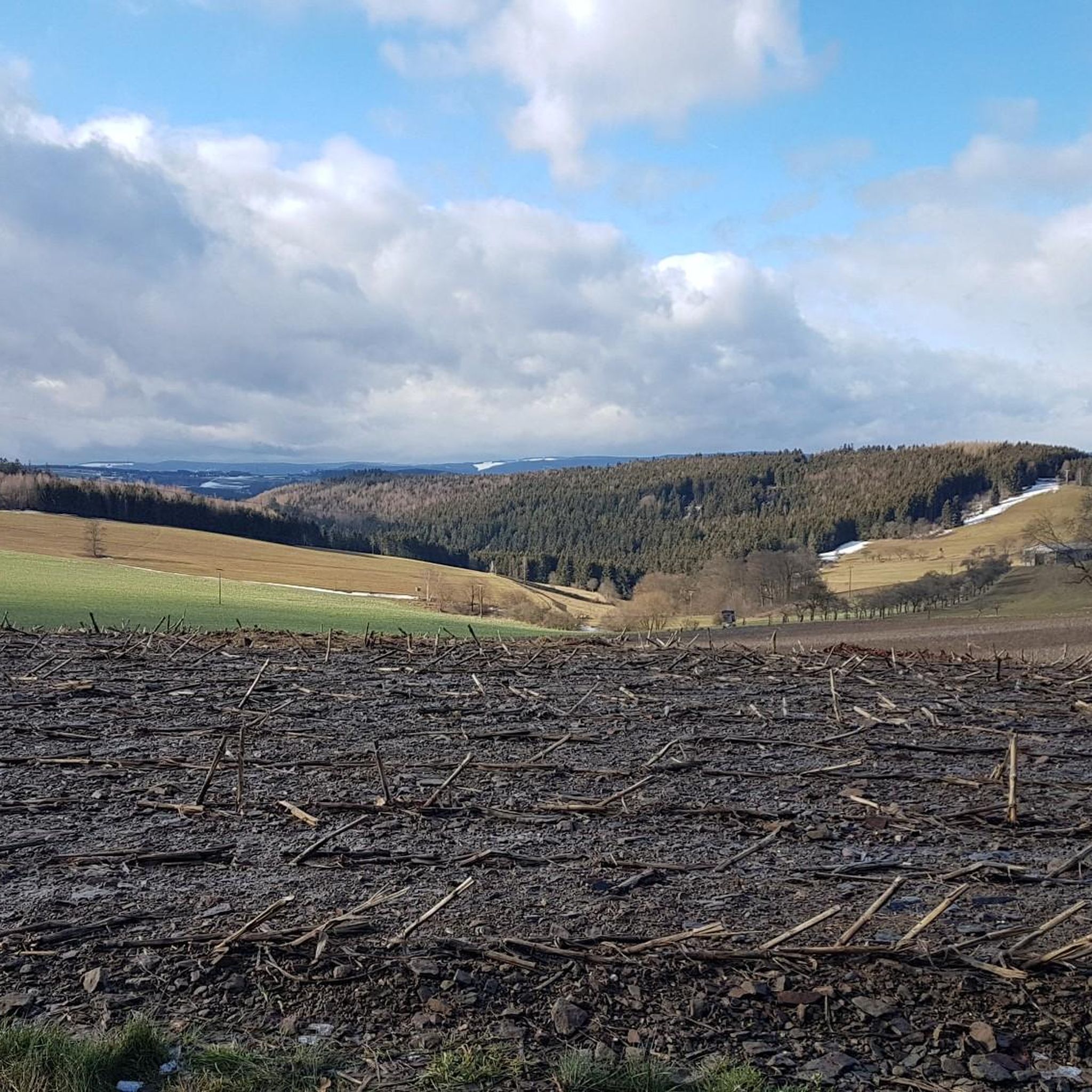
Hiking around Leutenberg
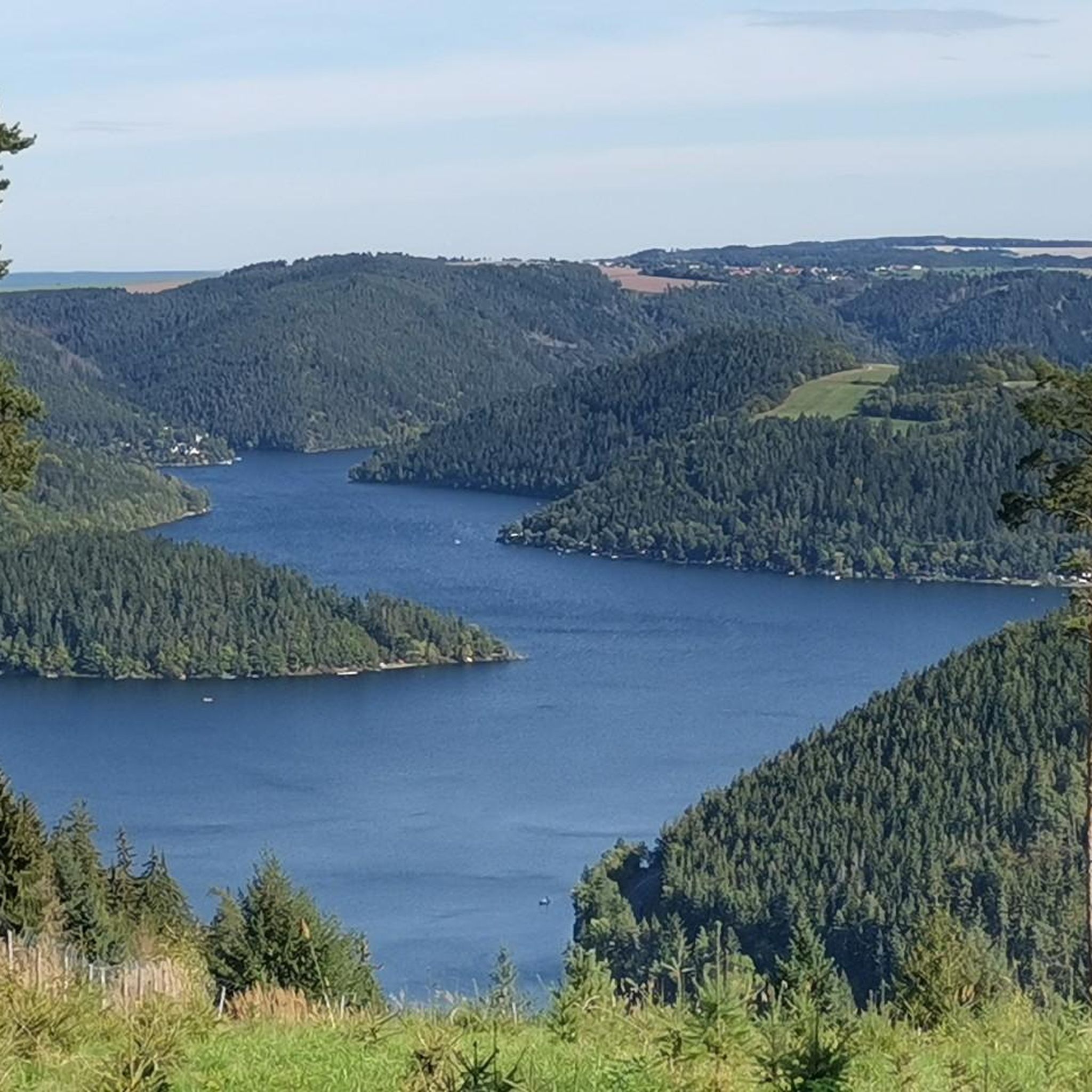
MTB Trails around Leutenberg
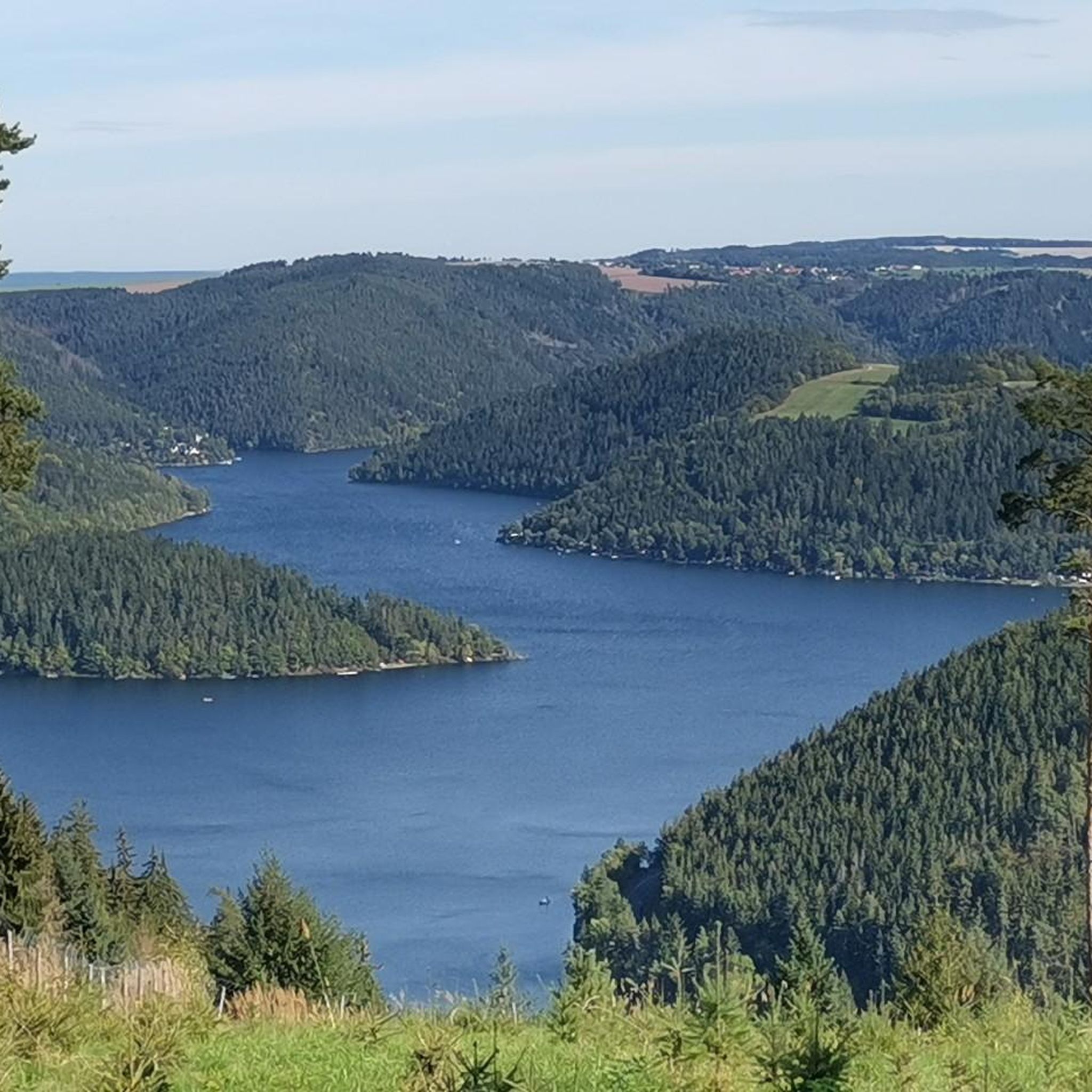
Cycling around Leutenberg
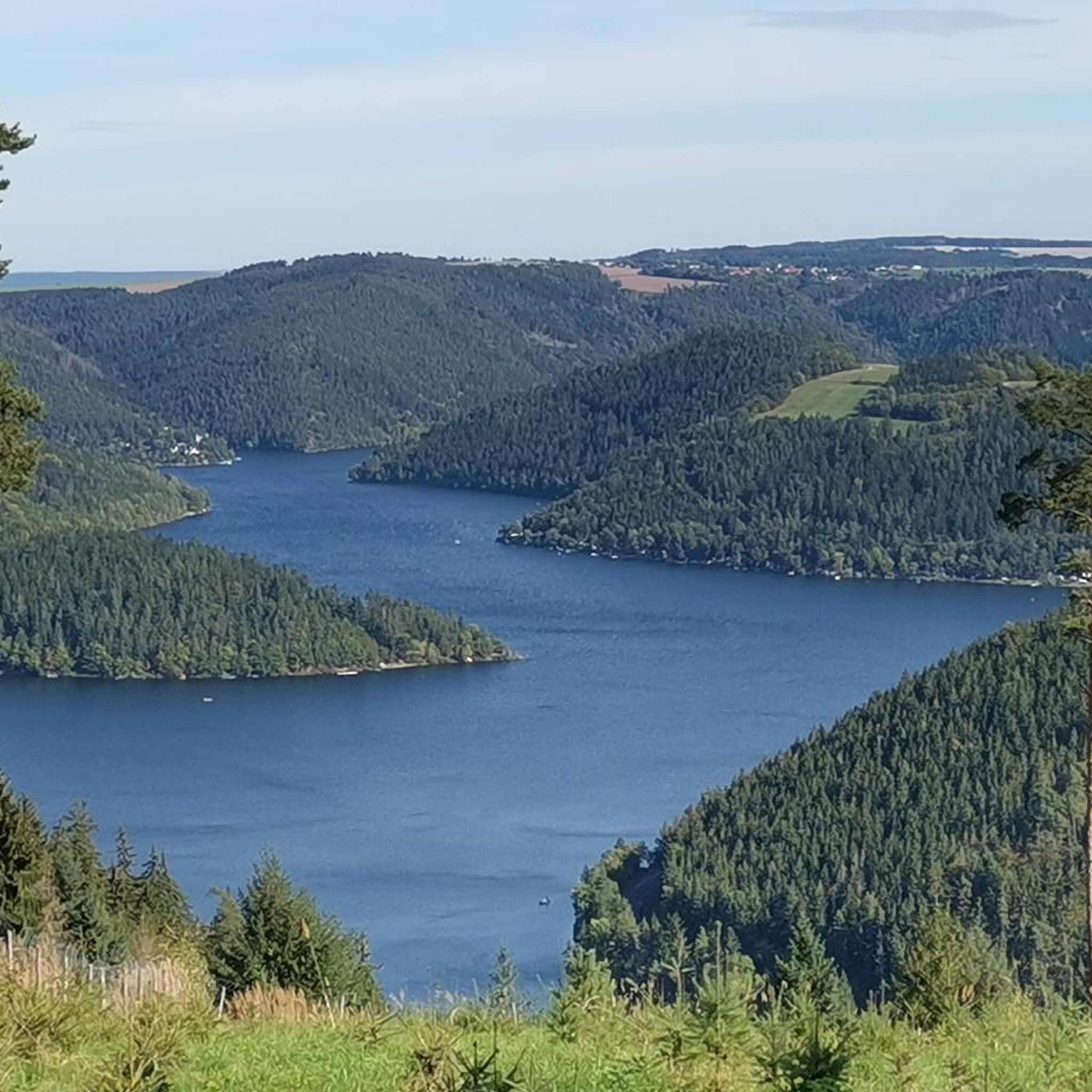
Road Cycling Routes around Leutenberg
Running Trails around Leutenberg
Other adventures around Leutenberg


Tips from the Community


This hilltop castle, originally part of the Orlagau region, was built over a thousand years ago in the midst of a clearing on the upper reaches of the Saale River and its tributary, the Loquitz. It was first mentioned in a document from 1222. Via the Counts of Orlamünde (1250) and the Knights of Ghüna (1506), the castle finally passed to the Margraves of Brandenburg-Kulmbach and Bayreuth in 1622, falling to Prussia in 1791 and Bavaria in 1803. In 1896, the castle romanticist Dr. Erhard Messmer from Halle an der Saale acquired the completely neglected castle complex, had it renovated, and refurbished. Katharina von Orlamünde was born at Lauenstein Castle in the 14th century. She is said to haunt the castle to this day as the restless ghost known as the "White Lady."
16
0
After the castle romanticist Dr. Ehrhard Messmer from Halle an der Saale purchased the dilapidated Lauenstein Castle in 1896, he had the building renovated in the historicist style. This included the restoration of the bridge over the moat leading up to the historic castle gate.
13
0

Once the castle is renovated, it will surely be a wonderful sight. It could be used for many purposes: a café or exhibitions.
1
0
It's a beautiful setting with a magnificent park and animal enclosures with kangaroos and pheasants. You can stay here in stately style at a hefty price – a night with breakfast for two people costs ONLY €250! But it was a beautiful sight for us.
1
0


There has been a fortification on the castle hill since the 11th century. In 1084, Emperor Henry IV enfeoffed Wiprecht von Groitzsch, the later Margrave of Meissen and Lusatia, with the Castrum Ranis - the first documented mention. (Wikipedia)
25
0

In the end, it was very worth seeing and informative, and the museum staff were also super friendly.
11
0
Frequently Asked Questions
What are some of the most notable castles to visit around Leutenberg?
The region around Leutenberg features several historically significant castles. Among them, the Wysburg Castle Ruins offer a reconstructed complex with archaeological evidence of a castle siege. Lauenstein Castle is a picturesque hilltop castle with a rich history, renovated in the historicist style. Another must-see is Ranis Castle, a well-preserved fortress housing a museum and offering panoramic views.
Are there any family-friendly castles in the Leutenberg area?
Yes, several castles in the area are suitable for families. Lauenstein Castle is considered a fairytale castle and a worthwhile destination for children. Ranis Castle houses the Museum Burg Ranis with exhibitions on geology and the Ice Age, and its accessible keep provides an engaging experience for all ages. Eyba Castle is also noted as family-friendly.
What kind of historical insights can I gain from visiting these castles?
The castles around Leutenberg offer a deep dive into regional history. For instance, Wysburg Castle Ruins provide archaeological evidence of a medieval castle siege. Ranis Castle, dating back to the 12th century, features a museum with insights into the region's geology and Ice Age, alongside its medieval past. Schloss Friedensburg in Leutenberg, though now a hospital, has a history stretching back to the 9th century as a hill fort and later a ducal residence, showcasing centuries of architectural evolution.
Can I explore the interior of Schloss Friedensburg in Leutenberg?
Schloss Friedensburg, originally Burg Leutenberg, is a significant historical landmark. However, it has been comprehensively restored and serves as a specialized dermatological hospital since the early 1990s. This means that public access to the interior for tourism purposes is highly restricted, if available at all. Visitors can appreciate its imposing exterior and historical architecture from a distance, understanding its past as a ducal residence.
Are there hiking trails near the castles around Leutenberg?
Yes, the region offers numerous hiking opportunities. For example, a wonderful nature trail starts near Lauenstein Castle, leading down to the chocolate factory or Probstzella. You can find various hiking routes, including the 'On the trail of the fire salamander: children's trail in Leutenberg' and the 'Urwaldpfad Leutenberg', by exploring the hiking guide for Leutenberg.
What outdoor activities are available near the castles, besides hiking?
Beyond hiking, the area around Leutenberg provides excellent opportunities for cycling. You can explore various routes for both road cycling and mountain biking. For detailed routes, check out the road cycling guide and the MTB trails guide for Leutenberg. These guides feature routes with varying difficulty levels, such as the 'Eichicht Dam and Power Station loop' for road cycling or the 'Schiefergebirgstrophy' for mountain biking.
Which castles offer good viewpoints or panoramic views?
Many castles in the region are situated to offer excellent views. Ranis Castle, perched on a rugged rock massif, provides wonderful panoramic views over the town of Ranis and the Orlatal valley from its accessible keep. Lauenstein Castle, a hilltop castle, also offers scenic vistas of the surrounding landscape.
What do visitors enjoy most about the castles around Leutenberg?
Visitors frequently praise the historical significance and the well-preserved nature of many sites. The reconstructed complex of Wysburg Castle Ruins is highlighted for its attention to detail. The museum and cultural events at Ranis Castle are also highly appreciated. Many find Lauenstein Castle to be a 'fairytale castle' that has resisted commercialization, offering a truly authentic experience.
Is there a castle with a restaurant or cafe nearby?
Yes, Eyba Castle, a three-storey Renaissance complex, functions as a conference venue and includes a restaurant, making it a convenient stop for refreshments during your visit.
Are there any castles that are still inhabited or used for residential purposes?
Yes, Obernitz Castle, though in need of refurbishment, serves as a residence for several families. Its history dates back to a tower hill castle mentioned in 1152, later becoming a Renaissance castle.
What is the best time of year to visit the castles in this region?
The castles in the Leutenberg area can be enjoyed throughout the year. Spring and autumn offer pleasant temperatures for exploring the outdoor grounds and nearby hiking trails, with vibrant foliage in autumn. Summer provides longer daylight hours for extensive visits. While winter can be colder, some castles may offer a unique, serene atmosphere, though it's always advisable to check specific opening hours and accessibility during this season.
Can I find information about the geology or natural history of the area at any of the castles?
Yes, Ranis Castle is an excellent place for this. Its museum, Museum Burg Ranis, features permanent exhibitions on the geology of the Orlatal valley and provides a 'Glimpse into the Ice Age,' offering fascinating insights into the natural history of the region.
Most popular routes around Leutenberg
Most popular attractions around Leutenberg

Get inspired with the komoot mobile app


Explore more
Looking for the best castles somewhere else? Discover other guides around Leutenberg:
