Attractions and Places To See in Lonnekerberg - Top 11
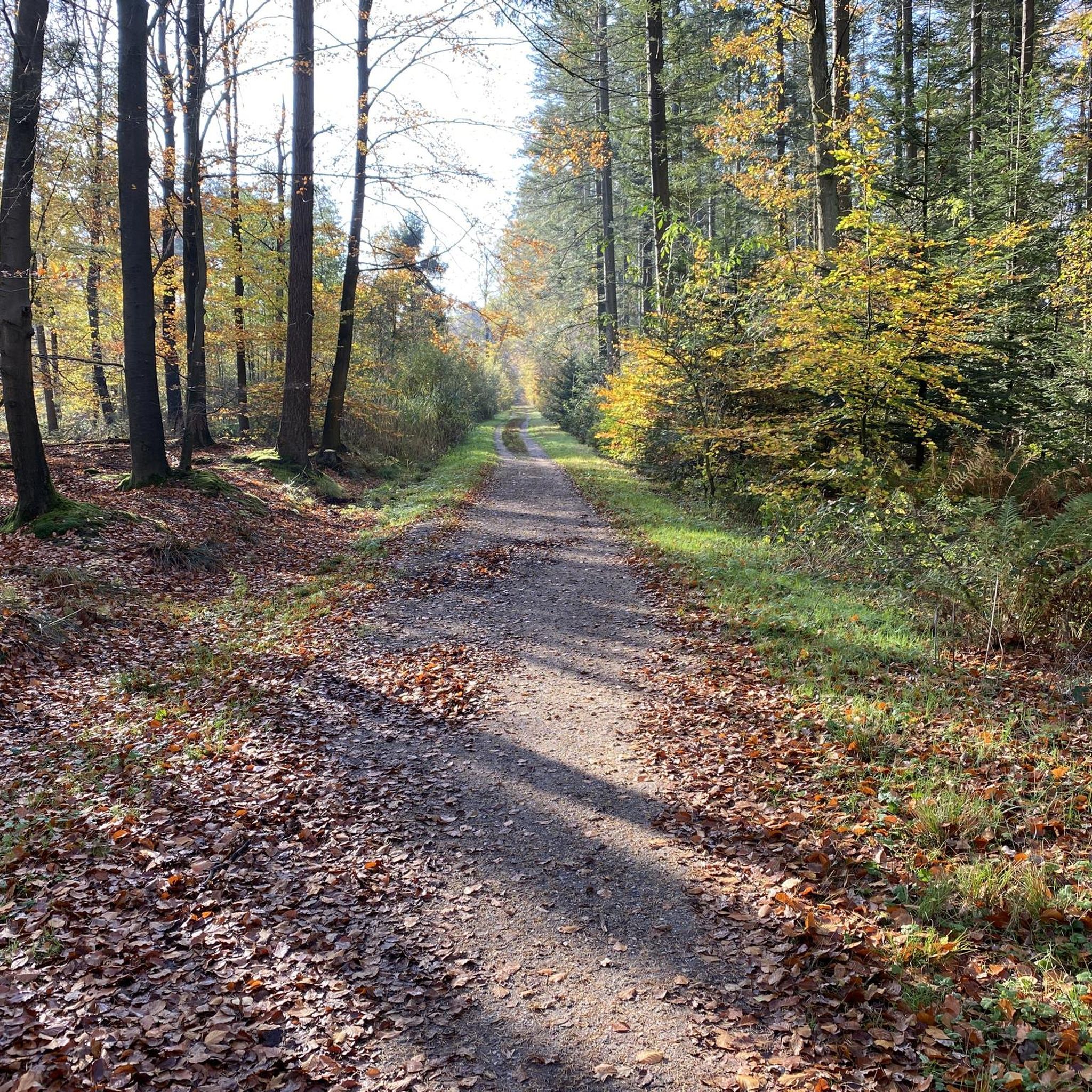
Best attractions and places to see in Lonnekerberg include a 141-hectare nature reserve, an elevated area reaching approximately 60 to 61 meters above sea level. This region, part of the Enschede-Oldenzaal moraine complex, features diverse forests, the meandering Jufferbeek stream, and significant biodiversity. Lonnekerberg offers a blend of natural beauty and historical sites, providing varied landscapes for exploration. It is known for its Lonnekerberg trails and Lonnekerberg natural features.
Best attractions and places to see in Lonnekerberg
- The most popular…
Last updated: July 5, 2026
Blijdenstein Family Grave
Highlight • Historical Site
Albert Jan Bledenstein lived from 1829 to 1896. He bought this area, then an open moorland, in 1850 as a hunting ground from a number of farmers. With …
Translated by Google •
Tip by

Aircraft Firing Range, Twente Airfield
Highlight • Historical Site
Tip by

Sign up now to discover places like this
Get recommendations on the best single tracks, peaks, & plenty of other exciting outdoor places.
Sign up for free
Smulders Clay Pits, Lonneker
Highlight • Lake
Translated by Google •
Tip by

View of retired Boeing 747s at Vliegveld Twente
Highlight • Viewpoint
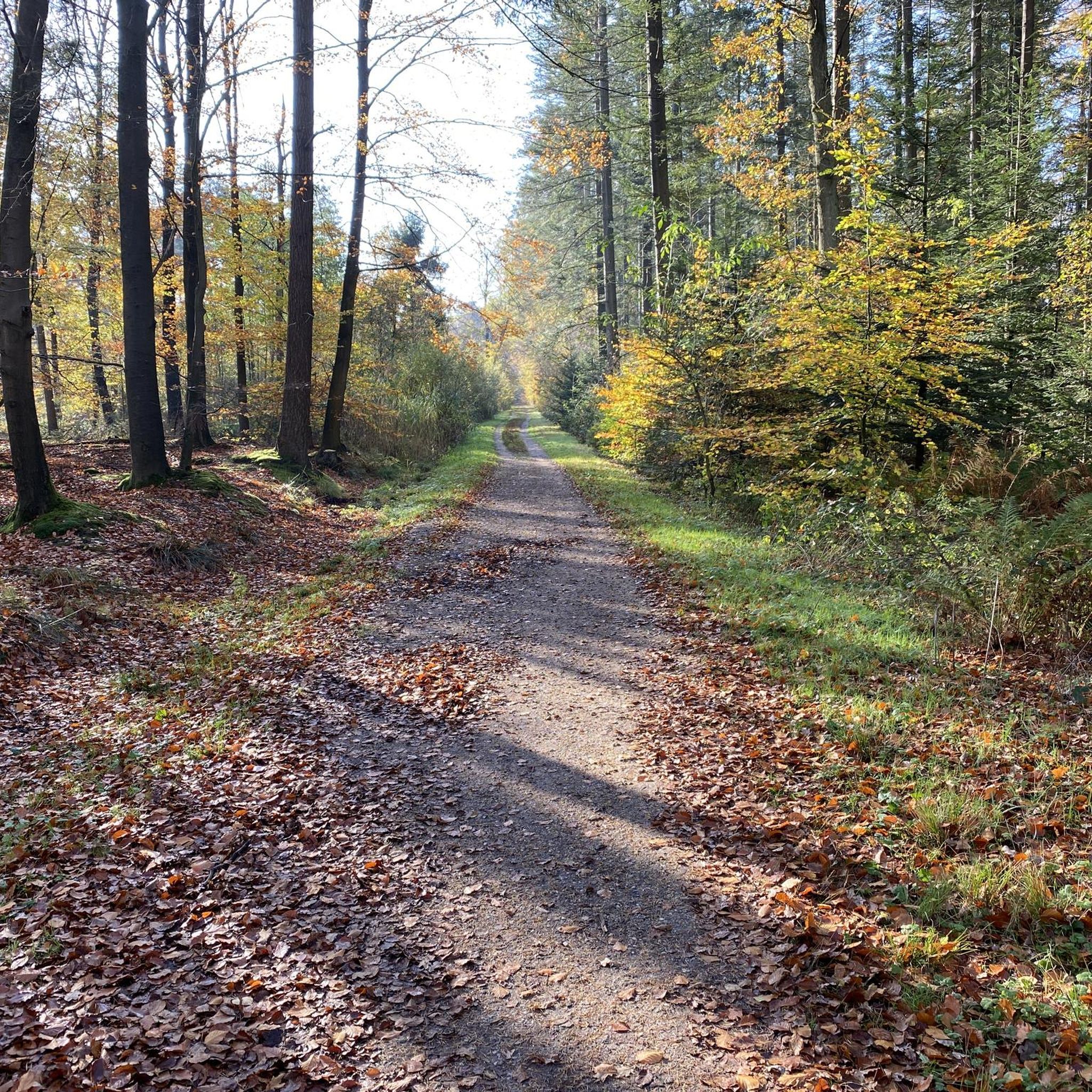
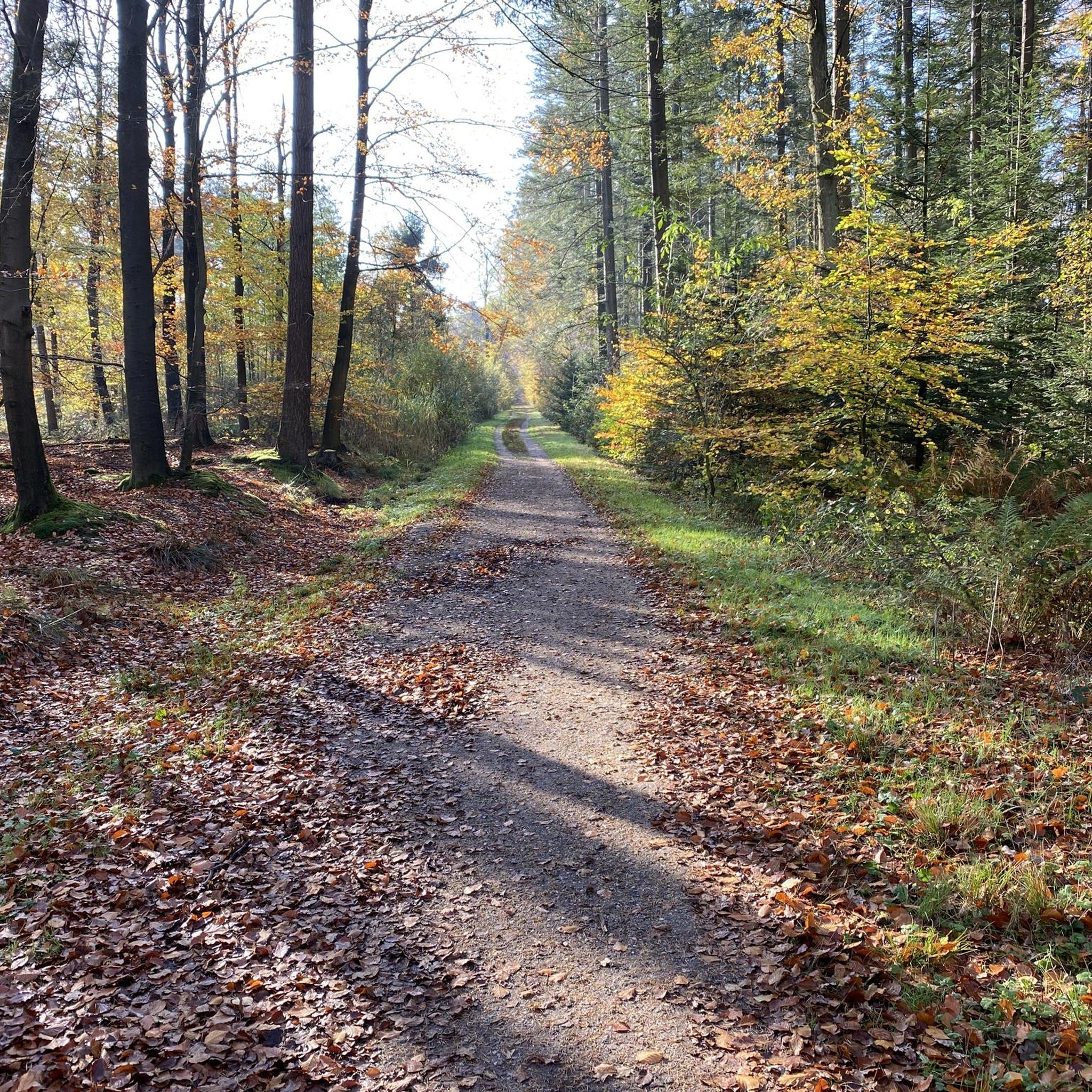
Beautiful forest trail about 3.5km very good passable, near the disused "Vliegveld Twente" with
View of disused boeings being …
Translated by Google •
Tip by

Defense Radar Tower
Highlight • Monument
Translated by Google •
Tip by

Sign up for free to discover even more attractions in Lonnekerberg.
Sign up for free
Already have an account?
Start today with a free account
Your next adventure awaits.
Login or Signup

Tips from the Community

Blijdenstein, son of the Twente textile manufacturer and founder of the firm Blijdenstein & Co Benjamin Willem Blijdenstein and Catharina ten Cate, became a partner in the textile company founded by his father and grandfather Jan Bernard Blijdenstein. In 1888, Blijdenstein was one of the founders of the Nederlandsche Heidemaatschappij, of which he was chairman from 1889 until his death in 1896. Blijdenstein bought various wasteland in the eastern Netherlands, which he then had reclaimed. He was considered an expert in forestry and timber farming and was a pioneer in the field of large-scale reclamation in the Netherlands.[1] [2]The heathland De Snippert was purchased by him and converted into an estate. The Judithhoeve located on this estate is named after his granddaughter Judith Geertruid Blijdenstein.
0
0

The defense radar tower is still in use. A little further west of this is the control tower with an old fire station underneath. These are no longer in use as such. You can only get to this as a visitor of an event on "De Strip"
0
0

Beautiful surroundings with beautiful stories
0
0
Old shooting range with beautiful surroundings
0
0

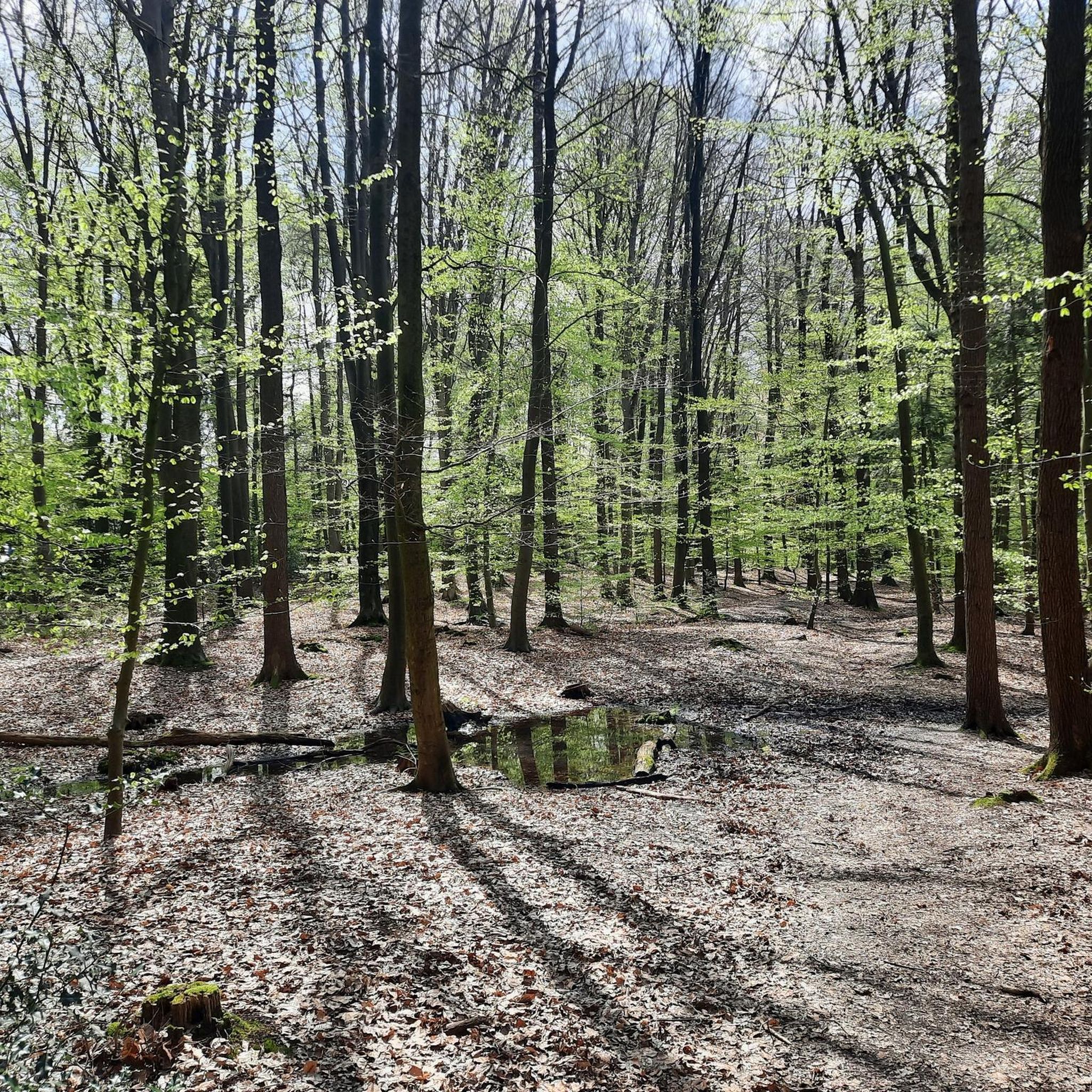
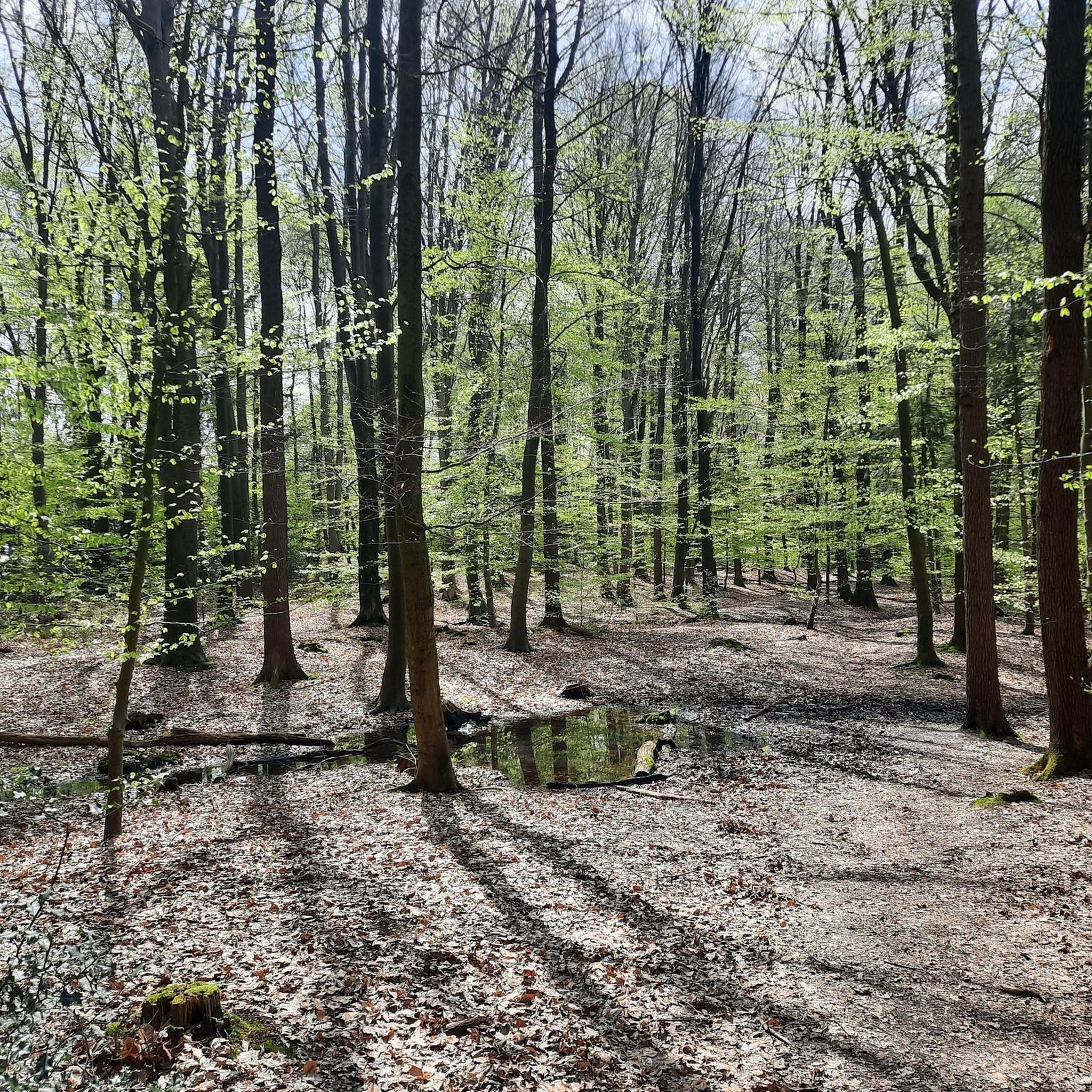
This is a beautiful natural phenomenon.
0
0

A little off the road is the resting place of the Blijdenstein family.
0
0
The memorial trail was created on the old shooting range, which explains the history of this place at the time of the Second World War.
0
0
Frequently Asked Questions
What natural features define the landscape of Lonnekerberg?
Lonnekerberg is characterized by its diverse natural landscapes. It is the highest point in the Enschede area, part of a lateral moraine complex, featuring significant height differences. You can explore varied walks through its diverse woodlands, including berry paths, beech forests, and areas with exotic trees planted by Albert Jan Blijdenstein. The gently meandering Jufferbeek stream also flows through the area, contributing to its unique flora.
Are there opportunities for hiking or cycling in Lonnekerberg?
Yes, Lonnekerberg is exceptionally well-suited for hiking and cycling, with numerous beautiful routes. For hikers, there are trails like the Forest path with bench – Blijdenstein Family Grave loop from Lonneker (5.7 km, easy) or the Lonnekerberg Forest Trails – Forest path with bench loop from Lonneker (7.2 km, easy). Cyclists can enjoy routes such as the Bench by the Lake – Stakenbeek Bridge loop from Lonneker (16.3 km, easy) or the Twente Airstrip – Twente Airport loop from Vliegveld Twente (12.3 km, easy).
What unique wildlife can be found in Lonnekerberg?
Lonnekerberg is a haven for wildlife, particularly known for hosting eleven species of bats, including rare types like Brandt's bat and Bechstein's bat. The area also boasts special fungi, various forest birds and woodpeckers (such as crossbills and black woodpeckers), and larger mammals like roe deer and pine martens.
What historical sites can I visit in Lonnekerberg?
You can explore several historical sites. A significant landmark is the Blijdenstein Family Grave, the resting place of Albert Jan Blijdenstein, who forested the Lonnekerberg in the 19th century. Additionally, you can find remnants from World War II, including fortified farmhouses and 'splitterboxen' (aircraft hideouts) built by the Germans.
Are there any remnants from World War II in Lonnekerberg?
Yes, the Lonnekerberg area contains ruins from World War II. These include fortified farmhouses and 'splitterboxen' (aircraft hideouts) that were constructed by the Germans to conceal their facilities from Allied forces. You can also visit the Aircraft Firing Range, Twente Airfield, a restored site where aircraft guns were tested during the war, now featuring a memorial path with personal stories.
Is Lonnekerberg suitable for families with children?
Yes, Lonnekerberg offers several family-friendly attractions and activities. The Lonnekerberg forest itself provides varied walks suitable for different ages. The Smulders Clay Pits, Lonneker, is a lake area with fish ponds and picnic spots, making it ideal for a family break. Additionally, the View of retired Boeing 747s at Vliegveld Twente can be an interesting sight for children.
Are dogs allowed on trails in Lonnekerberg?
While the guide data does not specify explicit dog-friendly rules, Lonnekerberg is a nature reserve popular for walks. It is generally advisable to keep dogs on a leash to protect wildlife and ensure a pleasant experience for all visitors. Always check local signage for specific regulations.
What is the best time of year to visit Lonnekerberg?
Lonnekerberg offers a pleasant experience throughout the year. The diverse forests, with their deciduous trees and berry paths, provide beautiful scenery in spring and autumn. The varied walks through the woodlands are enjoyable in milder weather, while the natural features and historical sites can be appreciated in any season.
Where can I find a good spot for a break or picnic in Lonnekerberg?
The Smulders Clay Pits, Lonneker is highly recommended as a good spot for a break. It features fish ponds and designated picnic areas, making it a perfect place to relax and enjoy the surroundings.
Can I see any unique sights related to aviation history in Lonnekerberg?
Yes, near the disused Twente Airfield, you can find the View of retired Boeing 747s at Vliegveld Twente, offering a unique glimpse of these large aircraft. Additionally, the Aircraft Firing Range, Twente Airfield provides insight into the area's wartime aviation history.
What is the significance of the 'rabatten' in Lonnekerberg?
The 'rabatten' are an extensive system of raised nursery beds with drainage ditches, totaling 320 kilometers in length, that were dug by Albert Jan Blijdenstein in the 19th century. These historical features were created to facilitate the growth of conifers in the wet terrain and are still visible throughout the area today, showcasing a unique aspect of its past land management.
Most popular routes in Lonnekerberg

Get inspired with the komoot mobile app


Explore more
Still not found the Highlight you’re looking for? See guides of the top attractions in other regions:
