The best road cycling routes in Rössenbergheide-Külsenmoor
4.1
(39)
273
riders
48
rides
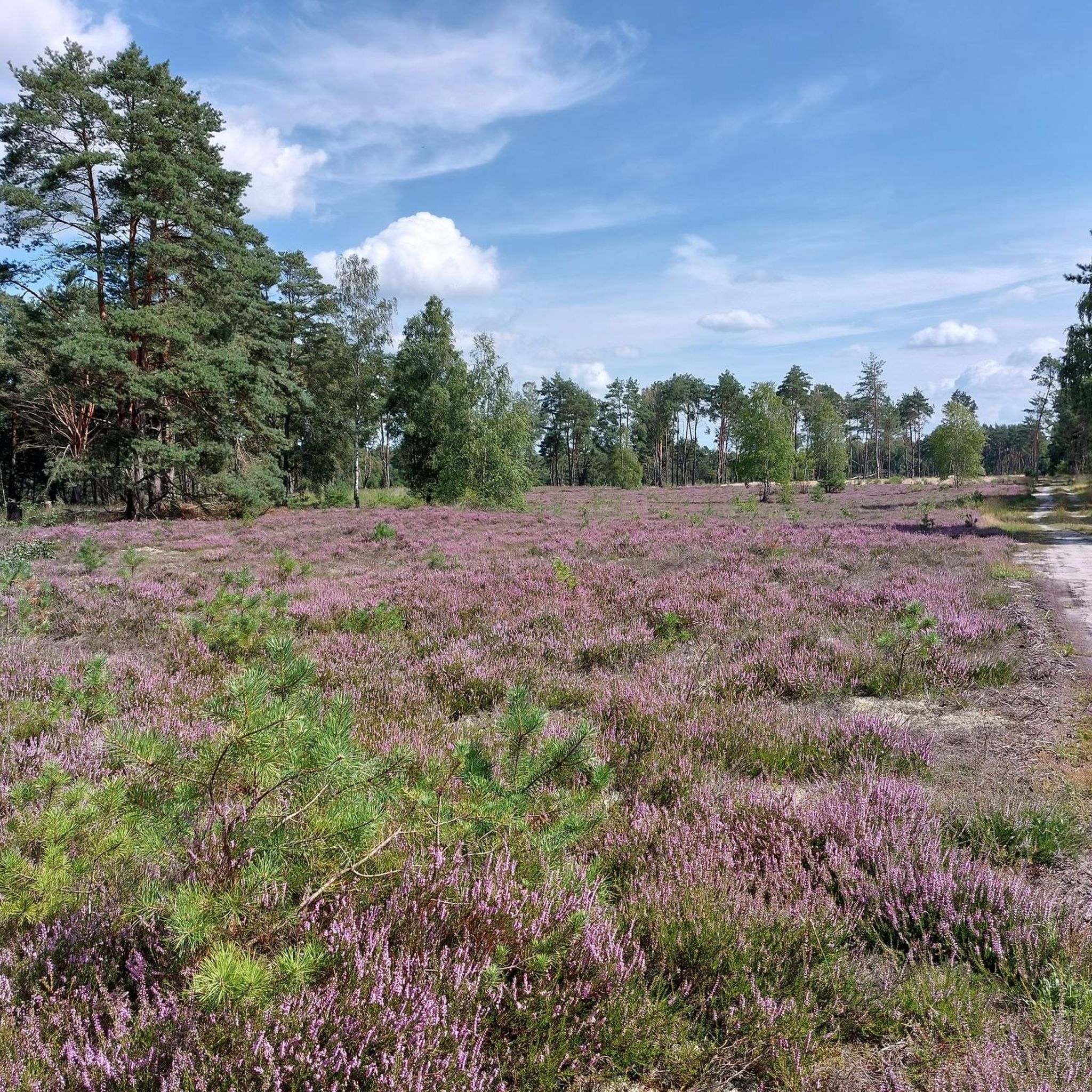
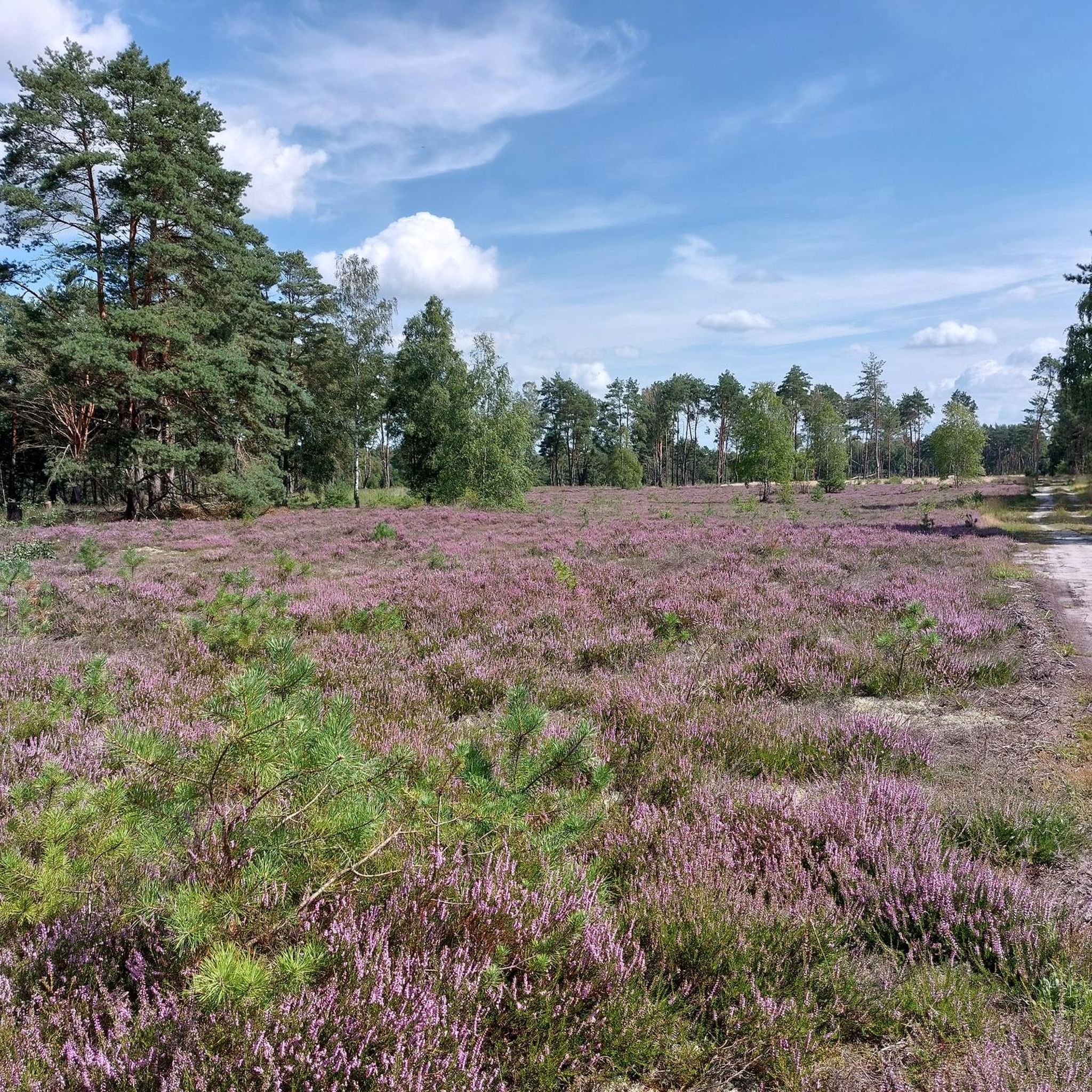
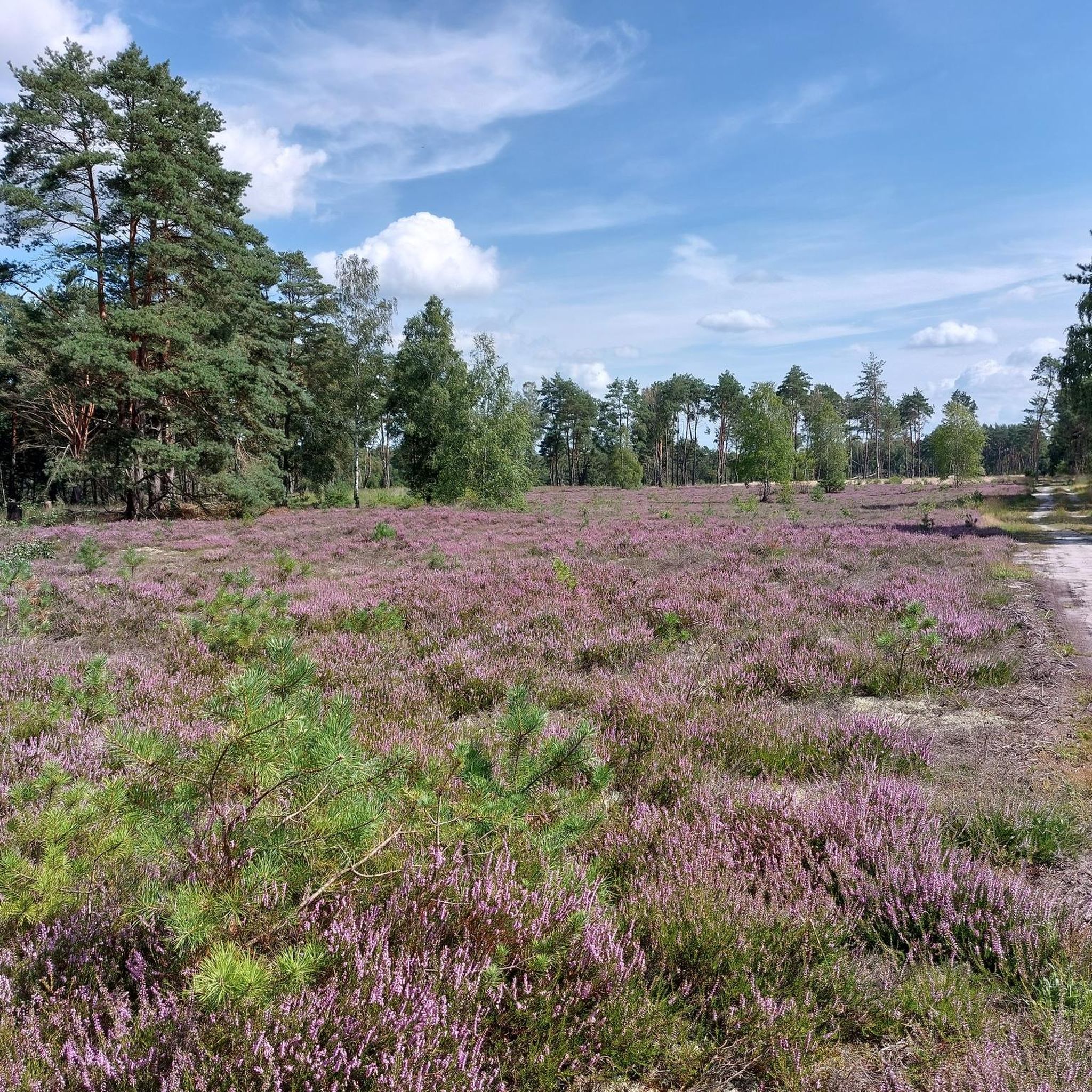
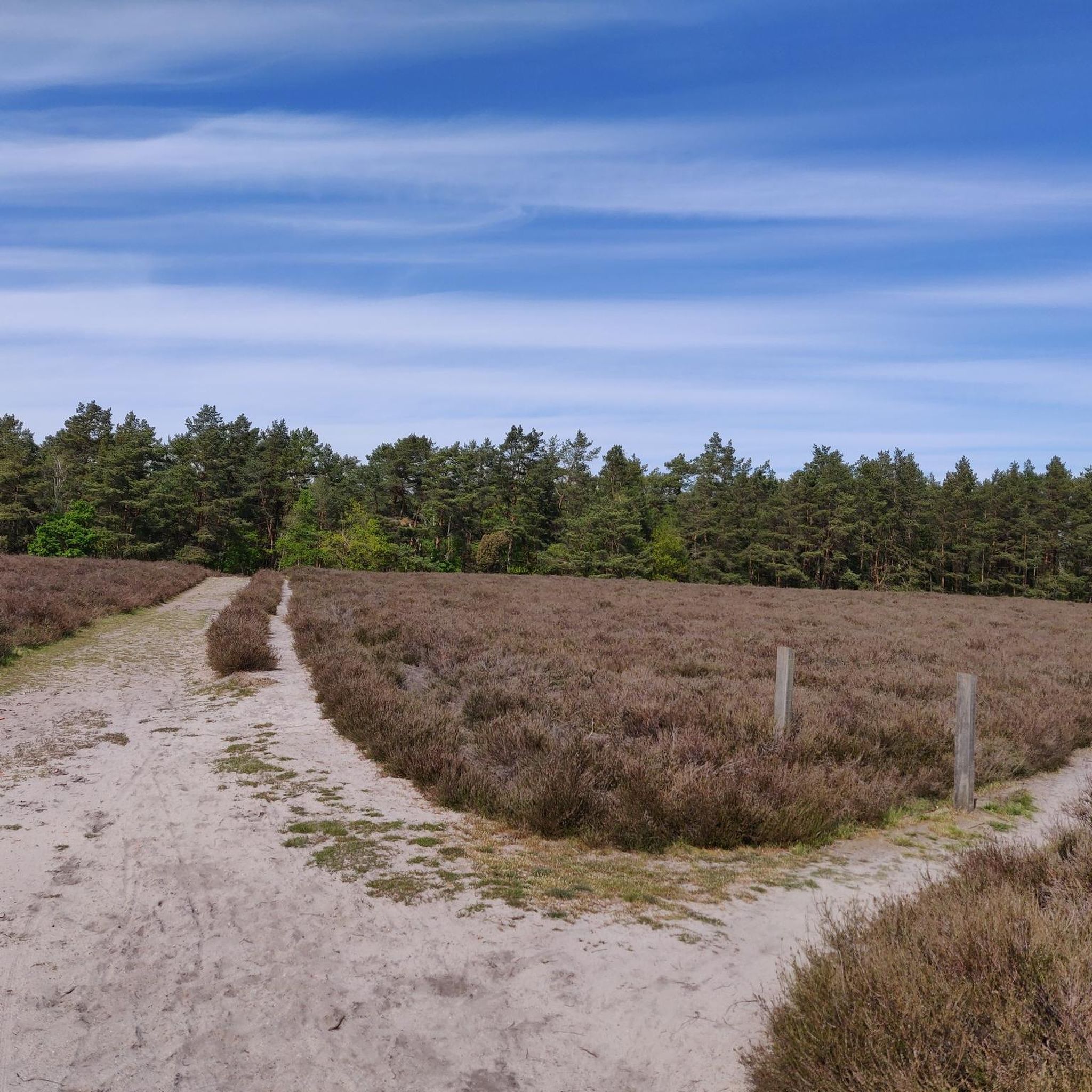
Road cycling in Rössenbergheide-Külsenmoor offers routes through a diverse natural landscape in Lower Saxony, Germany. The region features a blend of dry, elevated geest hills with sand heaths and pine forests, alongside low-lying moor and swamp complexes like the Külsenmoor. A county road (Kreisstraße 7) provides a paved route directly through the protected area, connecting to a wider network of well-maintained roads suitable for road cyclists. This combination allows riders to experience contrasting environments, from heath-covered uplands to serene moorlands…
Last updated: July 11, 2026
5.0
(3)
24
riders
53.6km
02:10
100m
100m
Moderate road ride. Good fitness required. Mostly well-paved surfaces and easy to ride.
4.7
(6)
9
riders
Moderate road ride. Great for any fitness level. Some segments of this route may be unpaved and difficult to ride.

Sign up for free
3.0
(1)
9
riders
Easy road ride. Great for any fitness level. Mostly well-paved surfaces and easy to ride.
5
riders
Easy road ride. Great for any fitness level. Mostly well-paved surfaces and easy to ride.
3
riders
Easy road ride. Great for any fitness level. Mostly well-paved surfaces and easy to ride.
Get access to more routes and recommendations from other explorers.
Sign up for free
Already have an account?
Our route recommendations are based on thousands of hikes, rides, and runs completed by other people on komoot.
Start today with a free account
Your next adventure awaits.
Login or Signup
Tips from the Community

The over 900-year-old oak tree in Wahrenholz is an impressive natural monument and one of the oldest trees in Germany.
0
0
When you are out and about there, it is particularly worthwhile to consciously observe the transitions between heathland and moor. It is precisely there that you can see very well how dry sandy heathland on the geest hills slowly transforms into wet moor and bog forest areas – often just a few steps apart. This mixture is typical for the area and constitutes its special ecological value.
0
0
The special charm of this place lies in the contrast between the historic church and the lively natural moment on the roof: When you are there, it is worth consciously directing your gaze upwards to the church tower – with a bit of luck, you can see storks on their nest or when taking off and landing. This can be observed particularly well from the eastern part of the church, where there is also the best viewing angle to the nest.
0
0
If you fancy good German cuisine in a cozy atmosphere, stop by the Landgasthof Schönecke in Wahrenholz. Here you can expect regional specialties, friendly service, and a beautiful beer garden for warm days. The inn is also a good address for family celebrations or a relaxed stopover.
0
0
Neudorf-Platendorf is particularly known for its approximately six-kilometer-long, perfectly straight village street – it is considered the longest straight town road in Lower Saxony. Also characteristic are the many small bridges that lead from the street over ditches to the properties and give the place a unique appearance.
0
0
On an area of around 15 hectares, you will find 14 original mills or faithful replicas from all over the world.
0
0

The cycle path is of good quality, the B188 has a lot of traffic (about 90% by vehicles of the well-known VW brands 😅).
0
0
For me, it's an eye-catcher that piques my curiosity. But I don't go sightseeing while wearing workout clothes and riding my road bike.
2
0
Frequently Asked Questions
What types of landscapes can I expect to see while road cycling in Rössenbergheide-Külsenmoor?
Rössenbergheide-Külsenmoor offers a diverse landscape for road cyclists. You'll experience a mix of dry, elevated geest hills with expansive sand heaths and dense pine forests, alongside low-lying moor and swamp complexes like the Külsenmoor. The Oerrelbach stream valley also adds riparian forests and marshy areas to the scenery, providing a varied and engaging ride.
Are there routes suitable for beginners or less experienced road cyclists?
Yes, Rössenbergheide-Külsenmoor offers several routes suitable for easy ability levels. For example, the Cycle path to Teichgut – Old Fire Station Lingwedel loop from Wahrenholz is an easy 22.6-mile (36.3 km) trail that takes about 1 hour 25 minutes to complete, leading through sand heaths and pine forests. Another easy option is the Wahrenholz Watermill – Over 900-Year-Old Oak Tree loop from Wahrenholz, which is 18 miles (29 km) long.
What are some notable natural features or landmarks I can see along the road cycling routes?
While cycling, you can encounter several interesting features. The region itself is part of the Natura 2000 network, highlighting its ecological value. You might pass by the Hermann Löns Memorial Stone or the Lönsstein Memorial Rest Area. The adjacent Heiliger Hain nature reserve, known for its heather fields, also offers beautiful views, especially during the heather bloom in August and September.
How do other road cyclists rate the routes in Rössenbergheide-Külsenmoor?
The road cycling routes in Rössenbergheide-Külsenmoor are highly regarded by the komoot community, with an average rating of 4.1 stars from over 30 reviews. Cyclists often praise the well-maintained roads and the opportunity to experience the contrasting landscapes, from heath-covered uplands to serene moorlands.
Are there any circular road cycling routes available?
Yes, many of the routes in Rössenbergheide-Külsenmoor are designed as loops, allowing you to start and end at the same point. For instance, the popular Old Town Hall Gifhorn – Gifhorn Mill Museum loop from Schönewörde is a 33.4-mile (53.7 km) circular route, and the Cycle path to Teichgut – Over 900-Year-Old Oak Tree loop from Wahrenholz offers a 23.8-mile (38.3 km) circular ride through mixed landscapes.
What is the best time of year to go road cycling in Rössenbergheide-Külsenmoor?
The region is beautiful throughout the warmer months. The heather bloom in August and September offers a particularly scenic experience, especially in areas like the Heiliger Hain. Generally, spring, summer, and early autumn provide pleasant conditions for road cycling, with well-maintained roads and varied terrain to enjoy.
Are there any specific roads that are good for road cycling directly through the nature reserve?
Yes, the Kreisstraße 7 (county road 7) traverses the nature reserve between Wesendorf and Hankensbüttel. This paved road provides a direct route through the protected area, allowing road cyclists to experience the unique environment of Rössenbergheide-Külsenmoor.
Can I find cafes or places to stop for refreshments along the routes?
While the nature reserve itself is primarily natural, the surrounding towns and villages, such as Wahrenholz or Gifhorn, offer various options for cafes, pubs, and restaurants where you can stop for refreshments or a meal before or after your ride. Many routes start or pass near these amenities.
What are the typical distances and elevation gains for road cycling routes in this area?
Routes in Rössenbergheide-Külsenmoor vary in length, typically ranging from around 18 miles (29 km) to over 33 miles (53 km). The elevation gains are generally moderate, reflecting the region's gently rolling terrain. For example, the Old Town Hall Gifhorn – Gifhorn Mill Museum loop has an elevation gain of about 100 meters over 33.4 miles.
Is Rössenbergheide-Külsenmoor suitable for family-friendly road cycling?
The region offers routes with easy difficulty ratings and mostly well-paved surfaces, which can be suitable for families depending on the children's cycling experience. Routes like the Wahrenholz Watermill – Over 900-Year-Old Oak Tree loop are shorter and have minimal elevation, making them more accessible for a family outing.
What kind of wildlife might I encounter while cycling in Rössenbergheide-Külsenmoor?
As a designated Natura 2000 site, Rössenbergheide-Külsenmoor is rich in biodiversity. While cycling, you might observe various bird species, and if you're lucky, you could spot some of the smaller mammals that inhabit the heathlands, pine forests, and moor areas. The protected status ensures a thriving natural habitat.
Are there options for public transport or parking near the road cycling routes?
Information on specific public transport connections directly into the nature reserve for cyclists can be limited. However, towns like Wesendorf and Hankensbüttel, which border the reserve, typically offer parking facilities. Many routes also start from villages like Wahrenholz, where parking is usually available, making it convenient to access the trails by car.
Most popular routes in Rössenbergheide-Külsenmoor
Most popular attractions in Rössenbergheide-Külsenmoor

Get inspired with the komoot mobile app


Explore more
Browse the best Road cycling routes in other regions.
