The best cycling routes in Buhnenwerder-Wusterau
4.4
(5689)
24,092
riders
482
rides
Touring cycling in Buhnenwerder-Wusterau is characterized by a water-rich environment, encompassing the island of Buhnenwerder and the peninsula of Wusterau within the expansive Plauer See. The region is part of the Havel River system, featuring wide forests, clear lakes, green river meadows, and colorful fields. The terrain is predominantly flat, making it accessible for various fitness levels and suitable for long-distance touring. Cycling routes often traverse nature reserves, offering scenic views and peaceful surroundings.
Best touring cycling routes in Buhnenwerder-Wusterau
…Last updated: June 29, 2026
5.0
(2)
37
riders
Easy bike ride. Great for any fitness level. Mostly paved surfaces. Suitable for all skill levels.
5.0
(2)
43
riders
9.26km
00:34
20m
20m
Easy bike ride. Great for any fitness level. Mostly paved surfaces. Suitable for all skill levels.

Sign up for free
4.3
(7)
43
riders
15.7km
00:59
40m
40m
Easy bike ride. Great for any fitness level. Mostly paved surfaces. Suitable for all skill levels.
5.0
(3)
29
riders
Hard bike ride. Great for any fitness level. You may need to push your bike for some segments of this route.
4.3
(3)
69
riders
9.99km
00:40
30m
30m
Easy bike ride. Great for any fitness level. Mostly paved surfaces. Suitable for all skill levels.
Get access to more routes and recommendations from other explorers.
Sign up for free
Already have an account?
Our route recommendations are based on thousands of hikes, rides, and runs completed by other people on komoot.
Start today with a free account
Your next adventure awaits.
Login or Signup
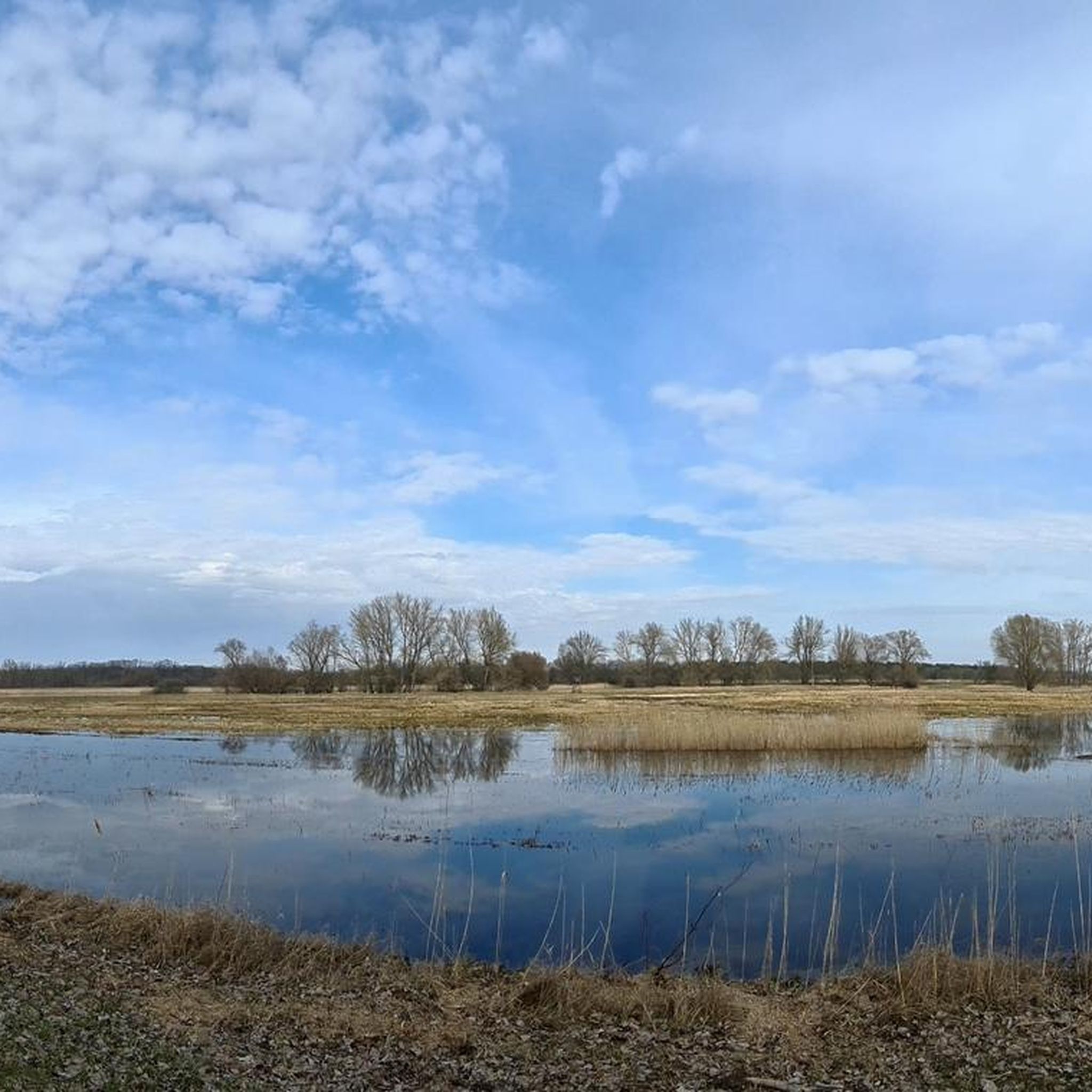
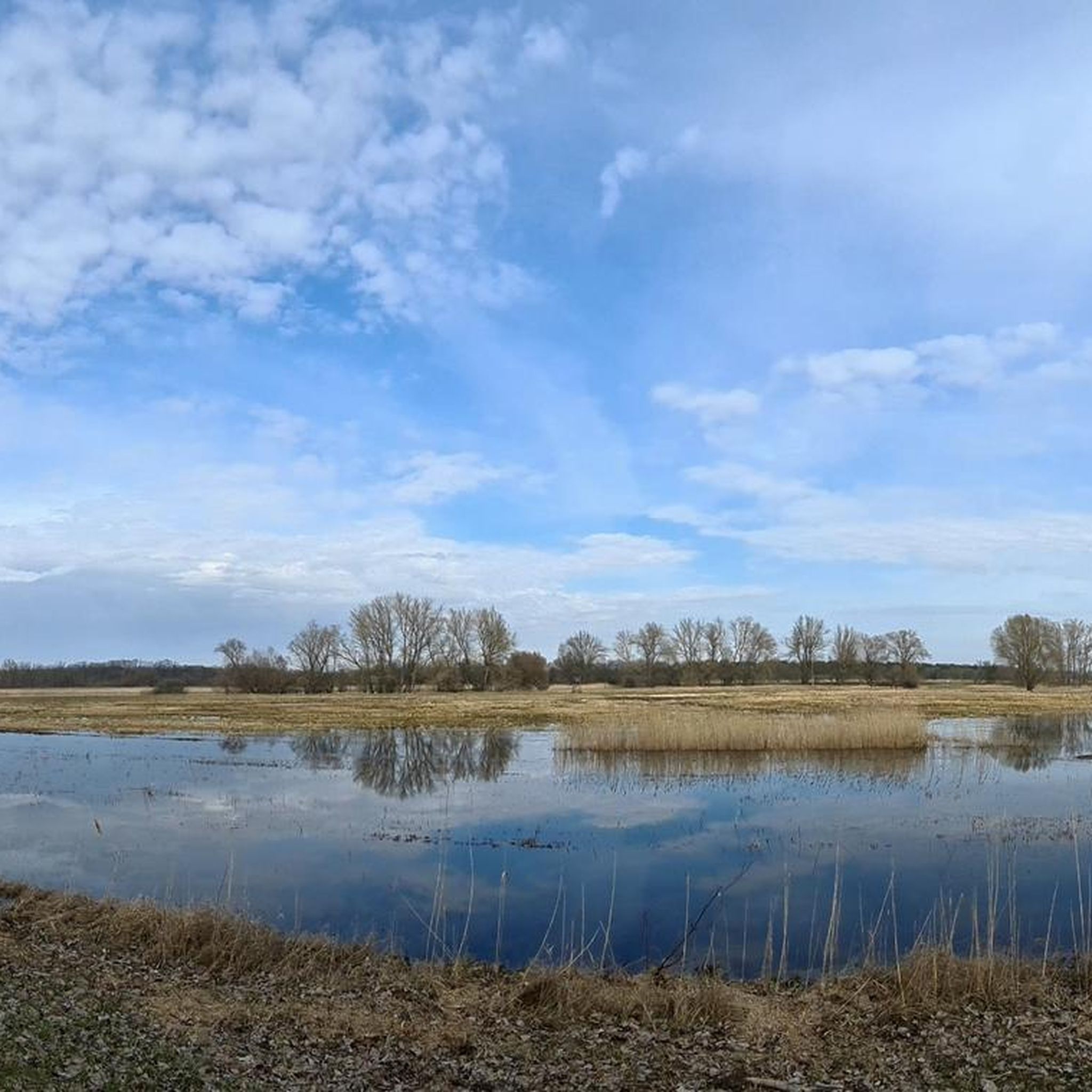
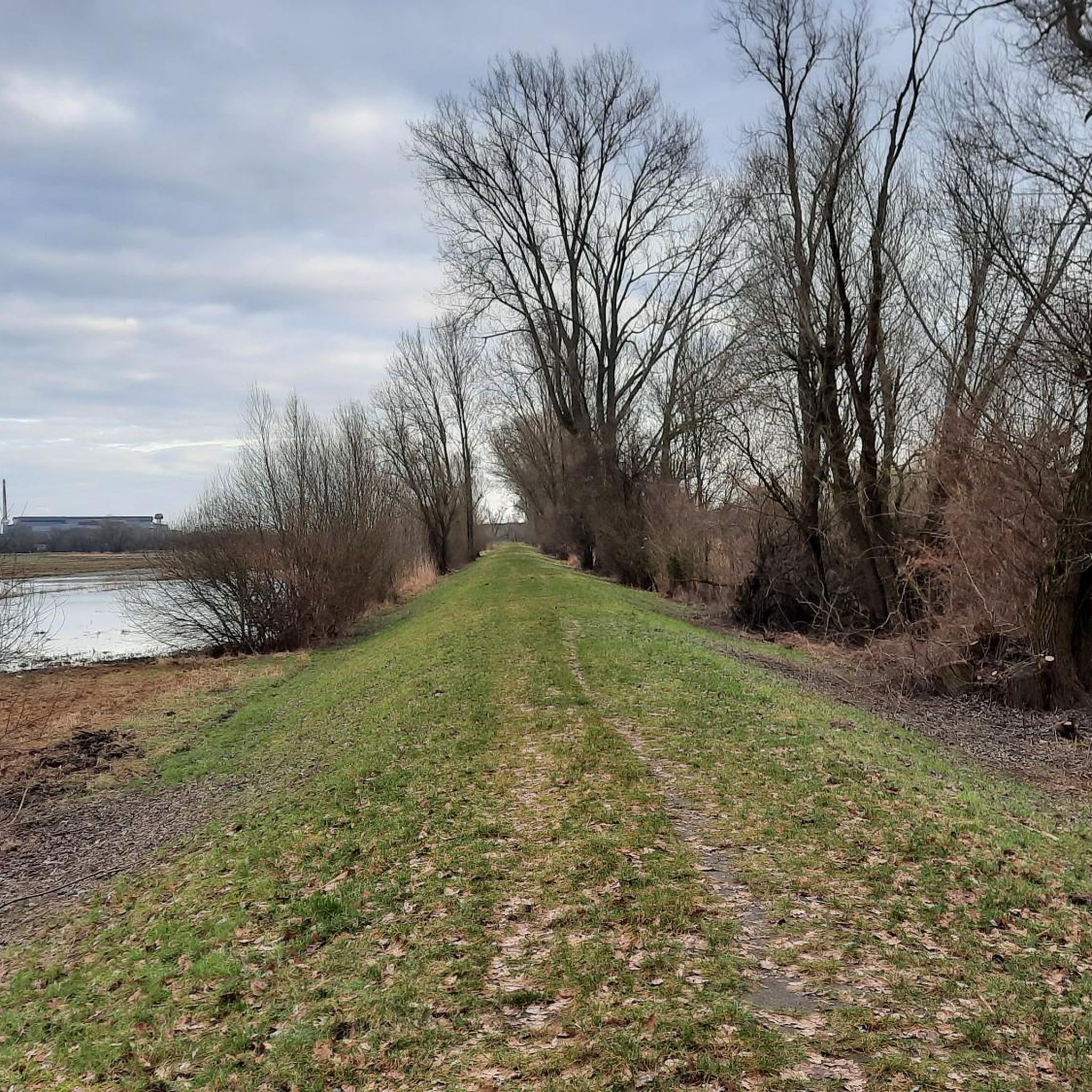
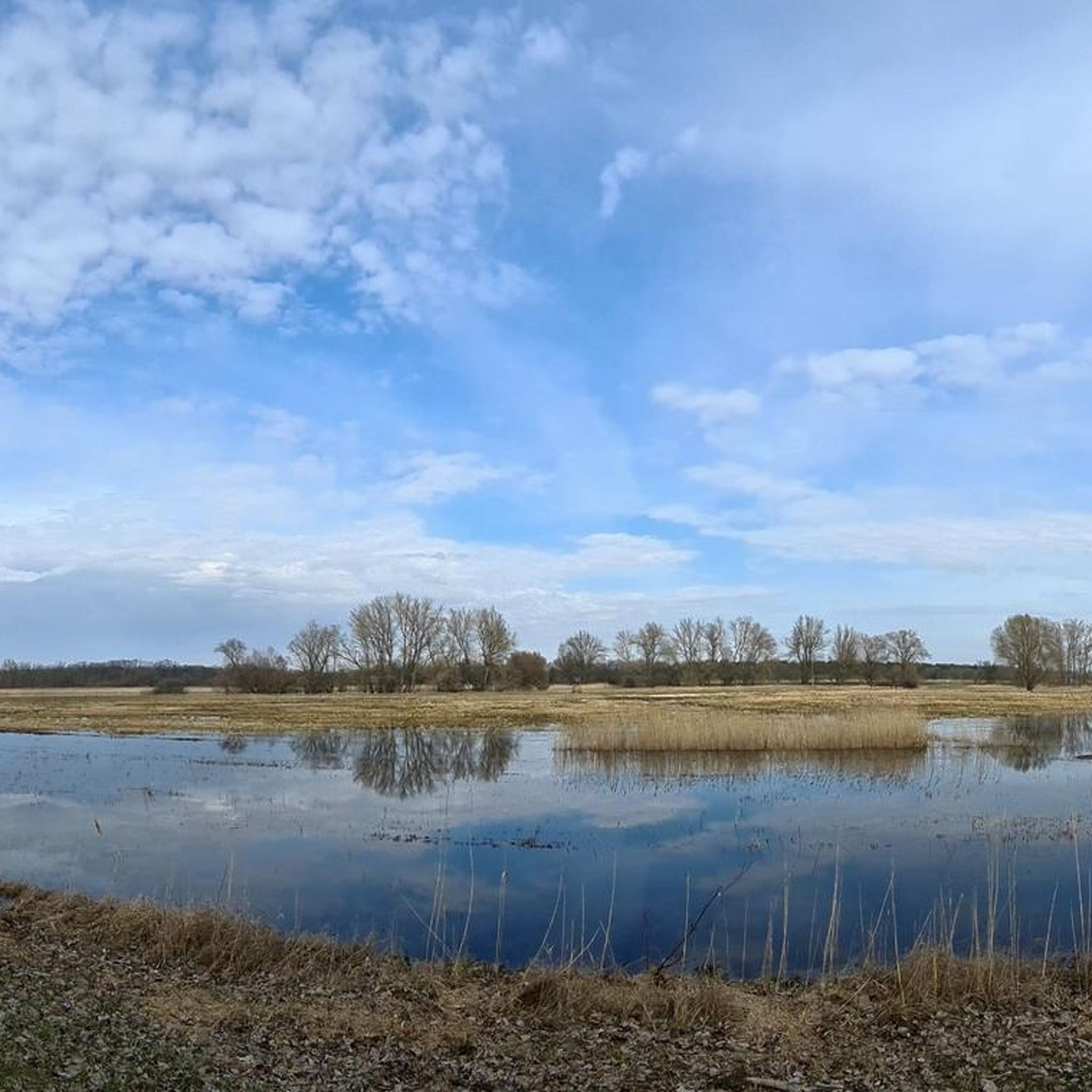
Tips from the Community

The old bridge was nicer, but here you can also
0
0

The Havel [ˈhaːfl̩] is a river in northeastern Germany and, at 334 kilometers long, the longest right tributary of the Elbe. The direct distance between source and mouth is only 94 kilometers. The Havel rises near Ankershagen in Mecklenburg-Western Pomerania, flows through Brandenburg, Berlin, and Saxony-Anhalt, and empties into the Elbe near Gnevsdorf on the border between Brandenburg and Saxony-Anhalt. 285 kilometers of river run through Brandenburg. It initially flows through numerous small lakes in a southeasterly direction, then in a southerly, westerly, and finally northwesterly direction. The difference in altitude is only 40.6 meters.
1
0
There are only a few bridges left from the pre-World War I period. Its Art Nouveau design makes it an important architectural monument.
1
0
In October 2020, renovation work began on the bridge,[1] which is why it was closed to pedestrians and cyclists.
1
0
The current steel bridge was built between 1903 and 1904. The bridge is 130 meters long and 10.7 meters wide. There are two supports in the riverbed, with a span of 42.7 meters between them. The bridge is a riveted steel truss bridge with semi-parabolic truss girders. The railings are built in the Art Nouveau style. The roadway is paved, and a tram track once stood along the northern edge of the roadway. At the end of World War II, the central section of the bridge was destroyed. After the war, the bridge was rebuilt. On September 28, 2002, tram service was discontinued, and road traffic on the B1 was diverted over the new bridge. The old bridge, now dilapidated, can be used by pedestrians and cyclists. The footpaths, which consisted of wooden planks, were closed and dismantled down to the iron girders.
1
0
The Havel River is generally wide, but here in Plaue it is naturally narrow. For this reason, a bridge existed here as early as the 13th century. The bridge was destroyed in 1244. From 1459 onward, there was a bridge again, but it was destroyed in various wars (including the Thirty Years' War). It was rebuilt several times, however. In 1829, the newly built bridge collapsed under the strain. The Berlin-Magdeburg postal line ran along here. The bridge was rebuilt from 1836 to 1837.
1
0
The Plauer Bridge is a bridge over the Havel River in Brandenburg an der Havel, in the Plaue district. Today, the bridge is also known as the Old Plauer Bridge, as a new bridge over the Havel was opened in 2002, and the Plauer Bridge was closed to vehicular traffic. The bridge connects Plaue with the Margarethenhof district.
1
0

small viewing point over Lake Plauer
0
1
Frequently Asked Questions
What is the general terrain like for touring cycling in Buhnenwerder-Wusterau?
The terrain in Buhnenwerder-Wusterau is predominantly flat, making it highly accessible and enjoyable for cyclists of all fitness levels. Routes often traverse forests, meadows, lakes, and nature reserves, providing scenic views and peaceful surroundings. Many paths follow former railway lines or riverbanks, ensuring well-maintained surfaces.
How many touring cycling routes are available in Buhnenwerder-Wusterau?
There are over 470 touring cycling routes available in Buhnenwerder-Wusterau. This includes a wide range of options, with approximately 295 easy routes, 98 moderate routes, and 78 difficult routes, catering to various skill levels and preferences.
Are there family-friendly touring cycling routes in Buhnenwerder-Wusterau?
Yes, Buhnenwerder-Wusterau is very family-friendly for cycling due to its predominantly flat terrain. Many routes are suitable for all ages and fitness levels. An easy option is the Seegarten Bridge – View of the Havel near Plaue loop from Plaue, which offers pleasant views of the Havel River.
Can I bring my dog on touring cycling routes in Buhnenwerder-Wusterau?
While the region's natural environment is inviting, specific regulations for dogs on cycling paths within the Buhnenwerder-Wusterau nature reserve may apply. It's generally advisable to keep dogs on a leash, especially in nature protection areas, and to check local signage. Many routes on komoot are suitable for cycling with dogs, but always ensure your dog is comfortable with the distance and terrain.
Are there circular touring cycling routes in Buhnenwerder-Wusterau?
Yes, many touring cycling routes in Buhnenwerder-Wusterau are designed as loops, offering convenient starting and ending points. Examples include the View of Möserscher See – Bridge Over the Buckau loop from Kirchmöser and the View of Plauer Lake – View of Möserscher See loop from Kirchmöser, both providing scenic circular tours.
What natural features or landmarks can I expect to see along the cycling routes?
The region is rich in natural beauty, characterized by its stunning water-rich environment, including the island of Buhnenwerder and the peninsula of Wusterau within the expansive Plauer See. You'll encounter wide forests, clear lakes, green river meadows, and diverse wild plant communities. The historic city of Brandenburg an der Havel also offers cultural highlights nearby. For more information on the nature reserve, you can visit Wikipedia.
What is the best time of year for touring cycling in Buhnenwerder-Wusterau?
The best time for touring cycling in Buhnenwerder-Wusterau is typically from spring to autumn, when the weather is mild and the natural landscapes are in full bloom. The region's flat terrain makes it enjoyable across these seasons. While winter cycling is possible, be prepared for colder temperatures and potentially icy conditions.
Are there options for parking near the touring cycling routes?
Yes, the region is generally well-equipped for cyclists. You can expect to find parking options near popular trailheads and starting points for routes, especially in and around towns like Kirchmöser and Plaue, which serve as common access points for the area's cycling network.
Can I use public transport to access cycling routes in Buhnenwerder-Wusterau?
Yes, Brandenburg is known for its cyclist-friendly infrastructure, which includes good train connections and the option to utilize public transport with bicycle carriage in many places. This adds flexibility, allowing you to combine cycling with train travel to explore different parts of the region.
What do other touring cyclists enjoy most about cycling in Buhnenwerder-Wusterau?
The area is highly rated by the komoot community, with an average score of 4.4 stars from over 5,400 reviews. Reviewers often praise the peaceful surroundings, the extensive lake and river landscapes, and the well-maintained, flat paths that make for relaxed and scenic touring experiences.
Are there any longer touring routes for more extensive exploration?
Yes, for those seeking longer rides, routes like the View of the Elbe-Havel Canal – Fieldstone Church Kade loop from Kirchmöser offer more extensive exploration, covering over 40 kilometers. These routes allow you to delve deeper into the region's diverse landscapes.
Are there places to eat or stay overnight along the cycling routes?
Yes, the region offers various amenities to support touring cyclists. You can find refreshment stops, cafes, and pubs in towns and villages along the routes. Accommodation options such as hotels, guesthouses, holiday apartments, and campsites are also available, ensuring a comfortable touring experience.
Most popular routes in Buhnenwerder-Wusterau

Get inspired with the komoot mobile app


Explore more
Browse the best Cycling routes in other regions.
