The best cycling routes in Rezerwat Wielki Bytyń
4.1
(25)
127
riders
29
rides
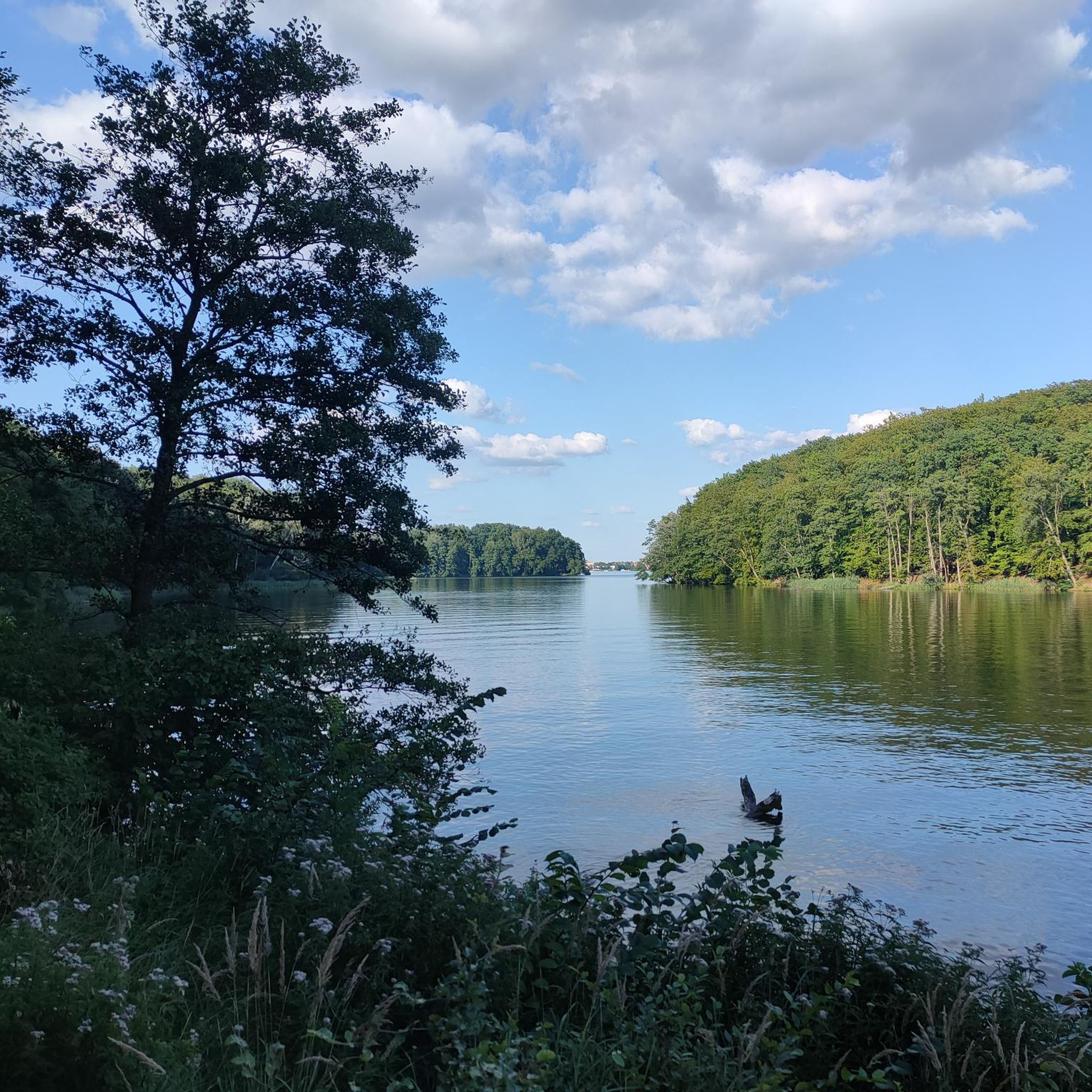
Touring cycling in Rezerwat Wielki Bytyń offers exploration of diverse post-glacial landscapes shaped by the last Baltic glaciation. The terrain features varied lake shores, some reaching up to 30 meters in height, alongside moraine uplands and extensive forests. Over 45% of the reserve is covered by lakes, including the central Lake Bytyń Wielki, providing a scenic backdrop for rides. These natural elements create a varied environment for touring cyclists.
Best touring cycling routes in Rezerwat Wielki Bytyń
- The most popular…
Last updated: July 10, 2026
4.2
(6)
19
riders
31.7km
02:40
160m
160m
Hard bike ride. Good fitness required. You may need to push your bike for some segments of this route.
2
riders
Easy bike ride. Great for any fitness level. Mostly paved surfaces. Suitable for all skill levels.

Sign up for free
4.2
(6)
26
riders
35.5km
03:02
180m
180m
Hard bike ride. Good fitness required. You may need to push your bike for some segments of this route.
2
riders
36.0km
02:58
170m
170m
Moderate bike ride. Good fitness required. Mostly paved surfaces. Suitable for all skill levels.
6
riders
Easy bike ride. Great for any fitness level. Mostly paved surfaces. Suitable for all skill levels.
Get access to more routes and recommendations from other explorers.
Sign up for free
Already have an account?
Our route recommendations are based on thousands of hikes, rides, and runs completed by other people on komoot.
Start today with a free account
Your next adventure awaits.
Login or Signup
Popular around Rezerwat Wielki Bytyń


Tips from the Community

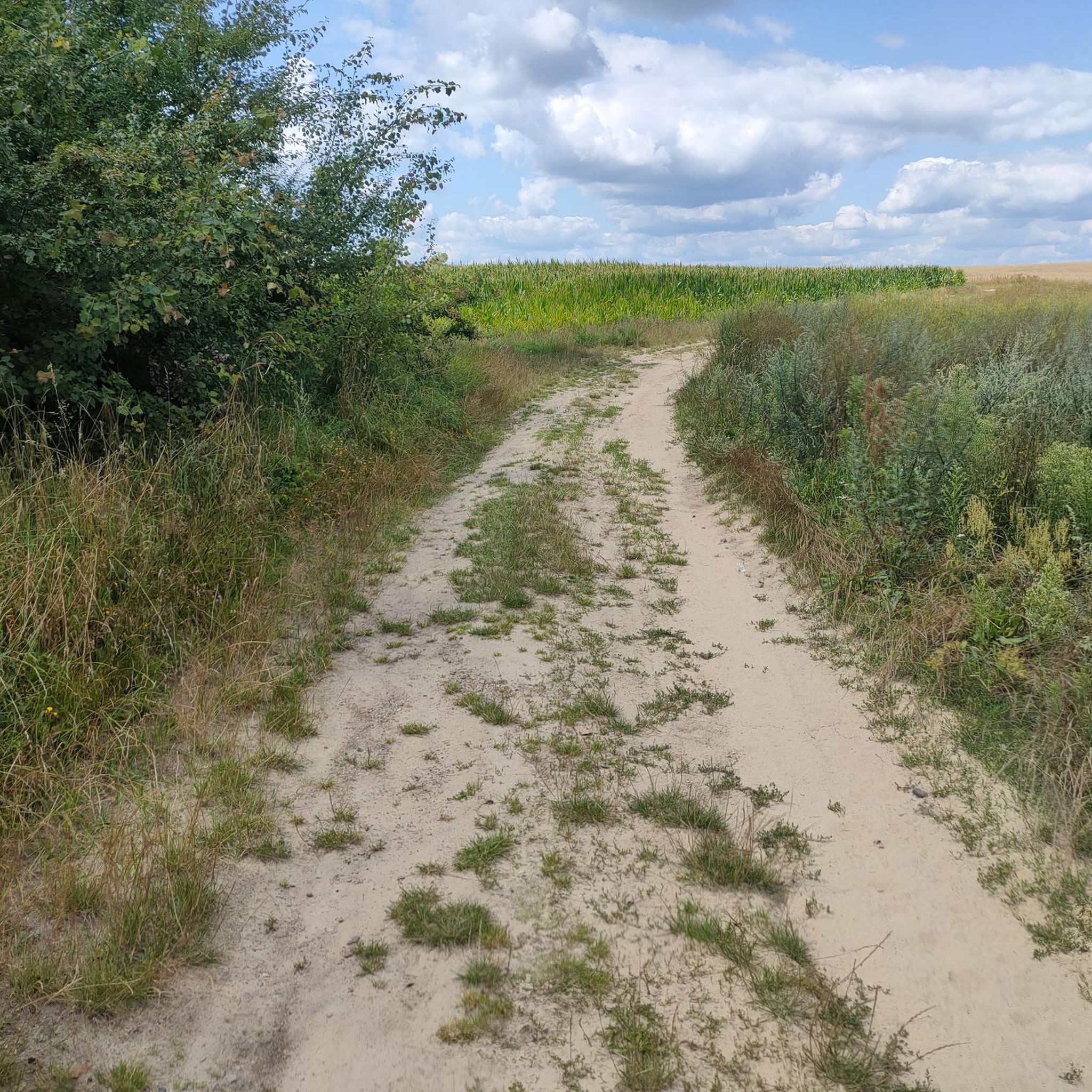
Wałcz-Strączno road-asphalt road, Strączno-Nakielno bicycle path-asphalt (mushrooms in the forest in autumn: bay boletes, chanterelles), Nakielno-Walcz Forest District forest road (blueberries in season).
0
0

Cool gravel trail. Can be slow, can be fast.
1
0

To the south-east of the village of Strzaliny, there is Góra Hangman (151 m above sea level), the remains of the fortified group "Góra Wisielcza", fortifications of the Pomeranian Wall (1933-38). This shelter was the strongest group of fortifications of all German fortifications during the Second World War. Undeveloped underground corridors with a total length of 800 meters, bats are fond of one of the largest wintering grounds in Poland.
2
1
The present church was built in 1680 and rebuilt around 1744. It is erected in a skeletal structure as a hall building, oriented. It was laid out on a rectangular plan with a three-sided chancel from the east and a sacristy added from the north. The building does not have any stylistic features. Due to the simplicity of construction, workmanship and appearance of the building, it can be assumed that it was made by local carpenters. At the end of the 19th century, its walls were still not boarded. Currently, it is a building with wooden walls on an unplastered foundation made of field stones, mainly granite. Only a wooden beam in the axis of the church, collar beams and a few rafters have survived from the original roof truss, it was replaced with a purlin truss. The historic organ gallery with a simple balustrade decorated with panels is based on profiled posts with carved decorations - these are pine cones placed between crenels. Inside, there was a baroque altar from the mid-seventeenth century, unfortunately it was destroyed, only fragments have survived, there is also a painting of the Mother of God from 1806 by a folk artist. A late-gothic cast-iron crucifix is visible in the rood beam. The interior has partially lost its historic character. However, it is worth paying attention to the external doors: double-leaf, boarded in rhombuses, studded with iron. A similar door, but single-leaf, leads to the sacristy. There is also a door that once led to the church from the north, and is now bricked up from the inside. During the renovation carried out around 1980, the boarding of the external walls was renewed. The building has no basement, the external facades have no decorative elements.
1
1
A nice break from the churches on the route :p.
1
1
Ree Family Mausoleum. The building in the form of an ancient temple dates from the mid-nineteenth century. Most likely, its designer was the famous architect Karol Fryderyk Schinkel. Two columns stand out in the façade of the mausoleum on the south side. The poor condition of the plaster covering them contrasts with the freshness of the classical Ionic capitals (heads). They were made of a very unusual and expensive material - refined tin resistant to low temperatures (below 13°C the tin disintegrates into a gray powder - this phenomenon is referred to as leprosy or tin plague)
1
1
The existing church was built in 1819 and its founder was Onufry Grabski. The date of construction of the building is located near the north-western corner on the beam of the north wall. It is a modest building on a rectangular plan, closed with a pentagon from the east, with a sacristy added on a rectangular plan. It was erected on a stone foundation, in a half-timbered structure, the spaces between the beams are filled with burnt bricks, combined with lime mortar. Roman numerals visible on some beams are assembly marks. The gable roof made of ceramic tiles over the presbytery turns into a brog roof. Inside the temple, the ceiling is reinforced with transverse wooden beams, which in turn are supported by six wooden vertical pillars. These pillars imitate columns with hexagonal heads and create the appearance of dividing the hall into three pseudo-naves. Among the historic furnishings of the interior, it is worth paying attention to the altar from the 17th century with paintings of St. Joseph and the Holy Trinity from 1818, a pulpit and a confessional from the second half of the 17th century, a hanging candlestick from 1852.
1
1
Frequently Asked Questions
How many touring cycling routes are available in Rezerwat Wielki Bytyń?
Rezerwat Wielki Bytyń offers a diverse network of over 25 touring cycling routes. These routes cater to various skill levels, with approximately 10 easy, 10 moderate, and 6 difficult options available for exploration.
What kind of terrain can I expect when cycling in Rezerwat Wielki Bytyń?
The terrain in Rezerwat Wielki Bytyń is shaped by post-glacial landscapes, featuring varied lake shores, some reaching up to 30 meters in height. You'll encounter moraine uplands, extensive forests (pine, mixed, beech, oak), and tranquil lakeside paths. Over 45% of the reserve is covered by lakes, providing a scenic and dynamic cycling experience.
Are there any circular touring cycling routes around the lakes?
Yes, the reserve is well-suited for circular routes, particularly around its numerous lakes. For instance, you can explore the area around Lake Bytyń Wielki with routes like Nakielno Lake Beach – Bytyń Wielki Lake at Próchnowo loop from Nakielno, which takes you through varied lake shores and forest paths. Another option is the Bytyń Wielki Lake at Próchnowo – Nakielno Bay loop from Jabłonowo, leading through extensive forests and moraine uplands.
What natural features and wildlife might I encounter on the cycling trails?
Rezerwat Wielki Bytyń is a sanctuary for nature lovers. You can expect to see picturesque lake shores, old-growth beech forests, and diverse forest types. The reserve is home to over 100 bird species, including white-tailed eagles and common mergansers. Beavers and otters inhabit the lake waters, and a free-ranging herd of lowland bison roams the western part. Keep an eye out for rare plant species like the round-leaved sundew and white water lily.
Is Rezerwat Wielki Bytyń suitable for family cycling trips?
Yes, there are family-friendly options available. Routes like Nakielno Bay – Cycling Route to Nakielno loop from Nakielno are classified as easy and wind through tranquil lake bays and forested areas, making them suitable for a relaxed family outing.
Can I bring my dog on the touring cycling trails?
While the region is rich in wildlife, specific regulations regarding dogs on trails within Rezerwat Wielki Bytyń are not explicitly detailed in the provided information. It is generally advisable to keep dogs on a leash in nature reserves to protect wildlife and ensure their safety. Always check local signage or official reserve guidelines upon arrival.
Where can I park my car when visiting Rezerwat Wielki Bytyń for cycling?
Designated parking areas are available to facilitate access for cyclists. You can find parking in the vicinity of locations such as Próchnówko, Nakielno, and Drzewoszewo, which are convenient starting points for many routes.
What is the best time of year to go touring cycling in Rezerwat Wielki Bytyń?
The diverse landscapes and rich biodiversity of Rezerwat Wielki Bytyń make it appealing across seasons. Spring and autumn offer pleasant temperatures and vibrant natural colors, while summer provides longer daylight hours for extended rides. The tranquil lake environment and extensive forests create a peaceful atmosphere ideal for touring cycling throughout the warmer months.
Are there easy touring cycling routes for beginners?
Absolutely. Approximately 10 of the routes in Rezerwat Wielki Bytyń are classified as easy. An excellent option for beginners is the Strzaliny Wooden Church – Church in Zdbowo loop from Tuczno Krajeńskie, which is a shorter, less challenging path, perfect for those new to touring cycling or looking for a relaxed ride.
What do other touring cyclists enjoy most about cycling in Rezerwat Wielki Bytyń?
The routes in Rezerwat Wielki Bytyń are highly rated by the komoot community, with an average score of 4.1 stars from over 20 reviews. Cyclists often praise the varied terrain, the peaceful atmosphere created by the extensive forests and tranquil lakes, and the opportunity to explore diverse post-glacial landscapes.
Are there any specific viewpoints or landmarks accessible by bike?
The reserve's topography, a result of the last Baltic glaciation, offers numerous scenic viewpoints, particularly along the often steep lake shores that can reach up to 30 meters high. While specific named viewpoints are not detailed, the varied shorelines of Lake Bytyń Wielki, Lake Bytyń Mały, Lake Bobkowe, and Lake Głębokie, along with moraine uplands, provide constantly changing vistas and picturesque spots to pause and enjoy the natural beauty.
Are there any cafes, pubs, or accommodation options near the cycling routes?
While the reserve itself is focused on preserving its natural integrity, the surrounding villages and towns like Próchnówko, Nakielno, and Drzewoszewo, which serve as access points, are more likely to offer local amenities such as cafes, pubs, or guesthouses. For specific options, it's recommended to check local listings in these areas.
Most popular routes in Rezerwat Wielki Bytyń

Get inspired with the komoot mobile app


Explore more
Browse the best Cycling routes in other regions.
