The best walks and hikes in Łąki Kazuńskie
4.6
(92)
1,285
hikers
96
hikes
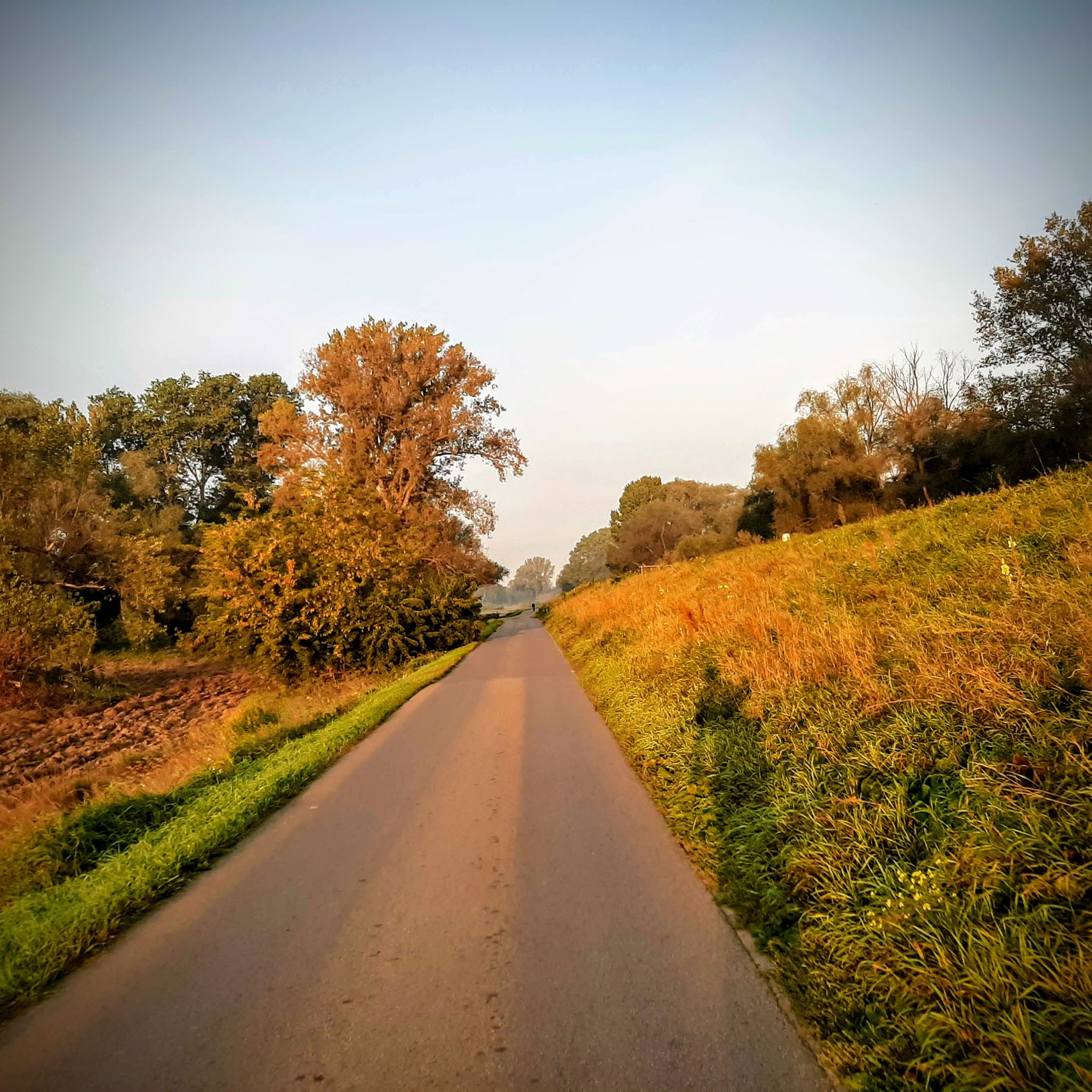
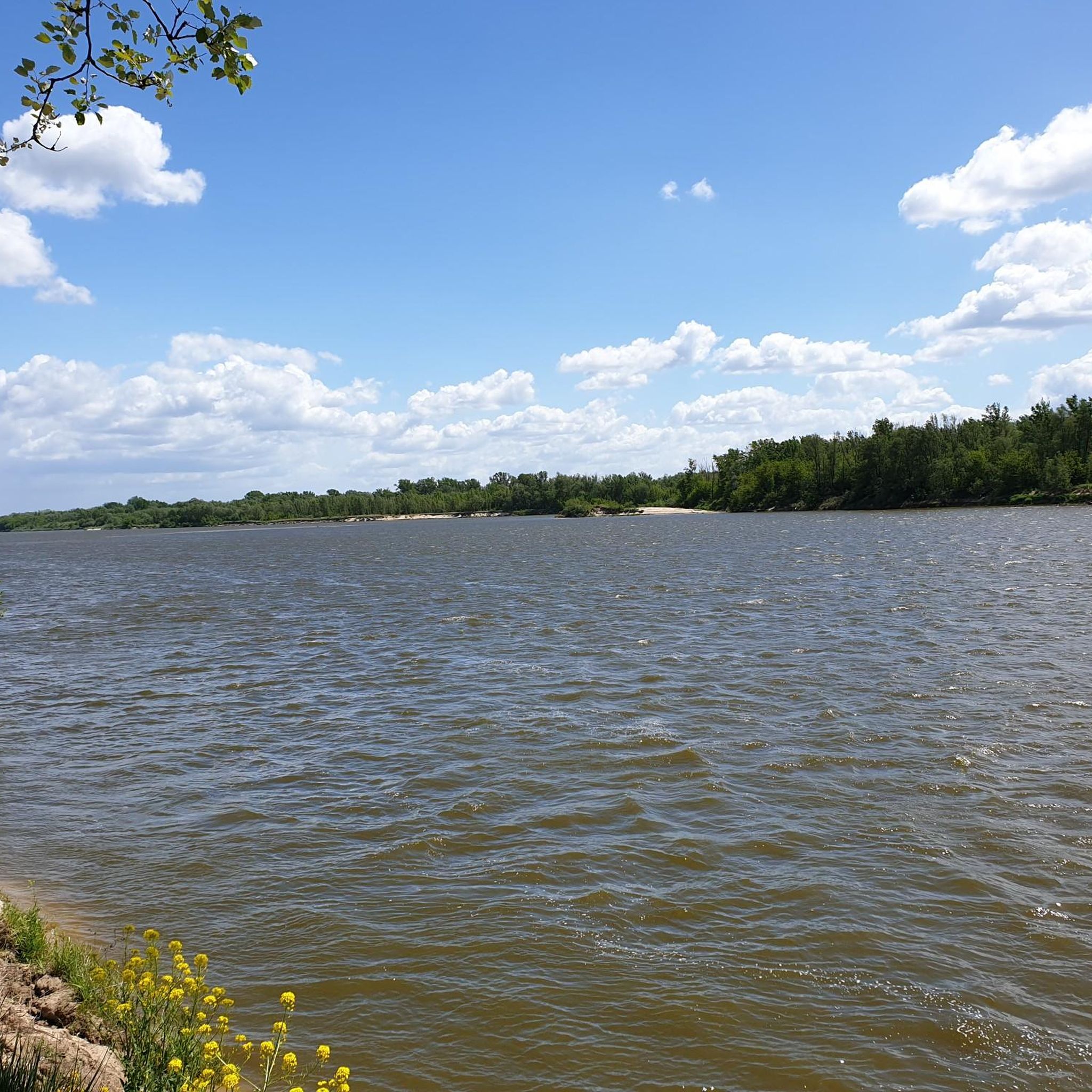
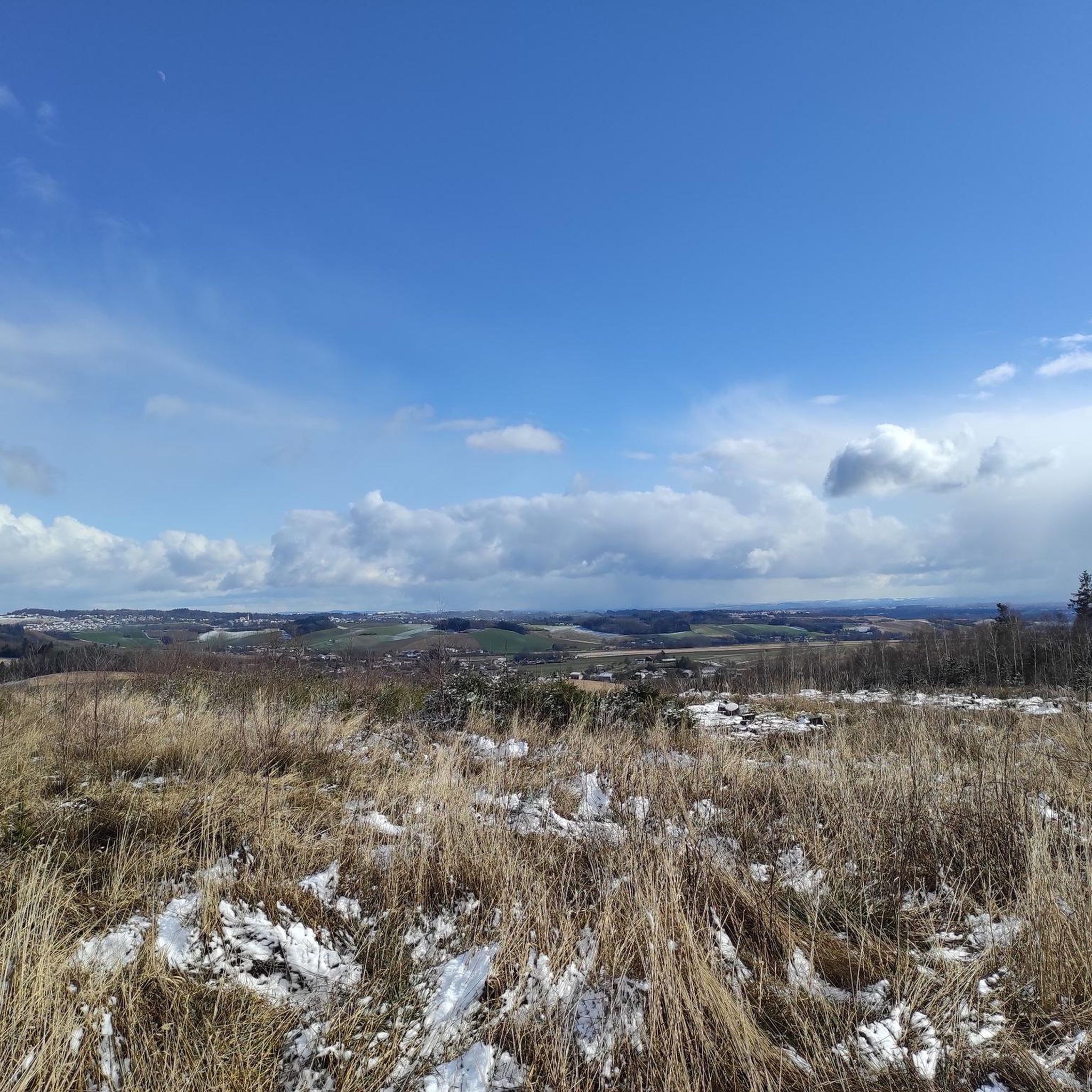
Hiking in Łąki Kazuńskie offers exploration across a unique wetland environment situated on the Vistula flood terrace. The area is characterized by expansive grasslands, numerous canals, and two prominent oxbow lakes, Jezioro Dolne and Jezioro Górne. This landscape provides a habitat for diverse flora and fauna, serving as an ecological corridor connecting to Kampinoski National Park. During spring, parts of the area can become marshy and boggy due to high ground humidity.
Best hiking trails in Łąki Kazuńskie
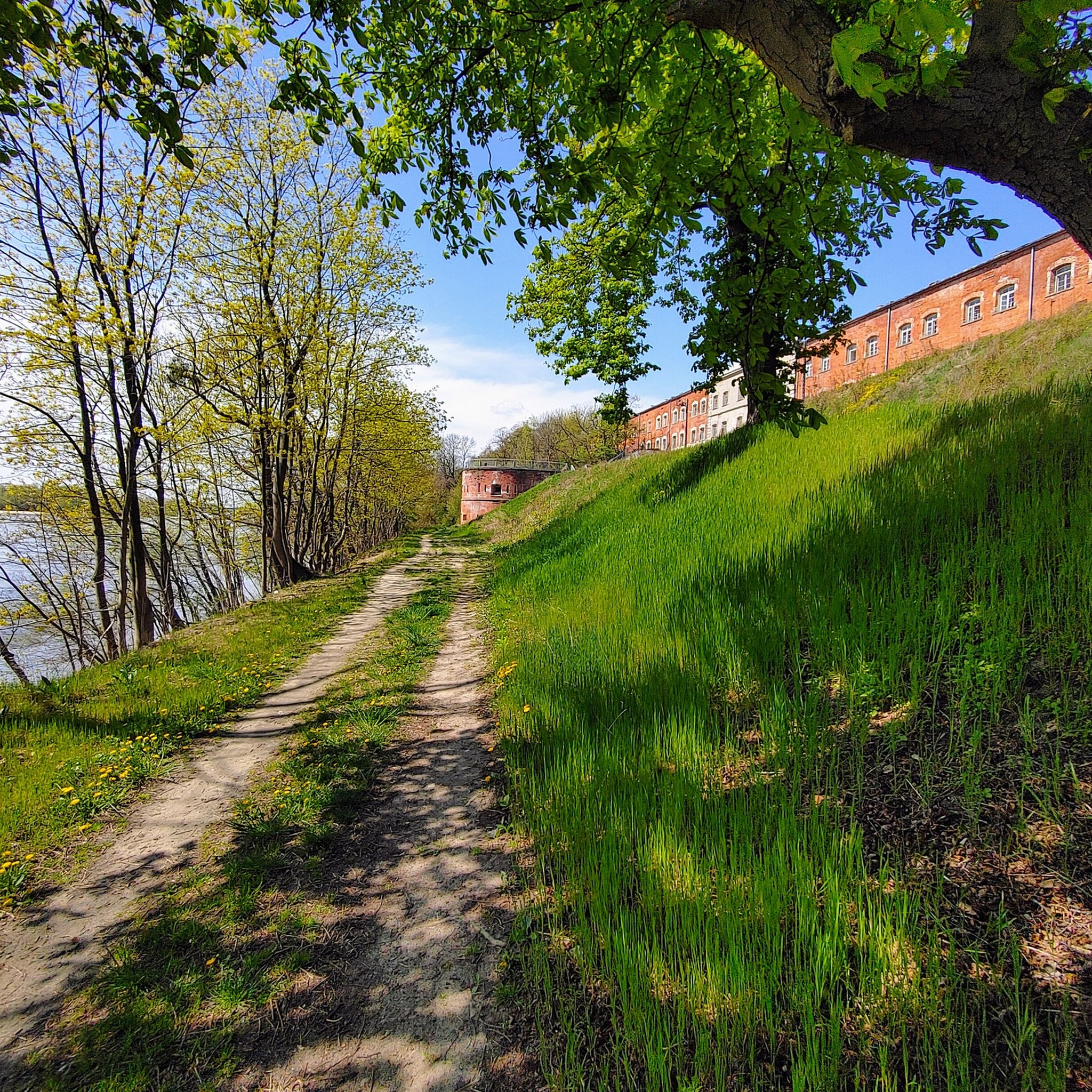
- The most popular hiking route is View of the Granary – Ostrołęcka Gate loop from Modlin Fortress, a 4.3 miles (6.9 km) easy trail that takes 1 hour 48 minutes to complete, offering views around the historic Modlin Fortress.
- Another top favourite among local hikers is Meciszewski Caponier – Napoleon Gate loop from Modlin Fortress, an easy 3.8 miles (6.1 km) path. This route explores further historical elements and natural surroundings near the fortress.
- Local hikers also love the Modlin Fortress — Cadets' Gate – Tank at Modlin Fortress loop from Modlin Fortress, a 1.3 miles (2.2 km) trail leading through the fortress grounds, often completed in about 33 minutes.
- Hiking in Łąki Kazuńskie is defined by its Vistula flood terrace setting, oxbow lakes, and expansive grasslands. The network offers options for easy, moderate, and difficult routes, catering to various experience levels.
- The routes in Łąki Kazuńskie are highly rated by the komoot community with an average score of 4.7 stars from over 60 reviews. More than 900 hikers have used komoot to explore Łąki Kazuńskie's varied terrain.
Last updated: October 11, 2026
4.8
(4)
33
hikers
Moderate hike. Good fitness required. Easily-accessible paths. Suitable for all skill levels.
5.0
(1)
32
hikers
Easy hike. Great for any fitness level. Easily-accessible paths. Suitable for all skill levels.

3.0
(1)
10
hikers
Easy hike. Great for any fitness level. Easily-accessible paths. Suitable for all skill levels.
9
hikers
Easy hike. Great for any fitness level. Easily-accessible paths. Suitable for all skill levels.
6
hikers
Moderate hike. Good fitness required. Easily-accessible paths. Suitable for all skill levels.
Get access to more routes and recommendations from other explorers.
Already have an account?
Our route recommendations are based on thousands of hikes, rides, and runs completed by other people on komoot.
Start today with a free account
Your next adventure awaits.
Tips from the Community

ORP „Batory” is a pre-war patrol and pursuit cutter of the Border Guard of the Second Polish Republic, launched on April 23, 1932, at the Modlin Shipyard.
0
0

For those interested in garrison architecture. The building is impressive.
0
0

great place, I highly recommend it
0
0

The gate was built in 1837. It was located in the curtain wall between Bastions III and IV. The gate is single-story, constructed of brick with reinforced ashlar elements. It was guarded by two artillery positions in two openings on the sides. It received a neo-Gothic façade on the exterior, with one decorative axe surviving to this day. The gate's external thresholds were located high above the fortress ditch at the edge of the ramparts. A wooden bridge once led to the gate, of which only 16 brick pillars remain. The bridge curved slightly closer to the gate so that the gate and the bridge were not aligned during firing. General Dąbrowski Street once began at the bridge. The gate is now a ruin.
0
0
To commemorate the heroic struggle, the Monument to the Defenders of Modlin from September 1939 was erected. The unveiling was performed by the commander of the 1939 Modlin defense, Brigadier General Wiktor Thommee, in the presence of numerous soldiers from his September campaign. The ceremony took place on September 29, 1957, the anniversary of the surrender of Modlin Fortress. The initiative to build the monument came from the command of the 15th Bomber Division, and its design was presented by Sergeant Ryszard Lasota, a non-commissioned officer of the Military Police. Two Soviet cannons were added to the monument. The motive was the Red Army's participation in the liberation of Modlin from Nazi occupation. The monument was erected on the site of a monument to Marshal Józef Piłsudski, unveiled in 1928, which was destroyed only in the early 1950s when the Marshal's bust and baton were removed from its pedestal. Until the unveiling of the next monument, this place was forgotten and neglected.
0
0
The Officers' Casino building was built around 1906, designed by an unknown Russian architect, with the collaboration of architect Piotr Leon Krasiński. It features a defensive architectural style with residential features. The T-shaped building was very modern considering the period in which it was built. It was the first in the fortress to have electric lighting powered by a generator and central heating powered and supplied by steam heated in a boiler room. This heating system was a rather unique solution. It was similar to what we would today call air conditioning. The designed system provided for the supply of fresh air and the exhaust of stale air, as evidenced by the mesh-covered intake openings and the openwork exhaust rings located near the outer chandeliers in today's auditorium. However, what most captivates visitors today is its decor and the historical interior furnishings. The balustrades, chandeliers, staircase, ceramic floors, and window and door joinery, all of which are characterized by exquisite craftsmanship, have survived to this day.
0
0
Baśka Murmańska – a female polar bear adopted in northern Russia and later recruited into the Murmansk Battalion commanded by Colonel Julian Skokowski. This battalion was a splinter unit of General Józef Dowbor-Muśnicki's 1st Polish Corps operating in the Murmansk region. In 1919, she arrived with the unit in Modlin, where she unfortunately perished.
0
0
A historic fortress cemetery where soldiers of various nationalities are buried.
0
0
Frequently Asked Questions
How many hiking trails are available in the Łąki Kazuńskie area?
There are over 50 hiking routes available in the broader Łąki Kazuńskie area, catering to various preferences. You'll find a good mix of easy, moderate, and a few more challenging options.
What natural features can I expect to see while hiking in Łąki Kazuńskie?
Łąki Kazuńskie is characterized by its unique wetland environment on the Vistula flood terrace. You'll encounter expansive grasslands, numerous canals, and two prominent oxbow lakes, Jezioro Dolne and Jezioro Górne. The area is also a vital ecological corridor, rich in diverse flora and fauna, including many bird species, wild boars, deer, and even elk.
Are there any viewpoints in Łąki Kazuńskie?
Yes, for those seeking an overview of the landscape, there is a designated viewpoint located near the intersection of Pańska and Nowa streets. It offers expansive views across a significant portion of the meadows.
What is the terrain like for hiking in Łąki Kazuńskie?
The terrain in Łąki Kazuńskie is primarily composed of dirt roads crisscrossing expansive grasslands. Due to its location on the Vistula flood terrace, parts of the area can become marshy and boggy, especially during spring, reflecting its wetland characteristics. The elevation changes are generally gentle, making it accessible for most hikers.
Are there easy hiking options in Łąki Kazuńskie?
Yes, the majority of routes in the area are considered easy. For example, the View of the Granary – Ostrołęcka Gate loop from Modlin Fortress is an easy 4.3-mile (6.9 km) trail that takes less than two hours to complete, offering views around the historic Modlin Fortress.
Are the hiking trails in Łąki Kazuńskie suitable for families?
Many of the trails in the Łąki Kazuńskie area are suitable for families, especially the easier, flatter routes. The undeveloped charm and opportunities for wildlife observation make it an engaging experience for children. Just be mindful that during spring, some areas can be marshy.
Can I hike with my dog in Łąki Kazuńskie?
Yes, Łąki Kazuńskie is generally dog-friendly. As a Natura 2000 site and an ecologically sensitive area, it's important to keep your dog under control, ideally on a leash, to protect the local wildlife and flora. Always clean up after your pet.
What is the best time to visit Łąki Kazuńskie for hiking?
Łąki Kazuńskie offers unique experiences throughout the year. Late summer is particularly spectacular due to the mass blooming of purple loosestrife. Spring brings marshy conditions but also vibrant new growth. For wildlife observation, early mornings or late afternoons are often best. Always check local conditions, especially after heavy rainfall.
Are there any circular hiking routes in Łąki Kazuńskie?
Yes, many of the routes in the area are designed as loops. An example is the Meciszewski Caponier – Napoleon Gate loop from Modlin Fortress, an easy 3.8-mile (6.1 km) path that explores historical elements and natural surroundings near the fortress.
What do other hikers enjoy the most about hiking in Łąki Kazuńskie?
The area is highly rated by the komoot community, with an average score of 4.7 stars from over 60 reviews. Reviewers often praise the tranquil and ecologically rich environment, the opportunities for wildlife spotting, and the sense of an uncrowded, wild hiking experience.
Is there parking available for hikers in Łąki Kazuńskie?
While there are no official large parking lots within the undeveloped meadows, visitors typically find roadside parking in nearby villages or designated spots close to access points. It's advisable to check specific starting points for routes for the most convenient parking options.
Are there any challenging hikes in Łąki Kazuńskie?
While the majority of trails are easy to moderate, there are a few routes classified as difficult for those seeking more of a challenge. These might involve longer distances or more varied terrain, though significant elevation changes are not typical for this wetland area. There are 4 difficult routes out of 54 total.
What kind of wildlife can I expect to see in Łąki Kazuńskie?
Łąki Kazuńskie is a haven for wildlife, designated as a special habitat protection area within the Natura 2000 network. Hikers can frequently spot numerous bird species, wild boars, deer, and even elk, especially during quieter times of the day.
Most popular routes in Łąki Kazuńskie

Get inspired with the komoot mobile app


Explore more
Browse the best Hikes in other regions.
