The best walks and hikes in Rezerwat Wikliny Wiślane
4.6
(22)
439
hikers
52
hikes
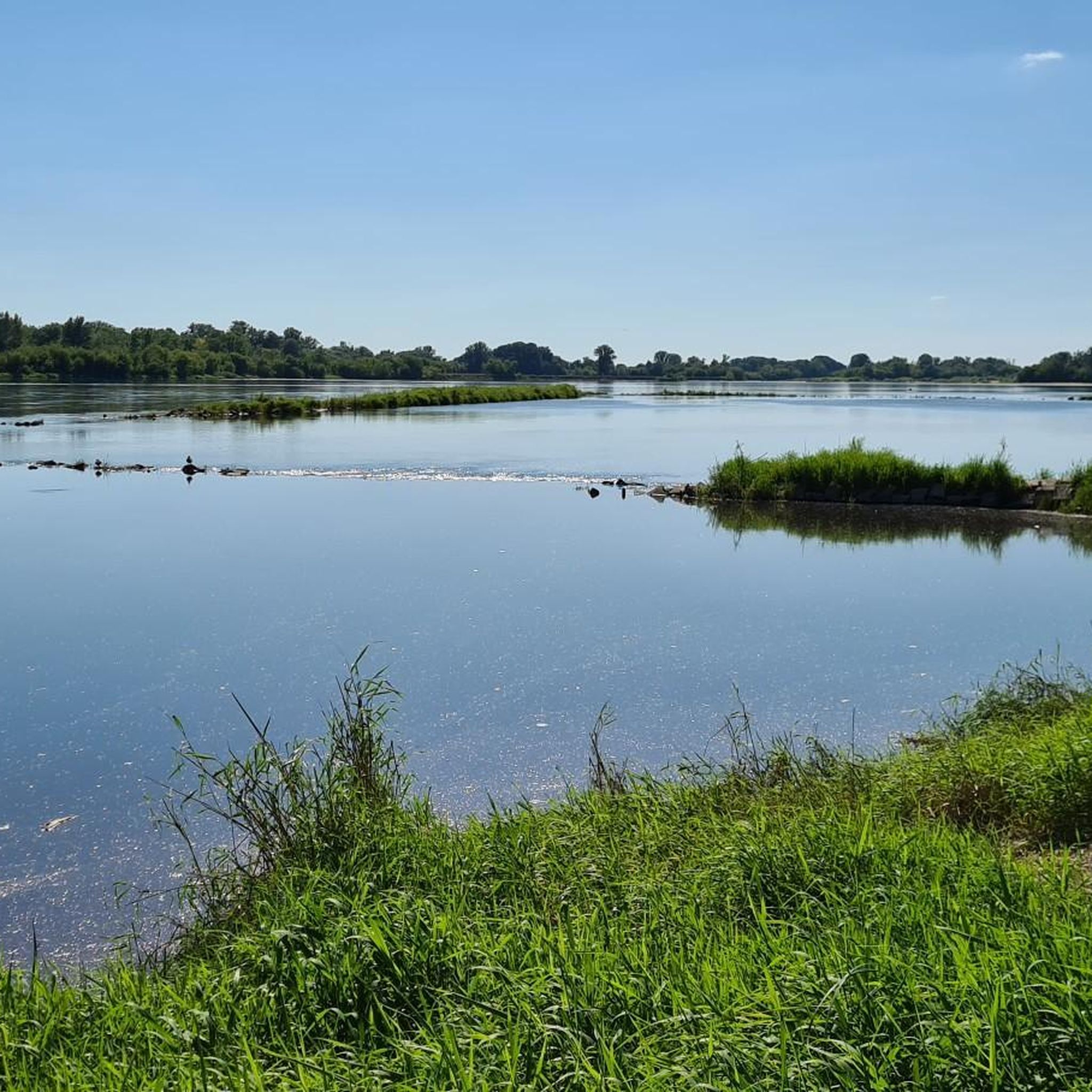
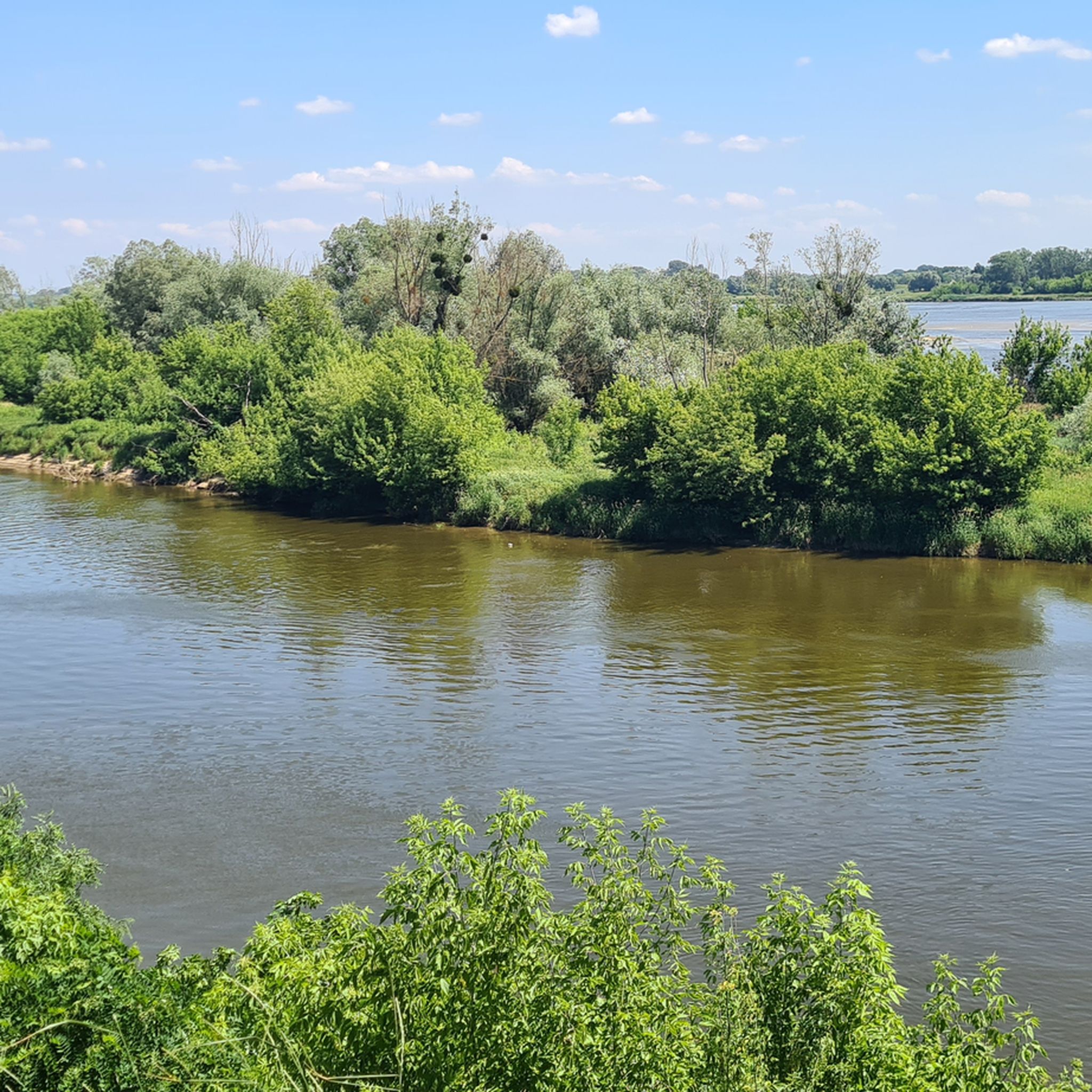
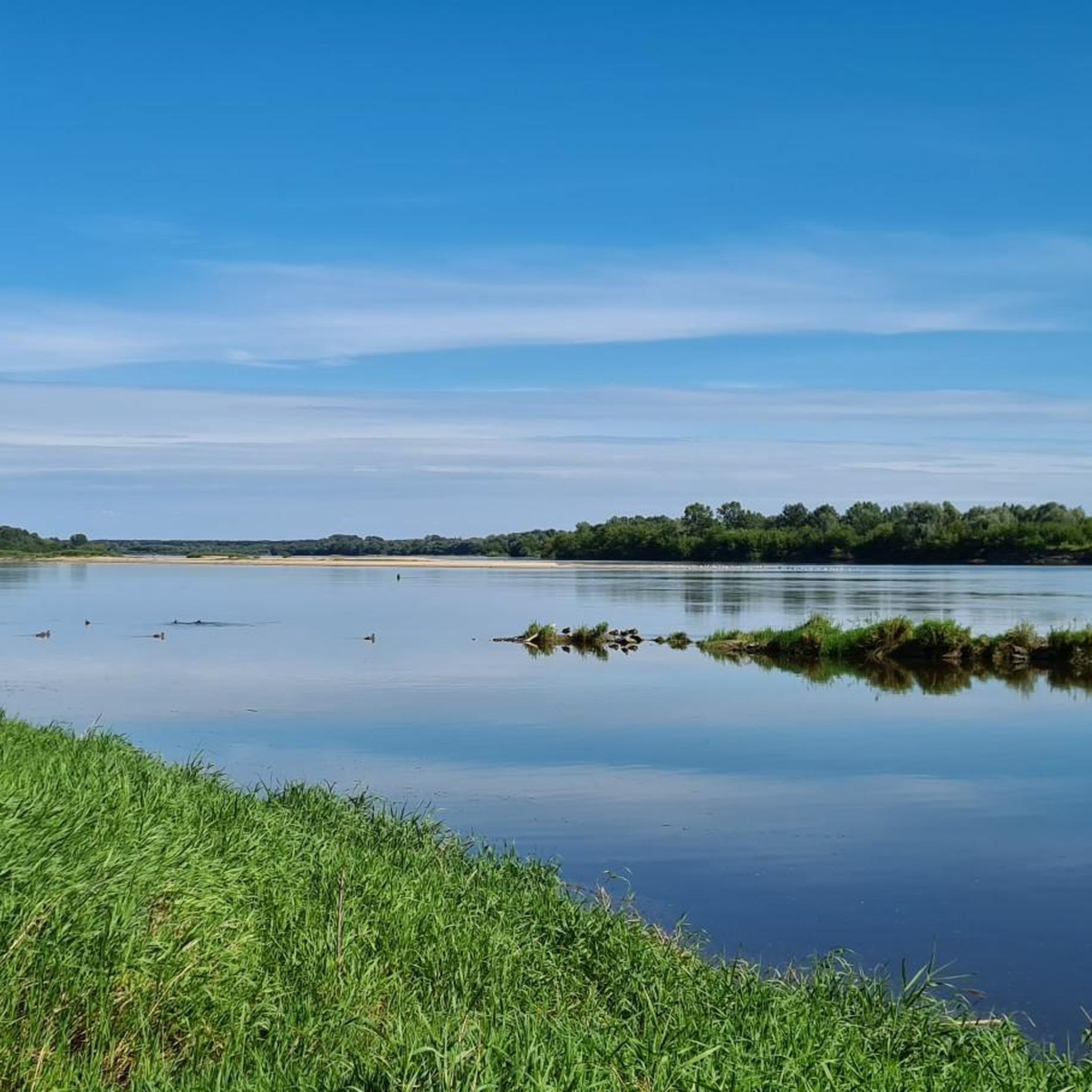
Hiking trails in Rezerwat Wikliny Wiślane traverse a unique riverine landscape characterized by the Vistula River, its islands, and sandy shoals. This area features a diverse habitat, often described as a blend of dense vegetation and open spaces. The reserve is primarily an ornithological sanctuary, integrated into the buffer zone of Kampinos National Park and other protected areas. While direct entry into the core reserve is restricted, the surrounding Vistula embankments and adjacent areas offer accessible hiking opportunities.
Best hiking…
Last updated: October 11, 2026
3.5
(2)
20
hikers
12.0km
03:05
40m
40m
Moderate hike. Good fitness required. Easily-accessible paths. Suitable for all skill levels.
5.0
(2)
21
hikers
Moderate hike. Good fitness required. Easily-accessible paths. Suitable for all skill levels.

4.8
(4)
33
hikers
Moderate hike. Good fitness required. Easily-accessible paths. Suitable for all skill levels.
9
hikers
Easy hike. Great for any fitness level. Easily-accessible paths. Suitable for all skill levels.
7
hikers
Moderate hike. Good fitness required. Easily-accessible paths. Suitable for all skill levels.
Get access to more routes and recommendations from other explorers.
Already have an account?
Our route recommendations are based on thousands of hikes, rides, and runs completed by other people on komoot.
Start today with a free account
Your next adventure awaits.
Tips from the Community

For those interested in garrison architecture. The building is impressive.
0
0

great place, I highly recommend it
0
0

The gate was built in 1837. It was located in the curtain wall between Bastions III and IV. The gate is single-story, constructed of brick with reinforced ashlar elements. It was guarded by two artillery positions in two openings on the sides. It received a neo-Gothic façade on the exterior, with one decorative axe surviving to this day. The gate's external thresholds were located high above the fortress ditch at the edge of the ramparts. A wooden bridge once led to the gate, of which only 16 brick pillars remain. The bridge curved slightly closer to the gate so that the gate and the bridge were not aligned during firing. General Dąbrowski Street once began at the bridge. The gate is now a ruin.
0
0
To commemorate the heroic struggle, the Monument to the Defenders of Modlin from September 1939 was erected. The unveiling was performed by the commander of the 1939 Modlin defense, Brigadier General Wiktor Thommee, in the presence of numerous soldiers from his September campaign. The ceremony took place on September 29, 1957, the anniversary of the surrender of Modlin Fortress. The initiative to build the monument came from the command of the 15th Bomber Division, and its design was presented by Sergeant Ryszard Lasota, a non-commissioned officer of the Military Police. Two Soviet cannons were added to the monument. The motive was the Red Army's participation in the liberation of Modlin from Nazi occupation. The monument was erected on the site of a monument to Marshal Józef Piłsudski, unveiled in 1928, which was destroyed only in the early 1950s when the Marshal's bust and baton were removed from its pedestal. Until the unveiling of the next monument, this place was forgotten and neglected.
0
0
The Officers' Casino building was built around 1906, designed by an unknown Russian architect, with the collaboration of architect Piotr Leon Krasiński. It features a defensive architectural style with residential features. The T-shaped building was very modern considering the period in which it was built. It was the first in the fortress to have electric lighting powered by a generator and central heating powered and supplied by steam heated in a boiler room. This heating system was a rather unique solution. It was similar to what we would today call air conditioning. The designed system provided for the supply of fresh air and the exhaust of stale air, as evidenced by the mesh-covered intake openings and the openwork exhaust rings located near the outer chandeliers in today's auditorium. However, what most captivates visitors today is its decor and the historical interior furnishings. The balustrades, chandeliers, staircase, ceramic floors, and window and door joinery, all of which are characterized by exquisite craftsmanship, have survived to this day.
0
0
Baśka Murmańska – a female polar bear adopted in northern Russia and later recruited into the Murmansk Battalion commanded by Colonel Julian Skokowski. This battalion was a splinter unit of General Józef Dowbor-Muśnicki's 1st Polish Corps operating in the Murmansk region. In 1919, she arrived with the unit in Modlin, where she unfortunately perished.
0
0
A historic fortress cemetery where soldiers of various nationalities are buried.
0
0
It is a three-story defensive gate dating from 1836, with a central passageway above ground level. During World War I or earlier, a second passageway was constructed in this gate. Later, the narrow-gauge railway tracks were laid through it, running along the Narew River. On the exterior, the gate was equipped with pairs of embrasures on both sides of the passageway on the ground floor and six artillery axes on the first floor. The parapets of all the embrasures are made of stone. The interior of the "Ostrołęcka" Gate features classical architectural features. On this side, the second floor features three semicircular windows, and the arched passageway is framed by pairs of Ionic pilasters. Source: https://www.nowydwormaz.pl/100,brama-ostrolecka
0
0
Frequently Asked Questions
How many hiking trails are available in Rezerwat Wikliny Wiślane?
There are over 25 hiking routes in the Rezerwat Wikliny Wiślane area, catering to various preferences and skill levels. These include 10 easy trails, 13 moderate routes, and 2 more challenging options.
Are there any restrictions for hiking within Rezerwat Wikliny Wiślane?
Yes, Rezerwat Wikliny Wiślane is primarily a nature reserve dedicated to protecting rare bird species. Direct entry into the core protected area is strictly prohibited to avoid disturbing the wildlife. However, the surrounding Vistula embankments and adjacent areas offer excellent opportunities for hiking and observing the unique riverine landscape from accessible vantage points.
What kind of landscape can I expect to see while hiking in this region?
The region offers a unique riverine landscape shaped by the Vistula River, featuring islands, sandy shoals, and dynamic water flows. The diverse habitat has been described as a blend of 'jungle' and 'prairie,' with rich vegetation and open spaces. You'll experience a tranquil, wild natural environment, often with a melancholic beauty, especially at sunset.
Is Rezerwat Wikliny Wiślane a good place for birdwatching?
Absolutely. As an ornithological reserve, it's a significant haven for birds, attracting a wide array of species, including rare ones, particularly from spring to autumn. Even rare wintering birds from Scandinavia can be spotted. While direct entry into the core reserve is restricted, you can enjoy excellent birdwatching from accessible points along the Vistula embankments.
Are there any circular hiking routes available?
Yes, many of the trails in the area are circular, allowing you to start and end at the same point. For example, you can explore the Biela Nature Reserve loop from Gać or the Czarna Woda Nature Reserve – Czarna Woda Nature Reserve loop from Leoncin, both offering engaging circular experiences.
What do other hikers enjoy most about the trails in Rezerwat Wikliny Wiślane?
The area is highly rated by the komoot community, with an average score of 4.8 stars from over 10 reviews. Hikers often praise the unique wildness of the Vistula landscape, the tranquility, and the opportunities for nature observation, despite being close to urban areas. The diverse riverine ecosystems and the sense of escaping into 'another world' are frequently highlighted.
Are there any easy hiking routes suitable for beginners or families?
Yes, there are 10 easy routes in the region. An example is the Modlin Fortress — Cadets' Gate – Tank at Modlin Fortress loop from Modlin Fortress, which is a shorter, less strenuous option. These trails often follow the Vistula embankments, providing accessible paths for a relaxed walk.
Can I bring my dog on the hiking trails?
While the core reserve has strict regulations, many of the surrounding trails along the Vistula embankments are generally dog-friendly. However, it's always recommended to keep your dog on a leash, especially in areas where wildlife might be present, and to respect any local signage regarding pet access.
What is the best season for hiking in Rezerwat Wikliny Wiślane?
The area is beautiful throughout the year, but spring and autumn are particularly rewarding. Spring brings abundant birdlife and fresh greenery, while autumn offers stunning colors and a serene atmosphere. Summer is also pleasant, though it can be warmer. Winter hiking is possible, offering a unique, stark beauty, especially with the Vistula flowing by.
Are there opportunities for wildlife spotting beyond birds?
Yes, beyond the rich birdlife, the wild nature of the area means you might encounter other animals. Hikers have reported spotting wild animals like boars, which contribute to the 'wild' feel of the area. Keep an eye out for various mammals and amphibians that thrive in this diverse riverine ecosystem.
Is there parking available near the hiking trailheads?
While specific designated parking areas for every trailhead might vary, you can often find parking in the villages and towns adjacent to the reserve, such as Leoncin or Cybulice Duże, which serve as starting points for many routes. It's advisable to check local maps or komoot tour details for specific parking suggestions near your chosen starting point.
Are there any notable landmarks or attractions near the hiking routes?
The region is part of a larger protected network, including the buffer zone of Kampinos National Park and two Natura 2000 sites. While the reserve itself is focused on natural preservation, nearby areas offer points of interest. For instance, the View of the Granary – Ostrołęcka Gate loop from Modlin Fortress takes you near the historic Modlin Fortress, offering a blend of nature and history.
Most popular routes in Rezerwat Wikliny Wiślane

Get inspired with the komoot mobile app


Explore more
Browse the best Hikes in other regions.
