Sieradowicki Park Krajobrazowy
Sieradowicki Park Krajobrazowy
Attractions and Places To See in Sieradowicki Park Krajobrazowy - Top 20
Best attractions and places to see in Sieradowicki Park Krajobrazowy, located in Poland's Świętokrzyskie Voivodeship, encompasses the Suchedniowski Plateau and the northern Świętokrzyskie Mountains. Approximately 85% of its area is covered by mixed forests, featuring fir and European larch. The park is characterized by a blend of historical sites, diverse natural landscapes, and opportunities for outdoor exploration. It serves as a destination for those interested in nature and significant historical events.
Best attractions and places to see in Sieradowicki Park…
Last updated: July 5, 2026
Wykus Home Army Memorial
Highlight • Monument
Translated by Google •
Tip by

Wykus Nature Reserve
Highlight • Forest
Translated by Google •
Tip by

Sign up now to discover places like this
Get recommendations on the best single tracks, peaks, & plenty of other exciting outdoor places.
Sign up for free
Ponury Cave
Highlight • Cave
Translated by Google •
Tip by

Langiewicz Glade Memorial
Highlight • Historical Site
Translated by Google •
Tip by
Cygańska Kapa Rock Formations
Highlight • Natural Monument
Translated by Google •
Tip by
Sign up for free to discover even more attractions in Sieradowicki Park Krajobrazowy.
Sign up for free
Already have an account?
Start today with a free account
Your next adventure awaits.
Login or Signup
Popular around Sieradowicki Park Krajobrazowy
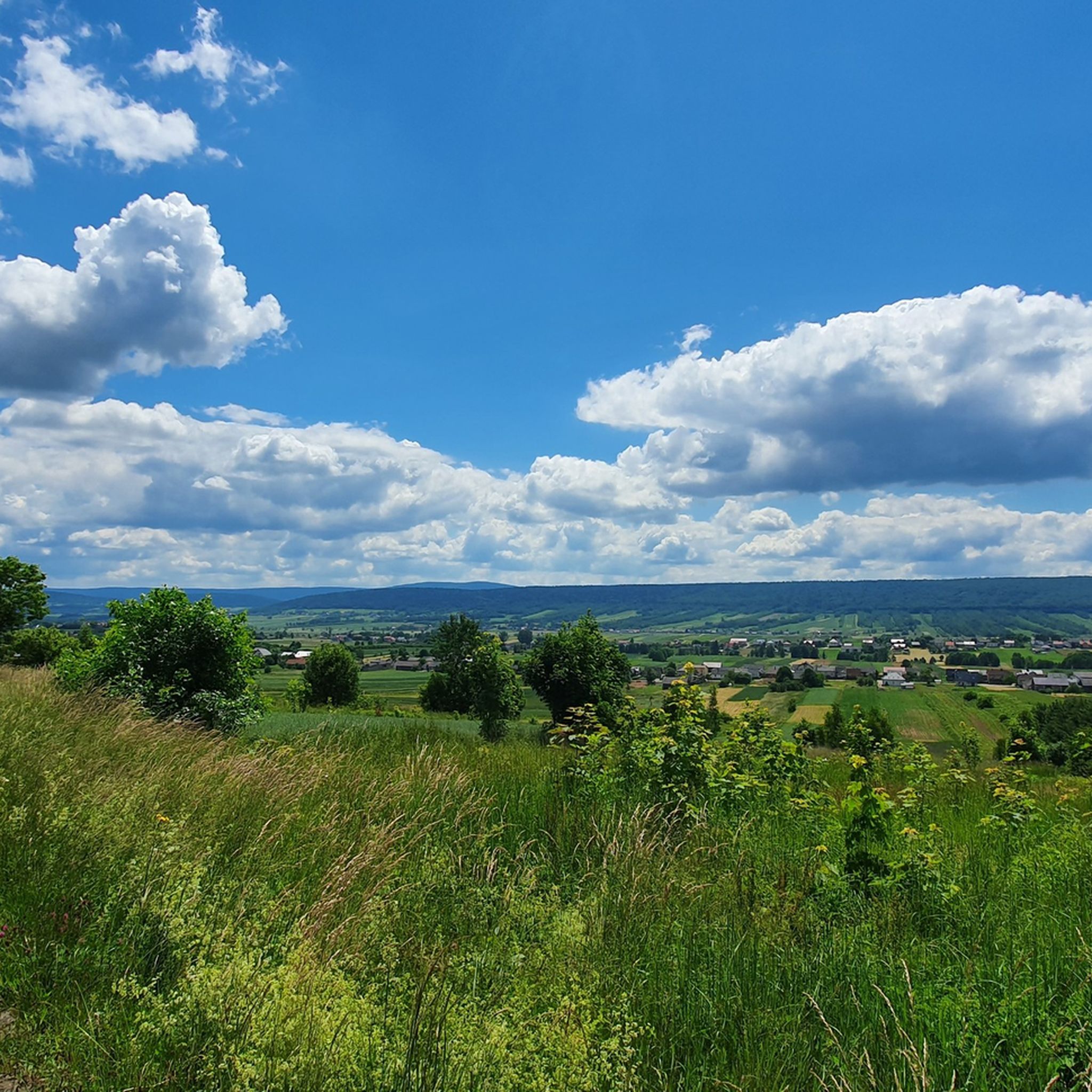
Road Cycling Routes in Sieradowicki Park Krajobrazowy
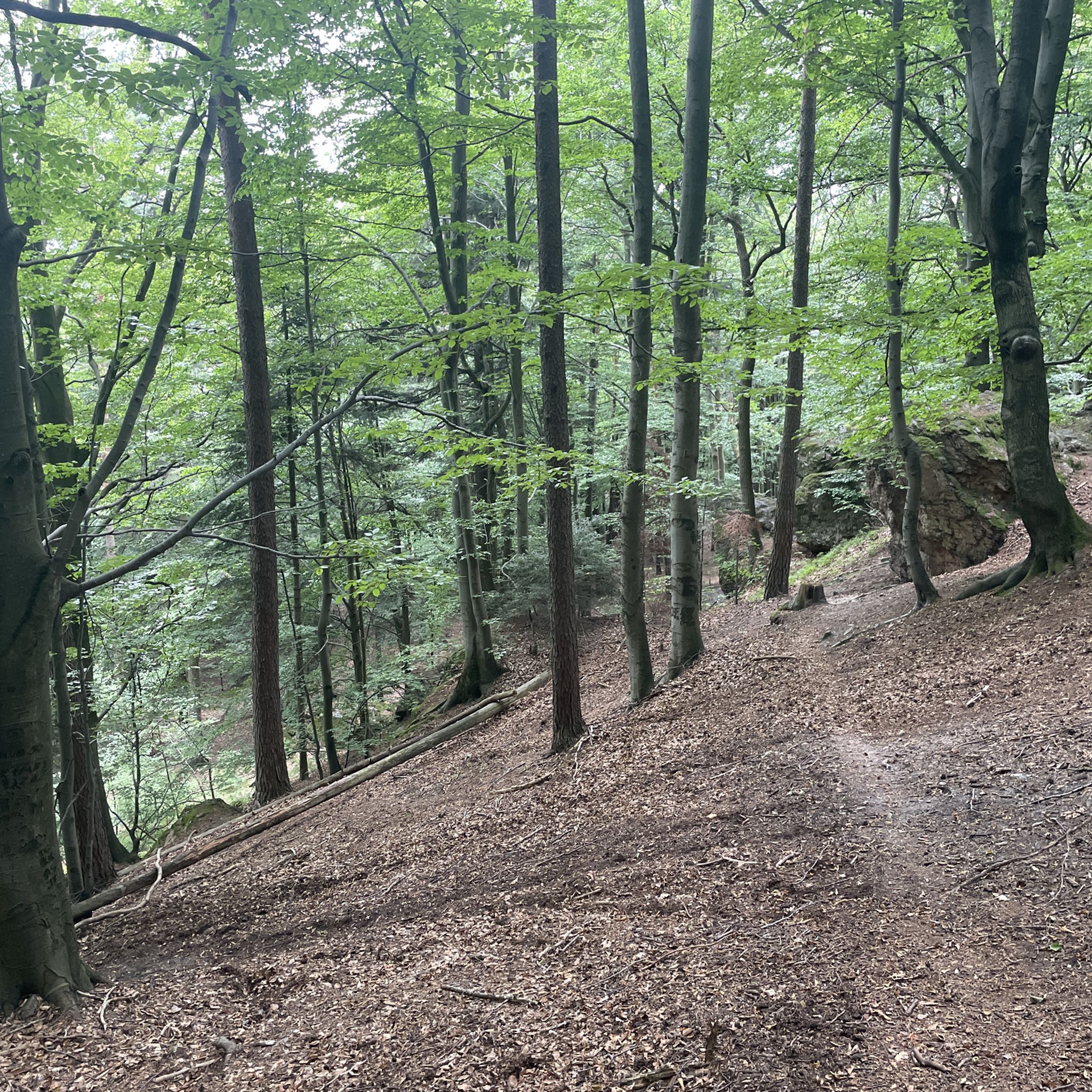
Hiking in Sieradowicki Park Krajobrazowy
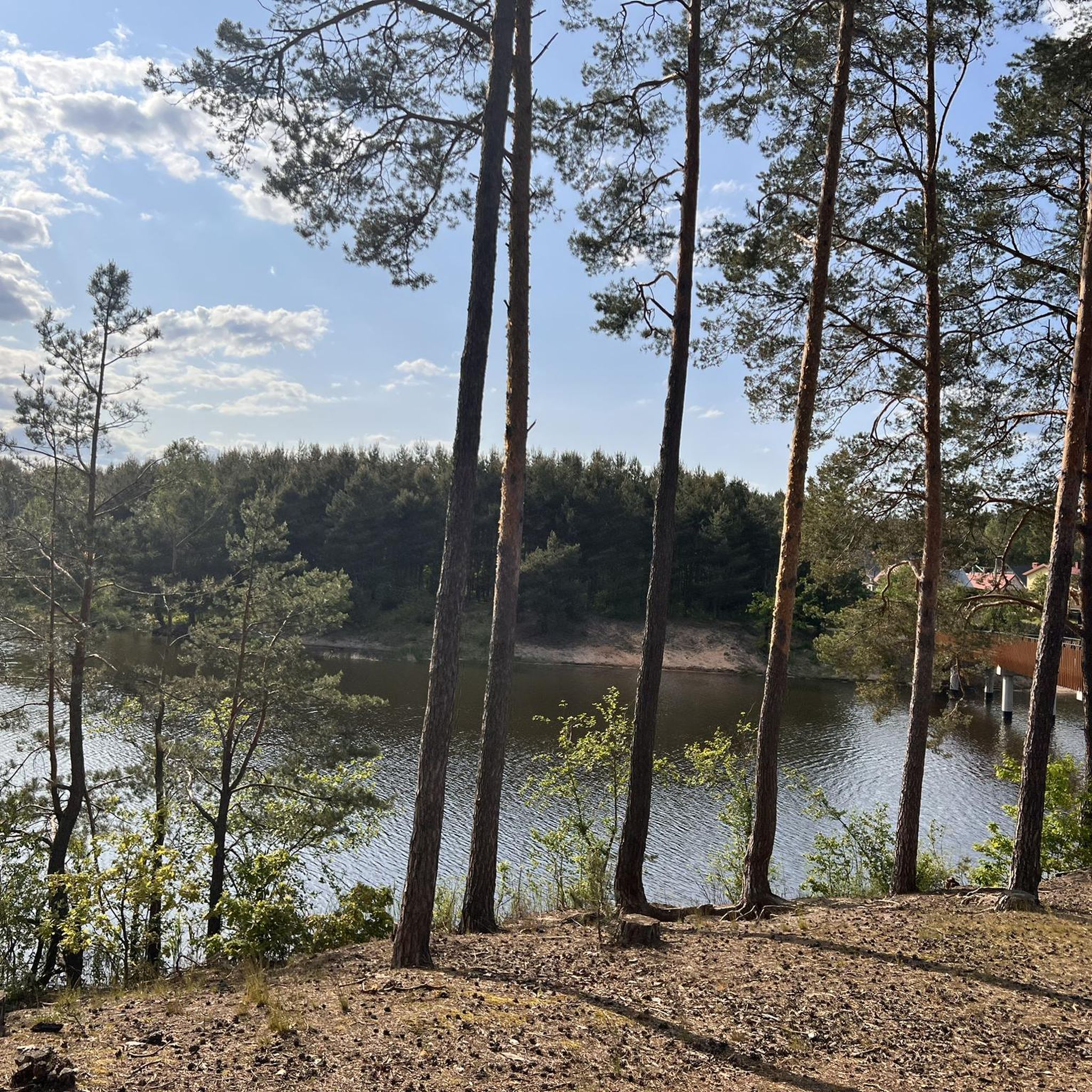
Cycling in Sieradowicki Park Krajobrazowy
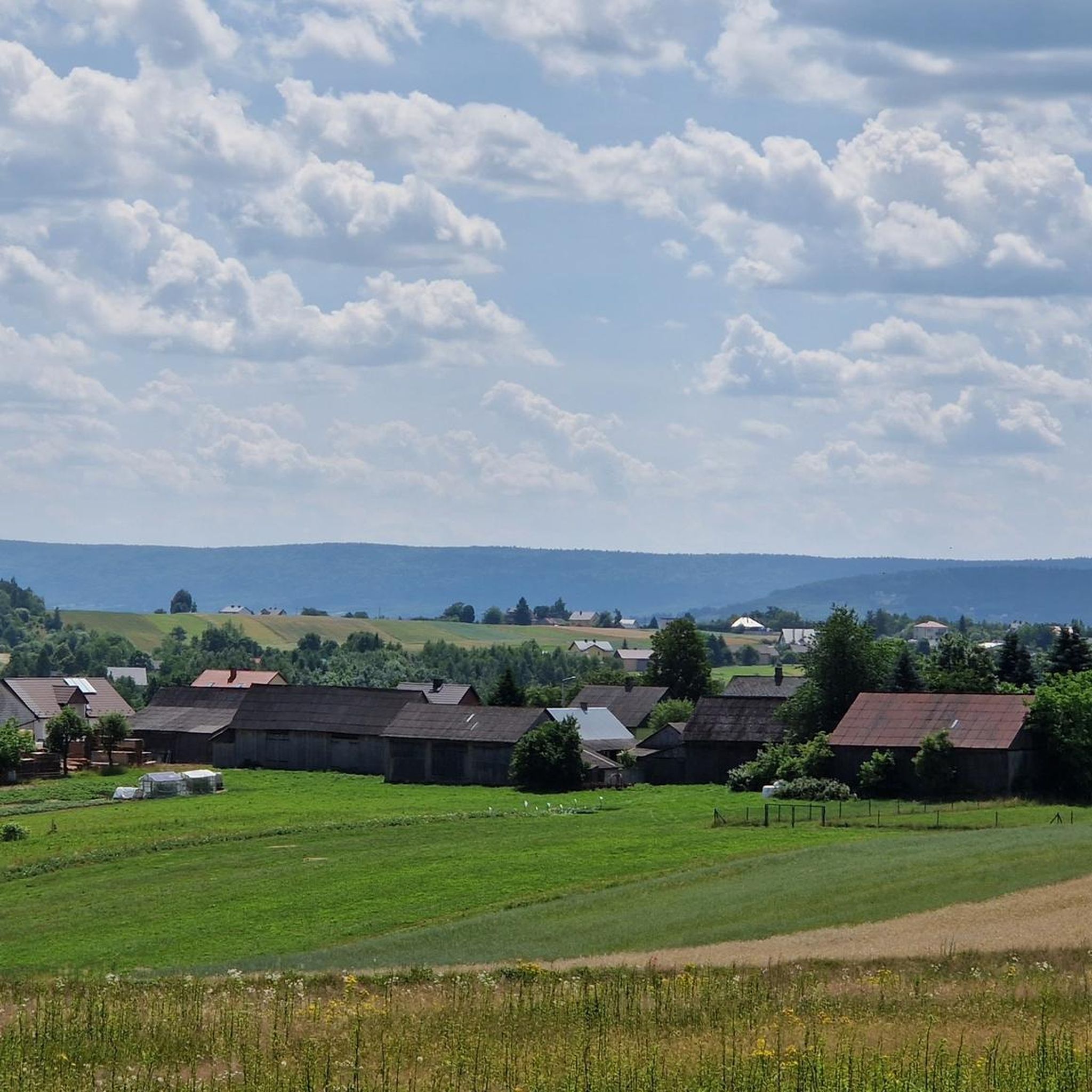
Running Trails in Sieradowicki Park Krajobrazowy
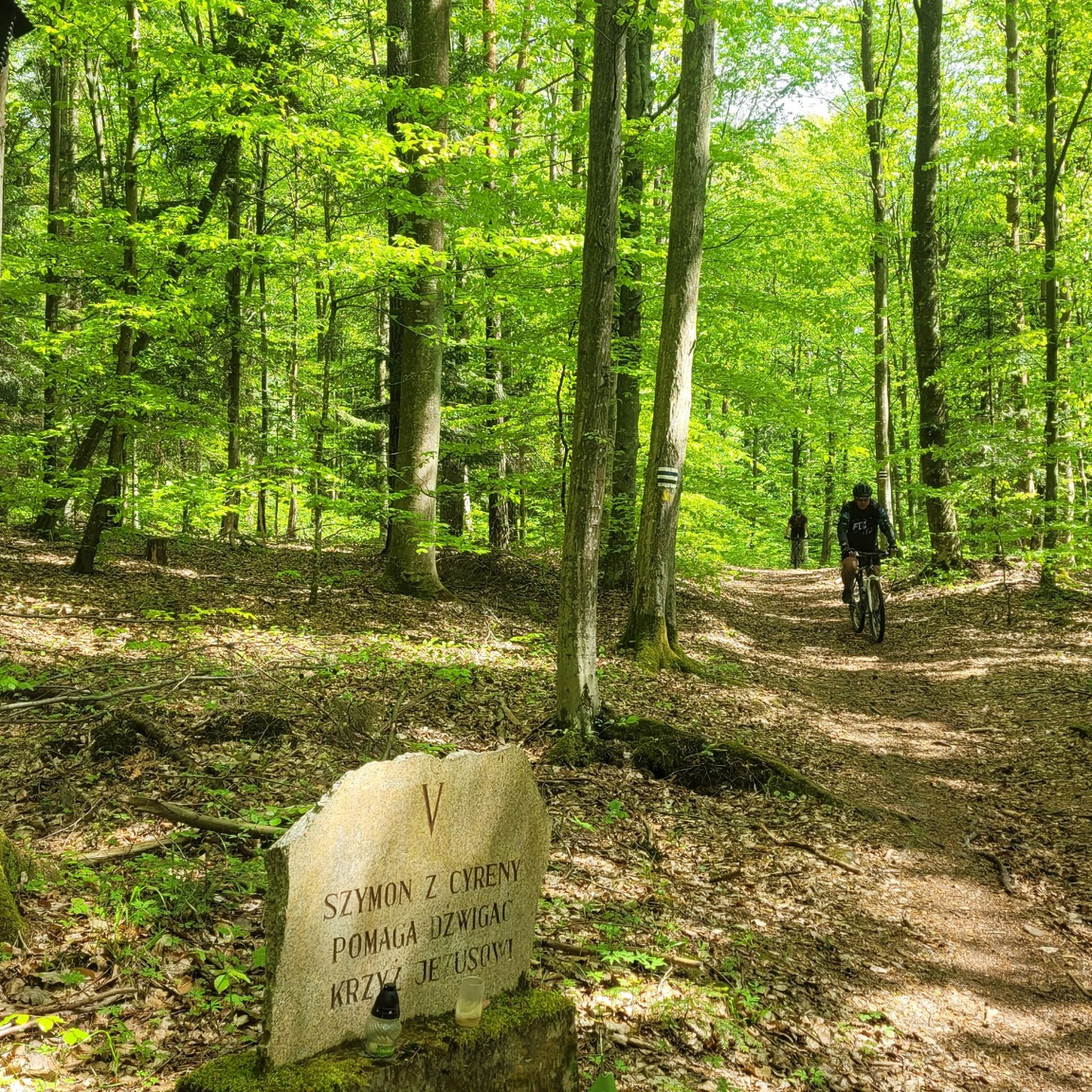
MTB Trails in Sieradowicki Park Krajobrazowy

Gravel biking in Sieradowicki Park Krajobrazowy

Mountain Hikes in Sieradowicki Park Krajobrazowy
Tips from the Community

A must visit on Sieradowicki
0
0

this is one big attraction this single track
0
0

Wykus was the base of Polish partisans. During the January Uprising, insurgents commanded by Marian Langiewicz were stationed here. During World War II, camps of Polish underground soldiers were located here, first under the command of Maj. Henryk Dobrzański "Hubal", later the Home Army Partisan Groups "Ponury" - lieutenant cc. Jan Piwnik "Ponury". On On September 15, 1957, in the place of the former camp, a chapel with the image of Our Lady of Sorrows was unveiled, commemorating those who died in the fight for the homeland. On its walls there are 123 nicknames of soldiers who died during the war. The shrine is surrounded by a wall, on which there are several hundred plaques with the names of the dead soldiers of the "Ponury" and "Nurt" groups. The chapel with the surrounding area within a radius of 30 m is the "Wykus" National Memorial Site and is entered in the register of immovable monuments. Every year, on the second Saturday of June, ceremonies commemorating the fallen soldiers of the Partisan Groups of the Home Army "Ponury" are organized in Wykus. Wykus (326 m above sea level) is also a nature reserve.
0
0
The Wykus partial reserve was established by the Ordinance of the Minister of Forestry and Wood Industry of October 11, 1978. The total area of the reserve is 53.01 ha, including 52.7 ha of forest and 0.31 ha of non-forest land. The reserve belongs to the Suchedniów Forest District, Bronkowice Forest District, Bodzentyn and Wąchock communes. The subject of protection in the reserve are diversified and highly natural forests with the participation of pine, fir and oak, hornbeam, birch, aspen and alder. The age of the upper layer of trees varies from 70 to 100 years, with specimens reaching 140 years. They are a great natural asset of the reserve. The highest degree of naturalness is characteristic of forest-like fir and alder stands. The area of the reserve is overgrown with a number of forest vegetation communities, among which the following deserve attention: Carpathian beech forest, oak-hornbeam forest, upland fir forest, mixed forest, Central Polish mixed forest with fir and alder and ash riparian forest. Many interesting and protected species of plants grow in the undergrowth and undergrowth, including: hepatica, live onion, three-needle moss, bugle, laurel and clubmoss. However, Wykus is famous above all for its many historical places. Large complexes of forests have long provided shelter to patriots fighting for the independence of our country. It was here that the January insurgents found shelter and the partisans of World War II. The Wykus Reserve is an important junction of tourist trails. They lead to it: - green hiking trail from Skarżysko (Mostek) - blue pedestrian from Wąchock and Bodzentyn - black pedestrian from Starachowice - red bicycle from Mostki, Wąchock and Bronkowice
0
0
Polana Langiewicza is commonly regarded as a campsite for insurgent troops led by General Marian Langiewicz during the January Uprising in 1863. However, there is no evidence that the insurgents were stationed in this exact place and that General Langiewicz himself stayed there. This place was indicated by Capt. Wojdacki, writing that "there was a spring and an oak grew, where General Marjan Langiewicz sat as if on a stool". The place was marked for the first time in 1925, during the convention of veterans of the 1863 uprising. Then, after the holy mass in Wąchock, the participants of the reunion went to the clearing, where a commemorative plaque was consecrated. The plaque was made in a foundry in Skarżysko, owned by Kazimierz Jan Witwicki, son of Jan Witwicki, an insurgent. At that time, the plaque was hung on an oak - today it is hung on a pine.
0
0

In this place there is a monument commemorating the soldiers of the Home Army (Polish independence underground) from groups operating against the Germans in the Świętokrzyskie Mountains under the command of the legendary Jan Piwnik pseudonym "Gloomy". Next to it, there is a place for the Holy Mass and benches for those gathered during the ceremony.
0
0
Skałki Cygańska Kapa are located by the fire road from Mostki towards Wykus or the Lubianka reservoir, not far from the village of Węglów. At different times of the year, the rocks have different shades of color, especially in autumn mornings, when there are frosts and a cloudless sky. The variegatedness of sandstone shades with drops of frozen dew in the morning sun is an understatement. After crossing a small ditch by the fire road, we can explore the rocks and enjoy their various shapes. On the same road, about 25 meters from the rocks, we have a place with benches where we can rest.
1
0

Cool place to rest. Access does not require any additional hardware. The steep descent from the trail to the cave on wet days can be problematic. Good shoes are essential.
2
0
Frequently Asked Questions
What historical sites can I visit in Sieradowicki Park Krajobrazowy?
The park is rich in history. You can visit the Wykus Home Army Memorial, which commemorates soldiers from World War II. Another significant spot is the Langiewicz Glade Memorial, associated with the January Uprising of 1863. Beyond these, the Cistercian Abbey in Wąchock and historical churches in Tarczek and Radkowice offer further insights into the region's past.
What natural features and reserves are there to explore?
Sieradowicki Park Krajobrazowy boasts three nature reserves: Wykus Nature Reserve, Kamień Michniowski, and Góra Sieradowska. Kamień Michniowski is the highest peak, and you can find the 25-meter-long Ponury Cave on its western slope (though it's not open to tourists). Don't miss the unique Burzący Stok Spring near Suchedniów, known for its high-pressure water flow, or the picturesque Zalew Kamionka lagoon, popular for recreation.
Are there opportunities for hiking and cycling in the park?
Yes, the park offers numerous trails for hiking and cycling. You can explore various routes, including easy hikes like the 'Ponury Cave loop from Wzdół Rządowy' or the 'Northern Footbridge – West Footbridge loop from Parafia Matki Bożej Nieustającej Pomocy w Starachowicach'. For more options, check out the Hiking in Sieradowicki Park Krajobrazowy guide.
What are some family-friendly activities or trails in the park?
The park offers several family-friendly options. The Zalew Kamionka (Kamionka Lagoon) in Suchedniów is ideal for families, with water equipment rentals, a beach volleyball court, a cafe, and a playground available in summer. For walks, consider the 'Radkowice – Śniadka' educational trail, which is approximately 5 km long and provides insights into the park's nature and history.
Can I bring my dog to Sieradowicki Park Krajobrazowy?
The park is generally welcoming to dogs, especially on its numerous trails. However, specific rules may apply in nature reserves or protected areas. It's always best to keep your dog on a leash and ensure you clean up after them to preserve the natural environment for everyone.
What are the best viewpoints or geological features to see?
For geological features, visit the Cygańska Kapa Rock Formations near Węglów, known for their varied shapes and changing colors throughout the year. Other notable geological objects include a profile of Pleistocene sediments in the Rocław loess gorge near Wąchock and a post-glacial erratic boulder near Siekierno.
Are there any educational trails in the park?
Yes, the park features three educational trails designed to deepen your understanding of its nature, history, and culture. These include 'Radkowice – Śniadka' (approx. 5 km), 'Berezów – Michniów – Kamień Michniowski – Burzący Stok – Suchedniów' (approx. 15 km), and 'Wąchock – Wąwóz Rocław – Rataje – Polana Langiewicza – Wykus'.
What kind of wildlife can I expect to see?
The park's diverse forests provide a habitat for various animals. You might spot elk, red deer, wild boars, and roe deer. Birdwatchers can look for rare species such as white and black storks, common buzzards, kingfishers, and hoopoes. The rich flora also includes 57 protected plant species.
What is the best time of year to visit Sieradowicki Park Krajobrazowy?
The park offers beauty throughout the year. Spring and autumn are particularly popular for hiking due to pleasant temperatures and vibrant foliage. Summer is ideal for water activities at Zalew Kamionka. The forests, with their fir and European larch, are captivating in any season.
Where can I find parking near the main attractions or trailheads?
While specific parking areas are not detailed for every attraction, many popular sites like the Wykus Home Army Memorial and trailheads often have designated parking. For example, near the Cygańska Kapa Rock Formations, there are benches and a place to rest by the fire road, suggesting accessibility for visitors.
Are there any running trails available?
Yes, the park offers various running trails. You can find routes of different difficulties, such as the 'Kąpielisko Lubianka loop from Kolonijki' (moderate) or more challenging options like the 'Jaźwińska Góra loop from Parszów'. For a comprehensive list, refer to the Running Trails in Sieradowicki Park Krajobrazowy guide.
What other outdoor activities are popular in the park?
Beyond hiking, cycling, and running, the extensive forest areas are suitable for Nordic walking. Horseback riding is also a popular way to experience the park's natural beauty. The Zalew Kamionka lagoon is a great spot for fishing and sunbathing during warmer months.
Most popular routes in Sieradowicki Park Krajobrazowy
Most popular attractions in Sieradowicki Park Krajobrazowy

Get inspired with the komoot mobile app


Explore more
Still not found the Highlight you’re looking for? See guides of the top attractions in other regions:
