Attractions and Places To See around Düngenheim - Top 20
Best attractions and places to see around Düngenheim, a municipality in the Cochem-Zell district of Rhineland-Palatinate, Germany, offers a blend of historical landmarks and natural beauty. The region is characterized by its historical structures, including Saint Simeon's Catholic Church and numerous wayside crosses. Visitors can explore the surrounding Eifel landscape, which features natural monuments and engineering feats. The area provides opportunities for outdoor activities and insights into local history and culture.
Best attractions and places to see around Düngenheim
- The…
Last updated: July 6, 2026
Monreal Historic Old Town
Highlight • Historical Site
Translated by Google •
Tip by

Hausen-1 Tunnel
Highlight • Structure
Translated by Google •
Tip by

Sign up now to discover places like this
Get recommendations on the best single tracks, peaks, & plenty of other exciting outdoor places.
Sign up for free
Nette Viaduct and Tunnel
Highlight (Segment) • Bridge
Translated by Google •
Tip by
Löwenburg Ruins, Monreal
Highlight • Castle
Translated by Google •
Tip by
Elzbach Waterfall at the Pyrmonter Mill
Highlight • Waterfall
Translated by Google •
Tip by

Sign up for free to discover even more attractions around Düngenheim.
Sign up for free
Already have an account?
Start today with a free account
Your next adventure awaits.
Login or Signup
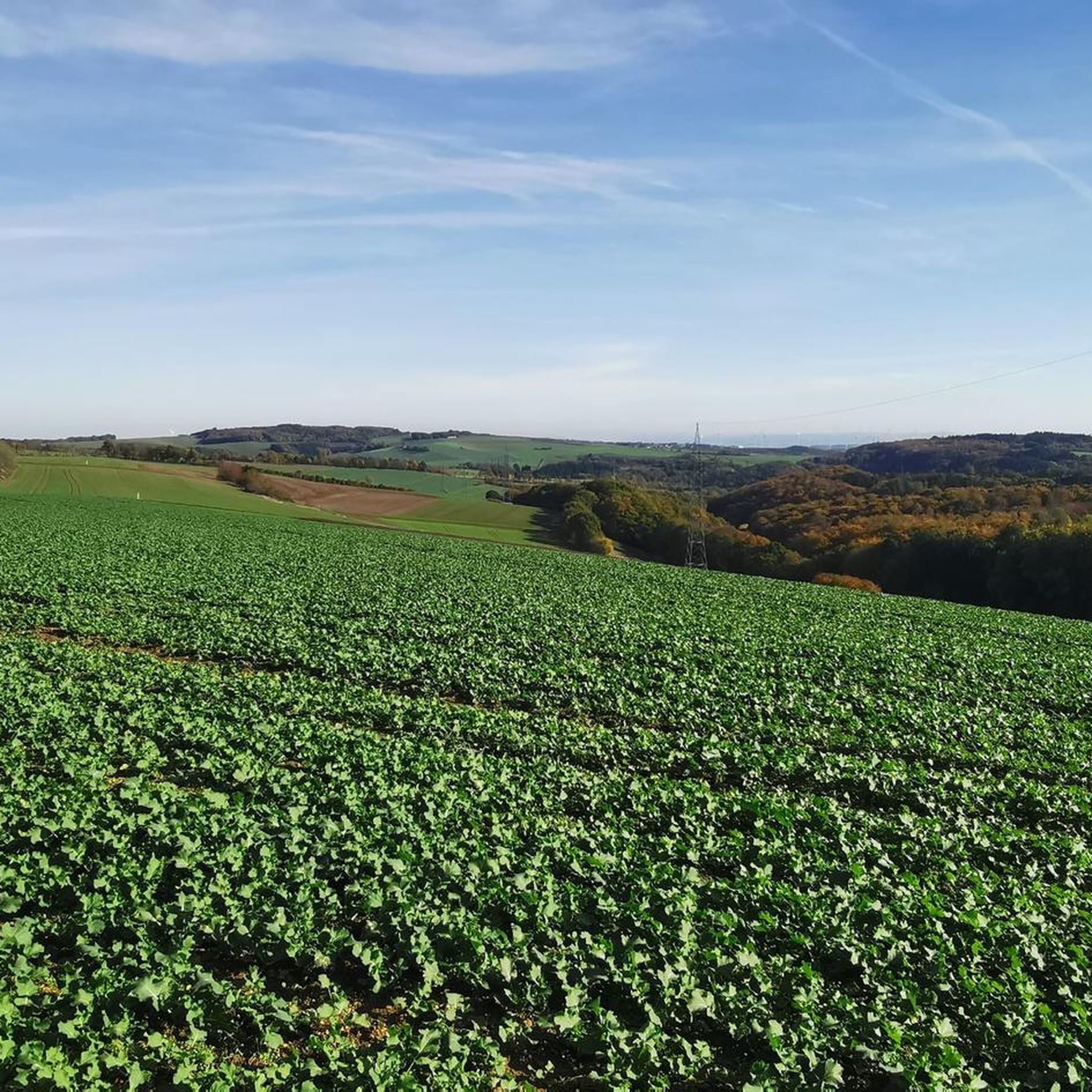
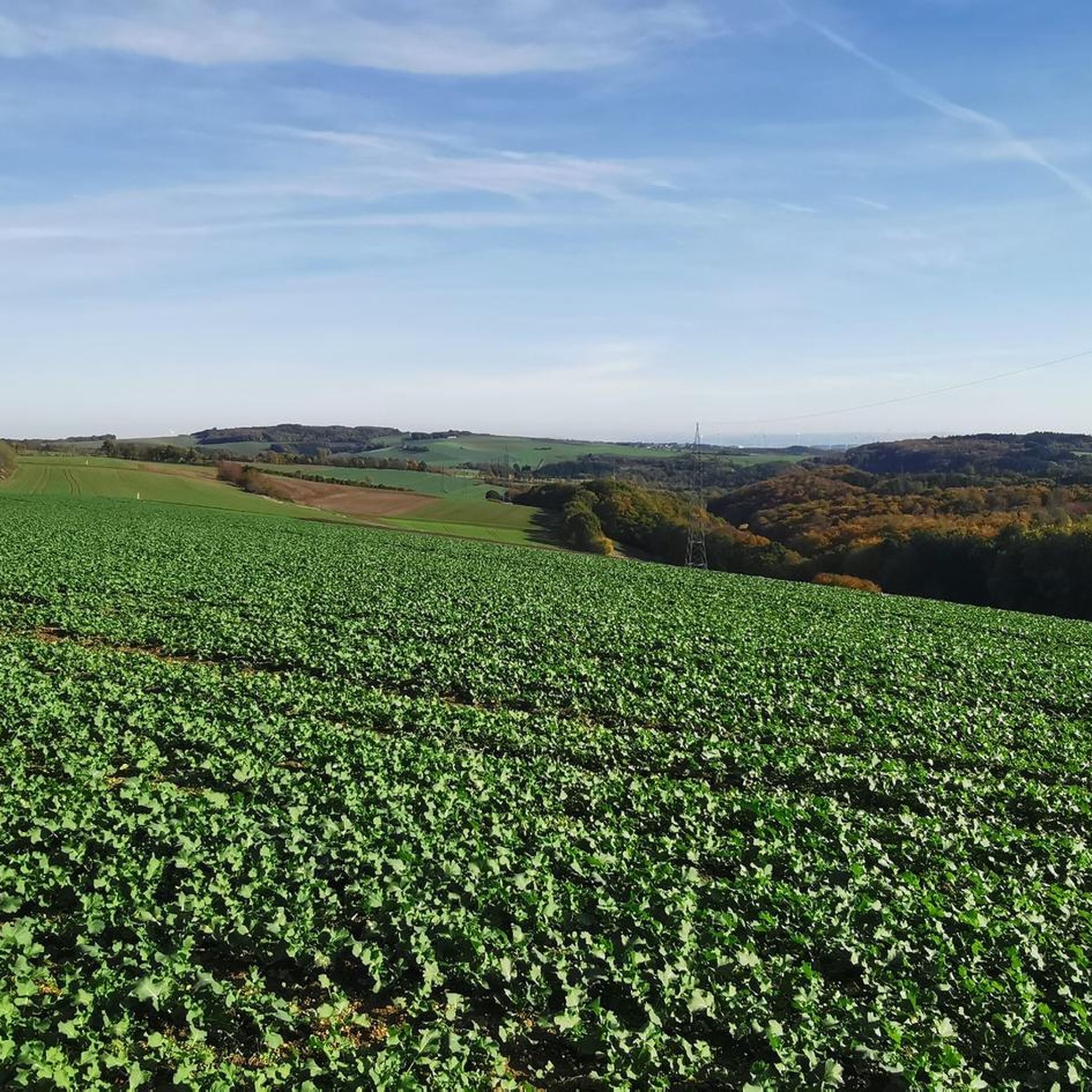
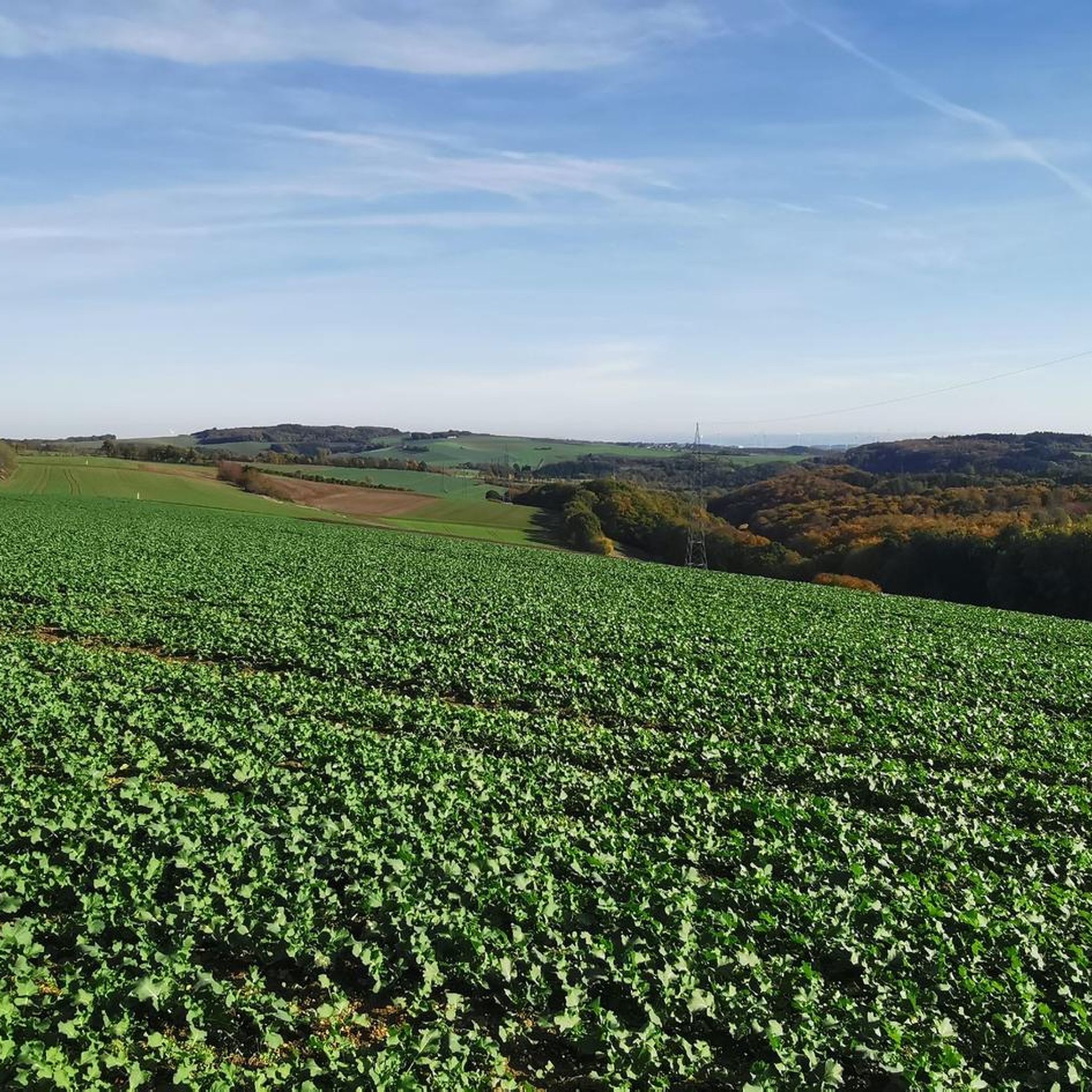
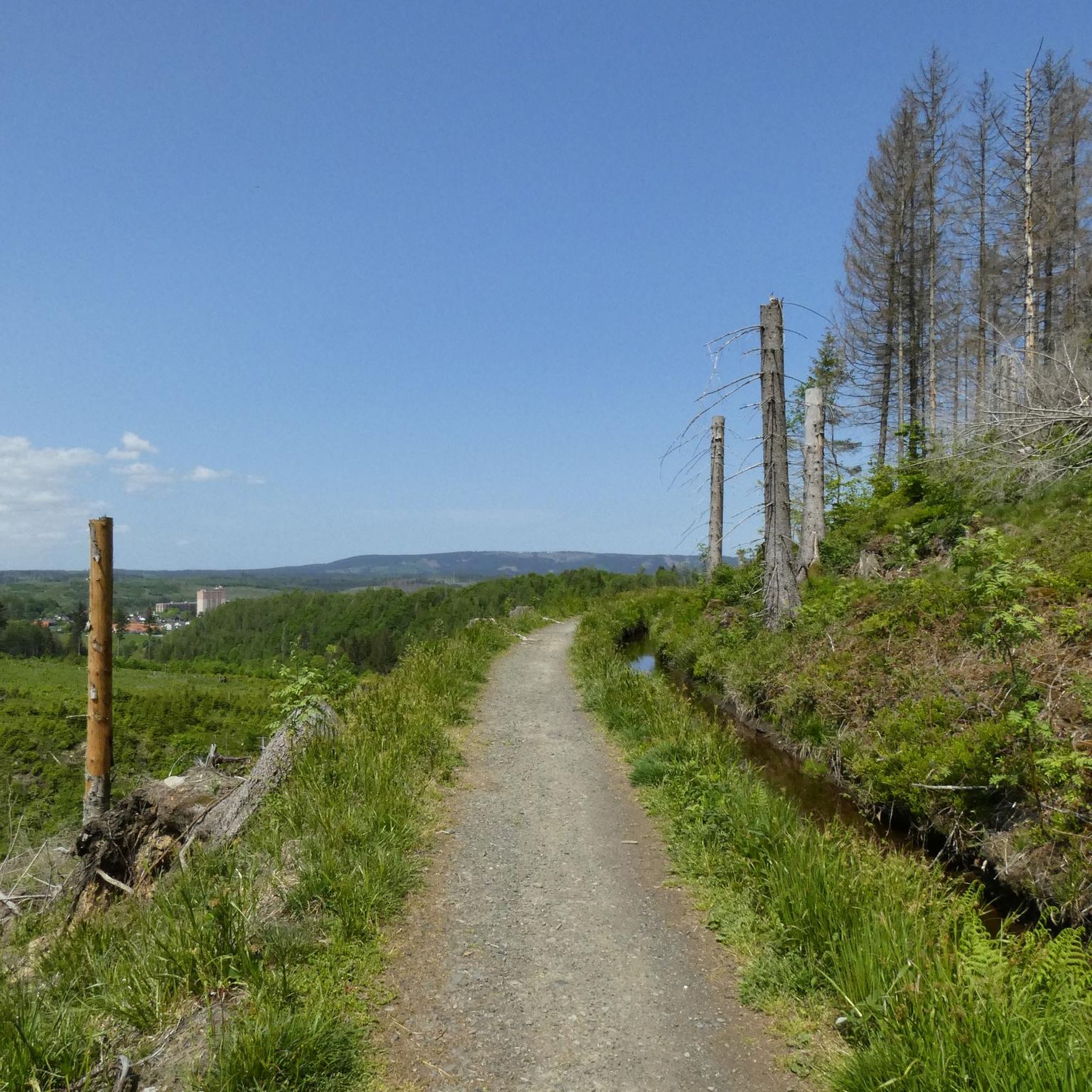
Tips from the Community

A great and impressive backdrop, as the two waterfalls rush under the bridge, with the mill and the castle in the background.
6
0

Great old railway bridge with subsequent tunnel. An experience.
5
0

Very beautiful bridge over the Elzbach in Monreal. The bridge is the middle of three historic stone bridges in the town. On the bridge is the impressive sight from the 15th century, the Lion Monument. The four lions carved in basalt are among the most important monuments of their kind in the Rhineland due to their uniqueness. On the other side of the bridge is the statue of John of Nepomuk, who also gave the bridge its name "John's Bridge". Beautiful!
9
2

The cycle path itself is awesome and recommendable, but the two tunnels are a real highlight! Don't forget to take off your sunglasses before entering, otherwise it will be very dark for a short time 😎. The temperature suddenly drops by a few degrees and I froze for a really short time 🥶. Please stay on your (right) side when driving through, as many drive through the tunnel without headlights!
4
0

Trekking moderately super, otherwise rather boring to drive... But an impressive building
4
0

Riding a bike into a tunnel is a completely different feeling than driving a car or train. Kind of unique. I'm not claustrophobic, yet I'm relieved every time I'm outside.
5
0

As always: temporarily closed for bat protection! I liked this tour: Vulkanpark cycle path Andernach, Mayen 2019_05_01 smart https://www.komoot.de/tour/65128467
4
0
Smooth surface and great view. I really liked this tour: Volcano Park cycle path Andernach, Mayen 2019_05_01 smart https://www.komoot.de/tour/65128467
5
0
Frequently Asked Questions
What historical landmarks can I explore around Düngenheim?
The region is rich in history. You can visit the Monreal Historic Old Town, known for its winding alleys and half-timbered houses. Overlooking Monreal are the impressive Löwenburg Ruins, offering a glimpse into the medieval past and expansive views. Within Düngenheim itself, the Saint Simeon's Catholic Church, dating back to 1738, and numerous historical wayside crosses and boundary stones contribute to the village's historical architecture.
Are there any natural attractions or scenic viewpoints near Düngenheim?
Absolutely. A must-see is the Elzbach Waterfall at the Pyrmonter Mill, a picturesque spot with two waterfalls cascading under a bridge, set against a backdrop of a historic mill and castle. The Löwenburg Ruins also provide fantastic views of Monreal and the surrounding Eifel landscape. Additionally, the Nette Waterfall and The Rausch Waterfall offer idyllic settings for relaxation.
What kind of outdoor activities, like hiking or cycling, are available in the area?
The region around Düngenheim is excellent for outdoor enthusiasts. You'll find a variety of hiking and cycling routes. For easy hikes, explore options like the 'Hiking loop from Urmersbach' or 'Düngenheim Reservoir – Bridge Over the Feuerbach loop from Düngenheim' which you can find in the Easy hikes around Düngenheim guide. Cyclists can enjoy routes like those found in the Gravel biking around Düngenheim guide or the Road Cycling Routes around Düngenheim guide, which include impressive engineering feats like the Nette Viaduct and Tunnel and the Hausen-1 Tunnel.
Are there family-friendly attractions or activities around Düngenheim?
Yes, several attractions are suitable for families. The Elzbach Waterfall at the Pyrmonter Mill is a scenic spot that families can enjoy. The Monreal Historic Old Town with its charming streets and castles is also family-friendly. For active families, cycling through the Nette Viaduct and Tunnel or the Hausen-1 Tunnel offers an entertaining experience. Many hiking trails in the area are also suitable for families, with options for easy walks.
What do visitors particularly enjoy about the attractions near Düngenheim?
Visitors frequently praise the picturesque scenery and historical charm. The Elzbach Waterfall at the Pyrmonter Mill is often highlighted for its 'great and impressive backdrop.' The Monreal Historic Old Town is loved for its 'flair, winding alleys, and old, historic half-timbered houses,' with many describing it as a 'picture-perfect village.' The engineering marvels like the Nette Viaduct and Tunnel are appreciated for their 'entertaining route through a change of scene' and 'smooth surface and great view.'
Can I find accessible attractions for visitors with mobility needs?
While specific accessibility details vary, the Hausen-1 Tunnel is categorized as wheelchair accessible, making it a good option for those with mobility needs who wish to experience cycling or walking through a former railway tunnel. For other sites, it's advisable to check specific conditions, as historical towns and natural landscapes can have varied terrain.
What is the best time of year to visit Düngenheim for outdoor activities?
The Eifel region, including Düngenheim, is beautiful throughout the warmer months, from spring to autumn. Spring brings blooming nature, while summer offers pleasant temperatures for hiking and cycling. Autumn is particularly scenic with vibrant fall foliage, making it an ideal time for walks and enjoying the natural beauty. Winter activities are also possible, though some trails might be less accessible depending on snow conditions.
Are there any cultural sites or events in the Düngenheim area?
Beyond its architectural significance, Saint Simeon's Catholic Church serves as a central cultural and religious site. The preserved architecture of Monreal Historic Old Town offers a rich cultural experience. Regionally, the Moselle Music Festival is a significant annual event. The area also has a strong history of slate mining, with former quarries like Grube Bausberg now serving as habitats for bats, reflecting a unique aspect of local heritage.
Where can I find places to eat or stay in Düngenheim or nearby?
While specific establishments are not detailed in the guide, the wider region around Düngenheim offers opportunities to experience traditional Rhenish cuisine and sample regional wines. For accommodation, cafes, and pubs, you will find options in Düngenheim itself and in nearby towns like Monreal, which is a popular tourist destination. The Pyrmonter Mill, near the Elzbach Waterfall, also features a restaurant.
Are there any unique engineering marvels to see around Düngenheim?
Yes, the region features some impressive engineering. The Nette Viaduct and Tunnel, located between Mayen and Polch, carries a route through the Nettetal, offering an entertaining journey with changing scenery. Another notable structure is the Hausen-1 Tunnel, a former railway tunnel that provides a romantic experience for cyclists and walkers.
What is the significance of slate mining in Düngenheim's history?
Slate quarrying was historically a major source of income for Düngenheim for centuries. While there isn't a dedicated museum in the village, the importance of this industry is evident through mentions of former mines like Grube Antonius and Grube Bausberg. These former quarries now serve as important habitats for bats, showcasing a unique blend of industrial heritage and natural conservation.
Most popular routes around Düngenheim
Most popular attractions around Düngenheim

Get inspired with the komoot mobile app


Explore more
Still not found the Highlight you’re looking for? See guides of the top attractions in other regions:
