The best road cycling routes in Pfahl
4.4
(125)
1,480
riders
161
rides
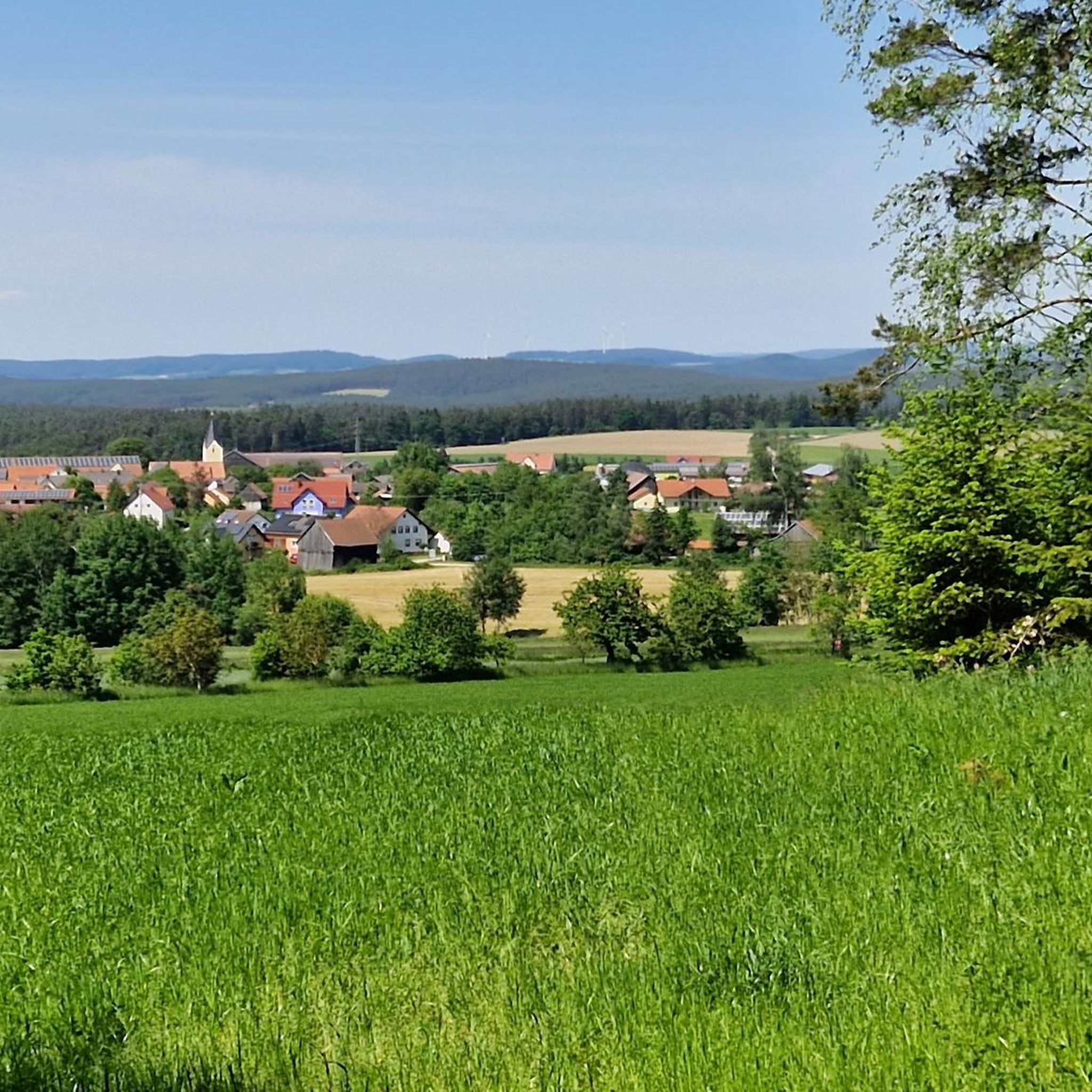
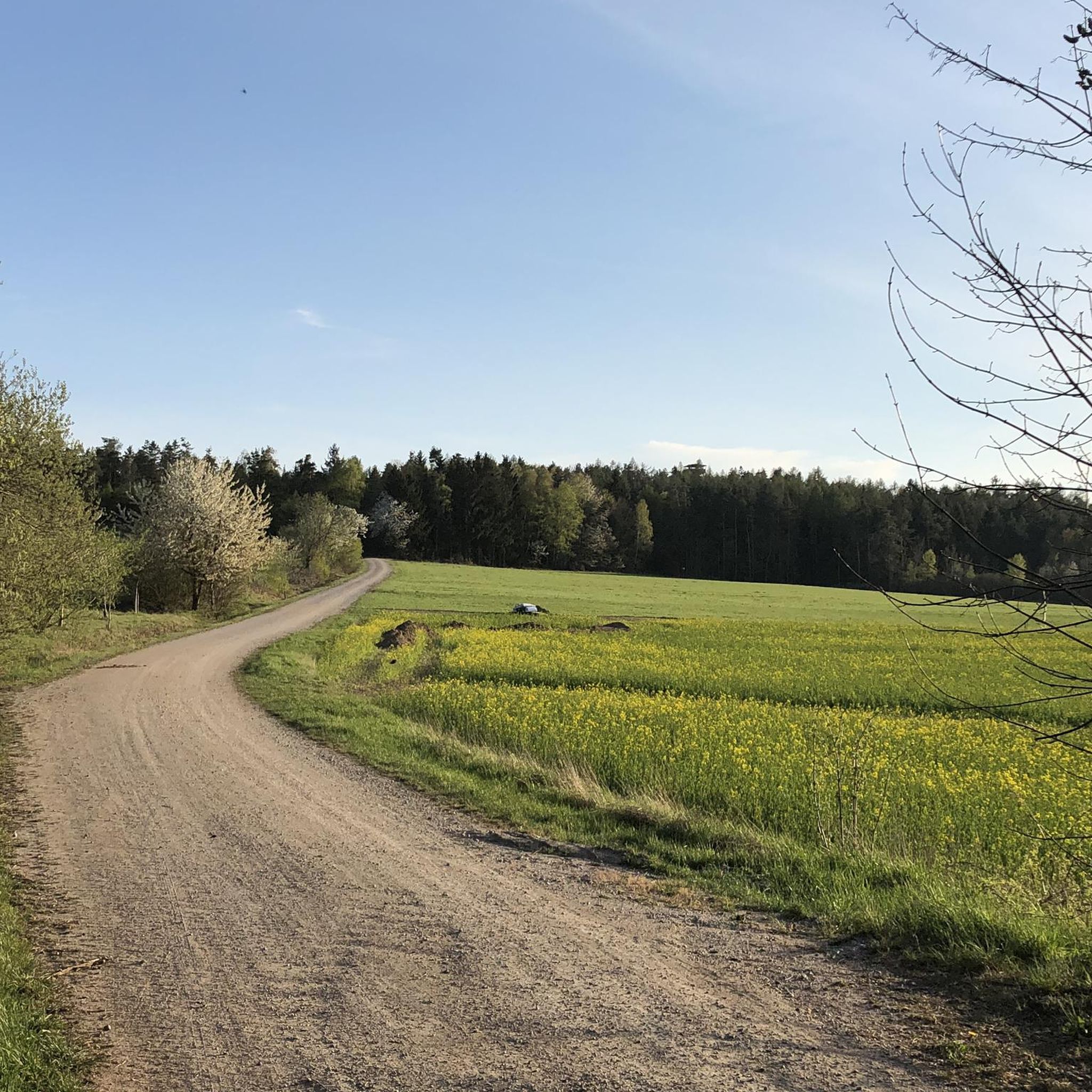
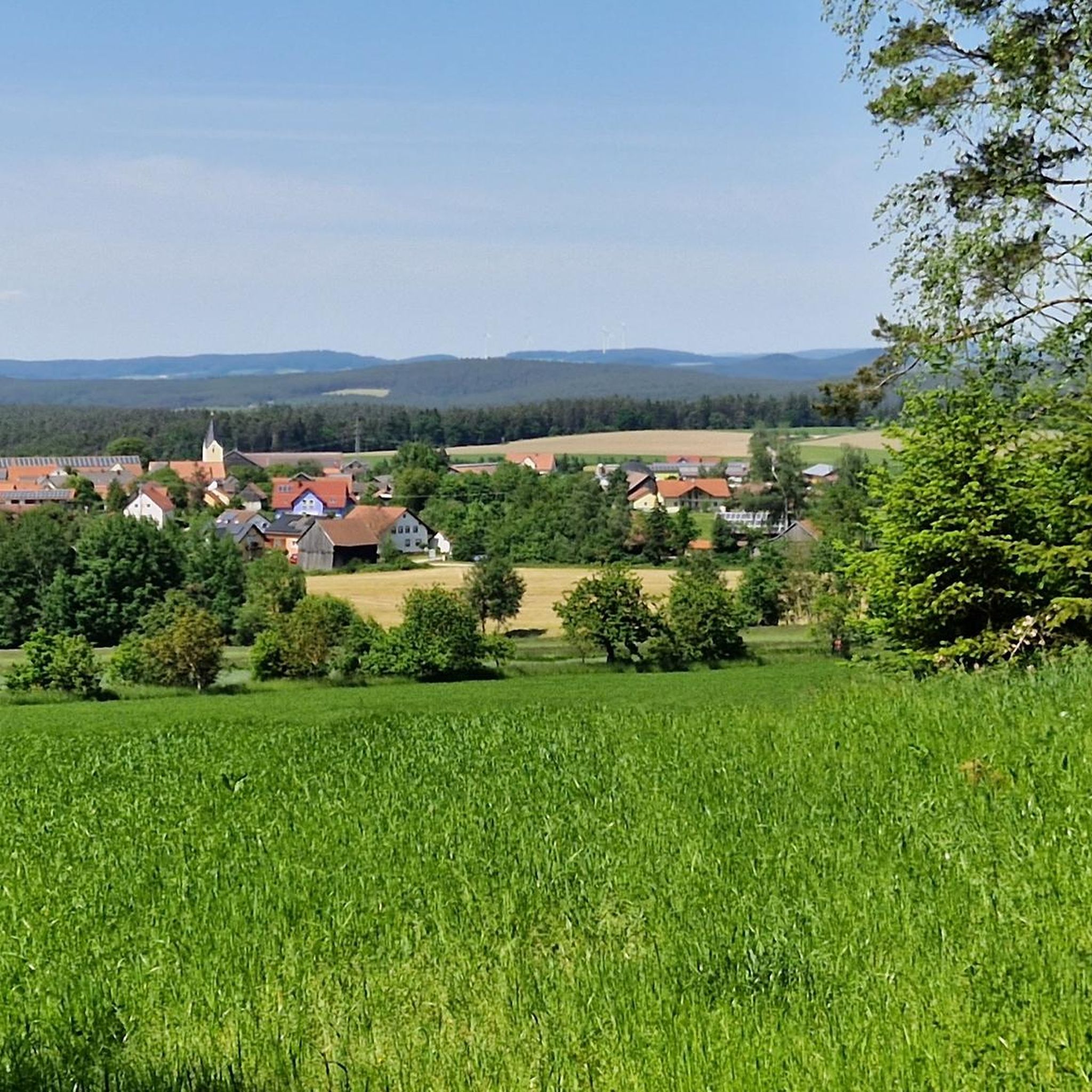
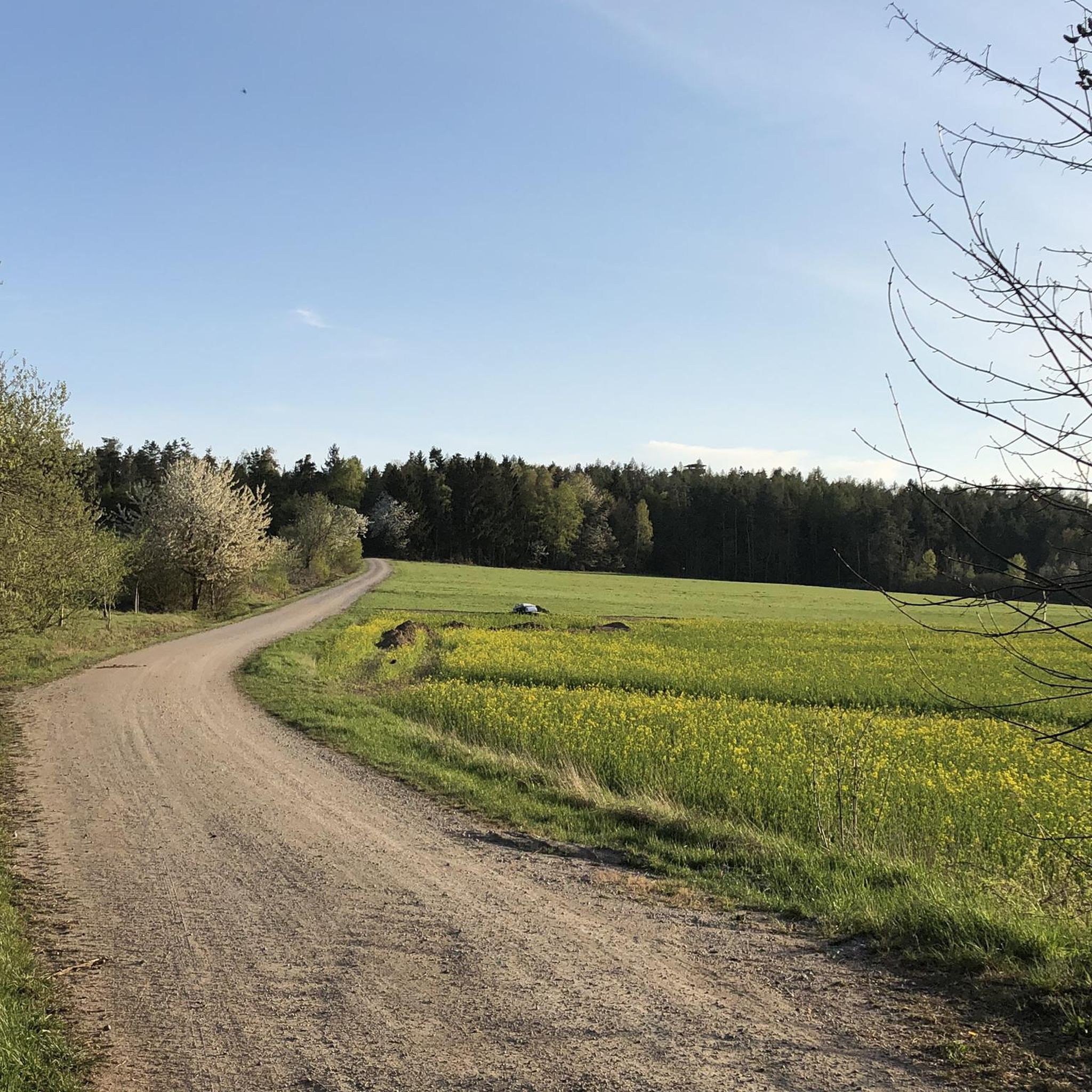
Road cycling in Pfahl, located within a natural park in Schwandorf, offers a diverse landscape for cyclists. The region is characterized by rolling hills, varied elevations, and a network of rural roads that traverse through natural areas. This terrain provides opportunities for both leisurely rides and more challenging ascents, making it suitable for different skill levels.
Best road cycling routes in Pfahl
- The most popular road cycling route is Murnthal Manor House – Eisendorfer Reservoir loop from Kemnath bei Fuhrn…
Last updated: October 21, 2026
5
riders
Moderate road ride. Good fitness required. Some segments of this route may be unpaved and difficult to ride.
6
riders
46.3km
02:14
530m
530m
Moderate road ride. Good fitness required. Mostly well-paved surfaces and easy to ride.

4
riders
31.0km
01:24
340m
340m
Moderate road ride. Good fitness required. Mostly well-paved surfaces and easy to ride.
1
riders
38.3km
02:02
650m
640m
Moderate road ride. Good fitness required. Mostly well-paved surfaces and easy to ride.
16
riders
Moderate road ride. Good fitness required. Mostly well-paved surfaces and easy to ride.
Get access to more routes and recommendations from other explorers.
Already have an account?
Our route recommendations are based on thousands of hikes, rides, and runs completed by other people on komoot.
Start today with a free account
Your next adventure awaits.

Tips from the Community

again an impressive experience here to explore the wonderful area with the bike
0
0

The marking of the hiking trails is a bit confusing here. The understandable information board is located north of the St 2152 behind the sign Naturpark Oberer Bayerischer Wald.
0
0

Kröblitz Castle The origins of the Kröblitz castle and manor date back to around the year 1000. A large defensive structure must have existed on the cellars that still exist. The old castle or palace complex was built on a small promontory on the Schwarzach and was surrounded by the Schwarzach to the east and south. Georg the Prackendorfer is named as the first lord of the castle in Kröblitz in 1255; the manor was awarded to him by the emperor for his services in the crusade. He was followed in 1304 by his brother Heinrich the Prackendorfer, who fought from 1264 to 1268 on the side of the emperor Rudolf of Habsburg against the bishop of Basel, Heinrich of Neuenburg. Kröblitz is mentioned for the first time as an iron hammer in 1423, owned by Mertel Walzer. On April 17, 1517, Elector Ludwig V and Count Palatine Friedrich issued a hammer certificate in favor of Lorenz Heber. The Heber family owned the hammer until 1581. From May 19, 1581, Hans Manner, later Hanns Sannter, is named as the hammer master. After the Thirty Years' War, around 1650, the Kröblitz iron hammer was desolate and burned down. In 1716, Baron Kaspar von Wildenau bought the land and built the baroque castle that still exists today, which was completed in 1735. In 1743, the attached chapel was consecrated in honor of Saint Nepomuk. Baron Michael Franz von Wildenau, who had taken over the land from his parents in 1751, bought the Kröblitz hammer together with the associated flour and sawmill, and a brewery was added in 1773. In 1782, the Kröblitz castle estate and hammer passed from Baron von Wildenau to Willhelm Freiherr von Weinbach for 27,000 guilders. As late as 1870, there was a charcoal blast furnace in Kröblitz, one of the few private smelters in the Upper Palatinate at that time. Iron ore from the Erzberg in Amberg was smelted here and processed into semi-finished products such as rail and bar iron. The smelter was later converted into a mirror grinding and polishing plant. Today, a small power plant stands here. In 1886, Johann Hofmann from Nabburg acquired the remaining Kröblitz estate with the castle, and it has been in the family ever since. The names changed through marriage from Hofmann to Sinzger to Grimm. In 1973, the property was completely renovated and guests have been entertained in the castle walls ever since. Source: Excerpts from www.wikipedia.de / www.schloss-kröblitz.de
5
0
Filial Church of St. Ägidius The church in Dautersdorf, once a parish church, fell victim to a fire on July 28, 1810. The lower part of the nave walls dates back to the old Romanesque church from the 12th or 13th century. An old octagonal baptismal font made of granite, which is set up in front of the church, dates from this period. In the 14th century, a spacious Gothic choir was added in place of an apse; its surrounding walls are not recessed, but continue in line with the nave walls. The choir comprises a long bay and ends with five octagonal sides. The cross-ribbed vault with hollow ribs is supported by corbels and ends with pointed choir arches towards the church. A pointed arch window is still preserved on the eastern side behind the altar. In the 17th century, pillars were built into the long walls for a vault, which fell victim to the fire in 1810. It was replaced by the current flat ceiling. The tower, built in 1856, stands on the west side in the longitudinal axis. The church was renovated on the outside from 1982 to 1987, the church and tower roofs in particular were damaged. On the south side there is an old stone portal that has been uncovered again, which was covered for a long time by a war memorial. The sacristy is attached to the south side of the church. It was demolished and completely renovated during the church renovation. The neo-Romanesque altar was purchased when the church was rebuilt in Bodenwöhr. It bears an altarpiece with St. Giles and a deer. On the left side there is a reliquary. In the middle there is a picture of St. Mary Help of Christians, the Madonna comes from the Franciscan monastery in Neunburg v. Wald, which was secularized on June 13, 1802. The pulpit has shellwork, on the body there is a bas-relief of the Holy Family, a sounding board with a dove, a canopy and carvings in Rococo. The wooden figures in the church are folk art: on the right side, St. Francis Xavier and St. Leonard with a cow; on the left, St. John of Nepomuk and Mary with the child. In the pointed arch to the choir, a crucifix with Dolorosa, wreathed on a bed of clouds, is attached. On a processional pole are images of St. Hubertus and St. Anthony. The processional cross standing on the pew is interesting because of its special proportions. Source: Church guide of the Neunburg vorm Wald deanery
2
0

The terrace operation is great again
3
0
Wonderful landscape with many interesting sections
1
0

Frequently Asked Questions
How many road cycling routes are available in Pfahl?
Pfahl offers a wide selection of road cycling routes, with over 170 tours recorded on komoot. These routes cater to various skill levels, from easy to challenging.
Are there easy road cycling routes in Pfahl suitable for beginners?
Yes, Pfahl has 18 easy road cycling routes. These routes typically feature gentler gradients and less demanding terrain, perfect for those new to road cycling or looking for a relaxed ride. The region's rural roads and natural park setting provide a pleasant backdrop for these easier tours.
What kind of terrain can I expect on road cycling routes in Pfahl?
The road cycling routes in Pfahl are characterized by rolling hills and varied elevations, traversing through a natural park in Schwandorf. You'll primarily ride on rural roads, offering a mix of ascents and descents, providing both scenic views and engaging challenges.
Are there any challenging road cycling routes for experienced cyclists in Pfahl?
Absolutely. For experienced road cyclists seeking a challenge, Pfahl offers 35 difficult routes. These tours feature more significant elevation gains and longer distances, such as the Chapel Near Zangenstein – View of the Naab River loop from Wackersdorf, Industriegebiet/BMW, which covers over 72 km with substantial climbing.
What is the best time of year for road cycling in Pfahl?
The best time for road cycling in Pfahl is typically from spring through early autumn (April to October). During these months, the weather is generally milder, and the natural park scenery is at its most vibrant. Always check the local weather forecast before heading out.
Are there scenic loop road cycling routes in Pfahl?
Many of Pfahl's road cycling routes are loops, allowing you to start and end at the same point while enjoying diverse scenery. A popular option is the Murnthal Manor House – Eisendorfer Reservoir loop from Kemnath bei Fuhrn, which offers views of the manor house and reservoir.
What do other road cyclists enjoy most about road cycling in Pfahl?
The road cycling experience in Pfahl is highly rated by the komoot community, with an average score of 4.4 stars from over 100 reviews. Cyclists frequently praise the varied scenery through the natural park, the well-maintained rural roads, and the opportunities for both leisurely and challenging rides.
Are there family-friendly road cycling routes in Pfahl?
While many routes feature rolling hills, some of the easier road cycling routes in Pfahl can be suitable for families with older children or those comfortable with moderate distances. Look for routes with less elevation gain and quieter rural roads for a more enjoyable family experience.
Are there any notable landmarks or points of interest along the road cycling routes in Pfahl?
Yes, the routes often pass by historical sites and natural features. For instance, the Pettendorf Castle – Murnthal Manor House loop from Lengfeld allows you to cycle past significant local landmarks, offering a blend of natural beauty and cultural interest.
What are some popular moderate road cycling routes in Pfahl?
Pfahl has 120 moderate road cycling routes, offering a good balance of distance and elevation. The Murnthal Manor House – Mühlweiher Kulz loop from Lengfeld is a local favorite, providing varied scenery through the natural park over a distance of approximately 46 km.
Where can I find parking for road cycling routes in Pfahl?
As Pfahl's routes often start from various villages and towns within the natural park, you can typically find public parking options in these starting locations. Look for designated parking areas in places like Kemnath bei Fuhrn or Lengfeld, which serve as common starting points for many tours.
Are there less crowded road cycling routes in Pfahl?
Given the extensive network of rural roads in Pfahl, it's possible to find less crowded routes, especially outside of peak tourist seasons or by exploring some of the less-trafficked paths. The region's natural park setting generally offers a peaceful cycling experience away from major traffic.
Most popular routes in Pfahl

Get inspired with the komoot mobile app


Explore more
Browse the best Road cycling routes in other regions.
