The best road cycling routes in Npp Blanice
31
riders
7
rides
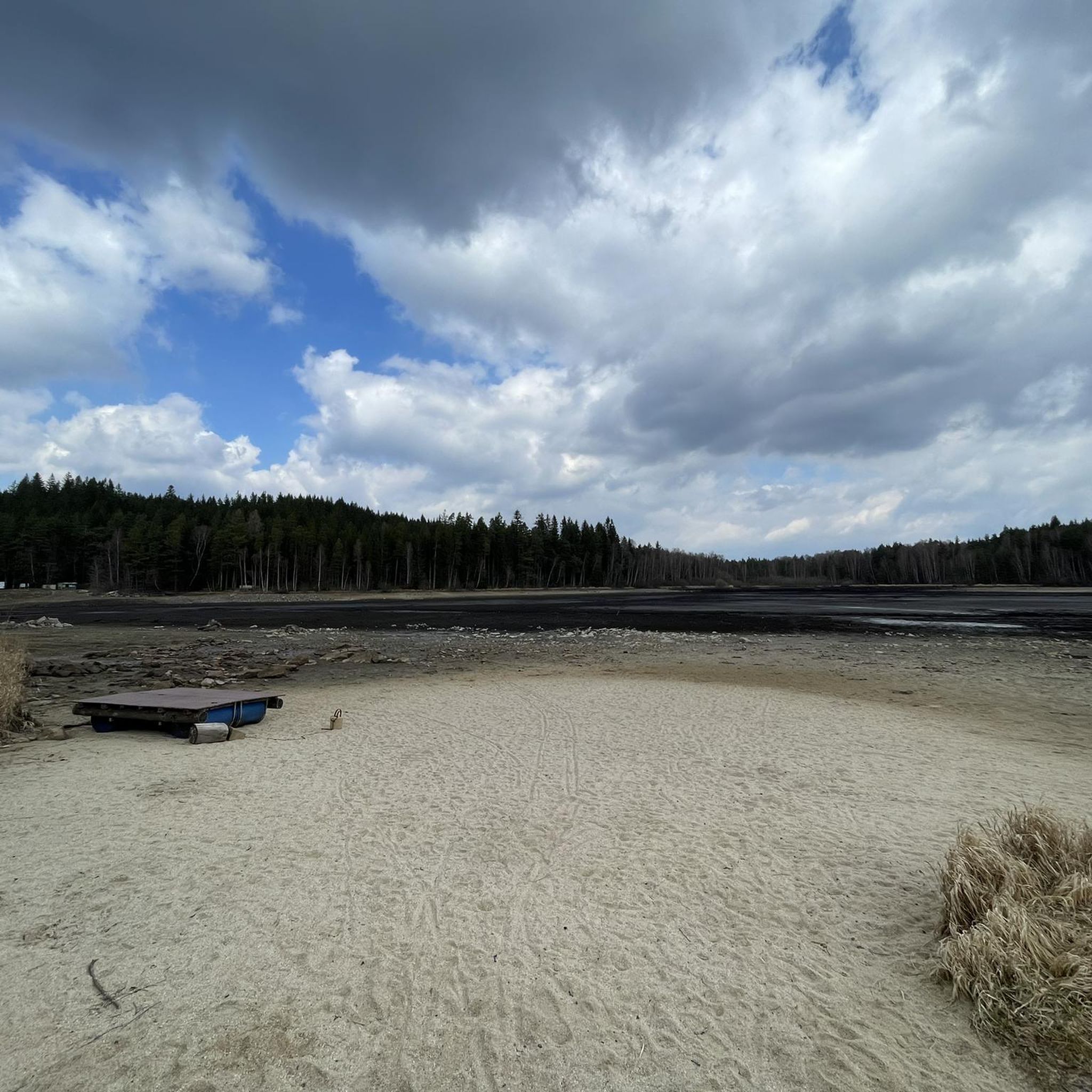
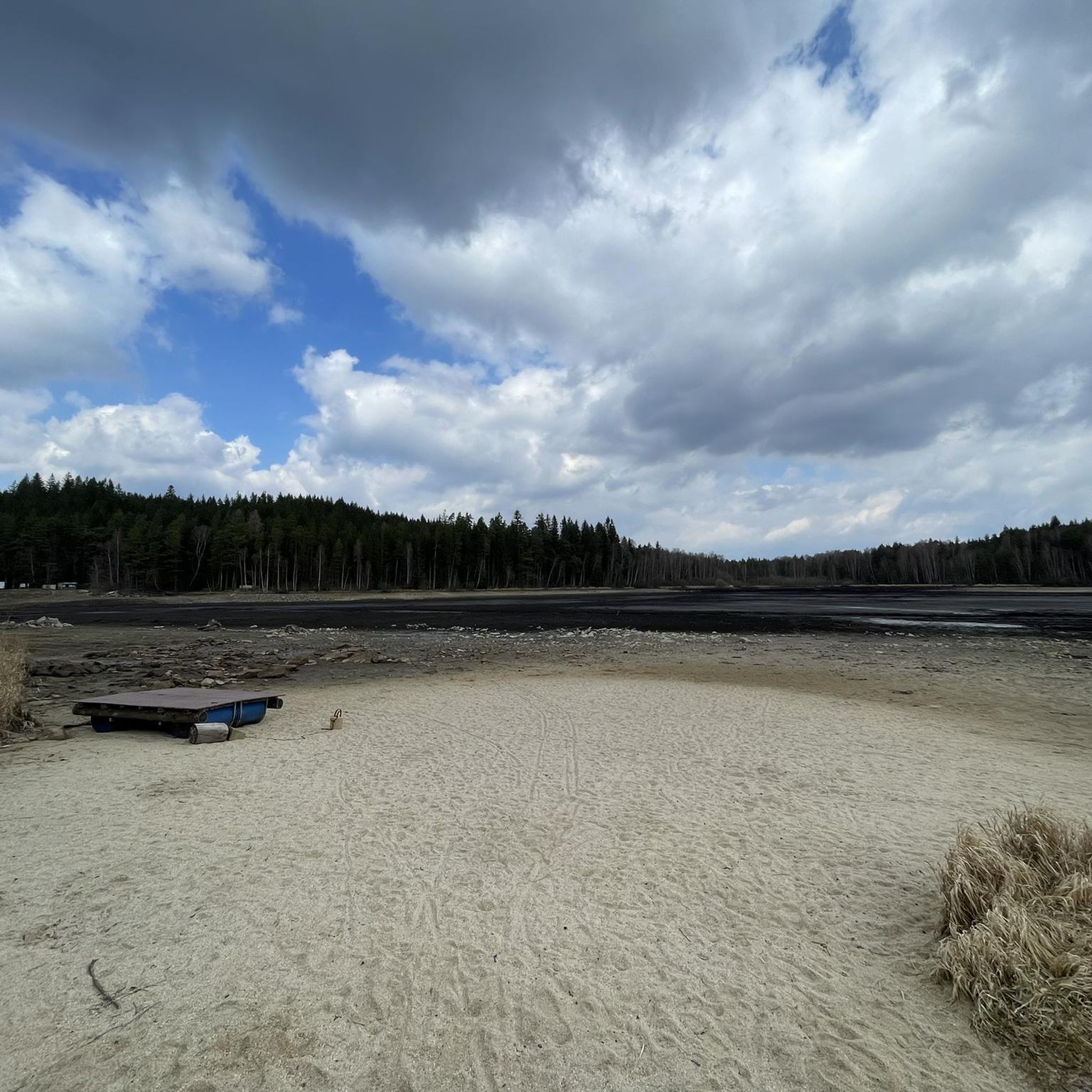
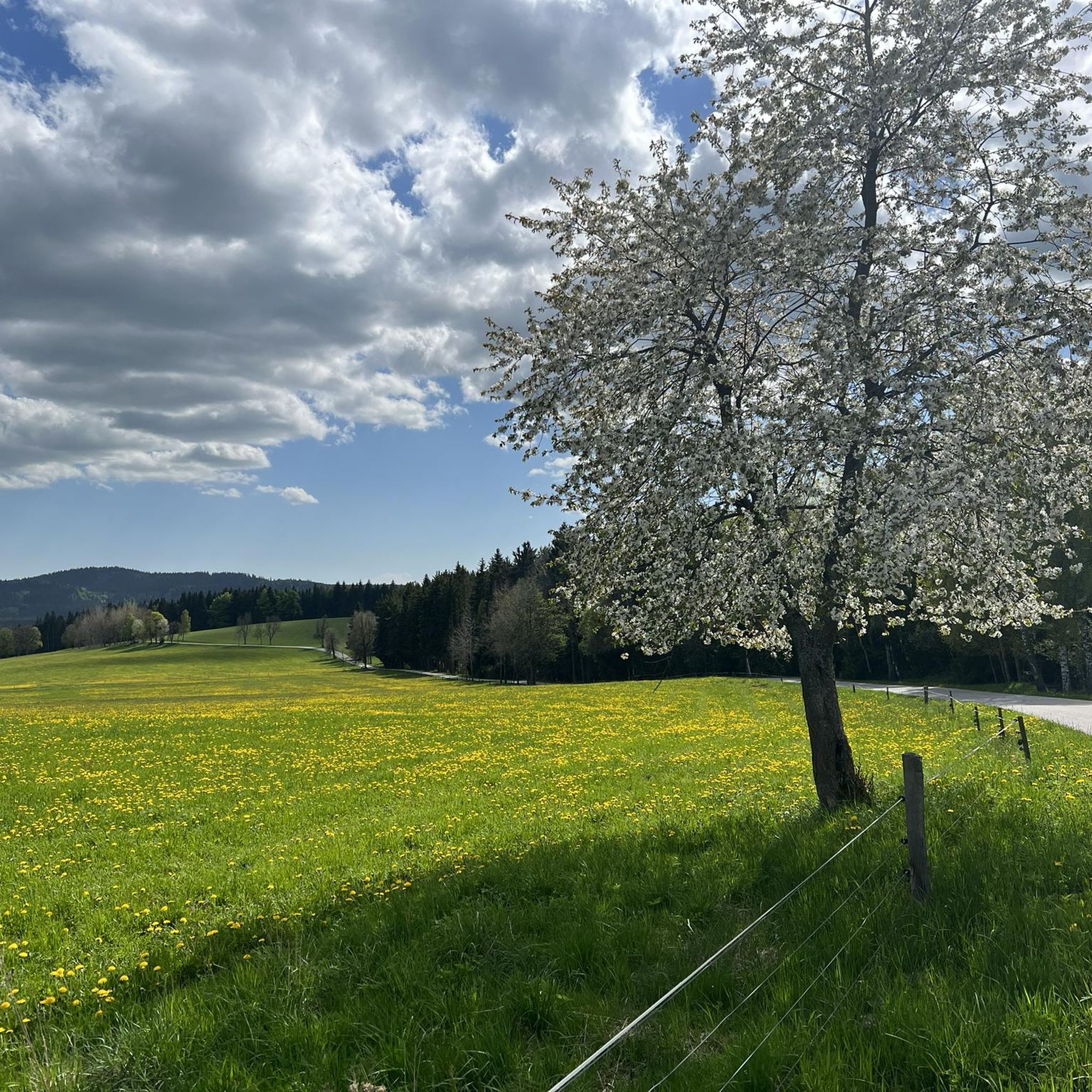
Road cycling in Npp Blanice features routes through a natural park characterized by rolling hills, forests, and numerous ponds. The terrain includes varied elevations, with some routes offering significant climbs and descents. The region provides a mix of paved roads suitable for road bikes, traversing both open countryside and wooded areas.
Best road cycling routes in Npp Blanice
- The most popular road cycling route is Dolní smědečský rybník – Kavanů rybník loop from Zbytiny, a 27.8 miles (44.8 km) trail that takes 2 hours 26 minutes to complete, looping around local ponds and through the countryside.
- Another top favourite among local road cyclists is Ktiš church t. – Markov [Křišťanov] outlook p. loop from Zbytiny, a difficult 42.4 miles (68.2 km) path offering views from elevated points.
- Local road cyclists also love the Fefrovské rybníčky – Na Vyhlídce loop from Libínské Sedlo, a 15.7 miles (25.3 km) trail leading through forested areas and past small lakes, often completed in about 1 hour 24 minutes.
- Road cycling in Npp Blanice is defined by rolling hills, dense forests, and scenic viewpoints. The network offers options for moderate to advanced ability levels, including long distance road bike routes Npp Blanice.
- The guide includes highly-rated routes that showcase the best of the region's landscape. More than 50 road cyclists have used komoot to explore Npp Blanice's varied terrain.
Last updated: July 6, 2026
6
riders
46.0km
02:32
850m
850m
Moderate road ride. Good fitness required. Some segments of this route may be unpaved and difficult to ride.
3
riders
67.2km
03:19
1,020m
1,020m
Hard road ride. Very good fitness required. Some segments of this route may be unpaved and difficult to ride.

Sign up for free
4
riders
25.7km
01:28
530m
530m
Moderate road ride. Good fitness required. Mostly well-paved surfaces and easy to ride.
7
riders
87.8km
04:01
960m
960m
Hard road ride. Very good fitness required. Some segments of this route may be unpaved and difficult to ride.
4
riders
31.5km
01:33
430m
430m
Moderate road ride. Good fitness required. Mostly well-paved surfaces and easy to ride.
Get access to more routes and recommendations from other explorers.
Sign up for free
Already have an account?
Our route recommendations are based on thousands of hikes, rides, and runs completed by other people on komoot.
Start today with a free account
Your next adventure awaits.
Login or Signup
Popular around Npp Blanice
Tips from the Community

The Bozkovski House is originally a late Gothic town house, which was rebuilt in the Renaissance style in 1573. In the 16th century, the house belonged to the Rosenberg governor Jiřík Bozkovský. On the façade facing the Great Square, you can see a painting of the Rosenberg rider and in the vaulted arches of the arcades you can see the coats of arms of the wealthy townspeople. In the 19th century, thirteen butcher shops were located under its roof at the same time, all of which shared the house. Today, the Otto Herbert Hajek Cultural Centre is located here.
12
0
The two-storey Renaissance house, built in 1572, was the property of Jakub Menšík z Menštejna, a lawyer and writer from Prague, who was a native of Prague. He was the royal procurator (1601-1603) and burgrave of Prague Castle (1603-1614). In 1580 the house became the property of the city, and in the years 1625-1627 it was extensively rebuilt. The west side is decorated with sgraffito from 1573, depicting biblical, battle and hunting scenes, as well as allegories. The paintings, remarkably the only ones in the city with German inscriptions, were only discovered in 1889. The stone portal is decorated with the Schwarzenberg coat of arms. Today the house is connected to the neighboring National House (Narodní dům) to form one building.
12
0
The neo-Renaissance building of the New Town Hall on the west side of the Great Square was commissioned by the city authorities in June 1901 due to the growing need for space. Two previous Gothic and Renaissance houses had to make way for the new building, but the original Gothic cellars have been preserved. One corner is adorned with an imposing bell tower. The building, which was completed in 1903, was designed by the Viennese architect Professor Antonín Schurda. The sgraffito decoration of the facade was by the painter Jan Viertelberger, the sculptures by the sculptor Jiří Leisek, both from Vienna. To mark the building's centenary, the facade was renovated in 2003 and 2004. The painting depicting a mule caravan transporting salt on the Golden Route from Passau to Prachatice is very beautiful.
14
0
This Renaissance burgher's house in Poštovní Street has housed the Lace Museum since 1999, which presents historical hand-knotted European and Czech lace, including the use of lace on clothing. The exhibition also includes historical bobbin lace-making tools. The house was built after 1544, when the Rosenberg authorities released the site for redevelopment after the great fire of 1507. The first known owner was Jeroným Strachotínský, a wealthy burgher and town clerk, in 1585.
13
0
The Old Town Hall is one of the most important Renaissance buildings in Bohemia. The two-storey palace in the Florentine Renaissance style has two side wings and arcades in the courtyard. The façade facing the square is decorated mainly with figurative chiaroscuro paintings. It was designed by Italian architects in the service of the Rosenberg family. The paintings are by the Prachatice artist Jan Březnický. In addition to the council chamber and the mayor's rooms, there was also a "town wine bar" here from 1666 and later a theater on the ground floor. After the construction of the New Town Hall in 1903, the building lost its importance and became the district court (until 1974) and the seat of the District National Committee. Since 1992 it has belonged to the town of Prachatice again, which uses it as the seat of its municipal office. The central tourist information office is also located here (open weekdays from 8 a.m. to 5 p.m., and from June to September also on Saturdays and Sundays, from 9 a.m. to 4 p.m.).
14
0
The Sitr House (Sitrův dům), a two-storey town house, now houses the Prachatice Town Museum. The house was originally Gothic and was first mentioned in 1555. It took on its current form in 1604, when Ambrož Sitr had it rebuilt in the Renaissance style for his son Tomáš Sitr. The house's name also comes from this family. In 1945, the Sitr House became state property. It was decided to establish a town museum here, but due to its poor condition after World War II, the house had to be extensively renovated and the facade paintings (created by the Prachatice painter Šebestián Hájek between 1617 and 1622) restored. The museum was opened on 5 July 1954.
14
0
The Lower Gate refers not only to the fortifications at this entrance to the Old Town, but also - as Dolní brána - to the 13-meter-long street that leads through the gate buildings. It connects the Kostelní náměstí with the Malý náměstí. The covered passage at the Heydl House is also called the Písecká Gate. To the right is the Parkán Park, followed by another, battlemented passage in which there is a depiction of Calvary.
13
0
Parkán Park in the centre of Prachatice is surrounded on one side by the wall of the former fortress (up to an old defence tower) and on the other side by houses. The park can be entered via the passage between the towers of the Lower Gate.
13
0
Frequently Asked Questions
How many road cycling routes are available in Npp Blanice?
Komoot features 8 road cycling routes in Npp Blanice. These routes range from moderate to difficult, offering diverse experiences across the region's varied terrain.
Are there any easy road bike trails in Npp Blanice suitable for beginners?
While Npp Blanice is characterized by rolling hills and varied elevations, most routes are rated as moderate to difficult. There are no routes specifically categorized as easy. Beginners should be prepared for some climbs and descents.
What are some long-distance road bike routes in Npp Blanice?
For those seeking longer rides, Npp Blanice offers several options. The route View of Český Krumlov – Vltava River at Nová Pec loop from Pěkná is a challenging 53.6-mile (86.3 km) ride. Another excellent choice is Hajnýho vyhlídka u Májky – PR Zátoňská mokřina loop from Volary, covering 50.7 miles (81.7 km).
Are there road cycling routes in Npp Blanice that form a loop?
Yes, many of the road cycling routes in Npp Blanice are designed as loops, allowing you to start and end at the same point. For example, the popular Dolní smědečský rybník – Kavanů rybník loop from Zbytiny is a 27.8-mile (44.8 km) circular route around local ponds.
What is the typical duration for road bike trails in Npp Blanice?
The duration of road bike trails in Npp Blanice varies significantly depending on the route's length and difficulty. Shorter, moderate routes like Fefrovské rybníčky – Na Vyhlídce loop from Libínské Sedlo can take around 1 hour 24 minutes, while longer, difficult routes may require over 4 hours, such as Ktiš church t. – Markov [Křišťanov] outlook p. loop from Zbytiny which typically takes 3 hours 25 minutes.
What kind of terrain can I expect on road cycling routes in Npp Blanice?
Npp Blanice offers road cycling through a natural park characterized by rolling hills, dense forests, and numerous ponds. The terrain includes varied elevations, with routes traversing both open countryside and wooded areas on paved roads. Expect a mix of climbs and descents, providing a good challenge for road cyclists.
Are there any advanced road bike trails for experienced cyclists in Npp Blanice?
Yes, Npp Blanice has challenging routes suitable for advanced road cyclists. The Ktiš church t. – Markov [Křišťanov] outlook p. loop from Zbytiny is a difficult 42.4-mile (68.2 km) path offering significant climbs and rewarding views. Another demanding option is the View of Český Krumlov – Vltava River at Nová Pec loop from Pěkná, which is also rated difficult.
What is the best time of year to go road cycling in Npp Blanice?
The best time for road cycling in Npp Blanice is typically during the warmer months, from spring through early autumn. During this period, the weather is generally more favorable, and the natural park's forests and ponds are at their most scenic. Winter cycling might be possible but could involve colder temperatures and potentially icy conditions on some roads.
What do other road cyclists enjoy most about road cycling in Npp Blanice?
Road cyclists using komoot often praise the diverse landscape of Npp Blanice, highlighting the combination of rolling hills, dense forests, and scenic viewpoints. The region offers a good mix of challenges and picturesque surroundings, making it a rewarding destination for those who appreciate varied terrain and natural beauty.
Are there viewpoints along the road bike routes in Npp Blanice?
Yes, several routes offer opportunities for scenic viewpoints. For instance, the Ktiš church t. – Markov [Křišťanov] outlook p. loop from Zbytiny is specifically noted for offering views from elevated points. The region's rolling hills naturally provide many spots to enjoy the surrounding landscape.
What are the typical road conditions for cycling in Npp Blanice?
The road cycling routes in Npp Blanice primarily utilize paved roads that traverse both open countryside and wooded areas. While generally suitable for road bikes, cyclists should be prepared for varied conditions typical of a natural park, including potential for uneven surfaces or debris, especially after adverse weather.
Are there any family-friendly road bike routes in Npp Blanice?
Given the characteristic rolling hills and varied elevations, most road cycling routes in Npp Blanice are rated moderate to difficult. While specific 'family-friendly' routes are not highlighted, families with older, experienced children who are comfortable with climbs and longer distances might find some moderate routes enjoyable.

Get inspired with the komoot mobile app


Explore more
Browse the best Road cycling routes in other regions.
