The best cycling routes in Dabas Liegums „Melturu Sils"
5.0
(3)
67
riders
6
rides
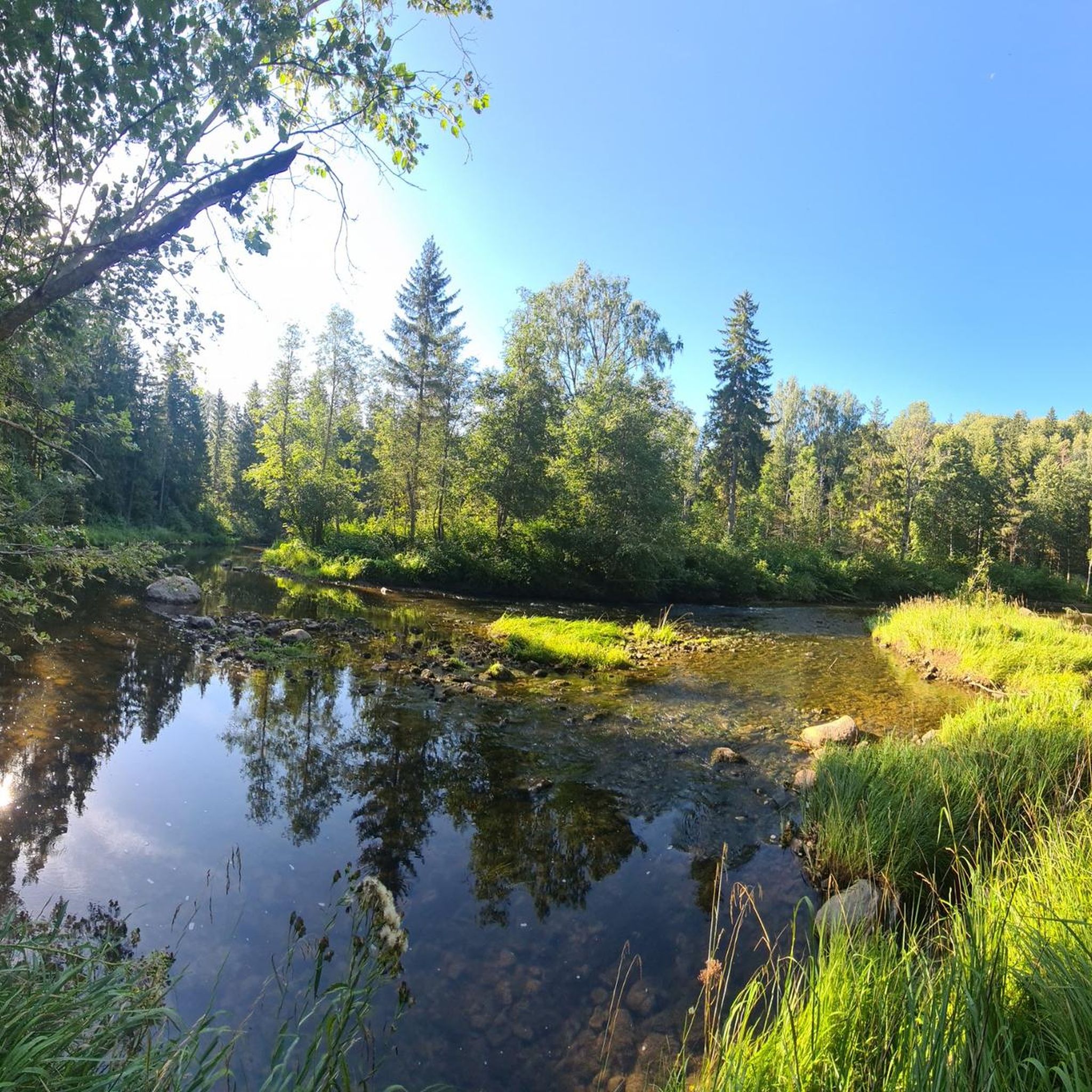
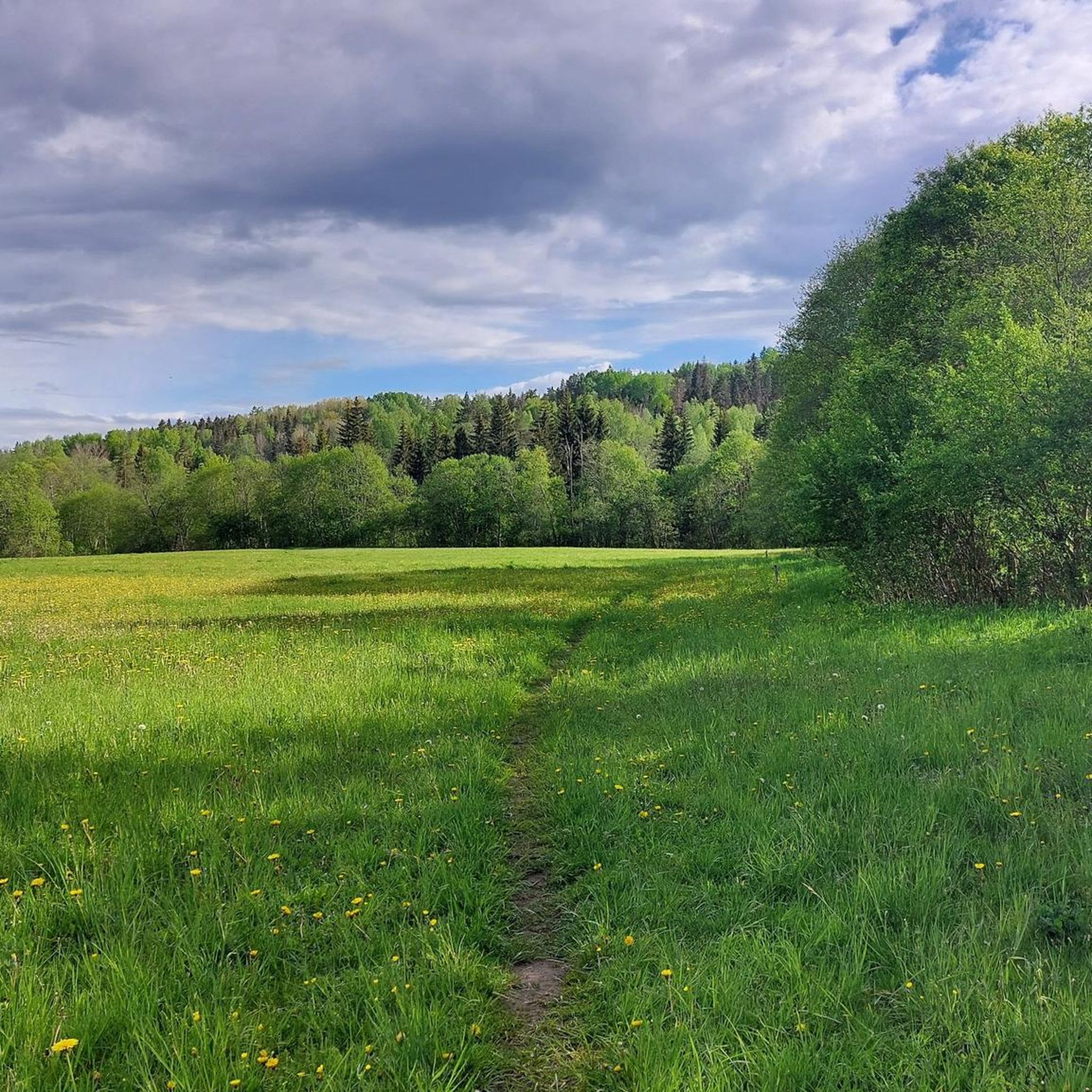
Touring cycling routes in Dabas Liegums „Melturu Sils" traverse a diverse natural landscape in Vidzeme, Latvia. The region is characterized by serene pine forests, winding rivers like the Gauja and Amata, and notable sandstone cliffs. As a nature reserve and Natura 2000 site, it features protected biotopes including boreal forests and river rapids. The terrain includes river valleys, ravines, and hillocks, offering varied conditions for cyclists.
Best touring cycling routes in Dabas Liegums „Melturu Sils"
- The most popular touring cycling…
Last updated: July 9, 2026
3
riders
32.1km
02:31
270m
270m
Moderate bike ride. Good fitness required. Mostly paved surfaces. Suitable for all skill levels.
5.0
(1)
21
riders
37.0km
02:15
220m
220m
Moderate bike ride. Good fitness required. Mostly paved surfaces. Suitable for all skill levels.

Sign up for free
5.0
(1)
19
riders
28.0km
01:43
140m
140m
Easy bike ride. Great for any fitness level. Mostly paved surfaces. Suitable for all skill levels.
10
riders
38.6km
02:58
310m
310m
Moderate bike ride. Good fitness required. Mostly paved surfaces. Suitable for all skill levels.
4
riders
46.7km
03:36
440m
440m
Moderate bike ride. Good fitness required. Mostly paved surfaces. Suitable for all skill levels.
Our route recommendations are based on thousands of hikes, rides, and runs completed by other people on komoot.
Start today with a free account
Your next adventure awaits.
Login or Signup
Popular around Dabas Liegums „Melturu Sils"
Tips from the Community

The church dates back to the 14th century. The Rose Square in front of it is also very beautiful.
1
0
The new castle and the old Teutonic castle, which was built in 1212.
1
0


Gauja River valley, with its Devonian rocks is 370-390 million years old. The last major transfor- mation in the valley happened 12-13 thousand years ago. Let's trace the course of the River Gauja! It divides the Central Vidzeme Uplands from the Aluksne Uplands. From Lake Alauksts to Lejasciems, the Gauja flows eastwards. Having added the waters of the River Tirza, it turns north-west, is joined by the Palse and Menupe and then about 10 km south of Valka turns south-west, flowing by Valmiera, Cēsis, Līgatne and Sigulda, turning north-west again at Ādaži and reaching the sea by Carnikava. Thus, this amazing river flows in almost a full circle. Interestingly, for a 20 km stretch in Valka District, this Latvian river is shared with Estonia, since the river flows along the border. The Estonians call it the Koiva. Since ancient times, the River Gauja has served as the place of settlement for tribes and people living the area. In the 4th-2nd century AD this area was inhabited by Liv and Finnic tribes belonging to the Finno-Ugric family, and Baltic Semigallians, and later, starting from the 13th century AD, the land was owned by German Crusaders and tilled by Latvian peasants. The river was rich with fish, and also served as a major trade route: during the time of the Hanseatic League, trade along the River Gauja waterway flourished as never before. Gauja by Carnikava has always been famous for lamprey fishing, although the river still retains a diverse fish fauna: perch, ide, grayling, pike, bream, roach, dacer chub, vimba and burbot. In 1985 on a 200 years old fishing boat was found, which serves as evidence that in there was still trading traffic along the River Gauja from Cēsis in the 17th century. Just sixty years ago the river Gauja was alive with the voices of plowman - the bold men brought timber to by floating it down the river. Nowadays, the River Gauja has become a beloved place for recreation and leisure. For water tourism enthusiasts from across the world. The rapid stream and the constantly changing riverbed provide an exciting challenge for water sports enthusiasts.
0
0
Must be interesting on the inside...is the floor tilting in one direction (downwards up the hill) or is it renovated and straight?
0
0
St. John's Church is the second most notable architectural feature in Cēsis and one if the oldest medieval monuments and oldest cult buildings in Latvia. The church was built in the 13th century as Christanity advanced into the Baltics to serve the needs of the Livonian Order. It was first a Catholic Church, as the reformation (1524)/counterreformation(1582)/reintroduction of Lutheran faith (1627) hasn't happened yet. Because Cēsis was the residence of the Order, Cēsis then became one of the most important centres of the German authorities in the Baltic States. Livonian Order Masters, clerics and knights are buried in there, this you can see one of the largest collection of tombstones in Latvia. The organ is one of the largest historical concert organ in Latvia. The church altarpainting is the masterpiece of the Estonian artist Johann Köhler (1826-1899).
0
1

Wooden houses are being renovated in Cesis. Some houses are waiting
0
0
Frequently Asked Questions
How many touring cycling routes are available in Dabas Liegums „Melturu Sils"?
Dabas Liegums „Melturu Sils" offers a selection of 8 touring cycling routes. These routes cater to various skill levels, with 2 easy and 6 moderate options available.
What kind of landscapes can I expect to see while cycling in Dabas Liegums „Melturu Sils"?
While cycling in Dabas Liegums „Melturu Sils", you can expect to traverse diverse natural landscapes. The region is characterized by serene pine forests, winding rivers like the Gauja and Pērļupe, and notable sandstone cliffs. As a Natura 2000 territory, it also features protected biotopes, including boreal forests, offering varied and scenic terrain.
Are there any easy touring cycling routes suitable for beginners in Dabas Liegums „Melturu Sils"?
Yes, Dabas Liegums „Melturu Sils" has easy touring cycling routes perfect for beginners or those seeking a relaxed ride. An excellent option is the Where it goes downhill ... – Beautiful avenue loop from Saulītes, an easy 15.7 km path with gentle elevation changes through scenic avenues.
Can I find longer, more challenging touring cycling routes in Dabas Liegums „Melturu Sils"?
For those looking for a more challenging ride, Dabas Liegums „Melturu Sils" offers several moderate touring cycling routes. Consider the Gauja River – Cēsis New Castle loop from Līvi, which covers 38.8 km with over 314 meters of elevation gain, providing a good workout amidst beautiful scenery.
Are there any circular touring cycling routes in Dabas Liegums „Melturu Sils"?
Yes, many of the touring cycling routes in Dabas Liegums „Melturu Sils" are designed as loops, allowing you to start and end at the same point. An example is the Cēsis Castle - Wenden Castle – Cēsis New Castle loop from Līvi, a 36.4 km trail leading through varied terrain.
What points of interest or landmarks can I see along the touring cycling routes?
While Dabas Liegums „Melturu Sils" is primarily known for its natural beauty, routes often pass through or near historical towns like Cēsis. You can expect to see features like the Gauja River, serene pine forests, and dramatic sandstone cliffs. Some routes, such as the Cēsis New Castle – Gauja River loop from Saulītes, offer views of both natural and historical elements.
Is Dabas Liegums „Melturu Sils" suitable for family-friendly touring cycling?
Yes, Dabas Liegums „Melturu Sils" offers routes that are suitable for families. The easier routes, such as the Cēsis New Castle – Cēsis Castle - Wenden Castle loop from Līvi, which is 28.2 km with moderate elevation, can be a good option for families looking for an enjoyable ride without excessive difficulty.
What is the best time of year to go touring cycling in Dabas Liegums „Melturu Sils"?
The best time for touring cycling in Dabas Liegums „Melturu Sils" is generally during the warmer months, from late spring to early autumn (May to September). During this period, the weather is most favorable, and the natural landscapes, including pine forests and river valleys, are at their most vibrant.
Are there any cafes or places to eat near the cycling routes in Dabas Liegums „Melturu Sils"?
While Dabas Liegums „Melturu Sils" itself is a nature reserve, many routes start or pass through nearby towns like Cēsis. In these towns, you will find various cafes and eateries where you can refuel before or after your ride.
What do other touring cyclists enjoy most about cycling in Dabas Liegums „Melturu Sils"?
The area is highly rated by the komoot community, with an average score of 5.0 stars. Reviewers often praise the diverse natural landscapes, including serene pine forests and scenic river views, as well as the varied terrain that offers options for different ability levels.
Are there specific natural features to look out for while cycling?
Absolutely. Dabas Liegums „Melturu Sils" is rich in natural features. Keep an eye out for the dramatic sandstone cliffs along the rivers, the tranquil pine and boreal forests, and the various springs, such as those suggested by the 'Gulbju Avots Spring loop' mentioned in the region's descriptions. The Pērļupe Stream also offers easily accessible paths through scenic environments.
Is public transport available to reach Dabas Liegums „Melturu Sils" for cycling?
Dabas Liegums „Melturu Sils" is located in the Cēsis municipality. While specific public transport options directly to trailheads may vary, Cēsis is generally accessible by public transport. It's advisable to check local bus or train schedules to Cēsis and then plan your route to the starting points of the cycling trails.

Get inspired with the komoot mobile app


Explore more
Browse the best Cycling routes in other regions.
