The best road cycling routes around Hirschbach im Mühlkreis
4.7
(228)
5,774
riders
320
rides
Road cycling around Hirschbach im Mühlkreis offers routes through the varied landscape of the Mühlviertel region, characterized by rolling hills and forested areas. The terrain includes both gradual ascents and more challenging climbs, with elevations reaching over 1000 meters on some routes. This area provides a network of roads suitable for different levels of road cycling experience.
Best road cycling routes around Hirschbach im Mühlkreis
- The most popular road cycling route is Lipno Dam – Horní Planá Cycle Path loop…
Last updated: July 8, 2026
5.0
(2)
51
riders
141km
06:51
1,690m
1,690m
Hard road ride. Very good fitness required. Some segments of this route may be unpaved and difficult to ride.
20
riders
Moderate road ride. Good fitness required. Mostly well-paved surfaces and easy to ride.

Sign up for free
4.0
(2)
20
riders
49.4km
02:30
690m
700m
Moderate road ride. Good fitness required. Mostly well-paved surfaces and easy to ride.
17
riders
63.4km
03:15
1,070m
1,070m
Hard road ride. Very good fitness required. Mostly well-paved surfaces and easy to ride.
15
riders
Moderate road ride. Good fitness required. Mostly well-paved surfaces and easy to ride.
Get access to more routes and recommendations from other explorers.
Sign up for free
Already have an account?
Our route recommendations are based on thousands of hikes, rides, and runs completed by other people on komoot.
Start today with a free account
Your next adventure awaits.
Login or Signup
Tips from the Community

The town hall stands at the western end of the main square, northeast of the parish church in the town of Bad Leonfelden in the Mühlviertel region.
0
0
Reichenthal Parish Church, known as the "Mühlviertel Cathedral," was completed in 1984 in the Neo-Renaissance style. It is considered a masterpiece of ecclesiastical historicism in Upper Austria.
0
0
Singletrack trail from the Hirschbach fire station, Wiesenweg.
0
0

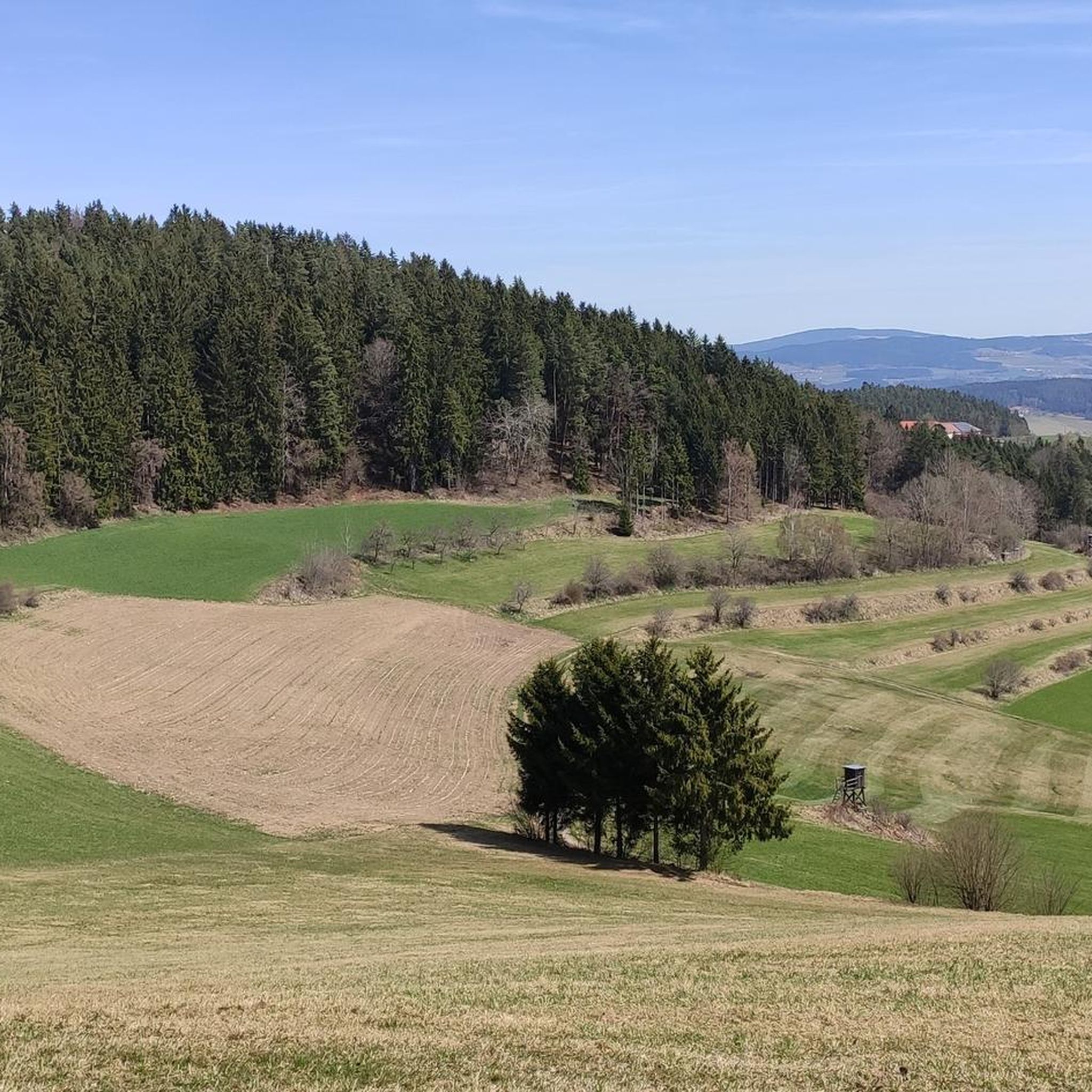
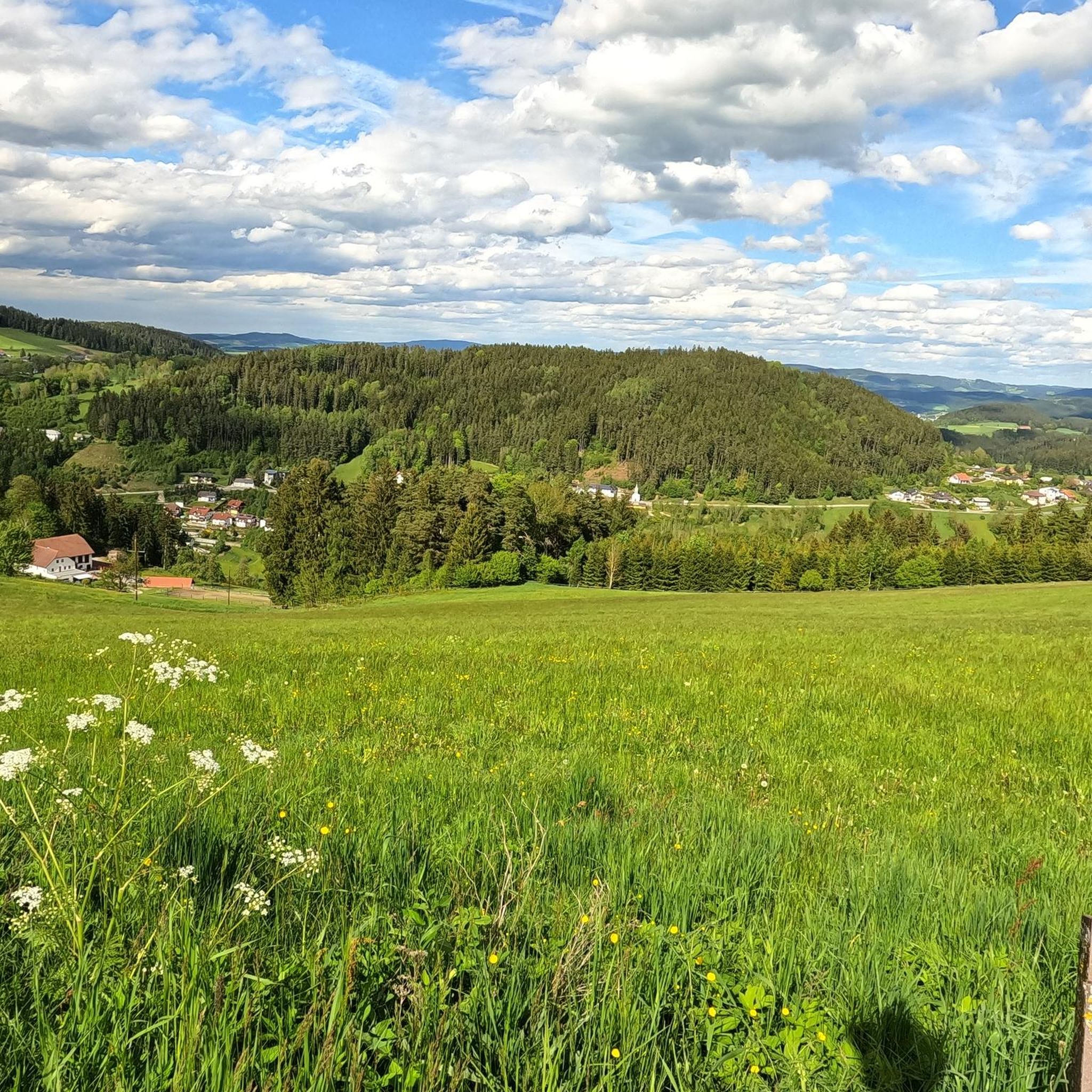
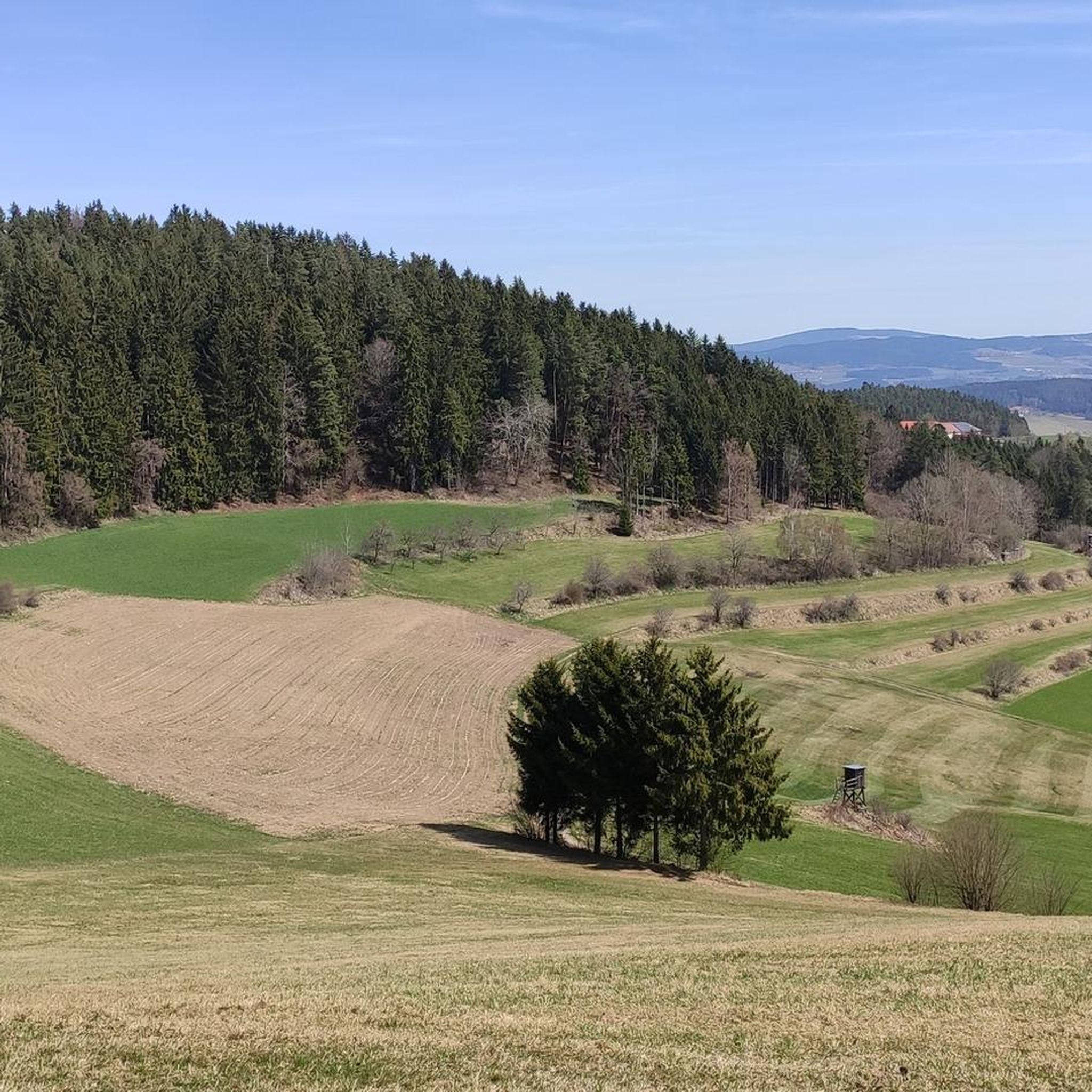
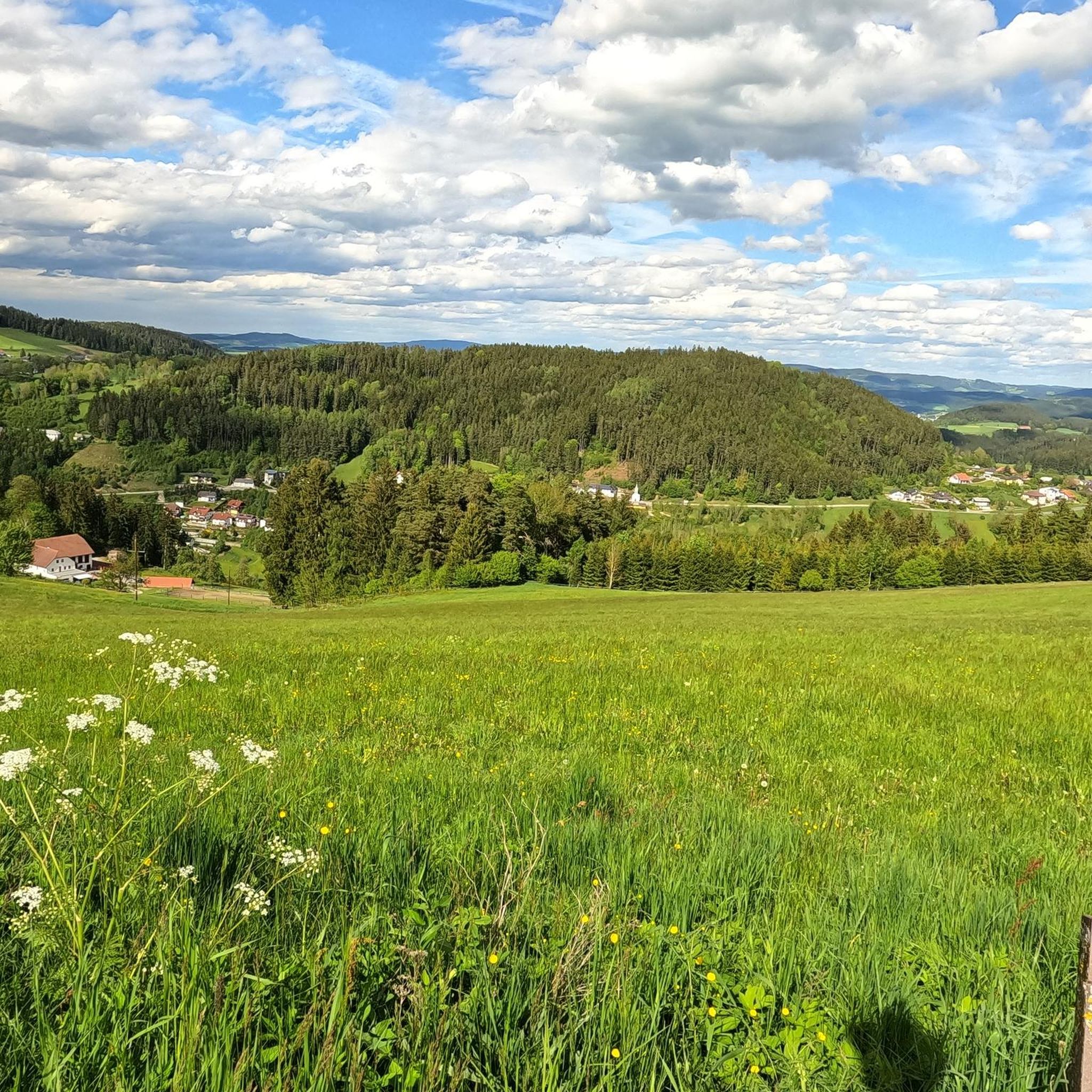
Beautiful cycle path with a view
2
0

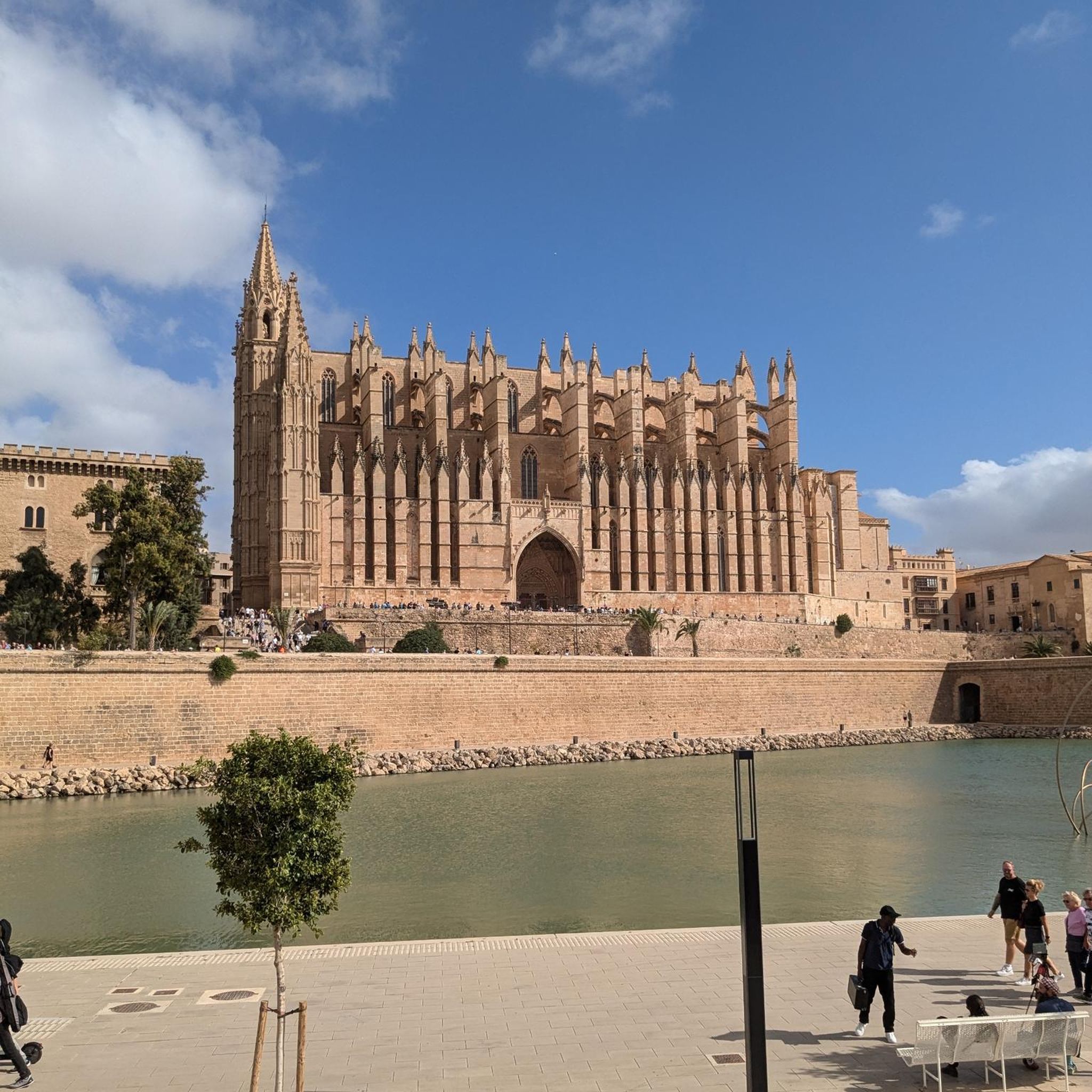
A massive and impressive building.
4
0

A very beautiful medieval town square. Highlights include Heini Staudinger's GEA store and the Lubinger pastry shop.
0
0


The Lipno Dam is one of the most important and impressive structures in the Czech Republic. Located in the southwest of the country, in the South Bohemia region, it is a significant engineering feat that plays a central role in both water management and energy production. History and Construction Construction of the dam began in the 1950s and was completed in the following years. The goal was to regulate the Vltava River, store water for power generation, and protect the region from flooding. The dam was built of concrete and is approximately 70 meters high and around 400 meters long, making it one of the largest of its kind in the Czech Republic. Function and Significance The dam maintains the shape of Lake Lipno, the largest artificial lake in the Czech Republic. The water is used in the turbines of the nearby power plants to generate clean electricity. In addition to its technical function, the dam is also a popular tourist destination. Visitors can tour the dam, walk along it, and enjoy breathtaking views of the lake and the surrounding nature. Tourist Highlights There are special viewing points on the dam from which you can admire the expanse of Lake Lipno and the picturesque landscape. There are also information centers that explain the history and technology of the dam. For those seeking adventure, there is the opportunity to explore the dam by bike or on foot. Conclusion The Lipno Dam is not only a technical marvel, but also a symbol of the connection between nature and technology. It contributes significantly to the region's energy supply and, at the same time, offers a beautiful backdrop for visitors. A trip to the dam is therefore an experience for the whole family – exciting, educational, and simply impressive!
3
0
Frequently Asked Questions
How many road cycling routes are available in Hirschbach im Mühlkreis?
Hirschbach im Mühlkreis offers a comprehensive network of over 300 road cycling routes. These include 15 easy, 168 moderate, and 141 difficult routes, catering to various skill levels.
What kind of terrain can I expect on road cycling routes in Hirschbach im Mühlkreis?
The region is characterized by rolling hills and forested areas, typical of the Mühlviertel. You'll encounter a mix of gradual ascents and more challenging climbs, with some routes reaching elevations over 1000 meters, alongside open rural roads.
Are there any easy or beginner-friendly road cycling routes in the area?
Yes, there are 15 easy routes suitable for beginners or those looking for a more relaxed ride. These routes generally feature less elevation gain and shorter distances, allowing for a comfortable introduction to road cycling in the Mühlviertel.
Are there challenging road cycling routes for experienced riders?
Absolutely. Hirschbach im Mühlkreis offers 141 difficult routes, many with significant elevation gain and longer distances. For example, the Lipno Dam – Horní Planá Cycle Path loop from Ottenschlag im Mühlkreis is a demanding 141.1 km route with substantial climbing.
What are some scenic viewpoints or landmarks I can see along the road cycling routes?
Many routes pass by notable attractions. You might encounter the Sternstein Observation Tower, offering panoramic views, or the historic Bad Leonfelden Market Square. Other points of interest include the European Watershed Monument Mühlviertel and the Großer Zeißberg Summit.
Are there circular road cycling routes available?
Yes, many routes in the Hirschbach area are designed as loops. For instance, the moderate Birkenfisch Sculpture – Herbal Power Source Hirschbach loop from Schenkenfelden is a 25.7 km circular path that includes local points of interest.
What do other road cyclists say about the routes in Hirschbach im Mühlkreis?
The road cycling routes in Hirschbach im Mühlkreis are highly regarded by the komoot community, with an average rating of 4.7 stars from over 190 reviews. Cyclists often praise the varied terrain, the quiet forested sections, and the well-maintained rural roads.
Are there routes that pass through towns or offer opportunities to explore local culture?
Yes, some routes lead to nearby towns. The Freistadt Castle – Freistadt town square loop from Schenkenfelden, for example, takes you through the countryside to the historic town of Freistadt, allowing for exploration of its castle and town square.
What is the best time of year to go road cycling in Hirschbach im Mühlkreis?
The spring, summer, and early autumn months generally offer the most favorable conditions for road cycling in the Mühlviertel. During these seasons, you can expect pleasant temperatures and lush landscapes, though summer can bring warmer days, especially on exposed routes.
Are there any routes that feature unique natural elements or hidden gems?
The region is rich in natural beauty. Routes often traverse areas with unique features like the Feldaist Stream in the Thury Valley. The varied landscape itself, with its mix of forests and open fields, provides many scenic 'hidden gem' moments.
Can I find routes that are suitable for a family road cycling trip?
While many routes involve rolling hills, there are easier options that families with older children or those comfortable with some elevation might enjoy. Look for the 15 routes classified as 'easy' for less demanding rides, or consider shorter 'moderate' loops like the Xy – Herbal Power Source Hirschbach loop from ehem. Pferdeeisenbahn Budweis–Linz–Gmunden, which is 22.6 km.
Most popular routes around Hirschbach im Mühlkreis
Most popular attractions around Hirschbach im Mühlkreis

Get inspired with the komoot mobile app


Explore more
Browse the best Road cycling routes in other regions.
