The best road cycling routes around Hinterbrühl
4.4
(673)
16,099
riders
305
rides
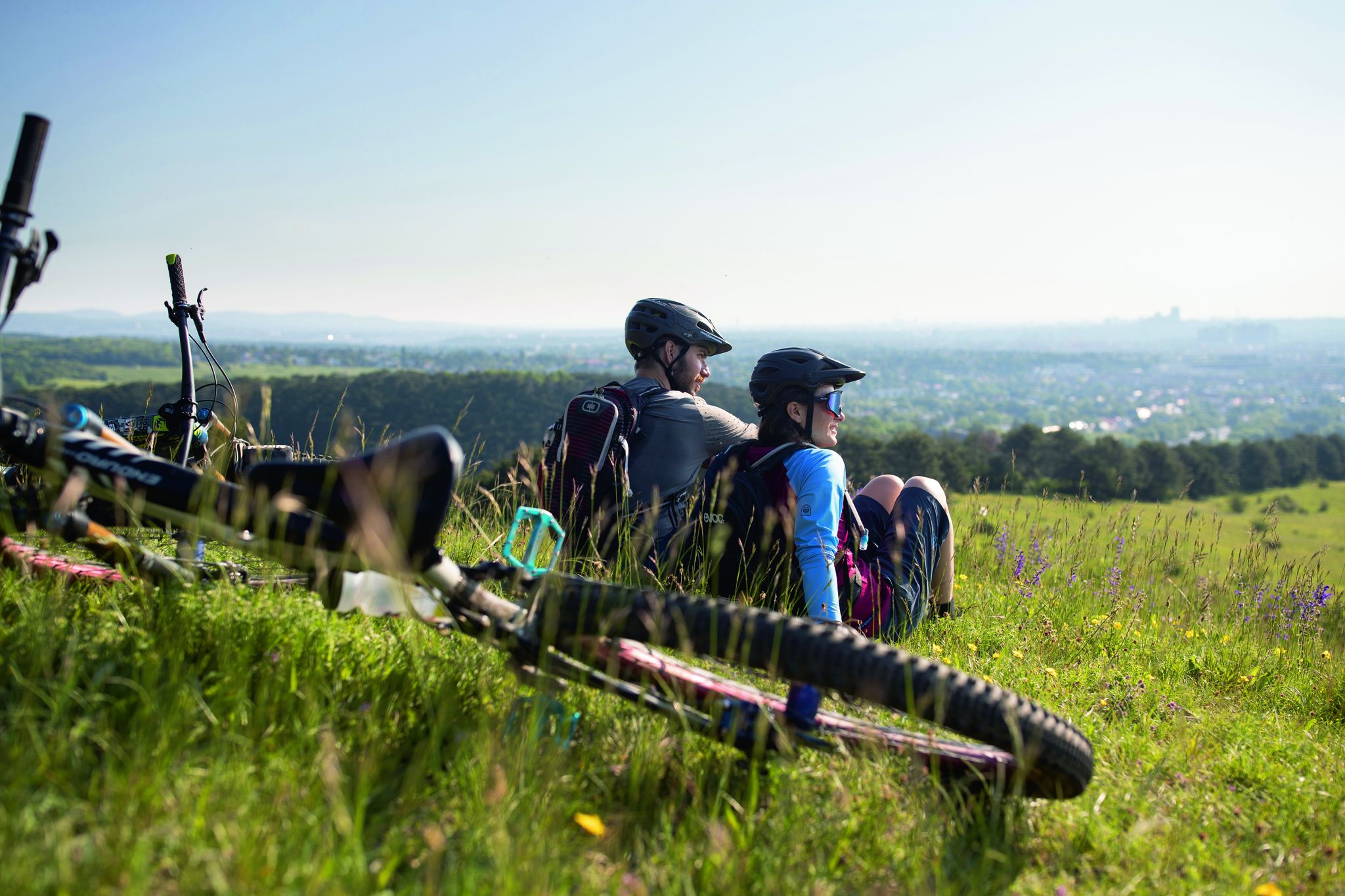
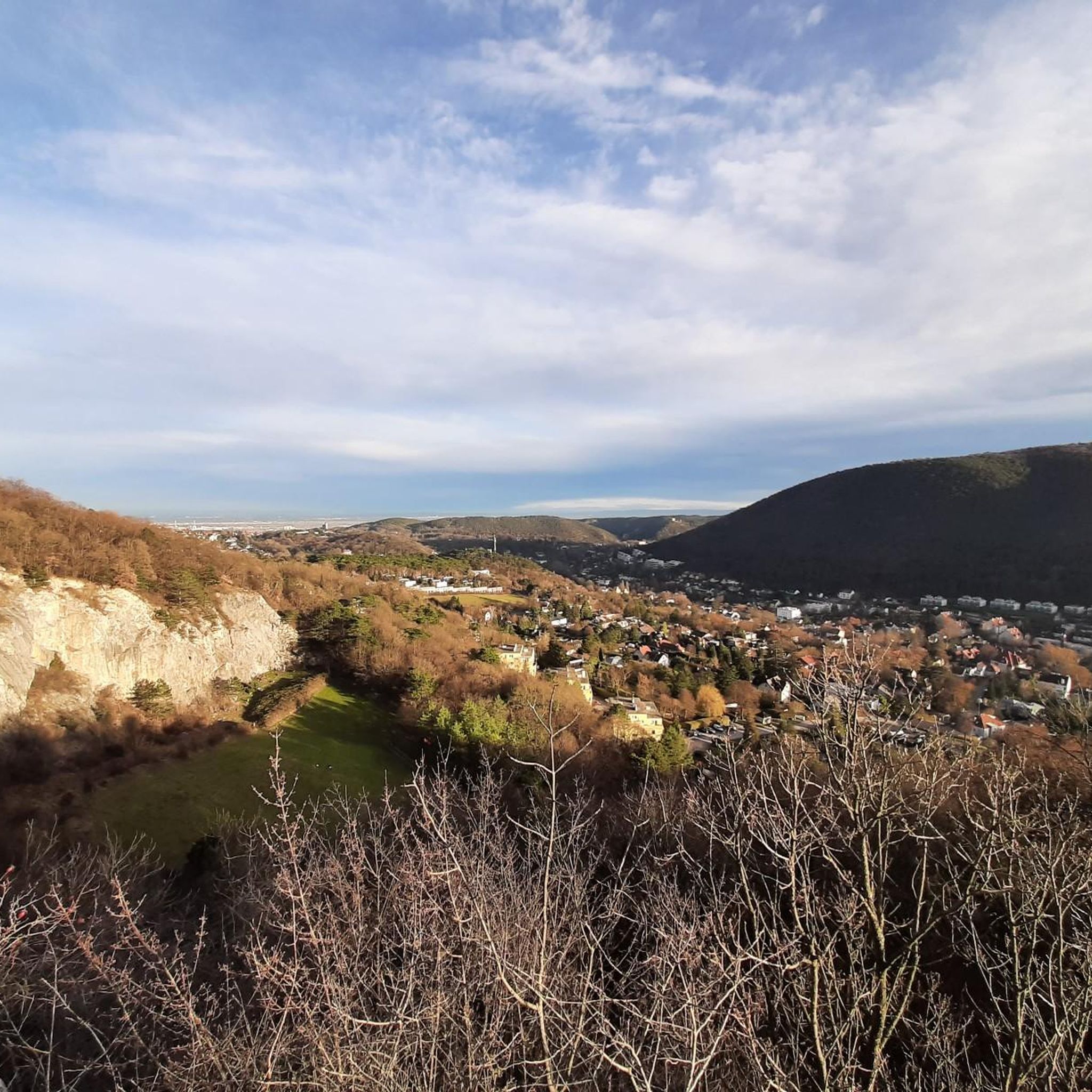
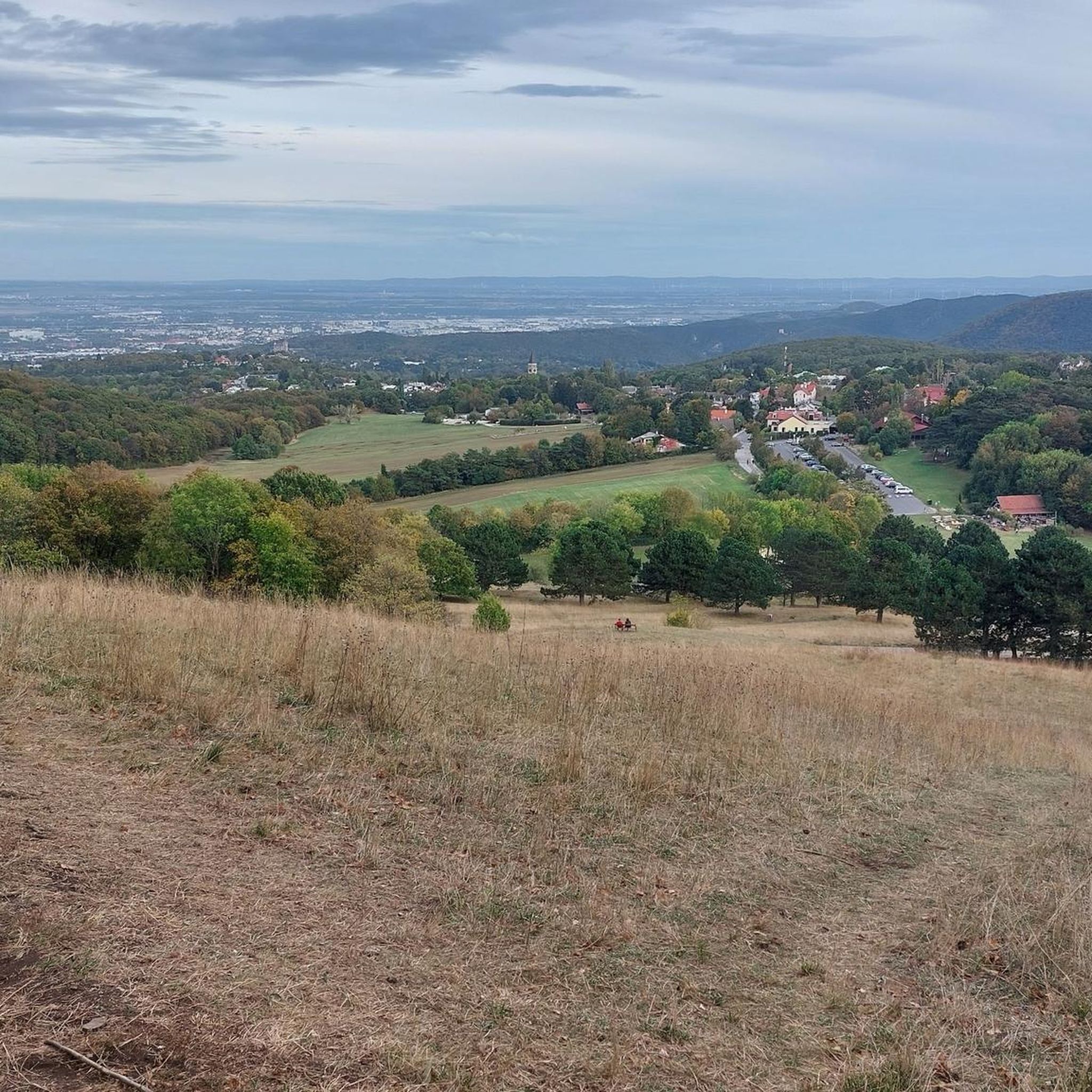
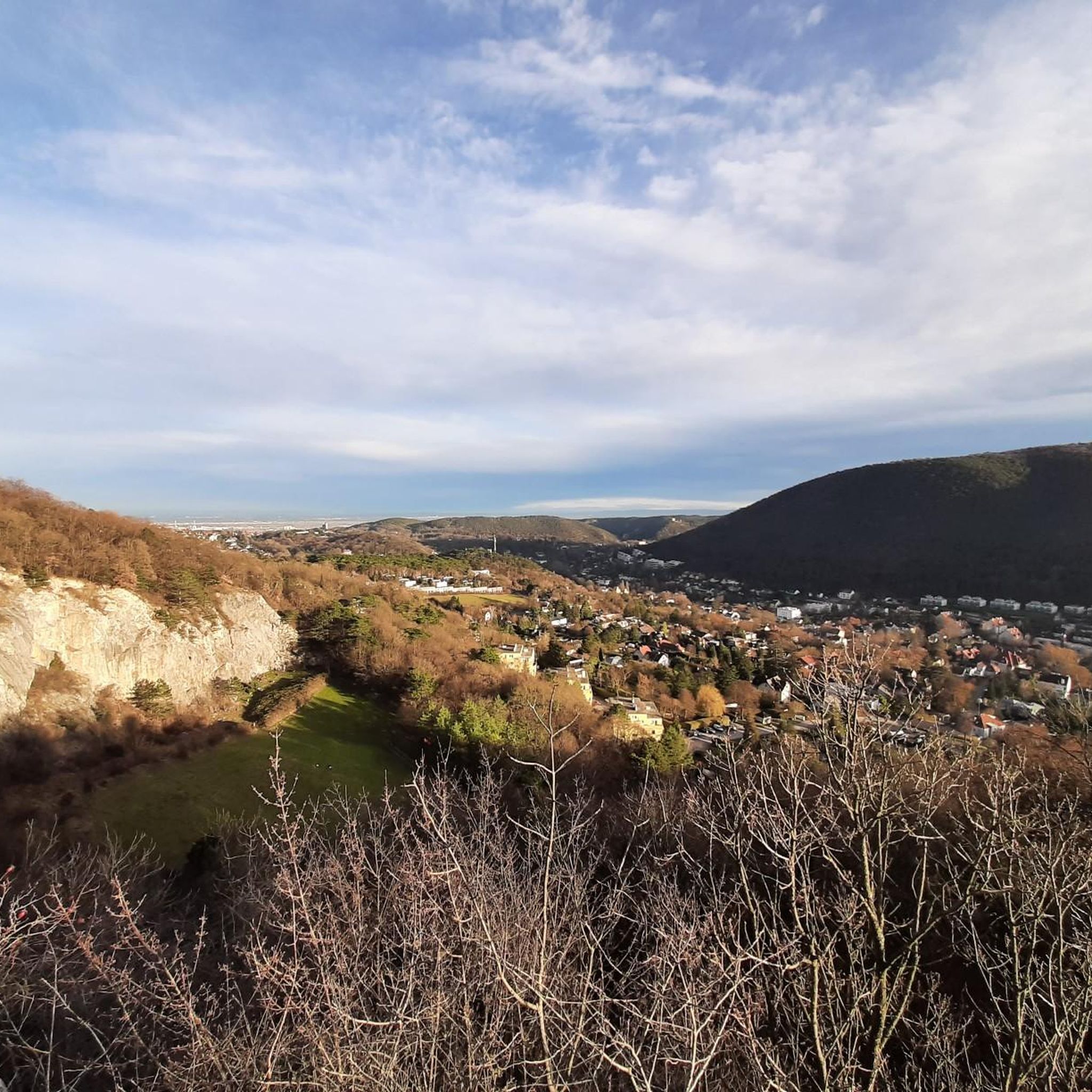
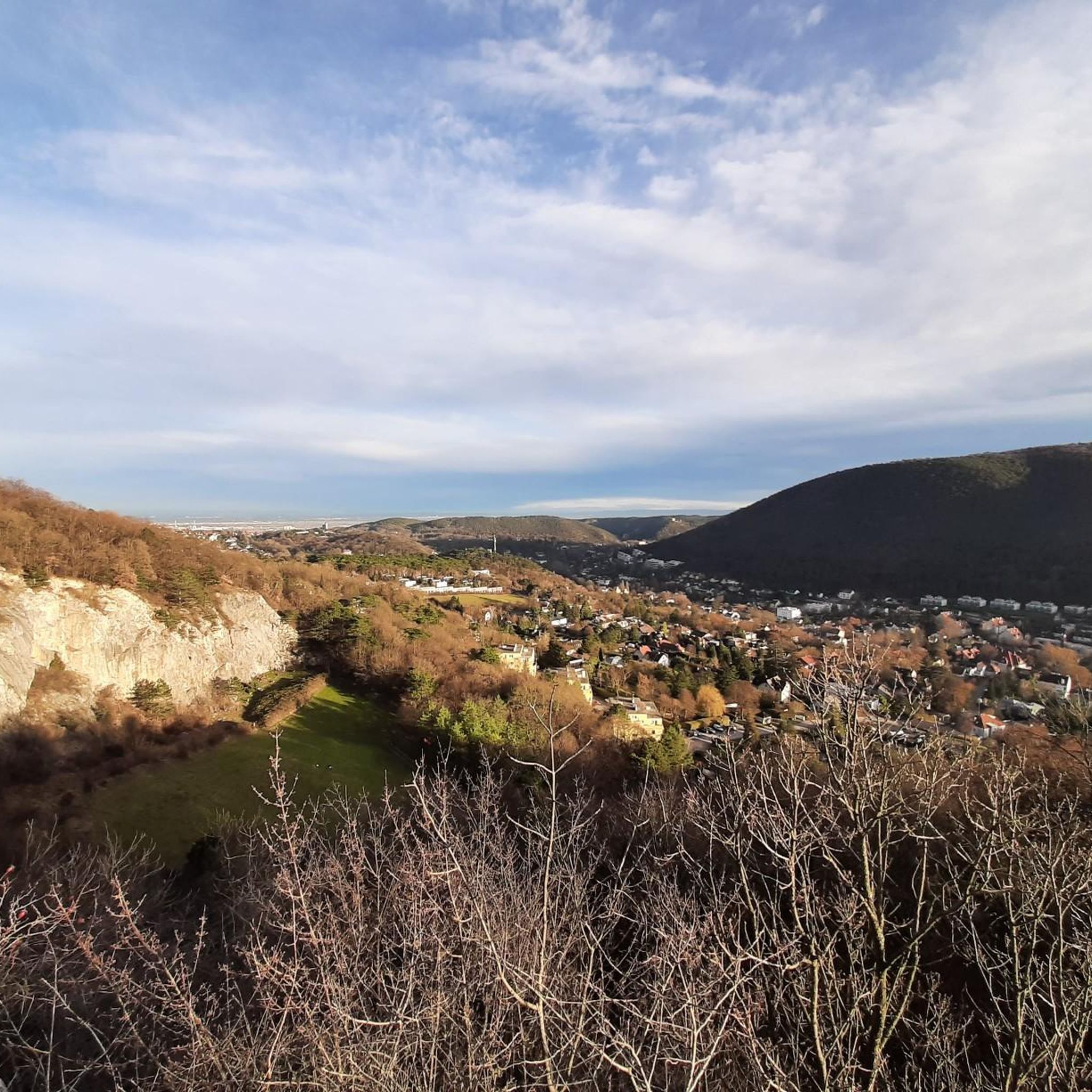
Road cycling around Hinterbrühl, located in the district of Mödling in Lower Austria, offers diverse terrain on the edge of the Vienna Woods. The region features a pleasantly hilly landscape with both gentle ascents and more challenging climbs. Cyclists can explore scenic routes through the Helenental valley and along mostly paved surfaces, providing varied experiences for different fitness levels.
Best road cycling routes around Hinterbrühl
- The most popular road cycling route is Descent to Heiligenkreuz – Heiligenkreuz Abbey loop from Bezirk Mödling, a 17.2 miles (27.7 km) trail that takes 1 hour 23 minutes to complete. This route features a challenging difficulty grade and explores the area around Heiligenkreuz Abbey.
- Another top favourite among local road cyclists is Rechter Wöglerin Curve – Kleiner Semmering Pass loop from Burg Wildegg, a moderate 34.2 miles (55.1 km) path. This route offers significant elevation gain through varied landscapes, including the Kleiner Semmering Pass.
- Local road cyclists also love the Mödling Town Square – Laxenburg Swimming Pond loop from Mödling, a 10.9 miles (17.6 km) trail leading through the local area towards Laxenburg Swimming Pond, often completed in about 42 minutes.
- Road cycling around Hinterbrühl is defined by the scenic Vienna Woods, the picturesque Helenental valley, and pleasantly hilly terrain. The network offers options for easy, moderate, and difficult routes, catering to various ability levels.
- The routes in Hinterbrühl are highly rated by the komoot community with an average score of 4.4 stars from over 600 reviews. More than 15,000 road cyclists have used komoot to explore Hinterbrühl's varied terrain.
Last updated: July 5, 2026
4.8
(4)
76
riders
Hard road ride. Great for any fitness level. You may need to push your bike for some segments of this route.
4.3
(3)
52
riders
55.1km
02:39
790m
790m
Moderate road ride. Good fitness required. Mostly well-paved surfaces and easy to ride.

Sign up for free
38
riders
28.8km
01:18
300m
300m
Easy road ride. Great for any fitness level. Mostly well-paved surfaces and easy to ride.
4.3
(3)
31
riders
17.7km
00:43
70m
70m
Easy road ride. Great for any fitness level. Mostly well-paved surfaces and easy to ride.
22
riders
51.4km
02:09
300m
300m
Moderate road ride. Good fitness required. Some segments of this route may be unpaved and difficult to ride.
Get access to more routes and recommendations from other explorers.
Sign up for free
Already have an account?
Our route recommendations are based on thousands of hikes, rides, and runs completed by other people on komoot.
Start today with a free account
Your next adventure awaits.
Login or Signup
Other adventures around Hinterbrühl

Tips from the Community

Nice wooden bridge that fits very well into the area and blends wonderfully with the surrounding nature.
0
0
Pleasant stretch of road to cycle with gravel.
0
0

As early as 1650, 3 crosses stood on the small plateau above Gaadener Straße, in memory of the Calvary in Jerusalem. In 1670, some Viennese citizens then erected a chapel on this spot, known as Bergl or Schneiderbergl, in honor of the Crucified, and in 1671, Abbot Klemens Schäffer had a hermit's hut built next to it. During the Turkish invasion in 1683, the so-called "Berglkapelle" was destroyed, but it was rebuilt just 2 years later with donations from Viennese citizens. In 1728, the "Kirchl auf dem Schneiderbergl" was repaired by the master carpenter from Heiligenkreuz, Aegidius Bauer; a staircase to the mountain is also mentioned. Thus, it can be assumed that the later staircase construction is connected to it.
0
0
The magnificent baroque Stations of the Cross with the 13 chapels of the stations and the main chapel of the 12th station were built between 1731 and 1748. The initiator and builder was Abbot Robert Leeb, who had this Stations of the Cross created in memory of his pilgrimage to the Holy Land. As a young priest, Abbot Robert had seen the real Stations of the Cross in Jerusalem in 1719 and had walked it himself with great emotion. In 1729, he now considered the plan to create a Stations of the Cross in Heiligenkreuz based on the model in Jerusalem. Building permission was granted to him in 1731 by a declaration from Pope Clement XII. https://www.stift-heiligenkreuz.org/sehenswuerdigkeiten/der-barocke-kreuzweg/
0
0
As early as 1650, 3 crosses stood on the small plateau above Gaadener Straße, in memory of the Calvary in Jerusalem. In 1670, some Viennese citizens then erected a chapel on this spot, the so-called Bergl or Schneiderbergl, in honor of the Crucified, and in 1671 Abbot Klemens Schäffer had a hermit's house built next to it. During the Turkish invasion in 1683, the so-called "Berglkapelle" was destroyed, but already 2 years later it was rebuilt from donations by Viennese citizens. In 1728, the "Kirchl auf dem Schneiderbergl" was repaired by the Heiligenkreuz master carpenter Aegidius Bauer, and a staircase to the mountain is also mentioned. Thus, one can assume that the later staircase connects to it.
0
0

The installation consists of several expressively designed figure groups (Jesus; angel with the chalice of suffering; group of sleeping apostles), placed scattered on a hill. "Sleeping apostles at the foot of the hill (Peter, John, and James the Greater), Christ with the angel on the summit."
1
0
The ecologically oriented care and design of the monastery park are a great help to animal and plant species, as suitable habitats are not always easy to find within settlement areas. As diverse green spaces as possible are particularly important for biodiversity in densely built-up areas.
1
0
The Old Town Hall in Wiener Neudorf, located at Rathausplatz 1, looks back on a varied history: Built in the 15th century as St. Wolfgang Chapel, the building was extended after destructions in 1750 (tower construction). After 1780 it was used as a school and residential building, and from 1902 until the mid-1970s it served as the town hall.
0
0
Frequently Asked Questions
How many road cycling routes are available in Hinterbrühl?
There are over 300 road cycling routes around Hinterbrühl, offering a wide variety of options for different skill levels and preferences. This includes 68 easy routes, 169 moderate routes, and 70 difficult routes.
What kind of terrain can I expect when road cycling around Hinterbrühl?
Hinterbrühl, situated on the edge of the Vienna Woods, features a pleasantly hilly landscape. You can expect a mix of gentle ascents and more challenging climbs, with many routes traversing the scenic Helenental valley. Most surfaces are paved, making them ideal for road cycling.
What is the best time of year for road cycling in Hinterbrühl?
The spring and summer months are particularly recommended for road cycling in Hinterbrühl. During this time, the landscape is vibrant, and the climate is mild, providing ideal conditions to explore the region's diverse routes.
Are there routes suitable for beginners or those looking for an easy ride?
Yes, Hinterbrühl offers 68 easy road cycling routes. An example is the Mödling Town Square – Laxenburg Swimming Pond loop from Mödling, which is 10.9 miles (17.6 km) long and takes about 42 minutes to complete, leading through local areas towards Laxenburg Swimming Pond.
Are there challenging road cycling routes for experienced riders?
Absolutely. Hinterbrühl has 70 difficult road cycling routes. For a challenging experience, consider the Descent to Heiligenkreuz – Heiligenkreuz Abbey loop from Bezirk Mödling, a 17.2-mile (27.7 km) trail that explores the area around Heiligenkreuz Abbey with significant elevation changes.
What interesting sights or landmarks can I see along the road cycling routes in Hinterbrühl?
While cycling, you can explore various attractions. The famous Breite Föhre Rest Area is a historical site offering wide views. You might also encounter the Husar Temple or the Sina Warte Observation Tower. The region is also home to the unique Seegrotte Hinterbrühl, Europe's largest underground lake, which can be combined with a cycling excursion.
Are there any circular road cycling routes in the area?
Yes, many road cycling routes in Hinterbrühl are designed as loops. For example, the Rechter Wöglerin Curve – Kleiner Semmering Pass loop from Burg Wildegg offers a moderate 34.2-mile (55.1 km) path with significant elevation gain through varied landscapes.
What do other cyclists say about road cycling in Hinterbrühl?
The road cycling routes in Hinterbrühl are highly rated by the komoot community, with an average score of 4.4 stars from over 600 reviews. Cyclists often praise the scenic Vienna Woods, the picturesque Helenental valley, and the varied terrain that caters to all ability levels.
Are there family-friendly road cycling routes in Hinterbrühl?
Yes, the region offers family-friendly options. The Thermenradweg on the Wiener Neustädter Canal is a beautiful and leisurely cycle path with many worthwhile stops, suitable for families. It is also part of the EuroVelo 9 long-distance route.
Can I reach the road cycling routes in Hinterbrühl using public transport?
Hinterbrühl is well-connected, and many starting points for road cycling routes are accessible via public transport. It's advisable to check local bus and train schedules to plan your journey to the desired route starting point.
Where can I find parking for road cycling in Hinterbrühl?
Parking facilities are available in and around Hinterbrühl, particularly near popular starting points for cycling routes. Look for designated public parking areas in the village or near major attractions to ensure convenient access to the trails.
Are there places to stop for refreshments like cafes or pubs along the routes?
Yes, the Hinterbrühl region offers various opportunities for refreshment. You'll find cyclist-friendly cafes and traditional pubs in the villages and towns along many routes, perfect for a break and to refuel during your ride.
Most popular routes around Hinterbrühl
Most popular attractions around Hinterbrühl

Get inspired with the komoot mobile app


Explore more
Browse the best Road cycling routes in other regions.
