Attractions and Places To See around Langsur - Top 20
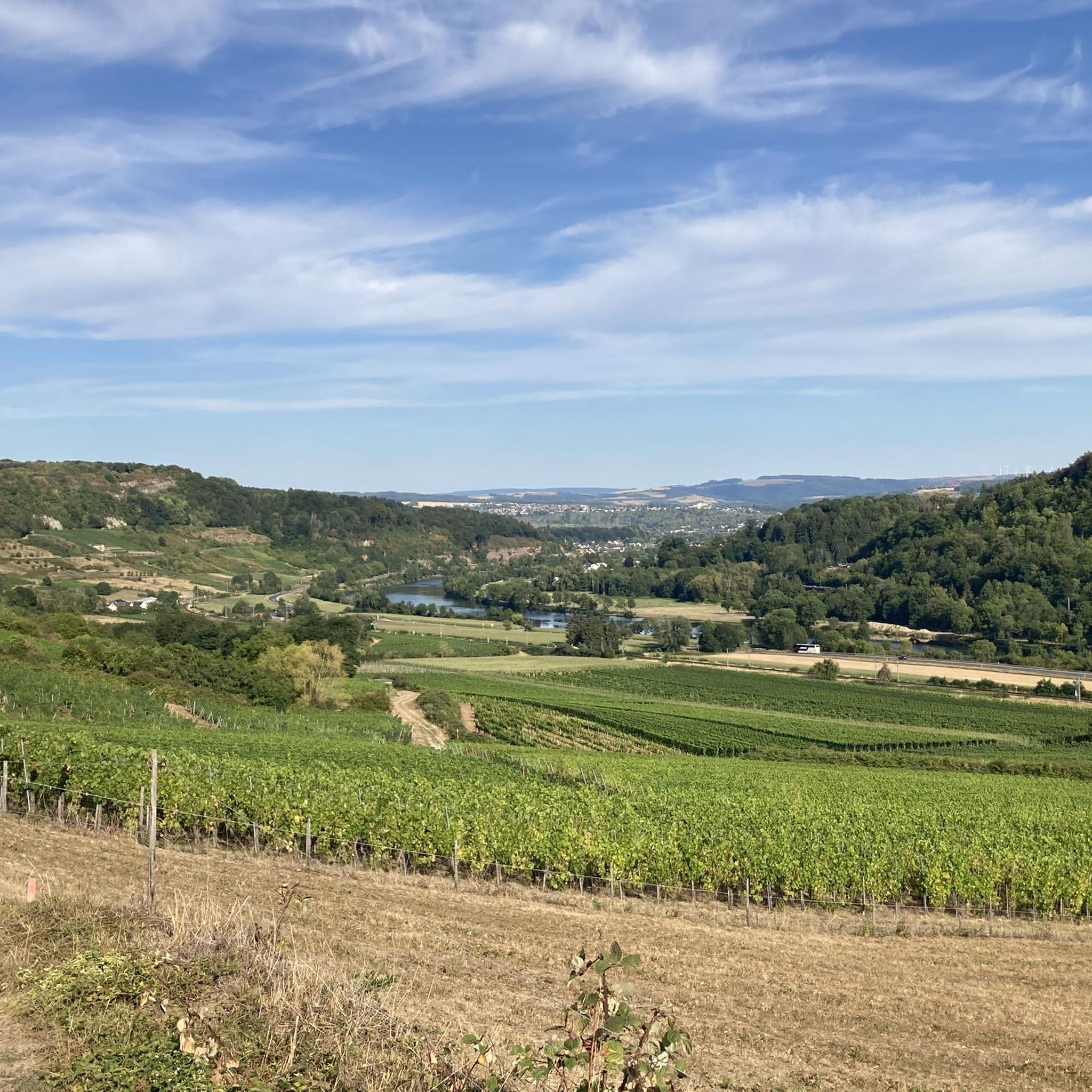
Best attractions and places to see around Langsur include a mix of historical sites, natural landscapes, and cultural experiences. Situated in the Rhineland-Palatinate region of Germany, Langsur lies on the banks of the Sauer River, surrounded by hills and forests. The area features remnants of Roman ruins, medieval castle ruins, and traditional vineyards, reflecting its rich history and natural beauty. Visitors can explore a variety of landmarks and natural features within the town and its vicinity.
Best attractions and places…
Last updated: August 29, 2026
Confluence of the Saar and Moselle
Highlight • River
Translated by Google •
Tip by

Porta Nigra
Highlight • Historical Site
Showing Translation
Tip by

Sign up now to discover places like this
Get recommendations on the best single tracks, peaks, & plenty of other exciting outdoor places.
Sign up for free
Trier Main Market
Highlight • Historical Site
Showing Translation
Tip by

Genoveva Cave
Highlight • Cave
Translated by Google •
Tip by

Trier Cathedral (Cathedral of St. Peter)
Highlight • Religious Site
Showing Translation
Tip by

Sign up for free to discover even more attractions around Langsur.
Sign up for free
Already have an account?
Start today with a free account
Your next adventure awaits.
Login or Signup
Tips from the Community

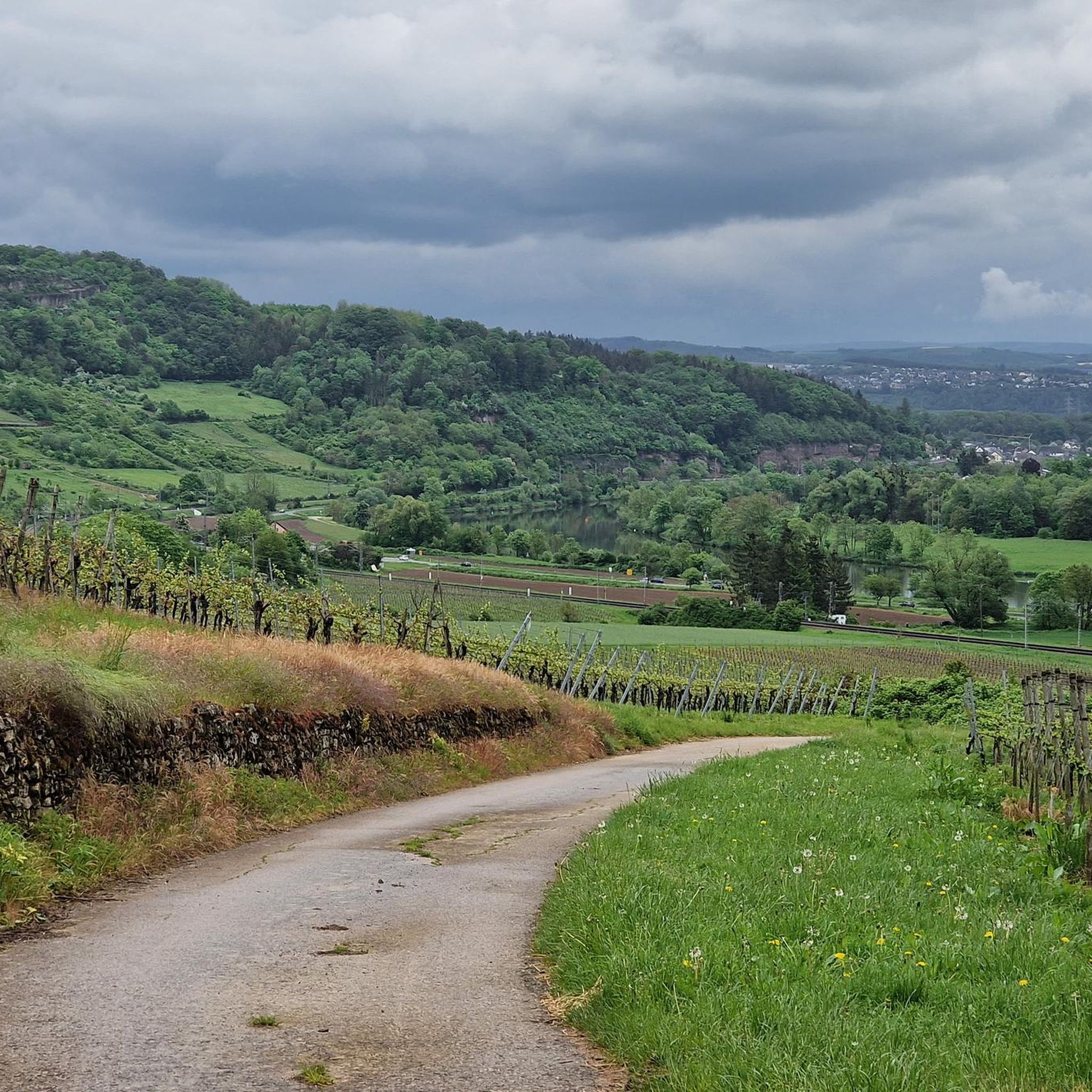
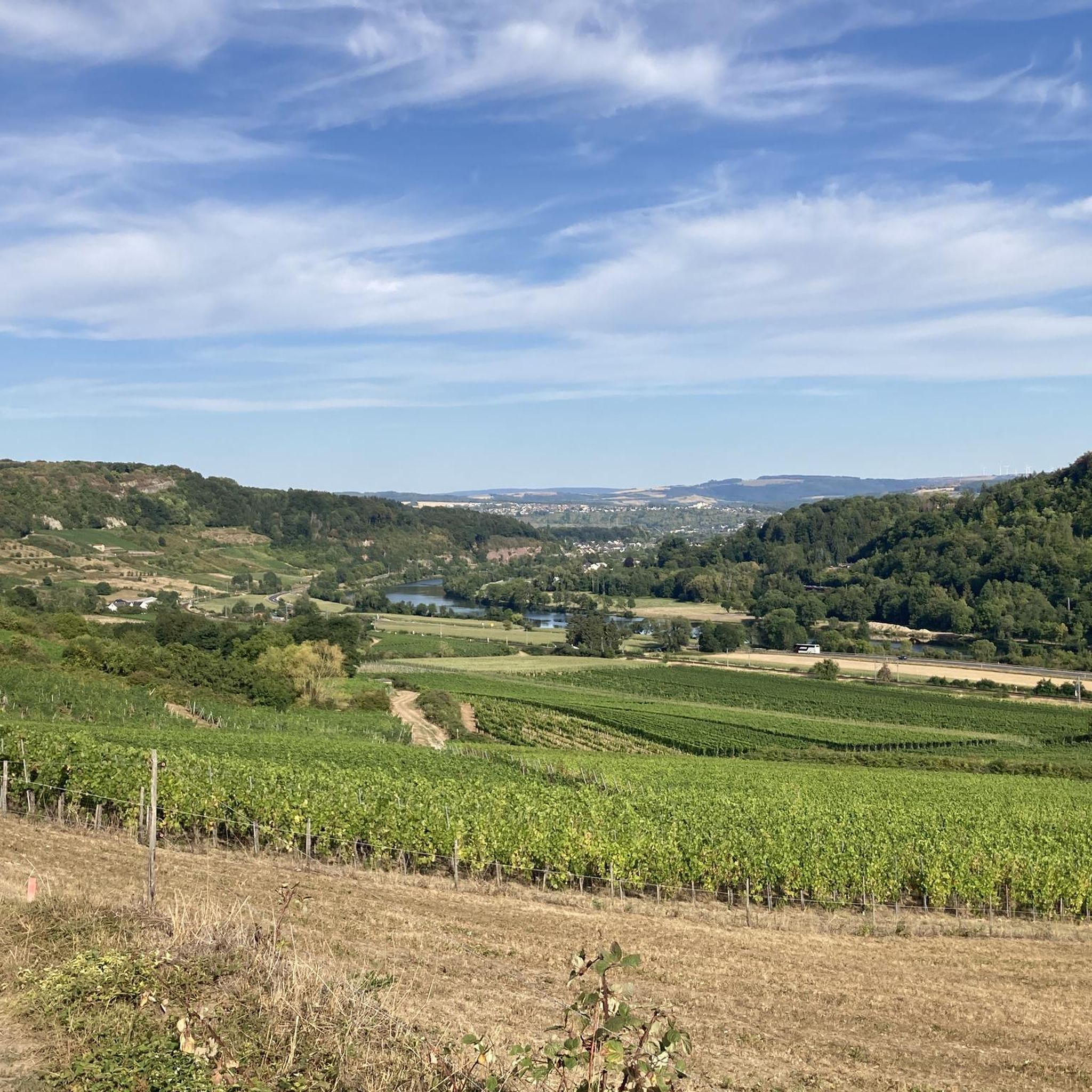
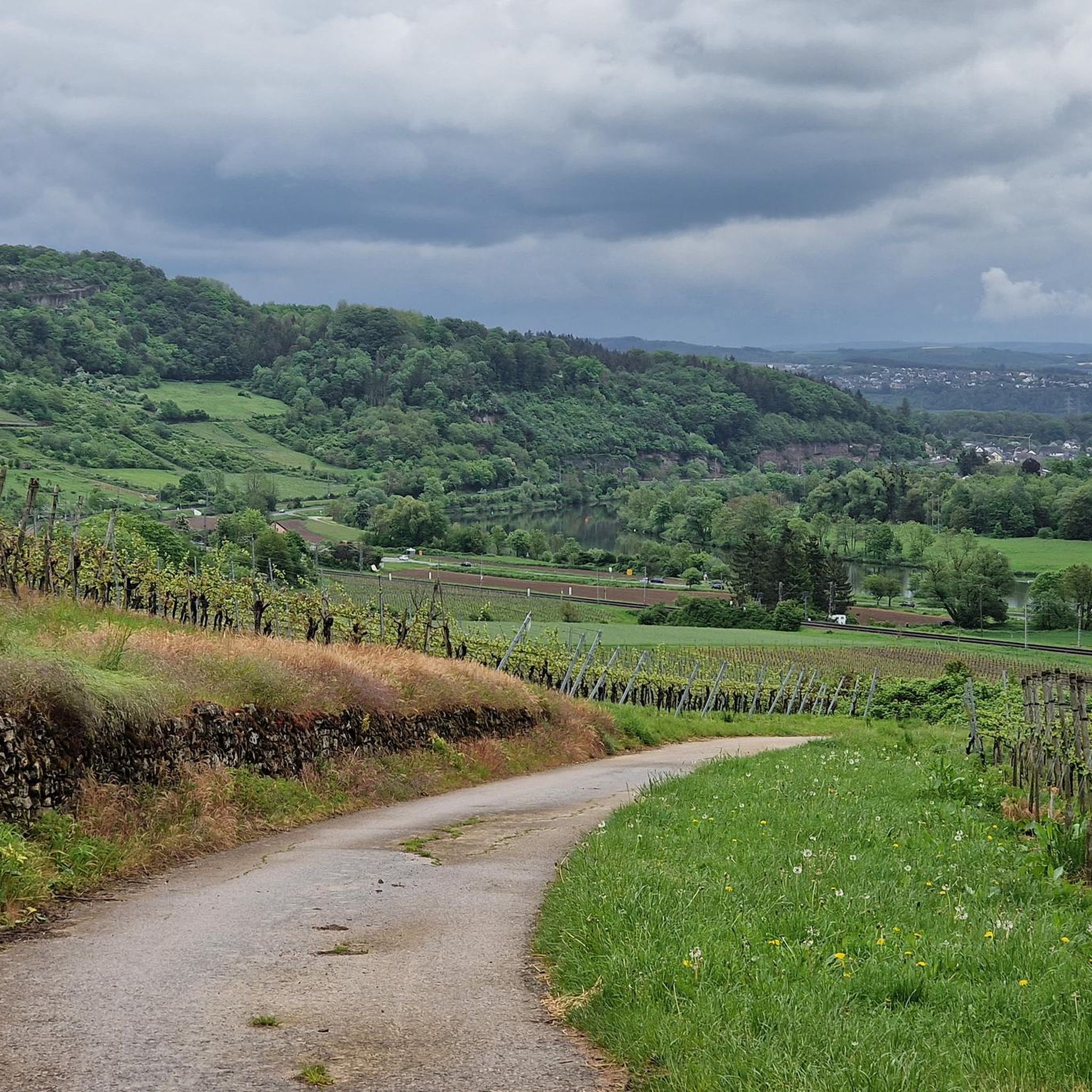
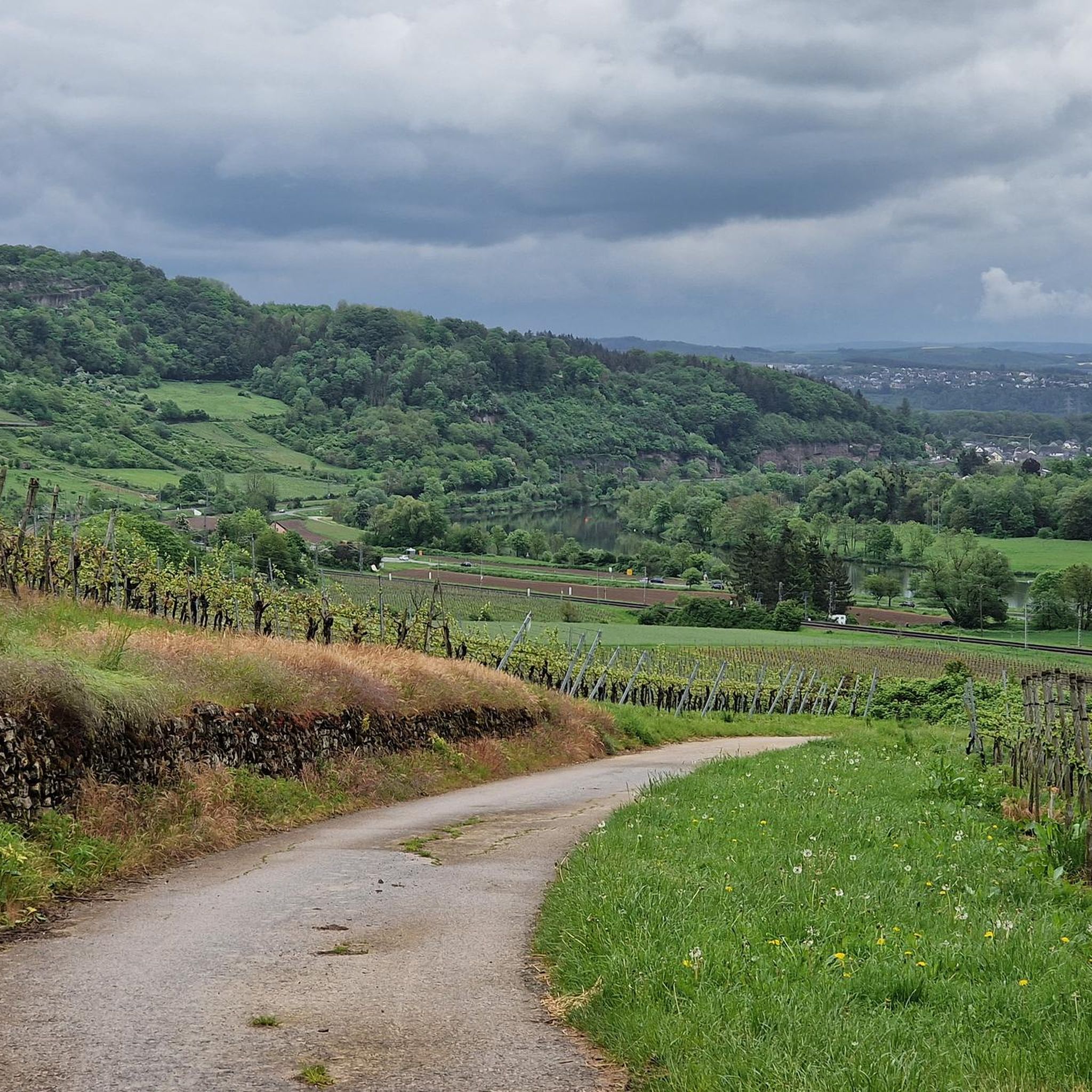
Where the Saar and Moselle meet The Moselle and Saar originate in France and meet in Konz after a long journey through varied landscapes. The two rivers give our holiday region its name and have shaped a unique landscape. At the mouth of the Saar there is a triangular sculpture as a place of peace and meditation. You can sit in the stone, shielded from external influences. It is quieter in the stone and the sound of the water is amplified.
15
0

Here the Saar flows into the Moselle and forms a small German Corner. There is a pyramid-shaped stone here as a monument to Kaiser Wilhelm.
12
0

With a length of 235 kilometers, the Saar is the longest tributary of the Moselle. more: https://de.wikipedia.org/wiki/Saar#:~:text=Mit%20235%20Kilometern%20Flie%C3%9Fstrecke%20ist,mit%202.569%2C69%20km%C2%B2%20Fl%C3%A4che.
8
0
The Imperial Cathedral of Saint Peter in Trier is the oldest bishop's church in Germany and the mother church of the Diocese of Trier. With a length of 112.5 meters and a width of 41 meters, the structure is the largest church building in the city of Trier and an important testament to Western sacred architecture. Since 1986, the Trier Cathedral has been part of the UNESCO World Heritage site Roman Monuments, Cathedral and Church of Our Lady in Trier, and it is also a protected cultural asset under the Hague Convention.
24
2
The main market of Trier is the central and one of the largest squares in the city. It is located in the historic city center directly in front of the cathedral city in today's Mitte/Gartenfeld district. The most important urban commercial streets come together here. In 958, Archbishop Henry I equipped the main market with the market cross as a symbol of sovereignty. The main market was a place for selling goods and trading in the medieval city.
17
0

The Trier Cathedral of St. Peter is not only the oldest church in Germany, but also the oldest building in Germany, which has served its original purpose as a bishop's church without interruption in its 1700-year history and is still used today. From its oldest building core, the "square building" from the 4th century, to the present of the 21st century, all phases of the history of construction, art and belief in Europe can be traced back.
23
2

Ideal place to have a picnic and enjoy the view. Think about the fact that the Saar is the longest tributary of the Moselle with over 230 km and flows through this into the Rhine into the North Sea👍
11
0
Narrow paths lead through the forest granting spectacular views. Many traces of the Roman past lie directly on the way. The diversified path leads past the waterfalls and numerous sights. The trail runs through one of the most beautiful hiking areas in the district of Trier-Saarburg. The castle Ramstein, Genovevahöhle (cave), Celtic ring walls, parts of the Roman "Langmauer" and finally the Roman mine "Pützlöcher" can be seen on the 10 km long circular route between Kordel and Butzweiler. A hike can hardly be more exciting!
15
0
Frequently Asked Questions
What historical sites can I explore in and around Langsur?
Langsur and its surroundings are rich in history. You can visit the medieval Castle Ruins and the 15th-century Parish Church in Langsur. Remnants of Roman ruins have also been unearthed in the area. Nearby, in Trier, don't miss the Porta Nigra, the best-preserved Roman city gate north of the Alps, and the impressive Trier Cathedral.
Are there any natural attractions or scenic viewpoints near Langsur?
Absolutely! Langsur is surrounded by natural beauty. You can discover the picturesque Stumpfenbach Waterfall and the serene Stumpfenbach Lake. The Sauer River Valley offers beautiful hills and forests, perfect for scenic views. A notable natural landmark is the Confluence of the Saar and Moselle, where you can enjoy wide river basin views.
What kind of outdoor activities can I do in the Langsur area?
The Langsur area is ideal for outdoor enthusiasts. You can explore numerous hiking and biking trails through blooming meadows, beech forests, and past rock formations in the Sauer River Valley. For specific routes, check out the guides for Hiking around Langsur, Running Trails around Langsur, and MTB Trails around Langsur.
Are there family-friendly attractions in Langsur?
Yes, several attractions cater to families. The Confluence of the Saar and Moselle offers meadows and benches for relaxation. Exploring the large, open Genoveva Cave can be an exciting adventure for children. Additionally, the Trier Cathedral and Trier Main Market are also considered family-friendly.
What cultural experiences does Langsur offer?
Langsur provides several cultural insights. You can visit the Langsur Museum and Langsur Folk Museum to learn about local heritage and daily life. The region also features Stumpfenbach Vineyard and Wartburg Vineyard, reflecting its winemaking traditions. The Church of St. Martinus, an 18th-century church, is another cultural highlight.
Are there any Roman ruins to see in the area?
Yes, the region has a significant Roman past. While remnants of Roman ruins have been unearthed directly in Langsur, the nearby city of Trier boasts impressive Roman structures. The Porta Nigra is a must-see, and Trier also has an Amphitheater, Kaiserthermen (Imperial Baths), and the Konstantinbasilika.
What is the best time to visit Langsur for outdoor activities?
The Sauer River Valley, surrounding Langsur, is beautiful throughout the warmer months, with blooming meadows in spring and lush forests in summer and early autumn. These seasons are ideal for hiking, biking, and exploring the natural features. The Trier Main Market hosts a Christmas Market from late November to December, offering a different seasonal experience.
Can I find wheelchair-accessible attractions in the Langsur area?
Yes, some attractions are wheelchair-accessible. The Porta Nigra in Trier is noted as wheelchair-accessible, allowing visitors to experience this ancient Roman gate. The Trier Main Market is also generally accessible.
Where can I find local markets or gathering places in Langsur?
The Historical Market Square in the heart of Langsur has been a gathering place for centuries, surrounded by half-timbered houses and hosting traditional festivals. In nearby Trier, the Trier Main Market is the central square and still hosts a weekly market, as well as a popular Christmas Market seasonally.
Are there any unique natural features like caves or waterfalls?
Yes, Langsur offers unique natural features. You can visit the picturesque Stumpfenbach Waterfall, which cascades through lush greenery. The Genoveva Cave is another notable natural site, a huge, open cave that provides insights into ancient human habitation.
What do visitors enjoy most about the attractions around Langsur?
Visitors particularly enjoy the blend of historical significance and natural beauty. The ancient Roman structures like the Porta Nigra and the spiritual atmosphere of the Trier Cathedral are highly appreciated. The scenic views from the Confluence of the Saar and Moselle and the unique experience of exploring Genoveva Cave are also frequently praised.
Can I find vineyards or learn about winemaking traditions in Langsur?
Yes, the region has a winemaking tradition. The Stumpfenbach Vineyard and Wartburg Vineyard are part of the local cultural landscape, reflecting the area's history with viticulture. While specific tours are not detailed here, these vineyards contribute to the region's charm and offer a glimpse into local production.
Most popular routes around Langsur
Most popular attractions around Langsur

Get inspired with the komoot mobile app


Explore more
Still not found the Highlight you’re looking for? See guides of the top attractions in other regions:
