Top 17 Castles around Barbelroth
Best castles around Barbelroth are found in the Southern Palatinate region of Germany, an area rich in medieval history. While Barbelroth itself is known for its historic half-timbered houses, the surrounding landscape features several impressive castles and castle ruins. This region offers a blend of cultural significance and natural beauty, with castles often perched on rocky outcrops providing panoramic views. Visitors can explore historical sites that showcase centuries of architectural development and strategic importance.
Best castles around Barbelroth
- The most…
Last updated: June 22, 2026
Landeck Castle
Highlight • Castle
Showing Translation
Tip by

Madenburg Castle Ruins
Highlight • Castle
Translated by Google •
Tip by

Sign up now to discover places like this
Get recommendations on the best single tracks, peaks, & plenty of other exciting outdoor places.
Sign up for free
Neukastel castle ruins (castle rock)
Highlight • Viewpoint
Showing Translation
Tip by

Bad Bergzabern Castle
Highlight • Castle
Translated by Google •
Tip by
Slevogtfels
Highlight • Viewpoint
Translated by Google •
Tip by

Sign up for free to discover even more castles around Barbelroth.
Sign up for free
Already have an account?
Start today with a free account
Your next adventure awaits.
Login or Signup
Tips from the Community

In the Peasants' War of 1525, the castle in Bergzabern, which was first mentioned in 1333, was plundered and burned down. In the years up to 1532, the destroyed castle was rebuilt as a fortified palace on the same site. The south building was built first, founded on oak piles because of the swampy ground: called the Ludwigsbau after its builder, Ludwig the Black of Palatinate-Zweibrücken. The two round towers in the west and east served to house cannons, and the living and utility rooms were on the two upper floors. The complex was protected by a moat; a connection to the city wall is likely, but cannot be reconstructed today. The Wolfgangsbau was built between 1561 and 1579, a three-wing extension that adjoined the Ludwigsbau to the north. Begun under Duke Wolfgang, the Wolfgangsbau was completed under his son Johann I. The outstanding architectural feature is the giant gate in the Renaissance style. The castle was plundered during the Thirty Years' War. On February 20, 1676, French raiding parties from the Philippsburg fortress burned down the castle and destroyed parts of the town. In 1704, the building had no roof, and the cellars under the Ludwigsbau and the east wing of the Wolfgangsbau were used primarily. From 1720 to 1725, the castle was rebuilt under the direction of the Swedish-Zweibrücken chief building director Jonas Ericson Sundahl and inventory for the living quarters was purchased. In 1728, the castle was habitable again. A high point in the history of the town and castle of Bergzabern was the years 1744 to 1774, when the widow of Christian III, Duchess Caroline of Palatinate-Zweibrücken, had her widow's residence in the castle. The castle suffered damage during the French Revolution as a symbol of the defeat of feudal rule. It was confiscated as national property and subsequently sold on to private individuals in sections. In 1909, the castle burned down completely. The roof structure and interior furnishings in particular were destroyed. Damage occurred again in the Second World War, especially to the giant gate. The building was completely renovated in 1982-1984, and the Bad Bergzabern municipality moved its administrative offices into the castle. Source: https://www.vg-bad-bergzabern.de/slider/schloss/
8
1

It's hard to believe that this was once a castle with a moat and defensive walls. Definitely a gem in this city.
6
1

The castle is the landmark of the town of Bad Bergzabern. The Dukes of Palatinate-Zweibrücken once resided there. Today, the castle houses the administration of the Bad Bergzabern municipal association. In the 12th and 13th centuries, the Counts of Saarbrücken probably built a moated castle on the site of the present castle. This was first mentioned in 1333 as "Feste Zabern by Lantecken." In 1385, it fell to the Electorate of the Palatinate and, by inheritance, became the property of Palatinate-Zweibrücken in 1410. In 1525, rebellious Lorraine peasants who had taken over the town destroyed the castle complex. Ludwig II of Palatinate-Zweibrücken rebuilt the complex, this time in the form of a castle palace, a mixture of a defensive structure and an unfortified castle. In 1532, the south wing was completed, still striking today due to its two round towers, which served as gun turrets at the time. The castle was still protected by a moat at that time. In 1676, it was largely destroyed by fire after an attack by French troops, but was subsequently rebuilt (1720-1725) by the Swedish-Zweibrücken building director. In 1794, the French captured the castle, which was auctioned off as national property in 1803. Around this time, the surrounding moat was also filled in. The castle became the property of the town of Bergzabern, suffered considerable damage in a fire in 1909, and was then used as a school until, after extensive renovations in 1984, it became the seat of the Bad Bergzabern municipal administration. https://www.suedlicheweinstrasse.de/entdecken/gehenswuerdigkeiten/burgen-und-schloesser/infosystem/Schloss-Bad-Bergzabern_Bad-Bergzabern/infosystem.html
12
2

From the castle there is a very impressive view of the Upper Rhine Graben!
9
0

Bergzabern Castle is the landmark of the city of Bad Bergzabern and is located in the city center there. The dukes of Pfalz-Zweibrücken once resided in it. Today the administration of the Bad Bergzabern community is housed in the castle.
8
0

The castle portal, which is well worth seeing, dates from the transition from Gothic to Renaissance and was completed in 1530.
6
0

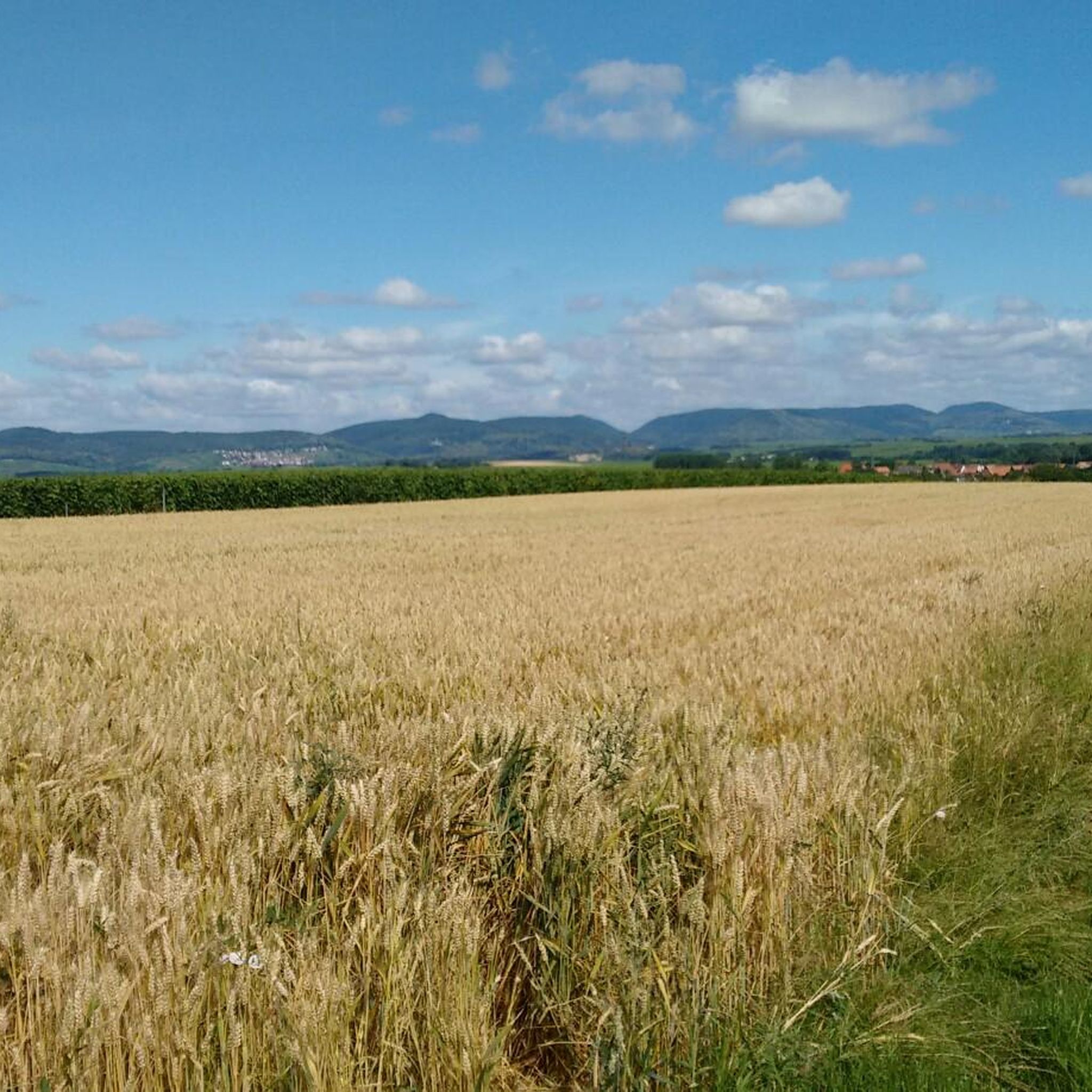
Fantastic view over the entire Rhine plain
7
0

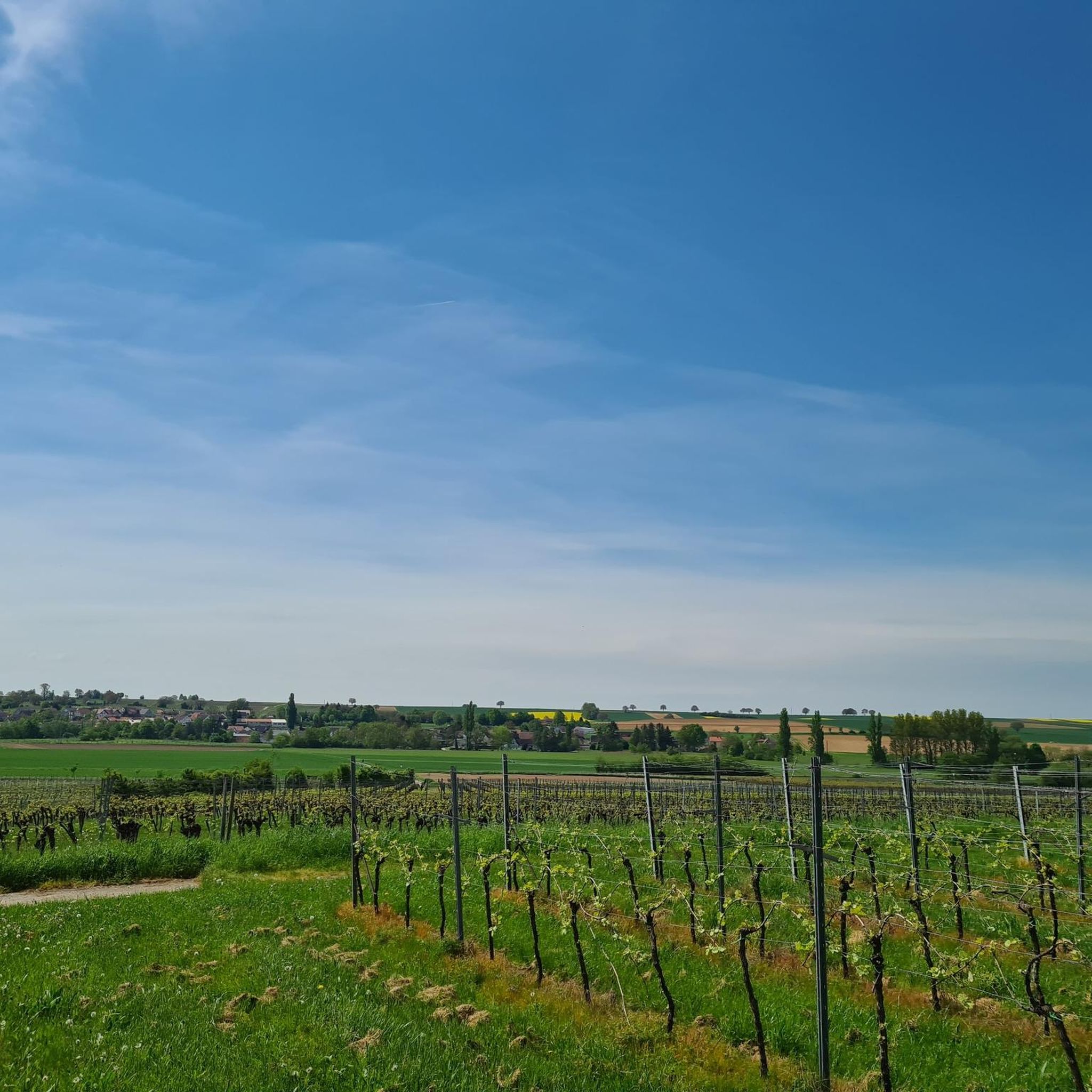
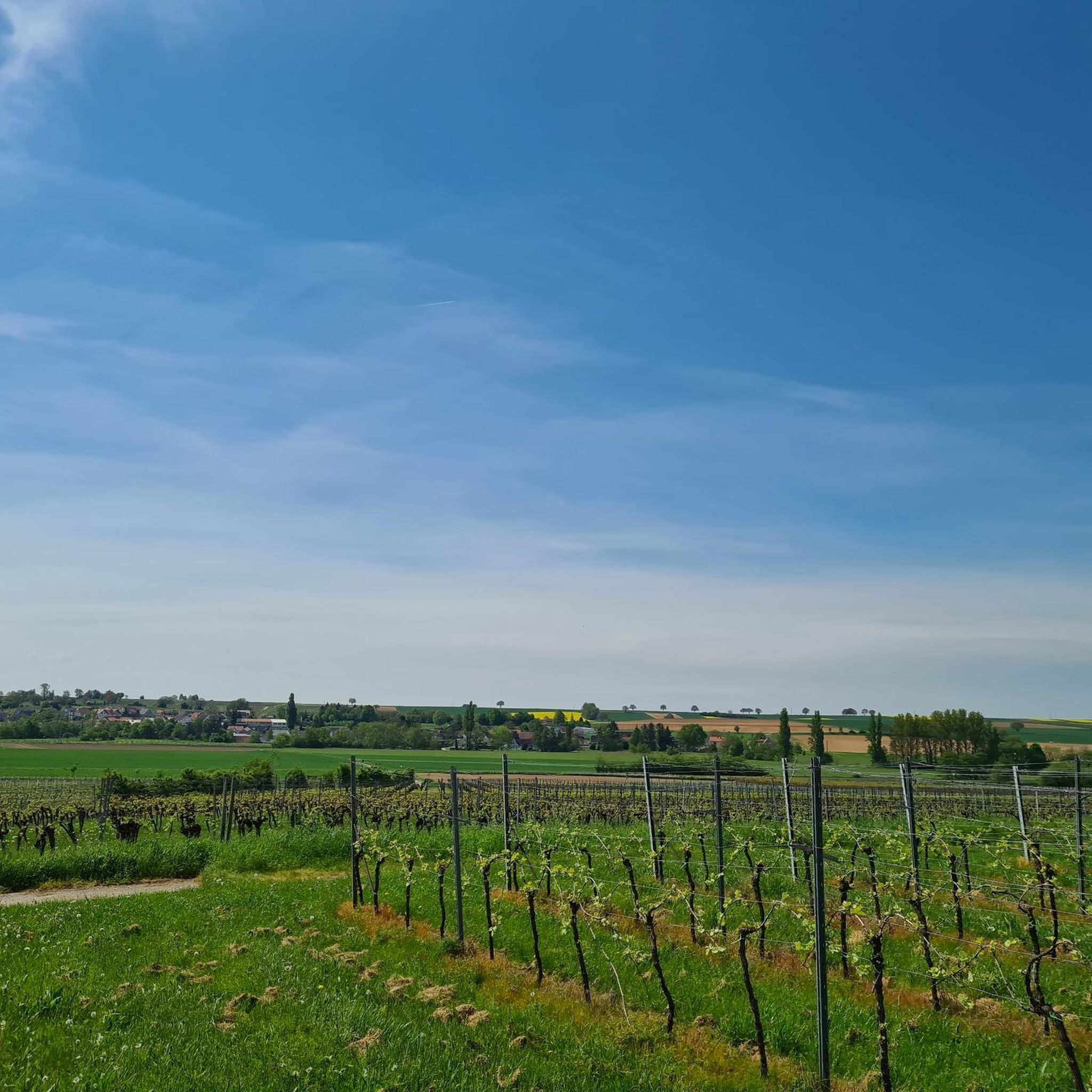
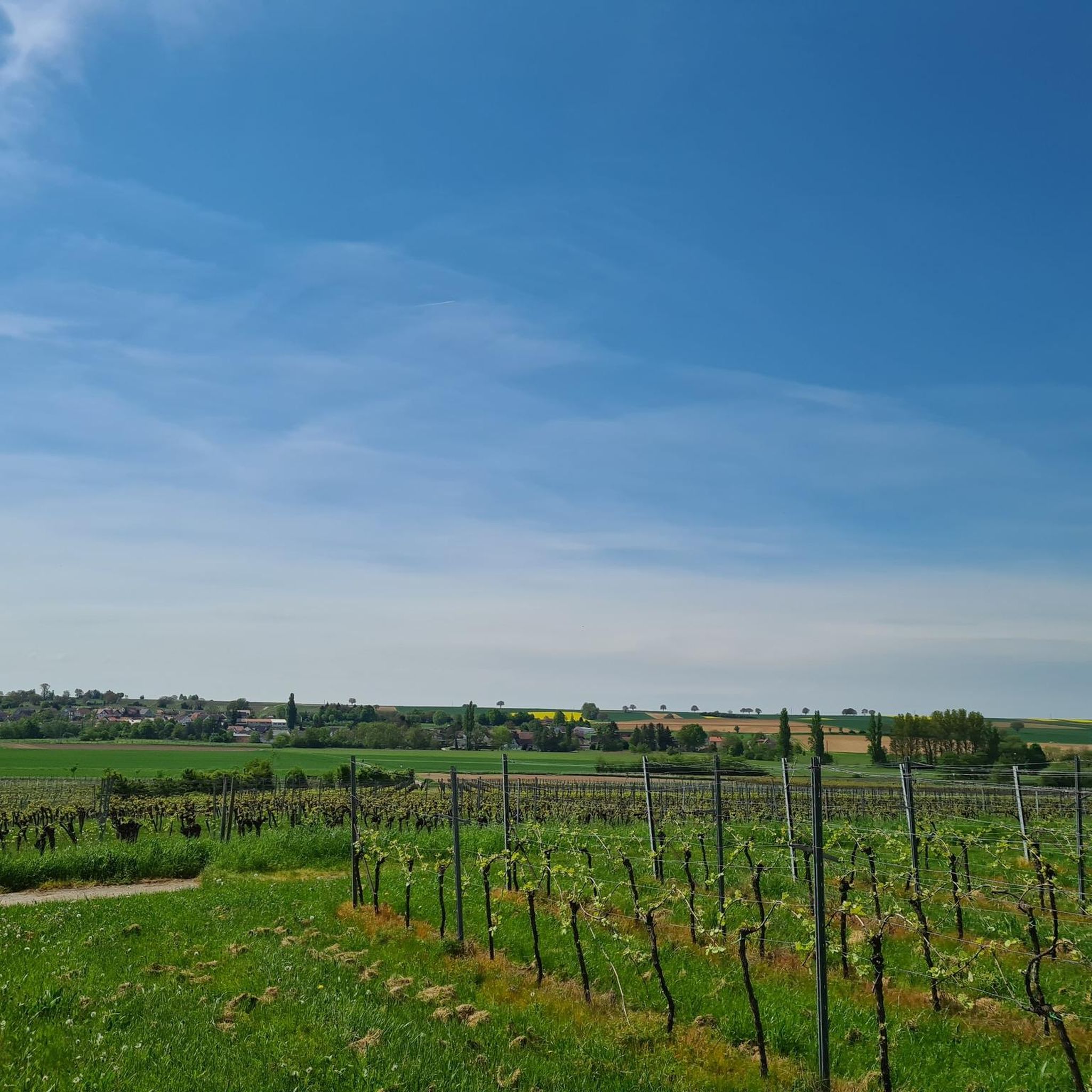
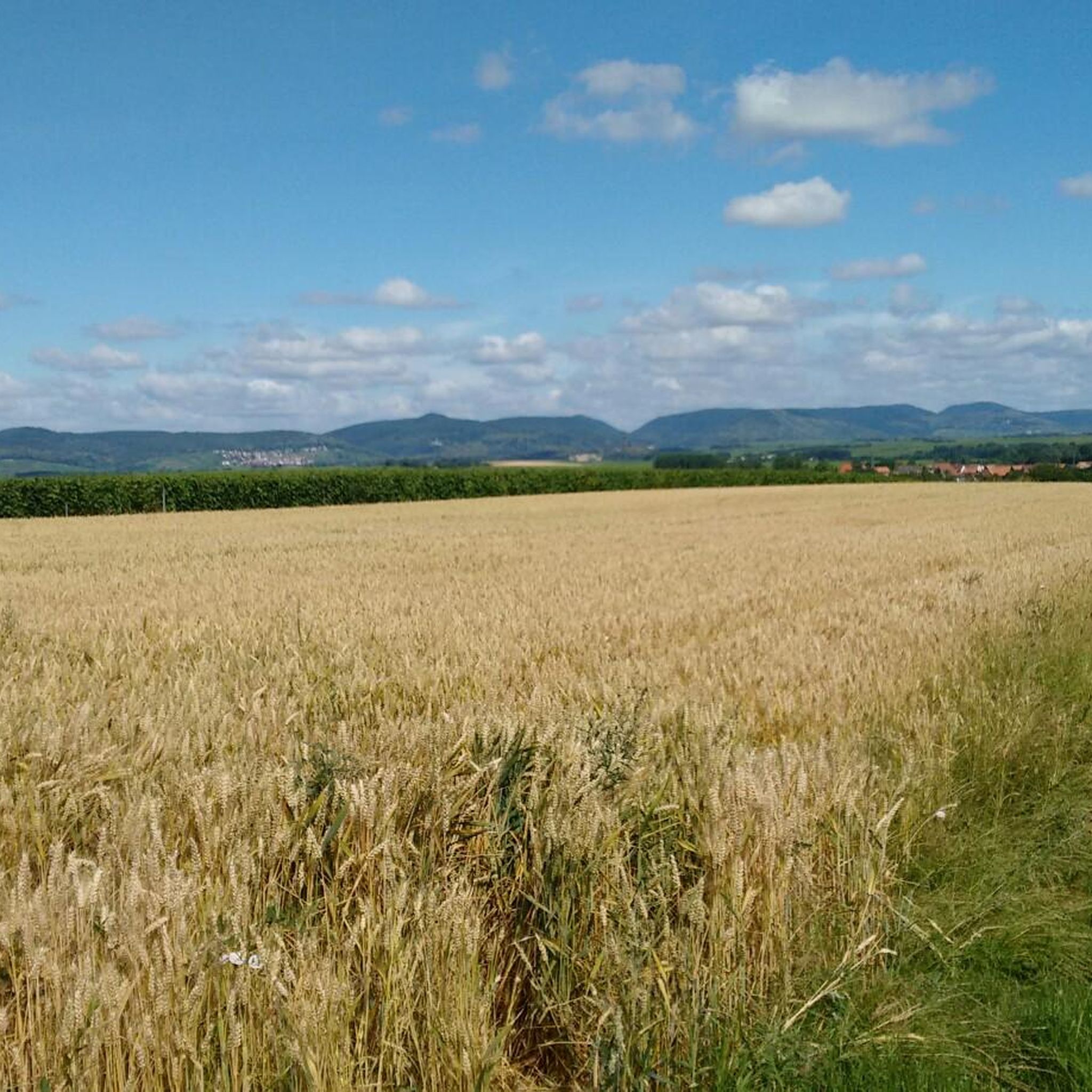
In the afternoons in particular, when the sun shines, there are wide views of the vineyards of the southern wine route
7
0
Frequently Asked Questions
What makes the castles around Barbelroth historically significant?
The castles in the Southern Palatinate region, though not directly in Barbelroth, hold immense historical significance. For example, Landeck Castle is known for its extraordinarily massive construction and 25-meter-high keep, the tallest in the Palatinate. Madenburg Castle Ruins is one of the largest and oldest complexes, believed to be a royal castle from the late 11th century. Most notably, Trifels Castle (mentioned in region research) was a pivotal center of power for centuries, safeguarding the imperial jewels and famously imprisoning King Richard the Lionheart.
Are there any well-preserved castles or are they mostly ruins?
The region features a mix. While many are impressive ruins, such as Madenburg Castle Ruins and Neukastel castle ruins, some are remarkably well-preserved. Landeck Castle is described as a well-preserved ruin that serves as a cultural and event center. Bad Bergzabern Castle (Bad Bergzabern Castle) in its current form dates back to the 16th century and functions as a town hall and registry office.
What kind of panoramic views can I expect from the castles in the region?
Many castles offer breathtaking panoramic views. From the 25-meter-high keep of Landeck Castle, you can see extensively over the Rhine Valley. Madenburg Castle Ruins provides magnificent views over the sea of vines, the Rhine plain, the Palatinate Forest, and the Wasgau region. The Neukastel castle ruins also offer stunning views from the top of its rock. Additionally, the Slevogtfels viewpoint (Slevogtfels) offers a unique perspective of the three hilltops of Münz, Anebos, and Trifels.
Are there any castles with special exhibitions or museums?
Yes, several castles offer insights into their history. Landeck Castle hosts a museum showcasing its history and a permanent exhibition on local history. Madenburg Castle Ruins also features a permanent exhibition detailing its creation. Trifels Castle (mentioned in region research) has a treasure chamber where replicas of the imperial jewels can be admired, along with a permanent exhibition on its history.
What is the best time of year to visit the castles around Barbelroth?
The best time to visit the castles and enjoy the surrounding nature is generally from spring to autumn. During these seasons, the weather is pleasant for exploring ruins, hiking, and enjoying the panoramic views. Many castle taverns, like the one at Madenburg Castle Ruins, are open from April to October. While some castles may be accessible in winter, certain facilities or trails might be closed due to weather conditions.
Are the castles around Barbelroth suitable for families with children?
Yes, several castles offer family-friendly activities. Landeck Castle is known for hosting events like medieval markets and offers a treasure hunt for children. Bad Bergzabern Castle (Bad Bergzabern Castle) is also categorized as family-friendly. Exploring the ruins and enjoying the views can be an engaging experience for children.
Can I bring my dog to the castles or on nearby trails?
Many outdoor areas and trails around the castles are dog-friendly. For example, the Slevogtfels viewpoint (Slevogtfels), which offers views of Trifels Castle, is categorized as dog-friendly. It's always advisable to check specific castle regulations before visiting, but generally, dogs on a leash are welcome on exterior grounds and hiking paths.
Are there dining options available at or near the castles?
Yes, you'll find dining options. Landeck Castle features a restaurant and a castle tavern with a terrace, serving tarte flambée and other dishes. Madenburg Castle Ruins has the Madenburg Tavern, offering typical Palatinate dishes and drinks, open from April to October. Additionally, the villages surrounding the castles, such as Barbelroth and Annweiler, offer various cafes and restaurants.
Are there hiking opportunities around the castles?
Absolutely! The region is excellent for hiking. There are numerous trails, including the 'Three Castles hike' which starts from Landeck Castle. You can find many hiking routes around Barbelroth, ranging from easy to challenging, that often incorporate castle visits and scenic viewpoints. For more details, explore the Hiking around Barbelroth guide.
What other outdoor activities can I do near the castles?
Beyond hiking, the area offers various outdoor activities. You can find numerous road cycling routes, such as the 'Wildlife and Hiking Park Silz – View of Trifels Castle loop' from Kapellen-Drusweiler. Mountain biking is also popular, with trails like the 'Seehofweiher – Lake Silz loop' from Barbelroth. For detailed routes, check out the Road Cycling Routes around Barbelroth and MTB Trails around Barbelroth guides.
Is there parking available at the castles?
Yes, parking is generally available at or near the castles. For instance, you can park right next to Madenburg Castle Ruins. For other castles, there are usually designated parking areas within walking distance. It's always a good idea to check local signage upon arrival for specific parking instructions and any potential fees.
How long should I plan for a visit to one of the castles?
The time needed can vary depending on the castle and your interest. For a comprehensive visit to a larger site like Landeck Castle or Madenburg Castle Ruins, including exploring the ruins, visiting any exhibitions, and enjoying the views or a meal, you might want to allocate 2-3 hours. For smaller ruins or viewpoints like Neukastel castle ruins, 1-1.5 hours might suffice, especially if combined with a hike.
Most popular routes around Barbelroth
Most popular attractions around Barbelroth

Get inspired with the komoot mobile app


Explore more
Looking for the best castles somewhere else? Discover other guides around Barbelroth:
