Attractions and Places To See around Hergersweiler - Top 20
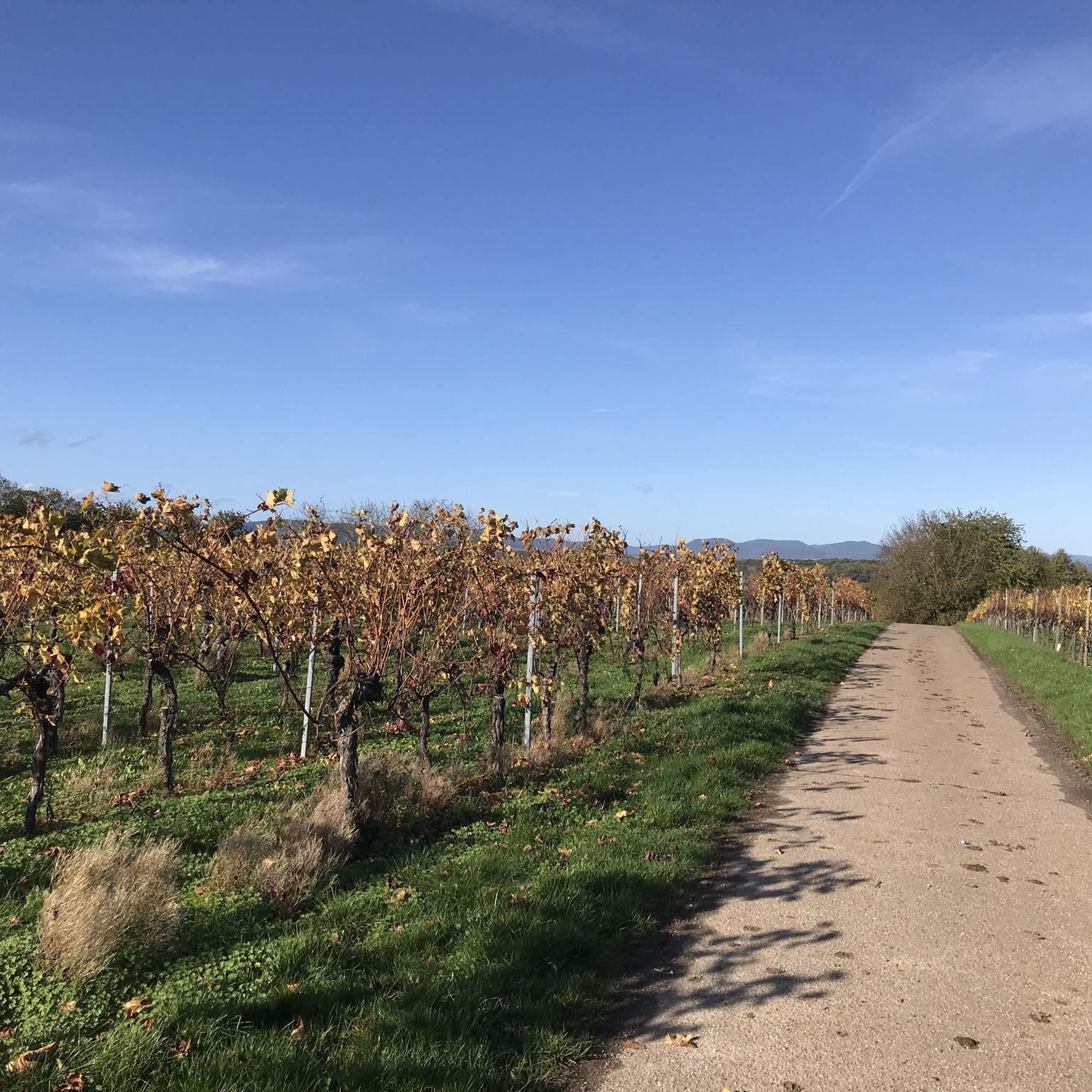
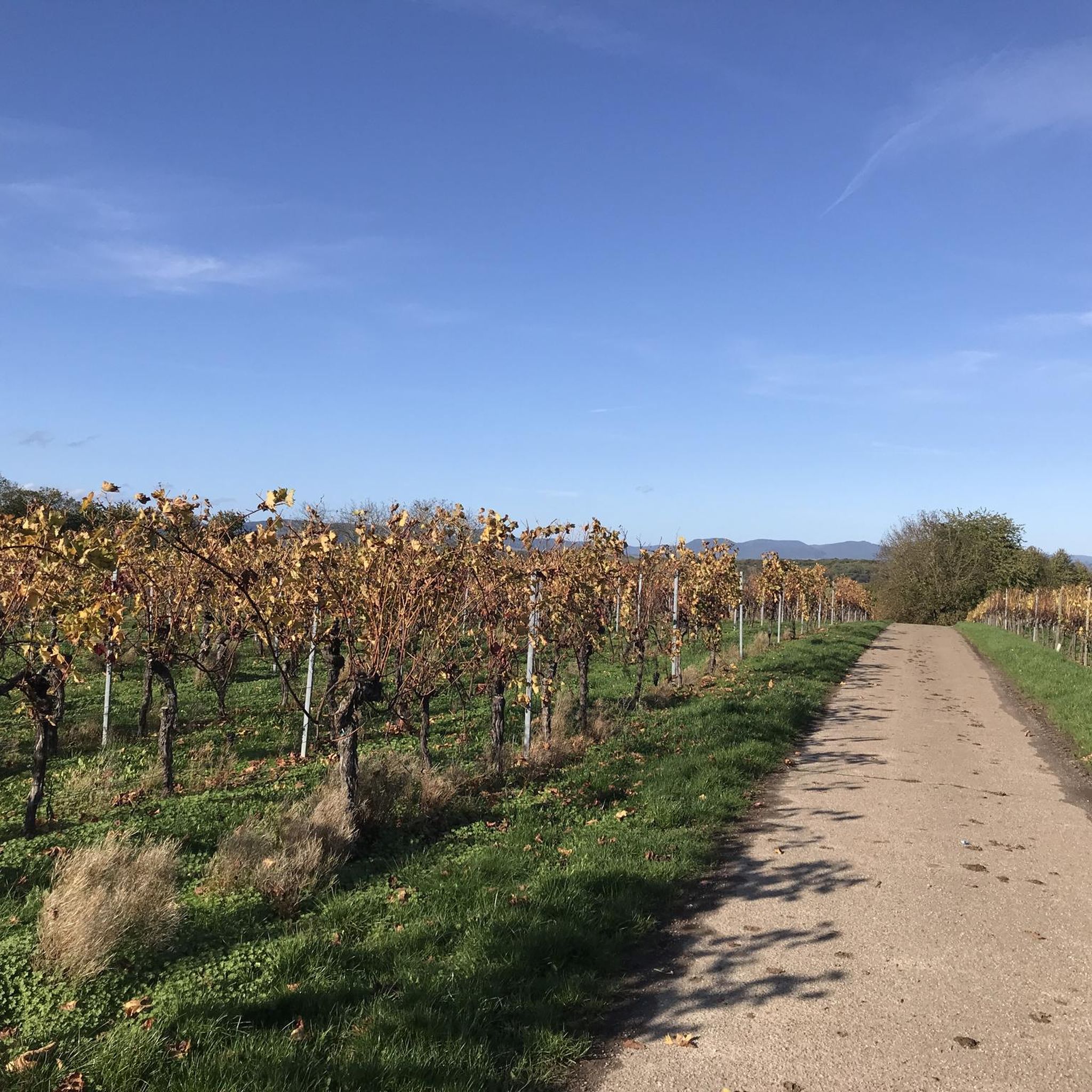
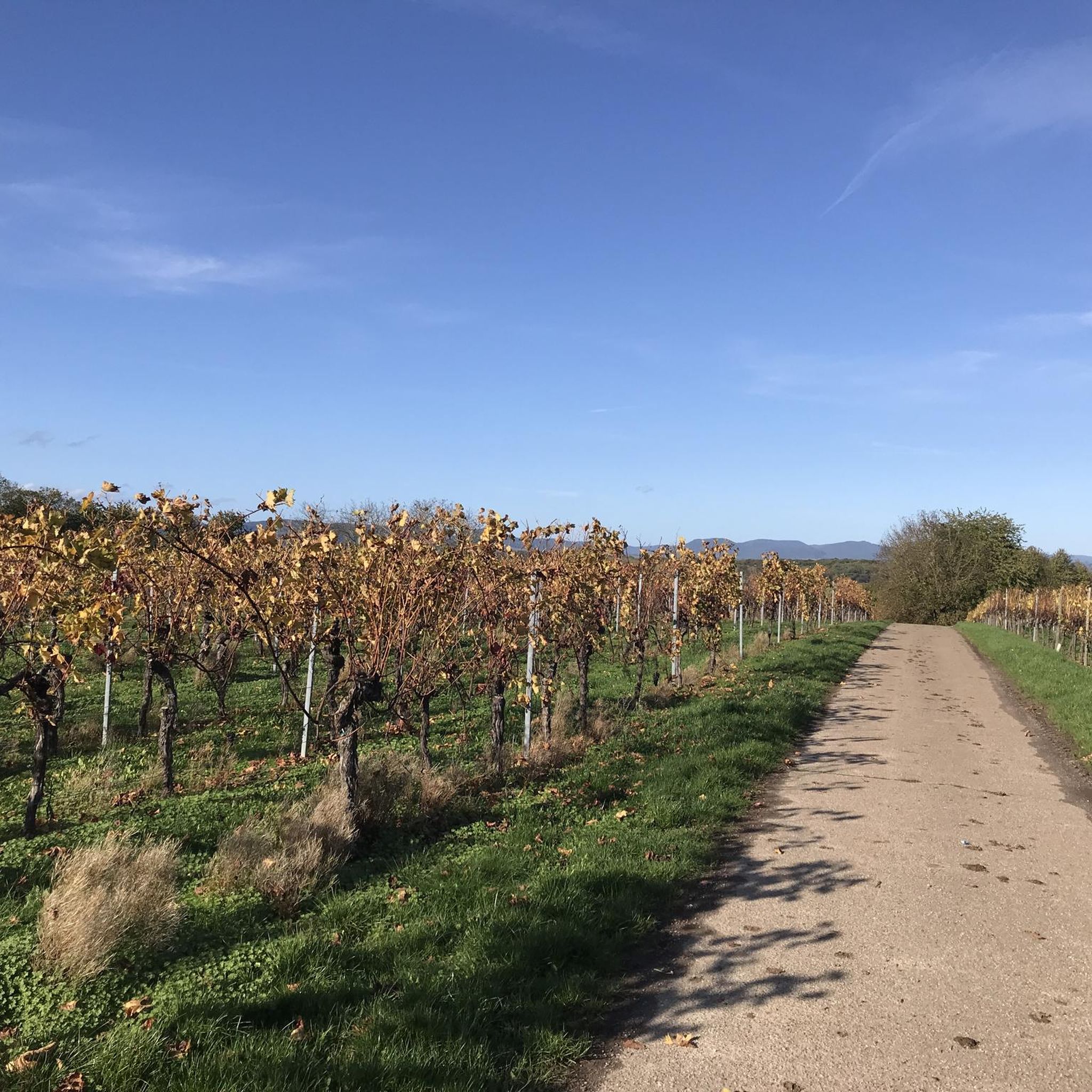
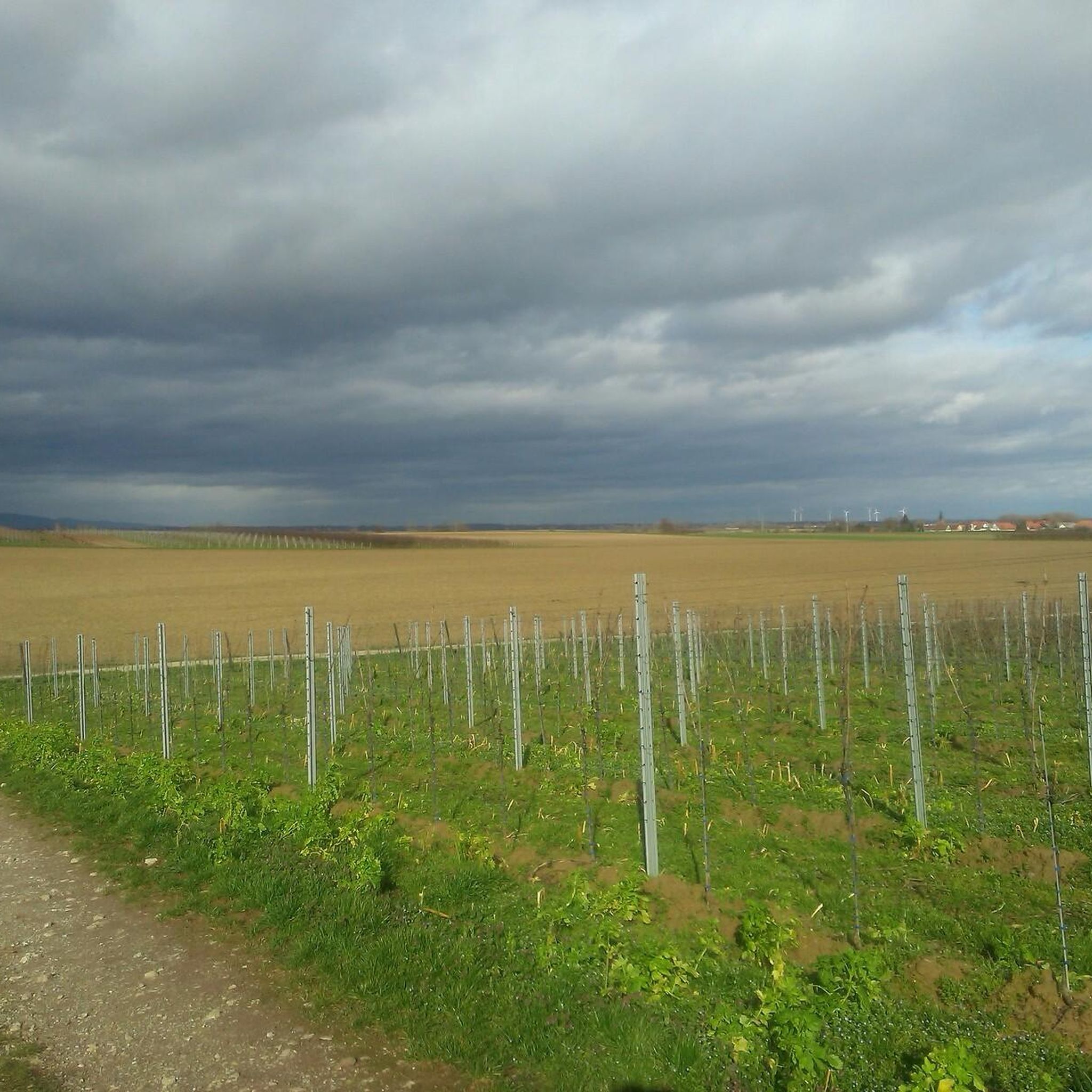
Best attractions and places to see around Hergersweiler are found in the tranquil Erlenbach Valley, a region known for its historical agricultural roots, particularly wine and tobacco cultivation. The village itself offers a cozy atmosphere, while the surrounding area features vineyards and natural landscapes. Outdoor enthusiasts can explore numerous cycling and hiking routes amidst picturesque settings.
Best attractions and places to see around Hergersweiler
- The most popular attractions is Martin's Tower on Treutelskopf, a viewpoint that stands at 503…
Last updated: May 9, 2026
Landeck Castle
Highlight • Castle
Showing Translation
Tip by

Martin's Tower on Treutelskopf
Highlight • Viewpoint
Translated by Google •
Tip by

Sign up now to discover places like this
Get recommendations on the best single tracks, peaks, & plenty of other exciting outdoor places.
Sign up for free
Stäffelsberg Tower
Highlight • Viewpoint
Translated by Google •
Tip by

Bad Bergzabern Castle
Highlight • Castle
Translated by Google •
Tip by

Dörrenbach Historic Village Center
Highlight • Settlement
Translated by Google •
Tip by

Sign up for free to discover even more attractions around Hergersweiler.
Sign up for free
Already have an account?
Start today with a free account
Your next adventure awaits.
Login or Signup
Tips from the Community

In the Peasants' War of 1525, the castle in Bergzabern, which was first mentioned in 1333, was plundered and burned down. In the years up to 1532, the destroyed castle was rebuilt as a fortified palace on the same site. The south building was built first, founded on oak piles because of the swampy ground: called the Ludwigsbau after its builder, Ludwig the Black of Palatinate-Zweibrücken. The two round towers in the west and east served to house cannons, and the living and utility rooms were on the two upper floors. The complex was protected by a moat; a connection to the city wall is likely, but cannot be reconstructed today. The Wolfgangsbau was built between 1561 and 1579, a three-wing extension that adjoined the Ludwigsbau to the north. Begun under Duke Wolfgang, the Wolfgangsbau was completed under his son Johann I. The outstanding architectural feature is the giant gate in the Renaissance style. The castle was plundered during the Thirty Years' War. On February 20, 1676, French raiding parties from the Philippsburg fortress burned down the castle and destroyed parts of the town. In 1704, the building had no roof, and the cellars under the Ludwigsbau and the east wing of the Wolfgangsbau were used primarily. From 1720 to 1725, the castle was rebuilt under the direction of the Swedish-Zweibrücken chief building director Jonas Ericson Sundahl and inventory for the living quarters was purchased. In 1728, the castle was habitable again. A high point in the history of the town and castle of Bergzabern was the years 1744 to 1774, when the widow of Christian III, Duchess Caroline of Palatinate-Zweibrücken, had her widow's residence in the castle. The castle suffered damage during the French Revolution as a symbol of the defeat of feudal rule. It was confiscated as national property and subsequently sold on to private individuals in sections. In 1909, the castle burned down completely. The roof structure and interior furnishings in particular were destroyed. Damage occurred again in the Second World War, especially to the giant gate. The building was completely renovated in 1982-1984, and the Bad Bergzabern municipality moved its administrative offices into the castle. Source: https://www.vg-bad-bergzabern.de/slider/schloss/
8
1

It's hard to believe that this was once a castle with a moat and defensive walls. Definitely a gem in this city.
6
1

The castle is the landmark of the town of Bad Bergzabern. The Dukes of Palatinate-Zweibrücken once resided there. Today, the castle houses the administration of the Bad Bergzabern municipal association. In the 12th and 13th centuries, the Counts of Saarbrücken probably built a moated castle on the site of the present castle. This was first mentioned in 1333 as "Feste Zabern by Lantecken." In 1385, it fell to the Electorate of the Palatinate and, by inheritance, became the property of Palatinate-Zweibrücken in 1410. In 1525, rebellious Lorraine peasants who had taken over the town destroyed the castle complex. Ludwig II of Palatinate-Zweibrücken rebuilt the complex, this time in the form of a castle palace, a mixture of a defensive structure and an unfortified castle. In 1532, the south wing was completed, still striking today due to its two round towers, which served as gun turrets at the time. The castle was still protected by a moat at that time. In 1676, it was largely destroyed by fire after an attack by French troops, but was subsequently rebuilt (1720-1725) by the Swedish-Zweibrücken building director. In 1794, the French captured the castle, which was auctioned off as national property in 1803. Around this time, the surrounding moat was also filled in. The castle became the property of the town of Bergzabern, suffered considerable damage in a fire in 1909, and was then used as a school until, after extensive renovations in 1984, it became the seat of the Bad Bergzabern municipal administration. https://www.suedlicheweinstrasse.de/entdecken/gehenswuerdigkeiten/burgen-und-schloesser/infosystem/Schloss-Bad-Bergzabern_Bad-Bergzabern/infosystem.html
12
2

At the same time as the renovation in 2010, the exterior of the tower was designed by the artist Karl Heinz Zwick. The six-part installation made of steel patinated with gold dust entitled "The Golden Rose Bush" is a poetic homage drawn in steel to the "fairytale village of Dörrenbach". Source: Information board
13
0

The highest point of Treutelsberg with a great view of the three castles Trifels, Anebos and Scharfenberg.
7
0

Bergzabern Castle is the landmark of the city of Bad Bergzabern and is located in the city center there. The dukes of Pfalz-Zweibrücken once resided in it. Today the administration of the Bad Bergzabern community is housed in the castle.
8
0
A beautiful old village with a lot of half-timbered houses. All restaurants are closed on Mondays even in the high season - a shame, even though some people are out ...
5
0

The castle portal, which is well worth seeing, dates from the transition from Gothic to Renaissance and was completed in 1530.
6
0
Frequently Asked Questions
What historical sites can I explore around Hergersweiler?
The region around Hergersweiler is rich in history. You can visit the medieval Landeck Castle, a well-preserved ruin offering great views. Another must-see is the Dörrenbach Historic Village Center, known for its charming half-timbered houses and impressive fortified church. Hergersweiler itself, first documented in 1301, offers a glimpse into its agricultural past.
Are there good viewpoints for panoramic scenery near Hergersweiler?
Yes, the area boasts several excellent viewpoints. Climb Martin's Tower on Treutelskopf, standing at 503 meters above sea level, for a beautiful panoramic view of the Palatinate Forest, including Trifels and Madenburg castles. The Stäffelsberg Tower also offers a wonderful vista of the Rhine plain, the Palatinate Forest, and the Northern Vosges.
What outdoor activities are popular in the Hergersweiler area?
The region is ideal for outdoor enthusiasts. You can enjoy cycling and hiking through picturesque vineyards. For cycling, explore routes like those found in the Cycling around Hergersweiler guide, which includes options for various distances and difficulties. There are also specific guides for gravel biking and road cycling.
Are there cycling routes suitable for families near Hergersweiler?
Absolutely. The Cycle path along the Wörth–Kandel railway line is an excellent choice for families. It's well-paved, car-free, and runs through the forest, offering a pleasant and safe experience. Many routes in the Cycling around Hergersweiler guide are also suitable for varying skill levels, including easier options.
What makes Dörrenbach Historic Village Center special?
The Dörrenbach Historic Village Center is a small, cozy place known for its many half-timbered houses and an impressive fortified church. It's perfect for a leisurely stroll, offering a charming glimpse into medieval architecture and village life.
Can I find family-friendly attractions in Hergersweiler?
Beyond the scenic outdoor activities, Hergersweiler itself offers recreational facilities suitable for families, including a children's playground, a football field, a beach volleyball court, and a barbecue hut. The Dörrenbach Historic Village Center and Landeck Castle are also considered family-friendly attractions.
What is the best time of year to visit Hergersweiler for outdoor activities?
Hergersweiler is particularly charming in autumn when local farm stores showcase regional produce, and the vineyards offer picturesque settings. The sunny Erlenbach Valley provides a pleasant natural backdrop for outdoor activities throughout the warmer months, making spring to early autumn ideal for hiking and cycling.
Are there any unique natural features to see in the Erlenbach Valley?
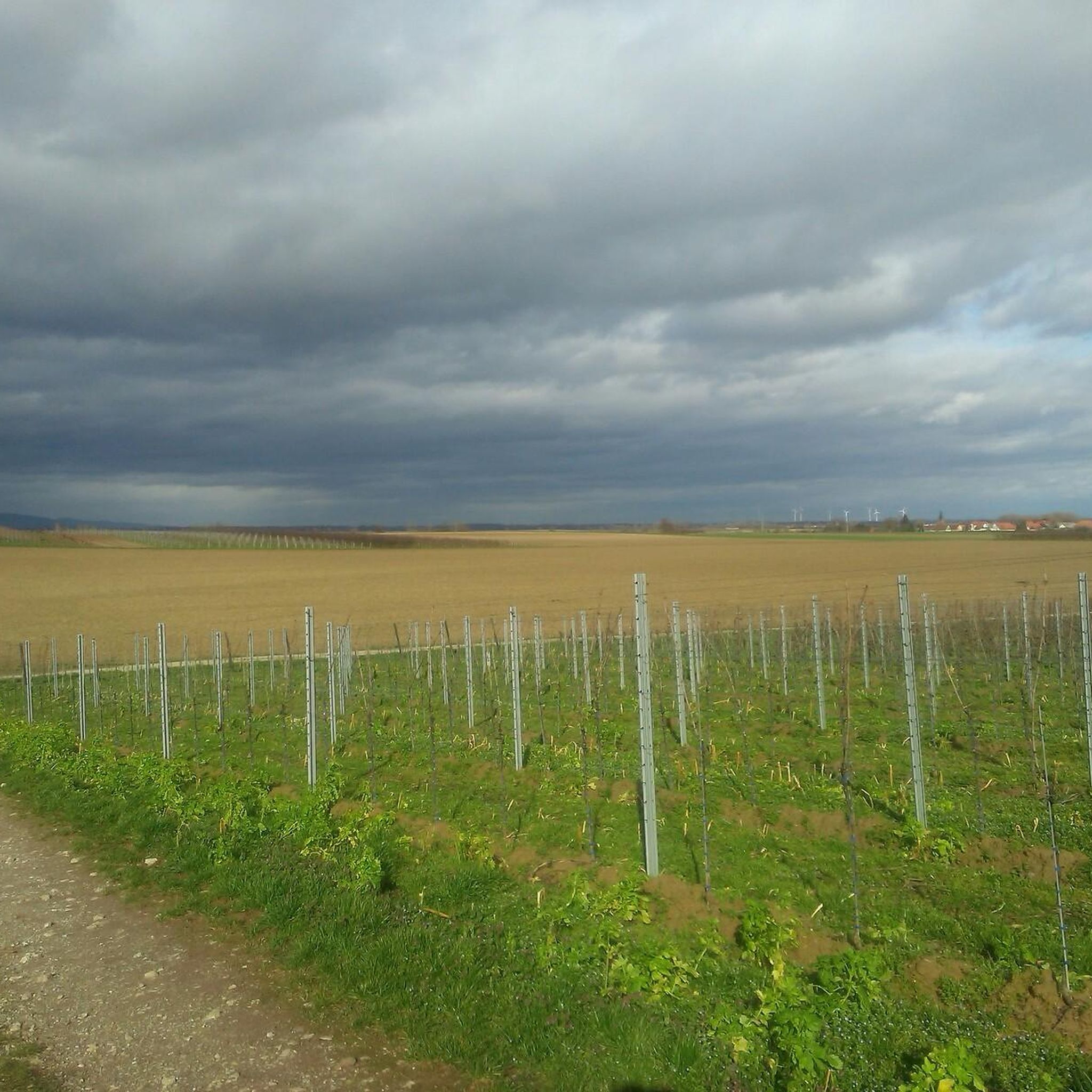
The Erlenbach Valley, where Hergersweiler is situated, is characterized by its sunny disposition and extensive vineyards. These vineyards are a significant natural feature, offering beautiful landscapes for exploration and contributing to the region's agricultural heritage. The valley itself provides a tranquil natural backdrop for various activities.
What kind of local events take place in Hergersweiler?
Hergersweiler hosts local events that reflect its community spirit. These include a fire department festival on the first weekend of July and the traditional 'Kerwe' (church consecration festival) on the first weekend of September, offering visitors a chance to experience local culture.
What do visitors enjoy most about the attractions around Hergersweiler?
Visitors frequently praise the stunning panoramic views from towers like Martin's Tower and Stäffelsberg Tower. The well-preserved Landeck Castle, with its views and on-site tavern, is also a community favorite. The charming atmosphere and half-timbered houses of Dörrenbach Historic Village Center are also highly appreciated.
Are there options for longer cycling tours near Hergersweiler?
Yes, for those seeking longer cycling adventures, the region offers several options. The Cycling around Hergersweiler guide includes routes like the 'Wissembourg – View of the Lauter loop from Barbelroth' which spans over 63 km, and the 'Lake Silz – Kaiserbach Valley loop from Barbelroth' at 56 km, both offering moderate to difficult challenges.
Is the <a href="https://www.komoot.com/highlight/403520" target="_blank" rel="noopener">Cycle path along the Wörth–Kandel railway line</a> suitable for dogs?
Yes, the Cycle path along the Wörth–Kandel railway line is listed as dog-friendly. Its paved, car-free nature through the forest makes it a pleasant option for cycling or walking with your dog.
Most popular routes around Hergersweiler
Most popular attractions around Hergersweiler

Get inspired with the komoot mobile app


Explore more
Still not found the Highlight you’re looking for? See guides of the top attractions in other regions:
