Attractions and Places To See around Minfeld - Top 20
Best attractions and places to see around Minfeld, an "Art and Rose Village" in Rhineland-Palatinate, Germany, offer a blend of historical sites, cultural experiences, and natural beauty. Situated at the edge of the Palatinate Forest, the area provides opportunities for outdoor activities and exploration. The region is characterized by its scenic landscapes, including the Rhine River and extensive forest areas. Visitors can discover a variety of points of interest, from historical landmarks to cycling routes.
Best attractions and places to…
Last updated: October 10, 2026
Bad Bergzabern Castle
Highlight • Castle
Translated by Google •
Tip by

Cycle path along the Wörth–Kandel railway line
Highlight (Segment) • Cycleway
well paved and car-free
Translated by Google •
Tip by

Sign up now to discover places like this
Get recommendations on the best single tracks, peaks, & plenty of other exciting outdoor places.
Rhein Dike: Rhein Bridge to Karlsruhe Rhine Port
Highlight (Segment) • Cycleway
Translated by Google •
Tip by

Rheindamm Rest Area at Goldgrund near Hagenbach
Highlight • Rest Area
Translated by Google •
Tip by

German-French border crossing in Scheibenhardt
Highlight • Monument
Translated by Google •
Tip by

Sign up for free to discover even more attractions around Minfeld.
Already have an account?
Start today with a free account
Your next adventure awaits.
Tips from the Community

My prayers were answered. The seating was replaced.
6
1

In the Peasants' War of 1525, the castle in Bergzabern, which was first mentioned in 1333, was plundered and burned down. In the years up to 1532, the destroyed castle was rebuilt as a fortified palace on the same site. The south building was built first, founded on oak piles because of the swampy ground: called the Ludwigsbau after its builder, Ludwig the Black of Palatinate-Zweibrücken. The two round towers in the west and east served to house cannons, and the living and utility rooms were on the two upper floors. The complex was protected by a moat; a connection to the city wall is likely, but cannot be reconstructed today. The Wolfgangsbau was built between 1561 and 1579, a three-wing extension that adjoined the Ludwigsbau to the north. Begun under Duke Wolfgang, the Wolfgangsbau was completed under his son Johann I. The outstanding architectural feature is the giant gate in the Renaissance style. The castle was plundered during the Thirty Years' War. On February 20, 1676, French raiding parties from the Philippsburg fortress burned down the castle and destroyed parts of the town. In 1704, the building had no roof, and the cellars under the Ludwigsbau and the east wing of the Wolfgangsbau were used primarily. From 1720 to 1725, the castle was rebuilt under the direction of the Swedish-Zweibrücken chief building director Jonas Ericson Sundahl and inventory for the living quarters was purchased. In 1728, the castle was habitable again. A high point in the history of the town and castle of Bergzabern was the years 1744 to 1774, when the widow of Christian III, Duchess Caroline of Palatinate-Zweibrücken, had her widow's residence in the castle. The castle suffered damage during the French Revolution as a symbol of the defeat of feudal rule. It was confiscated as national property and subsequently sold on to private individuals in sections. In 1909, the castle burned down completely. The roof structure and interior furnishings in particular were destroyed. Damage occurred again in the Second World War, especially to the giant gate. The building was completely renovated in 1982-1984, and the Bad Bergzabern municipality moved its administrative offices into the castle. Source: https://www.vg-bad-bergzabern.de/slider/schloss/
8
1

It's hard to believe that this was once a castle with a moat and defensive walls. Definitely a gem in this city.
6
1

Nice rest area for the Palatinate Forest Association
5
1
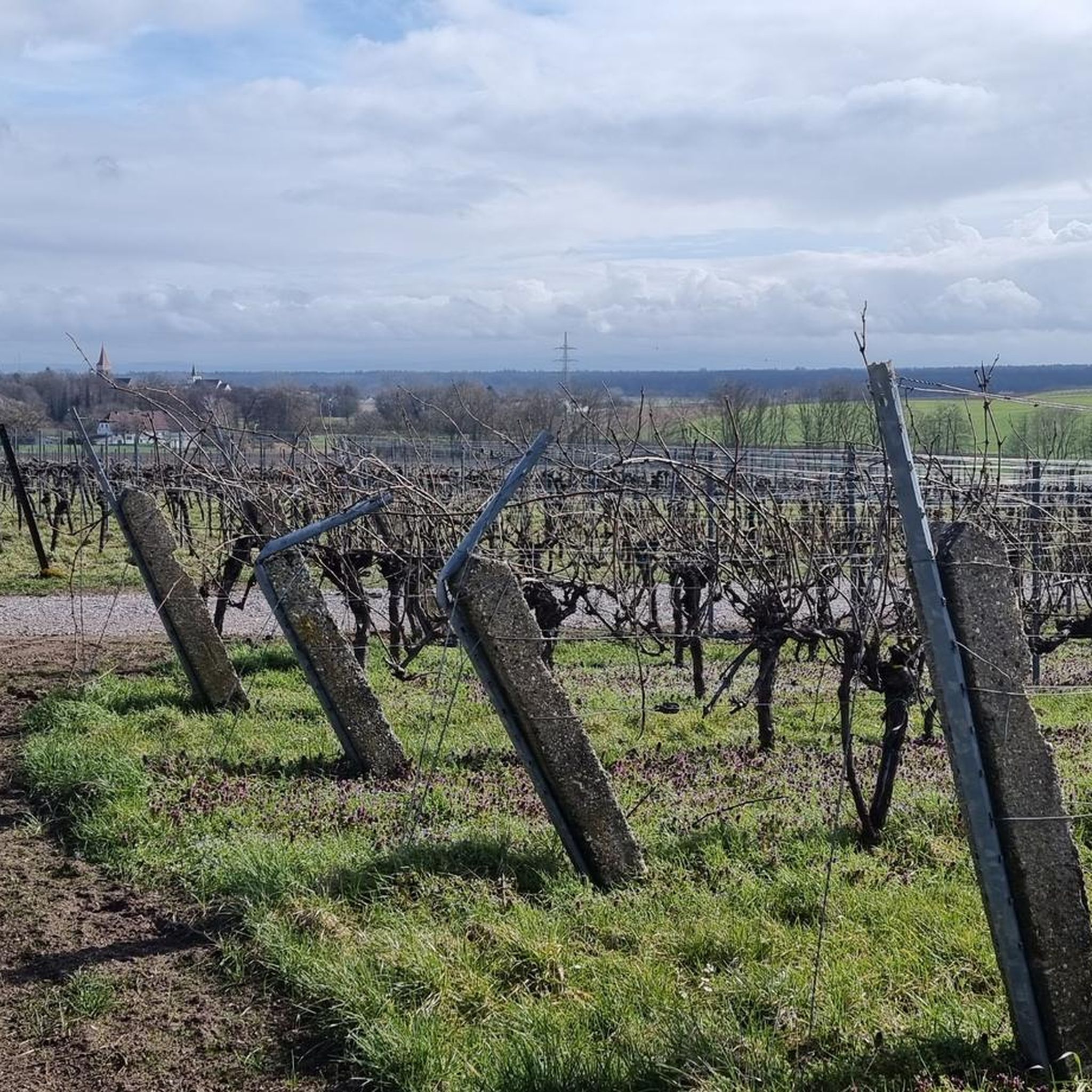
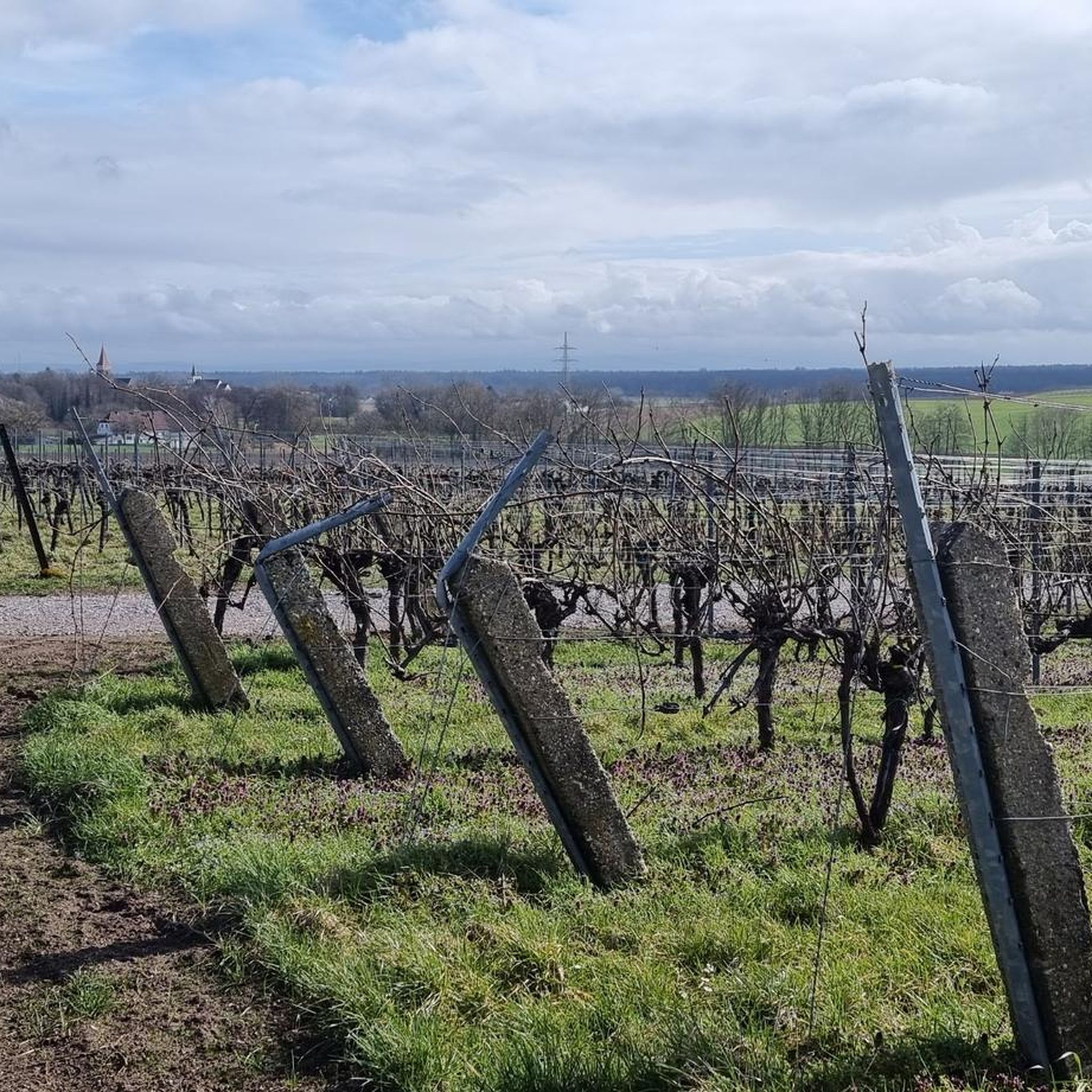
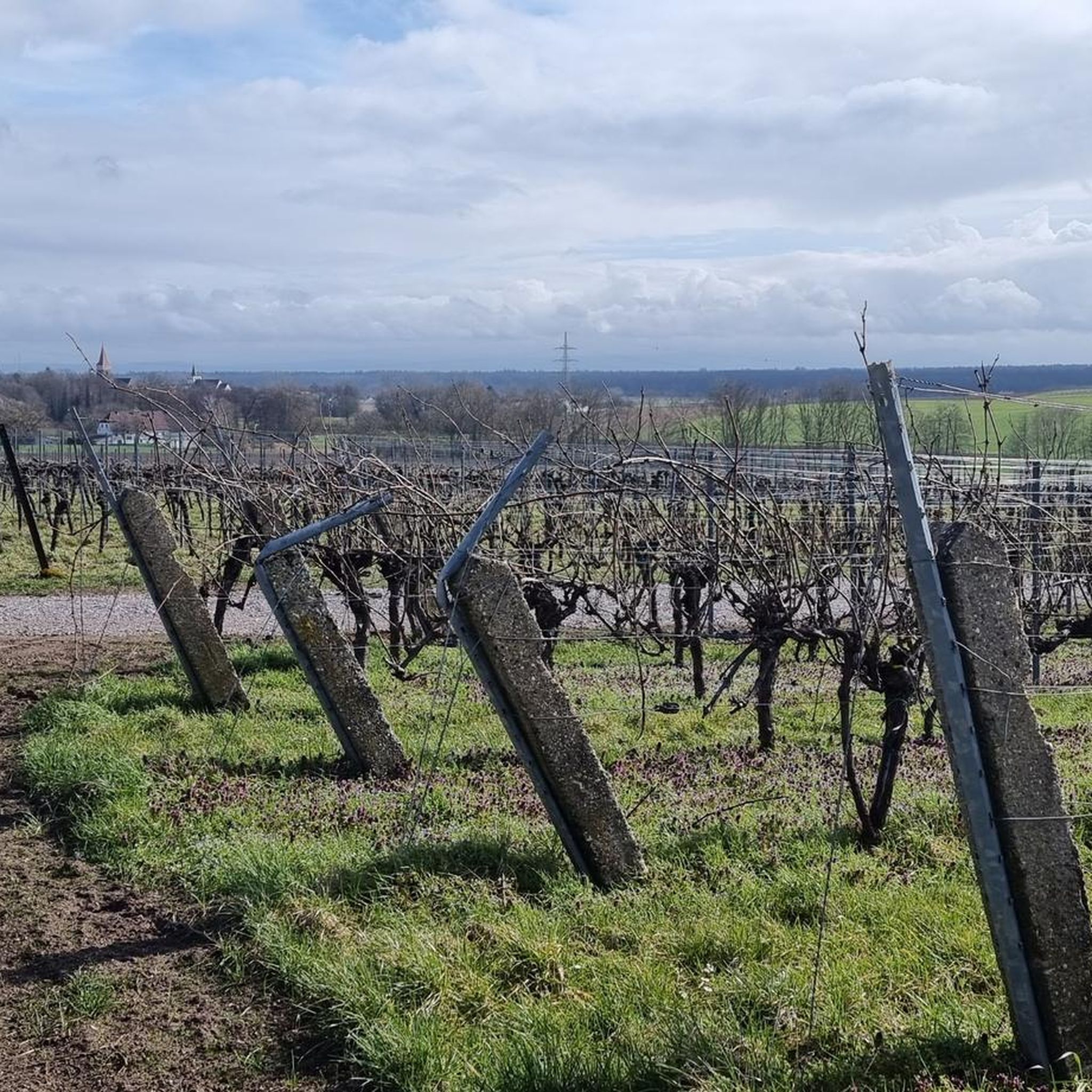
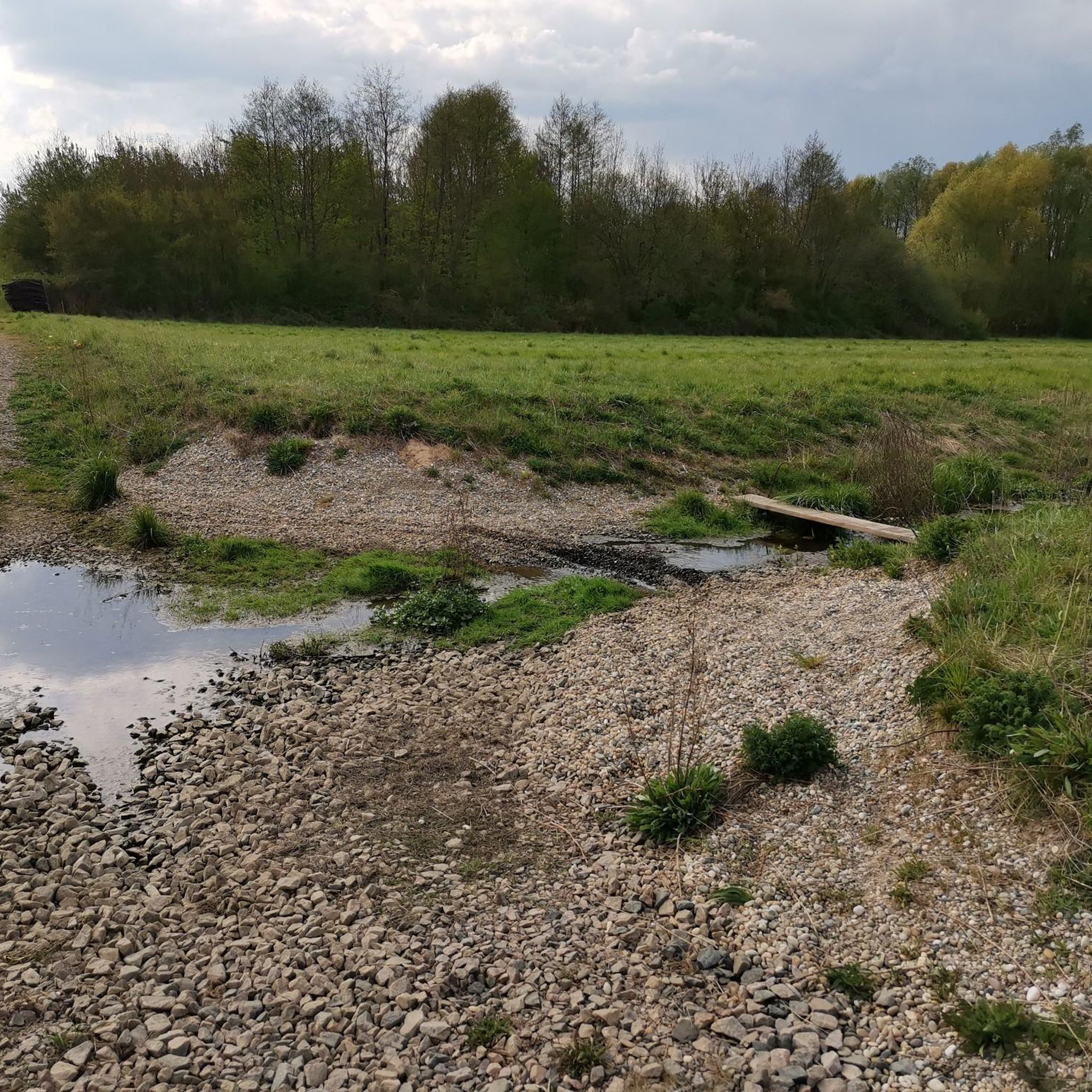
the jungle has now been removed. Hopefully it stays that way.
6
2

There is probably no other village in Germany where Germans and French are as close as they are here. No wonder, because both of the Scheibendhardts originally formed a community until 1815, when the Second Peace of Paris declared the Lauter to be the border between Germany and France.
5
0

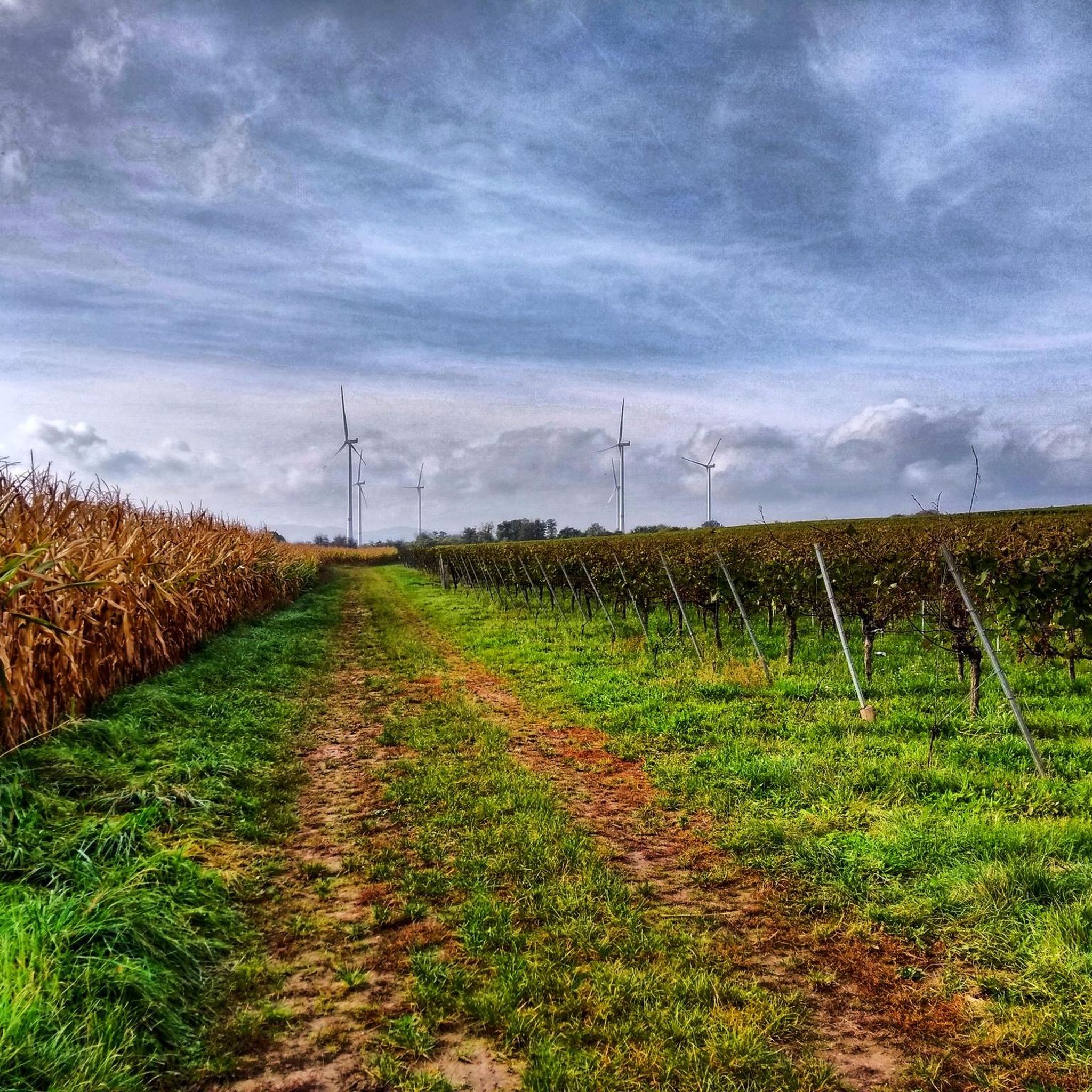
beautiful nature and little traffic
4
2

The castle is the landmark of the town of Bad Bergzabern. The Dukes of Palatinate-Zweibrücken once resided there. Today, the castle houses the administration of the Bad Bergzabern municipal association. In the 12th and 13th centuries, the Counts of Saarbrücken probably built a moated castle on the site of the present castle. This was first mentioned in 1333 as "Feste Zabern by Lantecken." In 1385, it fell to the Electorate of the Palatinate and, by inheritance, became the property of Palatinate-Zweibrücken in 1410. In 1525, rebellious Lorraine peasants who had taken over the town destroyed the castle complex. Ludwig II of Palatinate-Zweibrücken rebuilt the complex, this time in the form of a castle palace, a mixture of a defensive structure and an unfortified castle. In 1532, the south wing was completed, still striking today due to its two round towers, which served as gun turrets at the time. The castle was still protected by a moat at that time. In 1676, it was largely destroyed by fire after an attack by French troops, but was subsequently rebuilt (1720-1725) by the Swedish-Zweibrücken building director. In 1794, the French captured the castle, which was auctioned off as national property in 1803. Around this time, the surrounding moat was also filled in. The castle became the property of the town of Bergzabern, suffered considerable damage in a fire in 1909, and was then used as a school until, after extensive renovations in 1984, it became the seat of the Bad Bergzabern municipal administration. https://www.suedlicheweinstrasse.de/entdecken/gehenswuerdigkeiten/burgen-und-schloesser/infosystem/Schloss-Bad-Bergzabern_Bad-Bergzabern/infosystem.html
12
2
Frequently Asked Questions
What are some unique cultural and historical sites to explore in and around Minfeld?
Minfeld itself is known as an "Art and Rose Village." You can discover the Bad Bergzabern Castle, a historical landmark that now serves as the town hall. The village also features a unique Sculpture Trail with art installations made from various materials, and a Protestant Church known for its valuable frescoes. Additionally, the German-French border crossing in Scheibenhardt offers a glimpse into the region's historical divisions.
Are there family-friendly attractions near Minfeld?
Yes, several attractions are suitable for families. The Cycle path along the Wörth–Kandel railway line is a well-paved, car-free route through the forest, perfect for a family bike ride. The Rhein Dike: Rhein Bridge to Karlsruhe Rhine Port also offers scenic views and rest areas. For more active fun, the Fun Forest GmbH adventure park in Kandel and the Zoological Gardens Karlsruhe are popular choices.
What outdoor activities can I do around Minfeld?
Minfeld is ideally situated for various outdoor activities. You can enjoy cycling on routes like the Cycle path along the Wörth–Kandel railway line or along the Rhein Dike. The nearby Palatinate Forest and Bienwald offer extensive opportunities for hiking and exploring nature. For specific routes, you can find numerous options for hiking and cycling around Minfeld.
Are there good cycling routes in the Minfeld area?
Absolutely. The region boasts several excellent cycling paths. The Cycle path along the Wörth–Kandel railway line is a popular, car-free option. You can also cycle along the Rhein Dike, which offers beautiful views and rest areas like the Rheindamm Rest Area at Goldgrund. Other notable routes include the "Kraut-und-Rüben bike path" and the "Hof-Zu-Hof Tour" for exploring regional products. Discover more cycling routes around Minfeld.
Where can I find scenic viewpoints near Minfeld?
For scenic views, the Rhein Dike: Rhein Bridge to Karlsruhe Rhine Port offers wonderful vistas along the Rhine. Many modern park benches have been installed along the embankment, providing ideal spots to relax and enjoy the scenery. The Rheindamm Rest Area at Goldgrund is another excellent spot for enjoying the natural surroundings.
Are there any dog-friendly walking or cycling paths?
Yes, many of the outdoor paths around Minfeld are dog-friendly. The Cycle path along the Wörth–Kandel railway line and the Rhein Dike are both suitable for walks with your dog. The extensive Palatinate Forest and Bienwald also provide numerous trails where dogs are welcome. Always ensure your dog is under control and respect local regulations.
What natural features can I explore in the Minfeld region?
The Minfeld region is rich in natural beauty. It sits at the edge of the Palatinate Forest, offering vast woodlands for exploration. The nearby Bienwald is another significant forest area with cross-border cycling routes. The Rhine River, particularly near Goldgrund, provides opportunities to enjoy natural scenery and observe wildlife along the Rhein Dike.
What is the best time of year to visit Minfeld for outdoor activities?
The spring and summer months (April to September) are generally ideal for outdoor activities around Minfeld, with pleasant temperatures for hiking, cycling, and exploring the natural landscapes. Autumn also offers beautiful scenery with changing foliage, especially in the Palatinate Forest. While winter hiking is possible, some facilities or routes might have reduced accessibility.
Are there any wheelchair-accessible paths or attractions?
Yes, some attractions and paths are wheelchair accessible. The Cycle path along the Wörth–Kandel railway line is well-paved and car-free, making it suitable for wheelchairs. The German-French border crossing in Scheibenhardt is also noted as wheelchair accessible. When planning, it's always advisable to check specific conditions for other routes or sites.
What are some lesser-known or 'hidden gem' attractions near Minfeld?
Beyond the main highlights, consider exploring the Kaiserulme, a magnificent 400-year-old elm tree that is a point of pride for Minfeld. The village's Sculpture Trail offers a unique artistic discovery tour through public spaces. For a relaxing experience, the Südpfalz Therme in Bad Bergzabern provides thermal baths and wellness facilities.
Can I find running trails around Minfeld?
Yes, there are several running trails available. The forested areas around Minfeld, including parts of the Bienwald and Palatinate Forest, offer varied terrain for runners. You can find a selection of running trails around Minfeld, ranging in distance and difficulty.
What other significant historical sites are in the broader region near Minfeld?
The broader region offers several significant historical sites. Speyer is home to the UNESCO World Heritage Site, Speyer Cathedral, and the Historical Museum of the Palatinate. Karlsruhe features the impressive Karlsruhe Palace. These sites provide deeper insights into the rich history of the Rhineland-Palatinate area.
Most popular routes around Minfeld
Most popular attractions around Minfeld

Get inspired with the komoot mobile app


Explore more
Still not found the Highlight you’re looking for? See guides of the top attractions in other regions:
