Top 5 Castles around Hördt
Best castles around Hördt are located in the Rhineland-Palatinate region of Germany, an area characterized by its historical significance and varied landscapes. This region features river valleys, forests, and rolling hills, providing a setting for numerous historical sites. Visitors can explore a range of fortifications and historical monuments that reflect centuries of regional history. The area offers opportunities to discover architectural heritage within a reasonable distance from Hördt.
Best castles around Hördt
- The most popular castles is Ludwig Gate,…
Last updated: May 9, 2026
Ludwig Gate
Highlight • Historical Site
Translated by Google •
Tip by

Weißenburger Gate, Germersheim
Highlight • Monument
Translated by Google •
Tip by

Sign up now to discover places like this
Get recommendations on the best single tracks, peaks, & plenty of other exciting outdoor places.
Sign up for free
Fronte Beckers, Fortress Germersheim
Highlight • Historical Site
Translated by Google •
Tip by

Carnot's Wall, Germersheim
Highlight • Monument
Translated by Google •
Tip by

Reduit Building at Weißenburger Gate (Germersheim Fortress)
Highlight • Historical Site
Translated by Google •
Tip by
Sign up for free to discover even more castles around Hördt.
Sign up for free
Already have an account?
Start today with a free account
Your next adventure awaits.
Login or Signup
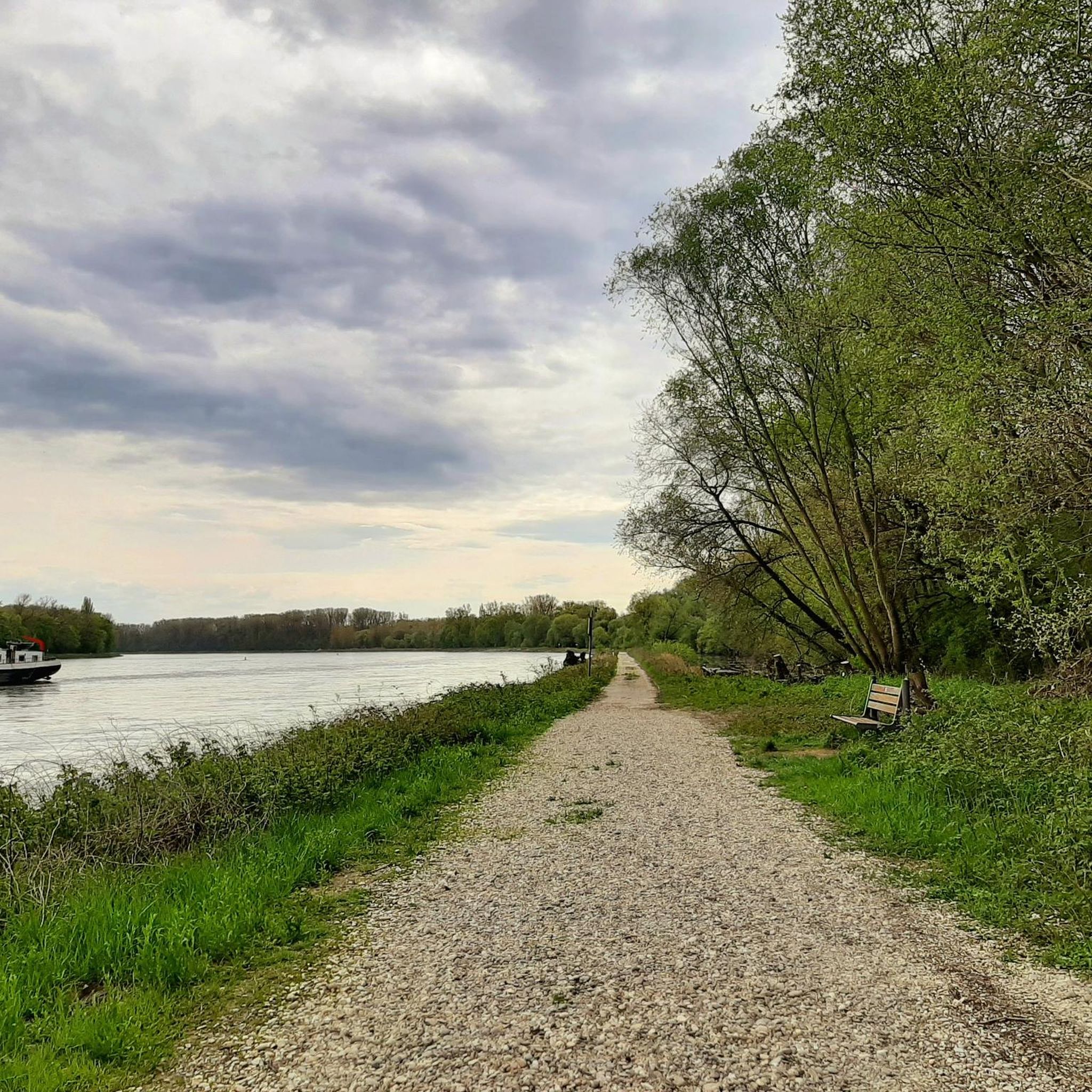
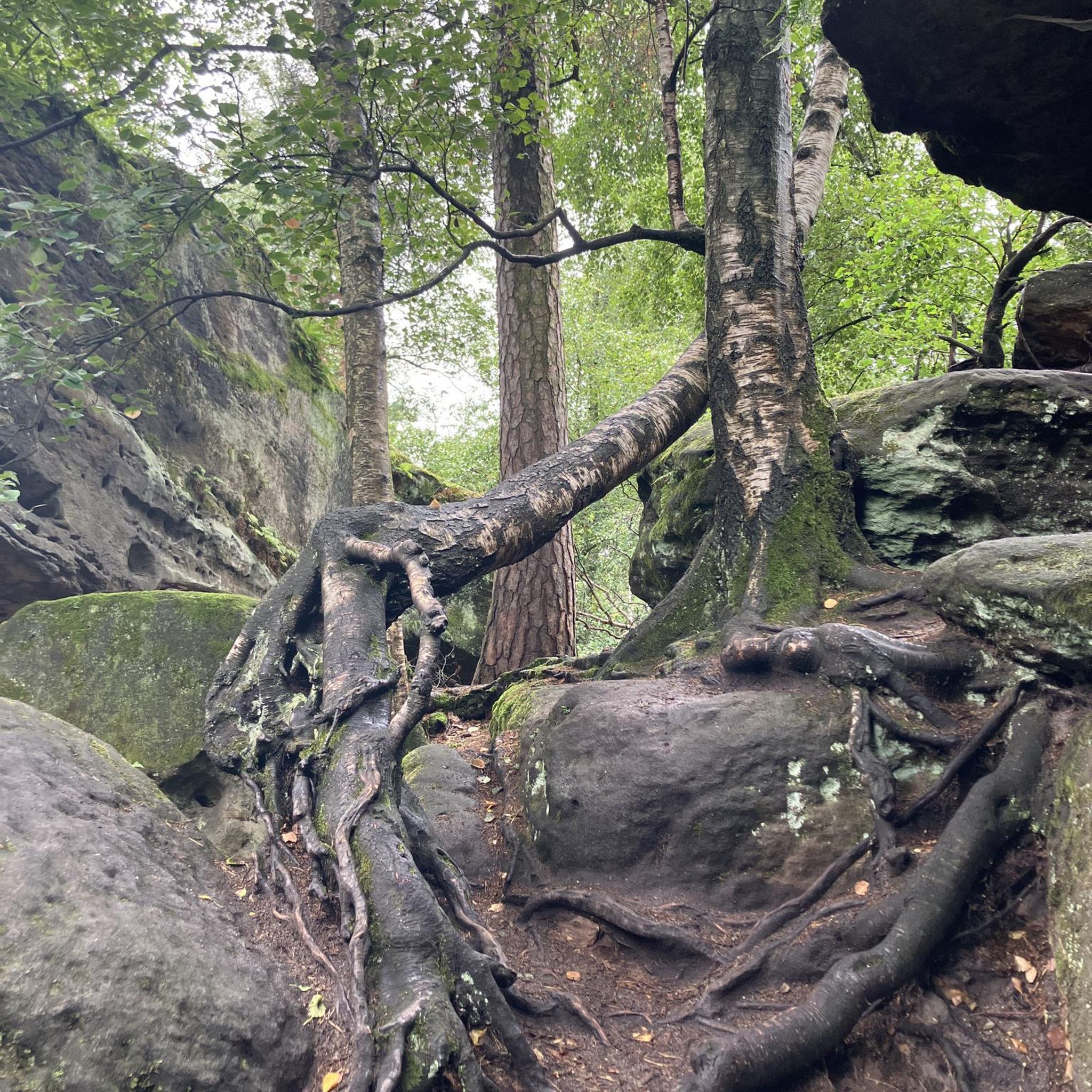

Other adventures around Hördt

Tips from the Community

Work: Fronte Beckers Preserved section: 250 m wide section of the entire complex, around the moat defense Current use: Municipal youth center, as well as the Municipal Music School and Music Academy Germersheim; also a venue for various cultural events such as concerts etc.; hiking lodge of the Palatinate Forest Association. Source: https://de.wikipedia.org/wiki/Festung_Germersheim
0
0
Fronte Beckers This well-preserved part of the fortress, over 250 meters long, impressively illustrates the historical fortification system with its moat defense (horseshoe), the main rampart, the posterns and underground mine galleries. Today, the moat defense houses the municipal music school and the youth center. Source: https://www.germersheim-erleben.eu/Sehenswertes/
1
0
Carnot walls, such as the one in Germersheim, are named after the French fortification engineer Lazare Nicolas Marguerite Carnot. Source: https://de.wikipedia.org/wiki/Festung_Germersheim
2
0

The Germersheim Fortress was built during the reign of King Ludwig I. The foundation stone was laid on October 18, 1834. The fortress was built mostly from red bricks.
1
0

Part of the old city fortifications
0
0

The Weissenburg Gate was built according to the plans of the Munich professor Friedrich von Gärtner in 1839 and was one of the two city gates. In addition to the tourism center (with ticket service) and the permanent exhibition on the history of the fortress, this is also the starting point for the exciting city and fortress tours as well as the enjoyable wine tastings.
6
0

The sculpture “Daphne” is part of the Germersheim art and ski tour trail. "Daphne is a nymph in Greek mythology. As the god Apollo, the love god Eros mocked him, he took revenge by throwing a golden love arrow at him and a lead one shot at Daphne. Apollo fell madly in love with Daphne, while Daphne, hit by Eros' arrow that had exactly the opposite effect, became unreceptive to any love affair. When Apollo harassed Daphne, she fled to her father Peneios, a river god, and was transformed into a laurel tree for protection. The statue represents this moment of transformation. The lower body and legs already have them Metamorphosis to trunk and roots passed through. The upper body, arms and head still show human features. The face is so highly stylized that the viewer is left wondering whether the features show the agony of metamorphosis or the relief of rescue." Source: https://www.germersheim-erleben.eu/Erlebenswerts/Kunst-im-oeffentlichen-Raum/ Artist: Anneliese Welker-Stahel The “Daphne” project was started in 2002 by her son Georg Welker, retired dean. from Germersheim. At the time, Welker was chairman of the EuroPalz Germersheim association, which financed the work of art entirely through donations.
1
0
"Between 1834 and 1861, the imposing Germersheim Fortress was built on behalf of the Bavarian King Ludwig I as a bulwark against France. The largest Bavarian fortress outside of Bavaria still shines in all its splendor today. The war of 1870/71 came Germersheim in particular was of strategic importance, as the operations of the 3rd Prussian Army under the leadership of Crown Prince Frederick were based from here. However, it was never used as a defensive fortification against France, which earned it the nickname “Peaceful Fortress”. Despite the partial demolition From 1920 to 1922, as a result of the Treaty of Versailles, numerous important buildings were preserved that enclose the entire city center." Source and further information: https://www.suedpfalz-tourismus.de/de/suedpfalz-erleben/kultur-land-suedpfalz/festungshäusern/festung-germersheim
1
0
Frequently Asked Questions
What kind of historical sites can I expect to see around Hördt?
Around Hördt, you'll find a variety of historical sites, primarily focusing on fortifications and historical gates. Notable examples include Ludwig Gate, which served as a main entrance to the city and features depictions of Bavarian King Ludwig I, and Fronte Beckers, Fortress Germersheim, an imposing part of former fortifications with a sculpture park. You can also see the Reduit Building at Weißenburger Gate, a reinforced defensive structure, and a reconstructed part of the former Friedrichsbühl Castle at Friedrichsruhl Palace – Entrance.
Are there any traditional medieval castles near Hördt?
While Hördt itself features more in the way of historical gates and fortifications, the wider Rhineland-Palatinate region is home to several magnificent traditional medieval castles. These include the iconic Eltz Castle, known for its picturesque setting and continuous family ownership since the 12th century, and Reichsburg Cochem, a quintessential knight's castle overlooking the Moselle River. Bürresheim Castle is another well-preserved medieval site that was never destroyed.
What is the historical significance of the sites around Hördt?
The historical sites around Hördt, such as the Ludwig Gate and Fronte Beckers, are significant for their role in the region's defensive history. They represent centuries of architectural heritage and military strategy, particularly as parts of the former Fortress Germersheim. These structures offer a glimpse into the strategic importance of the area and the engineering prowess of past eras.
What are some of the most impressive castles in the wider Rhineland-Palatinate region?
Beyond Hördt, the Rhineland-Palatinate region boasts several impressive castles. Eltz Castle is a must-see, famous for its untouched medieval architecture and stunning location. Reichsburg Cochem offers a classic knight's castle experience with its dramatic perch above the Moselle. Other notable sites include Bürresheim Castle, which provides insights into noble life, and Hambach Castle, a significant symbol of German democracy. You can find more information about these and other castles on the Rhineland-Palatinate Tourism website.
Are the historical sites around Hördt suitable for families?
Yes, many of the historical sites around Hördt are family-friendly. For instance, Ludwig Gate, Fronte Beckers, Fortress Germersheim, and the Reduit Building at Weißenburger Gate are all categorized as family-friendly. These sites offer engaging historical exploration for visitors of all ages.
Are there any wheelchair-accessible historical sites near Hördt?
Yes, the Reduit Building at Weißenburger Gate (Germersheim Fortress) is noted as wheelchair-accessible, allowing more visitors to explore this historical defensive structure.
Can I combine a visit to these historical sites with outdoor activities like cycling or hiking?
Absolutely! The region around Hördt is well-suited for combining historical exploration with outdoor activities. You can find numerous cycling and gravel biking routes that pass by or near these sites. For cycling enthusiasts, explore options like the 'Why the Rhine is so beautiful' loop. For more adventurous rides, check out the Gravel biking around Hördt guide or the Cycling around Hördt guide for detailed routes.
Are there specific cycling routes that pass by the historical sites around Hördt?
Yes, several cycling routes in the area allow you to explore the historical sites. For example, the 'Michelsbach – Parade Square, Germersheim loop' from Landkreis Germersheim is an easy cycling route that takes you through the area where Fronte Beckers and other fortifications are located. You can find more cycling options in the Cycling around Hördt guide.
Are there dog-friendly options for visiting castles in the region?
While specific dog policies for individual castles vary, many outdoor areas and trails around the castles in the Rhineland-Palatinate region are dog-friendly. It's always best to check the specific castle's website for their pet policy before visiting. For walks near the historical sites around Hördt, many of the surrounding natural areas and paths are suitable for walks with dogs.
What is the best time of year to visit the historical sites around Hördt and the wider region?
The spring and autumn months are generally considered the best time to visit the historical sites and castles around Hördt and in the wider Rhineland-Palatinate region. During these seasons, the weather is typically mild and pleasant for exploring, and the natural landscapes are particularly beautiful, whether with blooming flowers or vibrant autumn foliage. Summer can also be enjoyable, though it can be warmer and more crowded.
What do visitors enjoy most about the historical sites around Hördt?
Visitors frequently appreciate the imposing architecture and historical significance of the sites. For example, the Ludwig Gate is noted for its mighty structure and historical depictions. The Fronte Beckers, Fortress Germersheim, is praised as an 'imposing part of the former fortifications' and a 'mighty French fortress.' The historical sites are also valued for their photo opportunities, with over 280 photos shared by visitors.
Are there places to take a break or have a picnic near the historical sites?
Yes, for instance, near the Friedrichsruhl Palace – Entrance, there is a covered picnic table and benches, making it an ideal spot for a break. Many of the historical sites are also surrounded by parks or natural areas suitable for a picnic.
Most popular attractions around Hördt

Get inspired with the komoot mobile app


Explore more
Looking for the best castles somewhere else? Discover other guides around Hördt:
