Top 20 Natural Monuments around Forst an der Weinstraße
Best natural monuments around Forst an der Weinstraße are found within the Pfalz region of Germany. This area is characterized by its diverse landscape, including dense forests and vineyards, shaped by ancient geological activity. The region's volcanic past has contributed to unique mineral soils, influencing both its natural features and its renowned wine production. Visitors can explore sites that showcase both natural beauty and historical interaction with the environment.
Best natural monuments around Forst an der Weinstraße
- The most popular…
Last updated: October 13, 2026
Ungeheuersee
Highlight • Lake
Translated by Google •
Tip by

Kriemhildenstuhl Roman Quarry
Highlight • Historical Site
Many display boards provide information on site about this cultural and historical highlight.
Due to the proximity to the city and the good …
Translated by Google •
Tip by

Sign up now to discover places like this
Get recommendations on the best single tracks, peaks, & plenty of other exciting outdoor places.
Heidenlöcher - 9th-10th century refuge (with knight's stone no. 260)
Highlight • Historical Site
Translated by Google •
Tip by

Limburg Monastery Ruins
Highlight • Historical Site
Translated by Google •
Tip by

Basalt Lake South Quarry (Forst, Palatinate)
Highlight • Lake
Translated by Google •
Tip by

Sign up for free to discover even more natural monuments around Forst an der Weinstraße.
Already have an account?
Start today with a free account
Your next adventure awaits.
Popular around Forst an der Weinstraße
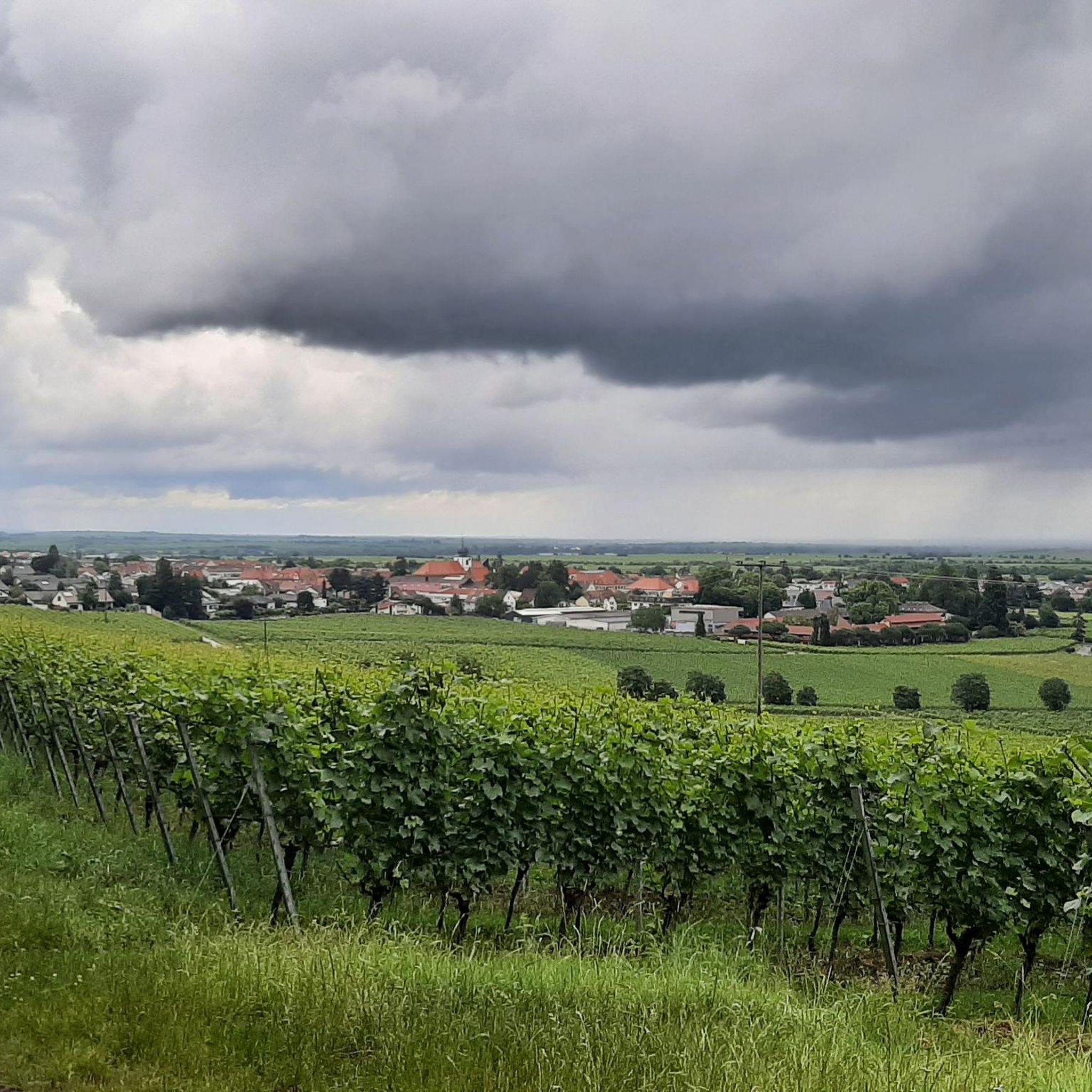
Cycling around Forst an der Weinstraße
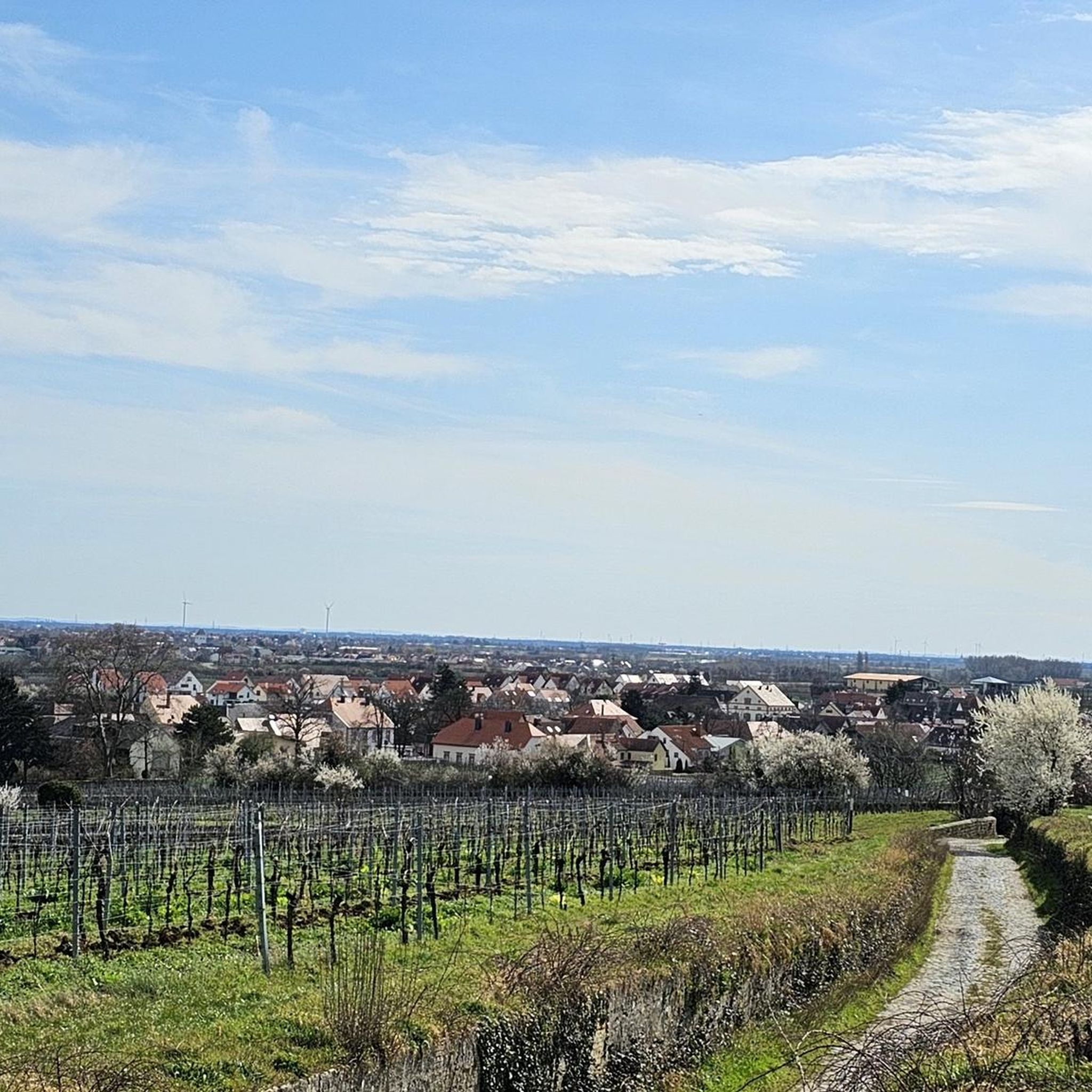
Hiking around Forst an der Weinstraße
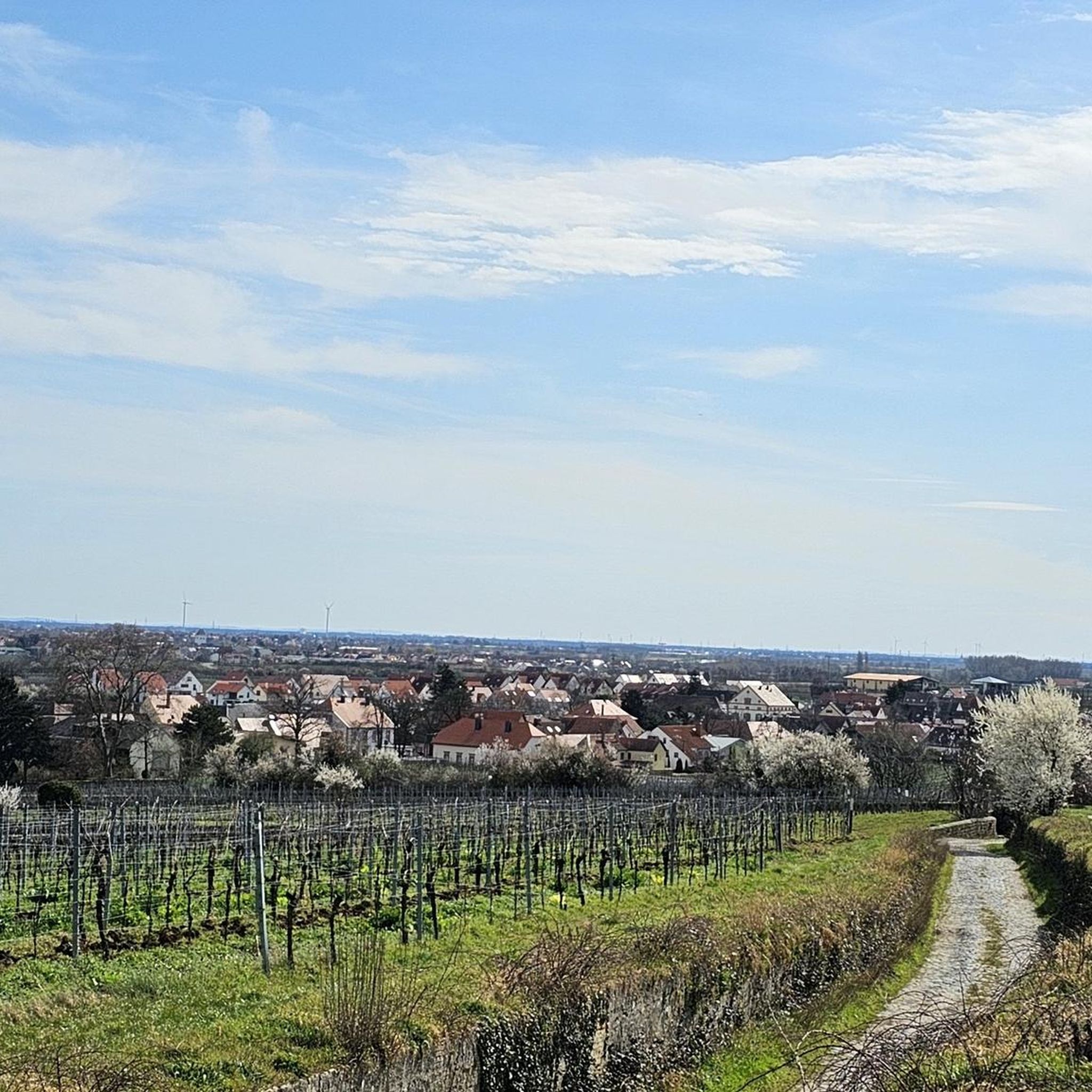
MTB Trails around Forst an der Weinstraße
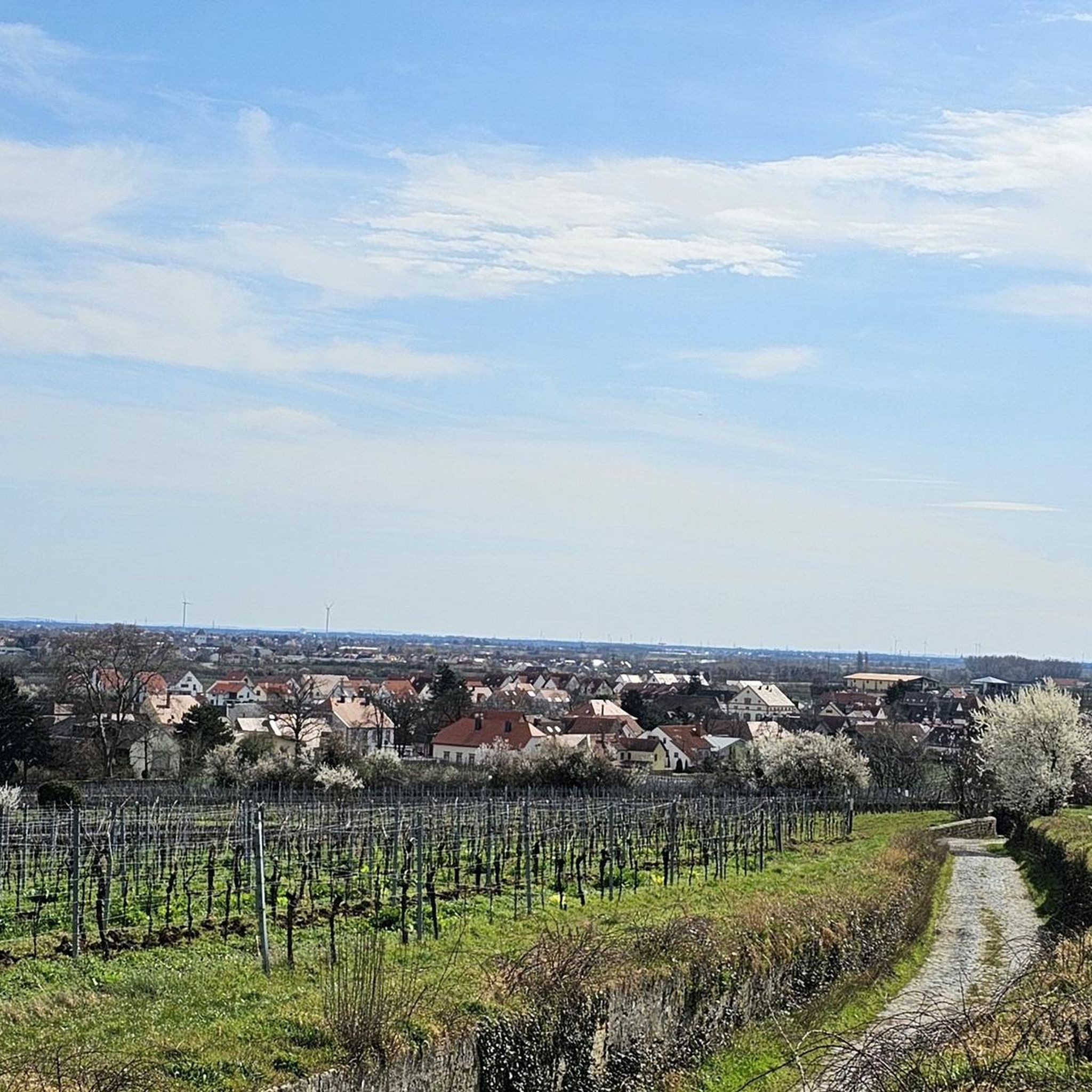
Road Cycling Routes around Forst an der Weinstraße
Running Trails around Forst an der Weinstraße
Gravel biking around Forst an der Weinstraße
Mountain Hikes around Forst an der Weinstraße
Tips from the Community

This is the smaller, more accessible lake that emerged after the basalt quarries near Forst were abandoned in the 1980s. Today it's a nature reserve, so you'd better avoid swimming here. It's definitely worth seeing.
10
0

A highlight for big and small
24
2

Here stands Ritterstein No. 260. It is one of over 300 Rittersteine (memorial stones) erected by the Palatinate Forest Association (PWV) and bears the inscription "Heidenlöcher – Refuge Castle 9th-10th Century." It marks the remains of a refuge castle that served as protection against the warring Normans and Hungarians. Today, the foundations of two gate structures, 65 stone houses, and a 450-meter-long curtain wall are still preserved. The inner of the two adjoining dry-stone walls served as a parapet walk. - Source: Information panels on site A little further to the right of this Ritterstein are the foundations of one of the gate structures. The refuge castle, or rather its remains, can be entered through the two gate structures. The curtain wall can be easily walked along (with minor exceptions): either on top of the wall or along its inner side – and the remains of many stone houses can be seen along the way. Without Komoot, it is easy to get lost here: Therefore, it is best to follow the "Palatinate Wine Trail" hiking signs!
13
0

The entire facility is very exciting. A look into early history.
8
0
In contrast to the (red) quarries in the middle of the Palatinate Forest, sandstone on the Haardt edge is white and yellow! Many of the inscriptions/pictures that can be found on the walls are explained on a beautiful information board and marked with red arrows on the walls of the quarry. Horse pictures are particularly easy to recognize. These rock paintings come from the Roman legionnaires who worked in the quarry here. Also carved into the stone: a large memorial plaque for the Bad Dürkheim soldiers who died in World War I and all their names.
23
2

The Ungeheuersee in the Leininger Sporn, part of the northeastern Palatinate Forest, is a shallow pond that is fed by the Krumbach. The lake has been protected as a natural monument since the 1930s. It has been listed in the official register since 1971 with the list number ND-7332-195. Source: Wikipedia Height above sea level: 359 m Maximum depth: 1.8 m Height above sea level: 357 m above NHN Length: 140 m Circumference: 400 m
16
1

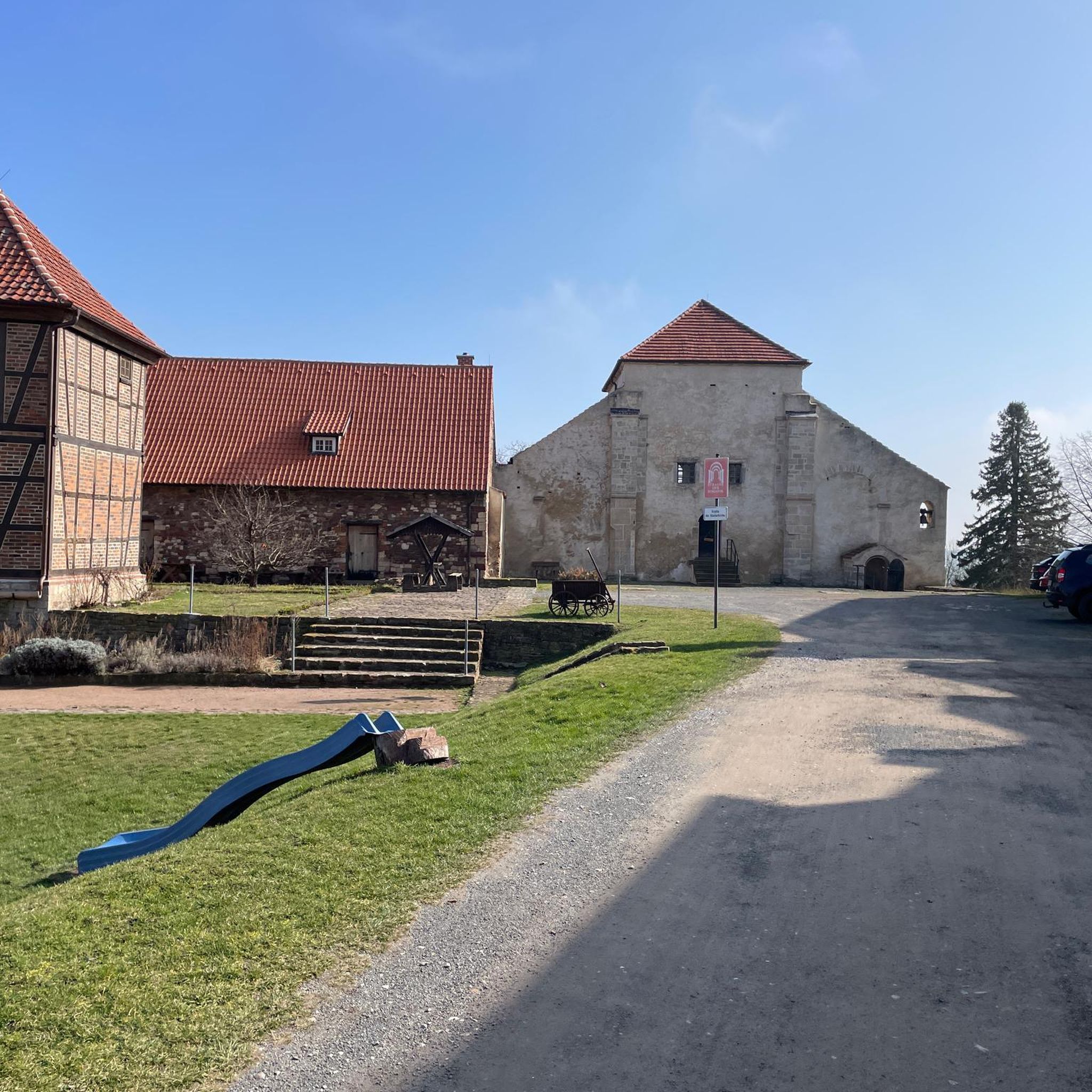
Impressive ruin - due to the well-preserved ruin, it is easy to get an idea of the former monastery.
12
1

Limburg is always worth a visit. Historically interesting, beautiful view and farmed.
14
0
Frequently Asked Questions
What unique geological features can I explore near Forst an der Weinstraße?
The region is notable for its volcanic past. You can visit the area around the Pechsteinkopf, which features basalt deposits from volcanic activity 53 million years ago. This is the only basalt occurrence in the Palatinate. The Basalt Lake South Quarry, formed after basalt quarrying ceased, is now a nature reserve offering insights into this geological history.
Are there any unique natural ecosystems to discover in the area?
Yes, the Ungeheuersee is a shallow bog pond and represents the only raised bog in this low mountain range. It has been protected as a natural monument since the 1930s, offering a tranquil and ecologically significant site to explore.
What kind of natural landscapes characterize the area around Forst an der Weinstraße?
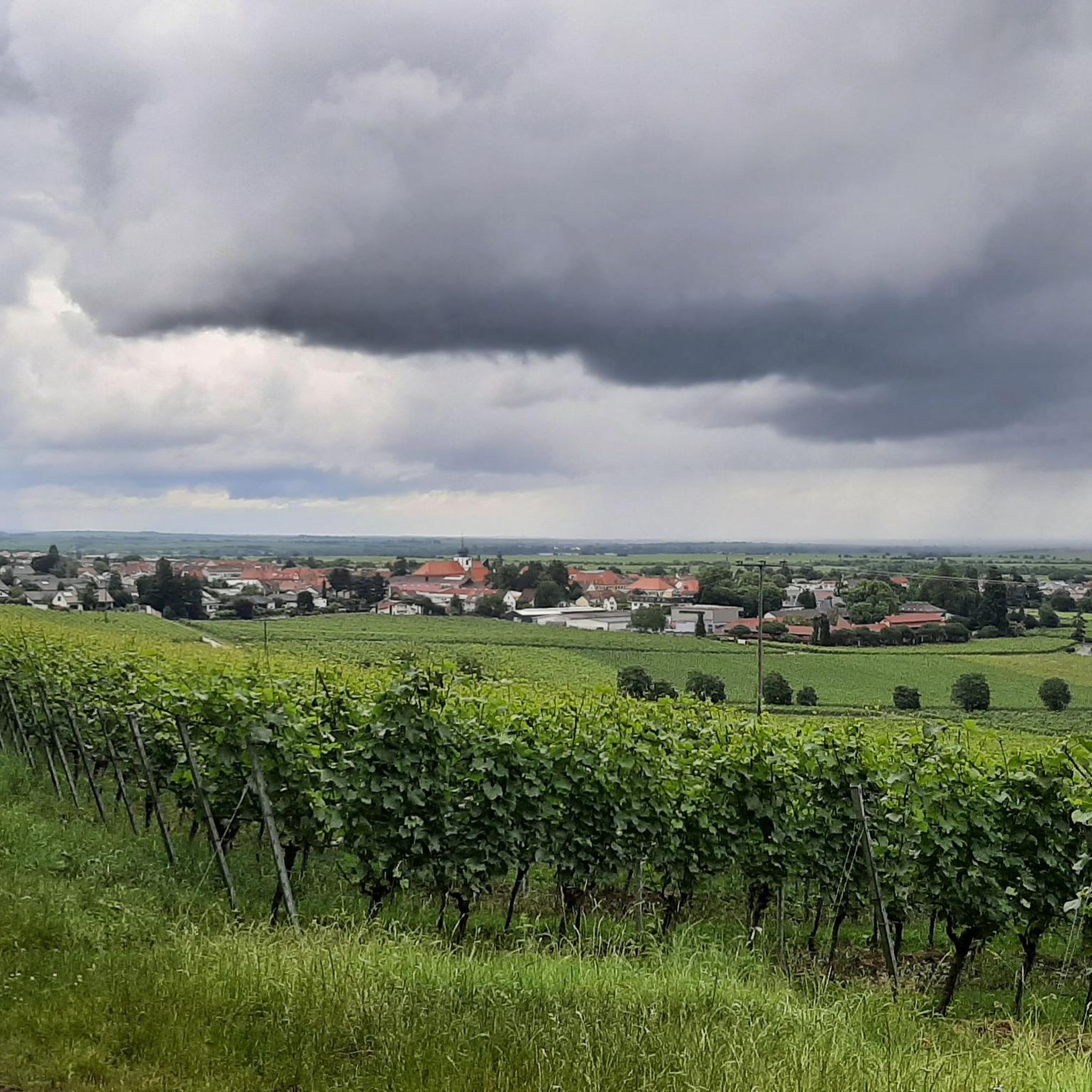
The region is characterized by a diverse landscape, including dense forests and extensive vineyards. The ancient geological activity, particularly its volcanic past, has shaped unique mineral soils that are crucial for the local wine industry, making for very scenic views, especially during autumn.
Are there natural monuments with historical significance?
Absolutely. The Kriemhildenstuhl Roman Quarry, dating back to around 200 AD, showcases how human activity interacted with natural geological formations. You can also visit the Heidenlöcher, which are the ruins of a 9th-10th century refuge castle, and the impressive Limburg Monastery Ruins, both offering historical context within natural settings.
Are there family-friendly natural monuments or trails?
Many natural monuments in the area are suitable for families. The Ungeheuersee and Kriemhildenstuhl Roman Quarry are both considered family-friendly. Additionally, the 'Forster Wald Nature Trail' is particularly suitable for families, offering an engaging way to explore the forest.
Can I bring my dog to the natural monuments?
Yes, many natural areas and trails around Forst an der Weinstraße are dog-friendly. For instance, the Heidenlöcher refuge is a dog-friendly highlight. Always ensure your dog is on a leash and you clean up after them to preserve the natural environment for everyone.
What outdoor activities can I do near these natural monuments?
The region offers a variety of outdoor activities. You can enjoy hiking through dense forests and vineyards, with routes like 'View of Wachtenburg Castle – View of Wachenheim Castle loop from Forst' or 'Madonnenweg – Pechstein Vineyard loop from Forst'. For more options, explore the hiking routes around Forst an der Weinstraße. Road cycling and running trails are also popular, with numerous routes available in the area.
What is the best time of year to visit the natural monuments?
The natural monuments are beautiful year-round. Spring and summer offer lush greenery and pleasant temperatures for hiking. Autumn is particularly vibrant, with the vineyards displaying breathtaking colors during grape ripening, making it an ideal time for scenic walks and photography.
What do visitors enjoy most about the natural monuments in this region?
Visitors frequently appreciate the tranquil and idyllic settings, such as the Ungeheuersee. The historical sites like the Kriemhildenstuhl Roman Quarry are valued for their cultural significance and good views. Many also enjoy the quiet areas and scenic vistas, like those found near the Basalt Lake South Quarry, often perfect for a picnic.
Are there any scenic viewpoints among the natural monuments?
Yes, several natural monuments offer excellent viewpoints. The Kriemhildenstuhl Roman Quarry provides good views of the surrounding area, and the Heidenlöcher and Limburg Monastery Ruins also serve as elevated spots with panoramic vistas.
Most popular routes around Forst an der Weinstraße
Most popular attractions around Forst an der Weinstraße

Get inspired with the komoot mobile app


Explore more
Extend your search for the best caves by checking out these guides of the top ones around Forst an der Weinstraße:
