Attractions and Places To See around Dambach - Top 20
Attractions and places to see around Dambach offer a blend of historical sites, natural landscapes, and cultural experiences in the Alsace region of France. The area is characterized by its medieval architecture, extensive vineyards, and proximity to natural reserves. Visitors can explore ancient castles, walk through picturesque wine routes, and discover local heritage.
Best attractions and places to see around Dambach
- The most popular attractions is Stone Steps on the Celtic Ring Wall (Hunnenring), a historical site featuring an…
Last updated: October 9, 2026
Stone Steps on the Celtic Ring Wall (Hunnenring)
Highlight • Historical Site
Be careful the steps are uneven!
Translated by Google •
Tip by

Dollberg – Highest point in Saarland
Highlight • Summit
The incredible 'silence' of nature and the fairytale character of the immediate surroundings make this summit - which …
Translated by Google •
Tip by

Sign up now to discover places like this
Get recommendations on the best single tracks, peaks, & plenty of other exciting outdoor places.
View of Bostalsee from the dam
Highlight • Viewpoint
Translated by Google •
Tip by

Celtic Ring Wall (Hunnenring) Otzenhausen
Highlight (Segment) • Historical Site
Even today the following …
Translated by Google •
Tip by
Züscher Hammer
Highlight • Historical Site
During the Thirty Years' …
Translated by Google •
Tip by

Sign up for free to discover even more attractions around Dambach.
Already have an account?
Start today with a free account
Your next adventure awaits.
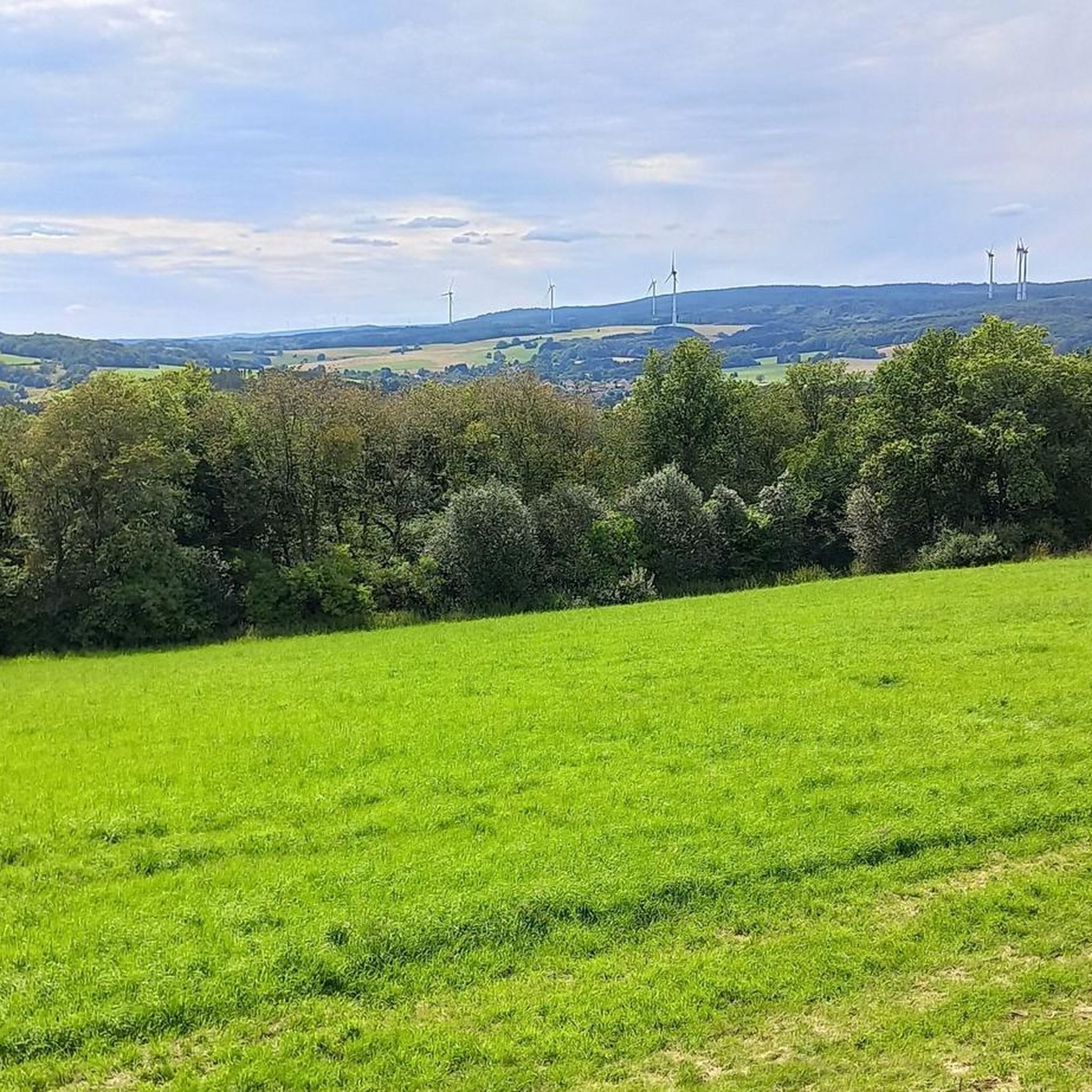
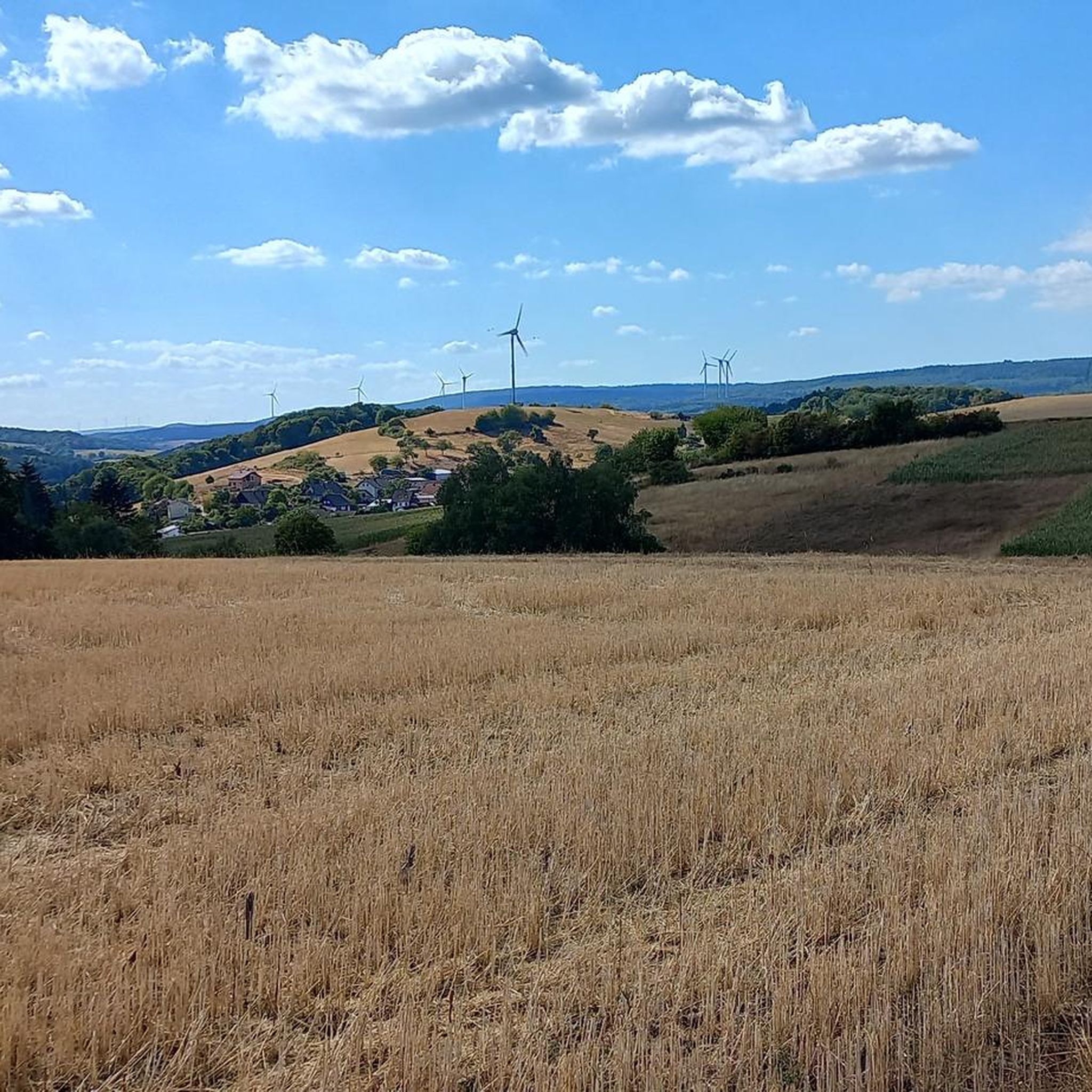
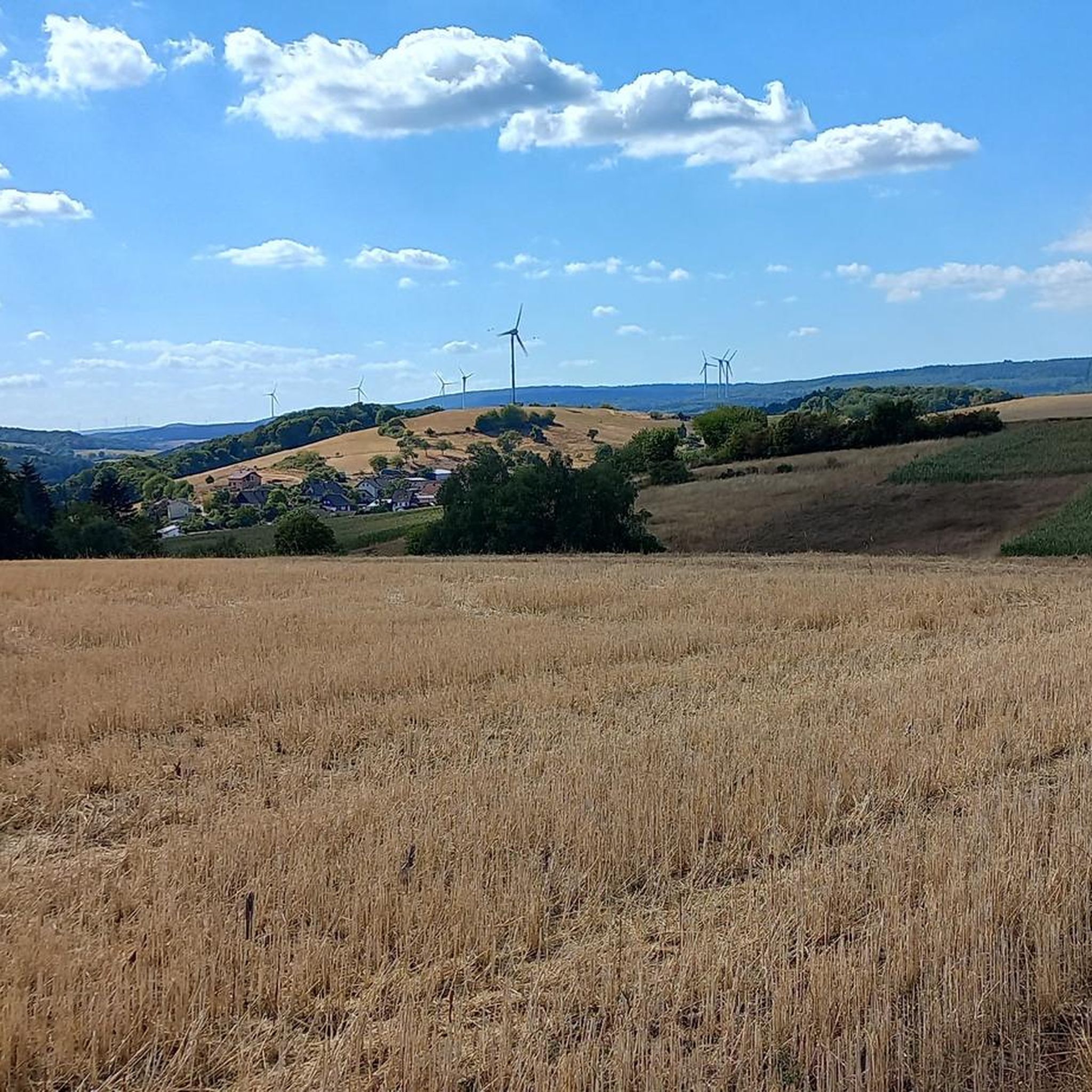
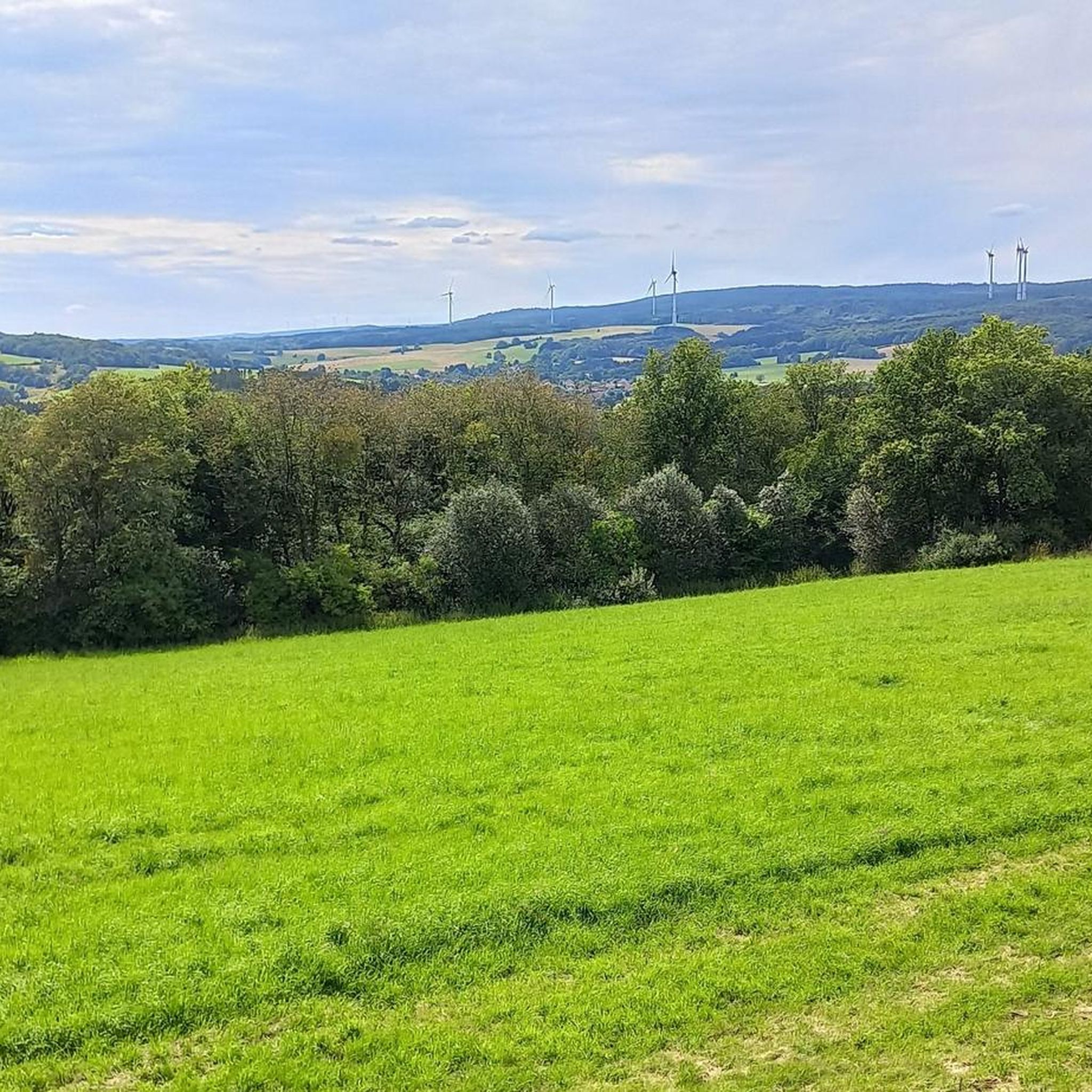
Tips from the Community

The highest point in Saarland is located in a very quiet forest. Without the sign you probably wouldn't notice it.
8
0

There is still a Celtic ring wall in Otzenhausen today, which is considered the best-preserved Celtic monument in Germany. The complex, also known as the “Hunnenring”, is 40 m thick and still reaches a height of 12 m today. Archaeological excavations are still active here. In the Celtic Park, at the foot of the Otzenhausen ring wall, a “real” Celtic village is currently being built, just as it might have looked 2,000 years ago within the huge fortress at the top of the Dollberg. The reconstruction of an authentic Celtic settlement is an essential part of the emerging Celtic park. When completed, the settlement will consist of a total of 10 residential, craft and storage buildings, the architecture and construction of which are based on historical findings and models. Preparatory work for the construction of the fourth and final construction group, consisting of a residential and a craftsman's house, recently began. (https://www.urlaub.saarland/Media/Attractions/Keltische-Ringwall-Otzenhausen#/article/4ccd7ea8-a3f4-4c69-b4ea-78c2475e7077)
6
0

The Dollberg is 695 m above sea level. NN is the highest mountain in Saarland and belongs to one of the prominent mountain ranges in the high forest. These stretch as ridges running from southwest to northeast from the Saar to the Rhine. The ridges consist of quartzite, which in turn has its origin in sandstone. This was finally transformed into quartzite by pressure and high temperatures during the folding of the mountains in the Devonian. Due to its hardness, it is comparatively weather-resistant. As the surrounding, softer rock was eroded, the quartzite deposits were preserved as ridges. A beautiful hiking destination and, as the highest "mountain" in Saarland, of course also a highlight here in the region. https://www.naturpark.org/natur-und-kultur/natur/geologie/geopunkte-devon-permokarbon-nonnweiler-und-zuesch/dollberg
8
0

Traveling to all 16 peaks in the federal states, it is very interesting to see how differently the states deal with their highest peaks. Perhaps the term "natural" fits quite well here
10
0

extra The owner of Züsch is mentioned for the first time in 1225 - "Knight Symon von Sussaü" -; he lived in a castle there. Around 1300 it came into the possession of those from Hunolstein, from 1437 to 1776 Züsch belonged to the rear county of Sponheim as "Palatinate-Baden". Züsch was completely destroyed in 1504. The Reformation was introduced before 1569: 20 families lived in Züsch in 1574. Around 1606 the village consisted of two parts - the upper and the lower - with 6 and 7 houses respectively After the 30-year war, the castle and village of Züsch fell victim to complete destruction again in 1635. It was not until the beginning of the 18th century that the population began to increase Territory under Margrave Karl Friedrich The French occupied the area in 1792. It became French territory in 1797 before being assigned to the Kingdom of Prussia in 1815. The in The Lutheran church erected in 1724 was replaced in 1836/37 by the new building of today's Protestant church. Built in 1783/84 in the baroque style, the cath. The church was expanded in 1848/51 and 1910/11 and is now one of the oldest churches in the area. In 1972 the 750th anniversary of the town was celebrated. Source: text information board Zurich hammer "Only 3.5 kilometers from the dam is the Züscher Hammer, a particularly impressive testimony to the pre-industrial history of the Hochwald. There was already a flourishing iron industry in the area before the Thirty Years' War. The largest one was built in Züsch at the beginning of the 17th century Ironworks of the Hunsrück On the initiative of the "Züscher Hammer" association, the old hammer mill was reconstructed and put into operation in 2001. Together with the remains of the wall of a former warehouse and the commemorative cross for the first church of the smelter, it conveys a lively impression of the work and life of the people in the woods around today's reservoir." Source: Text and further information https://www.talsperreverband-nonnweiler.de/zuescher-hammer/
19
5

Very beautiful and loving restored facility
8
0

Nice area to rest, there is still an intact mill wheel nearby
7
0
Frequently Asked Questions
What historical sites can I explore around Dambach?
Dambach-la-Ville is rich in history. You can visit the impressive Stone Steps on the Celtic Ring Wall (Hunnenring), an ancient historical site. The town itself boasts well-preserved medieval town gates like La Porte de Blienschwiller, La Porte d'Ebersheim, and La Porte de Dieffenthal, along with its ancient ramparts. Nearby, you'll find the historic Bernstein Castle and the magnificent Ortenbourg Castle, known for its military architecture. Don't miss the Züscher Hammer, a former ironworks offering insight into the region's industrial past.
Are there any natural viewpoints or scenic spots near Dambach?
Yes, the region offers several beautiful viewpoints. You can enjoy panoramic vistas from the View of Bostalsee from the dam, which overlooks a large reservoir. For a more serene natural experience, head to Dollberg – Highest point in Saarland, a summit known for its natural silence and forest surroundings. The vineyards surrounding Dambach-la-Ville also offer picturesque views, especially along the Sentier Viticole (Vineyard Trail).
What outdoor activities are popular around Dambach?
The area around Dambach is excellent for various outdoor activities. You can explore numerous cycling paths, including options for gravel biking and road cycling. For detailed routes, check out the guides for Gravel biking around Dambach, Cycling around Dambach, and Road Cycling Routes around Dambach. Hiking through the extensive vineyards on the Sentier Viticole is also a popular choice, offering scenic walks and a taste of the local wine culture.
Are there family-friendly attractions in the Dambach area?
Absolutely! Families can enjoy the recreational facilities around the Bostalsee, including the View of Bostalsee from the dam, which offers a lake, beach baths, boat rentals, and a petting zoo. Another unique and fun attraction is The Upside-Down House, Bostalsee, which provides a quirky experience. The Züscher Hammer, a historical ironworks, also offers an engaging visit for all ages.
What is Dambach-la-Ville known for culturally?
Dambach-la-Ville is renowned for its rich wine culture, being the largest wine-producing village in Alsace with 470 hectares of vineyards. Visitors can explore numerous wineries like Willy Gisselbrecht Winery, Vins Kamm, and Domaine Ostertag, many of which offer tastings and cellar tours. The town also features charming medieval architecture, including half-timbered houses and Renaissance stone buildings, and cultural sites like the Chapelle St-Sébastien with its Romanesque bell tower and Baroque altar.
Can I visit wineries or go wine tasting in Dambach-la-Ville?
Yes, Dambach-la-Ville is a prime destination for wine enthusiasts. The town is home to many wineries, including Willy Gisselbrecht Winery, Vins Kamm, Domaine Ostertag, and Domaine Schaeffer-Woerly. Many of these establishments offer wine tastings and immersive cellar experiences, allowing you to discover the local Alsatian wines. Some even provide unique experiences like an Alsatian brunch paired with wine tasting.
What kind of architecture can I see in Dambach-la-Ville?
Dambach-la-Ville showcases a fascinating blend of historical architecture. You'll find well-preserved medieval town gates and ancient ramparts. The central Place du Marché is surrounded by picturesque half-timbered houses, and throughout the town, you can admire ancient houses, including structures from the Middle Ages and Renaissance stone buildings, reflecting various periods of history. Key architectural sites also include the Église Saint-Étienne and the Chapelle St-Sébastien.
Are there any castles to visit near Dambach?
Yes, the area around Dambach offers a glimpse into medieval history with its castles. You can visit Bernstein Castle, which provides insight into the region's heritage. Additionally, Ortenbourg Castle, located nearby, is a significant landmark recognized for its impressive military architecture and a 32-meter dungeon. It's also noted as a free attraction to explore.
What do visitors enjoy most about the attractions around Dambach?
Visitors particularly appreciate the blend of historical depth and natural beauty. The Stone Steps on the Celtic Ring Wall (Hunnenring) are admired for their impressive ancient construction. The natural silence and fairytale character of the surroundings at Dollberg – Highest point in Saarland are highly valued. Many also enjoy the recreational opportunities and scenic views offered by the View of Bostalsee from the dam, making it a popular spot for relaxation and activities.
Are there any unique or 'hidden gem' attractions in the Dambach area?
While not strictly 'hidden,' The Upside-Down House, Bostalsee offers a truly unique and quirky experience that stands out. For those interested in history beyond castles, the former synagogue in Dambach-la-Ville, dating back to the 17th century and now transformed into a theatre, provides a less conventional historical point of interest. The Casemate of the Maginot Line near Dambach-Neunhoffen also offers a unique historical perspective on World War II.
What is the best way to experience the vineyards around Dambach-la-Ville?
The best way to experience the vineyards is by walking the Sentier Viticole (Vineyard Trail) located above the town. This trail offers picturesque views and an immersive experience in the heart of Alsace's wine country. Many local wineries also offer guided tours and tastings, allowing you to learn about the winemaking process and sample the region's renowned wines directly from the source.
Most popular routes around Dambach
Most popular attractions around Dambach

Get inspired with the komoot mobile app


Explore more
Still not found the Highlight you’re looking for? See guides of the top attractions in other regions:
