Top 9 Castles around Dolgesheim
Best castles around Dolgesheim are found in the surrounding Rheinhessen region, an area known for its historical significance and diverse landscapes. While Dolgesheim itself does not feature prominent castles, its location provides access to numerous historical sites along the Rhine and Moselle rivers. This region offers a mix of castle ruins and well-preserved fortresses, reflecting centuries of history.
Best castles around Dolgesheim
- The most popular castles is Landskron Castle Ruins, a castle that offers expansive views over the Rhine…
Last updated: October 2, 2026
Landskron Castle Ruins
Highlight • Castle
Showing Translation
Tip by

Schwabsburg Keep
Highlight • Castle
Translated by Google •
Tip by

Sign up now to discover places like this
Get recommendations on the best single tracks, peaks, & plenty of other exciting outdoor places.
Alzey Castle
Highlight • Castle
Translated by Google •
Tip by

Leininger Castle
Highlight • Castle
Showing Translation
Tip by
Leininger Castle (1708) / Town Hall - Guntersblum 🚴
Highlight • Castle
Located in the town center, Leiningen Castle has a rich history. The shell was completed in 1708, but further expansion was …
Translated by Google •
Tip by

Sign up for free to discover even more castles around Dolgesheim.
Already have an account?
Start today with a free account
Your next adventure awaits.
Tips from the Community

In 1495, Emperor Maximilian I even stayed at the castle during a hunting trip after the Imperial Diet of the same year. Today, the Da-Capo-Festival, an open-air concert in the castle courtyard, annually brings the historic walls to life on the second-to-last weekend of the summer holidays.
0
0

large castle. Today the district court is located there
1
1

A beautiful castle that is worth visiting and visiting.
1
1


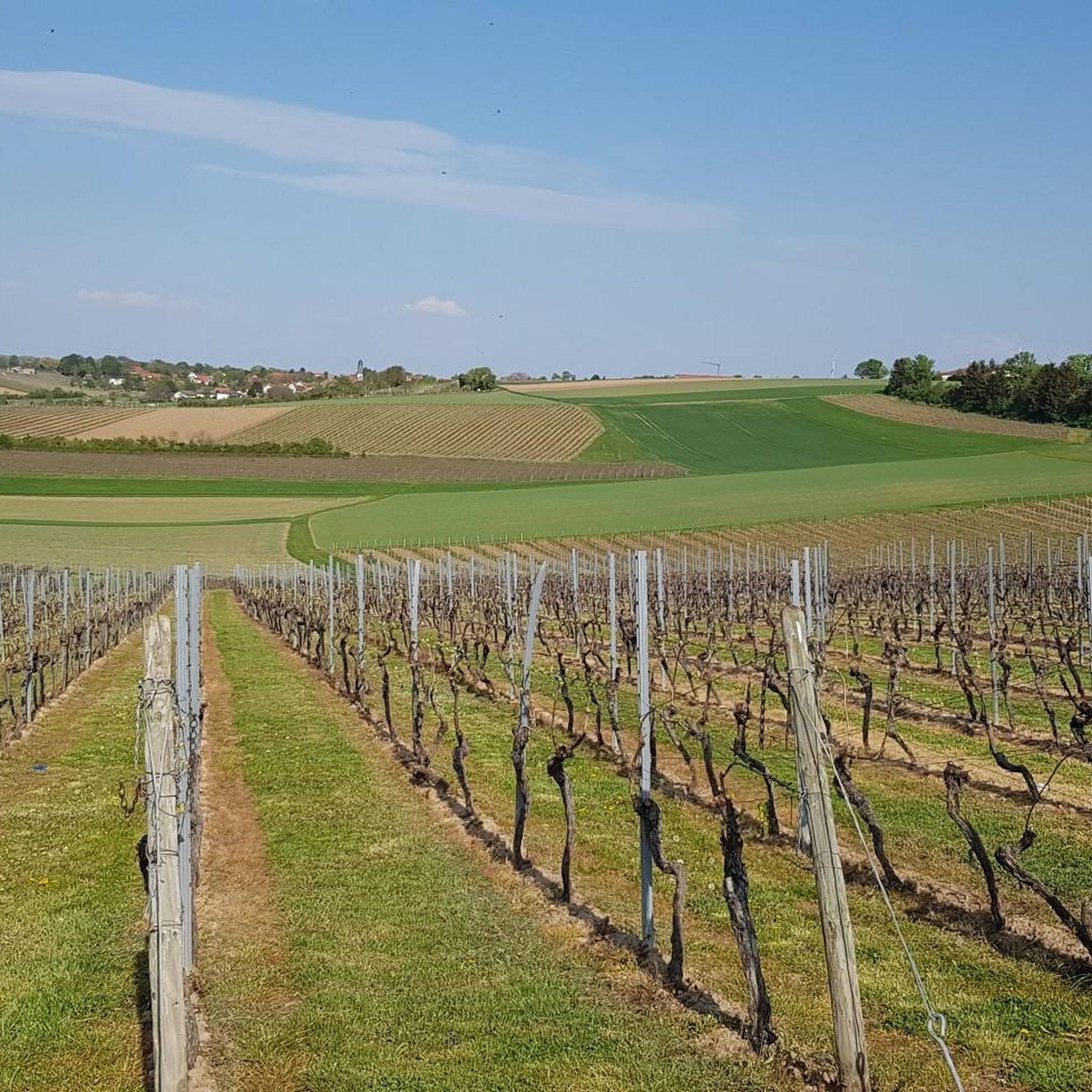
Leiningen Castle, located in the town center, has a multifaceted past. The shell was completed in 1708, but no further expansion took place at first, as the then owner, Count Carl Ludwig von Leiningen-Dagsburg-Falkenburg, died in 1709. His wife, Countess Anna Sabina von Nostitz, sold the property to the Electorate of the Palatinate's Privy Council in 1717 due to financial difficulties. In the years that followed, the castle fell more and more into oblivion until 70 years later, in 1787, a member of the Leiningen family again became the owner. Count Wilhelm Carl zu Leiningen-Guntersblum renovated the impressive building and expanded it further for the purposes of the count's family. In 1833, the castle became the property of the municipality of Guntersblum and has been officially used as a town hall since 1834. Since 2014, an administrative office for the Rhein-Selz municipality has also been located in the building. The basement is also used as an event space. The area in front of the castle was originally designed as a sprawling castle park. Over time, this park was pushed back by various buildings; today a single fountain holds the position as a relic of bygone days. https://www.rheinhessen.de/a-leininger-schloss
2
0

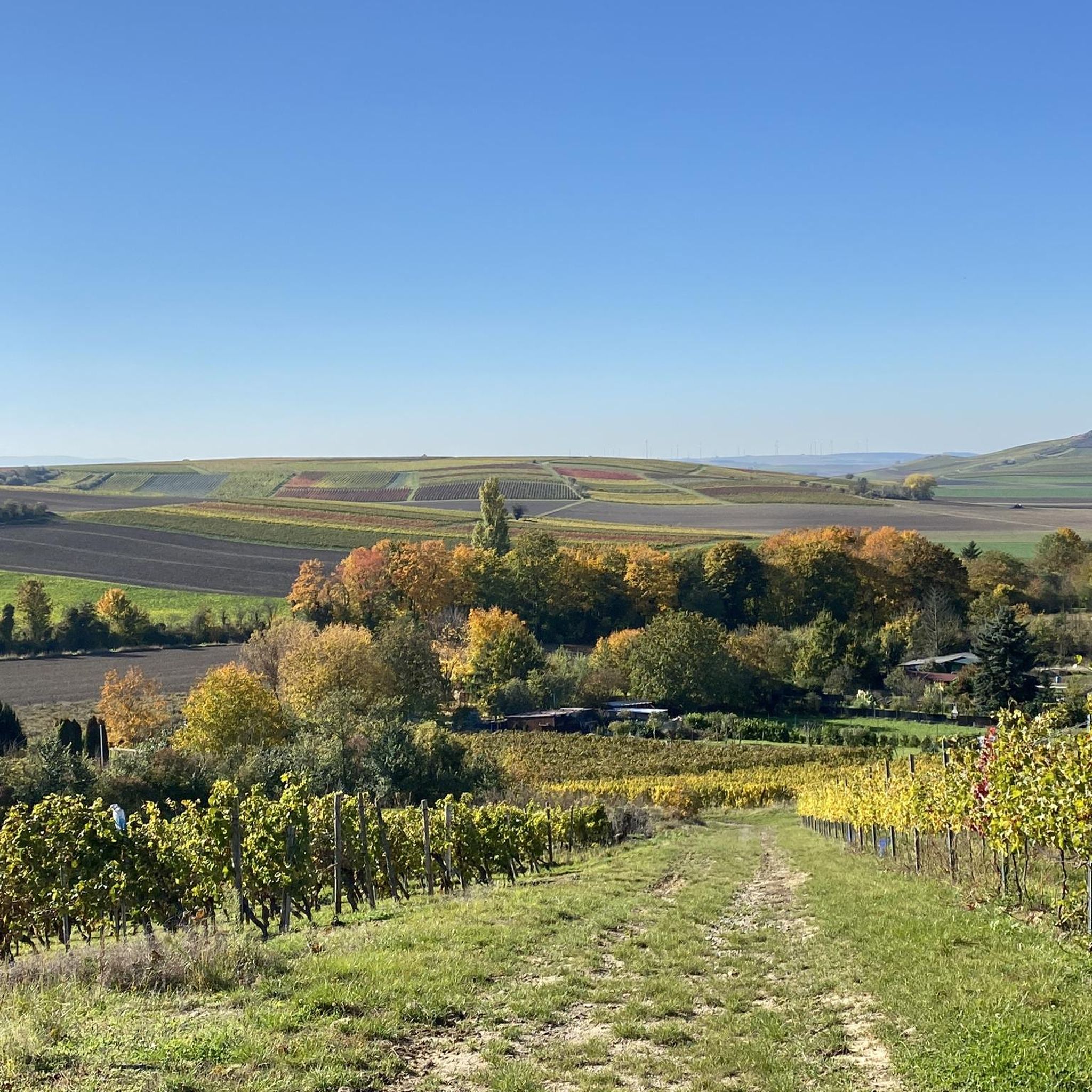
The keep has been preserved and can be climbed. The upper (narrow) section is a bit dark, but the climb is worth it!
3
0

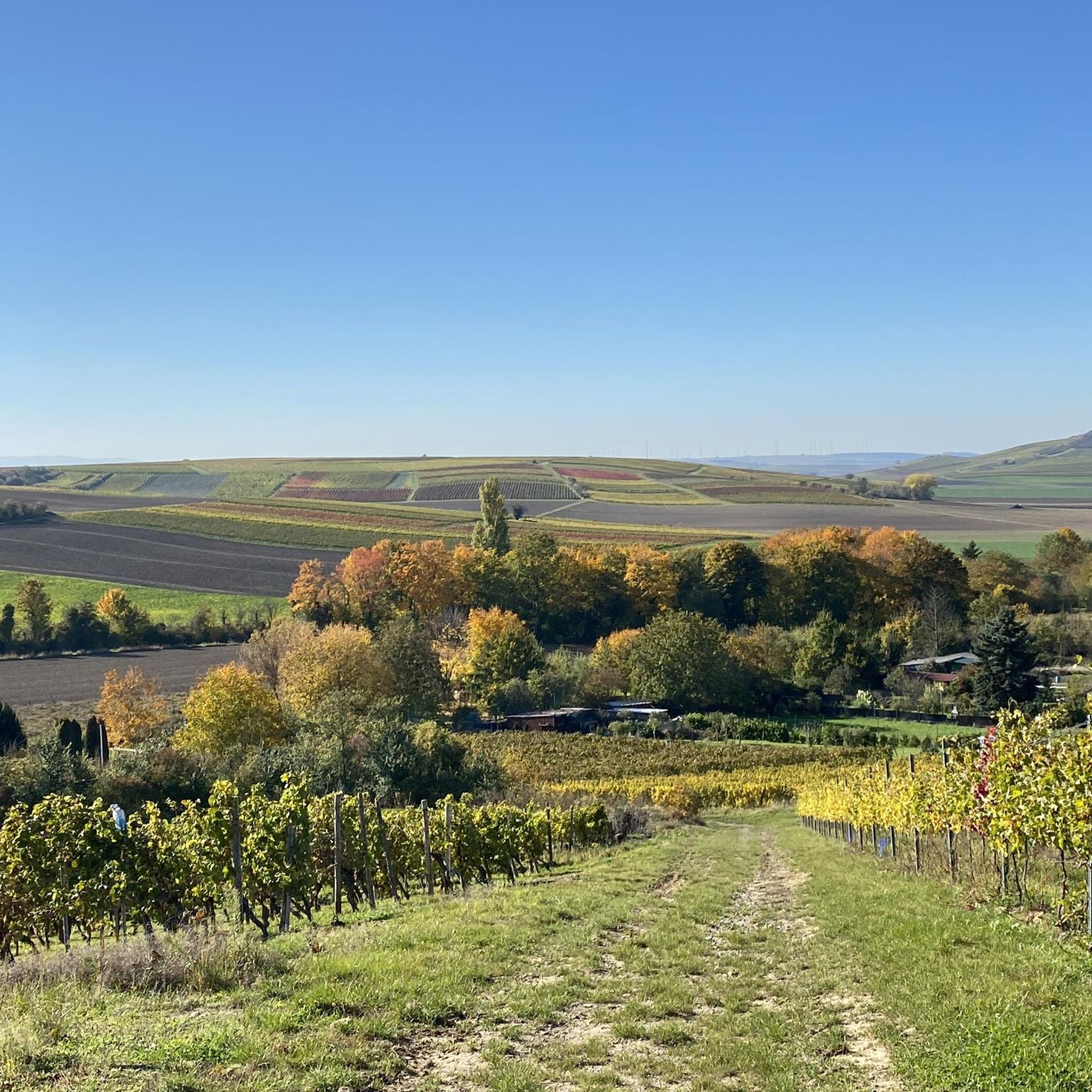
The complex, which was probably built in the 13th century, was the nucleus of the Rhenish County Palatine, secondary residence and seat of the Oberamt administration. Especially under the two Ruprecht, Count Palatine Ruprecht II and Ruprecht III, who as Ruprecht I was German king from 1400-1410, Alzey Castle was one of the favorite residences of the Count Palatine. Ruprecht II was therefore sometimes dubbed the "Duke of Alzey" and during the reign of King Ruprecht, Alzey and its castle were even considered the "chancellor's office" of the empire due to the large number of documents issued here. In the 15th and 16th centuries, the castle was expanded into a representative palace complex, which was severely damaged in the Palatinate War of Succession. In the aftermath of the romantically inspired wave of castle restorations in the 19th century, the ruins of Alzey Castle were rebuilt in historic splendor at the beginning of the 20th century. Since then it has been used as a district court and also houses a boarding school. Source: www.alzey.de
1
1

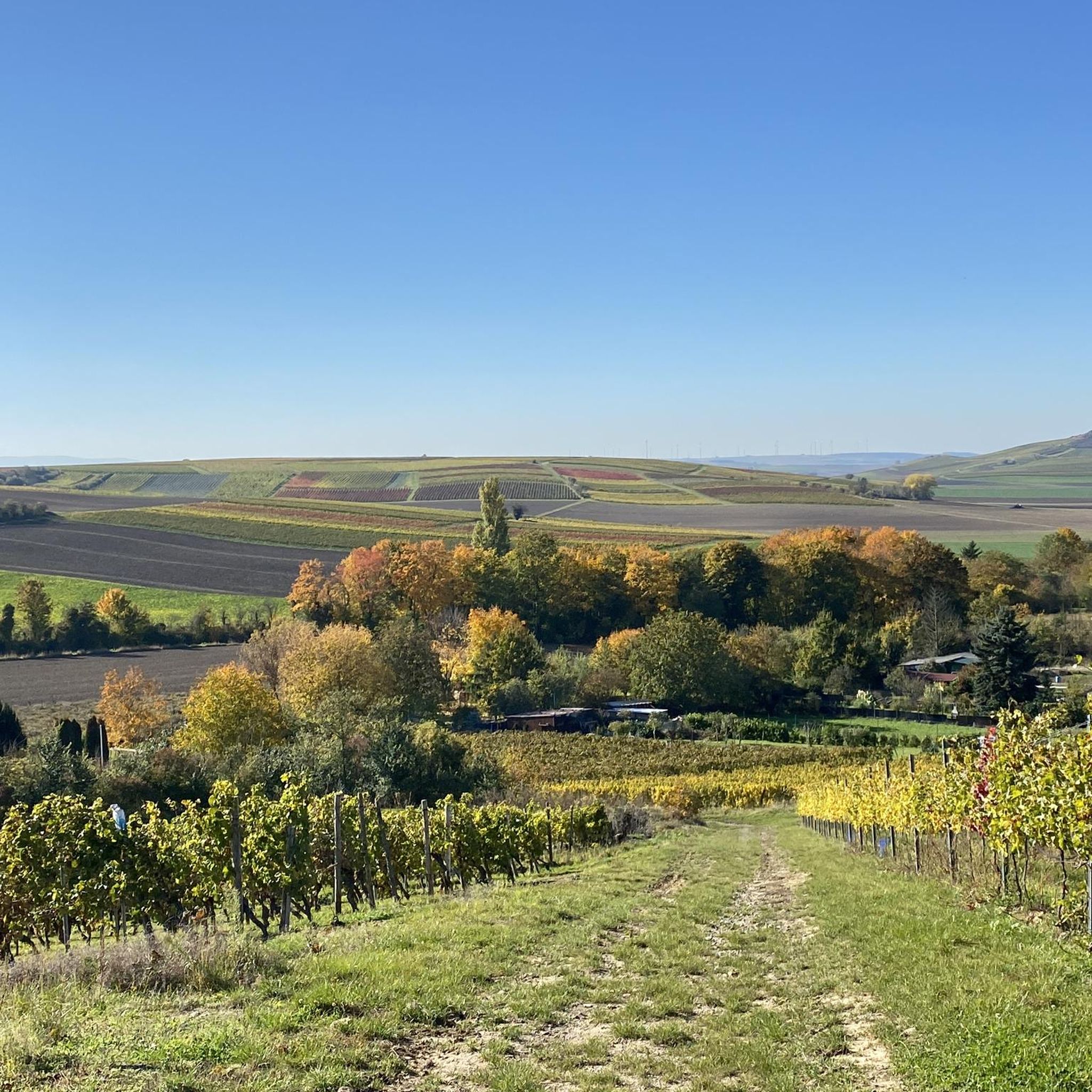
Here you can find information about Landskron Castle: https://de.m.wikipedia.org/wiki/Burg_Landskron_(Oppenheim)
7
0
Frequently Asked Questions
Which castles near Dolgesheim offer significant historical insights?
The Rheinhessen region, where Dolgesheim is located, is rich in historical castles. Beyond those mentioned in the guide's introduction, you can explore Leininger Castle in Guntersblum, which now serves as the town hall but has a history dating back to 1708. Further afield, but within the broader region, Eltz Castle stands out as a remarkably preserved medieval knight's castle, never destroyed and continuously owned by the same family for over 850 years. Marksburg Castle is another unique example, being the only medieval hilltop castle on the Middle Rhine that has never been ruined.
Are there family-friendly castles to visit around Dolgesheim?
Yes, several castles in the area are suitable for families. Alzey Castle is listed as family-friendly and offers a glimpse into a reconstructed Hohenstaufen imperial castle. Leininger Castle in Guntersblum is also noted as family-friendly. Exploring the ruins of Landskron Castle Ruins can also be an engaging activity for families, offering expansive views and space to explore.
What kind of views can I expect from the castles near Dolgesheim?
The castles around Dolgesheim offer diverse and impressive views. From Landskron Castle Ruins, you can enjoy expansive vistas over the Rhine plain, reaching as far as Frankfurt and the Odenwald on clear days. Schwabsburg Keep provides panoramic views after climbing its 106 steps. Further away, Cochem Castle offers stunning panoramic views of the Moselle River and surrounding vineyards, while Rheinstein Castle is known for its picturesque location and views of the Rhine Valley.
Are there hiking opportunities near the castles around Dolgesheim?
Absolutely. The Rheinhessen region offers numerous hiking trails that can be combined with castle visits. For example, you can find routes like the 'Silbersee Biotope loop from Dolgesheim' or the 'View of Gau-Odernheim loop from Dolgesheim' which provide opportunities to explore the natural surroundings. You can discover more hiking routes in the area by checking out the Hiking around Dolgesheim guide.
What is the best time of year to visit the castles in the Rheinhessen region?
The best time to visit the castles around Dolgesheim and in the broader Rheinhessen region is generally from spring to autumn (April to October). During these months, the weather is typically pleasant for exploring ruins and walking around castle grounds. Autumn is particularly beautiful with the changing colors of the vineyards. Some castles, like Eltz Castle, have specific opening seasons, so it's always good to check their individual websites for current information.
Can I visit castles near Dolgesheim using public transport?
While Dolgesheim itself is a smaller municipality, many towns with castles in the Rheinhessen region are accessible by public transport, primarily trains and buses. For castles like Landskron Castle Ruins in Oppenheim or Alzey Castle, you can often reach the nearby towns by train and then either walk or take a local bus to the castle. For more remote castles like Eltz or Marksburg, a combination of train and bus, or a car, might be necessary. It's advisable to check specific routes and schedules for each castle you plan to visit.
Are there any cycling routes that pass by castles near Dolgesheim?
Yes, the Rheinhessen region is popular for cycling, and many routes offer views of or pass close to historical sites. While specific routes directly linking multiple castles might require planning, you can find various cycling tours in the area. For example, the 'View of Oppenheim Cathedral – Graunsberghäuschen Picnic Area loop from Uelversheim' is an easy cycling route nearby. Explore more options in the Cycling around Dolgesheim guide.
What do visitors enjoy most about the castles around Dolgesheim?
Visitors frequently highlight the stunning views and the historical atmosphere. For instance, many appreciate the 'fantastic view of the castle ruins when the weather is nice' from Landskron Castle Ruins. The climb up Schwabsburg Keep is considered 'worthwhile' for its impressive vistas. The blend of medieval remnants and historically rebuilt fortresses, along with the scenic landscapes, makes these sites particularly appealing.
Are there any castles near Dolgesheim that are wheelchair accessible?
Yes, Leininger Castle in Guntersblum, which houses the town hall, is noted as wheelchair accessible. While many older castle ruins or keeps might have limited accessibility due to their historical structure and terrain, modern facilities or ground-level areas of some castles may be accessible. It's always recommended to check specific accessibility details for each castle beforehand.
Can I bring my dog to the castles or nearby trails?
Many outdoor areas and hiking trails around Dolgesheim and the Rheinhessen region are dog-friendly, provided dogs are kept on a leash. For castle interiors or specific historical sites, policies can vary. While you can likely walk dogs around the exterior grounds of many ruins like Landskron Castle Ruins, it's best to check individual castle rules regarding pets inside buildings or specific areas.
Are there cafes or restaurants near the castles for refreshments?
Yes, many towns surrounding the castles in the Rheinhessen region offer various dining options. For castles located near or within towns, such as Alzey Castle or Leininger Castle in Guntersblum, you'll find cafes, pubs, and restaurants within walking distance. Even for more remote castles, nearby villages often have options for refreshments. Rheinstein Castle, for example, even houses a restaurant within its premises.
How long should I plan for a visit to a castle near Dolgesheim?
The duration of a castle visit can vary significantly. For smaller ruins like Landskron Castle Ruins or Schwabsburg Keep, an hour or two might be sufficient to explore and enjoy the views. For larger, well-preserved castles like Eltz Castle or Cochem Castle, which offer guided tours, museums, and extensive grounds, you might want to allocate half a day or more to fully experience them.
Most popular routes around Dolgesheim
Most popular attractions around Dolgesheim

Get inspired with the komoot mobile app


Explore more
Looking for the best castles somewhere else? Discover other guides around Dolgesheim:
