Top 11 Castles around Weinolsheim
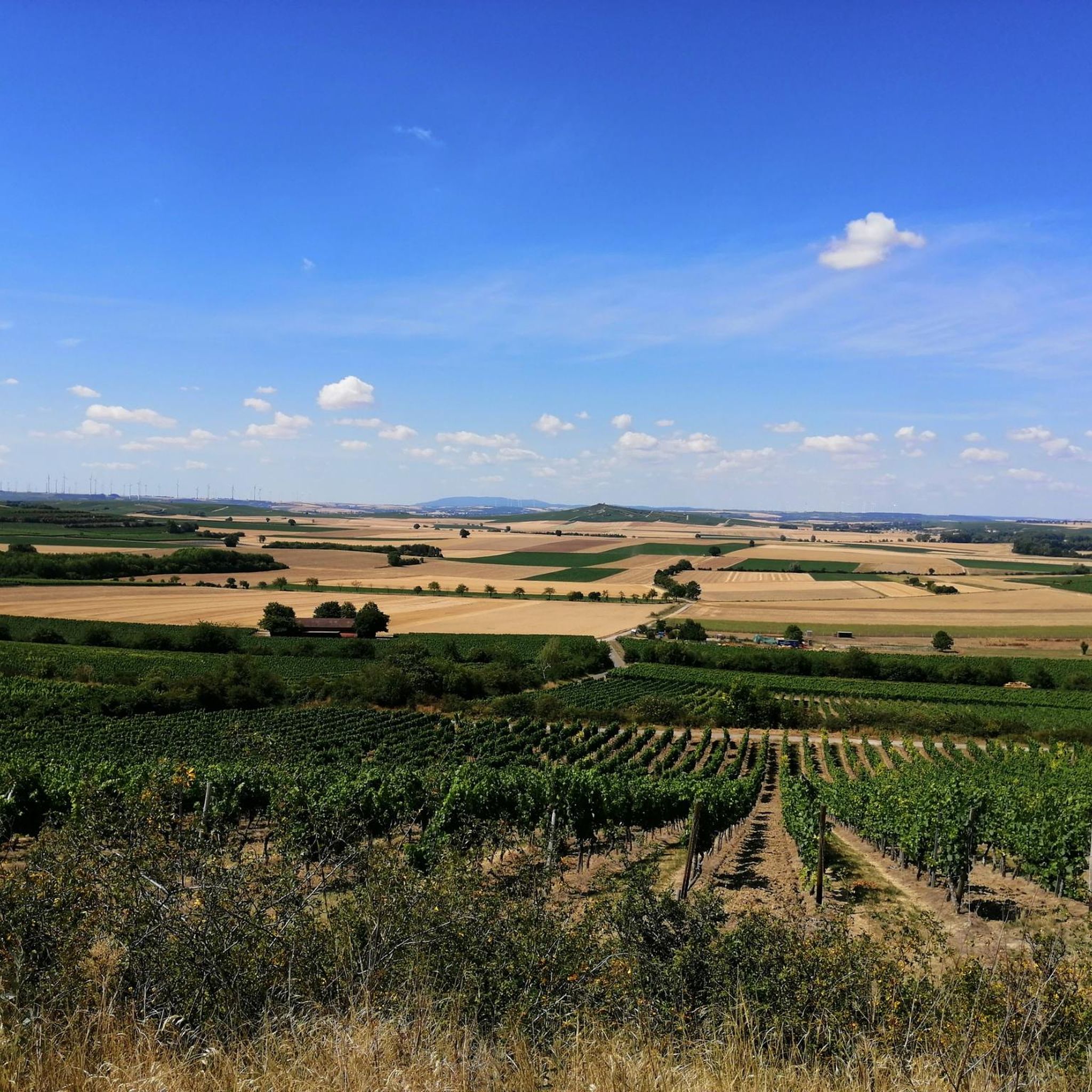
Best castles around Weinolsheim offer a journey through the rich history of Rheinhessen, Germany. This tranquil wine-growing village, while not home to traditional castles, features significant historical buildings like the Alte Bürgermeisterei, which once served various civic functions. The area is characterized by its wine-growing landscape and a deep historical past, evidenced by Roman discoveries and Frankish burial grounds. Visitors can explore a range of historical sites that provide insight into the region's heritage.
Best castles around Weinolsheim
- The most…
Last updated: October 4, 2026
Landskron Castle Ruins
Highlight • Castle
Showing Translation
Tip by

Königstuhl Lookout Tower
Highlight • Viewpoint
Translated by Google •
Tip by

Sign up now to discover places like this
Get recommendations on the best single tracks, peaks, & plenty of other exciting outdoor places.
Schwabsburg Keep
Highlight • Castle
Translated by Google •
Tip by

Leininger Castle
Highlight • Castle
Showing Translation
Tip by
Leininger Castle (1708) / Town Hall - Guntersblum 🚴
Highlight • Castle
Located in the town center, Leiningen Castle has a rich history. The shell was completed in 1708, but further expansion was …
Translated by Google •
Tip by

Sign up for free to discover even more castles around Weinolsheim.
Already have an account?
Start today with a free account
Your next adventure awaits.

Tips from the Community

Leiningen Castle, located in the town center, has a multifaceted past. The shell was completed in 1708, but no further expansion took place at first, as the then owner, Count Carl Ludwig von Leiningen-Dagsburg-Falkenburg, died in 1709. His wife, Countess Anna Sabina von Nostitz, sold the property to the Electorate of the Palatinate's Privy Council in 1717 due to financial difficulties. In the years that followed, the castle fell more and more into oblivion until 70 years later, in 1787, a member of the Leiningen family again became the owner. Count Wilhelm Carl zu Leiningen-Guntersblum renovated the impressive building and expanded it further for the purposes of the count's family. In 1833, the castle became the property of the municipality of Guntersblum and has been officially used as a town hall since 1834. Since 2014, an administrative office for the Rhein-Selz municipality has also been located in the building. The basement is also used as an event space. The area in front of the castle was originally designed as a sprawling castle park. Over time, this park was pushed back by various buildings; today a single fountain holds the position as a relic of bygone days. https://www.rheinhessen.de/a-leininger-schloss
2
0

The keep has been preserved and can be climbed. The upper (narrow) section is a bit dark, but the climb is worth it!
3
0

Here you can find information about Landskron Castle: https://de.m.wikipedia.org/wiki/Burg_Landskron_(Oppenheim)
7
0
History Before the Landskron Castle was built, a Salian or Staufen fortification probably stood in the same place, which was mentioned in 1118 as "praesidium" and was destroyed in the possession of King Henry V by troops of the Archbishop of Mainz, Adalbert. The castle itself was probably built at the beginning of the 13th century. The oldest surviving written mention of "Reichsburg Oppenheim" dates from 1244. This castle was destroyed in 1257 and 1275 by the citizens of Oppenheim in a dispute with the castle dwellers over their privileges. However, Rudolf von Habsburg forced the citizens to rebuild the castle by 1281. In 1375, Emperor Charles IV pawned the castle to Ruprecht of the Palatinate. Ruprecht accordingly had the castle expanded. He was followed by his grandson Ruprecht III as owner of the castle, who also died there. Elector Frederick V commissioned a palace-like renovation of the castle in 1615. The castle burned down in the Thirty Years' War during the Oppenheim town fire
8
0

From the imposing castle ruins, there is a great view over Oppenheim and the Rhine plain 👍 https://www.regionalgeschichte.net/rheinhessen/oppenheim/kulturdenkmaeler/burg-landskron.html
8
0

Doesn't look like a castle from the outside, but has a great history.
1
0

Today the town hall is located in the old castle of the Counts of Leiningen in Guntersblum.
3
0
Fantastic view of the castle ruins when the weather is nice.
10
0
Frequently Asked Questions
What historical sites can I explore in Weinolsheim itself, beyond traditional castles?
While Weinolsheim does not feature traditional castles, it offers a rich historical tapestry. You can visit the Alte Bürgermeisterei (Old Mayor's Office), a significant building from the Napoleonic era that has served various civic functions. The village also has historical churches, including the Gothic-Baroque Catholic Church of St. Peter and a Neo-Romanesque Protestant church. Additionally, Roman discoveries, such as a sarcophagus at Weingut Kolb and wall remains near St. Peter's Church, along with a Frankish burial ground, highlight the area's long history.
Which castle ruins near Weinolsheim offer the best views?
For panoramic views, visit Landskron Castle Ruins. From here, you can see across the Rhine plain, and on clear days, even as far as Frankfurt and the Odenwald. Another excellent spot is Schwabsburg Keep, which offers impressive views after climbing its 106 steps.
Are there any family-friendly castles or historical sites around Weinolsheim?
Yes, several sites are suitable for families. Landskron Castle Ruins is categorized as family-friendly. The Königstuhl Lookout Tower, also considered a castle, offers a nice view and loungers for relaxation, which can be enjoyable for families. Additionally, Leininger Castle in Guntersblum is also family-friendly and houses the town hall.
What kind of outdoor activities can I do near the castles around Weinolsheim?
The region around Weinolsheim is excellent for various outdoor activities. You can find numerous running trails, such as the 'Running loop from Uelversheim' or the 'Running loop from Weinolsheim'. For cyclists, there are road cycling routes like the 'Rail Trail Avenue Rhenish Hesse – Roter Hang Vineyard loop' and gravel biking options including the 'View of the Rhine – Roter Hang Nierstein loop'. You can explore more routes on the Running Trails around Weinolsheim, Road Cycling Routes around Weinolsheim, and Gravel biking around Weinolsheim guide pages.
Are there any accessible castles or historical sites for wheelchairs near Weinolsheim?
Yes, Leininger Castle in Guntersblum, which now serves as the town hall, is wheelchair accessible. This site allows visitors with mobility challenges to experience a historical building in the region.
What do visitors enjoy most about the castles and historical sites in this region?
Visitors frequently highlight the stunning views from sites like Landskron Castle Ruins and Schwabsburg Keep. The historical significance and the opportunity to explore remnants of past eras, combined with the beautiful wine-growing landscape, are also highly appreciated. Many enjoy the blend of history and nature, often combining visits with walks or bike rides.
Can I find cafes or other amenities near the castles around Weinolsheim?
While specific cafes directly adjacent to every ruin might be limited, the nearby towns and villages, such as Guntersblum where Leininger Castle is located, offer various dining options and amenities. It's advisable to check local listings for cafes and restaurants in the closest village to your chosen historical site.
What is the best time of year to visit the castles and historical sites around Weinolsheim?
The region is beautiful year-round, but spring and autumn are particularly pleasant for exploring, with mild weather ideal for walking and cycling through the vineyards. Summer offers warm days, perfect for enjoying the views, though it can be busier. Even in winter, sites like Landskron Castle Ruins are noted by visitors as being worthwhile, especially on clear days.
Are there any lookout towers or viewpoints that are also considered castles in the area?
Yes, the Königstuhl Lookout Tower is a popular viewpoint that is also categorized as a castle. It offers excellent views of the surrounding area and includes loungers for relaxation, making it a pleasant stop during your exploration.
How long should I plan for a visit to the castles and historical sites near Weinolsheim?
The duration of your visit depends on the site. For castle ruins like Landskron Castle Ruins or Schwabsburg Keep, you might spend 1-2 hours exploring and enjoying the views. If you're visiting a site like Leininger Castle, which is now a town hall, it might be a shorter stop. To fully appreciate the historical context and surrounding landscape, consider combining a visit with a walk or bike ride.
Can I bring my dog to the castles and historical sites around Weinolsheim?
Many outdoor historical sites and castle ruins, especially those with walking paths, are generally dog-friendly, provided dogs are kept on a leash. For specific indoor attractions or active town halls like Leininger Castle, it's best to check individual site regulations beforehand. The surrounding hiking and walking trails are typically welcoming to dogs.
Most popular routes around Weinolsheim
Most popular attractions around Weinolsheim

Get inspired with the komoot mobile app


Explore more
Looking for the best castles somewhere else? Discover other guides around Weinolsheim:
