Top 9 Castles around Womrath
Castles around Womrath offer a rich historical landscape within the Hunsrück region of Rhineland-Palatinate, Germany. This area features a variety of medieval fortifications, from well-preserved ruins to reconstructed castles. Visitors can explore historical sites that provide insights into the region's past. The natural surroundings, including the Hahnenbachtal and Hunsrück plateau, complement these historical landmarks.
Best castles around Womrath
- The most popular castles is Koppenstein Tower and Ruins, a castle and watchtower that offers panoramic views of the Hunsrück plateau.…
Last updated: October 10, 2026
Schmidtburg Castle Ruins
Highlight • Castle
Translated by Google •
Tip by

Hellkirch Ruins
Highlight • Historical Site
Translated by Google •
Tip by

Sign up now to discover places like this
Get recommendations on the best single tracks, peaks, & plenty of other exciting outdoor places.
Koppenstein Tower and Ruins
Highlight • Castle
Translated by Google •
Tip by

Celtic Settlement Altburg
Highlight • Historical Site
Opening hours:
Easter until 31st of October, daily from 11.00 - 16.00, without break
Guided tours several times a day.
Further information is available from the local community Bundenbach, Tel .: 06544 - 92 72
sgoerner.de/bundenbach/keltensiedlung.html
Translated by Google •
Tip by

Dill Castle Ruins
Highlight • Castle
Translated by Google •
Tip by

Sign up for free to discover even more castles around Womrath.
Already have an account?
Start today with a free account
Your next adventure awaits.
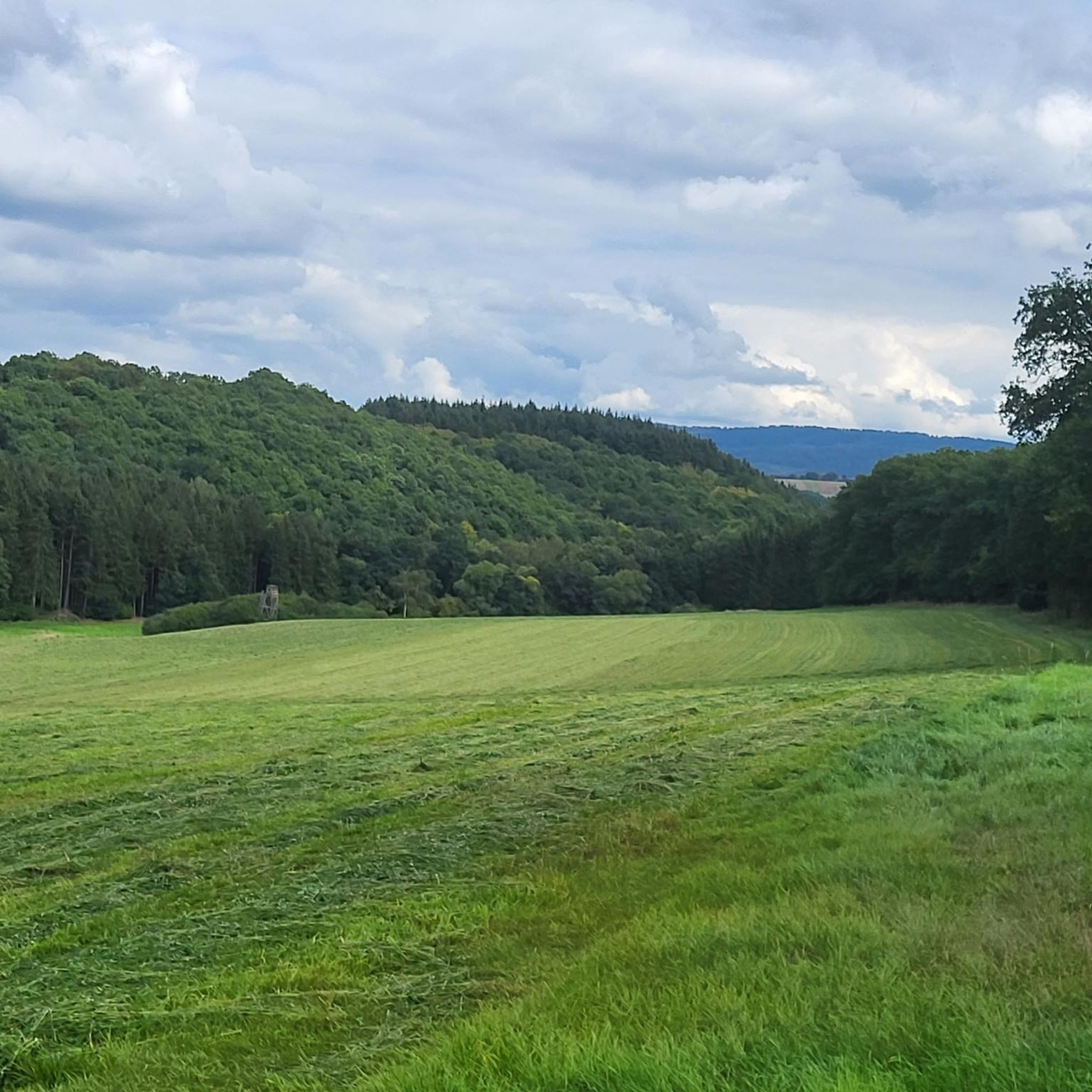
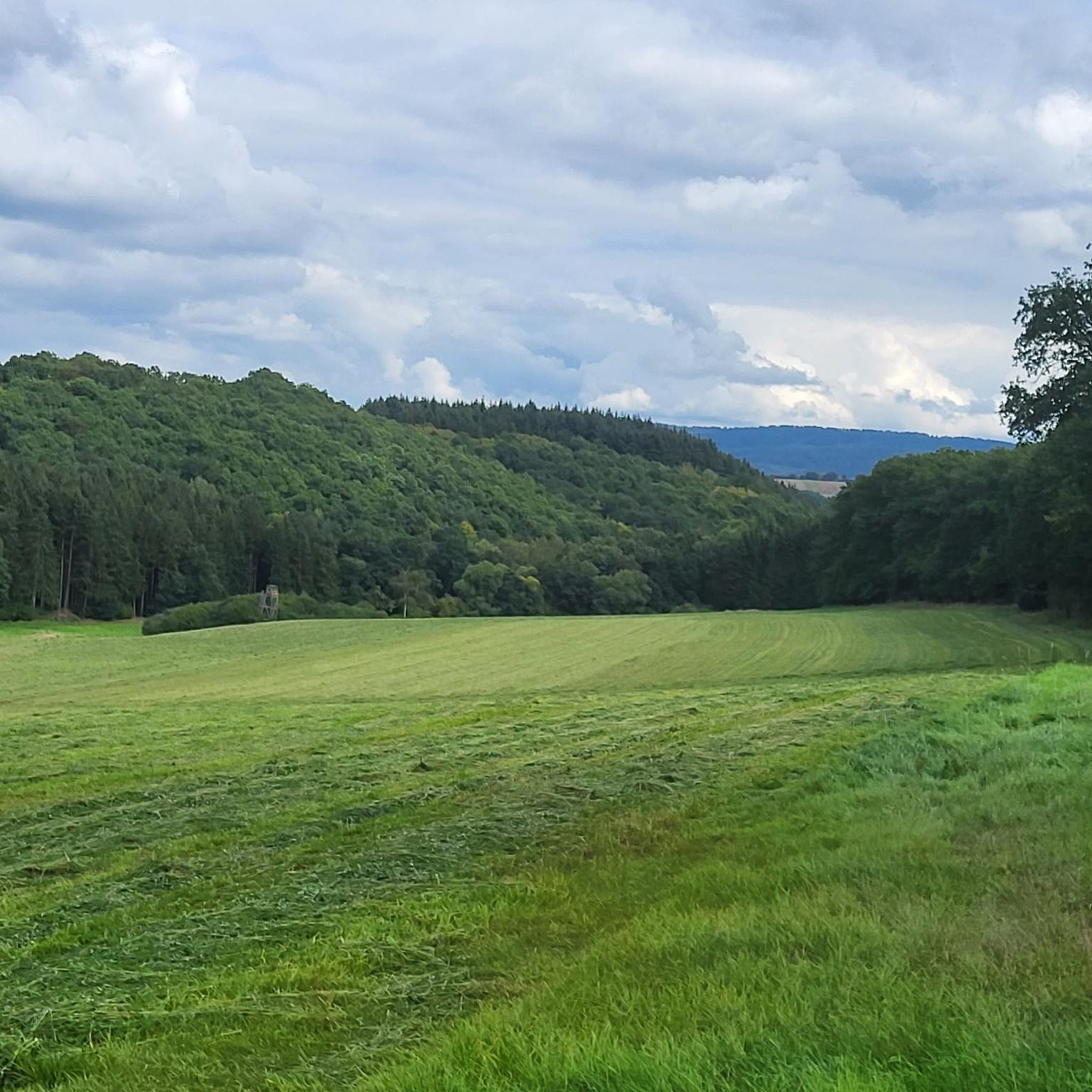
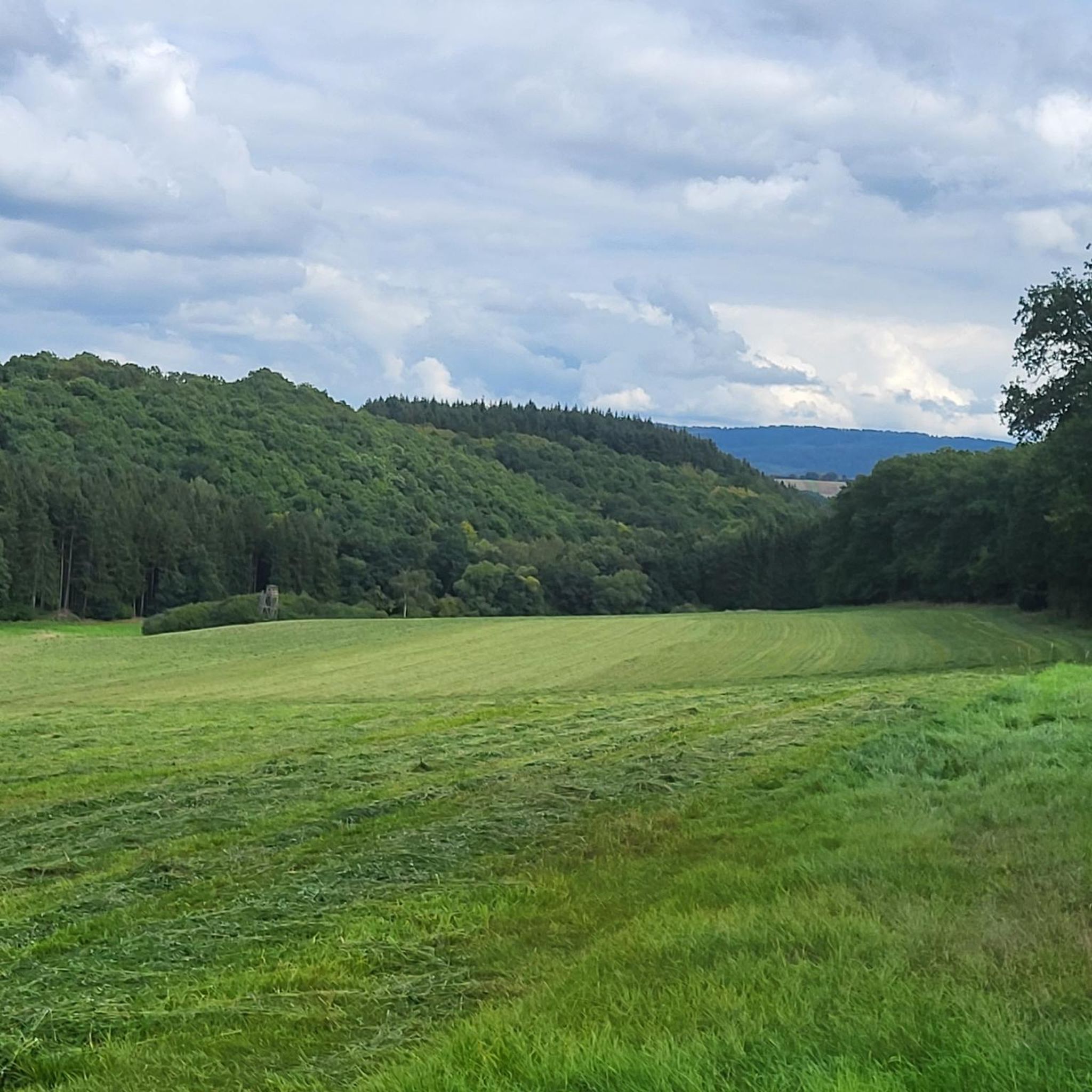
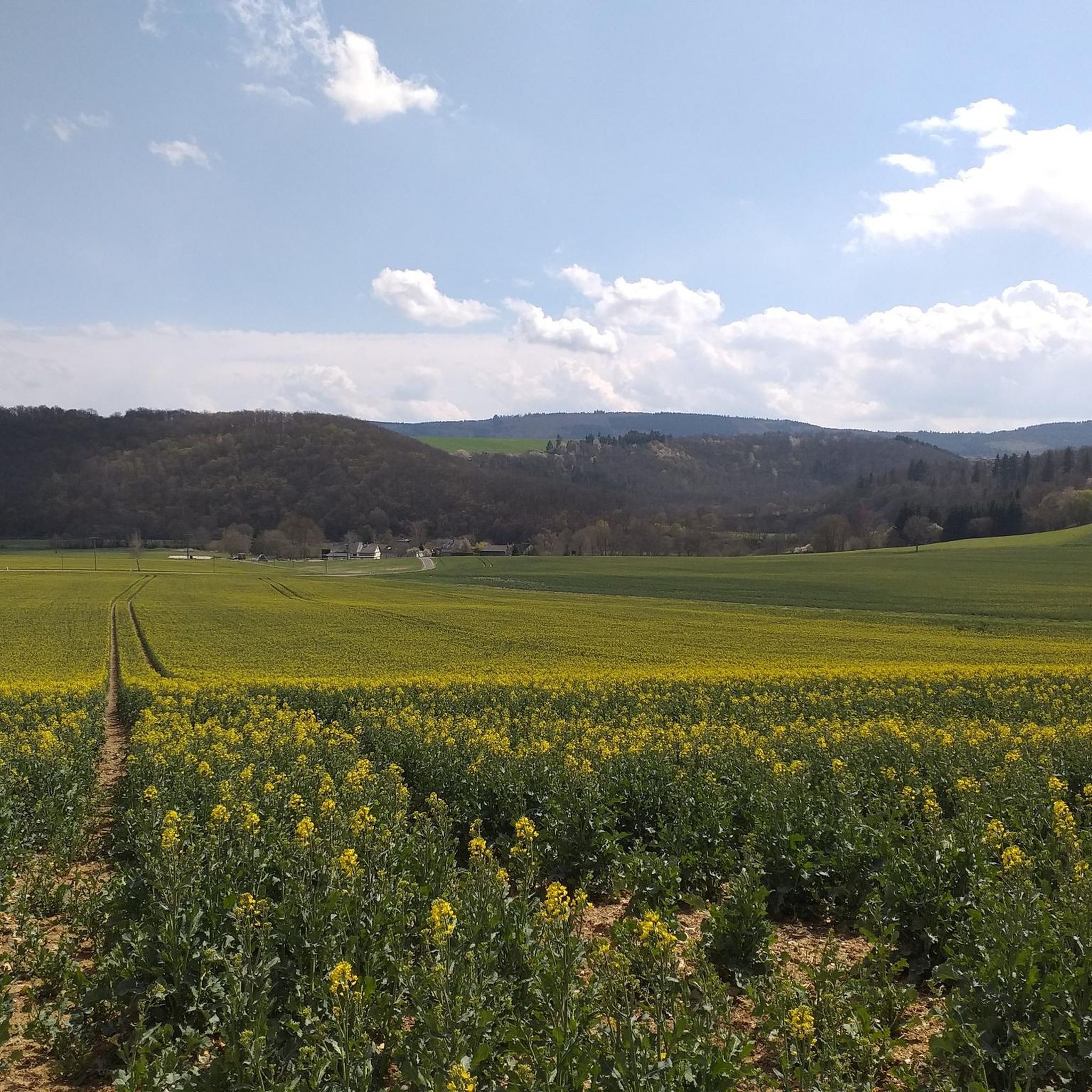

Tips from the Community

Impressive and somewhat mystical ruins along the way
3
0
A really beautiful and impressive facility with informative explanatory panels
3
0

This exciting castle ruin is begging to be explored. A destination for numerous visitors.
28
1
Small ruins on the hill with a great view. Benches invite you to take a break.
31
2

Nice castle ruins, there is not much left, but still worth a detour
3
0

Dill Castle is a ruin. The Spornburg sits on a mountain spur above the Dillerbach, in the middle of the 200 soul town of Dill in the Hunsrück. It was probably built in the 11th century, and Adalbert von Dill Graf von Mörsberg (County of Sponheim) is said to be the founder. During the War of the Palatinate Succession in 1697, the castle was destroyed by a French army. The town of Dill was spared.
2
0
The town, which has a population of 200, is the start and finish of the Diller Castle Trail dream loop. The town itself has beautiful half-timbered houses. The church is also worth seeing, as are the castle ruins. Nobody needs to go thirsty here, because there is a rest area in front of the castle entrance and you can get self-service drinks at fair prices in the old weighing house. And if you've had too much to drink, you can relieve yourself in the well-maintained toilet facilities about 100 meters away.
2
0

You can enjoy a break at the picnic table and (wobbly) benches here
1
0
Frequently Asked Questions
What types of castles and historical sites can I explore around Womrath?
The Womrath area features a variety of historical structures, including well-preserved ruins, watchtowers, and even a reconstructed Celtic settlement. You can find medieval fortifications like Koppenstein Tower and Ruins, the extensive Schmidtburg Castle Ruins, and the intriguing Hellkirch Ruins. Additionally, the Celtic Settlement Altburg offers a glimpse into ancient history.
Are there any family-friendly castle sites near Womrath?
Yes, the Celtic Settlement Altburg is noted as family-friendly, offering history to touch. While not a castle, it provides an engaging historical experience. Many castle ruins, like Dill Castle Ruins, are also suitable for families to explore, often with seating for breaks.
Which castles offer the best panoramic views?
For breathtaking panoramic views of the Hunsrück plateau, climb the 16-meter high keep at Koppenstein Tower and Ruins. The Hellkirch Ruins also offer a scenic viewpoint with benches for resting.
Can I camp overnight at any of the castle ruins?
Yes, you can experience a unique overnight stay at the Schmidtburg Castle Ruins. It features an official trekking site where you can set up camp within the castle foundations. Reservations are required and can be made through the Schneppenbach local authority.
What outdoor activities can I combine with a visit to these castles?
The region around Womrath is excellent for outdoor activities. You can find numerous hiking trails, such as the Soonwaldsteig which passes by Schmidtburg Castle Ruins. There are also dedicated guides for hiking, mountain biking, and road cycling around Womrath, offering routes of varying difficulty.
Are there any castles with significant historical importance beyond the Womrath area?
While focusing on Womrath, the broader Rhineland-Palatinate region boasts castles of immense historical significance. For example, Trifels Castle near Annweiler is famous for having imprisoned Richard the Lionheart and for housing the Imperial Regalia of the Holy Roman Empire. You can learn more about its history on Wikipedia.
What is the best time of year to visit the castles around Womrath?
The Hunsrück region, where Womrath is located, is beautiful throughout the warmer months, typically from spring to autumn. This period offers pleasant weather for exploring the ruins and enjoying the surrounding hiking trails. Visiting in winter can also be atmospheric, but some paths might be more challenging.
Are there any well-preserved palaces or grander castles in the wider region?
Yes, if you're looking for a grander, well-preserved palace, Benrath Palace in Düsseldorf is a notable example of late Baroque architecture. It features a pink exterior, extensive gardens, and houses multiple museums. It's considered Düsseldorf's most important architectural work of art. More information can be found on nrw-tourism.com.
What should I wear for castle walks and explorations in the Womrath area?
Given that many sites are ruins and involve walking on trails, it's recommended to wear comfortable, sturdy footwear suitable for uneven terrain. Layered clothing is also advisable to adapt to changing weather conditions, especially if you plan to hike or spend extended time outdoors.
What are the difficulty levels of the walks to these castles?
Many of the castle sites, like Koppenstein Tower and Ruins and Schmidtburg Castle Ruins, are accessible via intermediate trails. Some, like Hellkirch Ruins, might involve slightly more challenging sections. Always check specific route details if you have concerns about difficulty.
What makes the <a href="https://www.komoot.com/highlight/5156985" target="_blank" rel="noopener">Dill Castle Ruins</a> special?
The Dill Castle Ruins are a charming site with historical significance, having been acquired by the municipality and made publicly accessible since May 2021. There are plans to develop a premium hiking trail around it, and the nearby village of Dill offers a historically grown town center with lovingly restored half-timbered houses.
Most popular routes around Womrath
Most popular attractions around Womrath

Get inspired with the komoot mobile app


Explore more
Looking for the best castles somewhere else? Discover other guides around Womrath:
