Attractions and Places To See in Ikara-Flinders Ranges National Park - Top 3
Best attractions and places to see in Ikara-Flinders Ranges National Park include a diverse array of natural features, significant cultural sites, and historical points of interest. Located approximately 400 kilometers north of Adelaide, this vast and rugged landscape is co-managed by the Adnyamathanha people and the Department for Environment and Water. The park encompasses dramatic mountain ranges, ancient gorges, and the iconic natural amphitheater of Wilpena Pound.
Best attractions and places to see in Ikara-Flinders Ranges National Park
- The most…
Last updated: July 5, 2026
Wilpena Pound
Highlight • Natural Monument
Translated by Google •
Tip by

Hills Homestead
Highlight • Historical Site
Tip by

Sign up now to discover places like this
Get recommendations on the best single tracks, peaks, & plenty of other exciting outdoor places.
Sign up for free
Lower Lookout
Highlight • Viewpoint
Tip by
Wangarra Lookout
Highlight • Viewpoint
Tip by
Ikara–Flinders Ranges National Park
Highlight • Natural
Tip by

Sign up for free to discover even more attractions in Ikara-Flinders Ranges National Park.
Sign up for free
Already have an account?
Start today with a free account
Your next adventure awaits.
Login or Signup
Popular around Ikara-Flinders Ranges National Park
Tips from the Community

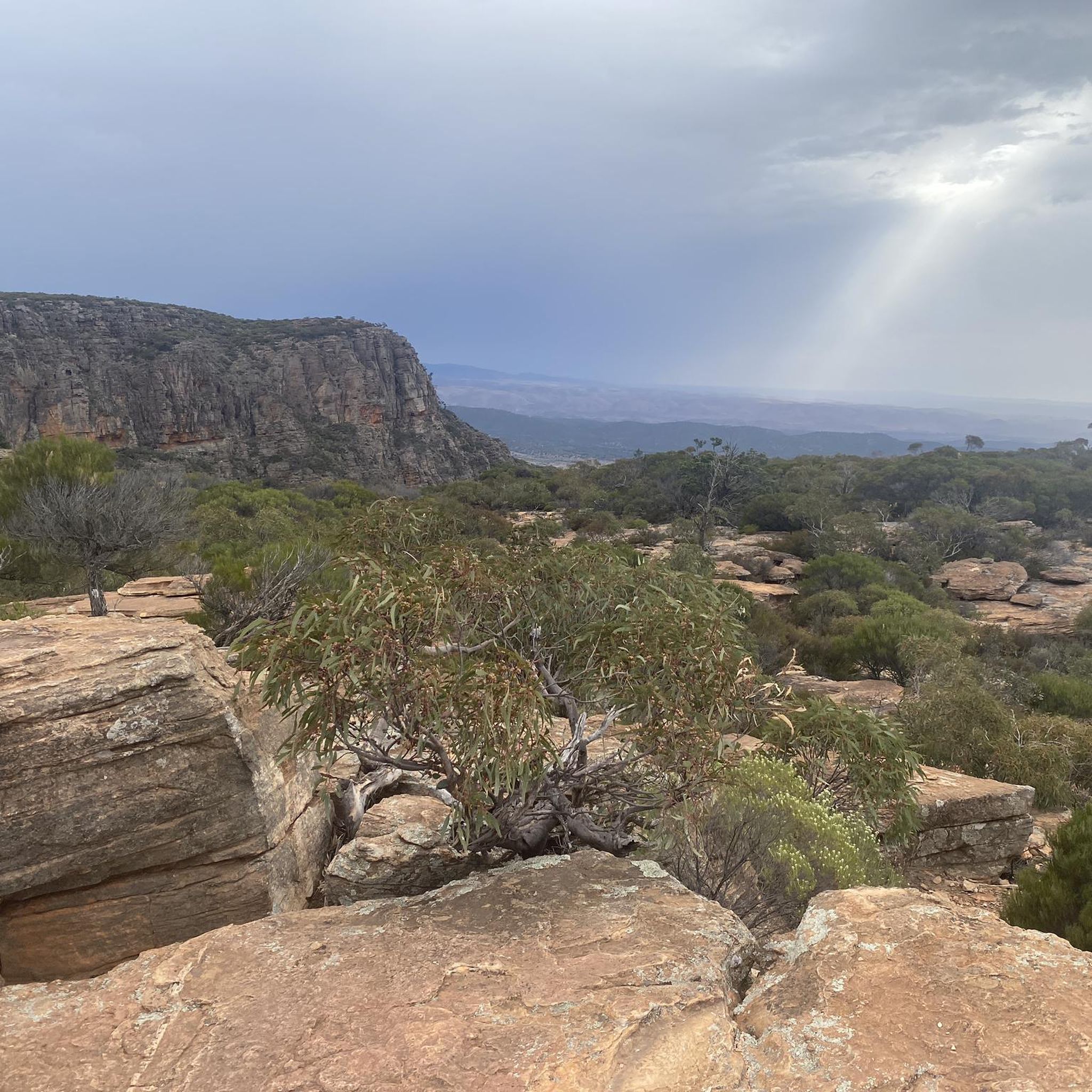
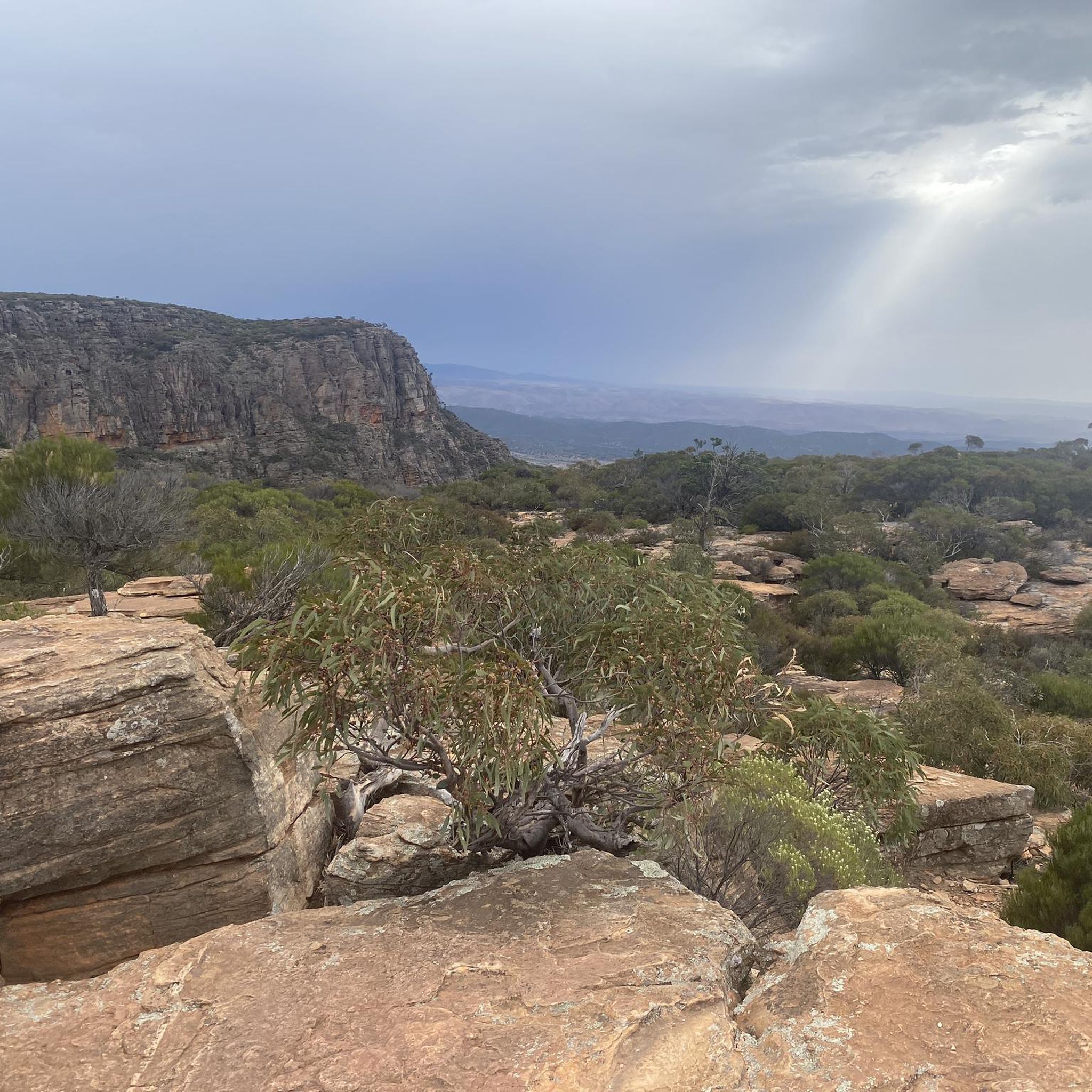
Wangarra Lookout sits at the end of Wangarra Lookout track, and provides awesome views from all sides. Walk up onto the metal lookout platform for true 360 views. Keep an eye out for wild goats, kangaroos, and emus that roam this bush.
0
0
Lower Lookout provides great views over the red dirt Ikara-Flinders Ranges National Park. This viewpoint sits just 300 meters past Hills Homestead and is an easier climb than Wangarra Lookout.
0
0
Hills Homestead is a restored, historic settler's cottage built between 1899 and 1914. Nowadays visitors can't go inside, but there is quite a bit to read up on outside with interpretive signage. This site is a great place for a break on a bushwalk, as there are also picnic tables and toilets.
0
0

Ikara-Flinders Ranges National Park is an area rich with natural and human history. The park encompasses over 95,000 hectares, protecting Bunyeroo Gorge, Heysen Range, and the beautiful natural amphitheater of Ikara Wilpena Pound. Visitors can enjoy hiking, mountain biking, camping, visiting Perawurtina cultural heritage sites, or simply enjoying the awe inspiring sunsets. With so much to see and do, it's easy to find something for everyone.
0
0


Flinders Ranges National Park, Wilpena Pound & Rawsley Park is located in the Flinders Ranges & Outback area of South Australia. The Flinders Ranges is the largest mountain range in the Red Continent, stretching 430km from Port Pirie in the south to Lake Callabonna and Mount Hopeless in the north. Before you drive the great nature reserve, however, you pass after 35 kilometers the place Rawsley Park and the Rawsley Park Station, which is located at the foot of Wilpena Pound.
3
0
Frequently Asked Questions
What are the most iconic natural attractions in Ikara-Flinders Ranges National Park?
The centerpiece of the park is Wilpena Pound (Ikara), a vast, sickle-shaped natural amphitheater. You can also explore impressive gorges like Brachina Gorge, known for its geological trail, and Bunyeroo Gorge, offering scenic drives and walks. The park also features the rugged Heysen Range and unique rock formations.
Are there any historical sites to visit in the park?
Yes, the park is rich in history. You can visit Hills Homestead, a restored settler's cottage from the early 20th century, which offers interpretive signage and is a great spot for a break. Old Wilpena Station, a former pastoral station, also provides insight into the area's past and holds cultural significance for the Adnyamathanha people.
Where can I find the best panoramic views in Ikara-Flinders Ranges National Park?
For breathtaking vistas, head to Wangarra Lookout, which offers true 360-degree views from its metal platform. Lower Lookout also provides great views over the red dirt landscape and is an easier climb. Other notable viewpoints include Tanderra Saddle, Razorback Lookout, and Stokes Hill Lookout.
What kind of wildlife can I expect to see?
The park is home to diverse wildlife. Keep an eye out for the iconic yellow-footed rock-wallaby, western grey kangaroos, red kangaroos, and emus. Birdwatchers can spot various species, including wedge-tailed eagles. Many visitors report seeing wild goats, kangaroos, and emus, especially around areas like Wangarra Lookout.
Are there family-friendly activities available?
Absolutely! The park offers a range of activities suitable for families. Easy walking trails, such as the Arkaroo Rock loop, are great for all ages. Exploring historical sites like Hills Homestead can be educational and fun. Scenic drives through areas like Bunyeroo Gorge also provide enjoyable experiences for the whole family.
What are the best hiking trails near the main attractions?
There are numerous hiking opportunities. For moderate walks, consider the Wilpena Pound – Hills Homestead loop or the Tanderra Saddle – Wilpena Pound loop. If you're looking for an easier option, the Arkaroo Rock – Sacred Rock Art Site loop from Arkaroo Rock Carpark is a great choice. You can find more details on these and other trails in the Hiking in Ikara-Flinders Ranges National Park guide.
Can I go mountain biking in the park?
Yes, the park offers excellent mountain biking opportunities. The Mawson Trail, along with various fire access trails, provides fantastic routes with spectacular views. These trails allow you to explore the rugged landscape on two wheels.
What cultural heritage sites are there to explore?
The park is rich in Aboriginal heritage. Significant sites include Arkaroo Rock (Akurra Adnya), which features ancient ochre and charcoal rock paintings depicting creation stories. Sacred Canyon offers Aboriginal rock carvings, often accessible with a guide. The Perawurtina Cultural Heritage Site is another important location for viewing Aboriginal art and learning about the Adnyamathanha people's deep connection to the land.
What geological features can I observe?
Ikara-Flinders Ranges National Park is a geological marvel. The Brachina Gorge Geological Trail takes you through 650 million years of Earth's history. You can also find stromatolites in the Precambrian Trezona Formation at Enorama Creek and visit the state-heritage-listed Impact Ejecta Horizon Late Precambrian Shales Geological Site. The sheer scale of Wilpena Pound itself is a dramatic geological formation.
What do visitors enjoy most about Ikara-Flinders Ranges National Park?
Visitors frequently highlight the awe-inspiring sunsets, the rich natural and human history, and the opportunity to spot diverse wildlife like kangaroos and emus. Many appreciate the chance to explore the vast landscapes through hiking and scenic drives, often finding a sense of peace and wonder in the rugged beauty of the Outback.
What is the best time of year to visit Ikara-Flinders Ranges National Park?
The cooler months from April to October are generally considered the best time to visit. During this period, temperatures are more moderate, making outdoor activities like hiking and exploring more comfortable. The spring months (September-October) can also bring wildflowers to the landscape.
Most popular routes in Ikara-Flinders Ranges National Park

Get inspired with the komoot mobile app


Explore more
Still not found the Highlight you’re looking for? See guides of the top attractions in other regions:
