Top 20 Castles around Sommerloch
Castles around Sommerloch provide insight into the region's history, set within varied natural landscapes. The area features historically significant castles, often perched on dramatic rock formations or nestled in valleys. These sites offer panoramic views of the surrounding Nahe Valley, forests, and rivers. The region's past is reflected in these structures, ranging from medieval ruins to sites with modern architectural integrations.
Best castles around Sommerloch
- The most popular castles is Rheingrafenstein Castle Ruins, a castle that offers mega panoramic…
Last updated: August 17, 2026
Rheingrafenstein Castle Ruins
Highlight • Castle
Enjoy the nature!
Translated by Google •
Tip by

Ebernburg Castle
Highlight • Castle
Great distant view to the ruins of Rheingrafenstein and Altenbaumburg.
Today it houses a conference center of the Protestant church.
Translated by Google •
Tip by

Sign up now to discover places like this
Get recommendations on the best single tracks, peaks, & plenty of other exciting outdoor places.
Sign up for free
Dalburg castle ruins
Highlight • Castle
Translated by Google •
Tip by

Kauzenburg Castle Ruins
Highlight • Castle
Translated by Google •
Tip by

Stromberg Old Town and Snake Tower
Highlight • Historical Site
Translated by Google •
Tip by

Sign up for free to discover even more castles around Sommerloch.
Sign up for free
Already have an account?
Start today with a free account
Your next adventure awaits.
Login or Signup

Tips from the Community

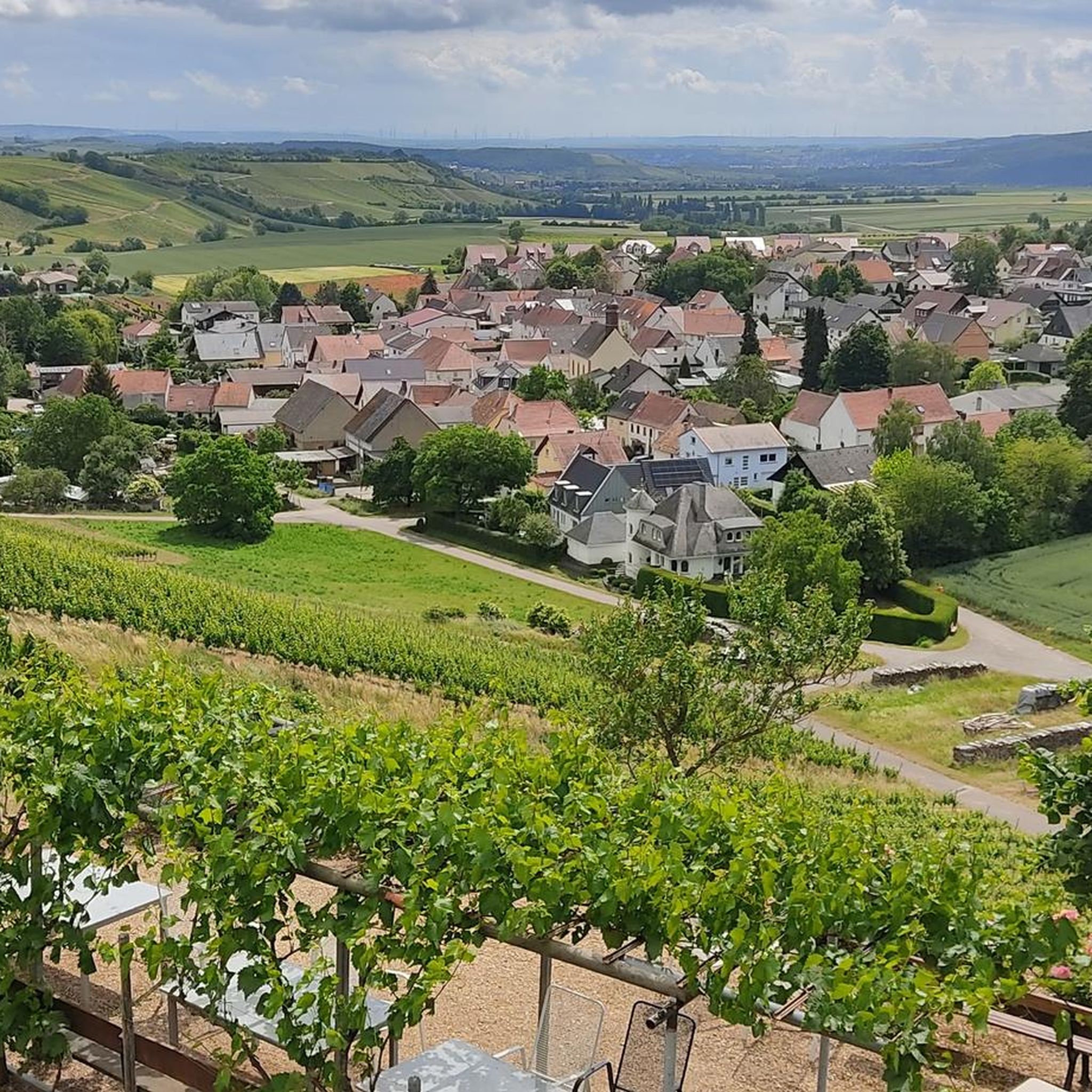
Beautiful place, beautiful village
0
0

Kauzenburg Castle was built around 1200 for the Counts of Sponheim. The small town of Bad Kreuznach, with its ring of walls, grew up around the castle. Over the centuries, the castle expanded into a veritable fortress with a palace. It reached its greatest extent around 1650. Powerful outworks were built around the palace. The great era of Kauzenburg came to an abrupt end when French troops, during the War of Conquest, blew it up in 1689 and burned it to the ground, leaving only the cellar standing. It wasn't until the 19th century that a kind of "manor house"—a grand bourgeois country estate—was built on the site of the ruins. This had to make way in the early 1970s when the architect Gottfried Böhm combined the remaining ruins with a new architectural design reminiscent of castle battlements—a style also used elsewhere. For a long time, the surviving vaulted cellar served as the venue for popular medieval banquets. The restaurant closed a few years ago; today, a catering service leases the premises and offers it for events. Anyone walking around the grounds and the castle can still get a sense of its former grandeur.
0
0

This castle is located above Bad Kreuznach. Restaurant with vaulted cellar available
0
0

Beautifully located hotel above the city, which was architecturally developed from the ruins of the castle.
1
0

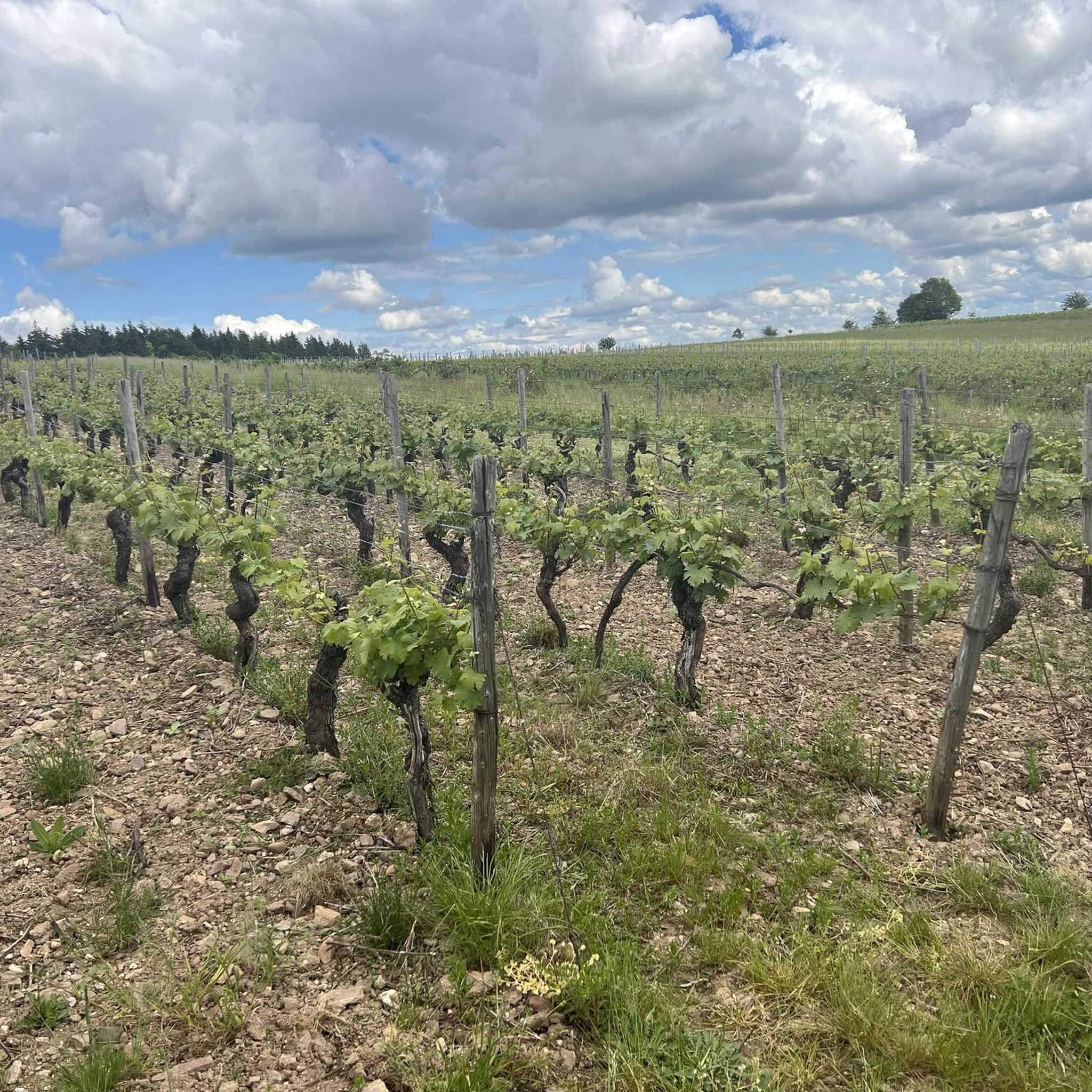
The small town of Stromberg is also known as the gateway to the Nahe, Rhine, and Hunsrück rivers, as well as the town of the German Michel. Stromberg offers plenty of variety: a golf course, the Stromberg Flowtrail, hiking and biking trails, and castles await visitors and locals alike.
1
0
The Kauzenburg is the ruin of a hilltop castle in Bad Kreuznach in the district of Bad Kreuznach in Rhineland-Palatinate. The Kauzenburg was the residence of the front county of Sponheim. The castle was first mentioned in a document in 1206, in which King Philip of Swabia forbade the construction of a castle. From 1206 to 1230 the first castle was built by Count Gottfried III. († 1218) and Johann I of Sponheim († 1266). In 1417 the castle was divided between the Counts of Sponheim and the Elector and Count Palatine Ludwig III. 1437 was followed by another division under the Heidelberg Count Palatine Ludwig IV, Friedrich III. von Veldenz and the Margrave of Baden. In 1444 Stefan von Pfalz-Simmern-Zweibrücken followed as heir to the Veldenz share. In the Palatinate War between 1450 and 1470, the Margrave lost his share. Elector Philip expanded the castle. In 1503 Baden became a co-owner again. Source: Wikipedia In 1620 the Spanish Marquis Spinola conquered Kreuznach and the castle, which he fortified until 1632. In 1632, during the Thirty Years' War, the Swedish king conquered the castle. In 1635 the imperial troops took over the town and castle. In 1639, the French under General Duc Henri II d'Orléans-Longueville (1595-1663) recaptured the castle and in 1641 the Imperials under Gil de Haes took over the fortress. After the Peace of Westphalia, the castle fell to Baden and the Palatinate. For the first time, the castle was referred to as "Veste Kauzenburg". The French under General Louis-François de Boufflers (1644-1711) conquered the castle in 1688, blew it up and burned down the building.
3
0

It's worth a visit here, an association is trying to maintain it and you can see that. Wonderful castle that I like very much
3
1

Impressive complex, embedded in a beautiful setting. Great hiking opportunities.
2
0
Frequently Asked Questions
What kind of historical sites can I expect to see at the castles around Sommerloch?
The castles around Sommerloch offer a glimpse into centuries of history, ranging from medieval ruins to sites with modern architectural integrations. You'll find remnants of defensive walls, vaulted cellars, and tower foundations, showcasing the region's past. Some castles, like Dalburg castle ruins, were never destroyed by war, offering a more authentic view of their original structure.
Which castles around Sommerloch offer the best panoramic views?
For breathtaking panoramic views, Rheingrafenstein Castle Ruins is highly recommended. Perched on a 136-meter-high porphyry rock, it offers mega views down into the Huttental, Bad Münster, the Rotenfels, and the Kreuznacher forest. Kauzenburg Castle Ruins also provides spectacular vistas over the Nahe Valley and the town of Bad Kreuznach.
Are there family-friendly castles or activities near Sommerloch?
While many castles are ruins, the exploration itself can be an adventure for families. The ascent to Rheingrafenstein Castle Ruins, often involving a hand-pulled ferry crossing, can be an exciting experience. The Stromberg Old Town and Snake Tower highlight is also listed as family-friendly, offering a historical town experience.
Are there hiking opportunities near the castles around Sommerloch?
Yes, the castles are often integrated into scenic hiking routes. The ascent to Rheingrafenstein Castle Ruins is a popular hiking destination, rewarded with magnificent views. You can find various hiking trails in the region, including those starting from the Huttental after crossing the Nahe river by ferry. For more options, explore the hiking guides around Sommerloch.
What other outdoor activities can I do near the castles?
Beyond hiking, the area around Sommerloch offers diverse outdoor activities. You can find numerous routes for cycling and gravel biking. For example, there are routes like 'Vineyards, Nahe valley and the Rotenfels around Bad Kreuznach' for gravel biking, or 'Burg Gutenburg Ruins – View of Gutenberg Castle Ruins' for cycling. Explore more options in the gravel biking, cycling, and road cycling guides around Sommerloch.
What is the best time of year to visit the castles around Sommerloch?
The castles are generally accessible year-round. Spring and autumn offer pleasant temperatures for hiking and exploring the ruins, with vibrant natural scenery. Summer provides longer daylight hours, ideal for extended visits. Even in winter, the ruins can offer a unique, serene experience, though some paths might be more challenging.
Are there dining options or cafes near the castles?
Yes, Kauzenburg Castle Ruins houses a restaurant, providing a unique dining experience with spectacular views over the Nahe Valley. Additionally, the historical vaulted cellars at Kauzenburg occasionally host medieval banquets. For other options, you'll find cafes and pubs in nearby towns like Bad Kreuznach and Bad Münster am Stein-Ebernburg.
How long should I plan for a visit to a castle ruin?
The duration of a visit can vary. For extensive ruins like Dalburg castle ruins, which invite exploration of their well-preserved foundations, you might spend 1-2 hours. For Rheingrafenstein Castle Ruins, factor in the adventurous ascent and the time to enjoy the panoramic views, which could easily take 2-3 hours including travel to the site.
Are the castles around Sommerloch accessible by public transport?
Access to some castles, like Rheingrafenstein Castle Ruins, often involves a combination of public transport to nearby towns (e.g., Bad Münster am Stein-Ebernburg) followed by a ferry crossing and a hike. For others, reaching them might require a car or a longer walk from the nearest public transport stop. It's advisable to check local transport schedules for specific castle locations.
What makes the Dalburg Castle Ruins unique among the castles in the region?
Dalburg castle ruins are unique because they were never destroyed by war, unlike many other castles in the region. Its current state is a result of natural decay, offering a more authentic glimpse into its original structure. You can explore well-preserved foundations, sturdy round towers, and the ruins of a palace, including two support pillars that once carried a water pipe.
What do visitors particularly enjoy about the castles in this region?
Visitors frequently praise the stunning panoramic views offered by castles like Rheingrafenstein Castle Ruins and Kauzenburg Castle Ruins. The adventurous ascents, the historical insights provided by the ruins, and the integration of these sites into beautiful natural landscapes are also highly appreciated. The komoot community has shared over 2400 photos, highlighting the visual appeal of these historical sites.
Are there any castles that blend medieval ruins with modern elements?
Yes, Kauzenburg Castle Ruins above Bad Kreuznach is a prime example. After its destruction in 1689, it underwent significant rebuilding and modernization in the 20th century. Renowned architect Gottfried Böhm integrated bold, cubist elements using glass, metal, and wine-red colors into the historic stonework, creating a distinctive architectural blend.
Most popular routes around Sommerloch
Most popular attractions around Sommerloch

Get inspired with the komoot mobile app


Explore more
Looking for the best castles somewhere else? Discover other guides around Sommerloch:
