The best cycling routes in Crace Grassland Nature Reserve
4.6
(59)
2,168
riders
160
rides
Touring cycling in Crace Grassland Nature Reserve offers routes through open grasslands and along urban fringes, providing a mix of natural and developed landscapes. The area is characterized by its native grassy ecosystems and gently undulating terrain, making it suitable for various cycling abilities. Riders can expect views of the surrounding Canberra region and its natural features. The reserve's pathways connect to broader cycling networks, allowing for extended exploration.
Best touring cycling routes in Crace Grassland Nature Reserve
- The most…
Last updated: July 4, 2026
5.0
(1)
131
riders
56.5km
03:20
310m
310m
Moderate bike ride. Good fitness required. Mostly paved surfaces. Suitable for all skill levels.
5.0
(1)
43
riders
51.6km
03:14
470m
470m
Hard bike ride. Very good fitness required. Mostly paved surfaces. Suitable for all skill levels.

Sign up for free
5.0
(1)
44
riders
Moderate bike ride. Good fitness required. Mostly paved surfaces. Suitable for all skill levels.
37
riders
44.7km
02:40
300m
300m
Moderate bike ride. Good fitness required. Mostly paved surfaces. Suitable for all skill levels.
29
riders
Moderate bike ride. Good fitness required. Mostly paved surfaces. Suitable for all skill levels.
Get access to more routes and recommendations from other explorers.
Sign up for free
Already have an account?
Our route recommendations are based on thousands of hikes, rides, and runs completed by other people on komoot.
Start today with a free account
Your next adventure awaits.
Login or Signup

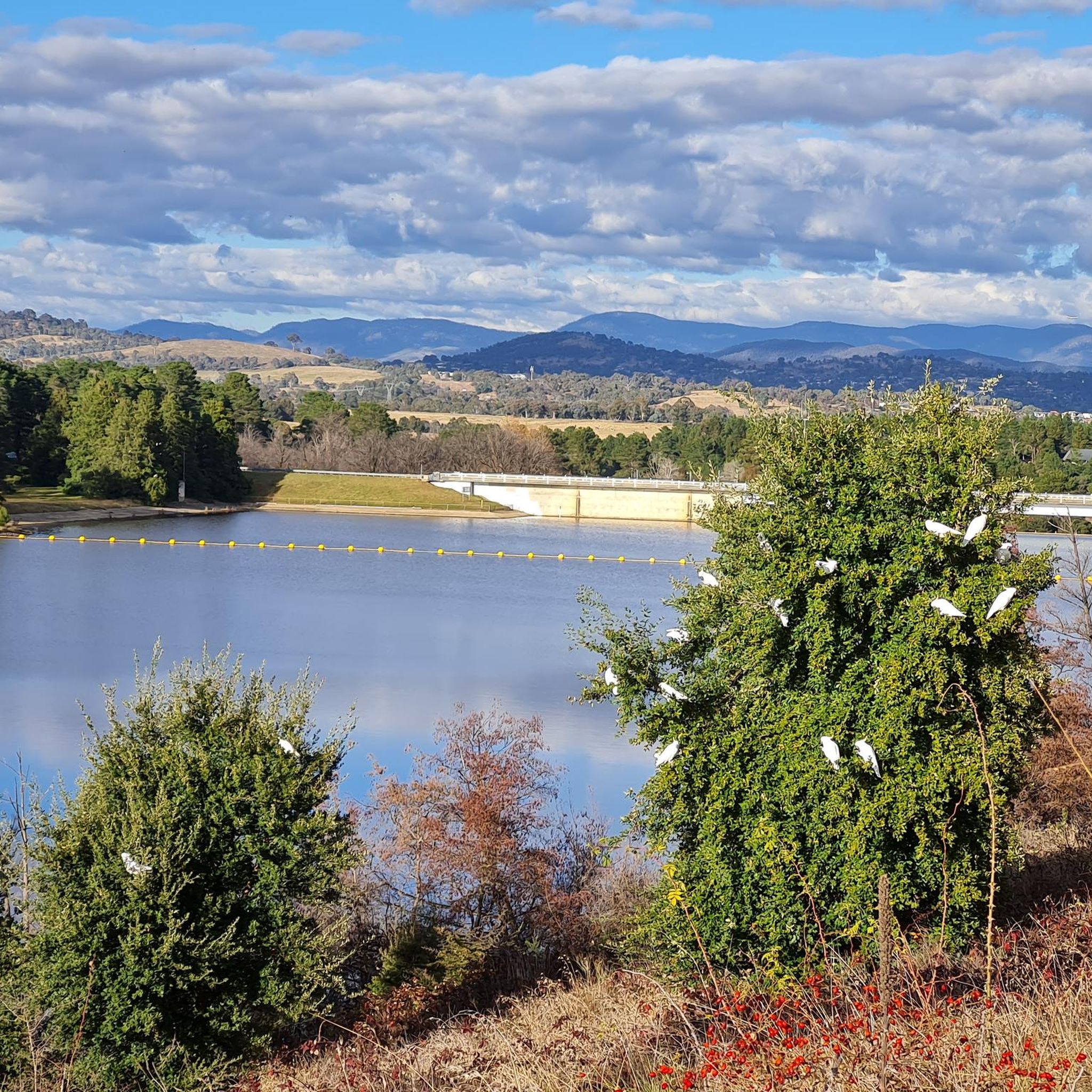


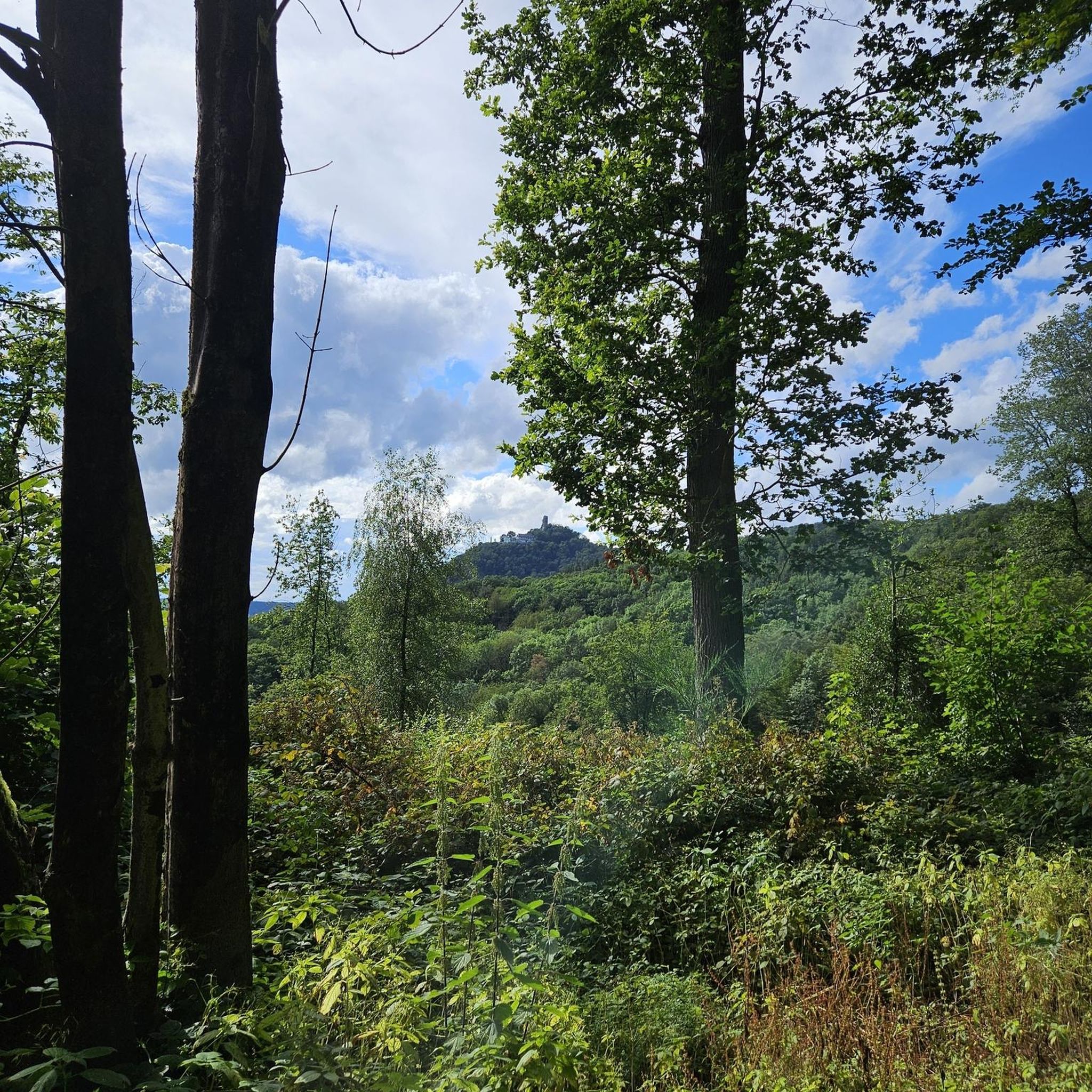
Tips from the Community

Mount Ainslie Nature Reserve covers 637 hectares of native bushland on Canberra's northeast edge, adjacent to Mount Majura Nature Reserve. There is a network of shared trails that wind through eucalypt forest, leading to beautiful views of Lake Burley Griffin and the city from the summit. Aside from the popular trails, the reserve also protects critically endangered grassy woodlands and diverse habitats that support threatened birds, rare plants, and native wildlife.
0
0

The Captain James Cook Memorial commemorates Captain James Cook's first sighting of the East Coast of Australia. Aside from the globe sculpture, the giant water jet is part of the memorial. This jet shoots about six tons of water 152 metres at random times.
1
0
The Commonwealth Bridge is the major road crossing over Lake Burley Griffin, carrying six lanes of traffic plus a shared foot and cycle path between Canberra’s city centre and the Parliamentary Zone. It is an integral element of the lake’s heritage landscape, with beautiful views across the Molonglo River. The river runs roughly 115 kilometres from the Great Dividing Range through New South Wales into the Australian Capital Territory, where the Scrivener Dam impounds its waters to form Lake Burley Griffin. Historically rich in native fish and culturally important to local Aboriginal peoples, the river continues beyond Canberra to join the Murrumbidgee River as part of the larger Murray–Darling basin.
0
0
Yarralumla Bay District Park sits on the southern foreshore of Lake Burley Griffin, between Orana Bay and Blue Gum Point, with a sandy beach and designated areas for swimming, paddling, boating, and other water sports. The park includes shaded picnic areas right along the lake’s cycleway/walkway and has launching ramps, piers, and clubhouses for sailing and rowing activities. It is a popular spot for year-round lakeside walking and water‑based recreation.
0
0
The East Basin is part of Lake Burley Griffin, spanning from the Kings Avenue Bridge towards the Jerrabomberra Wetlands and Dairy Flat. While walking or biking around East Basin, there are often rowers, windsurfers, dragon boaters, and stand-up paddleboarders on the water.
0
0
The National Carillon sits on Queen Elizabeth II Island, a memorial dedicated to the same queen for her relationship with Australia. This huge tower stands 50 meters tall, with 57 bronze bells inside, and it is lit up at night.
0
0


Frequently Asked Questions
What kind of touring cycling difficulty can I expect in Crace Grassland Nature Reserve?
Crace Grassland Nature Reserve offers a diverse range of touring cycling routes suitable for various skill levels. You'll find over 60 easy routes, more than 80 moderate options, and around 20 difficult trails. Easy routes typically feature gently undulating terrain, while difficult paths, such as the Oldfields Lane Dirt Descent loop from Dickson Interchange, include more challenging sections with notable elevation changes.
Are there family-friendly touring cycling routes in Crace Grassland Nature Reserve?
Yes, the reserve's gently undulating terrain and network of pathways make it suitable for family-friendly touring cycling. Many of the easy and moderate routes are ideal for families looking for a pleasant ride through open grasslands and urban fringes. These routes often connect to broader cycling networks, providing safe and accessible options.
Can I bring my dog on the touring cycling trails in Crace Grassland Nature Reserve?
Crace Grassland Nature Reserve is a protected area, and regulations regarding dogs can vary. Generally, dogs are not permitted on nature reserve trails to protect native wildlife and ecosystems. It's always best to check the latest local government or park authority guidelines before planning your ride with a dog.
What is the best season for touring cycling in Crace Grassland Nature Reserve?
The best seasons for touring cycling in Crace Grassland Nature Reserve are typically spring and autumn. During these times, the weather is mild and pleasant, making for comfortable rides. Summer can be quite hot, while winter mornings can be chilly, though cycling is possible year-round with appropriate clothing.
Are there any circular touring cycling routes in Crace Grassland Nature Reserve?
Yes, many of the touring cycling routes in Crace Grassland Nature Reserve are designed as loops, allowing you to start and finish at the same point. An example is the National Carillon – James Cook Memorial loop from EPIC and Racecourse, which offers a comprehensive tour of the area's landmarks.
What are the typical durations for touring cycling routes in the reserve?
Route durations vary significantly based on distance and difficulty. For instance, a moderate route like the Lake Burley Griffin – Forest Singletrack Trail loop from Dickson Interchange, covering about 36 miles (58 km), typically takes around 3 hours and 26 minutes. Shorter, easier routes will naturally take less time, while more challenging or longer routes will require more time.
Where can I find parking for touring cycling trails in Crace Grassland Nature Reserve?
While specific parking areas for each trail are not detailed here, routes often start from accessible points like the EPIC (Exhibition Park in Canberra) or Dickson Interchange, which typically have parking facilities. It's advisable to check the starting point of your chosen route on komoot for specific parking recommendations.
What kind of wildlife might I spot while cycling in Crace Grassland Nature Reserve?
Crace Grassland Nature Reserve is known for its native grassy ecosystems, which support a variety of wildlife. While cycling, you might spot various bird species, including native parrots and raptors, as well as kangaroos and other small marsupials, especially during quieter times of the day.
What do other touring cyclists enjoy most about Crace Grassland Nature Reserve?
The komoot community highly rates touring cycling in Crace Grassland Nature Reserve, with an average score of 4.6 stars from over 50 reviews. Cyclists often praise the reserve's open grasslands, the mix of natural and urban fringe landscapes, and the well-connected pathways that allow for extensive exploration of the Canberra region.
Are there any cafes or refreshment stops near the touring cycling routes?
While Crace Grassland Nature Reserve itself is a natural area, its proximity to urban fringes and Canberra's city center means there are cafes and refreshment stops readily available in nearby suburbs. Routes often start or pass through areas like Dickson, which offer various dining options for pre or post-ride refreshments.
How many touring cycling routes are available in Crace Grassland Nature Reserve?
There are over 170 touring cycling routes available in Crace Grassland Nature Reserve, offering a wide variety of options for different preferences and skill levels. This extensive network ensures there's always a new path to explore, from easy rides to more challenging adventures.
Are there any routes that connect to broader cycling networks outside the reserve?
Yes, the pathways within Crace Grassland Nature Reserve are well-integrated and connect to broader cycling networks in the Canberra region. This allows touring cyclists to extend their rides beyond the reserve's boundaries, exploring more of the surrounding area and its attractions. An example is the BentSpoke Brewing Co. – James Cook Memorial loop from Dickson Interchange, which ventures into the wider urban landscape.
Most popular routes in Crace Grassland Nature Reserve

Get inspired with the komoot mobile app


Explore more
Browse the best Cycling routes in other regions.
