Top 17 Castles around Nackenheim
Best castles around Nackenheim offer a glimpse into the rich history of the Rhine-Hesse area. This region is characterized by its vineyards, the Rhine plain, and historical fortifications. Visitors can explore various historical sites, from medieval keeps to Renaissance palaces. The area provides opportunities for exploring historical architecture amidst scenic landscapes.
Best castles around Nackenheim
- The most popular castles is Landskron Castle Ruins, a castle that offers views over the Rhine plain, extending to Frankfurt and the Odenwald on clear days. These are the remains of a 16th-century castle, with only parts of the original structure remaining.
- Another must-see spot is Schwabsburg Keep, a medieval castle from the 13th century. Its 22-meter-high tower remains and serves as an excellent lookout point to observe the vineyards and orchards of the region.
- Visitors also love Rüsselsheim Fortress, a historical site with a museum focusing on industrial history. The fortress includes historical buildings, a cafe, and a local history association within its inner courtyard.
- Nackenheim is known for castle ruins, medieval keeps, and fortresses. The region offers a variety of historical fortifications to see and explore.
- The castles around Nackenheim are appreciated by the komoot community, with more than 1000 upvotes and over 1100 photos shared.
Last updated: June 22, 2026
Mainz Railway Bridge
Highlight • Bridge
Translated by Google •
Tip by

Landskron Castle Ruins
Highlight • Castle
Translated by Google •
Tip by

Sign up now to discover places like this
Get recommendations on the best single tracks, peaks, & plenty of other exciting outdoor places.
Sign up for free
Königstuhl Lookout Tower
Highlight • Viewpoint
Translated by Google •
Tip by

Schwabsburg Keep
Highlight • Castle
Translated by Google •
Tip by

Rüsselsheim Fortress
Highlight • Castle
Translated by Google •
Tip by

Sign up for free to discover even more castles around Nackenheim.
Sign up for free
Already have an account?
Start today with a free account
Your next adventure awaits.
Login or Signup

Tips from the Community

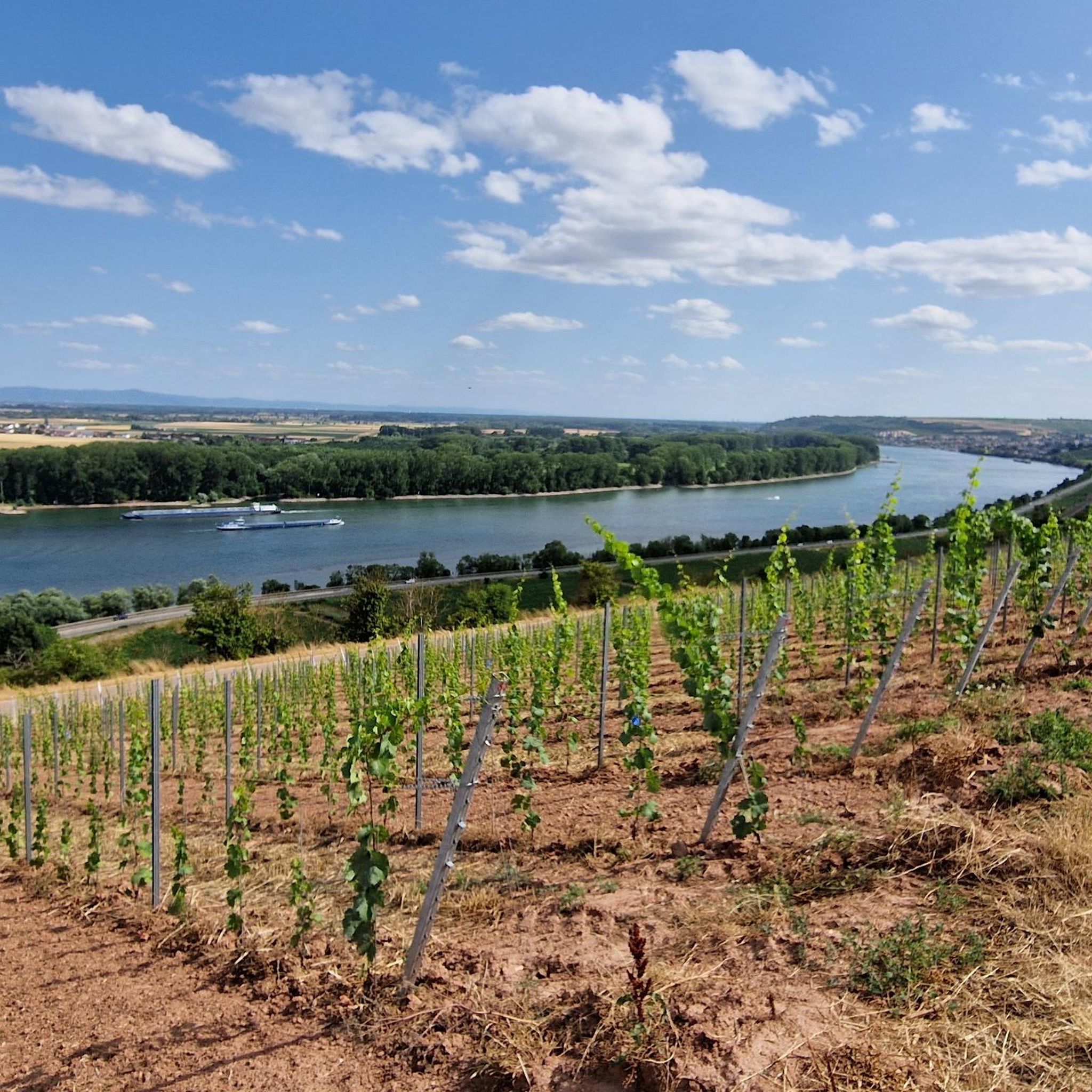
The Mainz South Bridge (also known as the Mainz-South Railway Bridge, and at times as the Mainz-Gustavsburg Railway Bridge) is a railway bridge on the Mainz–Frankfurt railway line, spanning the Rhine at river kilometer 496.4 and connecting Mainz in Rhineland-Palatinate with Gustavsburg in Hesse. A footbridge attached to the north side of the bridge allows pedestrians and cyclists to cross the river.
14
1

The keep has been preserved and can be climbed. The upper (narrow) section is a bit dark, but the climb is worth it!
3
0

Here you can find information about Landskron Castle: https://de.m.wikipedia.org/wiki/Burg_Landskron_(Oppenheim)
7
0
story Before Landskron Castle was built, there was probably a Salic or Hohenstaufen fortification on the same site, which was owned by King Henry V and destroyed in 1118 by troops of Archbishop Adalbert of Mainz. The castle itself was probably built in the early 13th century. The oldest surviving written mention of the "Reichsburg Oppenheim" comes from 1244. This castle was destroyed in 1257 and 1275 by the citizens of Oppenheim in a dispute with the Burgmannen over their privileges. However, Rudolf von Habsburg forced the citizens to rebuild the castle by 1281. In 1375 Emperor Charles IV pledged the castle to Ruprecht von der Pfalz. Accordingly, Ruprecht had the castle expanded. He was succeeded by his grandson Ruprecht III. as the owner of the castle, who also died there. In 1615, Elector Frederick V had the castle rebuilt like a palace. The castle burned down in the Thirty Years' War during the town fire in Oppenheim
8
0

The Rüsselsheim Fortress and the surrounding area are worth a visit. To get a good overview, it is worth walking around the fortress three times. First via the street An der Festung above the moat, then inside the moat and finally via the ramparts inside the fortress. The Wallanlage is open Tuesday to Thursday from 10 a.m. to 4 p.m. The ramparts offer a good view of the surrounding area. In the inner courtyard of the fortress there are historical buildings, a museum on the industrial history of Rüsselsheim, a cafe and the local history association.
18
2
This hiking highlight (section) also points to a tour through the fortress moat. One round is recommended. In addition to some benches, the well-preserved ramparts are visible. Only the foundations of the towers are visible, as they were blown up by the French in 1689. In winter and when it is wet, the moat can be uncomfortably cold and damp compared to the surrounding area.
15
0

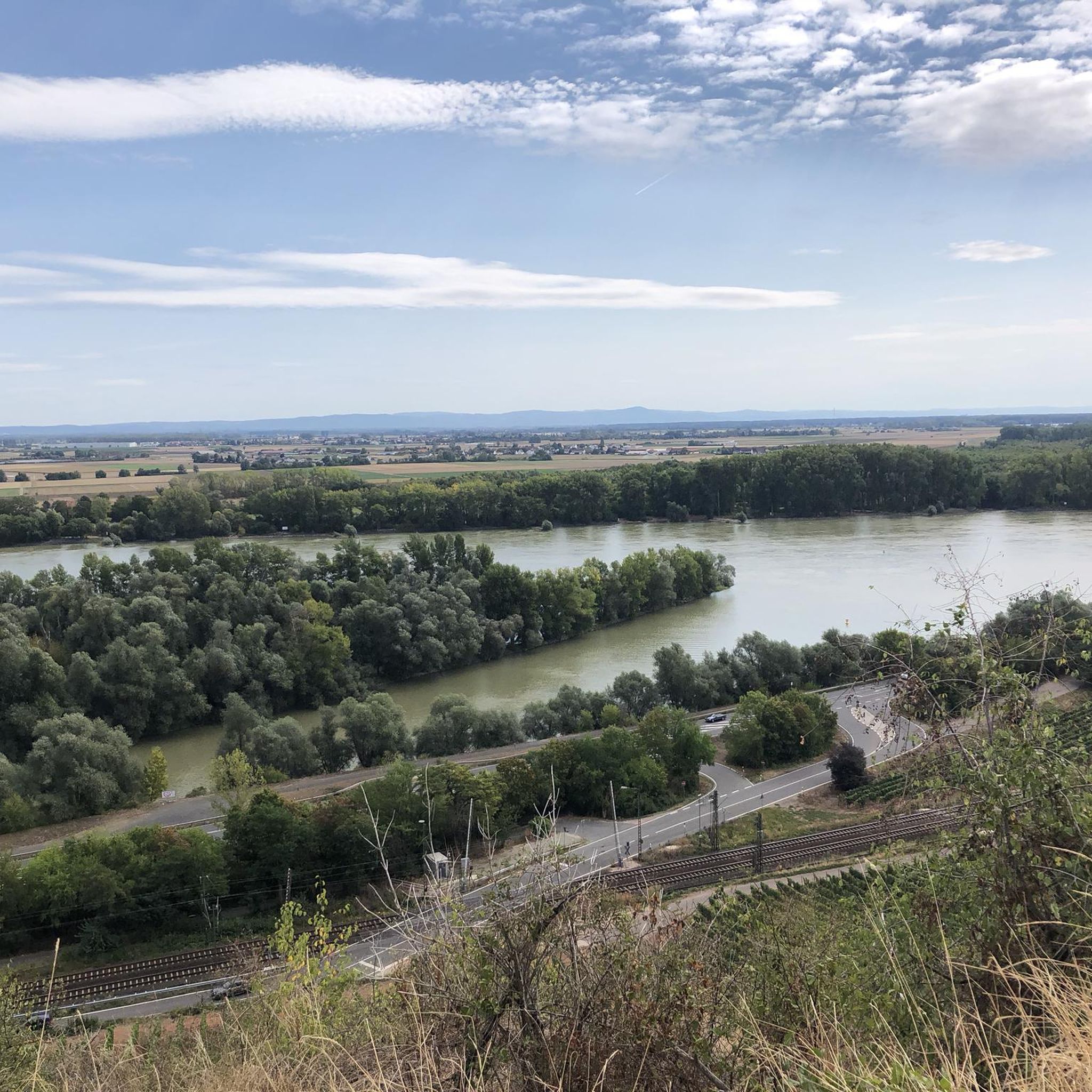
From the impressive castle ruins you have a great view over Oppenheim and the Rhine plain 👍 https://www.regionalgeschichte.net/rheinhessen/oppenheim/kulturdenkmaeler/burg-landskron.html
8
0

A special place of experience and at the same time a natural recreation destination is located between the city center and the Main: the Rüsselsheim Fortress. Everything you need to know about this can be found here: https://www.main-ruesselsheim.de/See-und-erleben/See-sights/that-muss-man-see/2-ruesselsheimer-festung/3858/
4
0
Frequently Asked Questions
What are some of the most historically significant castles to visit around Nackenheim?
The region offers several historically significant sites. The Landskron Castle Ruins, for instance, are the remains of a 16th-century castle built on the site of an even older fortification dating back to the 13th century. Another notable site is the Schwabsburg Keep, a medieval castle from the 13th century that was destroyed during the Thirty Years' War. For a grander structure, the Electoral Palace in Mainz, built between 1628 and 1752, is a significant example of late Renaissance architecture.
Are there family-friendly castles to visit near Nackenheim?
Yes, several castles are suitable for families. The Landskron Castle Ruins are considered family-friendly and offer great views. Rüsselsheim Fortress is also family-friendly, featuring historical buildings, a museum, and a cafe within its courtyard, making it an engaging visit for all ages. The Electoral Palace in Mainz is another option, often hosting events and housing a museum.
Which castles offer the best views of the surrounding landscape?
For panoramic views, the Landskron Castle Ruins are highly recommended. From here, you can see across the Rhine plain, and on clear days, even as far as Frankfurt and the Odenwald. The 22-meter-high tower of the Schwabsburg Keep also provides an excellent lookout point over the region's vineyards and orchards. Additionally, the ramparts of Rüsselsheim Fortress offer good views of the surrounding area.
What kind of outdoor activities can I do near these castles?
The area around Nackenheim is excellent for various outdoor activities. You can find numerous routes for mountain biking, road cycling, and gravel biking. For example, explore the 'Roter Hang Vineyards' on a mountain bike or enjoy scenic road cycling routes like the 'View of the Rhine – The South Bridge - Mainz' loop. You can find detailed routes and guides for MTB Trails, Road Cycling Routes, and Gravel Biking around Nackenheim.
Are there any castles with cafes or restaurants on site?
Yes, Rüsselsheim Fortress features a cafe within its inner courtyard, making it a convenient spot for refreshments during your visit. There are also historical buildings and a museum on industrial history at the fortress.
What is the best time of year to visit the castles around Nackenheim?
Many visitors find the Landskron Castle Ruins enjoyable in every season, suggesting year-round appeal. Generally, spring and autumn offer pleasant weather for exploring the outdoor ruins and enjoying the scenic views, especially with the vineyards in bloom or changing colors. Clear days are best for maximizing the panoramic views from sites like Landskron and Schwabsburg.
Can I find castle ruins with parking facilities nearby?
While specific parking details for each ruin are best checked locally, historical sites like the Landskron Castle Ruins and Schwabsburg Keep are often accessible by car, with parking areas typically available within a reasonable walking distance. For Rüsselsheim Fortress, there are streets like 'An der Festung' that provide access.
What do visitors enjoy most about the castles in this region?
Visitors frequently highlight the stunning views, especially from the Landskron Castle Ruins and the Schwabsburg Keep. The historical significance and the opportunity to explore ancient structures are also highly appreciated. Many enjoy the combination of history with the beautiful natural landscapes, particularly the vineyards and the Rhine plain.
Are there any castles that are particularly good for walking or hiking around?
The Landskron Castle Ruins are situated in an area that offers wonderful views and is suitable for walks. The path up to the Schwabsburg Keep also provides impressive views of the surrounding area and connects to further paths. For Rüsselsheim Fortress, it's recommended to walk around the fortress three times – along the street, inside the moat, and via the ramparts – to get a full overview and enjoy the views.
How long should I plan for a visit to one of these castles?
The duration of your visit depends on the castle and your interest. For ruins like Landskron Castle Ruins or Schwabsburg Keep, an hour or two might suffice to explore the remains and enjoy the views. For Rüsselsheim Fortress, with its museum and cafe, you might spend 2-3 hours. The Electoral Palace in Mainz, being a larger architectural site and event venue, could also take a couple of hours to explore thoroughly.
Are there any castles near Nackenheim that are considered 'hidden gems'?
While the main castles are well-known for their historical significance and views, exploring the smaller, less prominent ruins or integrating a castle visit into a longer hike can reveal a 'hidden gem' experience. The charm often lies in discovering the historical context and the serene surroundings of these sites, such as the quiet paths leading to the Schwabsburg Keep with its fantastic vineyard views.
What kind of historical architecture can I expect to see?
You'll encounter a range of architectural styles reflecting different eras. The Landskron Castle Ruins and Schwabsburg Keep showcase medieval fortification styles, though largely in ruin. The Rüsselsheim Fortress, originally a castle, was converted into a fortress with ramparts and moats in the late 15th century. The Electoral Palace in Mainz stands out as a prime example of late Renaissance architecture in Germany, with its richly structured sandstone facade.
Most popular routes around Nackenheim
Most popular attractions around Nackenheim

Get inspired with the komoot mobile app


Explore more
Looking for the best castles somewhere else? Discover other guides around Nackenheim:
