The best walks and hikes around Helgoland
4.7
(845)
4,267
hikers
25
hikes
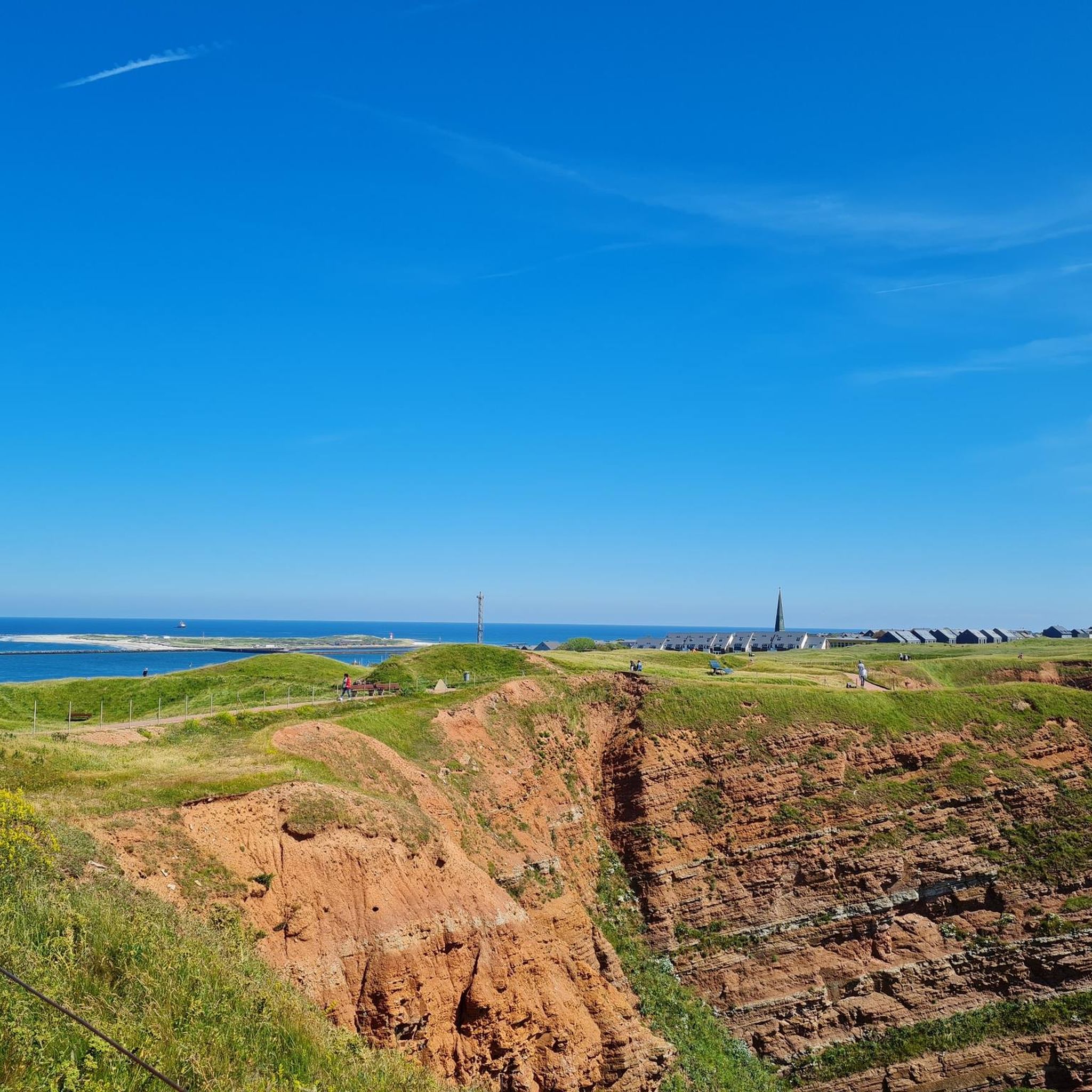
Hiking around Helgoland offers a distinctive landscape characterized by red sandstone cliffs and a unique geological formation in the German Bight. The main island features an "Oberland" plateau, reaching 200 feet (61 meters) above sea level, and a lower "Unterland" at sea level. East of the main island, the sandy Düne island provides additional exploration opportunities. These features create varied terrain for hikers.
Best hiking trails around Helgoland
- The most popular hiking route is Cliffs of Heligoland – Long Anna loop from Helgoland, a 2.7 miles (4.3 km) trail that takes 1 hour 10 minutes to complete. This easy route offers views of the prominent "Lange Anna" rock formation and coastal scenery.
- Another top favourite among local hikers is Seal Viewing Dune – Seal Beach loop from Helgoland, a moderate 8.5 miles (13.7 km) path. This route explores the Düne island, providing opportunities to observe seal colonies on its beaches.
- Local hikers also love the Seal Beach – Seal Viewing Dune loop from Helgoland, a 2.2 miles (3.5 km) trail leading through the sandy landscapes of Düne island, often completed in about 53 minutes.
- Hiking around Helgoland is defined by red sandstone cliffs, the sandy Düne island, and unique bird cliffs. The network offers options for different ability levels, from easy coastal walks to moderate loops.
- The routes in Helgoland are highly rated by the komoot community with an average score of 4.8 stars from over 790 reviews. More than 4000 hikers have used komoot to explore Helgoland's varied terrain.
Last updated: October 4, 2026
4.7
(15)
208
hikers
4.28km
01:11
70m
70m
Easy hike. Great for any fitness level. Easily-accessible paths. Suitable for all skill levels.
4.8
(5)
49
hikers
3.34km
00:54
40m
40m
Easy hike. Great for any fitness level. Easily-accessible paths. Suitable for all skill levels.

5.0
(10)
58
hikers
Easy hike. Great for any fitness level. Easily-accessible paths. Suitable for all skill levels.
4.9
(12)
84
hikers
5.81km
01:30
30m
30m
Easy hike. Great for any fitness level. Easily-accessible paths. Suitable for all skill levels.
4.5
(6)
68
hikers
3.72km
01:02
70m
70m
Easy hike. Great for any fitness level. Easily-accessible paths. Suitable for all skill levels.
Get access to more routes and recommendations from other explorers.
Already have an account?
Our route recommendations are based on thousands of hikes, rides, and runs completed by other people on komoot.
Start today with a free account
Your next adventure awaits.
Popular around Helgoland
Tips from the Community

I stood at that point for a while because you can't get enough of the view!
0
0

💚Green is the land 🤎Red is the kant 🤍White is the sand These are the colors of 🏖Helgoland- ⛱️The island is a shopping paradise, because it is a duty-free zone and exempt from VAT. Whether alcohol, perfumery items, fashion, watches, jewelry or cigarettes - the selection is large.
3
0

Beautiful view of the south beach and the dune
1
0


Lange Anna is a 47-meter-high sea stack in the far northwest of the German North Sea island of Heligoland. It is made of red sandstone.
1
0
A very impressive island.
2
0
A very impressive island.
2
0
Frequently Asked Questions
How many hiking trails are available around Helgoland?
Based on komoot data, there are over 27 hiking routes around Helgoland. These include 24 easy and 3 moderate trails, offering options for various fitness levels.
What do other hikers enjoy most about hiking in Helgoland?
The komoot community highly rates hiking in Helgoland, with an average score of 4.8 stars from over 790 reviews. Hikers often praise the unique red sandstone cliffs, the opportunity to observe seabirds at the Lummenfelsen (Guillemot Rock), and the chance to see seals on Düne island.
What kind of terrain can I expect on Helgoland's hiking trails?
Helgoland's hiking terrain is distinctive, characterized by striking red sandstone cliffs on the main island's "Oberland" plateau and sandy beaches on the smaller Düne island. Trails often follow clifftops, providing panoramic sea views, or traverse the flat, sandy landscapes of Düne. The island's highest point reaches 61 meters (200 feet) above sea level.
Are there any circular hiking routes on Helgoland?
Yes, Helgoland offers several popular circular routes. A well-known option is the Cliffs of Heligoland – Long Anna loop from Helgoland, which provides views of the iconic "Lange Anna" rock formation. Another is the Seal Beach – Seal Viewing Dune loop from Helgoland, exploring Düne island.
What are the best times of year for hiking on Helgoland?
The best time for hiking in Helgoland is generally spring or summer. During these seasons, the weather is mild, and nature is in full bloom. Spring offers vibrant flower meadows, while June is particularly special for observing the 'guillemot jump' at the Lummenfelsen.
Can I observe wildlife while hiking on Helgoland?
Absolutely. Helgoland is a haven for wildlife. The Lummenfelsen (Guillemot Rock) is Germany's only bird cliff, where you can observe thousands of seabirds like gannets, guillemots, and kittiwakes. On Düne island, you can find seal colonies, particularly on its North Beach, offering excellent opportunities for seal watching.
Are there any family-friendly hiking options on Helgoland?
Yes, Helgoland offers child-friendly trails designed to engage younger visitors. While specific routes are not detailed in the guide, the island's car-free nature and unique landscapes, such as the Düne island with its seals, make it an exciting place for families to explore. The easy routes, like the Cliffs of Heligoland – Long Anna loop, are suitable for most families.
What are some notable landmarks or natural features to see on Helgoland's trails?
Helgoland is rich in unique natural features. The most famous is the Lange Anna, a striking 47-meter (154-foot) red sandstone rock column. The Lummenfelsen (Guillemot Rock) is another must-see, being Germany's only bird cliff. You can also explore the distinct red sandstone cliffs of the "Oberland" and the sandy beaches of Düne island.
Are there any easy hiking routes for beginners on Helgoland?
Yes, the majority of routes on Helgoland are classified as easy, with 24 out of 27 trails falling into this category. An example is the Cliffs of Heligoland – Long Anna loop from Helgoland, which is 4.3 km long and takes about 1 hour 10 minutes to complete, offering accessible coastal views.
How can I reach Helgoland's hiking trails, and is there parking available?
Helgoland is Germany's only high-sea island, accessible primarily by ferry. The island is entirely car-free, meaning there is no parking available on Helgoland itself. Visitors typically park on the mainland and take a ferry to the island. Once on Helgoland, all trails are easily accessible on foot from the port or accommodation.
Are dogs allowed on hiking trails in Helgoland?
While the guide does not specify dog-friendly trails, Helgoland is a natural environment. It's generally advisable to keep dogs on a leash, especially near bird breeding areas like the Lummenfelsen or seal colonies on Düne island, to protect the local wildlife. Always check local regulations upon arrival.
What is the difference between hiking on the main island and Düne island?
The main island of Helgoland features dramatic red sandstone cliffs and the elevated "Oberland" plateau, offering clifftop walks with panoramic views and opportunities to see the Lange Anna and Lummenfelsen. Düne island, in contrast, is a smaller, lower sandy island known for its extensive beaches and seal colonies, providing a different, more coastal and wildlife-focused hiking experience.
Most popular routes around Helgoland
Most popular attractions around Helgoland

Get inspired with the komoot mobile app


Explore more
Browse the best Hikes in other regions.
