Attractions and Places To See in San Andres - Top 8
Best attractions and places to see in San Andres include a range of high-altitude refuges, natural lakes, and unique geological formations. The region features challenging terrain, with elevations reaching over 5000 meters, offering panoramic views and distinct natural features. Visitors can explore areas known for their volcanic landscapes and diverse wildlife. The area provides opportunities for those seeking demanding outdoor experiences amidst a rugged environment.
Best attractions and places to see in San Andres
- The most popular attractions is Hermanos…
Last updated: July 16, 2026
Hermanos Carrel Refuge
Highlight • Mountain Hut
Translated by Google •
Tip by

Whymper Refuge (5,000 m a.s.l.)
Highlight • Mountain Hut
Translated by Google •
Tip by
Sign up now to discover places like this
Get recommendations on the best single tracks, peaks, & plenty of other exciting outdoor places.
Sign up for free
Laguna Condor Cocha (5100 m)
Highlight • Lake
Translated by Google •
Tip by

Machay Temple Cave
Highlight • Cave
It goes steeply up into the dark dungeon, the highest point of which is …
Translated by Google •
Tip by
Vicunas Along the Road
Highlight • Natural
Translated by Google •
Tip by

Sign up for free to discover even more attractions in San Andres.
Sign up for free
Already have an account?
Start today with a free account
Your next adventure awaits.
Login or Signup


Tips from the Community

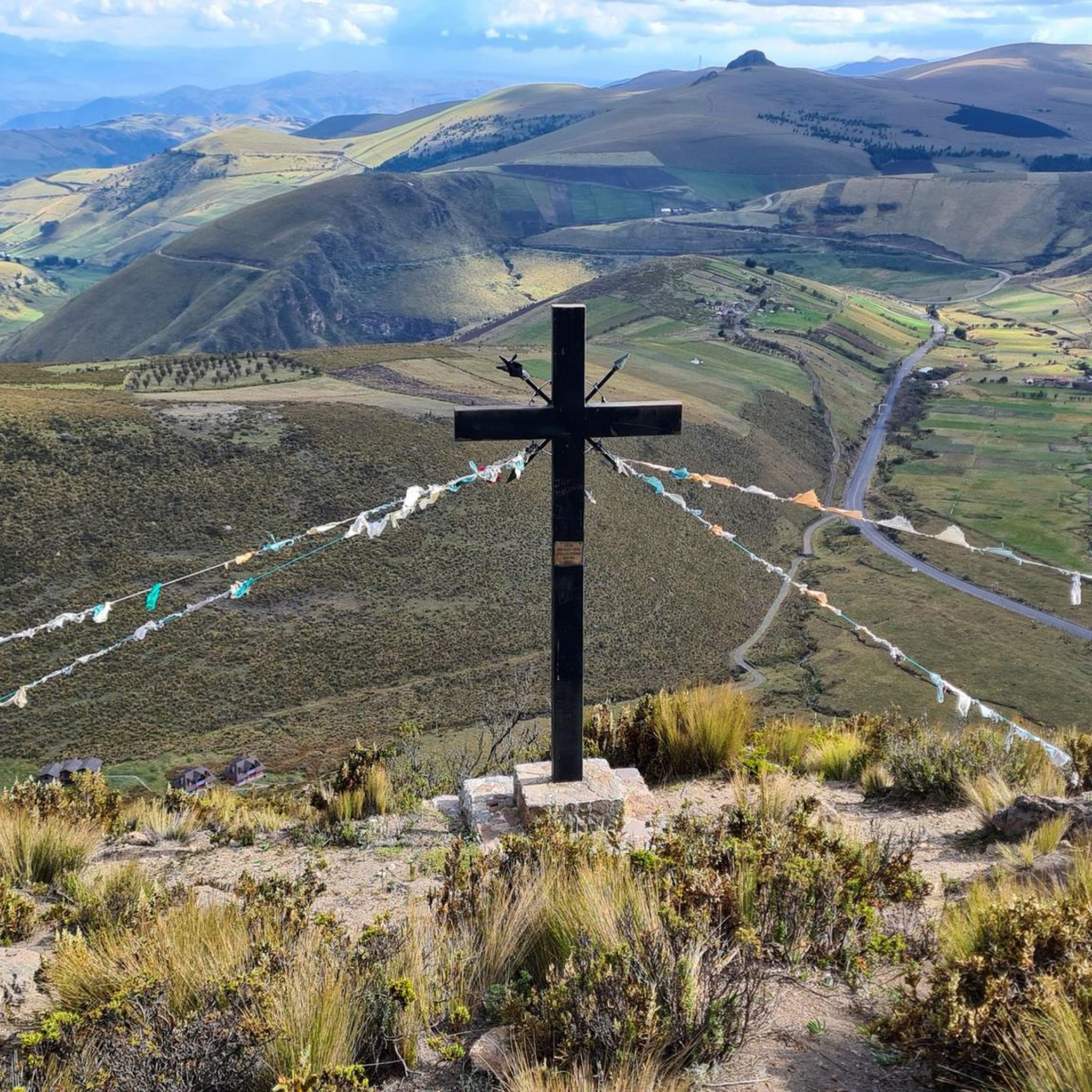
Take into account the climate, the location is over 4000 meters, with excellent views.
0
0

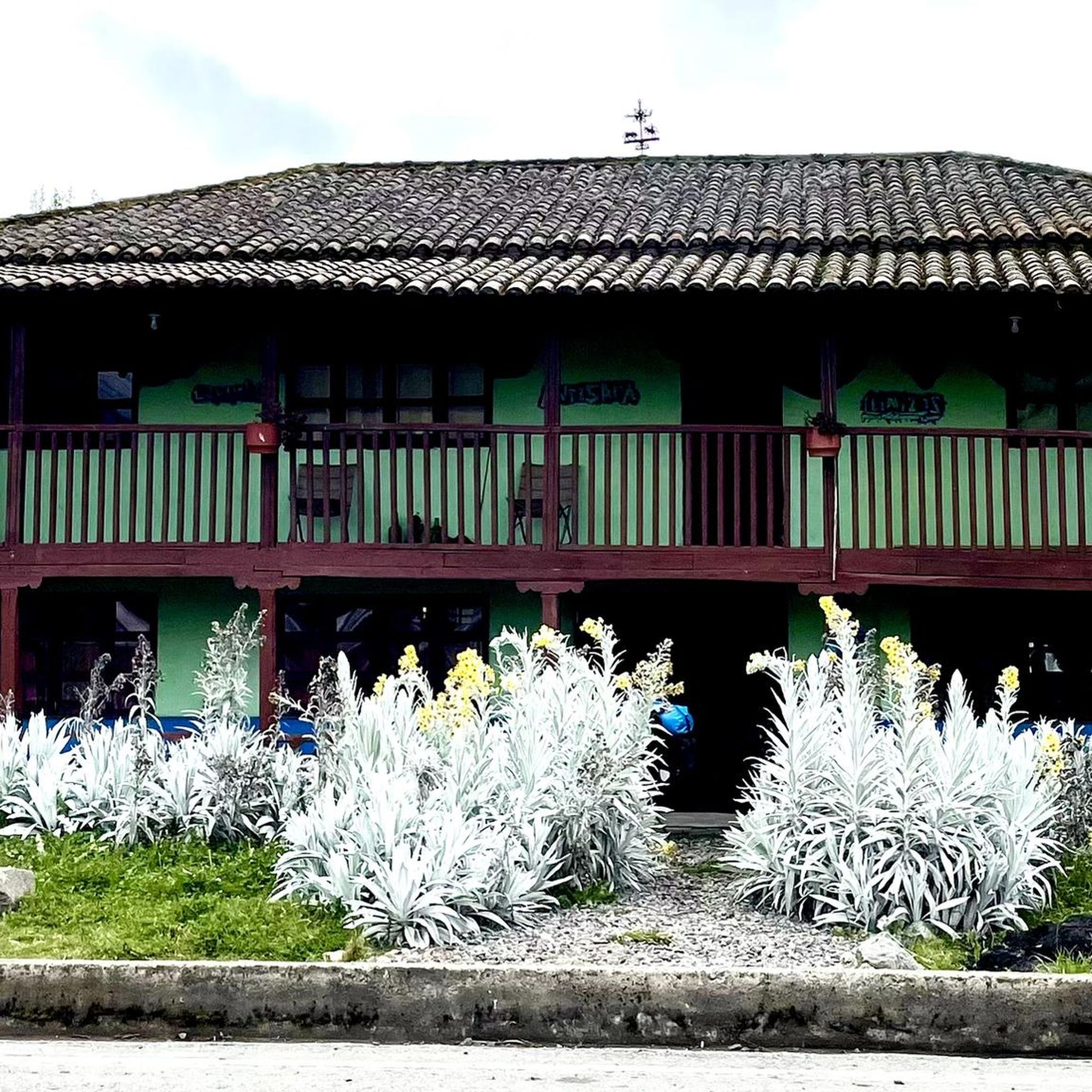
Refugio Carrel refuge at 4800 meters on volcan Chimborazo, in case of strong winds an excellent alternative to the tent. 30USD per dorm bed with dinner and breakfast
0
0

Still above the Whymper hut, this small body of water feeds on meltwater. Colored by the local minerals, the water appears tinted orange. The color changes depending on the sunlight. A fair reward for the hard work of the ascent
0
0
A place worth visiting, little frequented by tourists thanks to its distance from the car park. It goes steeply up into the dark dungeon, the highest point of which is a memorial for a long-dead chief of the local indigenous people. The stillness of the place is broken by the wing movement of the hummingbirds nesting in cracks here.
0
0

Many vicunas can be seen along the road
0
0

There is a road from the visitor center to the Carrell cabin. Of course, you can also run and take in the fantastic landscape at icy heights. You notice the height of 4800 m with every step.
0
0
In the late afternoon with a clear sky, the panorama is overwhelming. Unfortunately, it doesn't work very often and I needed several attempts myself.
0
0
Frequently Asked Questions
What kind of natural attractions can I explore in San Andres?
San Andres is home to several unique natural features. You can visit Laguna Condor Cocha (5100 m), a lake above the Whymper hut known for its orange-tinted meltwater. The region also offers opportunities to spot wildlife like vicuñas along the roads, especially at altitudes over 4000 meters, as seen near Vicunas Along the Road.
Are there any historical or cultural sites to visit in San Andres?
Yes, San Andres features historical and cultural sites, often intertwined with its rugged landscape. The Machay Temple Cave is a notable historical site, a remote cave that served as a memorial for an indigenous chief. While less frequented, its stillness and the presence of nesting hummingbirds make it a unique cultural experience.
What are the options for high-altitude accommodation or refuges?
San Andres is known for its high-altitude refuges, providing essential facilities for those exploring the challenging terrain. The Hermanos Carrel Refuge is a hut at 4800 meters on Volcan Chimborazo, offering an excellent alternative to a tent. Further up, the Whymper Refuge (5,000 m a.s.l.) provides shelter at 5,000 meters, often boasting overwhelming panoramic views on clear afternoons.
What outdoor activities can I do near these attractions?
The San Andres region offers a variety of outdoor activities, particularly for those who enjoy challenging mountain environments. You can find numerous routes for mountain biking, cycling, and running. For detailed trails, explore the MTB Trails in San Andres, Cycling in San Andres, and Running Trails in San Andres guides.
Are there family-friendly attractions in San Andres?
While many attractions in this high-altitude region involve challenging terrain, some spots offer experiences suitable for families. For instance, observing Vicunas Along the Road can be a memorable experience for all ages, especially given the unique high-altitude climate and excellent views.
What are the best viewpoints in San Andres?
For breathtaking panoramas, the high-altitude refuges are excellent choices. The Whymper Refuge (5,000 m a.s.l.) is particularly noted for its overwhelming views on clear afternoons. Additionally, the ascent to Laguna Condor Cocha (5100 m) offers a rewarding vista of the unique orange-tinted lake.
What is the terrain like for hiking and outdoor activities in San Andres?
The terrain in San Andres is generally challenging, characterized by high altitudes and volcanic landscapes. Many attractions, like the refuges and Laguna Condor Cocha, are located at 4800 meters and above, requiring significant effort. The landscape offers fantastic views at icy heights, but visitors should be prepared for the altitude.
What should I pack for excursions to San Andres's high-altitude attractions?
Given the high altitudes (over 4000-5000 meters), it's crucial to pack for cold weather, strong winds, and potential sun exposure. Essential items include warm layers, waterproof and windproof outer shells, sturdy hiking boots, sun protection (hat, sunglasses, high-SPF sunscreen), and plenty of water. If staying overnight at a refuge, check their specific provisions.
Are there any unique natural phenomena to observe?
Yes, San Andres offers unique natural phenomena due to its volcanic and high-altitude environment. The Laguna Condor Cocha (5100 m) is a prime example, where meltwater colored by local minerals gives the lake an orange tint that changes with the sunlight. The presence of vicuñas at high altitudes also provides a unique wildlife viewing experience.
What do visitors enjoy most about the high-altitude refuges?
Visitors frequently highlight the overwhelming panoramic views from refuges like Whymper Refuge (5,000 m a.s.l.), especially on clear afternoons. The Hermanos Carrel Refuge is appreciated as a sturdy alternative to tents in strong winds, allowing visitors to fully immerse themselves in the fantastic, icy high-altitude landscape.
Can I reach the high-altitude refuges by vehicle?
Yes, for some refuges, there is road access. For example, there is a road from the visitor center that leads directly to the Hermanos Carrel Refuge. While you can drive, many visitors choose to walk to fully experience the unique high-altitude landscape, though the elevation of 4800 meters is noticeable with every step.

Get inspired with the komoot mobile app


Explore more
Still not found the Highlight you’re looking for? See guides of the top attractions in other regions:
