Attractions and Places To See around Dallgow-Döberitz - Top 20
Best attractions and places to see around Dallgow-Döberitz include a diverse range of natural landscapes and historical sites. The region offers access to significant waterways like the Havel and Wannsee, alongside expansive forest areas. It is characterized by its proximity to Berlin and Potsdam, featuring historical bridges and viewpoints. The area provides opportunities for outdoor activities such as cycling and exploring natural monuments.
Best attractions and places to see around Dallgow-Döberitz
- The most popular attractions is Drachenberg, a viewpoint…
Last updated: October 10, 2026
Wannsee
Highlight • Viewpoint
Translated by Google •
Tip by

Glienicke Bridge
Highlight • Bridge
Translated by Google •
Tip by

Sign up now to discover places like this
Get recommendations on the best single tracks, peaks, & plenty of other exciting outdoor places.
Oberhavelsteg Bridge with View of the Havel
Highlight • Bridge
Translated by Google •
Tip by

Havelufer Forest Cycle Path
Highlight • Cycleway
Showing Translation
Tip by

Drachenberg
Highlight • Viewpoint
Showing Translation
Tip by

Sign up for free to discover even more attractions around Dallgow-Döberitz.
Already have an account?
Start today with a free account
Your next adventure awaits.
Popular around Dallgow-Döberitz
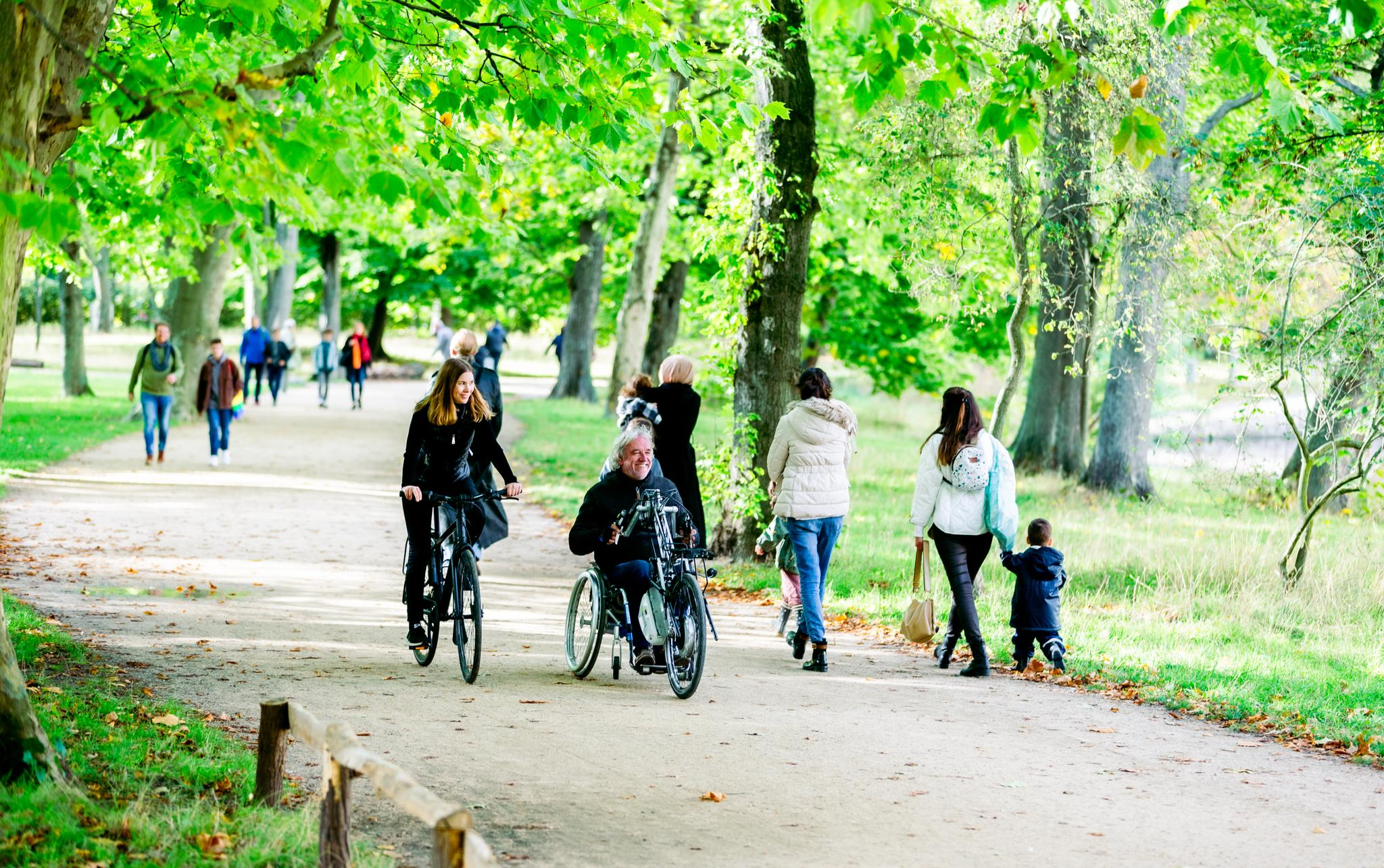
On relaxed paths through the capital – handcycling Berlin
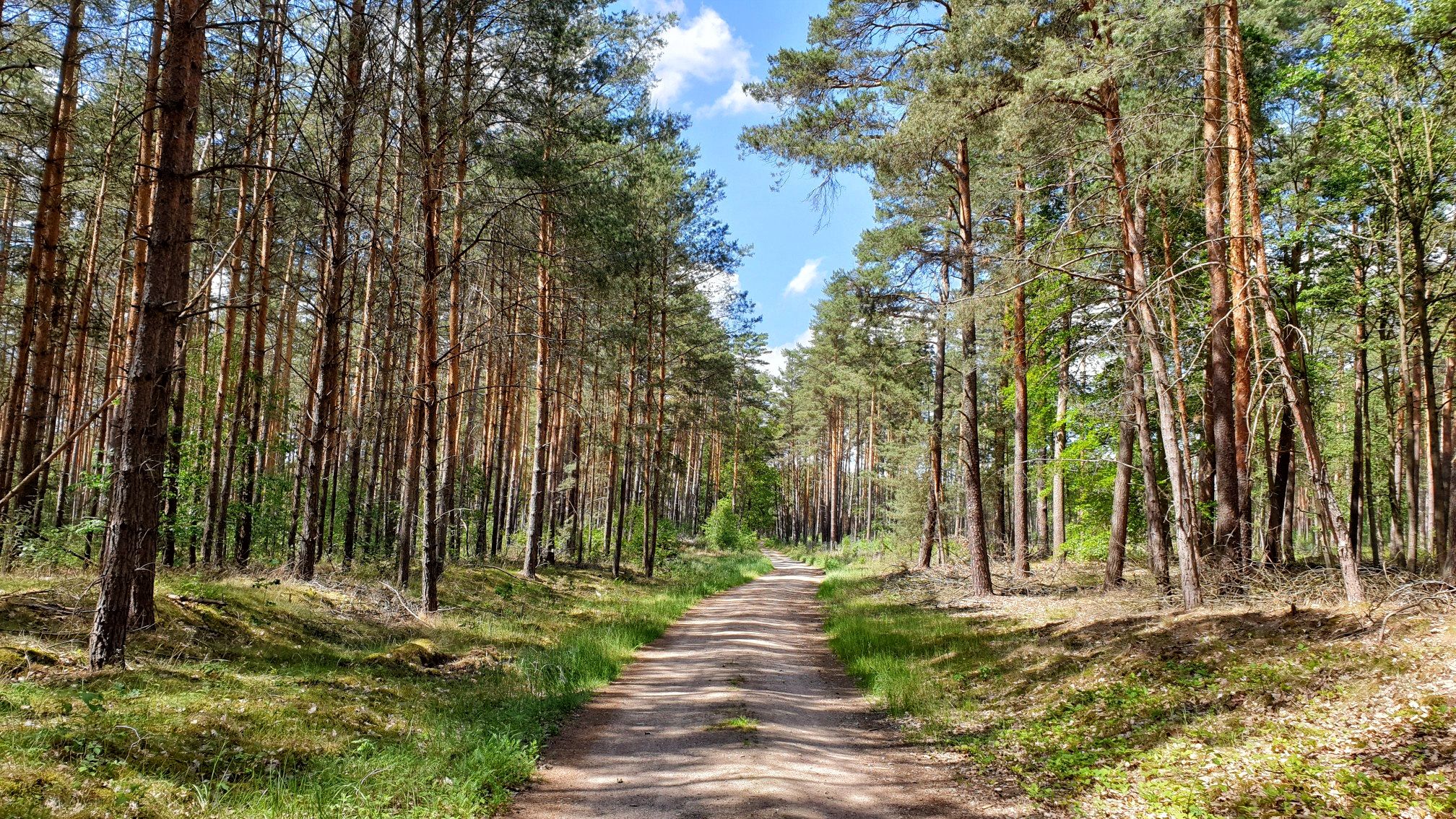
Escape the hustle and bustle of Berlin – cycling in Osthavelland-Spandau
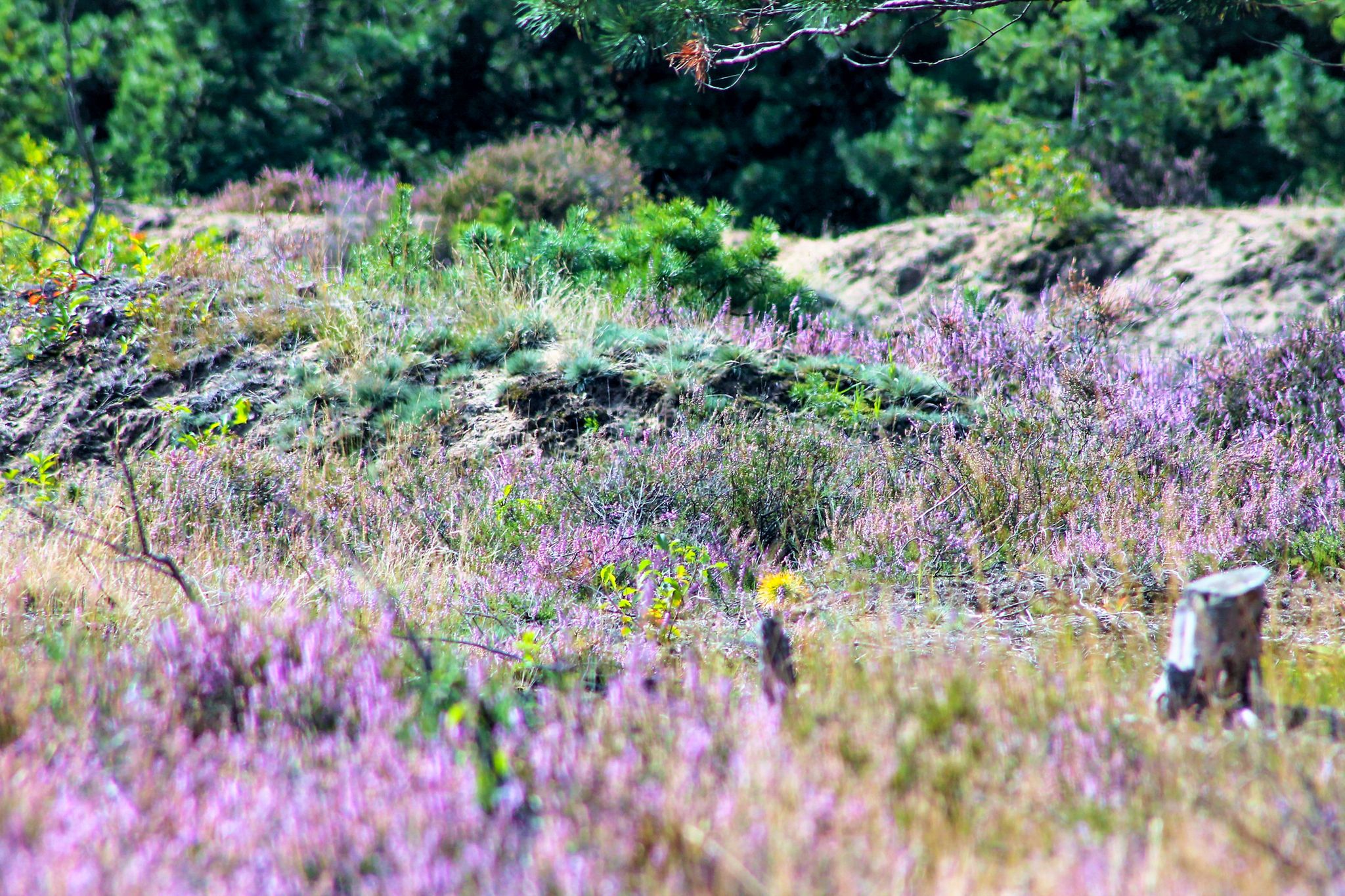
Purple splendour – by S-Bahn into the heath
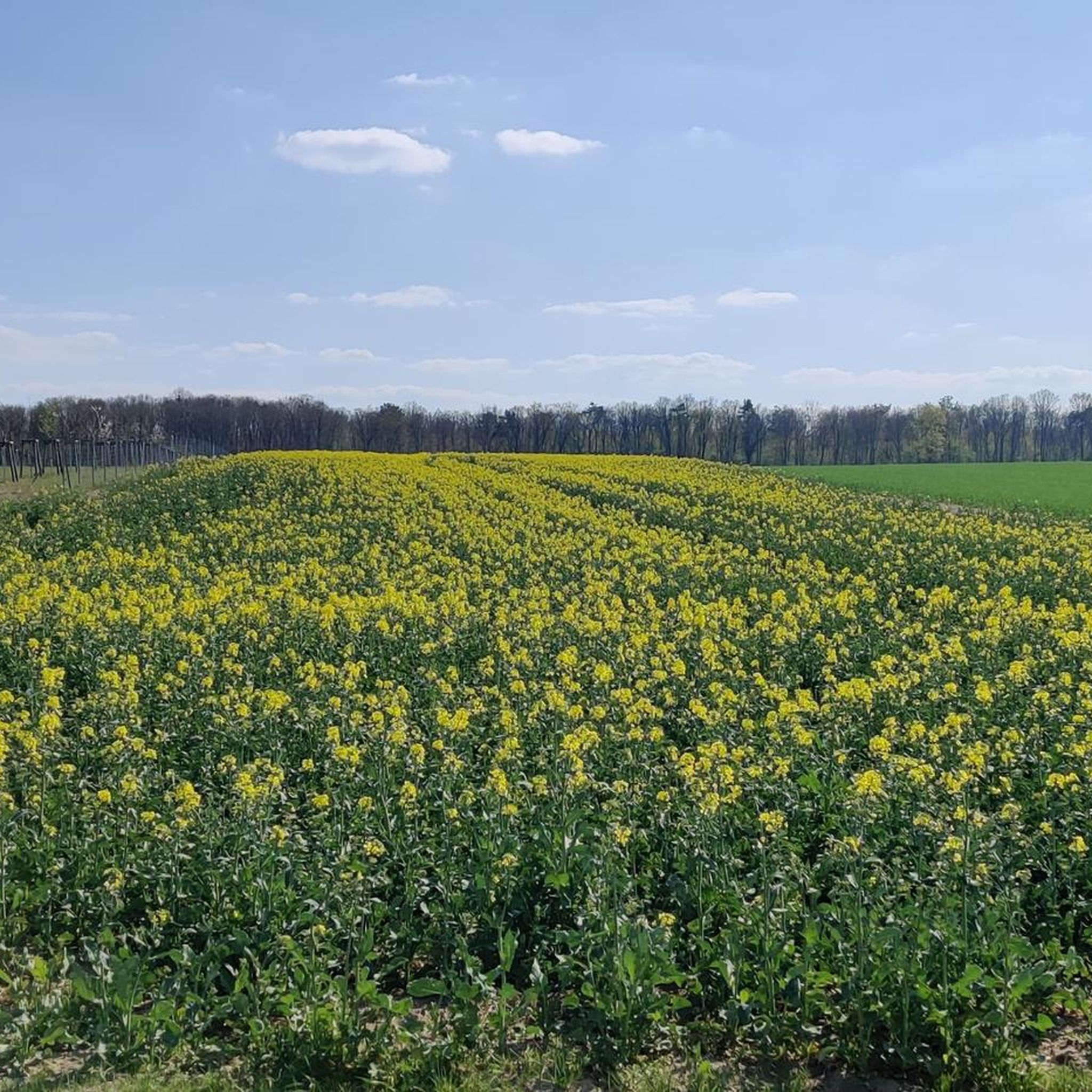
Hiking around Dallgow-Döberitz
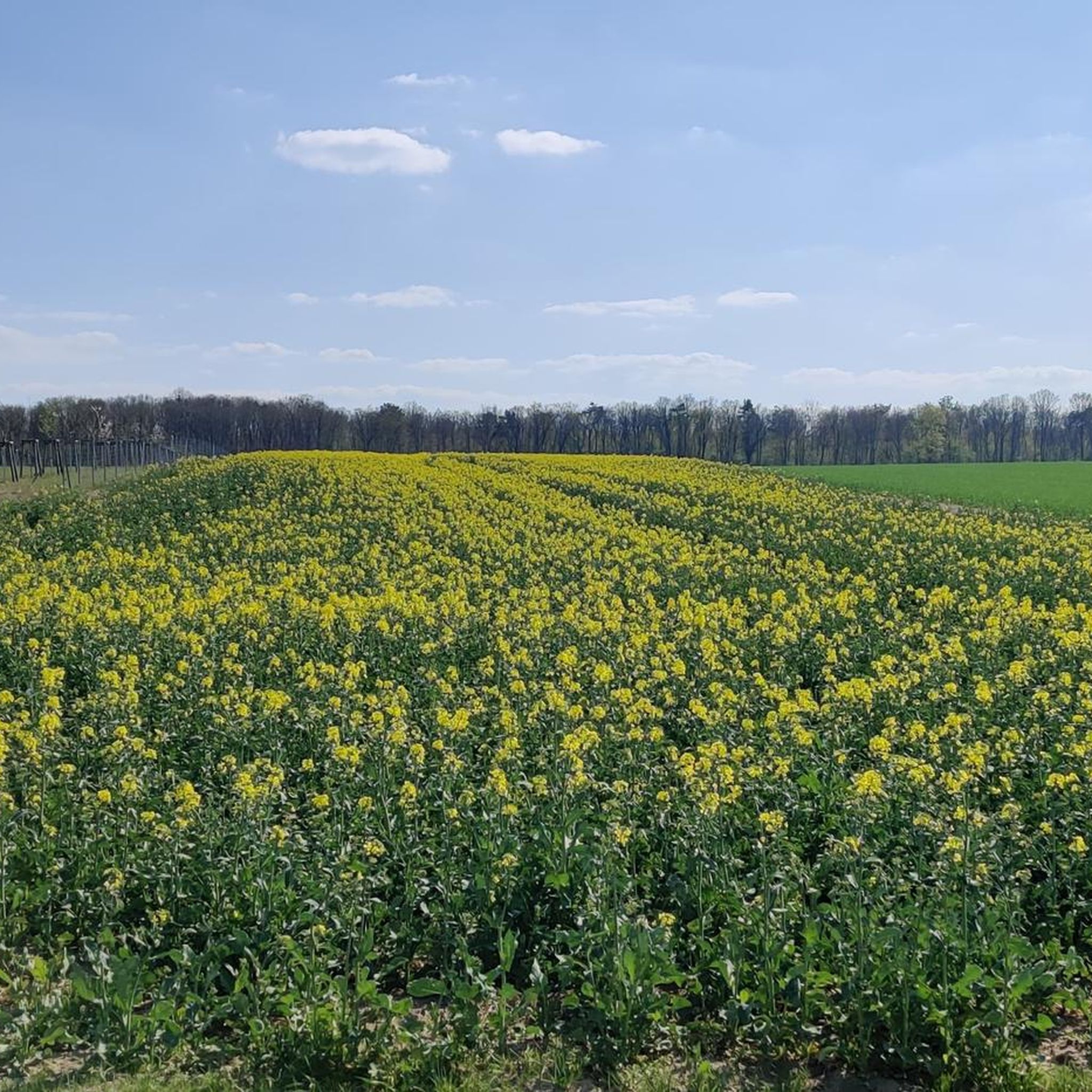
Cycling around Dallgow-Döberitz
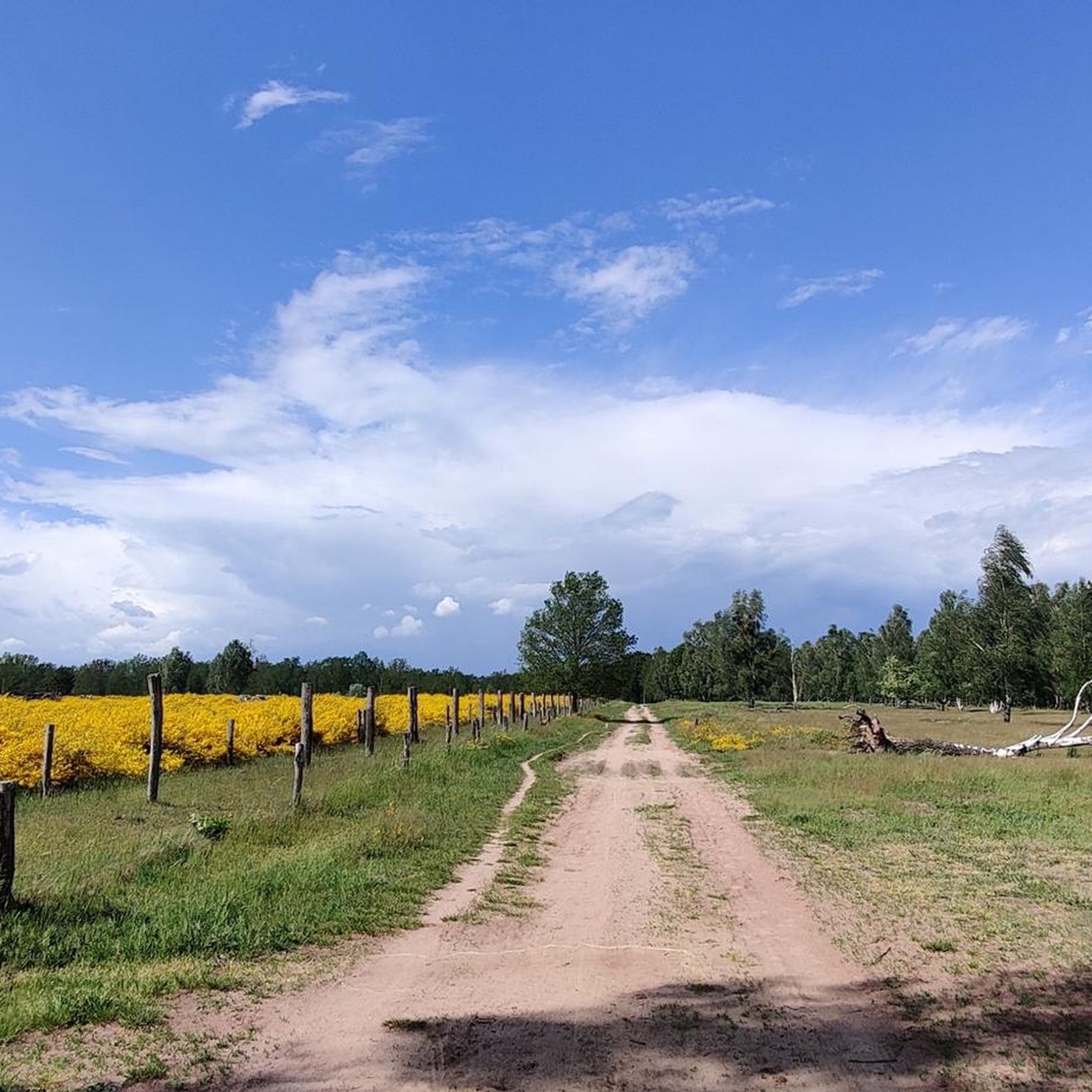
Road Cycling Routes around Dallgow-Döberitz
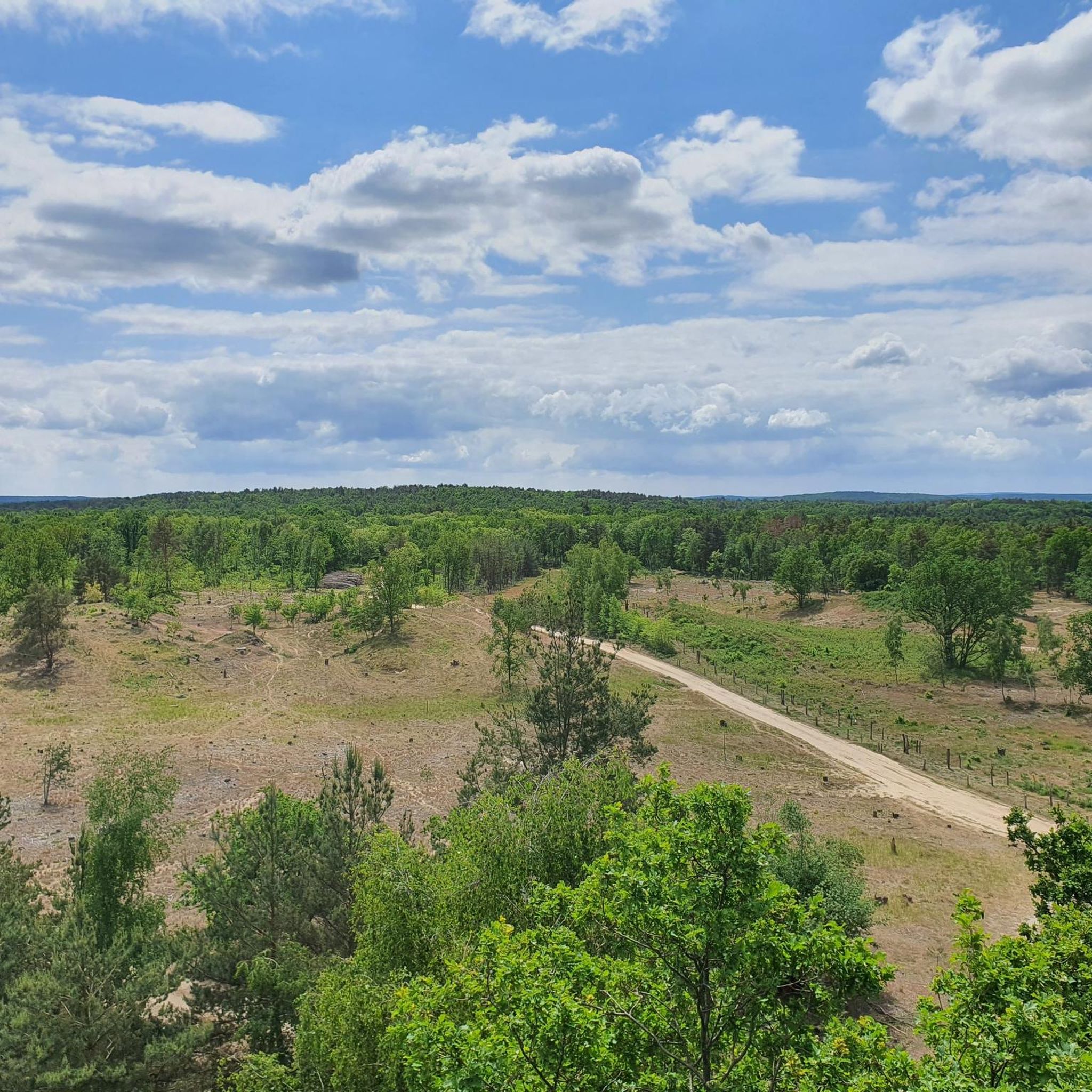
Running Trails around Dallgow-Döberitz
Gravel biking around Dallgow-Döberitz
MTB Trails around Dallgow-Döberitz
Other adventures around Dallgow-Döberitz


Tips from the Community

The smells in this forest are breathtakingly beautiful at this time of year. Just cycle through and enjoy.
1
0

easy to drive, shortens the shore
1
0

The smells are breathtakingly beautiful in this forest at this time of year. Just cycle through and enjoy. Pedestrians, please walk to the right on the cycle paths and not to the left like on country roads. This increases the risk of accidents.
2
0


Cycle path on the banks of the Havel
1
4

Forest bathing par excellence! Great, varied route on good ground.
3
2

This cycle path is part of the European long-distance cycle route Berlin-Copenhagen and connects the district of Berlin-Hakenfelde with the district of Niederneuendorf in Hennigsdorf in the Oberhavel district. The path itself is well-developed and mostly asphalted, with little root damage (e.g. near the campsite). In good weather, there is heavy traffic here, especially on weekends (on foot and by bike), so be prepared and be friendly to each other! 😉
13
2

A beautiful bike path leads through the forest along the Havel at Konradshöhe.
7
2
Frequently Asked Questions
What family-friendly activities are available around Dallgow-Döberitz?
The region offers several family-friendly options. You can enjoy a day at Wannsee, which is great for relaxing by the water. The Havelufer Forest Cycle Path is also suitable for families, offering a shaded and mostly asphalted route for cycling. Additionally, Drachenberg is a popular spot for kite flying and offers panoramic views that children often enjoy.
Are there historical sites to visit near Dallgow-Döberitz?
Yes, the most prominent historical site is the Glienicke Bridge. This UNESCO World Heritage site connects Berlin and Potsdam and is famous for its role during the German division, including spy exchanges. It's a significant landmark with a rich past.
What kind of outdoor activities can I do around Dallgow-Döberitz?
The area is excellent for various outdoor activities. You can find numerous routes for hiking, mountain biking, and road cycling. For example, there are many easy hikes in the Döberitzer Heide, and the Havelufer Forest Cycle Path is perfect for a leisurely bike ride. For more challenging cycling, explore the MTB Trails or Road Cycling Routes.
Are there any dog-friendly walking trails in the area?
Yes, the Havelufer Forest Cycle Path is noted as dog-friendly, offering a pleasant environment for walks with your canine companion. Many of the natural trails in the surrounding forests and heathlands are also suitable for dog walking, but always check local regulations regarding leashes.
Where can I find easy hiking trails near Dallgow-Döberitz?
The Döberitzer Heide offers several easy hiking options. You can find routes like the 'Shelter in the Döberitzer Heide loop' or the 'Heathland – View of the Döberitz Obelisk loop' which are generally easy and suitable for a relaxed walk. More details can be found in the Easy Hikes around Dallgow-Döberitz guide.
Are there any wheelchair-accessible trails or attractions?
Yes, both the Glienicke Bridge and the Oberhavelsteg Bridge with View of the Havel are noted as wheelchair-accessible, offering beautiful views and historical significance. These locations provide accessible options for enjoying the region's sights.
What are the best viewpoints in the Dallgow-Döberitz region?
For expansive views, head to Drachenberg, which offers a wonderful panorama of West Berlin and the Teufelsberg. Another great spot is Wannsee, where you can enjoy magnificent views of the lake. The Oberhavelsteg Bridge also provides a wide vantage point over the Havel basin.
What is the best time to visit the Döberitzer Heide?
The Döberitzer Heide is beautiful year-round, but spring and autumn offer pleasant temperatures for hiking and cycling, with blooming heather in late summer. Winter can also be magical for walks, especially after a fresh snowfall, though some paths might be muddy. Always check weather conditions before your visit.
What kind of wildlife can I expect to see in the Döberitzer Heide?
The Döberitzer Heide is a nature reserve known for its diverse ecosystems. You might encounter various bird species, deer, wild boars, and smaller mammals. It's a great place for nature observation, especially in quieter areas and during early morning or late evening hours.
Are there any circular walks around Dallgow-Döberitz?
Yes, the nearby routes guide for easy hikes includes several circular options. For instance, you can find the 'Shelter in the Döberitzer Heide – Döberitz Heath loop from Dallgow-Döberitz' or the 'Heathland – View of the Döberitz Obelisk loop from Dallgow-Döberitz'. These are great for exploring the natural landscape and returning to your starting point. Check the Easy Hikes guide for more details.
What should I wear for hiking near Dallgow-Döberitz?
For hiking in the region, comfortable, layered clothing is recommended, as weather can change. Sturdy walking shoes are essential, especially for trails in the Döberitzer Heide which can be uneven or sandy. Depending on the season, consider bringing rain gear, sun protection, and insect repellent.
How can I reach attractions near Dallgow-Döberitz by public transport?
Dallgow-Döberitz is well-connected to Berlin and Potsdam by regional trains and buses. Many attractions, especially those closer to the city limits like Wannsee or the Glienicke Bridge, are accessible via the S-Bahn or regional bus lines. For specific routes, it's best to check local public transport schedules (e.g., BVG or VBB websites) for the most up-to-date information.
Most popular routes around Dallgow-Döberitz
Most popular attractions around Dallgow-Döberitz

Get inspired with the komoot mobile app


Explore more
Still not found the Highlight you’re looking for? See guides of the top attractions in other regions:
