Top 6 Castles around Häg-Ehrsberg
Castles near Häg-Ehrsberg provide insight into the region's historical significance within the Southern Black Forest. The area is characterized by its natural landscapes and outdoor activities, offering a scenic setting for historic sites. Several castle ruins are found here, often located on strategic hilltops or rocky outcrops. These locations offer views of the surrounding Hotzenwald and connect visitors to medieval history.
Best castles around Häg-Ehrsberg
- The most popular castles is Werrach Castle Ruins, a castle and historical site first…
Last updated: July 1, 2026
Werrach Castle Ruins
Highlight • Castle
Translated by Google •
Tip by

Ehner-Fahrnau Manor
Highlight • Castle
Tip by

Sign up now to discover places like this
Get recommendations on the best single tracks, peaks, & plenty of other exciting outdoor places.
Sign up for free
Rotenburg Ruins
Highlight • Historical Site
Translated by Google •
Tip by

Bärenfels Castle Ruins and Viewpoint
Highlight • Castle
Translated by Google •
Tip by

Turmhölzle Castle Ruins
Highlight • Castle
Translated by Google •
Tip by

Sign up for free to discover even more castles around Häg-Ehrsberg.
Sign up for free
Already have an account?
Start today with a free account
Your next adventure awaits.
Login or Signup
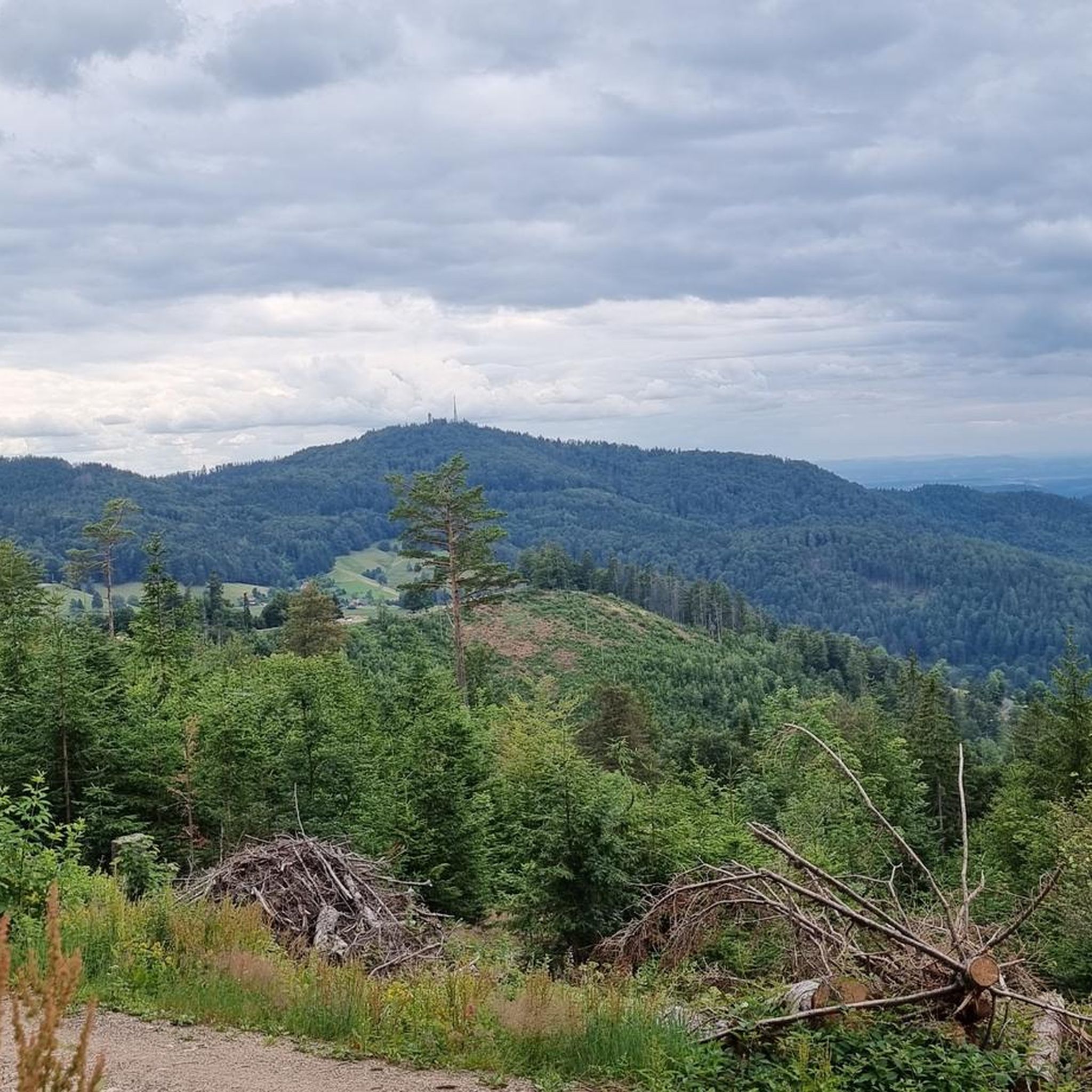
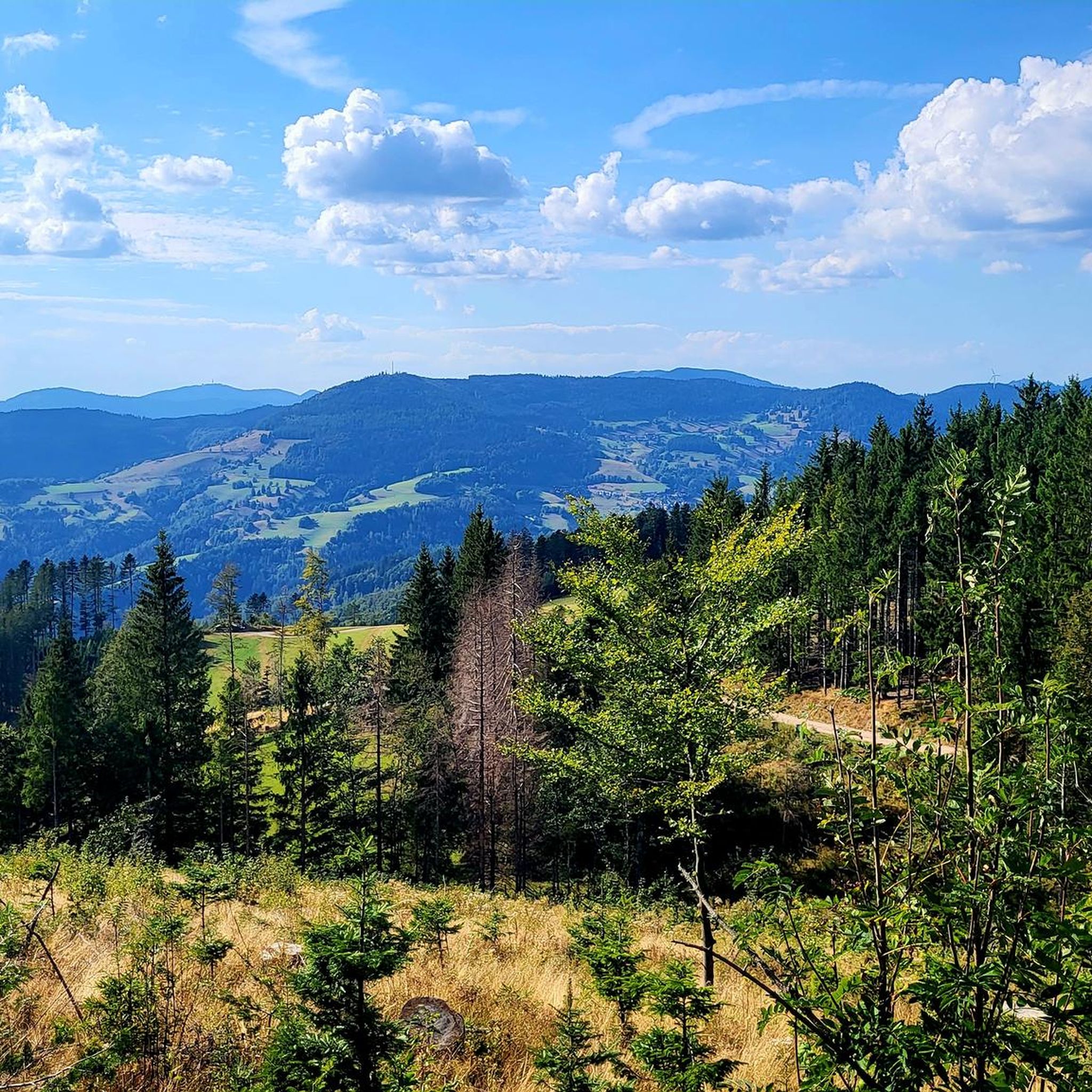
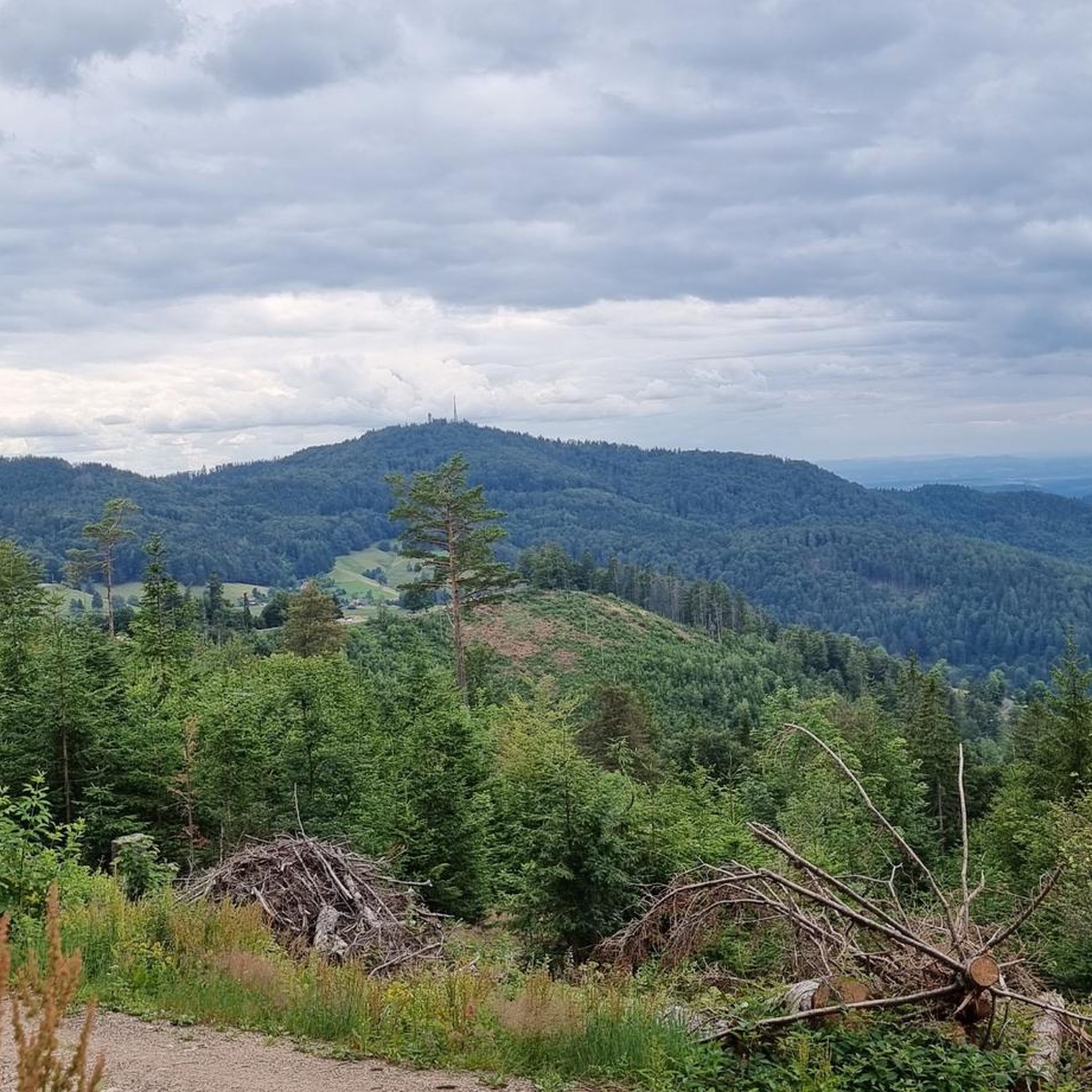
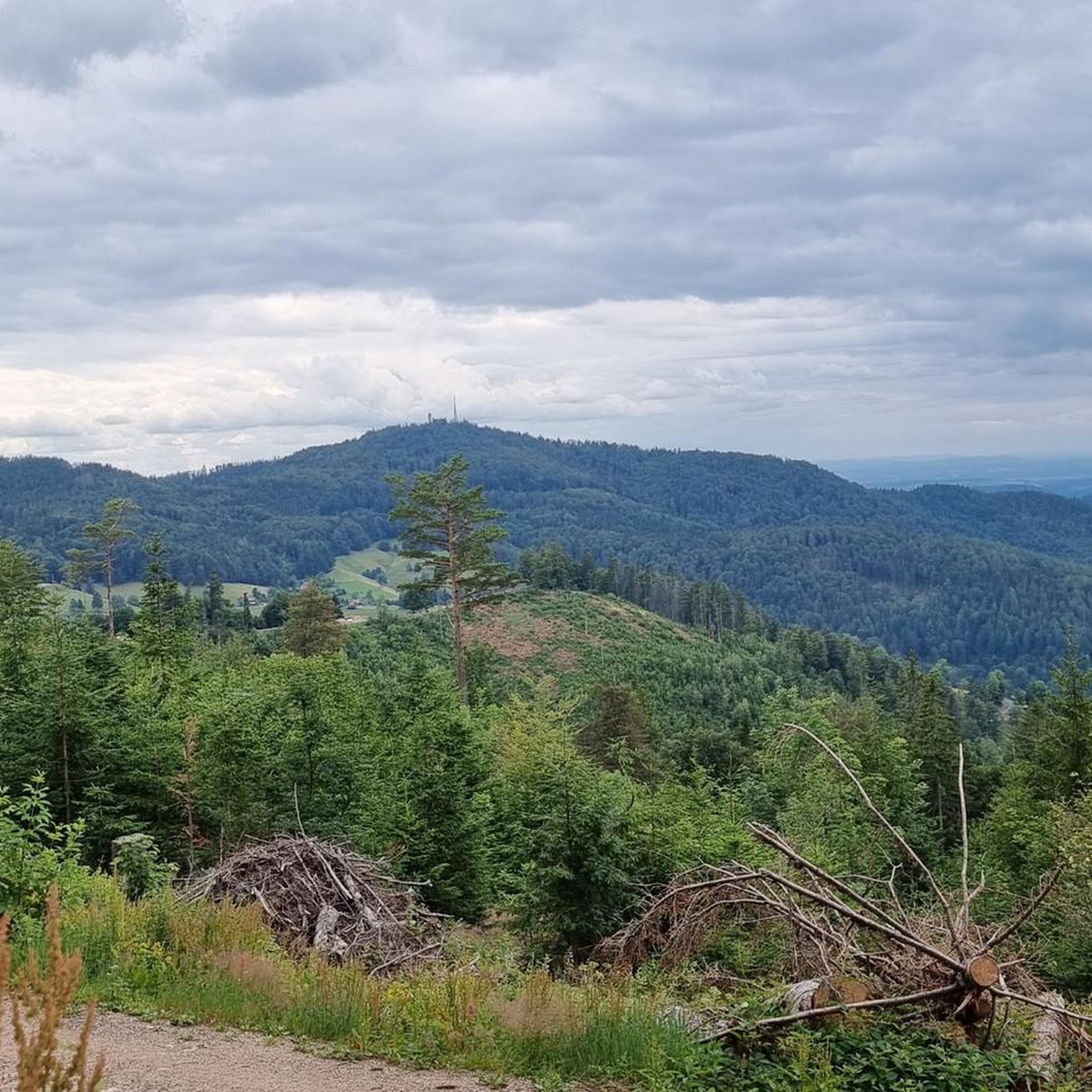


Tips from the Community

On our hike, we made a detour to the observation tower and enjoyed the view
0
0

The Werrach castle ruins, also known as Schlössle, are located on a rocky spur at the entrance to the Hotzenwald. It is first mentioned in 1098. In the first half of the 13th century it came into the possession of the Lords of Klingen. The minstrel Walther von Klingen signed various documents at Werrach Castle. It was on the border of the sphere of influence of the bishops of Basel and the Habsburgs. In 1272 Werrach Castle was taken over by Rudolf von Habsburg and, together with the Wehratal, was integrated into the Habsburg dominion. Until the beginning of the 16th century, the Lords of Schönau sat as vassals of the Habsburgs at Werrach Castle. The building was later left to decay. Since the end of the 19th century, the castle ruins have been gradually prepared for visitors by the Black Forest Association. At Werrach Castle there is an information pavilion on the history of the town, a bronze plaque on the history of the ruins and the trail of legends at the Schlössle. From the pavilion you can enjoy an excellent view of Weir. Source: https://www.schwarzwald-tourismus.info/attractions/burgruine-werrach-schloessle-38a8c87f1e
0
0

Built in the 12th century, the massive walls up to six meters high still impress today. A beautiful, promising place for a break.
1
0

Beautiful ruin with a fantastic view of the Alps
0
0
Small castle on the ⛳ fahrnau golf course
0
0

The ruins are the Werrach castle ruins, but in Wehr they are called "Schlössle". From the pavilion you can enjoy an excellent view of Weir.
5
0

Das Gebiet von Ehner-Fahrnau gehörte wohl nachweislich seit 1394 zur Gemarkung von Schopfheim. Im 11. Jahrhundert wurde hier der Marienhof als ein Meierhof der Herrschaft Fahrnau errichtet. Von dem namentlich nicht bekannten Adelsgeschlecht, der seinerzeit diese Herrschaft gehörte, gelangte der Meierhof 1185 an das Kloster St. Blasien. Das Kloster ist noch als Eigentümer nachweisbar. Danach gelangten der Meierhof und die mit ihm verbundenen Rechte bezüglich der Pfarrei Fahrnau über die Herren von Rotenberg an die Herren von Rötteln. Die Markgrafen von Hachberg-Sausenberg und Baden-Durlach beerbten die Röttler. Nach der Reformation von 1556 wurden die Pfarreien von Schopfheim und Fahrnau vereinigt und der Meierhof führte seine Erträge zur Finanzierung der Pfarrei nach Schopfheim ab. Markgraf Friedrich VI. verkaufte 1666 den Meierhof Ennet Farnaw an Johann B. Pauli, dem ehemalige Obervogt von Schopfheim. Um das 17. Jahrhundert wurde das bisherige Gebäude durch ein polygonalen Treppenturm erweitert. Neben dem Turmfuß wurde eine beschriftete Sandsteinplatte von 1405 gefunden, die als älteste Steininschrift auf Schopfheimer Gemarkung gilt. Der Stein wird jedoch einem Vorgängerbau zugeschrieben, wobei unklar ist, ob es sich um die Kirche, den Meierhof oder das Pfarrhaus handelte, das 1405 erbaut und1741 an die verwandte Familie Grether aus Tegernau verkauft wurde. 1840 kaufte der Oberst Heinrich Adam von Roggenbach das Schlösschen und brachte am Treppenturm die Wappentafel von 1622 an. Die Tafel zeigt ein Allianzwappen mit dem Wappen des Johann Hartmann von Roggenbach und der Maria Susanna zu Rhein. Heinrich von Roggenbach ließ das Schlösschen weiter ausbauen. Sein Sohn, Franz von Roggenbach (der 1861 bis 1865 Außenminister des Großherzogtums Baden war), gab 1892 den Auftrag für den Anbau einer Bibliothek und eines Speisesaales mit Küche. Außerdem wurde ein klassizistisches Portal errichtet. Das Schlösschen wurde 1941 an Josef Müller verkauft, der dort eine Quelle zur Produktion von Sprudel nutzte. Das Schlösschen befindet sich weiterhin in Privatbesitz und kann nicht besichtigt werden. Quellenachweis: Wikipedia
2
0

A great place even in winter!
3
0
Frequently Asked Questions
What historical castles can I explore near Häg-Ehrsberg?
The region offers several historical castle ruins. The most notable is Werrach Castle Ruins, first mentioned in 1098 and associated with medieval figures like minstrel Walther von Klingen. Other significant sites include Rotenburg Ruins, a hilltop castle from the 13th century, and Bärenfels Castle Ruins and Viewpoint, known for its strategic location and views. You can also visit Turmhölzle Castle Ruins, a small High Middle Ages spur castle.
Which castle ruins offer the best panoramic views?
Bärenfels Castle Ruins and Viewpoint provides exceptional views over the Wehratal, Dinkelberg, Hotzenwald, and towards the Swiss Jura and the Alps. Rotenburg Ruins, situated on a steep, 620 m high hill, also offers a notable vista. The Werrach Castle Ruins, perched on a rocky spur, provides picturesque views of the surrounding Hotzenwald.
Are there any castles near Häg-Ehrsberg that are particularly family-friendly?
While specific family-friendly amenities vary, many of the castle ruins, such as Werrach Castle Ruins and Bärenfels Castle Ruins, are accessible via hiking trails. Exploring these historical sites can be an engaging outdoor activity for families, offering a blend of history and nature. The ruins themselves provide an imaginative glimpse into medieval life.
What kind of outdoor activities can I combine with a visit to these castles?
The area around Häg-Ehrsberg is excellent for outdoor activities. You can find numerous routes for road cycling, running, and gravel biking. For example, explore Road Cycling Routes around Häg-Ehrsberg, discover Running Trails around Häg-Ehrsberg, or try Gravel biking around Häg-Ehrsberg. Many of these routes pass near or offer access to the castle ruins, allowing you to combine historical exploration with active recreation.
What do visitors enjoy most about the castles around Häg-Ehrsberg?
Visitors frequently highlight the impressive views and the historical significance of the sites. For instance, at Bärenfels Castle Ruins, the 'top vantage point' and 'great hiking area' are often praised. At Rotenburg Ruins, the 'view rewards' the climb. The massive walls of Werrach Castle Ruins, dating back to the 12th century, are also noted for their historical impact.
Are there any lesser-known or 'hidden gem' castle ruins in the area?
While not as widely publicized as Werrach or Bärenfels, Turmhölzle Castle Ruins is a smaller, intriguing site. It's a spur castle ruin from the High Middle Ages, with remains of a keep and walls. Its historical name might have been 'Fernegg,' and it offers a quiet, imaginative glimpse into medieval fortifications amidst the trees.
Can I visit Ehner-Fahrnau Manor, and what is its history?
Ehner-Fahrnau Manor is a historical site with origins dating back to the 11th century as a Meierhof. It passed through various noble families and religious institutions, including the Lords of Rötteln and the monastery of St. Blasien. The manor was expanded over centuries, with additions like a polygonal stair tower and a classical portal. However, it is currently in private ownership and cannot be visited by the public.
What is the best time of year to visit the castle ruins around Häg-Ehrsberg?
The best time to visit the castle ruins is generally during the spring, summer, and early autumn months (April to October). During these periods, the weather is typically mild, making hiking to the ruins more enjoyable, and the surrounding natural landscapes are at their most vibrant. Winter visits are possible, but trails might be icy or snowy, requiring appropriate footwear and caution.
Are the castle ruins accessible by public transport, or is a car recommended?
While some areas around Häg-Ehrsberg are served by public transport, reaching the castle ruins often involves a hike from the nearest bus stop or train station. For greater flexibility and direct access to trailheads, a car is generally recommended. Parking is usually available near the starting points of trails leading to the ruins.
Are there any dog-friendly castle walks near Häg-Ehrsberg?
Many of the trails leading to the castle ruins, such as those for Werrach Castle Ruins and Bärenfels Castle Ruins, are outdoor paths through forests and natural areas. These are generally dog-friendly, provided your dog is on a leash and you clean up after them. Always check local regulations for specific areas, but in general, exploring the ruins and their surrounding trails with a well-behaved dog is a popular activity.
What kind of historical significance does Burgruine Werrach hold?
Burgruine Werrach is highly significant, with its first mention dating back to 1098. It was owned by the Lords of Klingen in the 13th century, and the renowned minstrel Walther von Klingen is said to have drafted documents there. Its strategic location at the entry to the Hotzenwald placed it at the boundary of the Bishops of Basel and the Habsburgs' influence, making it a key site in regional medieval history.
Most popular routes around Häg-Ehrsberg
Most popular attractions around Häg-Ehrsberg

Get inspired with the komoot mobile app


Explore more
Looking for the best castles somewhere else? Discover other guides around Häg-Ehrsberg:
