Attractions and Places To See around Fleringen - Top 20
Best attractions and places to see around Fleringen are defined by the distinctive geological features of the Eifel region. This area presents a landscape shaped by ancient volcanic activity and marine deposits, featuring unique rock formations and expansive viewpoints. Visitors can explore natural monuments and historical sites that highlight the region's geological history.
Best attractions and places to see around Fleringen
- The most popular attraction is View of Gerolstein from the Munterley, a viewpoint that offers a panoramic perspective…
Last updated: October 10, 2026
View of Gerolstein from the Munterley
Highlight • Viewpoint
Translated by Google •
Tip by

Millstone Cave at Rother Kopf
Highlight • Cave
Translated by Google •
Tip by

Sign up now to discover places like this
Get recommendations on the best single tracks, peaks, & plenty of other exciting outdoor places.
Birresborn Ice Caves (Birresborner Ice Caves)
Highlight • Cave
Translated by Google •
Tip by
Bridge over the Altburger Bach
Highlight • Bridge
Translated by Google •
Tip by

Eichholzmaar
Highlight • Lake
Translated by Google •
Tip by

Sign up for free to discover even more attractions around Fleringen.
Already have an account?
Start today with a free account
Your next adventure awaits.
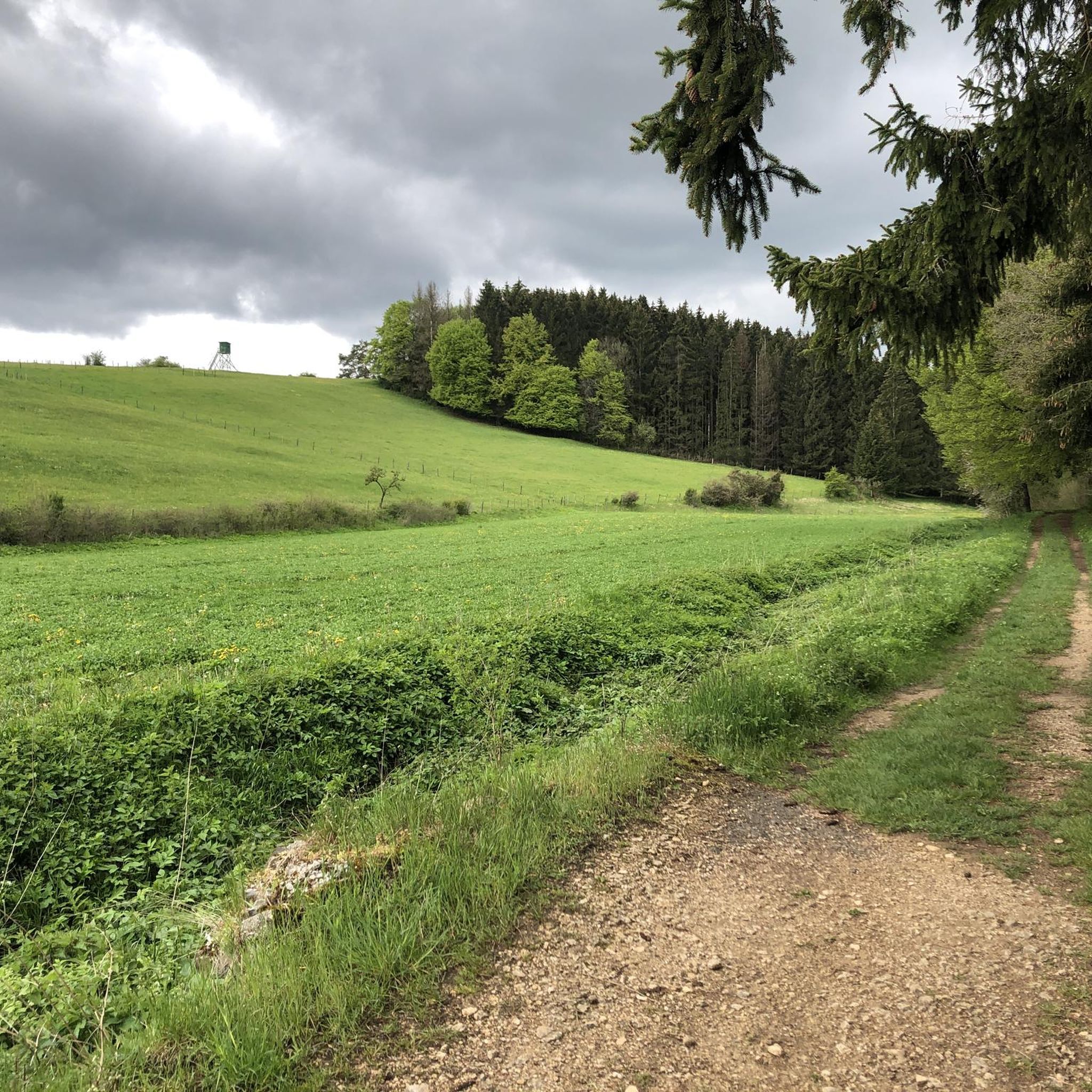
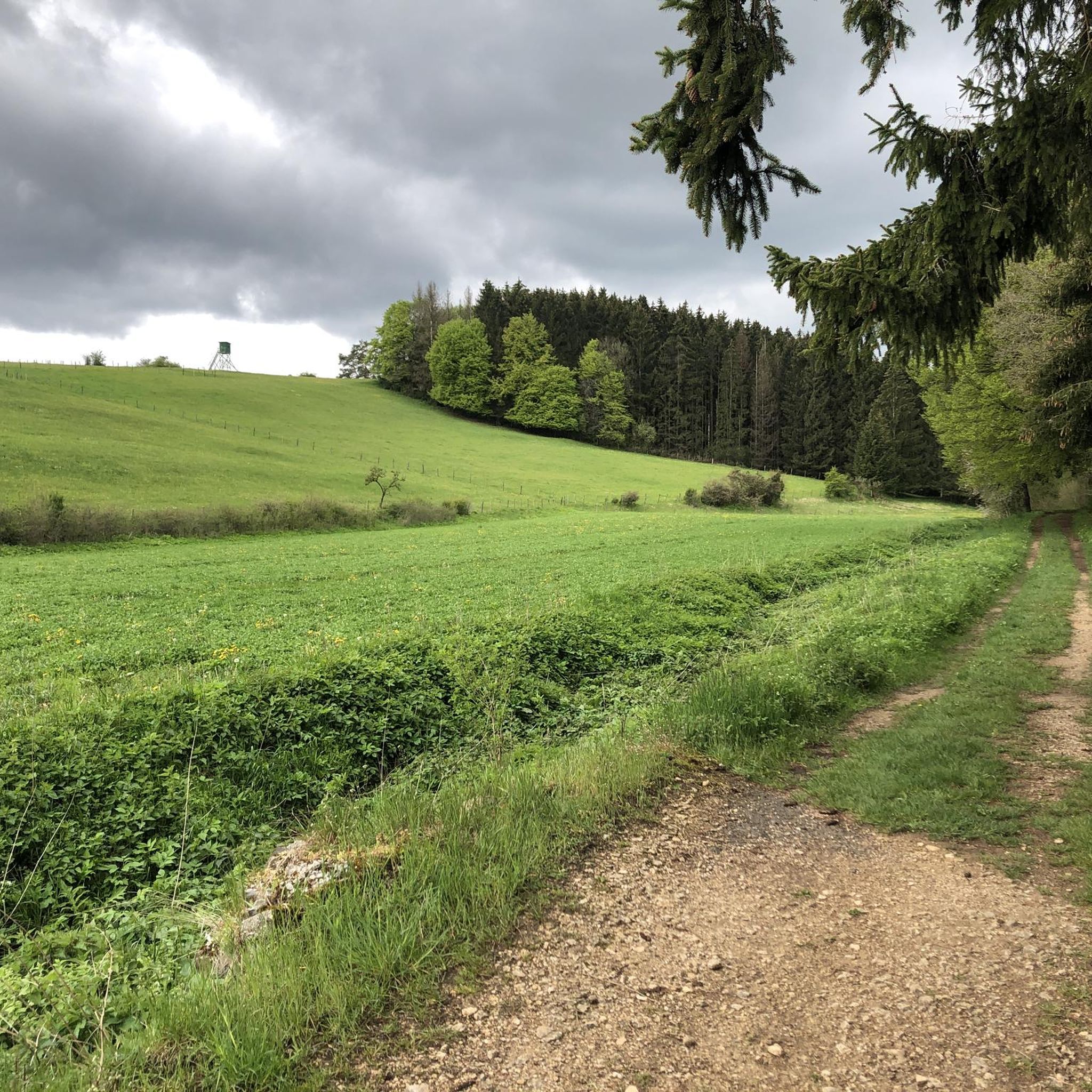
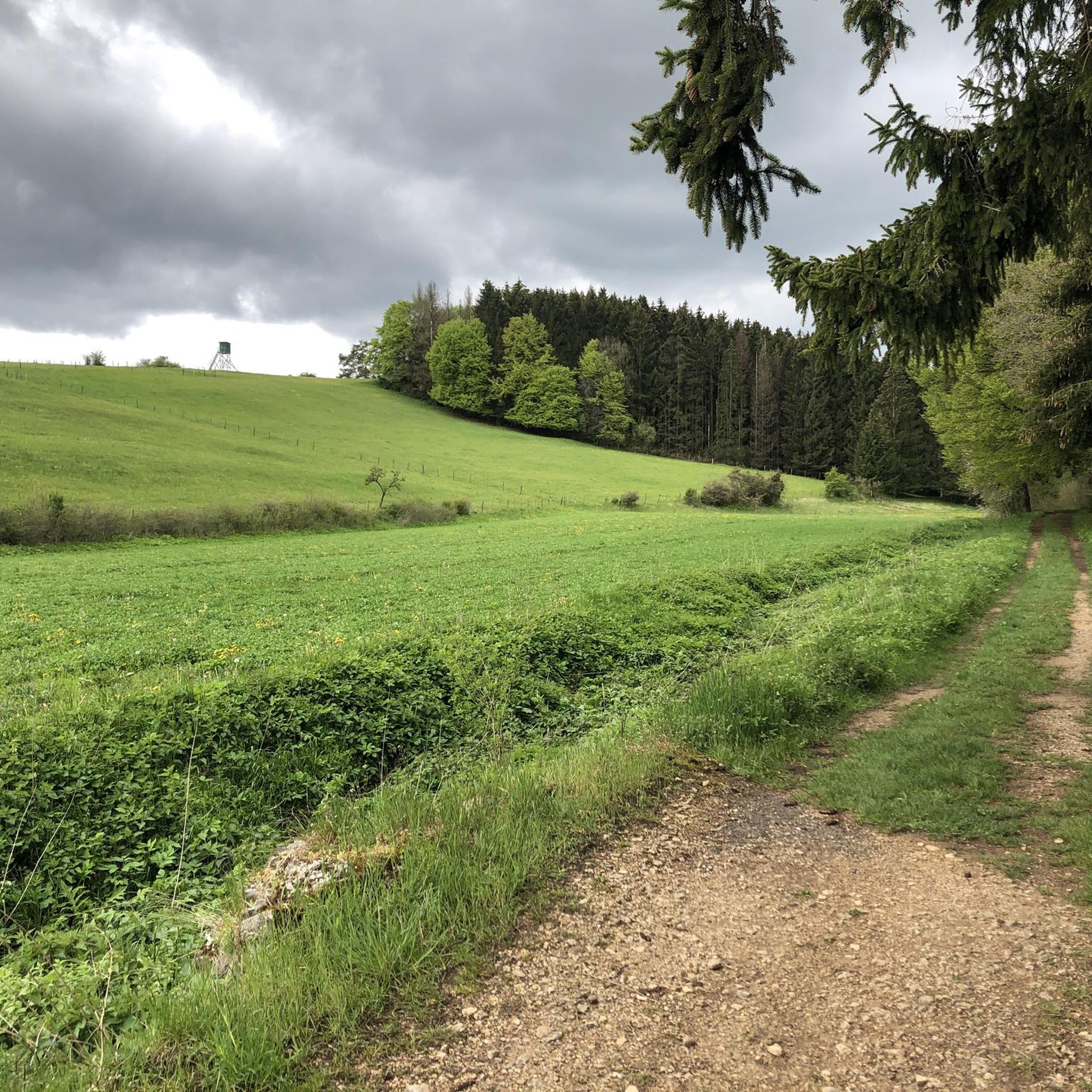
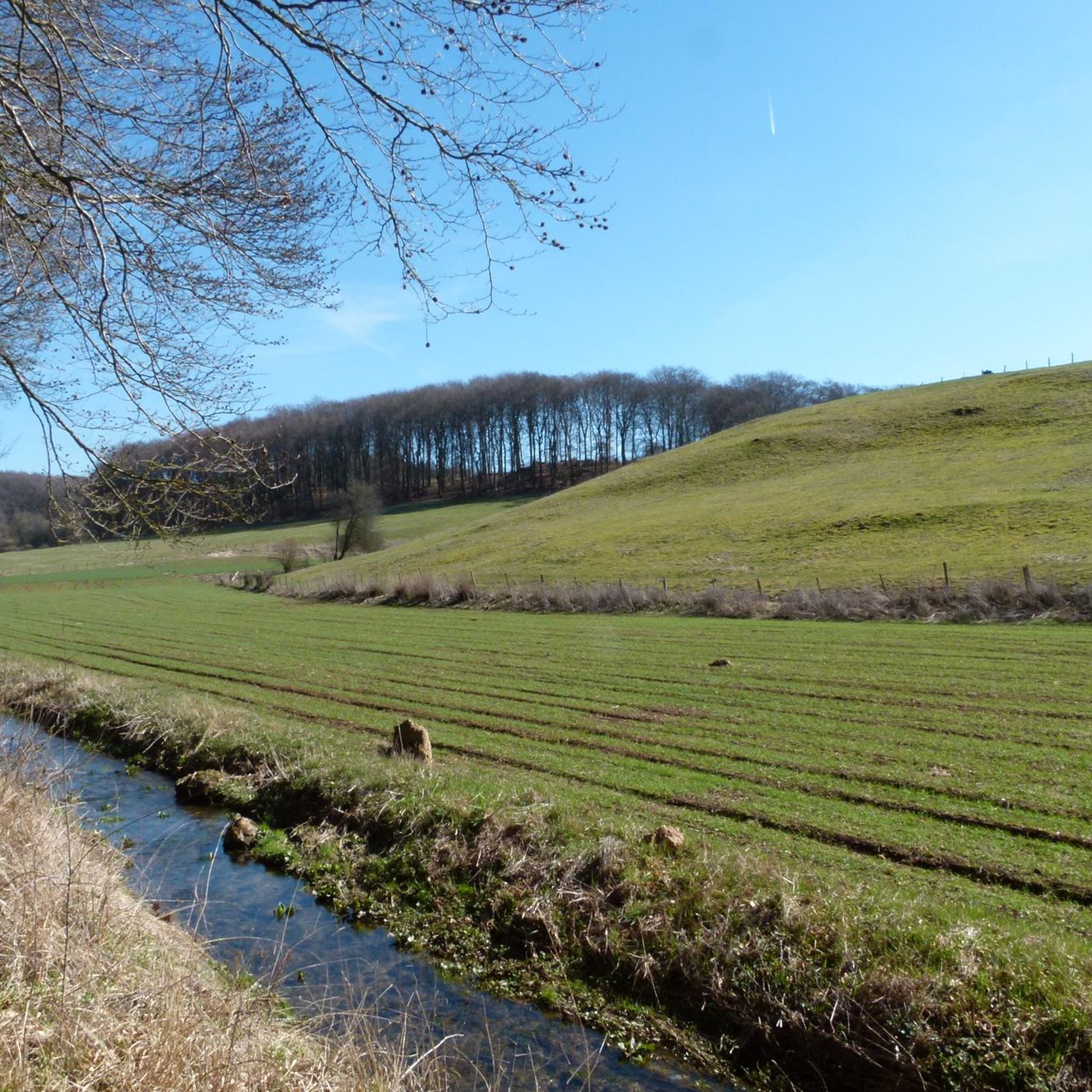

Tips from the Community

Beautiful single trail towards Altburgtal.
1
0

At the beginning of the 20th century, the village priest bred trout in the maar, which was around 100,000 years old. In the 1920s the water was drained and its quickly overgrown, fertile ground was used as a viewing area. 80 years later, scientists proved that this was a silted maar. During a core drilling, 23 m of animals found tuff remains from the Laacher See eruption 13,000 years ago. In addition, the funnel lies on a geological fault line that runs from northwest to southeast. The renatured maar is around 120 meters in diameter and offers a biotope for numerous birds. When the maar was revived from 2007, the Oosbach was dammed. Source: 111 places in the Eifel that you have to see Further information: https://de.wikipedia.org/wiki/Eichholzmaar
5
0

The Altburgbach was completely dry...
2
0

Super nice little nature reserve with many bird observation posts. Many paths around the Maar and a small parking lot are the ideal starting point for a hike.
6
0

Well accessible cave. It is very good to see how the millstones were worked out. A good headlamp is recommended so that your hands are free to take pictures. I personally found the cell phone camera too dark
8
0

"With an area of approx. 102 hectares, the area around the Gerolsteiner Dolomites has been a nature reserve since 1990. + occurring animal species: bat + occurring plant species: juniper, orchids, character plants calcareous grassland, grove rush-beech forest, woodruff-beech forest, orchid-limestone-beech forest Around 380 million years ago there was a warm, subtropical shallow sea here, in which mighty reefs of stromatopores - relatives of sponges - and corals formed. After the dolomitization, sinking and folding of the rocks, the Devonian deposits were lifted out again. Today's Gerolsteiner Dolomites were formed, which rise steeply above the Kylltal north of the center of Gerolstein. The rocks "Hustley", "Munterley", "Drohende Ley", "Große Kanzel" and "Auberg" characterize the cityscape from afar and form the landmark of Gerolstein. The most famous summit of the Gerolsteiner Dolomites is the "Munterley" - with a height of 482 meters - and offers a breathtaking view over Gerolstein, the Kylltal and far into the Vulkaneifel. Stone Age people, who settled here 30,000 years ago, obviously enjoyed this view, as evidenced by stone tools and bones found at the nearby Buchenloch Cave. Visiting the Gerolsteiner Dolomites can be perfectly combined with hiking the Felsenpfad - the northern part of the "Gerolsteiner Dolomiten Acht". The almost eight-kilometer round tour offers many magical places and geological traces." https://www.eifel.info/a-gerolsteiner-dolomites
10
0

Beautiful bridge over the Altburger Bach, which certainly carries a lot of water in winter / spring. Definitely particularly attractive at this time of the year.
8
0

Very quaint, mystical and somehow magical.
6
0
Frequently Asked Questions
What kind of natural features can I explore around Fleringen?
The Fleringen area, located in the Eifel region, is rich in distinctive geological features. You can explore natural monuments like the Gerolstein Dolomites, which were formed from ancient reefs in a subtropical shallow sea. Another highlight is the View of Gerolstein from the Munterley, offering panoramic views from a Devonian reef formed 380 million years ago. The landscape also features volcanic rock formations and serene forest areas.
Are there any historical sites or caves to visit near Fleringen?
Yes, the region offers fascinating historical sites, particularly caves related to past mining activities. The Millstone Cave at Rother Kopf demonstrates how people mined millstones from porous volcanic rock since the 13th century. You can also visit the Birresborn Ice Caves, which are former millstone quarries that served as ice storage and even as a refuge during WWII. These caves are closed from October to March to protect hibernating bats.
What outdoor activities are available around Fleringen?
The Fleringen area is excellent for various outdoor activities. You can find numerous routes for running, gravel biking, and road cycling. For instance, there are several running loops from Fleringen, including the 'On Roth loop' and 'Schönecker Schweiz loop'. Gravel biking offers challenging routes like the 'View of Bertrada Castle – Kyll River loop'. Road cyclists can enjoy scenic rides such as the 'View of Bertrada Castle – Climb to Rom loop'. You can find more details on these activities in the Running Trails around Fleringen, Gravel biking around Fleringen, and Road Cycling Routes around Fleringen guides.
Are there family-friendly attractions or activities in the Fleringen area?
Many of the natural and historical sites around Fleringen can be enjoyed by families. Exploring the Millstone Cave at Rother Kopf offers an engaging historical experience. The View of Gerolstein from the Munterley provides a rewarding destination for a family hike with stunning views. The area's trails often pass through forests and offer opportunities for children to explore nature.
What do visitors particularly enjoy about the attractions near Fleringen?
Visitors frequently praise the stunning panoramic views, especially from the Munterley, which offers a fantastic perspective over Gerolstein and the Kylltal. The geological significance of sites like the Gerolstein Dolomites and the historical insights provided by the millstone caves are also highly appreciated. Many find the trails through the fairytale-like forests and along streams, such as near the Bridge over the Altburger Bach, particularly attractive.
Are there hiking trails near the Gerolstein Dolomites?
Yes, the area around the Gerolstein Dolomites is excellent for hiking. The Gerolsteiner cave trail is highly recommended, allowing you to admire the imposing Dolomites, the beech wood cave, and ice caves. The Celtic Path, which is the second loop of the Dolomite Night, also runs through this scenic landscape.
What is the best time to visit the Birresborn Ice Caves?
The Birresborn Ice Caves are open from April to September. They are closed from October 1st to March 31st to protect bats during their hibernation period, as mandated by Section 39 of the Federal Nature Conservation Act. Visiting during the open season allows you to experience the constant cool temperatures inside and see the unique formations.
What is the geological significance of the Gerolstein Dolomites?
The Gerolstein Dolomites are a significant natural monument. Approximately 380 million years ago, this area was a warm, subtropical shallow sea where massive reefs of stromatopores (relatives of sponges) and corals formed. After dolomitization, sinking, and folding, these Devonian deposits were uplifted, creating the impressive rock formations seen today, such as the Hustley, Munterley, and Große Kanzel.
Can I find viewpoints with good photo opportunities around Fleringen?
Absolutely. The View of Gerolstein from the Munterley is a prime spot for photography, offering a panoramic perspective over Gerolstein and the picturesque Kylltal. The Bridge over the Altburger Bach also provides a charming scene, especially in winter or spring when the stream carries more water, creating a fairytale-like forest setting.
Are there any specific tips for visiting the Millstone Cave at Rother Kopf?
When visiting the Millstone Cave at Rother Kopf, it's highly recommended to bring a good headlamp. This allows you to keep your hands free for taking pictures and better explore how the millstones were worked out from the porous volcanic rock. The cave is well accessible, offering a clear view of the historical mining techniques.
What makes the porous volcanic rock at Rother Kopf suitable for millstones?
The porous volcanic rock found at the Millstone Cave at Rother Kopf is ideal for millstones because it does not become smooth when ground. Instead, the constant abrasion always opens up new pores, keeping the stone sharp-edged. This unique property made it highly sought after for grinding purposes since the 13th century.
What is the significance of the Munterley viewpoint?
The Munterley is not just a viewpoint but also a significant geological site. You are standing on a Devonian reef, formed 380 million years ago when the Eifel region was a tropical lagoon. It offers a breathtaking view over Gerolstein and the Kylltal, making it a popular spot for hikers and nature enthusiasts. There's also a refuge on the Munterley Plateau for shelter in bad weather.
Most popular routes around Fleringen
Most popular attractions around Fleringen

Get inspired with the komoot mobile app


Explore more
Still not found the Highlight you’re looking for? See guides of the top attractions in other regions:
