Top 12 Waterfalls around Eggolsheim
Best waterfalls around Eggolsheim are found in a region characterized by its unique karst landscape, particularly Franconian Switzerland. This geological setting contributes to the formation of distinctive tufa and sinter terraces. The area offers 12 waterfalls, providing various natural attractions for exploration. These waterfalls are often formed by calcareous water creating stepped formations as it flows through the terrain.
Best waterfalls around Eggolsheim
- The most popular waterfalls is Deichselbach Tufa Terraces (Tufa Steps), a waterfall that features a staircase…
Last updated: August 11, 2026
Weißenbach Sinter Terraces
Highlight • Natural Monument
Translated by Google •
Tip by

Wedenbach tufa terraces and waterfall
Highlight • Waterfall
Translated by Google •
Tip by

Sign up now to discover places like this
Get recommendations on the best single tracks, peaks, & plenty of other exciting outdoor places.
Sign up for free
Moritzbach Waterfall and Tufa Terraces
Highlight • Waterfall
Translated by Google •
Tip by

Deichselbach Tufa Terraces (Tufa Steps)
Highlight • Waterfall
Translated by Google •
Tip by

Großer Tummler Karst Spring
Highlight • Natural Monument
Translated by Google •
Tip by
Sign up for free to discover even more waterfalls around Eggolsheim.
Sign up for free
Already have an account?
Start today with a free account
Your next adventure awaits.
Login or Signup
Popular around Eggolsheim
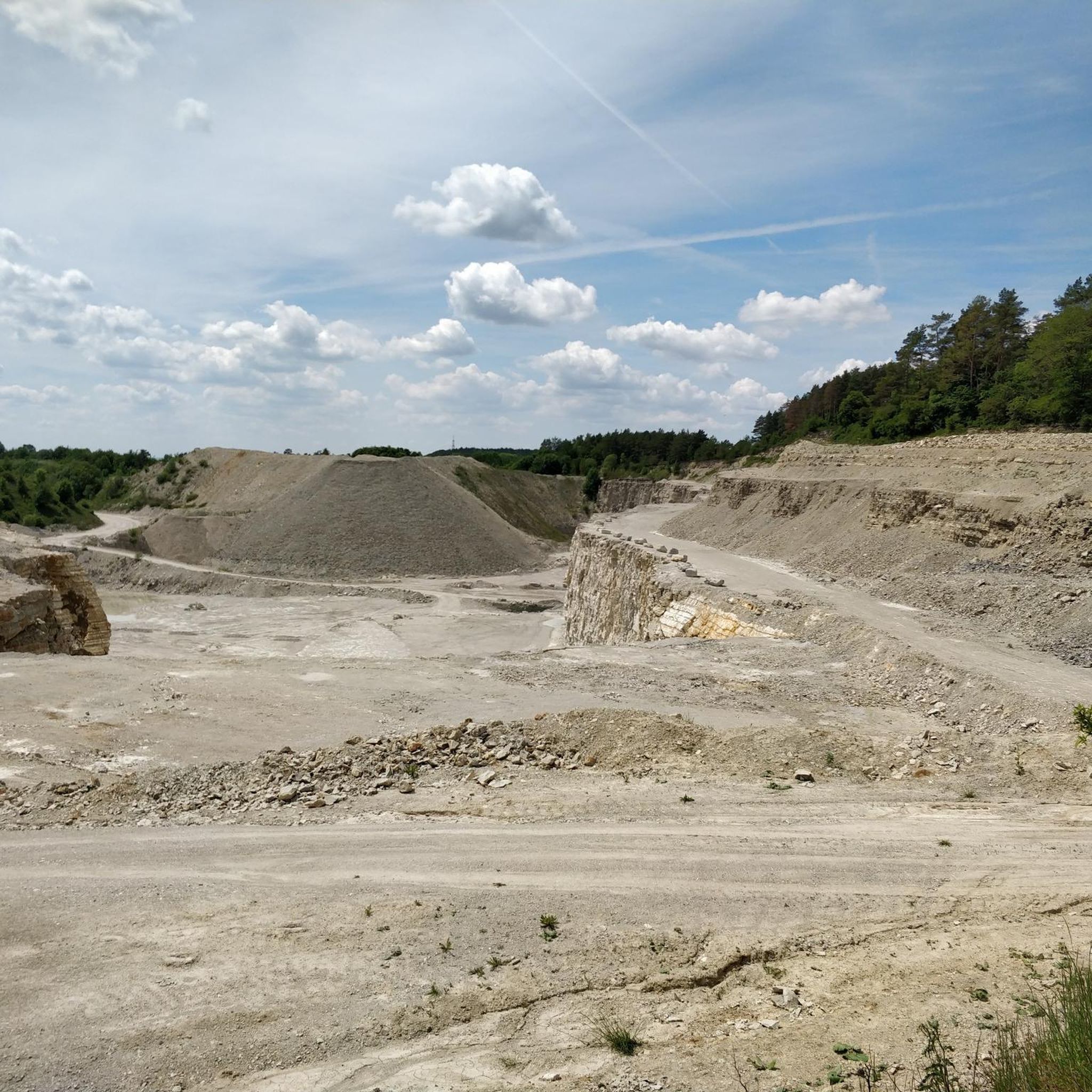
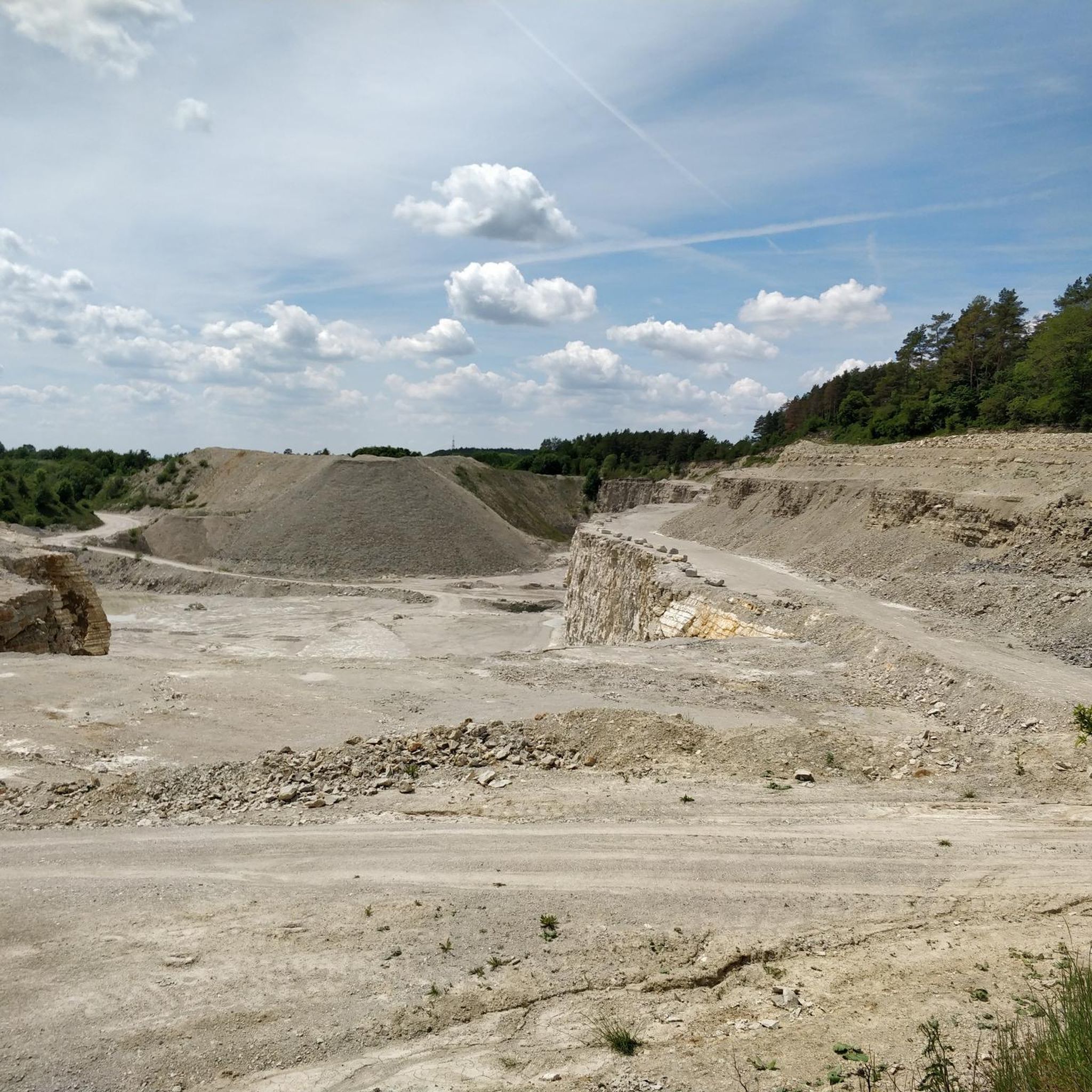
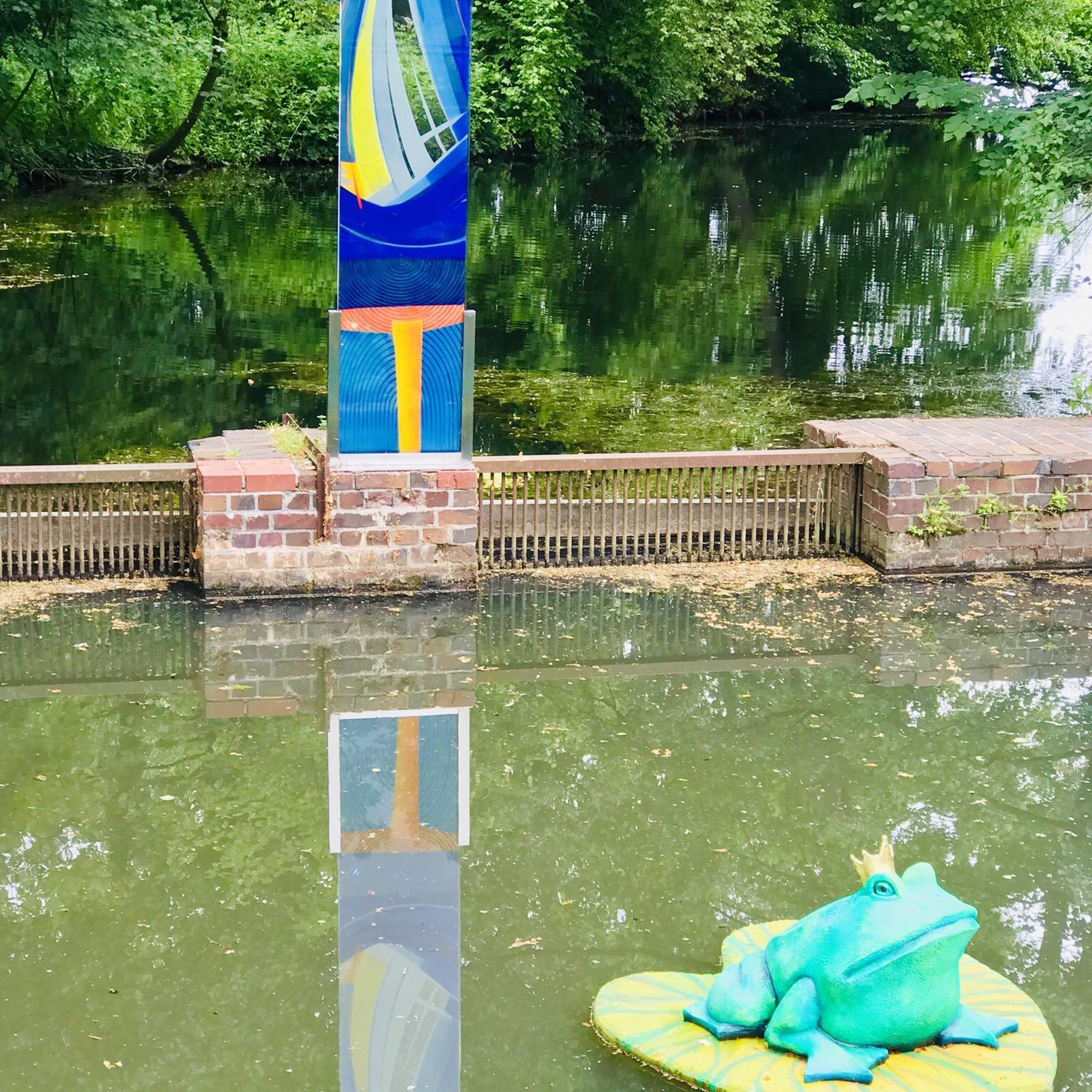
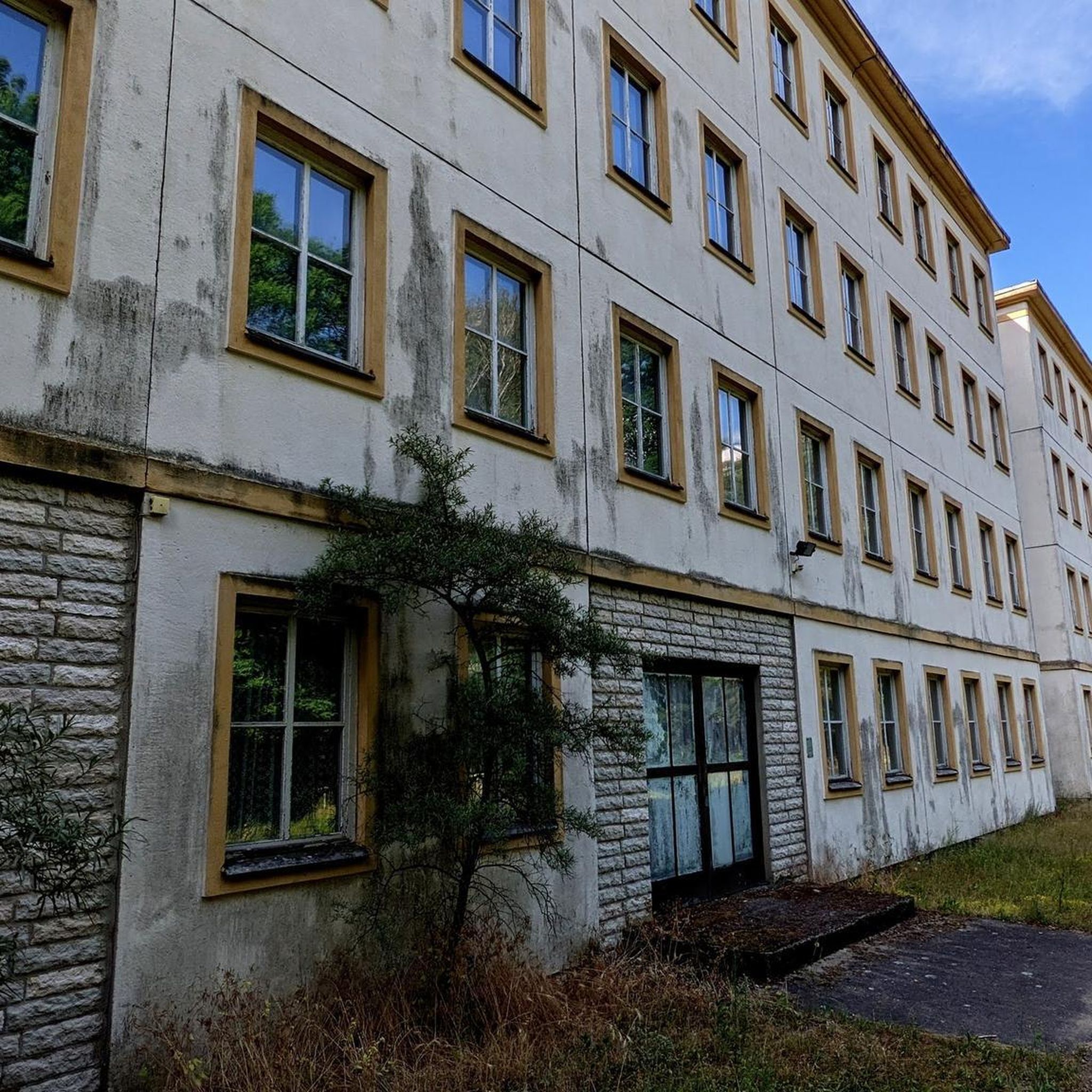
Other adventures around Eggolsheim

Tips from the Community

Tummler is the Franconian term for periodically flowing karst springs, which are generally referred to as hunger fountains. These are springs that dry up in the dry season and flow after particularly heavy rainfall or when the snow melts. The so-called “Tummler” are something special and are definitely worth a visit. The dry valley in summer, small Tummler, large Tummler.
3
0

In summer, an inconspicuous black hole in the rock face, but with a considerable depth of over 18 meters. During heavy rain and when the snow melts, considerable amounts of water can be spewed out here.
6
0

A wonderful place for great photos, to chill or to walk barefoot through the water.
4
1

After the snow melts in spring, karst water emerges from the rock hole, at times in a flood that covers the entire valley floor of the dry valley up to the Heroldsmühle. The stones in front of the rock hole were also washed out. Since the spring runs dry the rest of the year, it is popularly known as the Hunger Well. The emergence of large amounts of water from the tumbler was previously interpreted as an ominous omen. The large Tummler rises from a fissure in the Malm Beta, which is expanded into a spring cave by dissolving the lime. The small Tummler, another karst spring that only flows in spring, is located 200m up the valley. (Source: information board on site)
5
0

Unfortunately, it only seems to have water after heavy rainfall, but you can still sense its true beauty
6
1

Very nicely located, but now in August 23 unfortunately quite little water
1
0

In its upper section, the Weißenbach has formed steps of calcareous tuff that are 5,000 to 10,000 years old. When the spring water, which is rich in lime and saturated with carbonic acid, escapes, the carbon dioxide escapes and fine limestone sinter is formed. They partially enclose mosses, leaves and small plants, so that over time small sinter basins and cushion-shaped beds develop. Very soft when wet, hardening when dry.
10
1
A beautiful, narrow path leads along the Weißenbach into the valley. The initially narrow stream widens and forms sinter terraces.
7
0
Frequently Asked Questions
What are some other notable waterfalls and natural features to explore near Eggolsheim?
Beyond the most popular spots, you can discover the Wedenbach tufa terraces and waterfall, which is part of a geological hiking trail and offers benches for resting. Another unique site is the Großer Tummler Karst Spring, which transforms into a flowing waterfall after heavy rainfall, especially in winter and spring, revealing a small river in the dry valley.
Are there family-friendly waterfalls around Eggolsheim?
Yes, several waterfalls are suitable for families. The Weißenbach Sinter Terraces and the Wedenbach tufa terraces and waterfall are both categorized as family-friendly. These locations often feature accessible paths and interesting natural formations that children can enjoy.
What is the best time to visit the waterfalls near Eggolsheim?
The waterfalls are generally most impressive after rainy days, when the water flow is more pronounced. This is particularly true for the Deichselbach Tufa Terraces and the Weißenbach Sinter Terraces. In winter, if temperatures drop, you might even see ingenious ice formations at Deichselbach.
What kind of natural features can I expect to see at these waterfalls?
The region around Eggolsheim is known for its unique karst landscape. You'll primarily encounter fascinating tufa and sinter terraces, which are formed by calcareous water creating stepped formations. These include multiple small cascades, gushing water over natural steps, and even karst springs that become active after heavy rainfall.
Are there any circular walks that include waterfalls near Eggolsheim?
Many of the waterfalls, such as the Wedenbach tufa terraces and waterfall, are integrated into local hiking trails, including geological routes. While specific circular routes are not detailed for every waterfall, the nature of the trails in Franconian Switzerland often allows for varied loops through forests and valleys, incorporating these natural monuments.
What is the difficulty level of waterfall trails around Eggolsheim?
Most waterfall trails in the area, including those leading to the Weißenbach Sinter Terraces, Wedenbach tufa terraces, Moritzbach Waterfall, and Deichselbach Tufa Terraces, are generally rated as intermediate. They often involve walking along narrow paths, sometimes with stairs, and can be wet or muddy after rain.
What outdoor activities can I do near the waterfalls around Eggolsheim?
The area offers a variety of outdoor activities. You can find numerous running trails, such as those listed in the Running Trails around Eggolsheim guide. For mountain biking enthusiasts, there are many MTB trails, detailed in the MTB Trails around Eggolsheim guide. Gravel biking is also popular, with routes available in the Gravel biking around Eggolsheim guide.
What should I wear for a waterfall hike in Eggolsheim?
Given that many trails are rated intermediate and can be wet or muddy, especially after rain, it's advisable to wear sturdy, waterproof hiking shoes. Layered clothing is also recommended to adapt to changing weather conditions, and a rain jacket might be useful.
Are the waterfalls accessible in winter for hiking?
Yes, some waterfalls like the Deichselbach Tufa Terraces are specifically mentioned as being worth visiting in winter. With frosty temperatures, you can admire unique ice formations on the stream and sinter steps. However, trails might be slippery, so appropriate footwear is essential.
What do visitors enjoy most about the waterfalls around Eggolsheim?
Visitors frequently appreciate the unique natural beauty of the tufa and sinter terraces, describing them as beautiful and even magical. The sound of the clear water cascading over the steps, especially after rain, is a highlight. Many also enjoy the peaceful forest paths that lead to these natural monuments.
Are there any hidden waterfalls or less-known spots worth visiting?
While the main waterfalls are well-documented, the region's karst landscape means there are many smaller, less conspicuous streams and springs that might form temporary cascades, especially after heavy rainfall. Exploring the numerous forest paths in Franconian Switzerland can lead to discovering these quieter, natural wonders.
Can I bring my dog on waterfall hikes near Eggolsheim?
Generally, dogs are welcome on hiking trails in natural areas around Eggolsheim. However, it's always best to keep them on a leash, especially near natural monuments and to respect local regulations. Some paths, like those at Moritzbach Waterfall, involve stairs, which might be challenging for some dogs.
Most popular routes around Eggolsheim
Most popular attractions around Eggolsheim

Get inspired with the komoot mobile app


Explore more
Happy to travel a little further afield? Then browse these guides for the best waterfalls around Eggolsheim:
